


Pinus
- Phonetic Spelling
- PY-nus
- Description
-
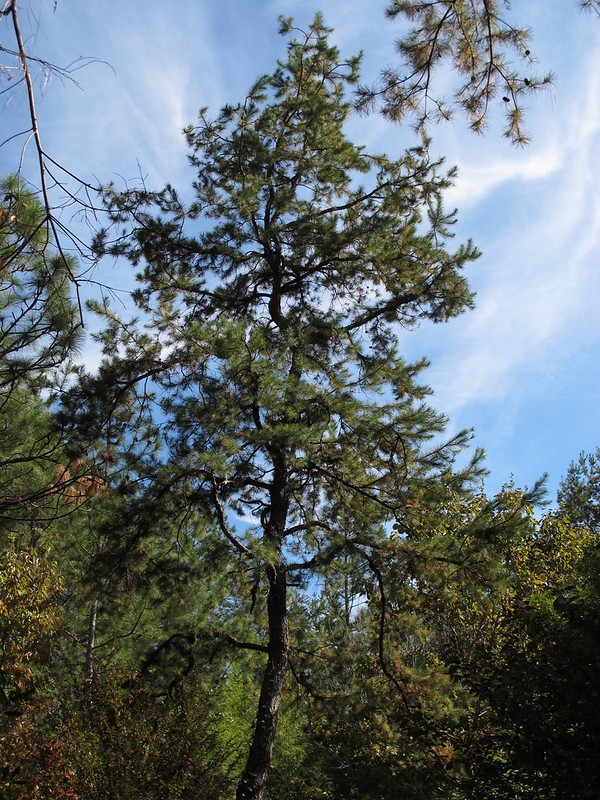
Pines are a large genus of conifers native to North and Central America and the Caribbean, Europe, Asia and northern Africa. There are numerous species native to the SE USA. Pines are members of the pine family (Pinaceae).
Pines need sunny positions with room to grow. Some species tolerate seasonal flooding. Most are highly drought-tolerant once established. Their size varies greatly depending on the species.
Pines are vital wildlife resources. Many animals live in, on and among pines and depend on them for food. Pines also have a tremendous economic importance for lumber and naval stores. The shed needles, drops of resin, and cones can be messy and a nuisance. Don't plant pines next to places where cars are parked; the resin damages car finishes.
Native species are excellent for the native garden, woodland garden, children's garden and rain garden. Other species work well in Asian gardens, rock gardens and formal gardens. Pines can be used as accents, specimens or shade trees (they make high, dappled shade in which other, partial shade-loving plants can thrive). They can be used singly or in small groups.
Insects, Diseases, and Other Plant Problems: See multiple insect problems to the left. Potential diseases are pine wilt, Ddplodia tip blight and fusiform rust.
- See this plant in the following landscape :
- Cultivars / Varieties:
-
-
Pinus aristata
Bristlecone Pine Pinus armandi
Armand Pine Pinus banksiana
Jack Pine Pinus bungeana
Lacebark Pine Pinus cembra
Swiss Stone Pine Pinus clausa
Sand Pine Pinus contorta
Lodgepole Pine Pinus densiflora
Japanese Red Pine Pinus echinata
Shortleaf Pine Pinus edulis
Pinyon Pine Pinus elliottii
Slash Pine Pinus flexilis
Limber Pine Pinus glabra
Spruce Pine Pinus heldreichii
Bosnian Pine Pinus jeffreyi
Jeffrey Pine Pinus koraiensis
Korean Pine Pinus monticola
Western White Pine Pinus mugo
Mugo Pine Pinus nigra
Austrian Pine Pinus palustris
Longleaf Pine Pinus parviflora
Japanese White Pine Pinus peuce
Macedonian Pine Pinus pinaster
Maritime Pine Pinus pinea
Umbrella Pine Pinus ponderosa
Ponderosa Pine Pinus pungens
Table Mountain Pine Pinus rigida
Pitch Pine Pinus serotina
Pond Pine Pinus strobus
Eastern White Pine Pinus sylvestris
Scots Pine Pinus taeda
Loblolly Pine Pinus thunbergii
Japanese Black Pine Pinus virginiana
Virginia Pine Pinus wallichiana
Himalayan Pine Pinus yunnanensis
Yunnan Pine - Pinus aristata, Pinus armandi, Pinus banksiana, Pinus bungeana, Pinus cembra, Pinus clausa, Pinus contorta, Pinus densiflora, Pinus echinata, Pinus edulis, Pinus elliottii, Pinus flexilis, Pinus glabra, Pinus heldreichii, Pinus jeffreyi, Pinus koraiensis, Pinus monticola, Pinus mugo, Pinus nigra, Pinus palustris, Pinus parviflora, Pinus peuce, Pinus pinaster, Pinus pinea, Pinus ponderosa, Pinus pungens, Pinus rigida, Pinus serotina, Pinus strobus, Pinus sylvestris, Pinus taeda, Pinus thunbergii, Pinus virginiana, Pinus wallichiana, Pinus yunnanensis
- Tags:




- Cultivars / Varieties:
-
-
Pinus aristata
Bristlecone Pine Pinus armandi
Armand Pine Pinus banksiana
Jack Pine Pinus bungeana
Lacebark Pine Pinus cembra
Swiss Stone Pine Pinus clausa
Sand Pine Pinus contorta
Lodgepole Pine Pinus densiflora
Japanese Red Pine Pinus echinata
Shortleaf Pine Pinus edulis
Pinyon Pine Pinus elliottii
Slash Pine Pinus flexilis
Limber Pine Pinus glabra
Spruce Pine Pinus heldreichii
Bosnian Pine Pinus jeffreyi
Jeffrey Pine Pinus koraiensis
Korean Pine Pinus monticola
Western White Pine Pinus mugo
Mugo Pine Pinus nigra
Austrian Pine Pinus palustris
Longleaf Pine Pinus parviflora
Japanese White Pine Pinus peuce
Macedonian Pine Pinus pinaster
Maritime Pine Pinus pinea
Umbrella Pine Pinus ponderosa
Ponderosa Pine Pinus pungens
Table Mountain Pine Pinus rigida
Pitch Pine Pinus serotina
Pond Pine Pinus strobus
Eastern White Pine Pinus sylvestris
Scots Pine Pinus taeda
Loblolly Pine Pinus thunbergii
Japanese Black Pine Pinus virginiana
Virginia Pine Pinus wallichiana
Himalayan Pine Pinus yunnanensis
Yunnan Pine - Pinus aristata, Pinus armandi, Pinus banksiana, Pinus bungeana, Pinus cembra, Pinus clausa, Pinus contorta, Pinus densiflora, Pinus echinata, Pinus edulis, Pinus elliottii, Pinus flexilis, Pinus glabra, Pinus heldreichii, Pinus jeffreyi, Pinus koraiensis, Pinus monticola, Pinus mugo, Pinus nigra, Pinus palustris, Pinus parviflora, Pinus peuce, Pinus pinaster, Pinus pinea, Pinus ponderosa, Pinus pungens, Pinus rigida, Pinus serotina, Pinus strobus, Pinus sylvestris, Pinus taeda, Pinus thunbergii, Pinus virginiana, Pinus wallichiana, Pinus yunnanensis
- Tags:
-
-
Attributes:
- Genus:
- Pinus
- Family:
- Pinaceae
- Fire Risk Rating:
- high flammability
-
-
Whole Plant Traits:
- Woody Plant Leaf Characteristics:
- Needled Evergreen
- Habit/Form:
- Erect
- Maintenance:
- Medium
- Texture:
- Coarse
-
-
Cultural Conditions:
- Light:
- Full sun (6 or more hours of direct sunlight a day)
- Partial Shade (Direct sunlight only part of the day, 2-6 hours)
- Soil Texture:
- Clay
- Loam (Silt)
- Sand
- Shallow Rocky
- NC Region:
- Coastal
- Mountains
- Piedmont
-
-
Fruit:
- Fruit Description:
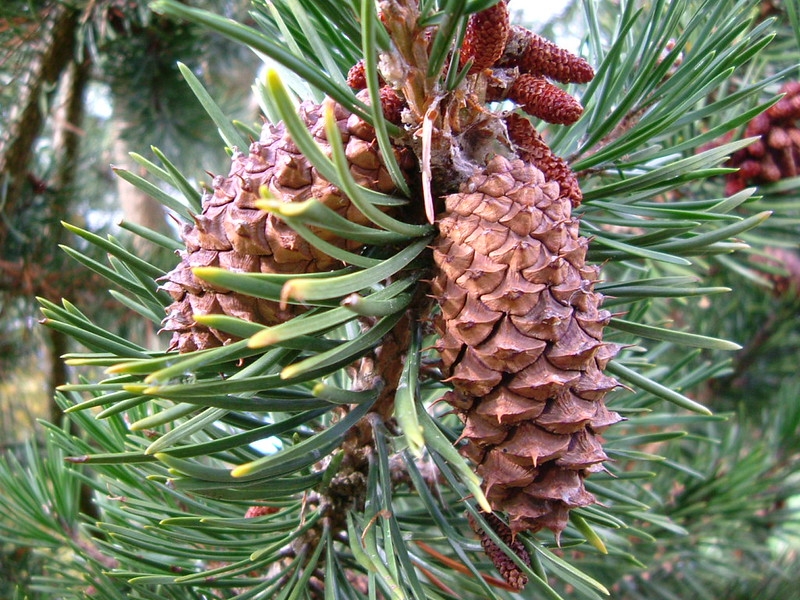
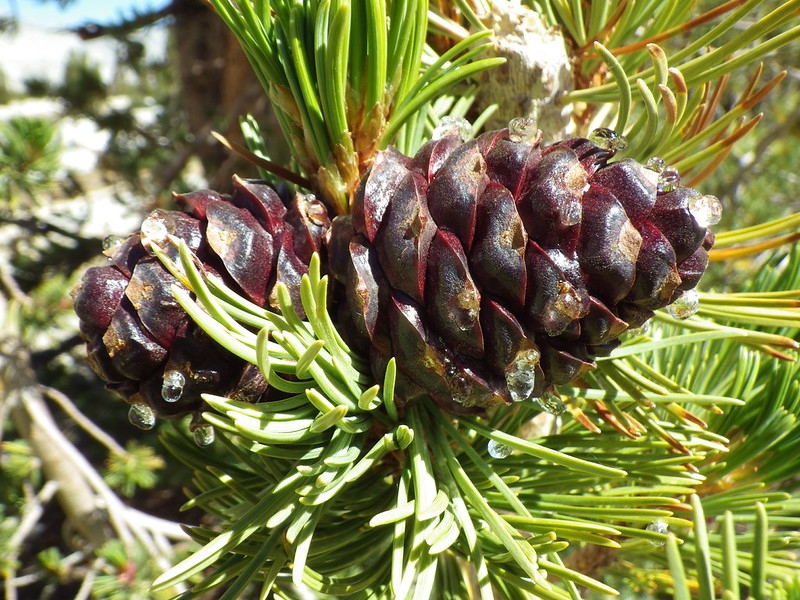
- These are conifers and bear woody cones.
-
-
Flowers:
- Flower Description:
- No flowers
-
-
Leaves:
- Woody Plant Leaf Characteristics:
- Needled Evergreen
- Leaf Color:
- Green
- Leaf Value To Gardener:
- Long-lasting
- Showy
- Leaf Type:
- Simple
- Leaf Arrangement:
- Other/more complex
- Leaf Shape:
- Filiform
- Leaf Margin:
- Entire
- Hairs Present:
- No
- Leaf Length:
- 3-6 inches
- Leaf Width:
- < 1 inch
- Leaf Description:
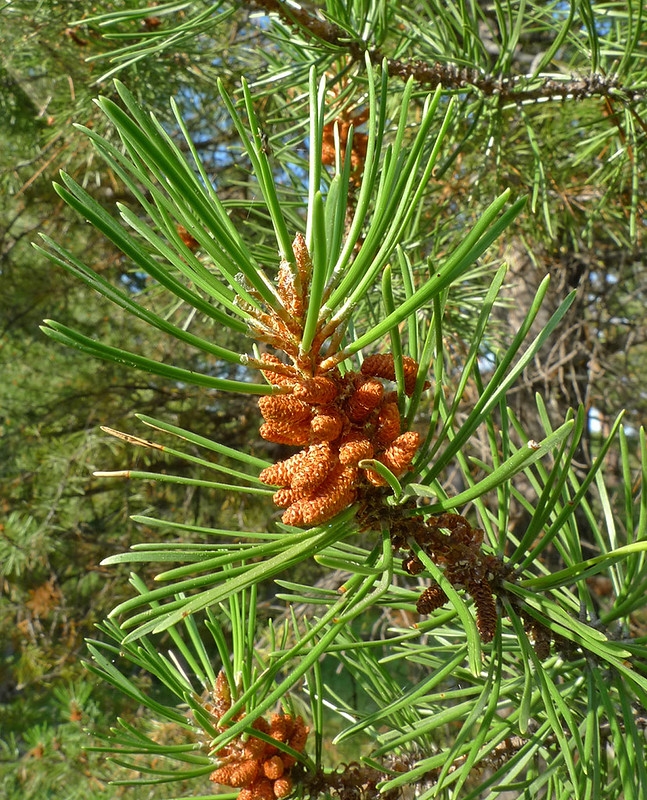
- The leaves of pines are needle-like. They are borne in fascicles of 1 to 5 needles on short shoots. They are 3 to 8 inches in length, depending on the species.
-
-
Bark:
- Bark Color:
- Dark Brown
- Dark Gray
- Light Brown
- Light Gray
- Surface/Attachment:
- Fissured
- Ridges
- Scaly
- Bark Plate Shape:
- Irregular
- Rectangle
- Bark Description:
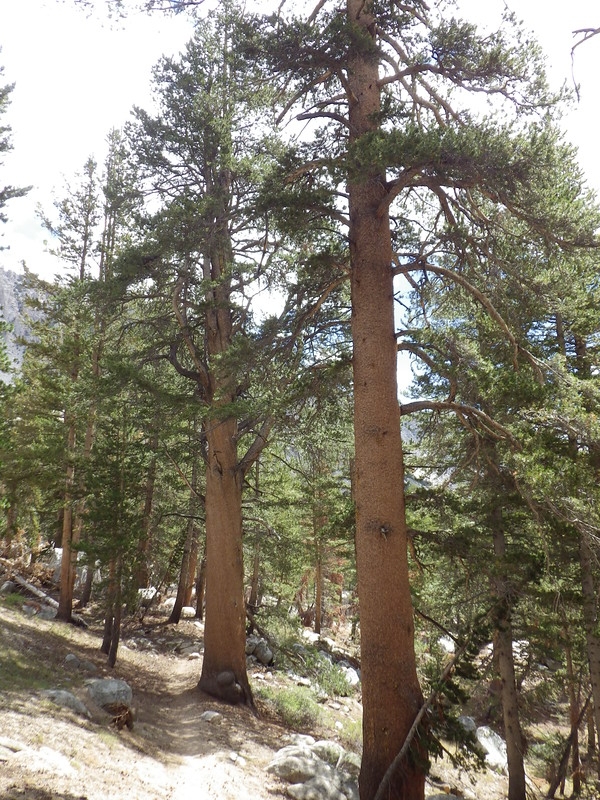
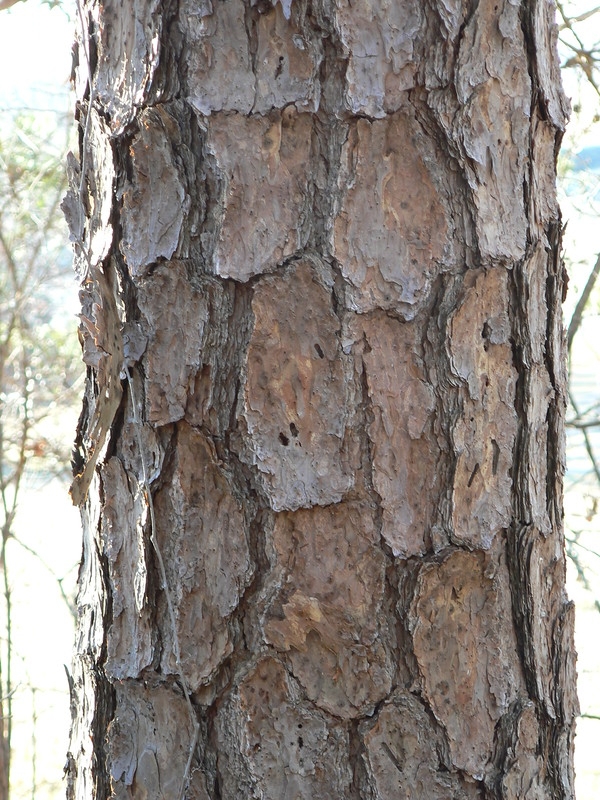
- The bark ranges in color from light gray to dark brown. Most have thick and fissured bark but a few have thinner and flaky bark.
-
-
Stem:
- Stem Is Aromatic:
- Yes
- Stem Bud Terminal:
- Only 1 terminal bud, larger than side buds
-
-
Landscape:
- Landscape Location:
- Naturalized Area
- Design Feature:
- Accent
- Screen/Privacy
- Shade Tree
- Small groups
- Specimen
- Attracts:
- Bats
- Small Mammals
- Songbirds
- Resistance To Challenges:
- Deer
- Drought
- Dry Soil
- Pollution
- Poor Soil
- Rabbits
- Squirrels
- Problems:
- Messy