


Pinus echinata
Common Name(s):
- Phonetic Spelling
- PY-nus ek-in-AY-tuh
- Description
-
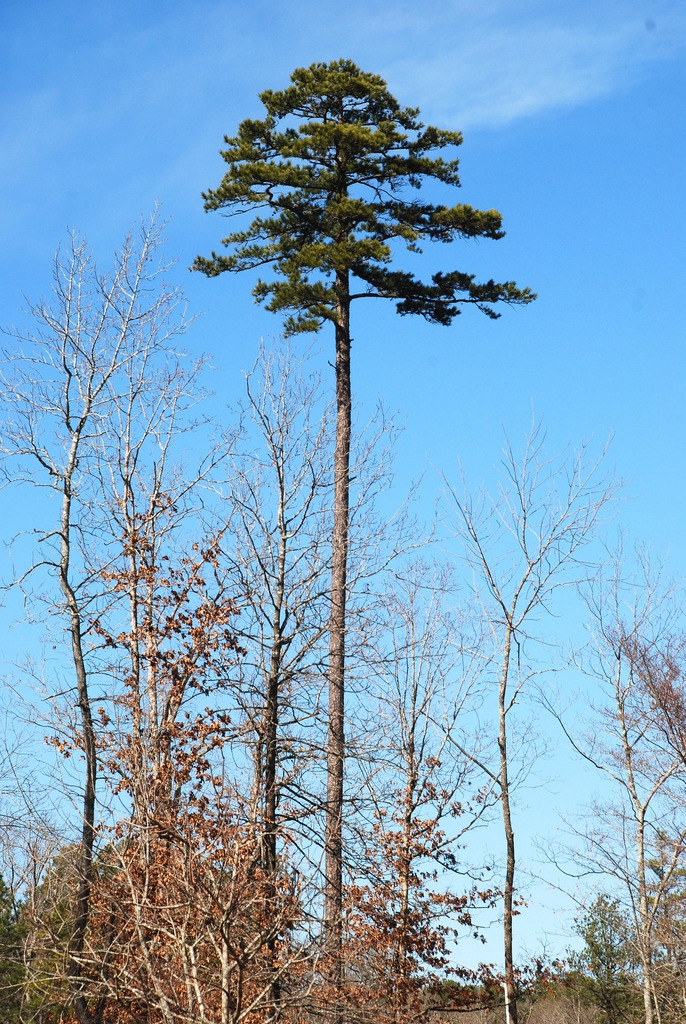
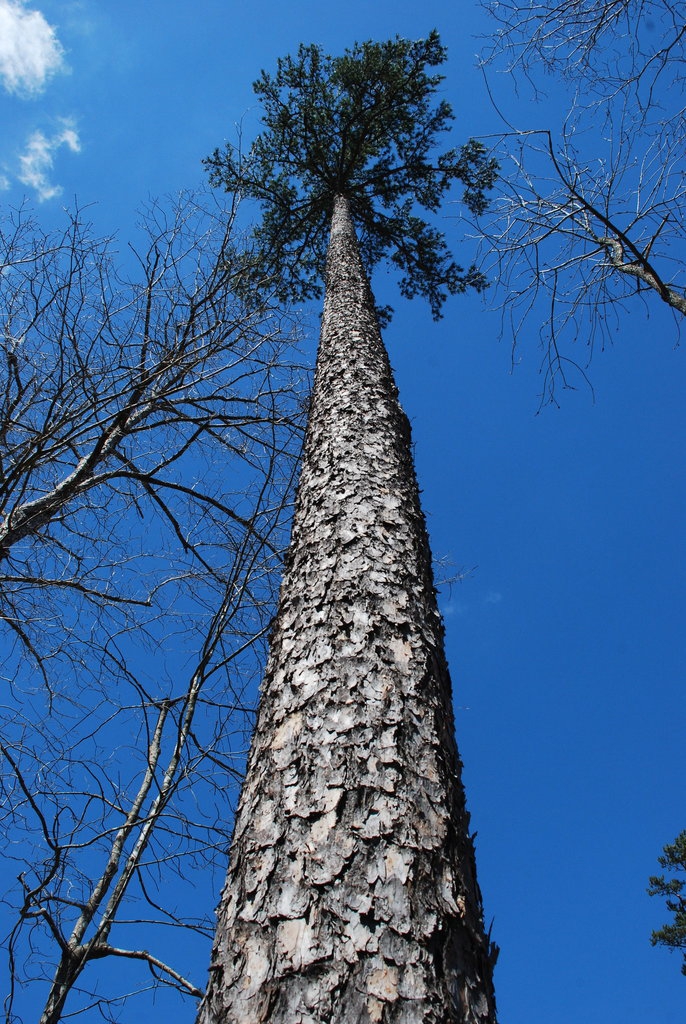
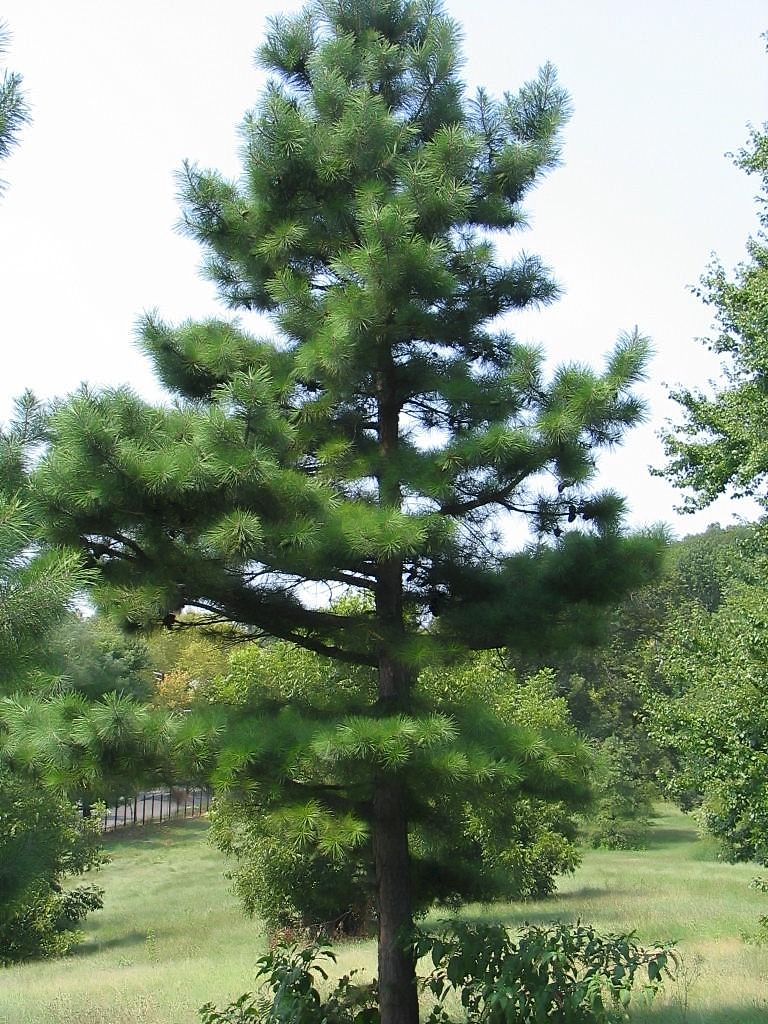
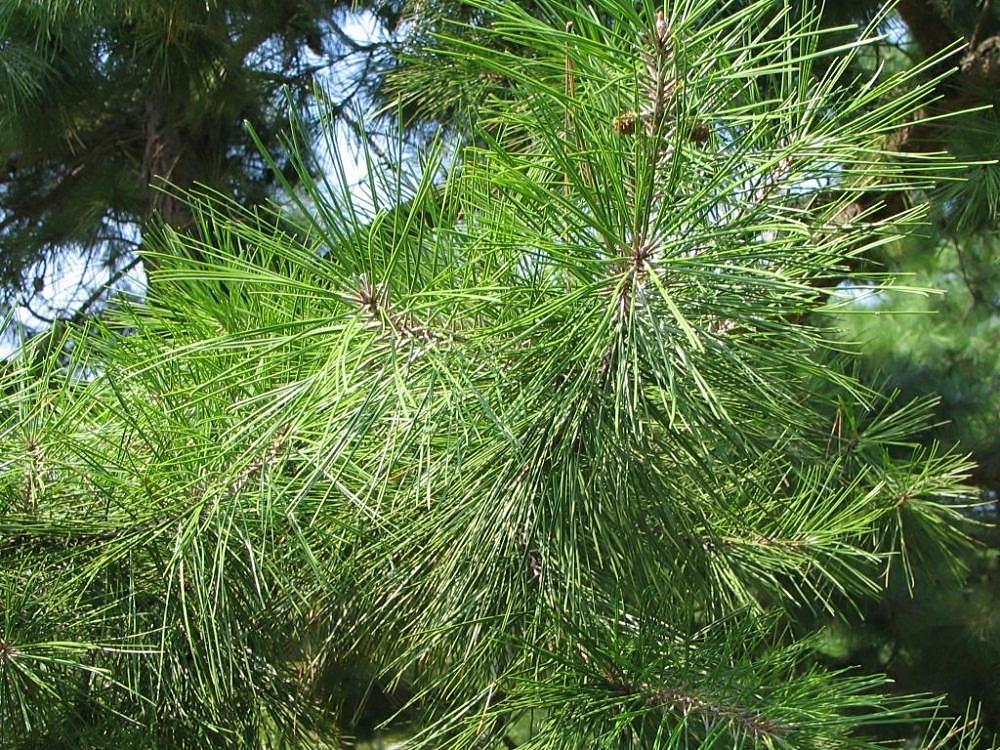
Shortleaf Pine is an evergreen tree that may grow 80 to 100 feet tall. The tree has 3- to 5-inch slender and flexible needles in clusters of 2 or 3. The fascicle sheath is persistent. The bark is scaly and dark on young trees. As the tree ages, flat scales which reveal a yellowish color when removed develop. The tree produces both a pale purple male cone and a pale pink female cone.
The Shortleaf Pine grows best in average, dry to medium, well-drained soils in full sun. It will tolerate some light shade. It will also tolerate a wide range of soils but prefers sandy loams.
Fire Risk: This plant has a high flammability rating and should not be planted within the defensible space of your home. Select plants with a low flammability rating for the sites nearest your home.
Insects, Diseases, or Other Plant Problems: Healthy, well-maintained Shortleaf pine trees usually have few problems. Pine beetles and weevils are potential insect pests. This tree is susceptible to wind damage.
- See this plant in the following landscape :
- Cultivars / Varieties:
-
- Tags:


- Cultivars / Varieties:
-
- Tags:
-
-
Attributes:
- Genus:
- Pinus
- Species:
- echinata
- Family:
- Pinaeceae
- Uses (Ethnobotany):
- Use as Lumber, plywood, even taproots are used for pulpwood. Also used to make turpentine.
- Life Cycle:
- Woody
- Country Or Region Of Origin:
- Southeastern United States
- Distribution:
- Southeastern NY west to eastern OK south to southern TX east to northern FL
- Fire Risk Rating:
- high flammability
- Wildlife Value:
- It provides winter cover. This plant supports Imperial Moth (Eacles imperialis) larvae which have one brood per season and appear from April-October in the south. Adult Imperial Moths do not feed. This plant also supports Eastern Pine Elfin (Callophrys niphon) which have one flight from March-June. Squirrels, other small mammals, and birds eat the seeds.
- Play Value:
- Wildlife Food Source
- Wind Break
- Particularly Resistant To (Insects/Diseases/Other Problems):
- The Shortleaf pine is moderately resistant to deer damage.
- Dimensions:
- Height: 80 ft. 0 in. - 100 ft. 0 in.
- Width: 20 ft. 0 in. - 40 ft. 0 in.
-
-
Whole Plant Traits:
- Plant Type:
- Native Plant
- Tree
- Woody Plant Leaf Characteristics:
- Needled Evergreen
- Habit/Form:
- Horizontal
- Pyramidal
- Growth Rate:
- Rapid
- Maintenance:
- Low
- Texture:
- Medium
-
-
Cultural Conditions:
- Light:
- Full sun (6 or more hours of direct sunlight a day)
- Partial Shade (Direct sunlight only part of the day, 2-6 hours)
- Soil Texture:
- Loam (Silt)
- Sand
- Soil Drainage:
- Good Drainage
- Moist
- Occasionally Dry
- Available Space To Plant:
- 24-60 feet
- more than 60 feet
- NC Region:
- Coastal
- Mountains
- Piedmont
- USDA Plant Hardiness Zone:
- 6a, 6b, 7a, 7b, 8a, 8b, 9a, 9b
-
-
Fruit:
- Fruit Color:
- Brown/Copper
- Pink
- Purple/Lavender
- Display/Harvest Time:
- Fall
- Fruit Length:
- 1-3 inches
- Fruit Description:
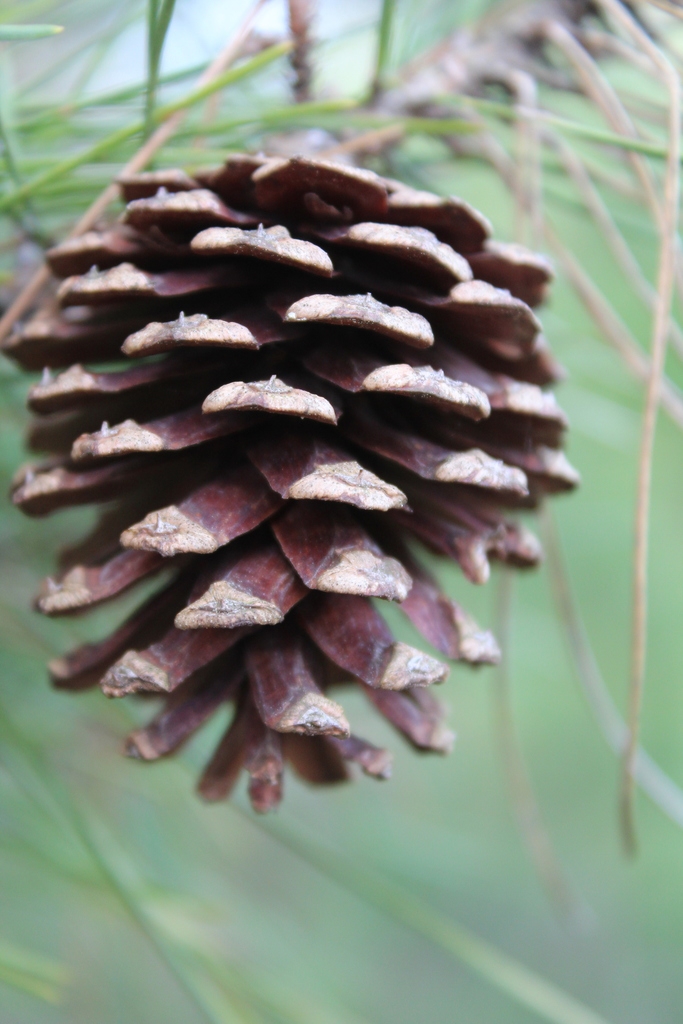
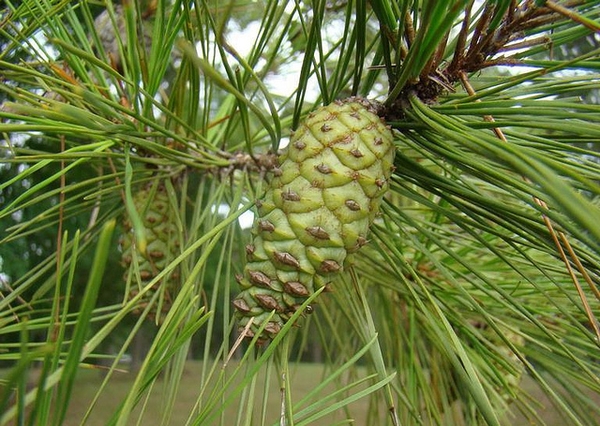
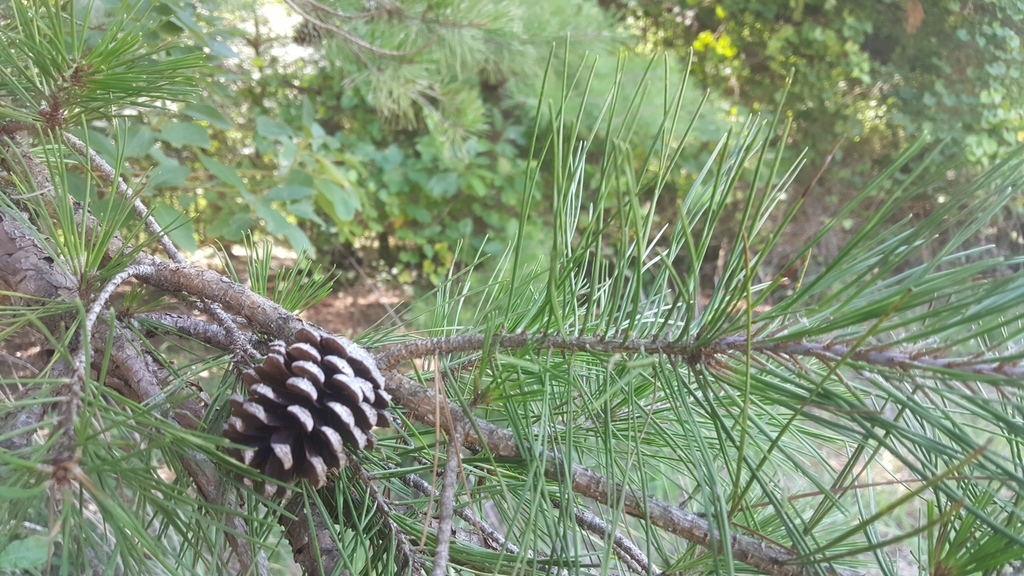
- The symmetrical, ovoid, short-stalked cones (1.5 to 2.5" long) are usually not produced until the tree reaches 20 years of age. The tip of each scale has a short spine. This tree produces both a pale purple male cone and a pale pink female cone that releases seeds from fall to winter. Once empty, the cones stay attached to the tree for many years. Fruit displays from September to October.
-
-
Flowers:
- Flower Bloom Time:
- Spring
- Flower Description:
- No flowers
-
-
Leaves:
- Woody Plant Leaf Characteristics:
- Needled Evergreen
- Leaf Color:
- Blue
- Green
- Leaf Type:
- Needles
- Leaf Arrangement:
- Other/more complex
- Leaf Shape:
- Acicular
- Oblong
- Ovate
- Hairs Present:
- No
- Leaf Length:
- 3-6 inches
- Leaf Width:
- < 1 inch
- Leaf Description:
- The Shortleaf Pine has slender, flexible, dark bluish-green needles (3-5" long) that appear in bundles of two or three. It begins to drop needles at the end of its second season, some needles remaining until its fifth year.
-
-
Bark:
- Bark Color:
- Black
- Dark Gray
- Light Brown
- Red/Burgundy
- Surface/Attachment:
- Furrowed
- Ridges
- Bark Plate Shape:
- Irregular
- Bark Description:
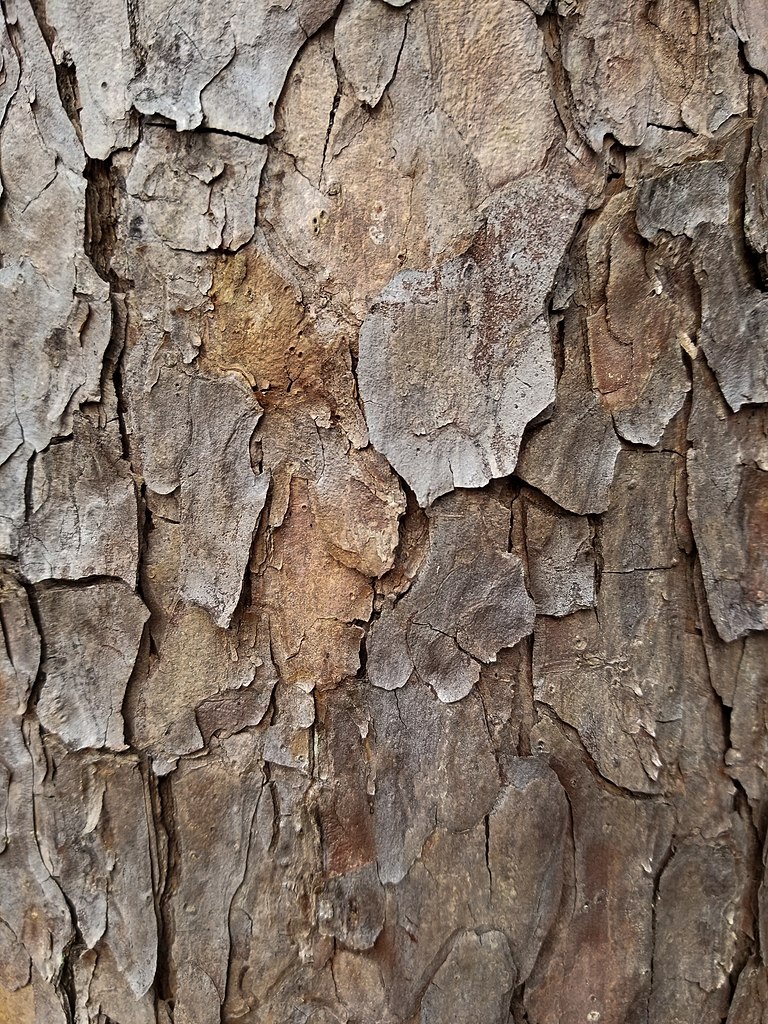
- Rough, dark grey to black bark when young and reddish or yellowish-brown to dark brown when mature, furrowed into irregular flat, scaly plates with small resin pores dotted along scaly plates.
-
-
Stem:
- Stem Is Aromatic:
- No
- Stem Description:
- Comparatively slender branches to other pine species.
-
-
Landscape:
- Landscape Location:
- Woodland
- Landscape Theme:
- Butterfly Garden
- Native Garden
- Nighttime Garden
- Winter Garden
- Attracts:
- Moths
- Small Mammals
- Songbirds
- Resistance To Challenges:
- Deer