



peach Prunus
Other Common Name(s):
Other plants called peach:
- Description
-
This genus is in the rose family (Rosaceae) and includes about 340 flowering trees and shrubs including peaches and nectarines, apricots, plums, cherries and almonds. They are native to North and South America, Eurasia and Africa. There are both deciduous and evergreen species.
Most prefer full sun to partial shade in well-drained soils. Size varies per species. Many fruits need a certain amount of chill hours so make sure you choose and appropriate type for your climate.
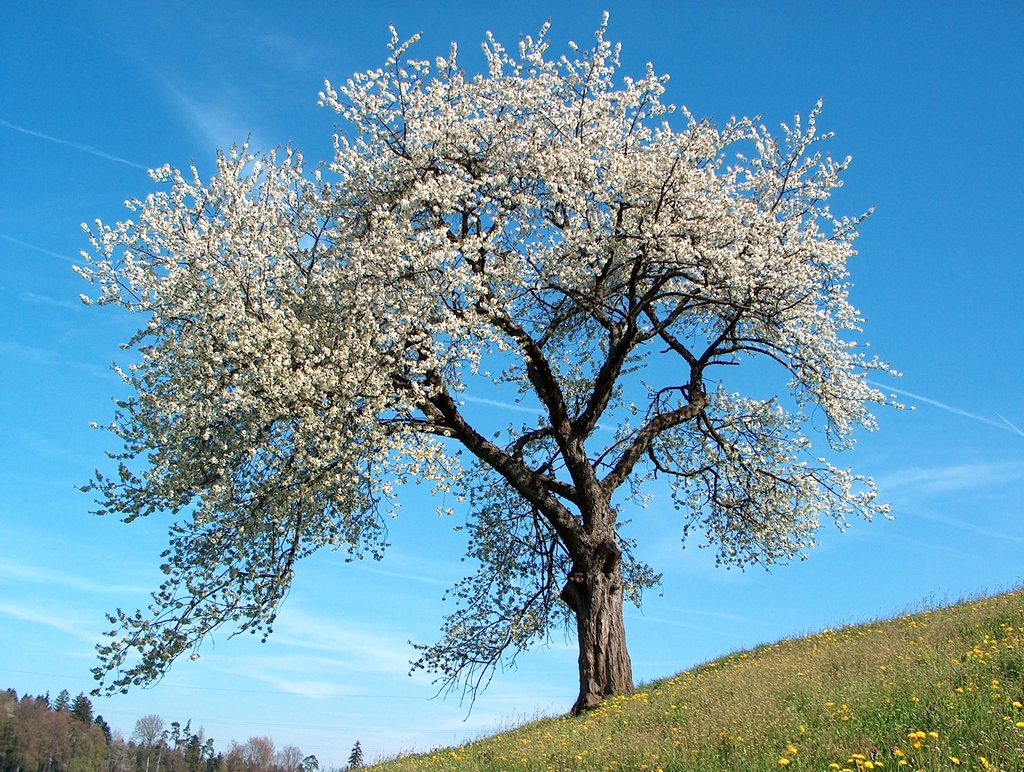
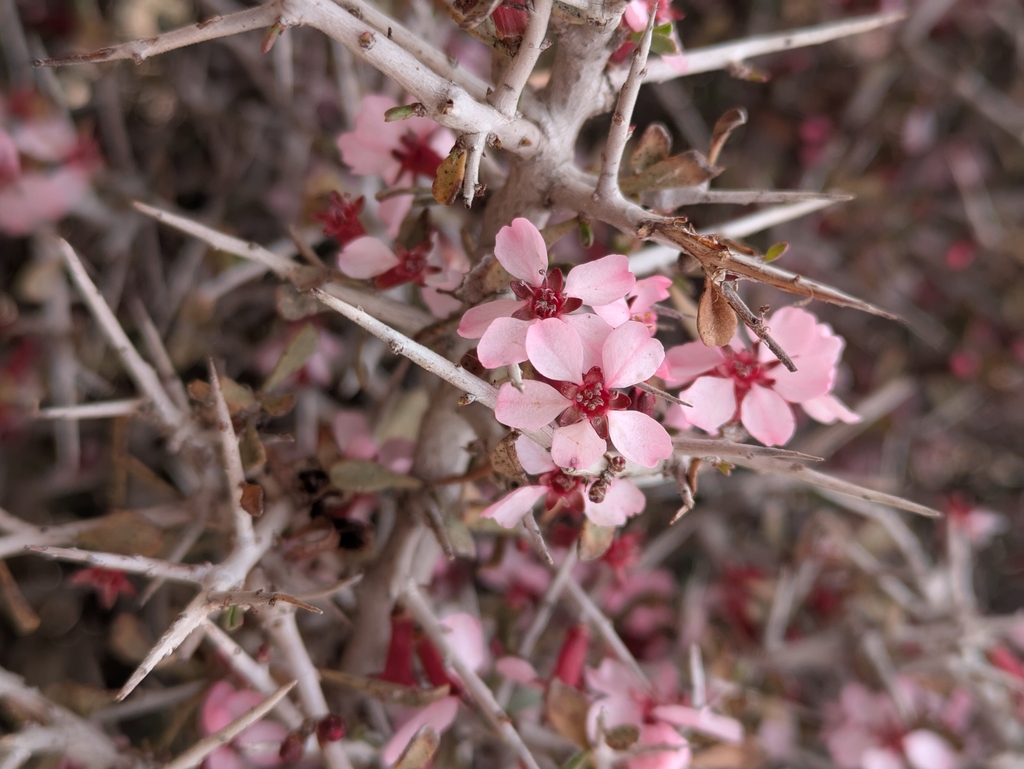
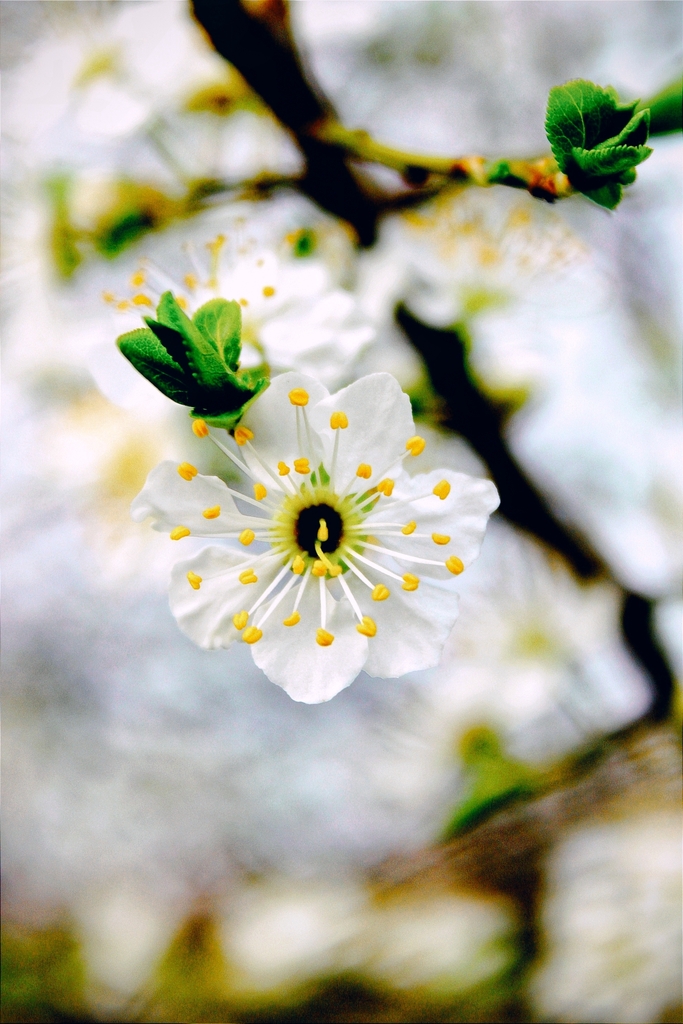
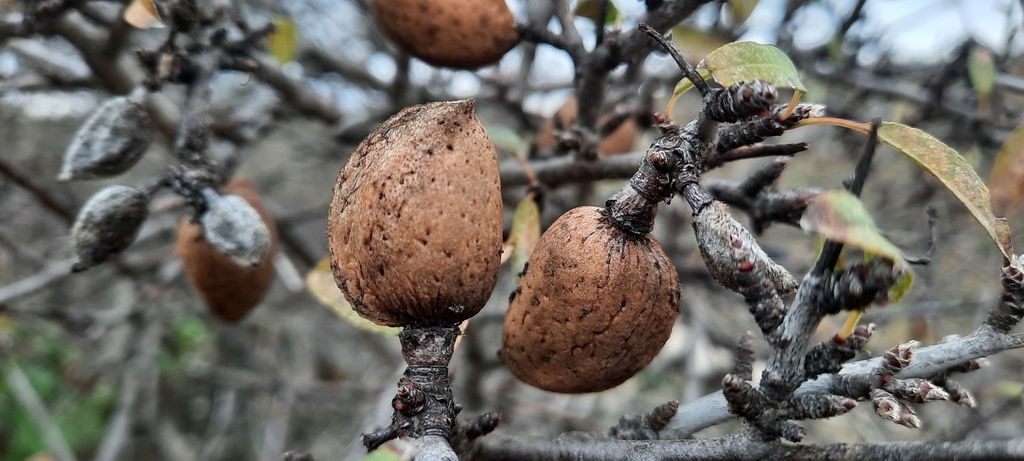
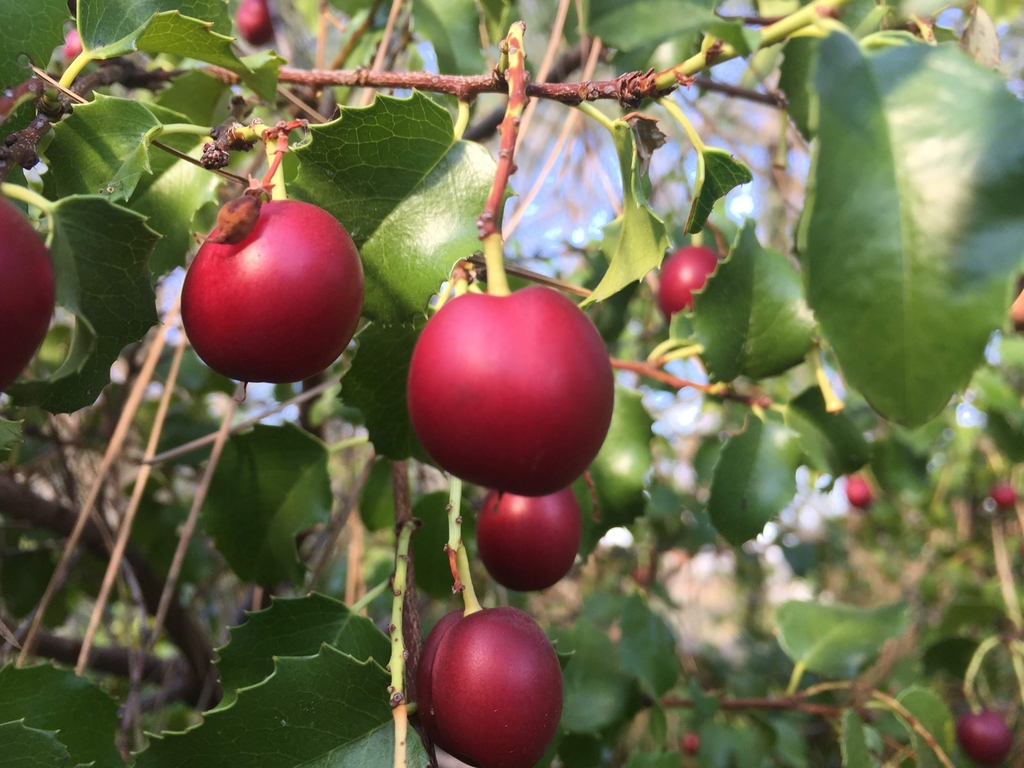
Flowers are usually white to shades of pink, with five petals, five sepals and numerous stamens, appearing in spring singly or in clusters. Many of the fruits are edible and are grown commercially. They are considered stone fruits with a hard central seed. Some species have spines on the branches.
These trees can be grown for the fruit or as and flowering ornamental tree. Many cultivars are available to meet your needs.
Insects, Diseases, or Other Plant Problems: Leaves and fruits are occasionally disfigured by insects and disease. Plum curculio and brown rot can affect the fruit. Other potential disease problems include leaf spot, canker and black knot. Other potential insect problems include aphids, scale, borers and tent caterpillars. They are susceptible to damage from deer.
- See this plant in the following landscape :
- Cultivars / Varieties:
-
-
P. americana

American plun P. angustifolia
Chicksaw plum P. armeniaca
Apricot P. avium
Sweet cherry P. caroliniana
Carolina cherry laurel P. cerasifera
Purple leaf plum or cherry plum P. cerasus
Sour cherry P. domestica
Common plum P. glandulosa
Flowering almond P. jacquemontii
Afghan cherry P. laurocerasus
Cherry laurel P. lusitanica
Portugal laurel P. mume
Japanesse apricot P. pensylvanica
Fire cherry P. persica
Common peach P. salicina
Japanesse plum P. sargentii
Sargent cherry P. serotina
Black cherry P. serrula
Tibetan cherry P. serrulata
Oriental cherry P. tomentosa
Downy cherry P. umbellata
Flatwoods plum P. virginiana
Choke cherry P. x blireiana
Blirieana flowering plum P. x cistena
Purple leaf sand cherry P. x subhirtella
Higan cherry P. x yedoensis
Yoshino cherry - P. americana, P. angustifolia, P. armeniaca, P. avium, P. caroliniana, P. cerasifera, P. cerasus, P. domestica, P. glandulosa, P. jacquemontii, P. laurocerasus, P. lusitanica, P. mume, P. pensylvanica, P. persica, P. salicina, P. sargentii, P. serotina, P. serrula, P. serrulata, P. tomentosa, P. umbellata, P. virginiana, P. x blireiana, P. x cistena, P. x subhirtella, P. x yedoensis
- Tags:




- Cultivars / Varieties:
-
-
P. americana
American plun P. angustifolia
Chicksaw plum P. armeniaca
Apricot P. avium
Sweet cherry P. caroliniana
Carolina cherry laurel P. cerasifera
Purple leaf plum or cherry plum P. cerasus
Sour cherry P. domestica
Common plum P. glandulosa
Flowering almond P. jacquemontii
Afghan cherry P. laurocerasus
Cherry laurel P. lusitanica
Portugal laurel P. mume
Japanesse apricot P. pensylvanica
Fire cherry P. persica
Common peach P. salicina
Japanesse plum P. sargentii
Sargent cherry P. serotina
Black cherry P. serrula
Tibetan cherry P. serrulata
Oriental cherry P. tomentosa
Downy cherry P. umbellata
Flatwoods plum P. virginiana
Choke cherry P. x blireiana
Blirieana flowering plum P. x cistena
Purple leaf sand cherry P. x subhirtella
Higan cherry P. x yedoensis
Yoshino cherry - P. americana, P. angustifolia, P. armeniaca, P. avium, P. caroliniana, P. cerasifera, P. cerasus, P. domestica, P. glandulosa, P. jacquemontii, P. laurocerasus, P. lusitanica, P. mume, P. pensylvanica, P. persica, P. salicina, P. sargentii, P. serotina, P. serrula, P. serrulata, P. tomentosa, P. umbellata, P. virginiana, P. x blireiana, P. x cistena, P. x subhirtella, P. x yedoensis
- Tags:
-
-
Attributes:
- Genus:
- Prunus
- Family:
- Rosaceae
- Uses (Ethnobotany):
- Native Americans made use of native fruits.
- Life Cycle:
- Woody
- Recommended Propagation Strategy:
- Seed
- Stem Cutting
- Country Or Region Of Origin:
- North and South America, Eurasia and Africa
- Wildlife Value:
- Flowers attract pollinators. Fruits attract birds and mammals.
- Edibility:
- Many fruits are edible. Flowers are edible.
- Dimensions:
- Height: 6 ft. 0 in. - 30 ft. 0 in.
- Width: 4 ft. 0 in. - 20 ft. 0 in.
-
-
Whole Plant Traits:
- Plant Type:
- Shrub
- Tree
- Woody Plant Leaf Characteristics:
- Deciduous
- Habit/Form:
- Erect
- Growth Rate:
- Medium
- Maintenance:
- High
- Texture:
- Medium
- Appendage:
- Spines
-
-
Cultural Conditions:
- Light:
- Full sun (6 or more hours of direct sunlight a day)
- Partial Shade (Direct sunlight only part of the day, 2-6 hours)
- Soil Texture:
- Clay
- Loam (Silt)
- Sand
- Soil Drainage:
- Good Drainage
- NC Region:
- Coastal
- Mountains
- Piedmont
- USDA Plant Hardiness Zone:
- 4a, 4b, 5a, 5b, 6a, 6b, 7a, 7b, 8a, 8b, 9a, 9b
-
-
Fruit:
- Fruit Value To Gardener:
- Edible
- Display/Harvest Time:
- Fall
- Summer
- Fruit Type:
- Drupe
- Fruit Description:
- Fruits vary per species and many are edible.
-
-
Flowers:
- Flower Inflorescence:
- Corymb
- Raceme
- Solitary
- Flower Value To Gardener:
- Showy
- Flower Bloom Time:
- Spring
- Flower Shape:
- Cup
- Flower Petals:
- 4-5 petals/rays
- Flower Size:
- 1-3 inches
- Flower Description:
- Flowers are pink or white, occur in spring and can be singly or in clusters. Some are quite showy.
-
-
Leaves:
- Woody Plant Leaf Characteristics:
- Deciduous
- Leaf Color:
- Green
- Leaf Type:
- Simple
- Leaf Arrangement:
- Opposite
- Leaf Shape:
- Lanceolate
- Linear
- Oblong
- Leaf Margin:
- Lobed
- Serrate
- Hairs Present:
- No
- Leaf Description:
- Leaves vary per species. Usually linear to lanceolate to ovate-lanceolate, with toothed or lobed margins. Many are glandular.
-
-
Bark:
- Bark Description:
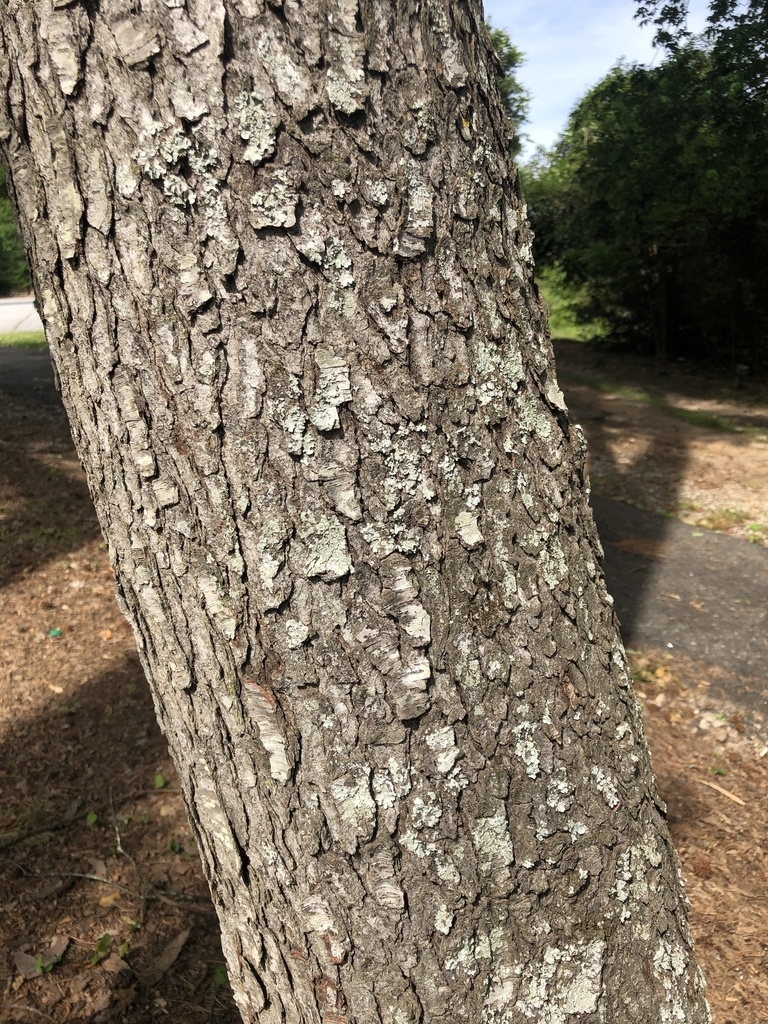
- The bark is reddish, reddish brown, gray-brown, or dark gray;
-
-
Stem:
- Stem Is Aromatic:
- No
- Stem Description:
- Some species have spines on the branches.
-
-
Landscape:
- Landscape Location:
- Lawn
- Landscape Theme:
- Edible Garden
- Pollinator Garden
- Design Feature:
- Flowering Tree
- Attracts:
- Pollinators
- Small Mammals
- Songbirds



