


Prunus glandulosa
Common Name(s):
- Phonetic Spelling
- PROO-nus glan-dew-LO-suh
- This plant has low severity poison characteristics.
- See below
- Description
-
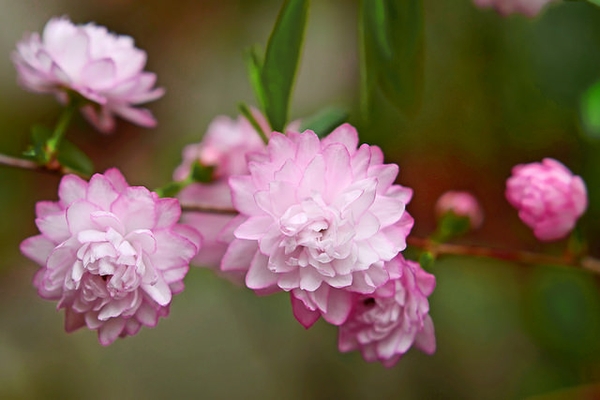
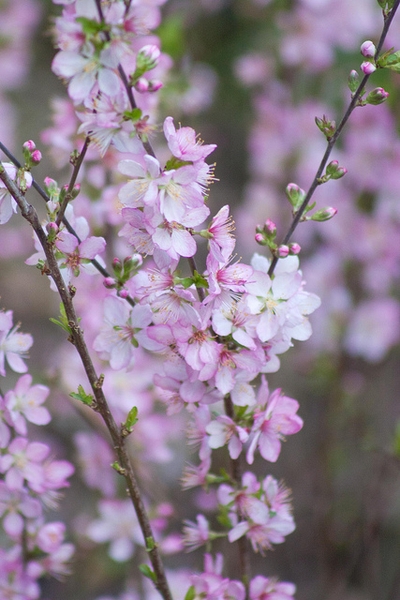
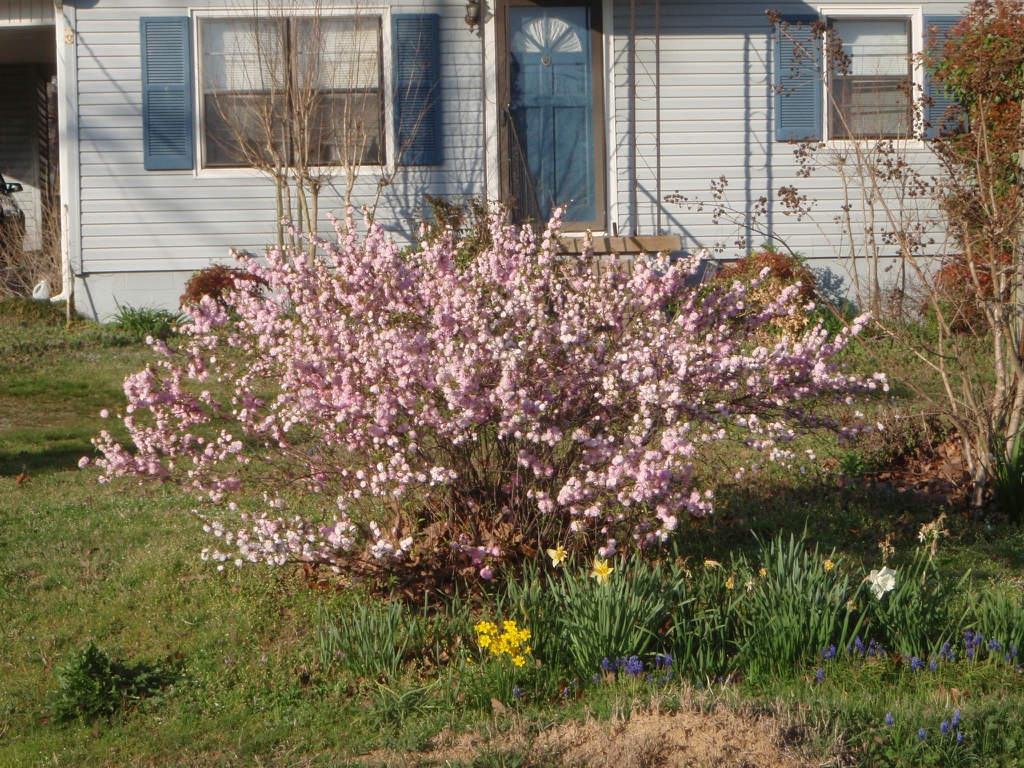
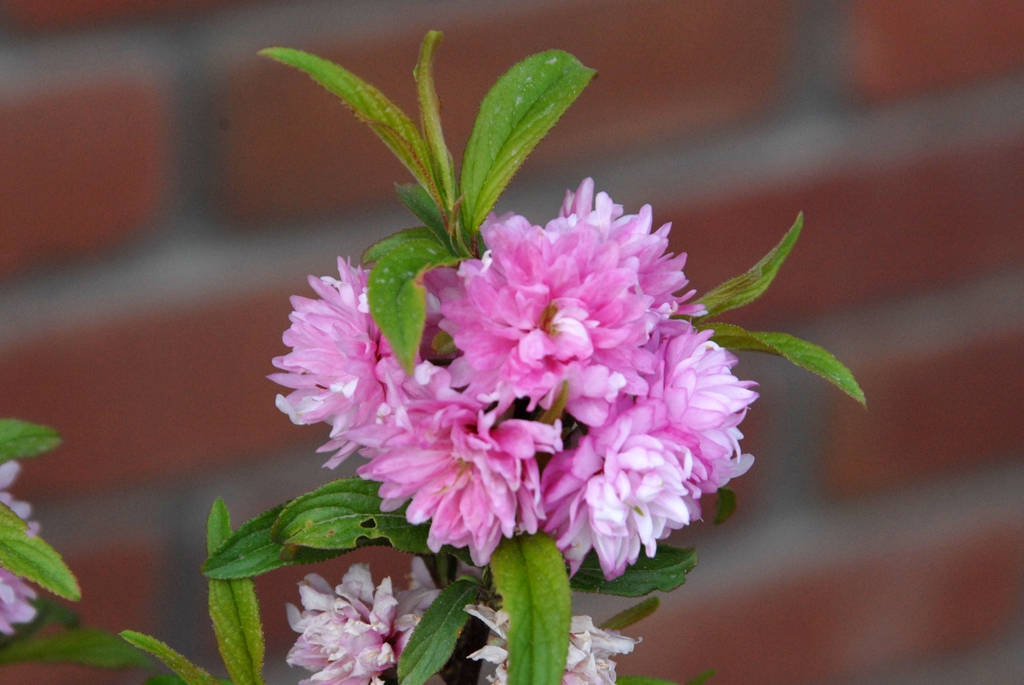
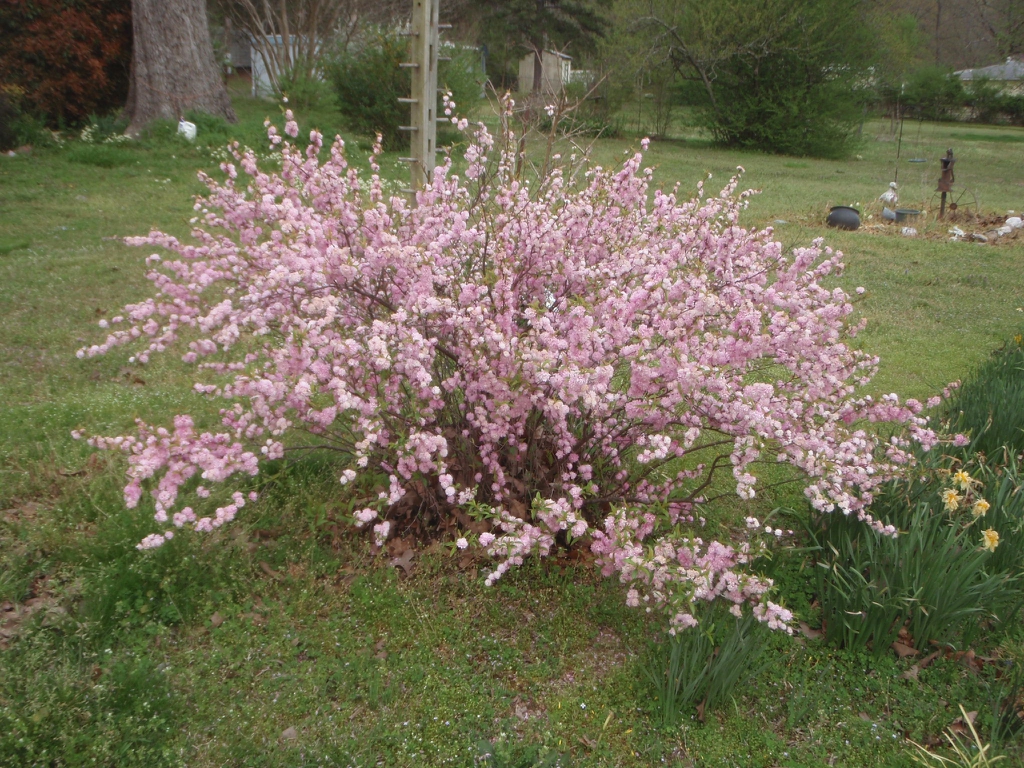
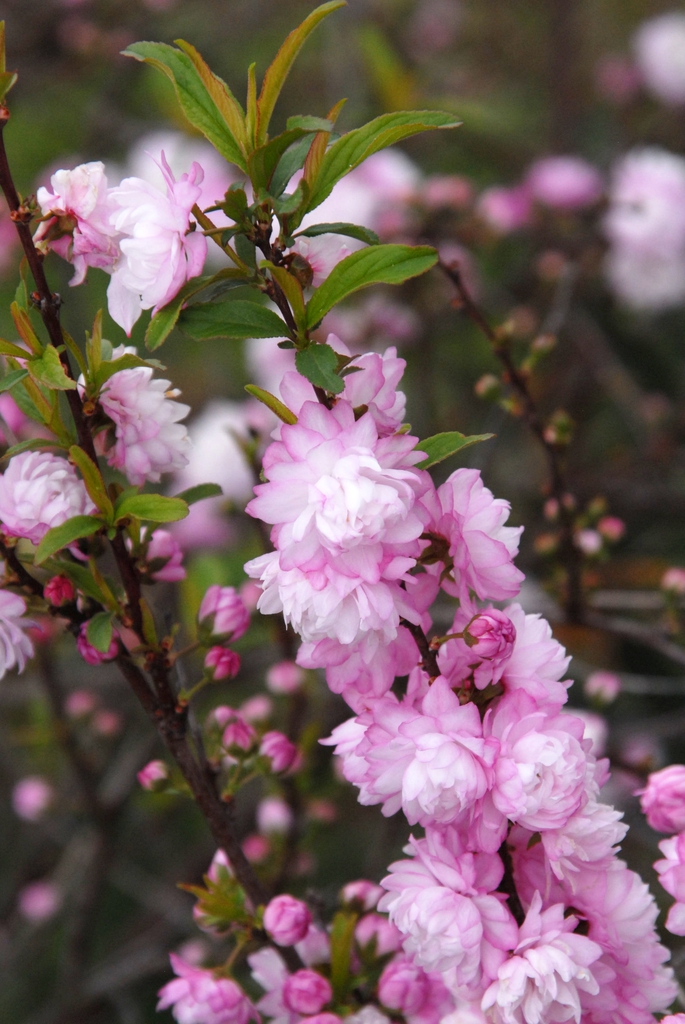
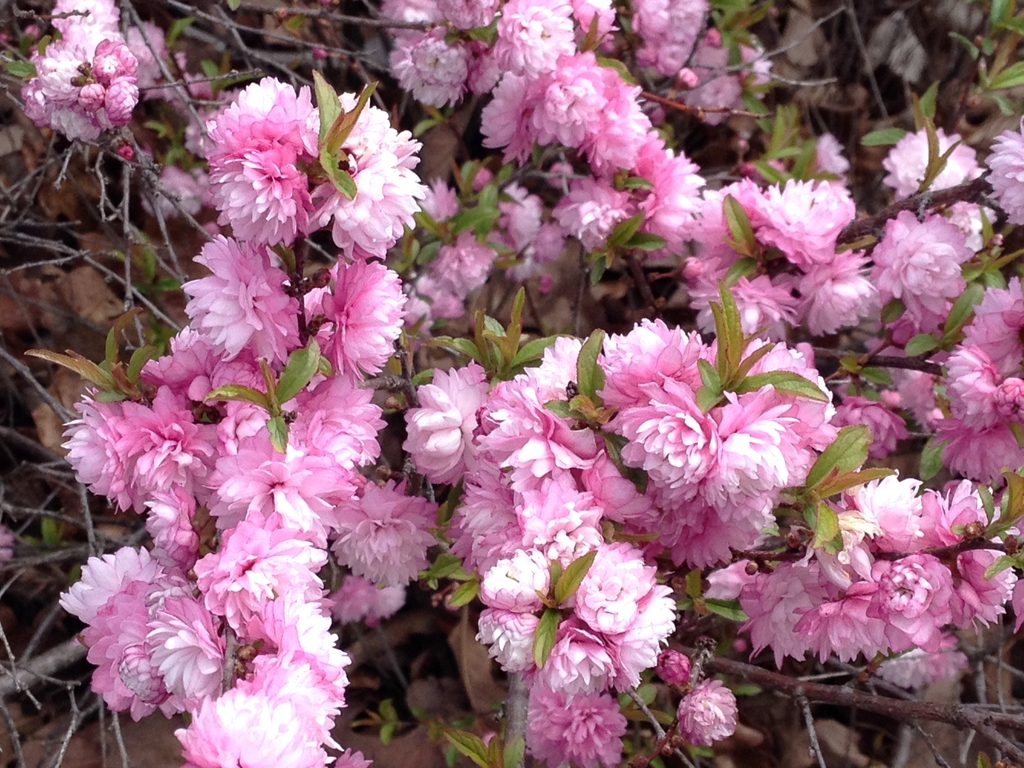
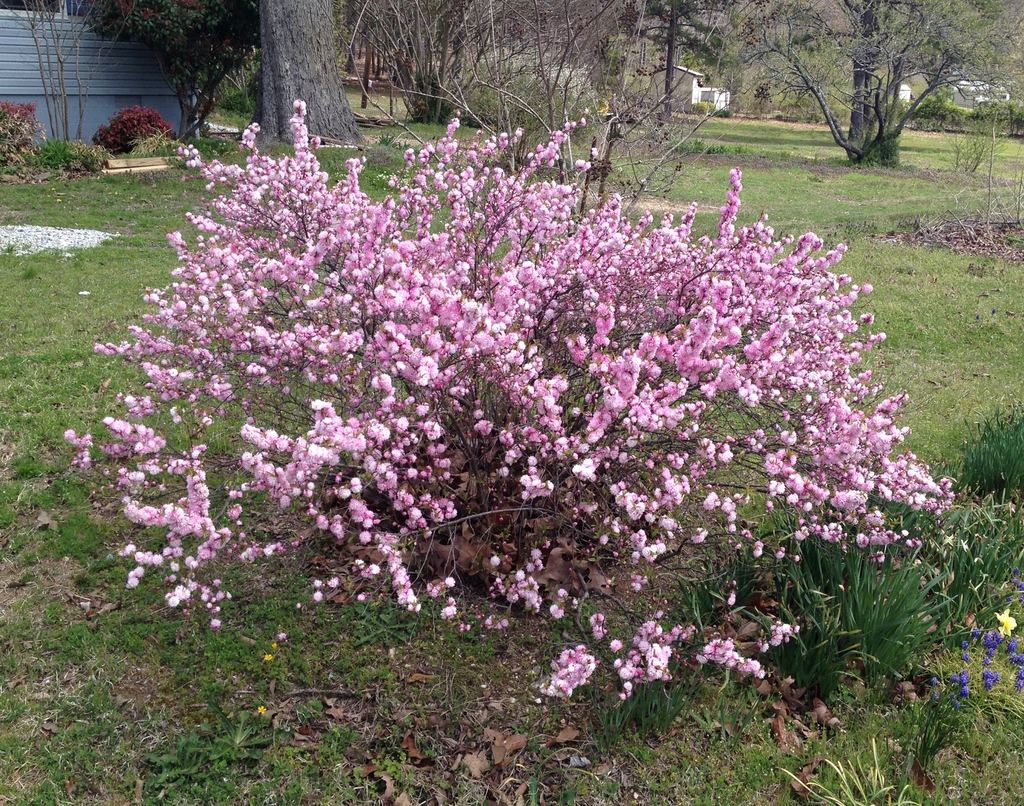
Chinese Plum is a small, multi-stemmed, flowering, deciduous shrub with an irregular form in the rose family and native to China and Japan. At maturity, it will grow to about 5 feet high with a 4 foot spread. It produces pink to white single or double blossoms, depending on the cultivar, in early spring. The blossoms spread along the stems of the plant. The long, light green foliage does not produce any fall color. It is often used as an ornamental and the flowering stems are used as cut flowers.
Chinese Plum does best planted in moist, organic, well-drained soil in full sun or partial shade. It will tolerate a range of soil types, urban conditions, and some drought. However, it does not do well with wet soil and good drainage is required. It can be severely pruned after flowering to promote new stem growth and flowering for the following year. Without pruning, the shrub can begin to appear unkempt. To control unwanted spread, remove root suckers.
Diseases, Insect Pests, and Other Plant Problems:
Chinese Plum is susceptible to a number of diseases and insect pests including fire blight, leaf spot, die back, leaf curl, powdery mildew, root rot, and honey fungus. Cankers, borers, Japanese beetles, aphids, scale, leaf hoppers, caterpillars, and spider mites can appear. The volume of problems tends to shorten the lifespan of the shrub to less than 10 years.
- See this plant in the following landscape :
- Cultivars / Varieties:
-
- Alba
Single white flowers. - Alba Plena
Double white flowers. - 'Plena'
Double blossoms; white or pink. - 'Plena Rosea'
Double pink flowers. - Rosea Plena
Double pink flowers.
- Alba
- Alba, Alba Plena, 'Plena', 'Plena Rosea', Rosea Plena
- Tags:


- Cultivars / Varieties:
-
- Alba
Single white flowers. - Alba Plena
Double white flowers. - 'Plena'
Double blossoms; white or pink. - 'Plena Rosea'
Double pink flowers. - Rosea Plena
Double pink flowers.
- Alba
- Alba, Alba Plena, 'Plena', 'Plena Rosea', Rosea Plena
- Tags:
-
-
Attributes:
- Genus:
- Prunus
- Species:
- glandulosa
- Family:
- Rosaceae
- Life Cycle:
- Woody
- Recommended Propagation Strategy:
- Seed
- Stem Cutting
- Country Or Region Of Origin:
- Central and Southern China to Korea and Japan
- Distribution:
- Introduced into North Carolina, Alabama, Iowa, Michigan, and Ontario Canada.
- Fire Risk Rating:
- low flammability
- Wildlife Value:
- Attracts birds and butterflies. This is a larval host plant to Eastern Tiger Swallowtail (Papilio glaucus). You may see three flights from February-November in the deep south and two flights from May-September in the north.
- Edibility:
- The fruit is edible. However, leaves and seeds contain hydrogen cyanide, a poison that gives almonds their characteristic flavor. This toxin is readily detected by its bitter taste. It is usually in too small a quantity to do harm, but in excess can cause respiratory problems.
- Dimensions:
- Height: 4 ft. 0 in. - 5 ft. 0 in.
- Width: 3 ft. 0 in. - 4 ft. 0 in.
-
-
Whole Plant Traits:
- Plant Type:
- Shrub
- Woody Plant Leaf Characteristics:
- Deciduous
- Habit/Form:
- Multi-stemmed
- Open
- Oval
- Rounded
- Vase
- Growth Rate:
- Medium
- Maintenance:
- Low
- Texture:
- Medium
-
-
Cultural Conditions:
- Light:
- Full sun (6 or more hours of direct sunlight a day)
- Partial Shade (Direct sunlight only part of the day, 2-6 hours)
- Soil Texture:
- Clay
- High Organic Matter
- Loam (Silt)
- Soil pH:
- Acid (<6.0)
- Alkaline (>8.0)
- Neutral (6.0-8.0)
- Soil Drainage:
- Good Drainage
- Moist
- Occasionally Dry
- Available Space To Plant:
- 3 feet-6 feet
- NC Region:
- Coastal
- Piedmont
- USDA Plant Hardiness Zone:
- 4a, 4b, 5a, 5b, 6a, 6b, 7a, 7b, 8a, 8b
-
-
Fruit:
- Fruit Value To Gardener:
- Edible
- Display/Harvest Time:
- Summer
- Fruit Type:
- Drupe
- Fruit Width:
- < 1 inch
- Fruit Description:
- Dark red fruits 3/8 of an inch in diameter. Ripens in July and August.
-
-
Flowers:
- Flower Color:
- Pink
- White
- Flower Value To Gardener:
- Showy
- Flower Bloom Time:
- Spring
- Flower Petals:
- 4-5 petals/rays
- Flower Size:
- < 1 inch
- Flower Description:
- Half inch, single or double, white or pink, cherry-like flowers bloom in mid-spring (April) along the stems.
-
-
Leaves:
- Woody Plant Leaf Characteristics:
- Deciduous
- Leaf Color:
- Green
- Leaf Feel:
- Smooth
- Leaf Type:
- Simple
- Leaf Arrangement:
- Alternate
- Leaf Shape:
- Lanceolate
- Ovate
- Leaf Margin:
- Serrate
- Hairs Present:
- No
- Leaf Length:
- 1-3 inches
- Leaf Width:
- < 1 inch
- Leaf Description:
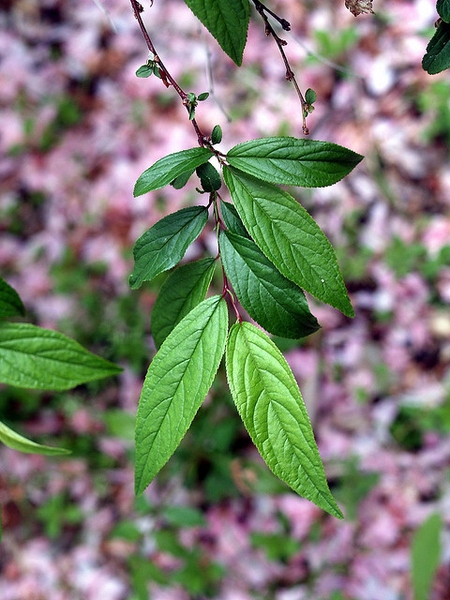
- Light green leaves, 1 to 3 1/2 inches long and pointed with sharp, forward pointing toothed margin. No fall color.
-
-
Stem:
- Stem Is Aromatic:
- No
- Stem Surface:
- Smooth (glabrous)
- Stem Description:
- Smooth, straggly, thin and wiry stems.
-
-
Landscape:
- Landscape Location:
- Naturalized Area
- Woodland
- Landscape Theme:
- Butterfly Garden
- Pollinator Garden
- Design Feature:
- Border
- Hedge
- Attracts:
- Butterflies
- Pollinators
- Songbirds
- Resistance To Challenges:
- Drought
- Poor Soil
- Urban Conditions
- Problems:
- Frequent Disease Problems
- Frequent Insect Problems
- Problem for Cats
- Problem for Dogs
- Problem for Horses
-
-
Poisonous to Humans:
- Poison Severity:
- Low
- Poison Symptoms:
- Stems, leaves, seeds contain cyanide, particularly toxic when in the process of wilting. Can cause brick red mucous membranes, dilated pupils, difficulty breathing, panting, shock.
- Poison Toxic Principle:
- Cyanogenic glycosides
- Causes Contact Dermatitis:
- No
- Poison Part:
- Leaves
- Seeds
- Stems