


Prunus umbellata
Common Name(s):
- Phonetic Spelling
- PROO-nis um-bell-AY-tuh
- This plant has low severity poison characteristics.
- See below
- Description
-
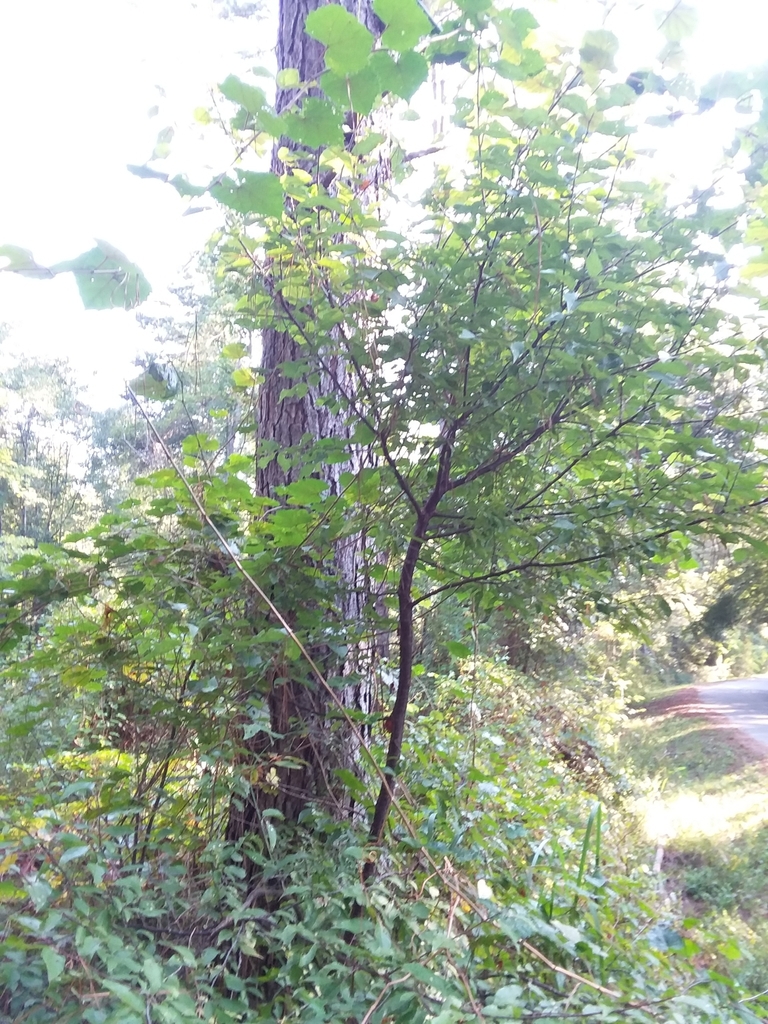
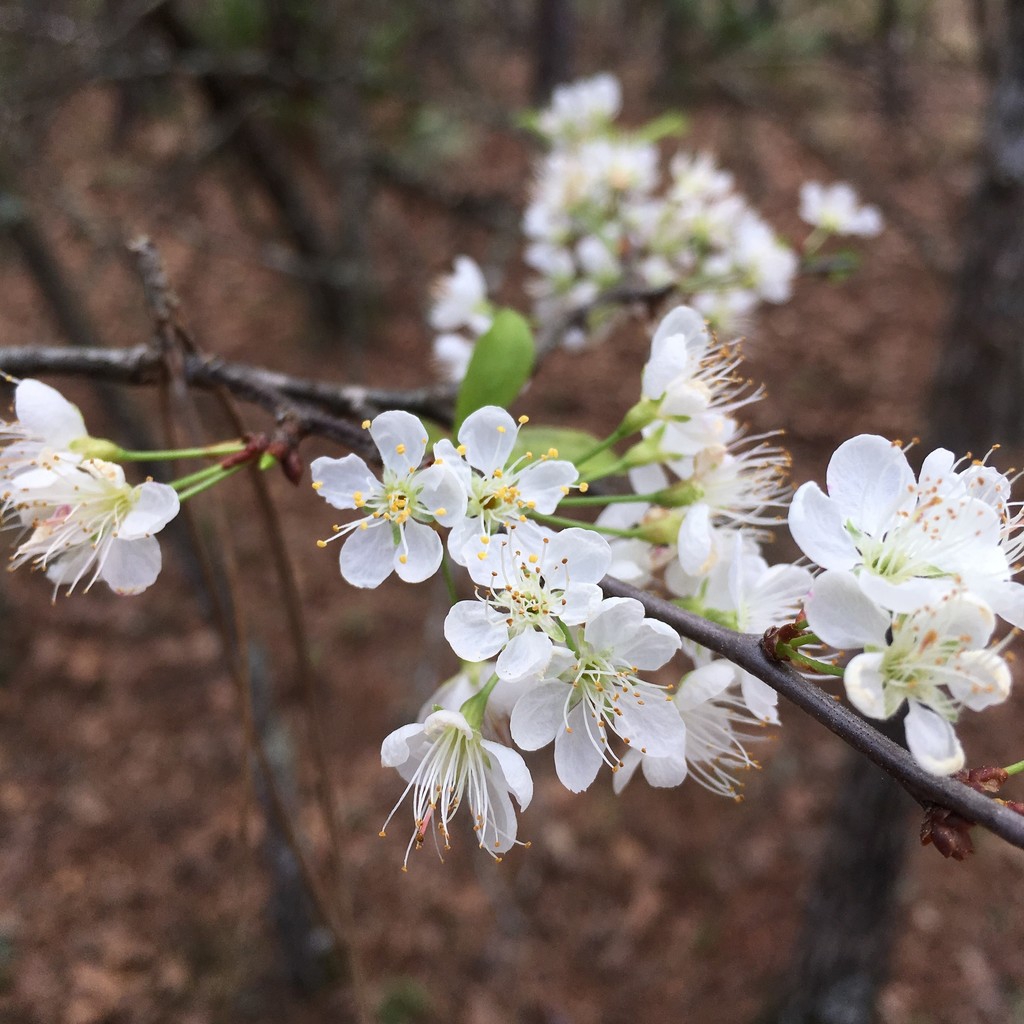
Flatwoods Plum is a flowering shrub or small tree, native to the eastern United States, and a member of the rose family. The plant is often found naturally in dry upland, sandy and rocky woodlands and, at maturity, will reach a height of 20 feet. Flatwoods Plums have short, thickened trunks and dense, rounded crowns. Small, white flowers appear in spring and black, edible fruit can be harvested in early fall.
Flatwoods Plum does best in moist, well drained, soil in a sunny or partially shaded site. This plant has moderate drought tolerance and will tolerate most soil types. However, if planted in sandy soil, it will need more water and shade. It blooms and produces fruit a bit later than other Prunus species and tends to produce a large crop of fruit every three or four years. This plant can live up to 40 years.
Flatwoods Plum can easily form thickets if not maintained.
North Carolina is the northern limit of its range and it is currently found in only in 7 counties in the southern Piedmont and Coastal Plain.
Diseases, Insect Pests, and Other Plant Problems:
Flatwoods Plum is susceptible to leaf spot, powdery mildew, root rot and fireblight. Potential insects include aphids, scale, borers, caterpillars, tent caterpillars, and Spider mites. It does tend to be hardier than other Prunus species.
- See this plant in the following landscape :
- Cultivars / Varieties:
-
- Tags:


- Cultivars / Varieties:
-
- Tags:
-
-
Attributes:
- Genus:
- Prunus
- Species:
- umbellata
- Family:
- Rosaceae
- Uses (Ethnobotany):
- Plums are used to make jellies and jams.
- Life Cycle:
- Woody
- Recommended Propagation Strategy:
- Seed
- Stem Cutting
- Country Or Region Of Origin:
- South Eastern United States
- Distribution:
- North Carolina south to Florida and west to Texas.
- Wildlife Value:
- This is a larval host plant to Eastern Tiger Swallowtail (Papilio glaucus). You may see three flights from February-November in the deep south and two flights from May-September in the north. Native bees are attracted to the flowers.
- Edibility:
- The fruit is edible with a slightly sour taste. The leaves and seeds of Prunus species tend to produce hydrogen cyanide, a bitter-tasting toxin. While not usually present in enough quantity to cause problems, taken in excess leaves and seeds can cause problems.
-
-
Whole Plant Traits:
- Plant Type:
- Native Plant
- Shrub
- Tree
- Woody Plant Leaf Characteristics:
- Deciduous
- Habit/Form:
- Dense
- Horizontal
- Rounded
- Growth Rate:
- Medium
- Maintenance:
- Medium
- Appendage:
- Thorns
-
-
Cultural Conditions:
- Light:
- Dappled Sunlight (Shade through upper canopy all day)
- Full sun (6 or more hours of direct sunlight a day)
- Partial Shade (Direct sunlight only part of the day, 2-6 hours)
- Soil Texture:
- Clay
- Loam (Silt)
- Sand
- Soil pH:
- Acid (<6.0)
- Soil Drainage:
- Good Drainage
- Moist
- Occasionally Dry
- Available Space To Plant:
- 12-24 feet
- NC Region:
- Coastal
- Mountains
- Piedmont
- USDA Plant Hardiness Zone:
- 8a, 8b, 9a, 9b
-
-
Fruit:
- Fruit Color:
- Black
- Purple/Lavender
- Fruit Value To Gardener:
- Edible
- Display/Harvest Time:
- Fall
- Fruit Type:
- Drupe
- Fruit Length:
- < 1 inch
- Fruit Width:
- < 1 inch
- Fruit Description:
- Fruits are available August-September and are black or purple in color. 1/2 to 1 inch in diameter.
-
-
Flowers:
- Flower Color:
- Cream/Tan
- Pink
- White
- Flower Inflorescence:
- Umbel
- Flower Value To Gardener:
- Showy
- Flower Bloom Time:
- Spring
- Flower Size:
- < 1 inch
- Flower Description:
- Rounded umbels of 1 inch white to cream flowers bloom in early spring (March and April). Flowers sometimes fade to pink later in the season.
-
-
Leaves:
- Woody Plant Leaf Characteristics:
- Deciduous
- Leaf Color:
- Green
- Deciduous Leaf Fall Color:
- Gold/Yellow
- Leaf Type:
- Simple
- Leaf Arrangement:
- Alternate
- Leaf Shape:
- Elliptical
- Ovate
- Leaf Margin:
- Serrate
- Hairs Present:
- No
- Leaf Length:
- 1-3 inches
- Leaf Description:
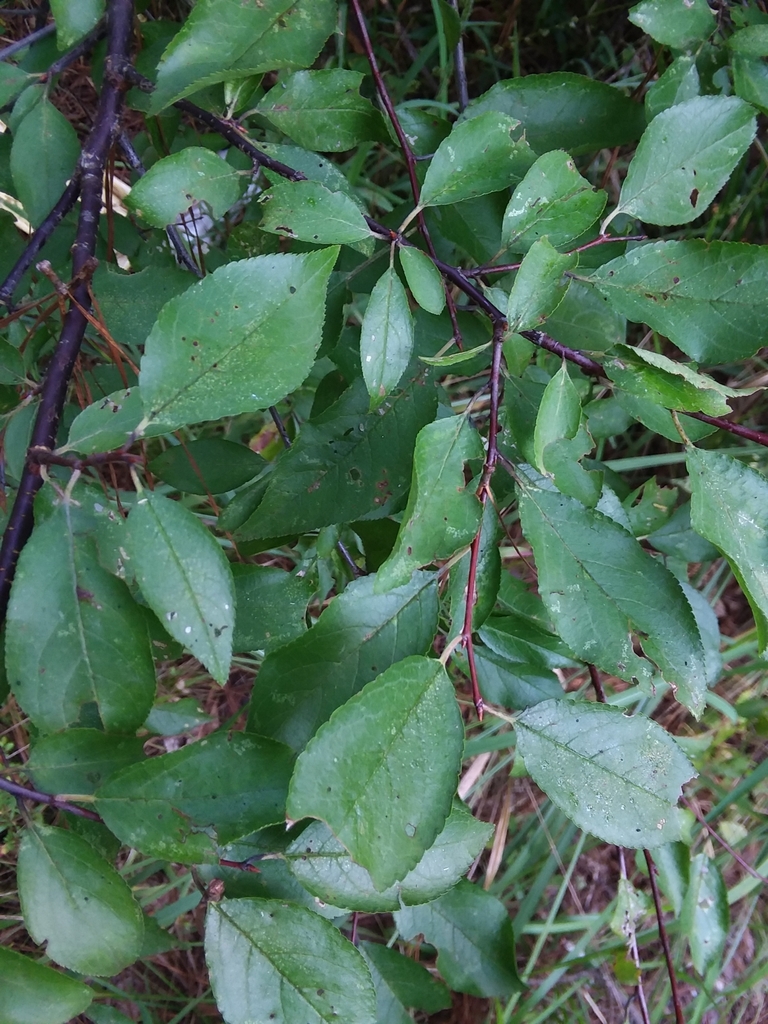
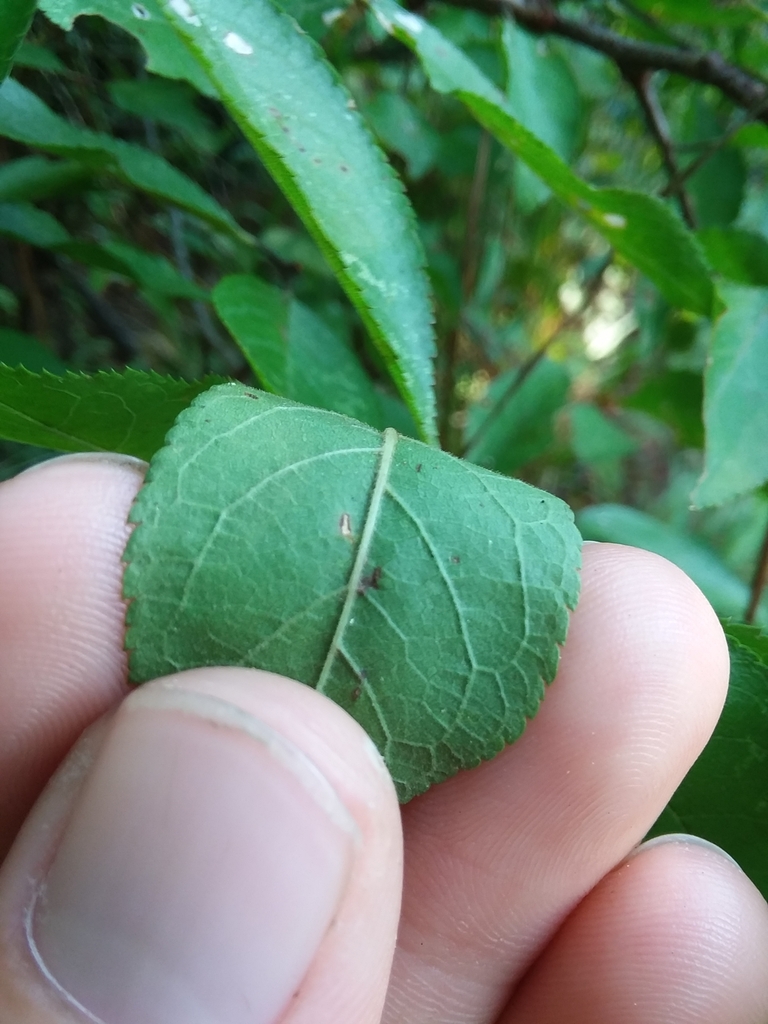
- Tapered leaves with straight sides and a pointed apex. Margins are serrate (teeth single). Undersides can be densely pubescent or glabrous.
-
-
Bark:
- Bark Color:
- Dark Brown
- Surface/Attachment:
- Shaggy
- Bark Description:
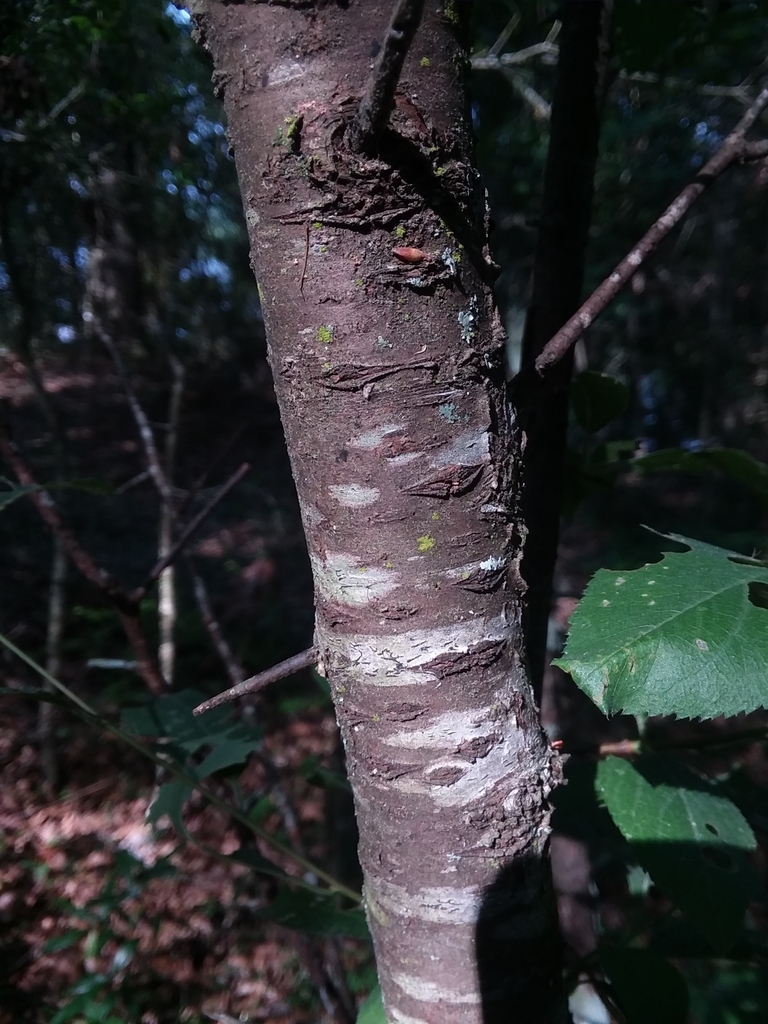
- Dark brown and fairly rough.
-
-
Stem:
- Stem Is Aromatic:
- No
-
-
Landscape:
- Landscape Location:
- Meadow
- Landscape Theme:
- Butterfly Garden
- Native Garden
- Pollinator Garden
- Design Feature:
- Accent
- Flowering Tree
- Attracts:
- Bees
- Butterflies
- Pollinators
- Small Mammals
- Songbirds
- Specialized Bees
- Resistance To Challenges:
- Drought
- Problems:
- Problem for Cats
- Problem for Dogs
- Problem for Horses