


Aster Symphyotrichum
Other Common Name(s):
Other plants called Aster:
- Phonetic Spelling
- sim-fy-oh-TRY-kum OR sim-fee-oh-TREE-kum
- Description
-
This is a genus of over 100 species of flowering herbaceous perennials and annuals in the daisy family (Asteraceae). Most species are native to North America, but some are found across South America and Asia. The species were originally grouped under the Aster genus, but have since been separated into their own genus. The genus name is compounded from the Greek symph-, which means "coming together," and -trichum, which means "hair" in possible reference to the flower anthers. The common name michaelmas daisy refers to the feast of St. Michael, which falls on September 29 when many of these species are in bloom.
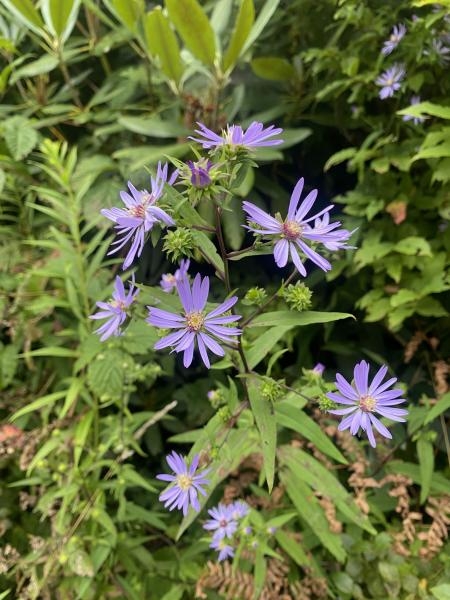
Asters are composed of plants that range from 2 to 5 feet high, sometimes clumping to an equal width, and slightly hairy foliage. They are most noted for their colorful, daisy-like flowers that bloom from summer into late fall.
Asters do best in full sun, to partial shade depending on the species Site the plants in well-drained, moderately fertile soil, although the plants will do well in a variety of soil types from clay to sandy loam. Leaves greatly vary in shape and size depending on the species.
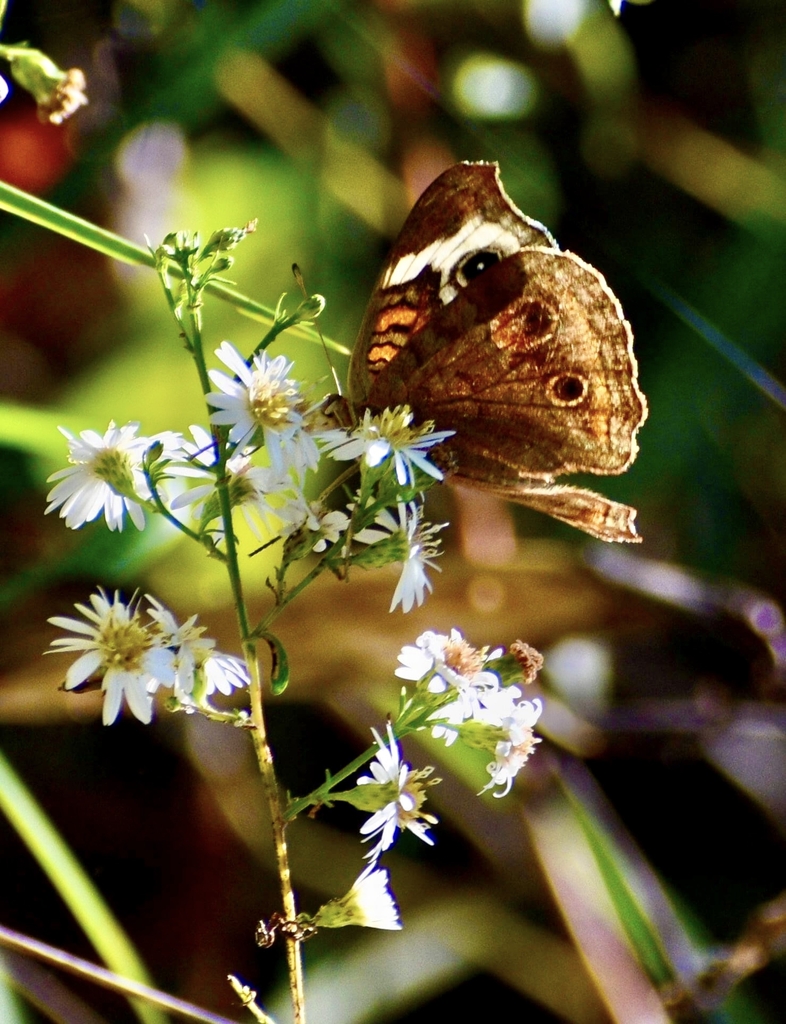
Use these asters to attract pollinators to your fall pollinator gardens. They can be planted in groups or borders and in woodland gardens and naturalized areas. There is a species to meet your needs.
Diseases, Insect Pests, and Other Plant Problems: No serious insect or disease problems. Some susceptibility to powdery mildew and rust.
- See this plant in the following landscape :
- Cultivars / Varieties:
-
-
S. concolor

Showy blue and pink flowers. Stems 3 inches in height. S. cordifolium
Three feet tall, pale blue flowers. S. dumosum
Late season bloomer. S. ericoides
Three feet tall stems. White, daisy-like flowers. S. georgianum
Three feet tall and wide, purple flowers. S. grandiflorum
Striking purple, fall flowers. S. laeve
Two to four foot high with purple fall flowers. S. lateriflorum
Daisy like white or lavendure flowers. S. novae-angliae
Three to seven feet tall, purple flowers into October. S. novi-belgii
Three to five foot high plant, showy fall flowers. S. oblongifolium
Three feet high and wide, NC wildflower of the year. S. oolentangiense
Two to three feet high. Daisy like flowers. S. patens
Daisy like blue or violet flowers. S. pilosum
Four foot tall and wide with hairly stems. S. pratense
Five foot tall stems. Flowers into October. S. prenanthoides
S. retroflexum
S. undulatum
S. walteri
- S. concolor, S. cordifolium, S. dumosum, S. ericoides, S. georgianum, S. grandiflorum, S. laeve, S. lateriflorum, S. novae-angliae, S. novi-belgii, S. oblongifolium, S. oolentangiense, S. patens, S. pilosum, S. pratense, S. prenanthoides, S. retroflexum, S. undulatum, S. walteri
- Tags:




- Cultivars / Varieties:
-
-
S. concolor
Showy blue and pink flowers. Stems 3 inches in height. S. cordifolium
Three feet tall, pale blue flowers. S. dumosum
Late season bloomer. S. ericoides
Three feet tall stems. White, daisy-like flowers. S. georgianum
Three feet tall and wide, purple flowers. S. grandiflorum
Striking purple, fall flowers. S. laeve
Two to four foot high with purple fall flowers. S. lateriflorum
Daisy like white or lavendure flowers. S. novae-angliae
Three to seven feet tall, purple flowers into October. S. novi-belgii
Three to five foot high plant, showy fall flowers. S. oblongifolium
Three feet high and wide, NC wildflower of the year. S. oolentangiense
Two to three feet high. Daisy like flowers. S. patens
Daisy like blue or violet flowers. S. pilosum
Four foot tall and wide with hairly stems. S. pratense
Five foot tall stems. Flowers into October. S. prenanthoides
S. retroflexum
S. undulatum
S. walteri
- S. concolor, S. cordifolium, S. dumosum, S. ericoides, S. georgianum, S. grandiflorum, S. laeve, S. lateriflorum, S. novae-angliae, S. novi-belgii, S. oblongifolium, S. oolentangiense, S. patens, S. pilosum, S. pratense, S. prenanthoides, S. retroflexum, S. undulatum, S. walteri
- Tags:
-
-
Attributes:
- Genus:
- Symphiotrichum
- Family:
- Asteraceae
- Life Cycle:
- Annual
- Biennial
- Perennial
- Recommended Propagation Strategy:
- Seed
- Country Or Region Of Origin:
- North America
- Distribution:
- Worldwide
- Dimensions:
- Height: 2 ft. 0 in. - 5 ft. 0 in.
- Width: 2 ft. 0 in. - 5 ft. 0 in.
-
-
Whole Plant Traits:
- Plant Type:
- Annual
- Herbaceous Perennial
- Native Plant
- Wildflower
- Habit/Form:
- Ascending
- Erect
-
-
Cultural Conditions:
- Light:
- Full sun (6 or more hours of direct sunlight a day)
- Partial Shade (Direct sunlight only part of the day, 2-6 hours)
- Soil Texture:
- Clay
- High Organic Matter
- Loam (Silt)
- Sand
- Soil pH:
- Acid (<6.0)
- Alkaline (>8.0)
- Neutral (6.0-8.0)
- Soil Drainage:
- Good Drainage
- Moist
- NC Region:
- Coastal
- Mountains
- Piedmont
-
-
Fruit:
- Fruit Type:
- Achene
- Fruit Description:
- The seeds have hairs for wind dispersal.
-
-
Flowers:
- Flower Color:
- Blue
- Pink
- Purple/Lavender
- White
- Flower Value To Gardener:
- Long Bloom Season
- Showy
- Flower Bloom Time:
- Fall
- Summer
- Flower Shape:
- Radial
- Flower Description:
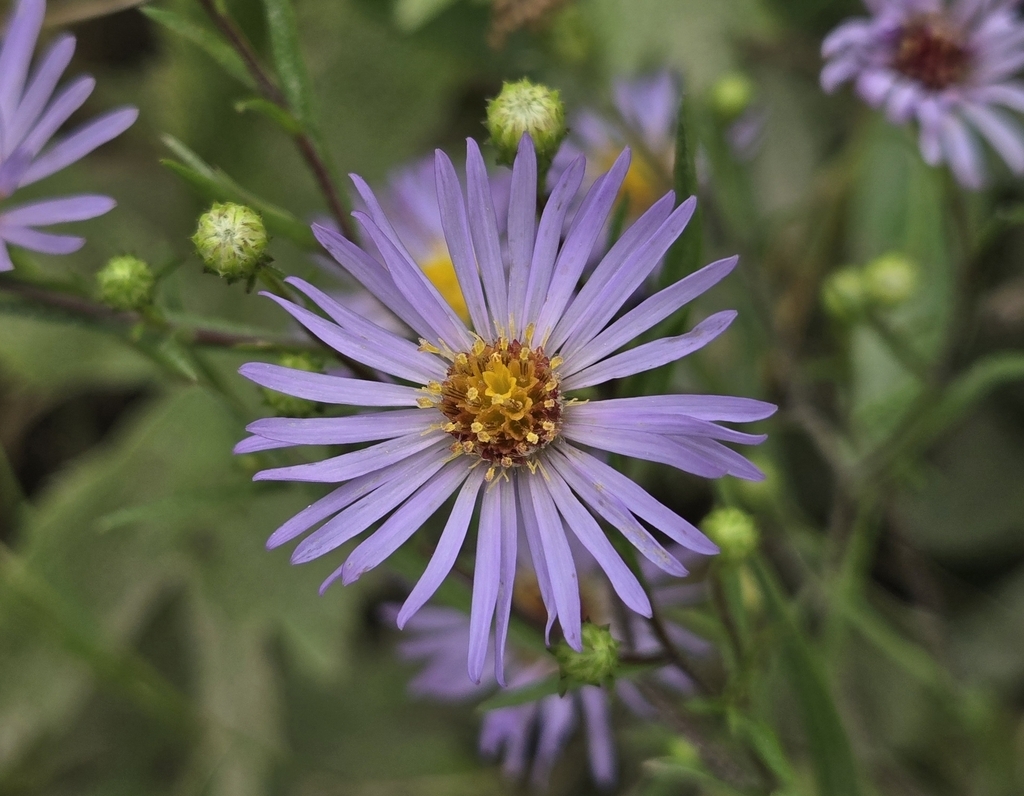
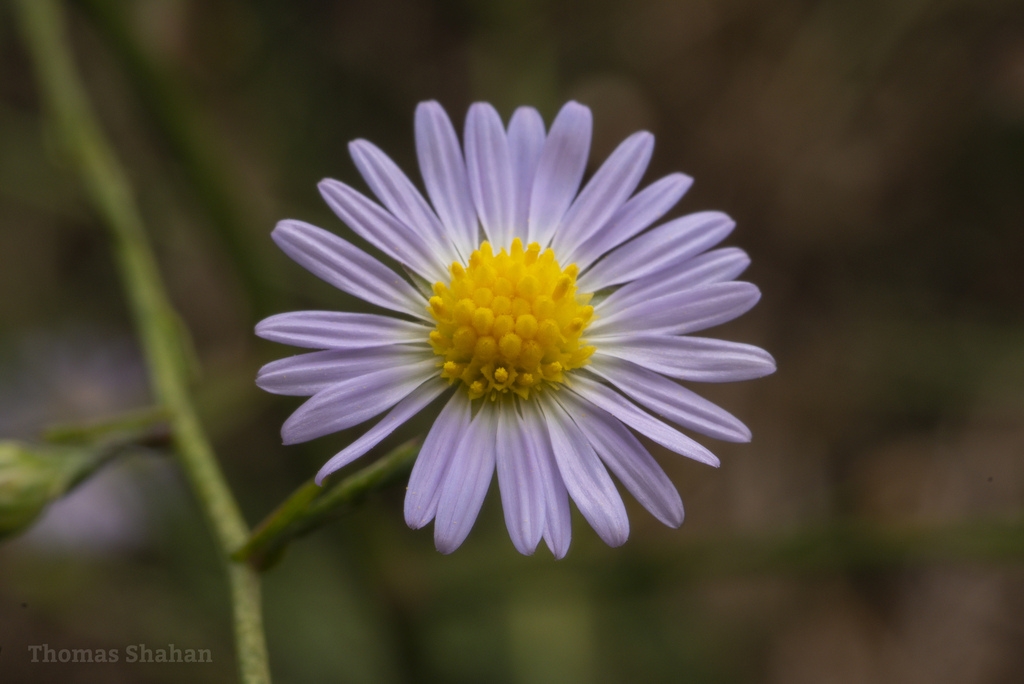
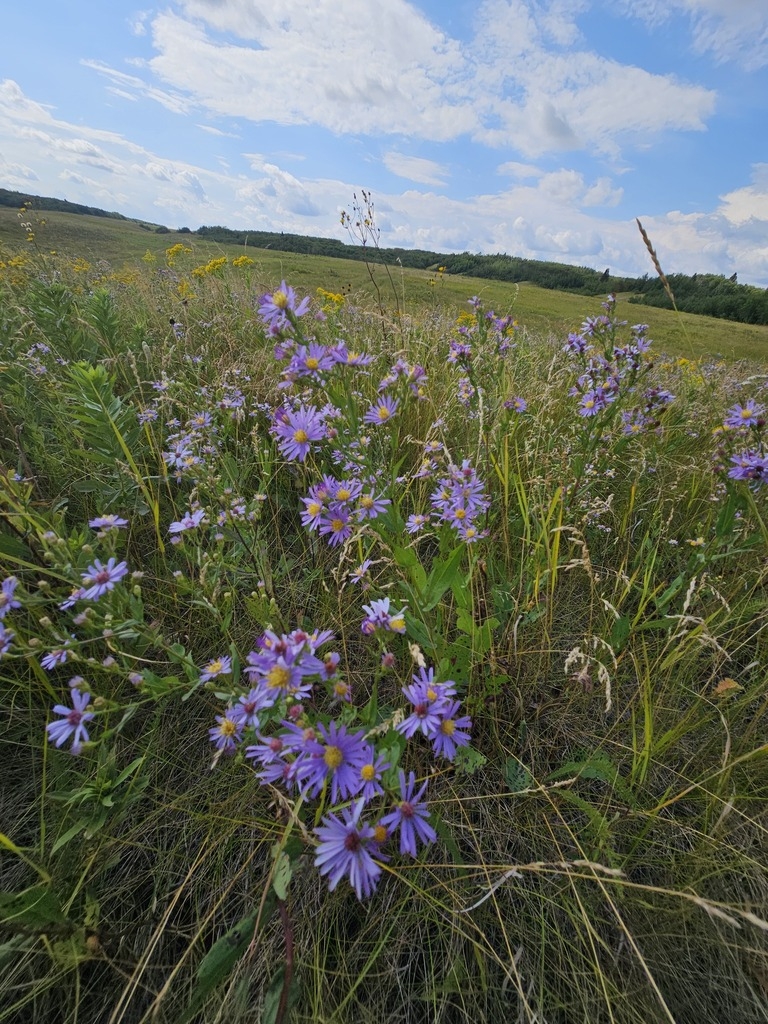
- Daisy like flowers in a range of colors. Ray florets are white, pink, blue, or purple. Disc florets are yellow to white, becoming pinkish, reddish purple, or brown when mature. There are 5 lobes on the disc florets.
-
-
Leaves:
- Leaf Color:
- Green
- Leaf Type:
- Simple
- Leaf Arrangement:
- Alternate
- Leaf Shape:
- Elliptical
- Oblanceolate
- Spatulate
- Leaf Margin:
- Crenate
- Entire
- Serrate
- Hairs Present:
- Yes
- Leaf Description:
- Depending on the species, basal leaves are sometimes persistent to flowering. Leaf blades are often purplish, cordate to elliptic, oblanceolate, or spatulate. Margins serrate, crenate, or entire.
-
-
Stem:
- Stem Color:
- Green
- Stem Is Aromatic:
- No
- Stem Form:
- Straight
- Stem Surface:
- Hairy (pubescent)
- Stem Description:
- Ascending to erect, usually simple, sometimes branched, sometimes hairy.
-
-
Landscape:
- Landscape Location:
- Container
- Naturalized Area
- Pond
- Riparian
- Walkways
- Landscape Theme:
- Native Garden
- Pollinator Garden
- Design Feature:
- Border
- Small groups
- Attracts:
- Bees
- Butterflies
- Pollinators
- Songbirds