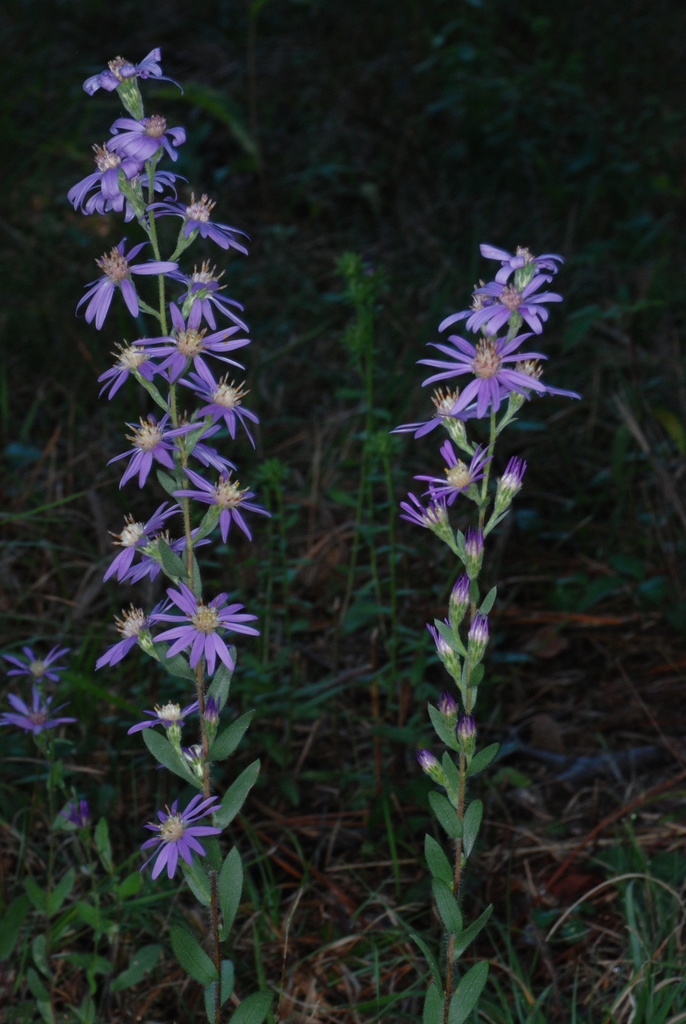


Symphyotrichum concolor
Common Name(s):
Previously known as:
- Aster concolor
- Symphyotrichum concolor var. concolor
- Phonetic Spelling
- sim-fy-oh-TRY-kum KON-kol-or
- Description
-
Slvery aster is a native herbaceous perennial in the daisy family (Asteraceae) native to the eastern United States and the Bahamas and found statewide in North Carolina, although rarely in the mountains. It is most common in the Atlantic Piedmont and coastal plains. it is critically imperiled or extirpated in some northern states.
Silver aster will grow 1.5 to 3 feet tall and 1 foot wide. Provide full sun in well-drained sandy or rocky soils. Thrives in poor soils and is very drought-tolerant. Propagate by seed.
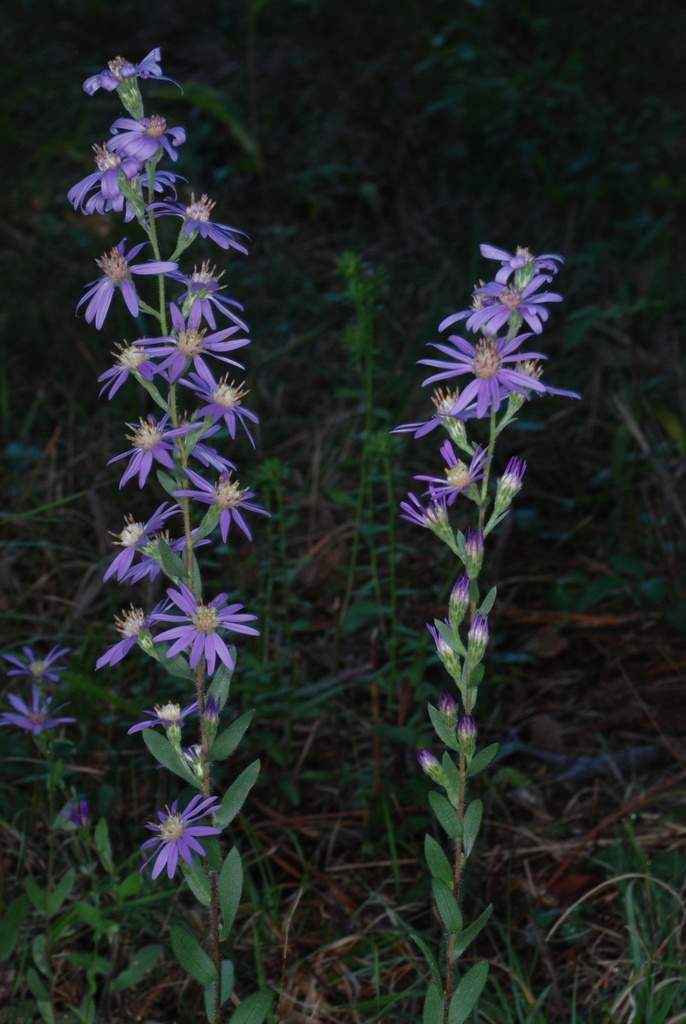
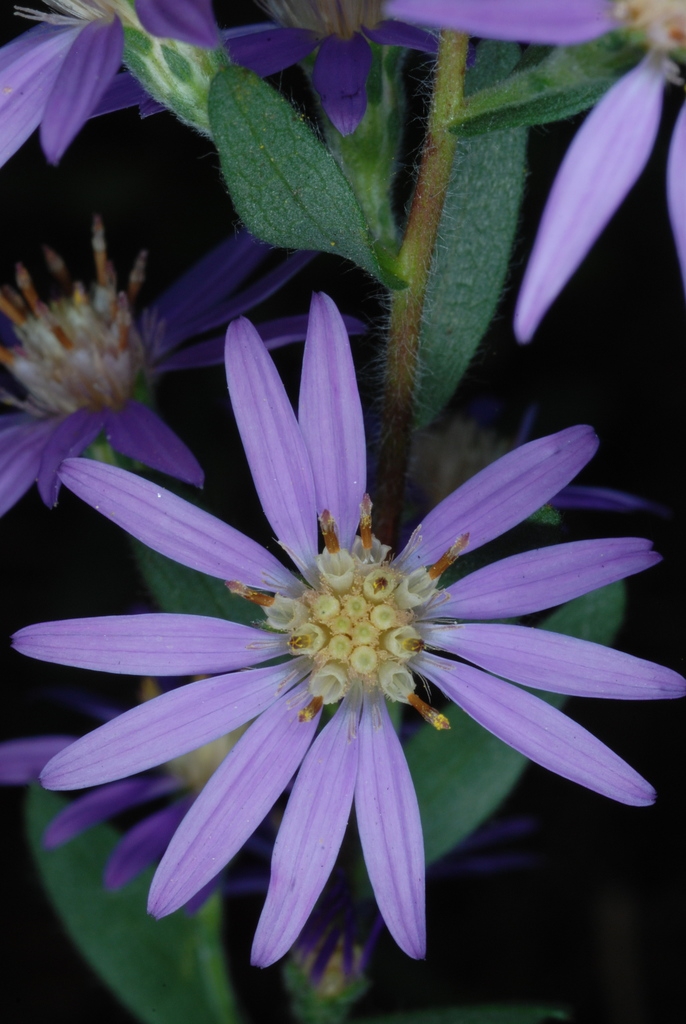
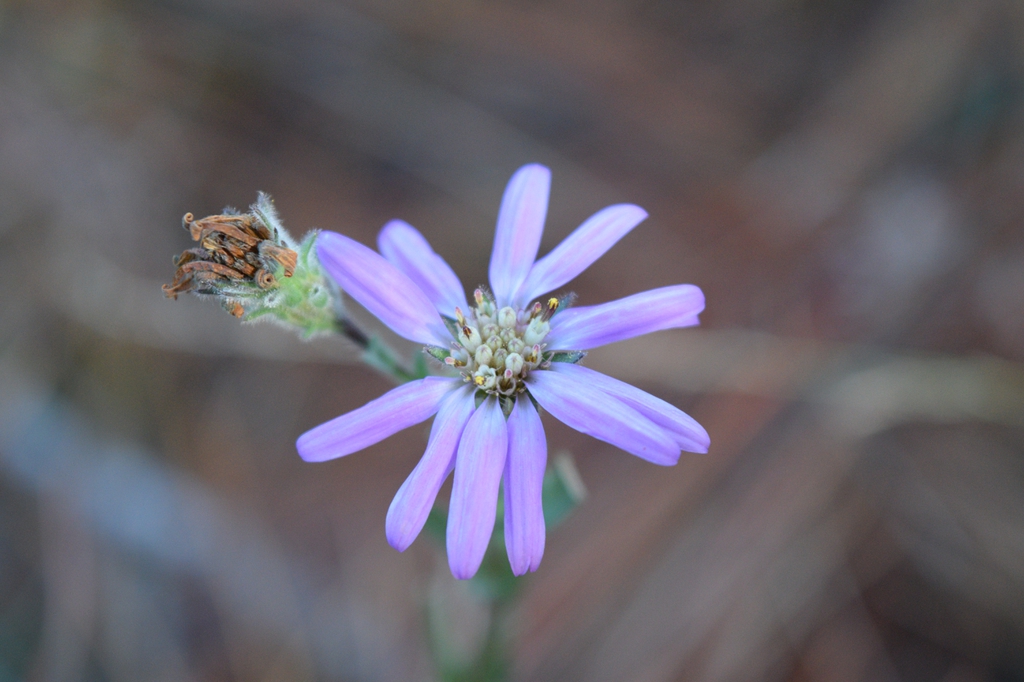
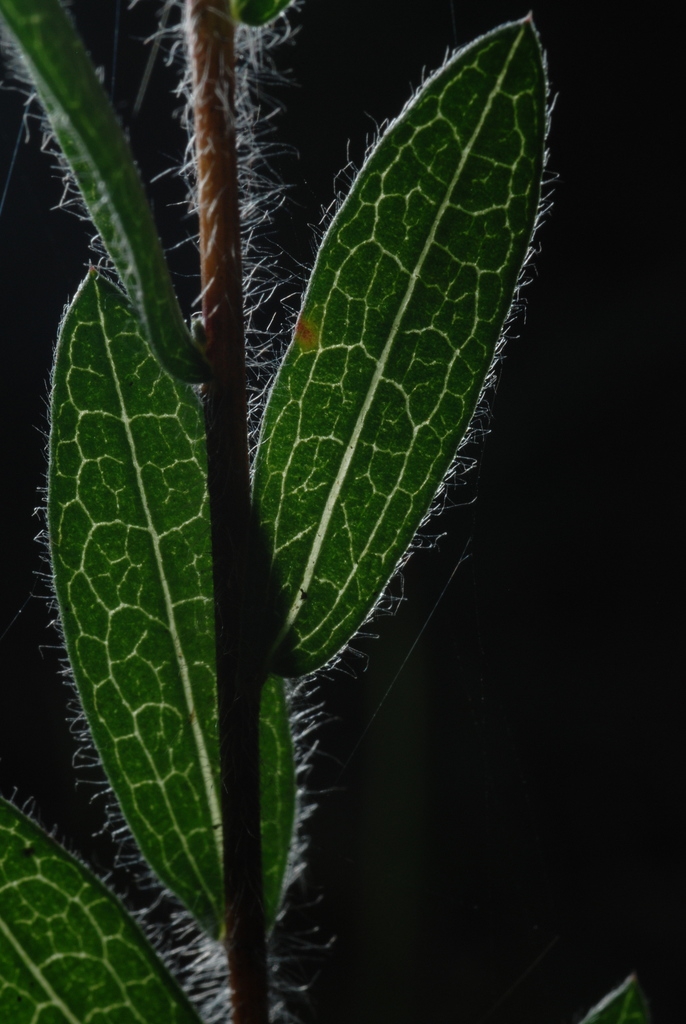
The lavender rays surround a creamy center of disc florets, becoming darker after pollination. Bloom time is fall to late fall, depending on the climate. The lance-shaped leaves are covered in silvery hairs and have a soft feel.
This plant was selected as the 1996 NC Wildflower of the Year, a program managed by the North Carolina Botanical Garden with some financial support from the Garden Club of North Carolina.
Use this wildflower in naturalized areas or pollinator gardens. It needs to grow among taller plants for support when in bloom. Provides nectar for late-season bees.
Insects, Diseases, and Other Plant Problems: No significant problems. Root rot in too wet soils.
- See this plant in the following landscape :
- Cultivars / Varieties:
-
- Tags:


- Cultivars / Varieties:
-
- Tags:
-
-
Attributes:
- Genus:
- Symphyotrichum
- Species:
- concolor
- Family:
- Asteraceae
- Life Cycle:
- Perennial
- Recommended Propagation Strategy:
- Seed
- Country Or Region Of Origin:
- Eastern United States
- Distribution:
- L , DC , DE , FL , GA , KY , LA , MA , MD , MS , NC , NJ , NY , RI , SC , TN , VA
- Wildlife Value:
- Members of the genus Symphyotrichum support the following specialized bees: Andrena (Callandrena s.l.) asteris, Andrena (Callandrena s.l.) asteroides, Andrena (Cnemidandrena) hirticincta, Andrena (Cnemidandrena) nubecula, Andrena (Callandrena s.l.) placata, Andrena (Callandrena s.l.) simplex, and Colletes simulans.
- Play Value:
- Attractive Flowers
- Attracts Pollinators
- Wildlife Food Source
- Dimensions:
- Height: 1 ft. 6 in. - 3 ft. 0 in.
- Width: 6 ft. 0 in. - 1 ft. 0 in.
-
-
Whole Plant Traits:
- Plant Type:
- Herbaceous Perennial
- Native Plant
- Wildflower
- Woody Plant Leaf Characteristics:
- Deciduous
- Habit/Form:
- Ascending
- Erect
- Growth Rate:
- Medium
- Maintenance:
- High
- Texture:
- Fine
-
-
Cultural Conditions:
- Light:
- Full sun (6 or more hours of direct sunlight a day)
- Partial Shade (Direct sunlight only part of the day, 2-6 hours)
- Soil Texture:
- Sand
- Shallow Rocky
- Soil pH:
- Acid (<6.0)
- Alkaline (>8.0)
- Neutral (6.0-8.0)
- Soil Drainage:
- Good Drainage
- Occasionally Dry
- Available Space To Plant:
- 12 inches-3 feet
- NC Region:
- Coastal
- Mountains
- Piedmont
- USDA Plant Hardiness Zone:
- 8a, 8b, 9a, 9b, 10a, 10b, 11a, 11b
-
-
Fruit:
- Fruit Color:
- Brown/Copper
- Cream/Tan
- Display/Harvest Time:
- Fall
- Fruit Type:
- Achene
- Fruit Length:
- 1-3 inches
- Fruit Description:
- A small dry, one-seeded fruit topped with a bristly, feathery plume. Displays from October to November
-
-
Flowers:
- Flower Color:
- Blue
- Cream/Tan
- Purple/Lavender
- Flower Inflorescence:
- Head
- Flower Value To Gardener:
- Showy
- Flower Bloom Time:
- Fall
- Winter
- Flower Shape:
- Radial
- Flower Petals:
- 7 - 20 petals/rays
- Flower Size:
- 1-3 inches
- Flower Description:
- Lavender to purple rays surround creamy disc florets. Blooms from September to October or later in warmer areas.
-
-
Leaves:
- Woody Plant Leaf Characteristics:
- Deciduous
- Leaf Color:
- Gray/Silver
- Green
- Leaf Feel:
- Soft
- Leaf Type:
- Simple
- Leaf Arrangement:
- Alternate
- Leaf Shape:
- Lanceolate
- Linear
- Oblong
- Leaf Margin:
- Entire
- Hairs Present:
- Yes
- Leaf Length:
- 1-3 inches
- Leaf Width:
- < 1 inch
- Leaf Description:
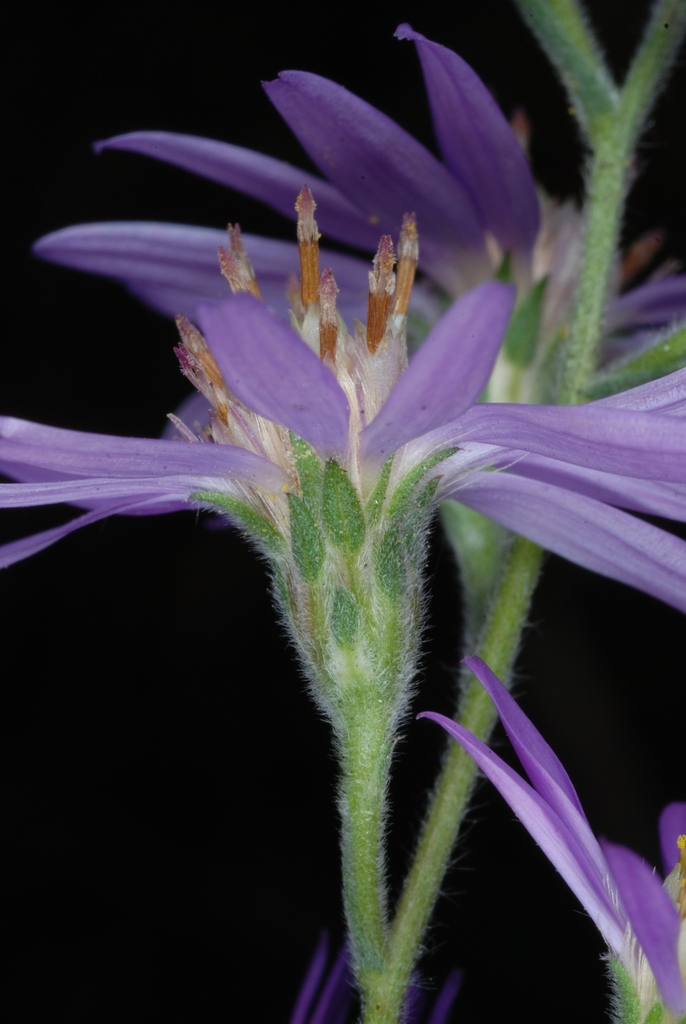
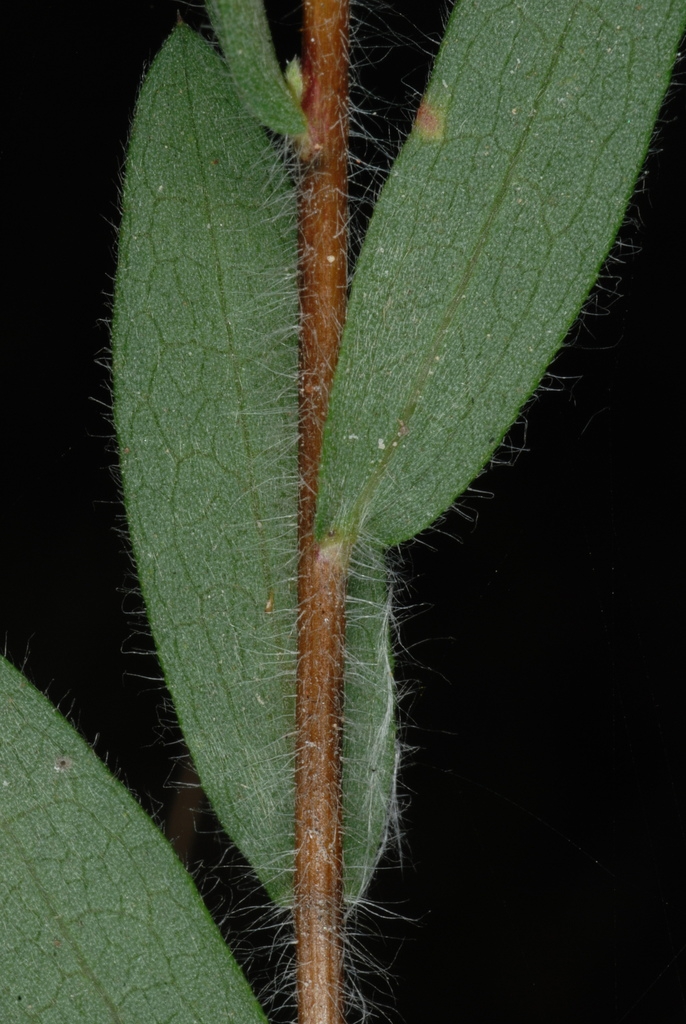
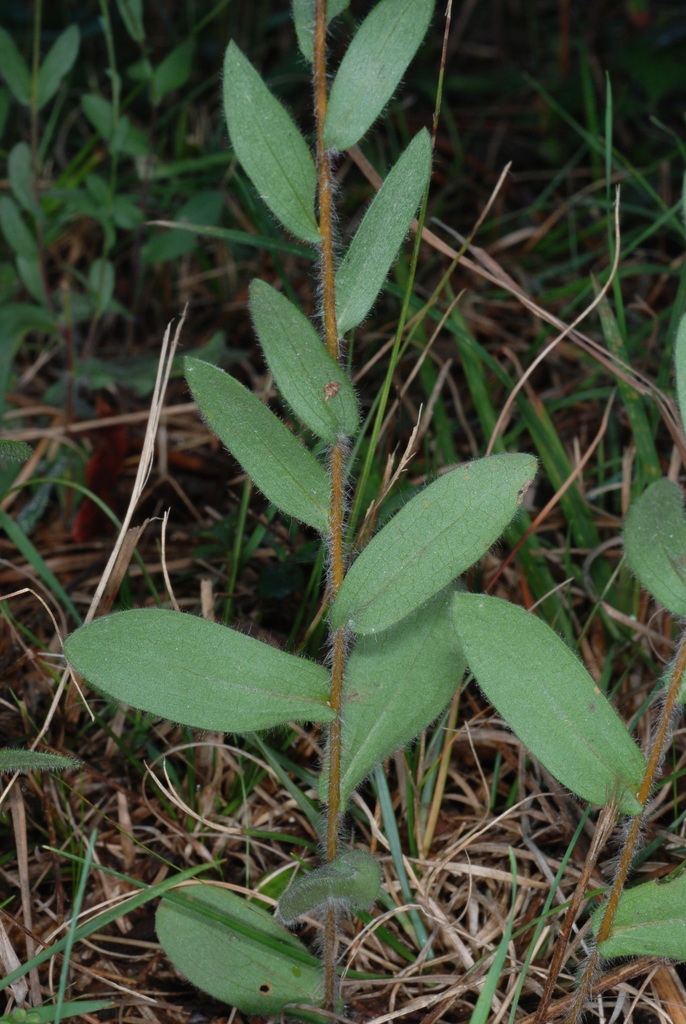
- These alternate clasping leaves are linear, oblong, or lanceolate-shaped with smooth margins and silvery hairs.
-
-
Stem:
- Stem Color:
- Brown/Copper
- Green
- Stem Is Aromatic:
- No
- Stem Cross Section:
- Round
- Stem Form:
- Straight
- Stem Surface:
- Hairy (pubescent)
- Stem Description:
- Green to copper stem covered in silvery hairs
-
-
Landscape:
- Landscape Location:
- Meadow
- Naturalized Area
- Woodland
- Landscape Theme:
- Butterfly Garden
- Native Garden
- Pollinator Garden
- Design Feature:
- Border
- Mass Planting
- Attracts:
- Bees
- Butterflies
- Pollinators
- Small Mammals
- Songbirds
- Resistance To Challenges:
- Drought