



Berberis thunbergii
Common Name(s):
Previously known as:
- Berberis thunbergii var. atropurpurea
- Phonetic Spelling
- BER-ber-is thun-BER-jee-eye
- This plant is an invasive species in North Carolina
- Description
-
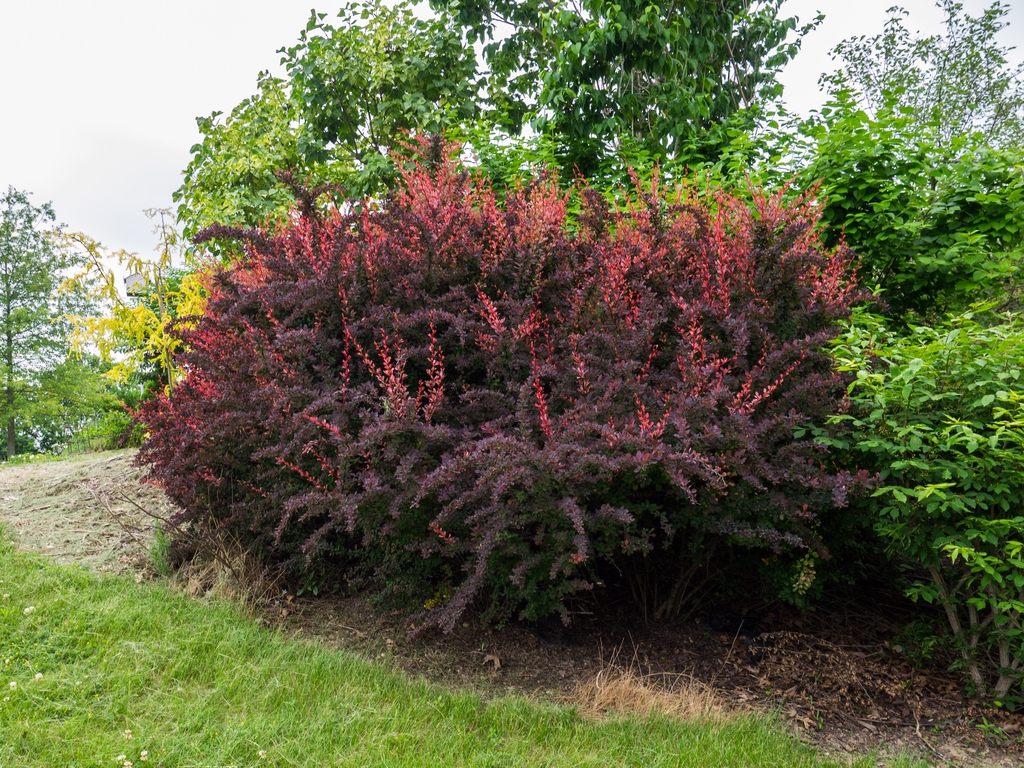
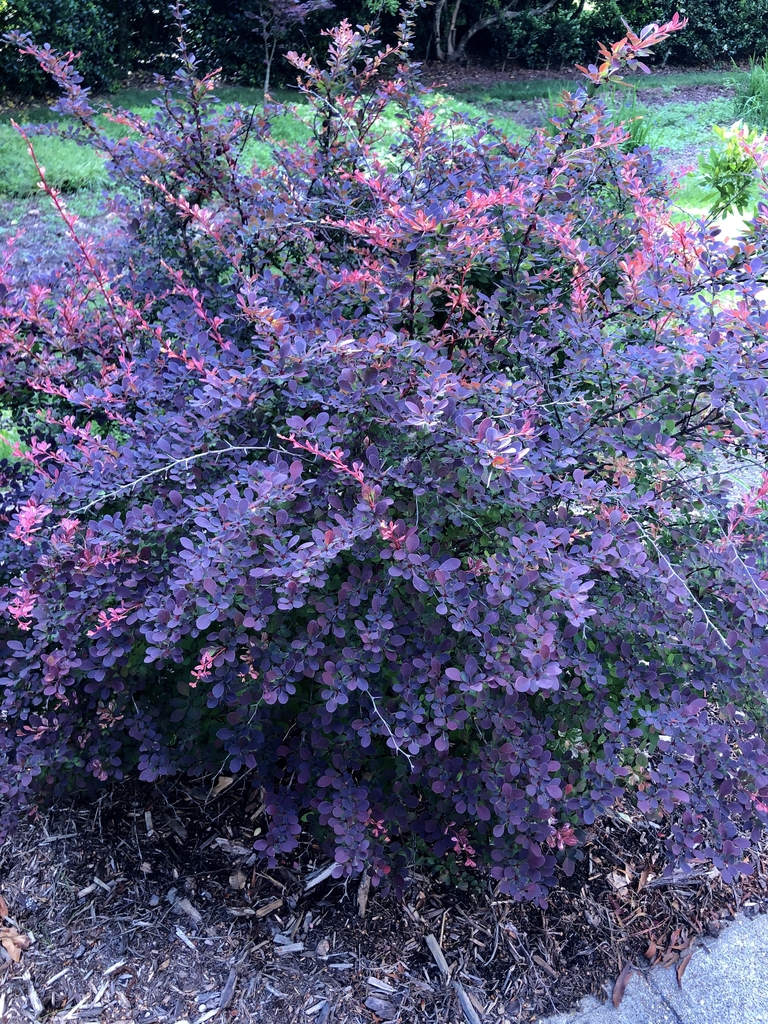
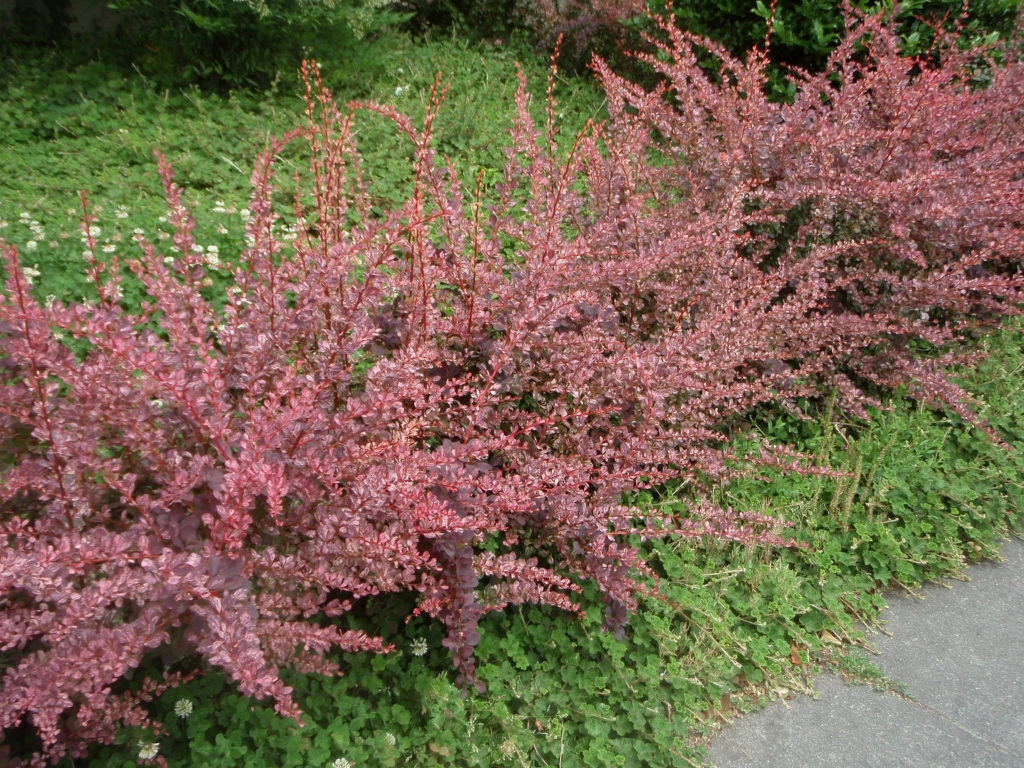
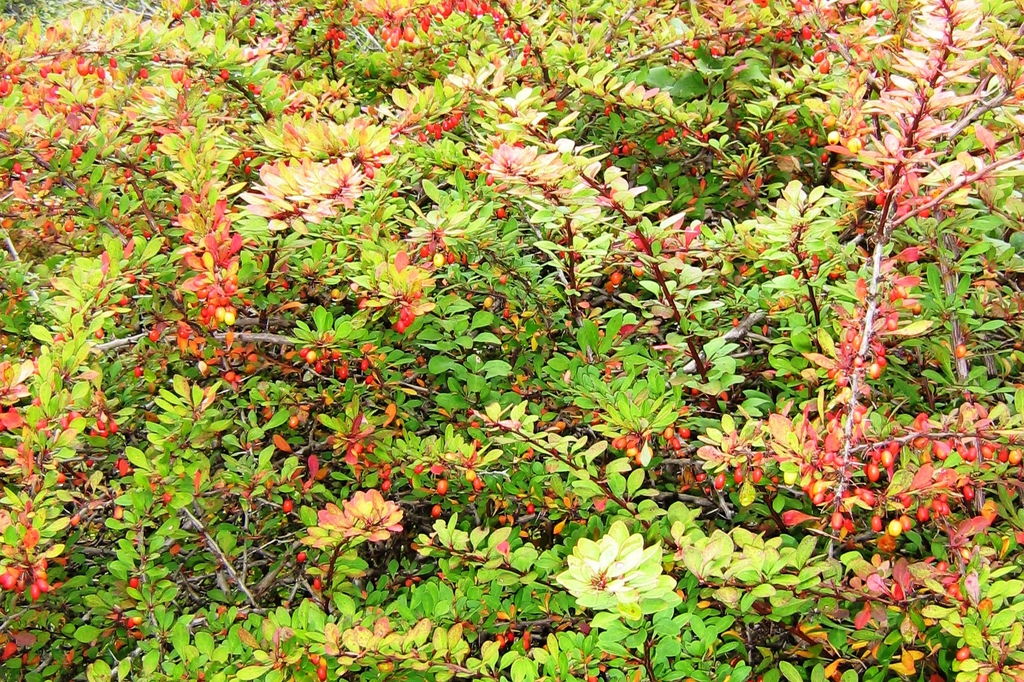
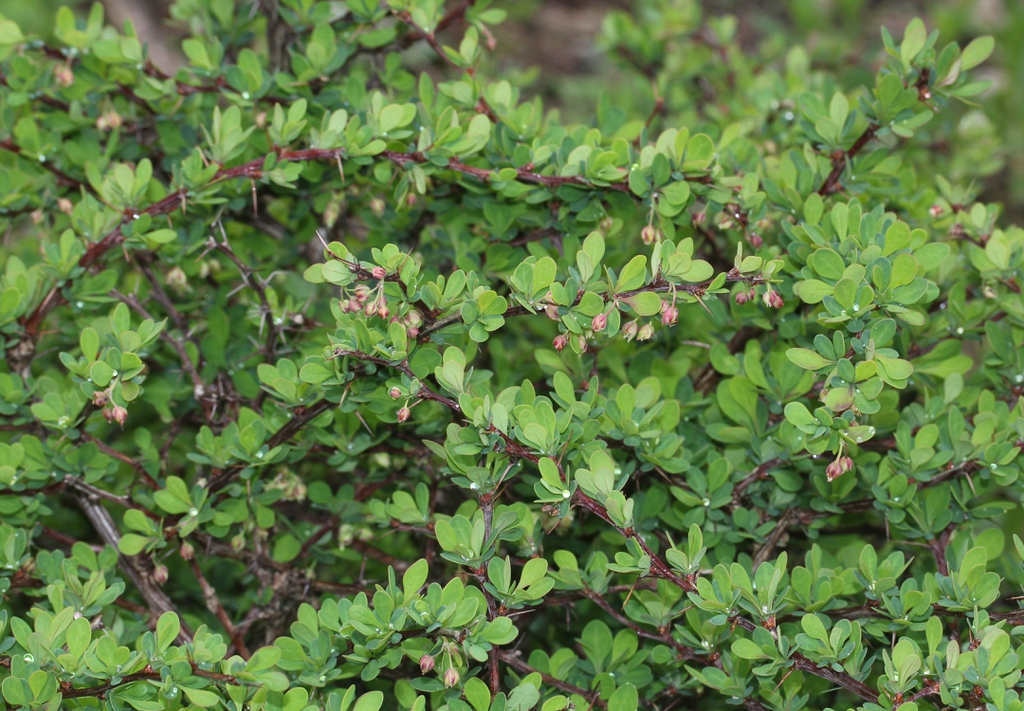
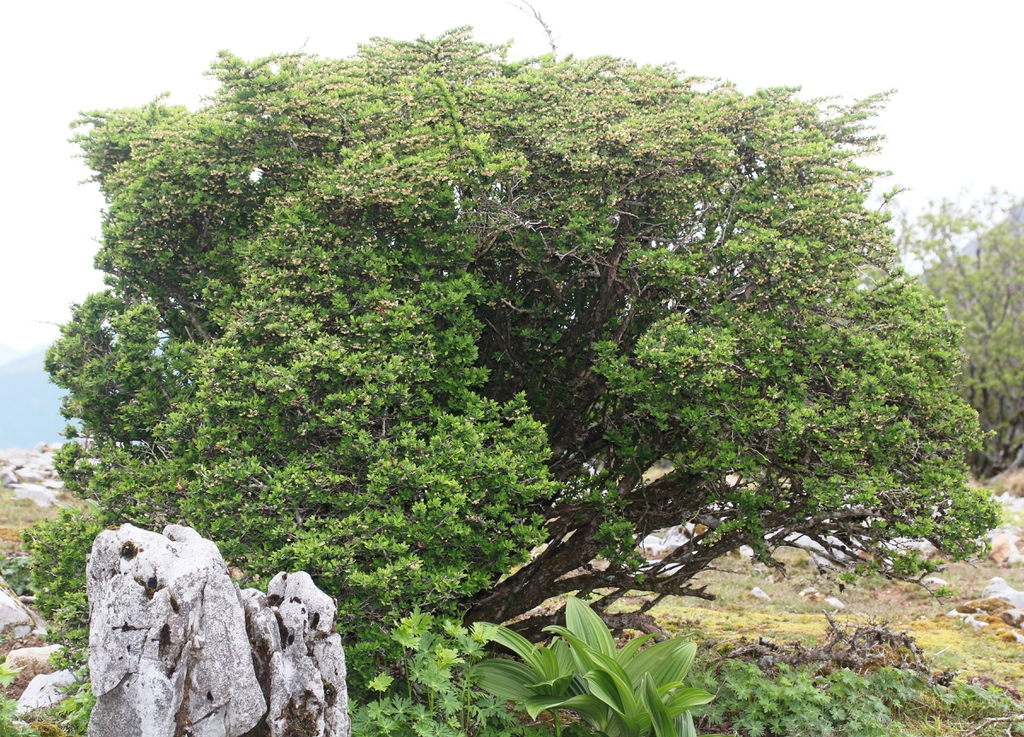
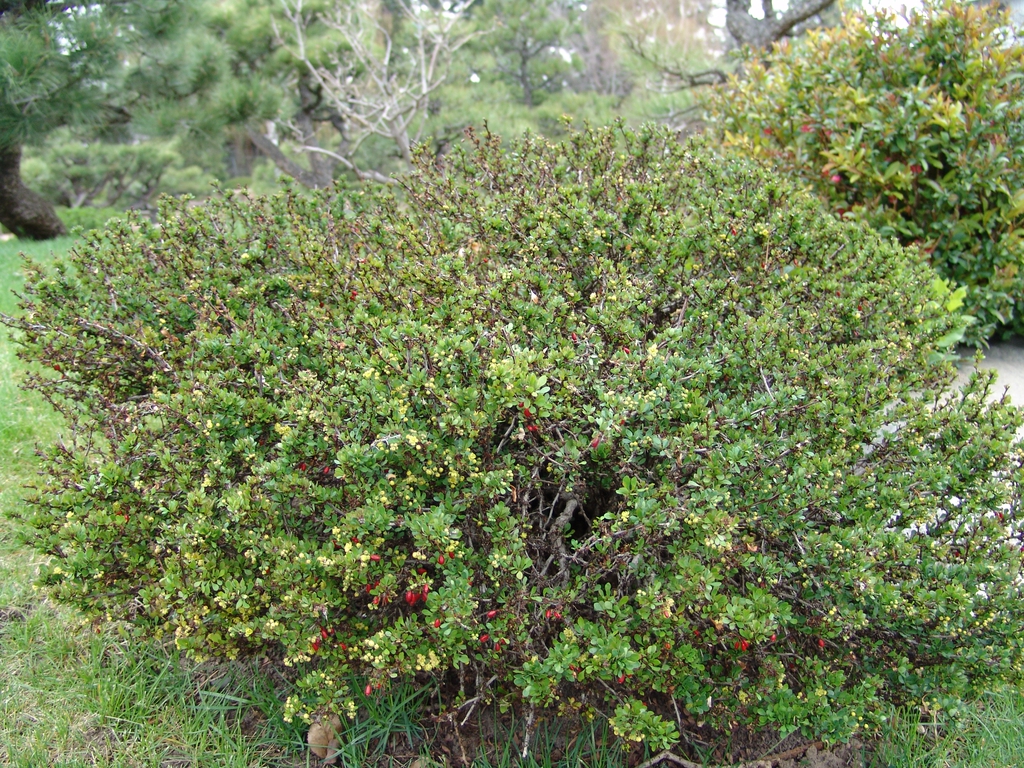
Japanese barberry is a high-maintenance, woody, deciduous shrub in the barberry family (Berberidaceae). It is native to Japan and an invasive species in North Carolina. The thorny-stemmed shrub grows 3 to 6 feet tall and 4 to 7 feet wide in a dense, rounded form.
It alters the soil pH which may cause damage to surrounding plants. It spreads by root suckers and colonizes to form thickets, which may outcompete nearby plants. Birds eating the berries contribute to spreading the seeds far and wide, compounding barberry’s invasiveness in North Carolina.
While this species is not recommended, there are cultivars that perform well in the landscape without being invasive. The WorryFreeⓇ group and the Sunjoy cultivars (developed by NC State) are sterile cultivars. Additional suggestions of native or less problematic plants appear to the left.
Quick ID Hints:
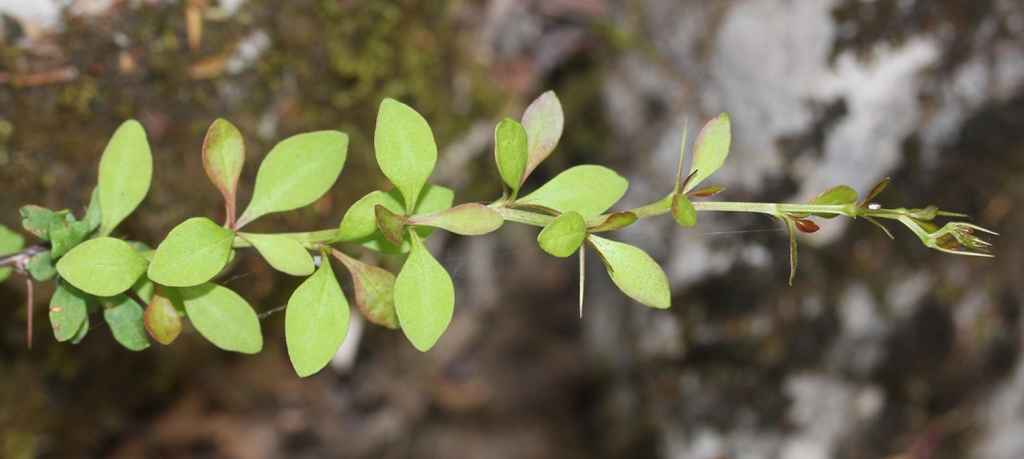
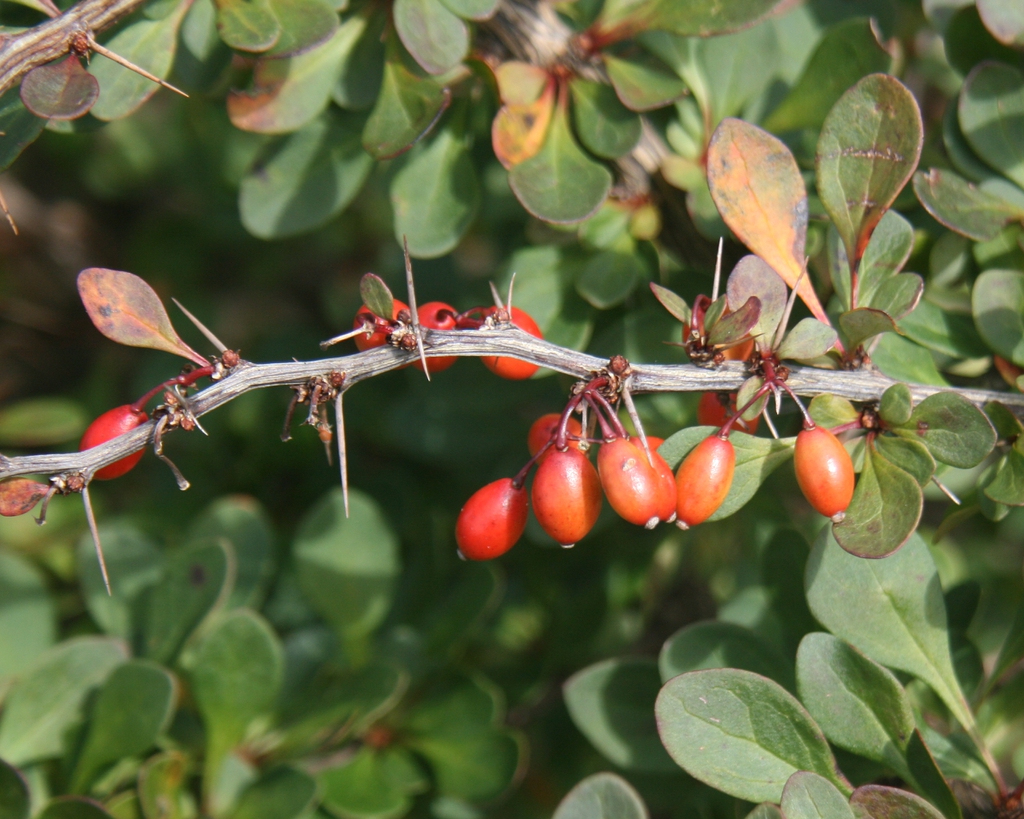
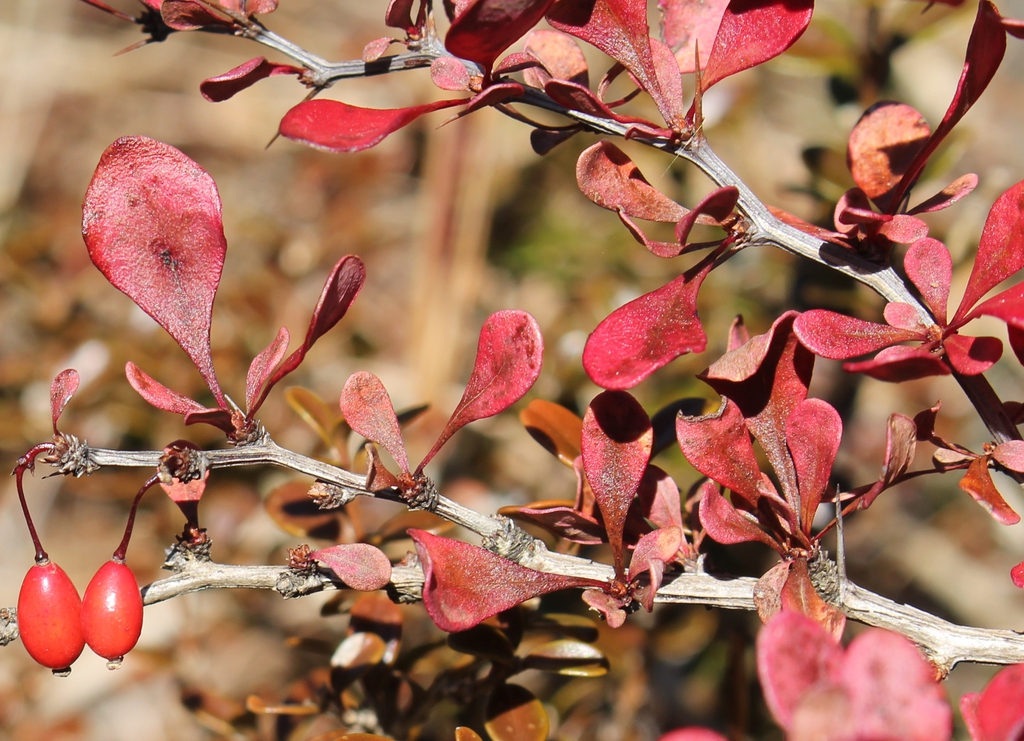
- Stems with only a single spine at each node.
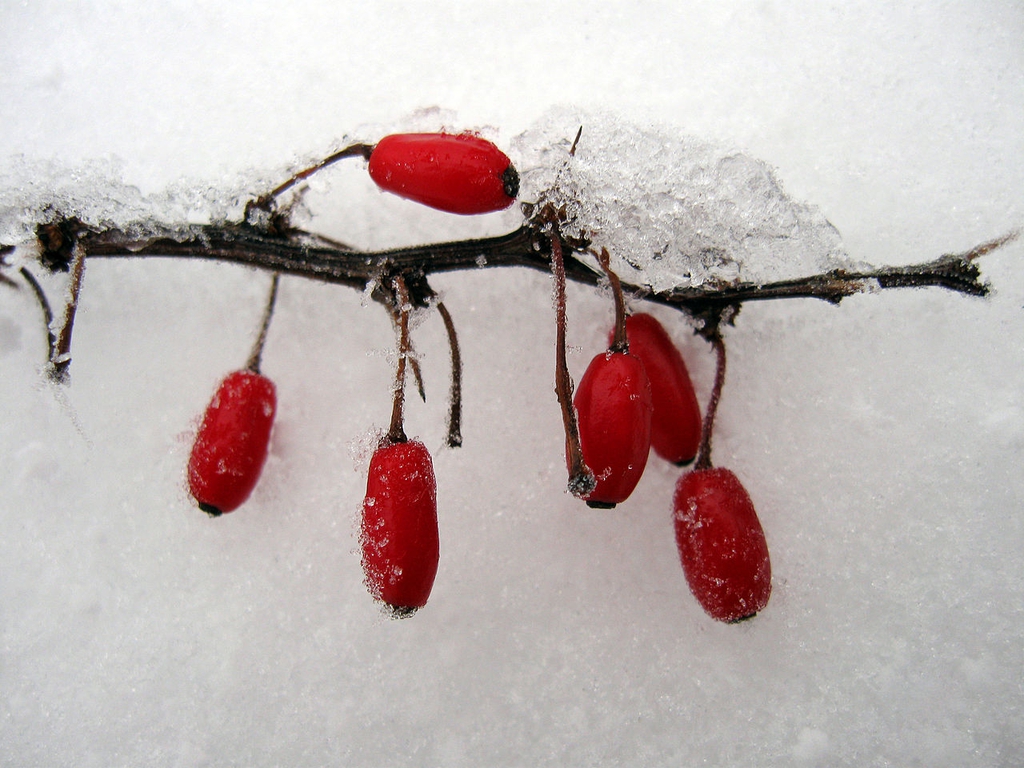
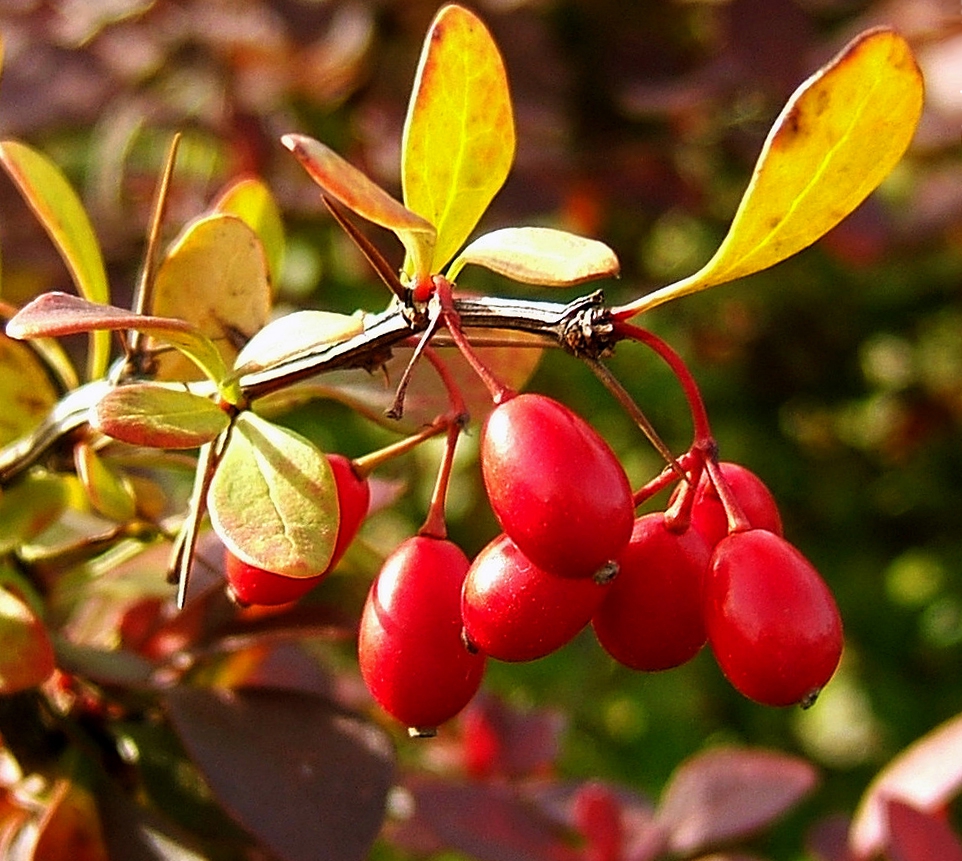
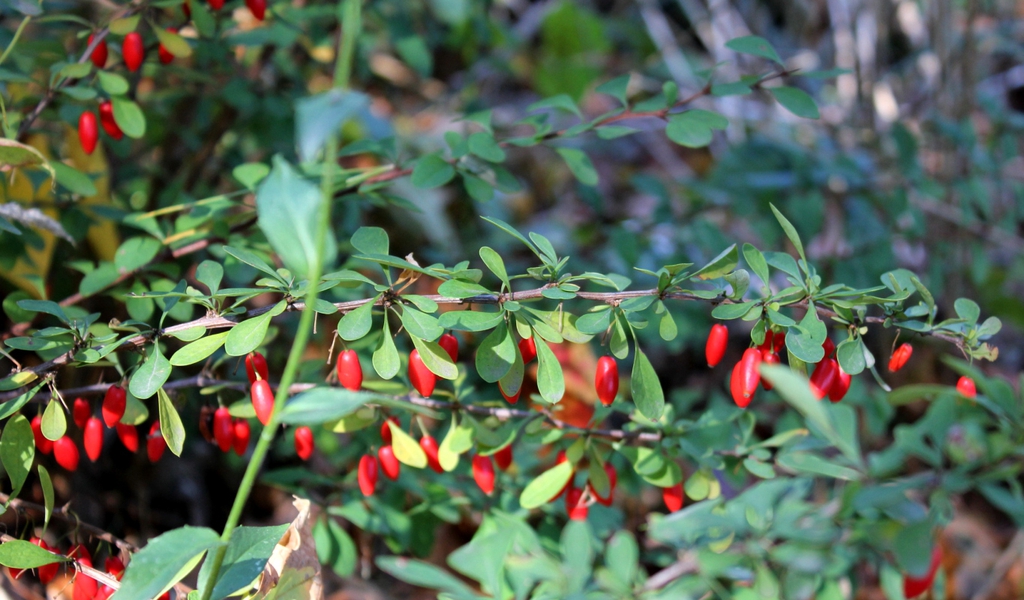
- Fruit bright red berry, often persisting in winter.
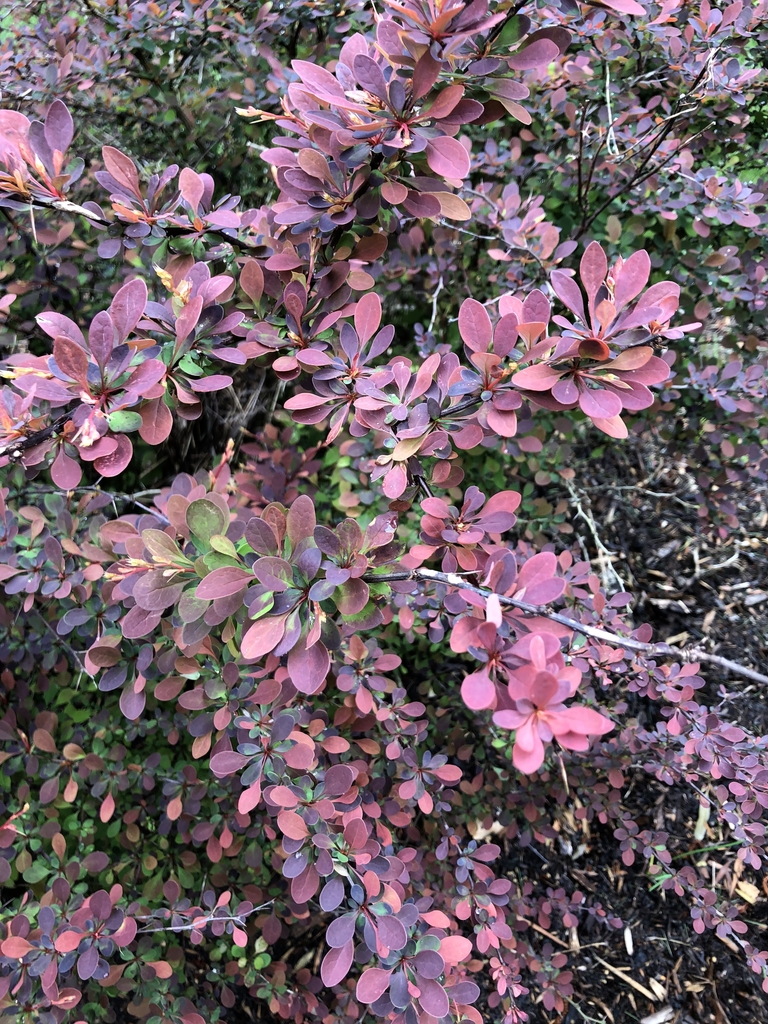
- Red- and green-leafed varieties.
- Leaves deciduous, obovate to spatulate, entire.
Insect, Diseases and Other Plant Problems: Japanese barberry appears on the NC Invasive Plant Council’s list. Anthracnose, root rot, bacterial leaf spot, wilt, Indian wax scale, two-banded Japanese weevil, barberry webworm and aphids are some problems that may damage barberry.
- See this plant in the following landscape :
- Cultivars / Varieties:
-
- 'Admiration'
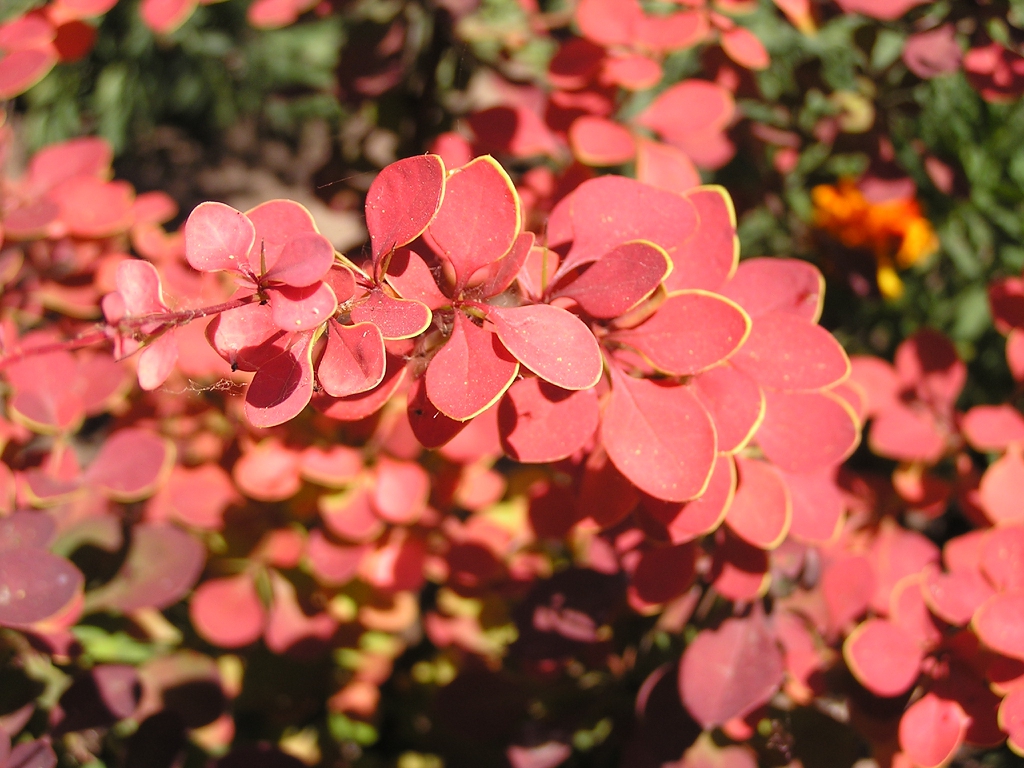
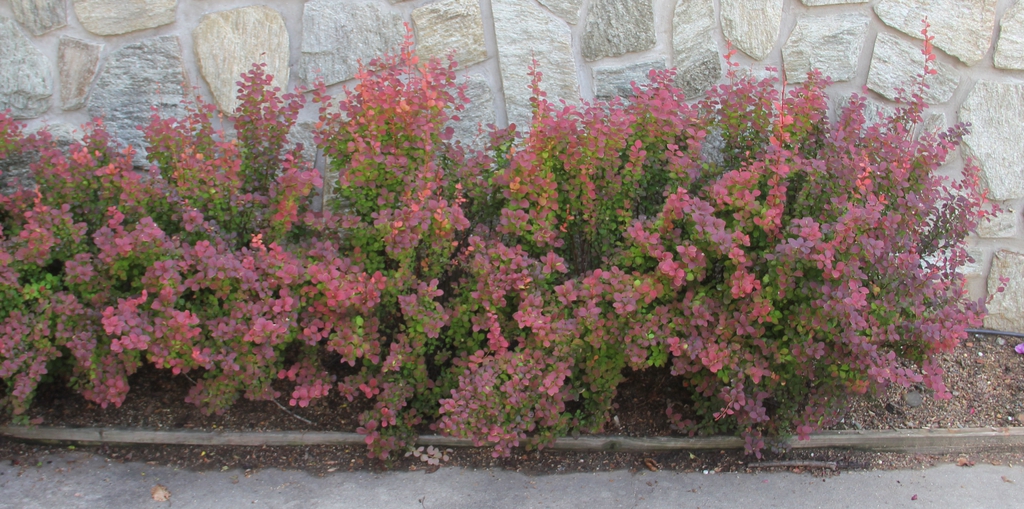
Intense red-orange leaves often have yellow margins
'Atropurpurea'
- 'Concorde'
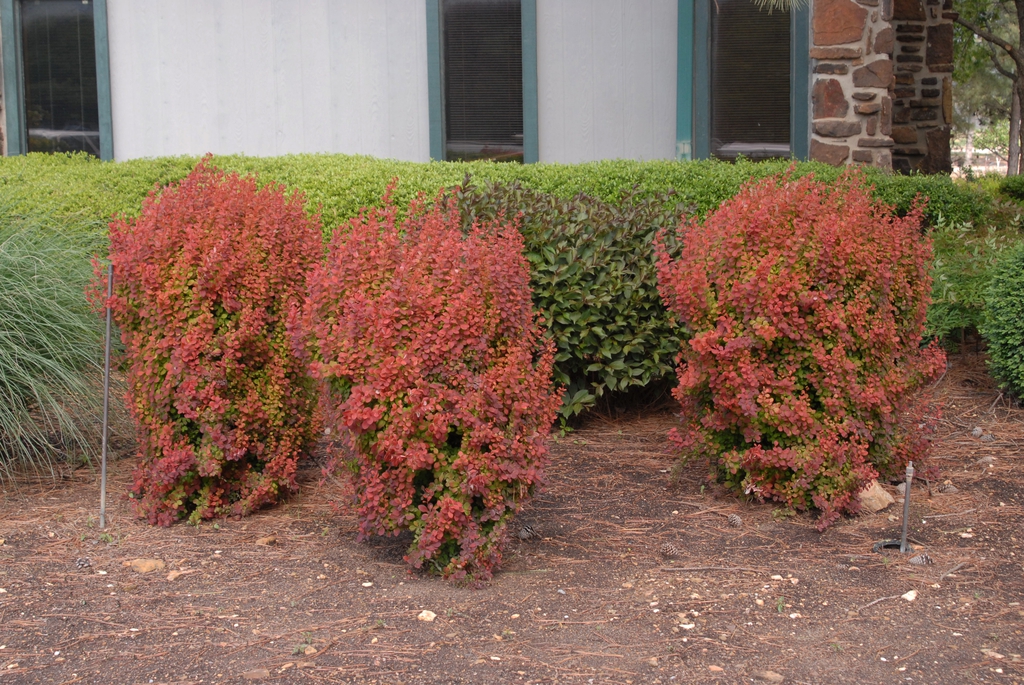
Compact shrub with deep purple leaves
'Crimson Pygmy'
- 'Fireball'
Compact shrub with bright red leaves - 'Golden Ring'
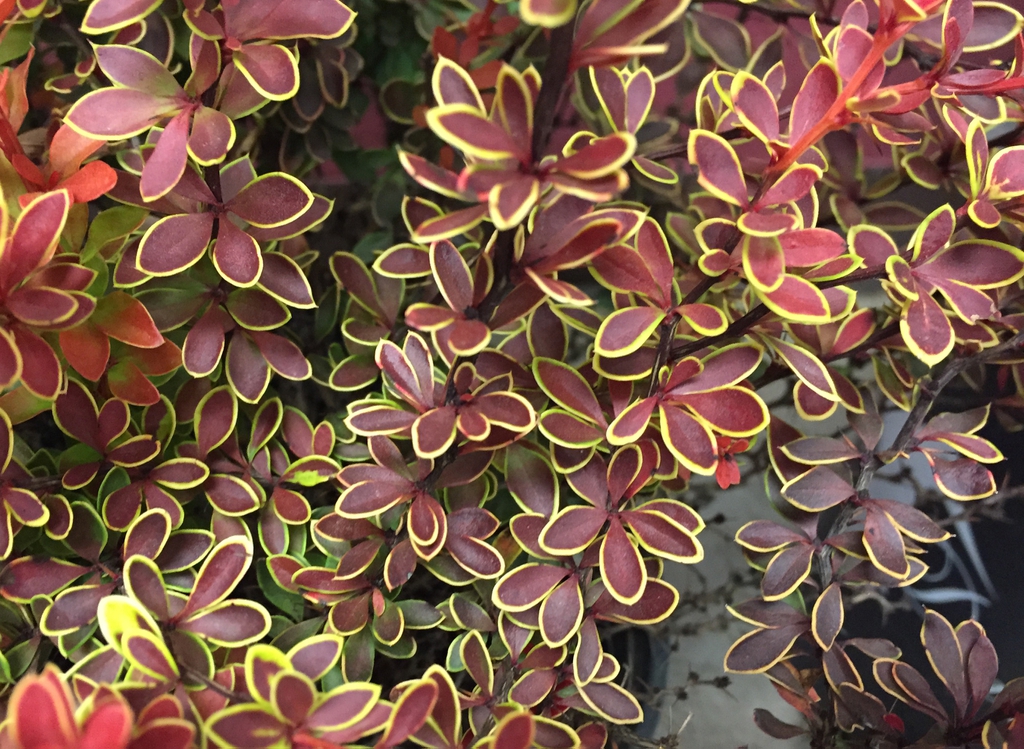
Reddish-purple leaves with a yellow-green border - 'Gold Pillar'
New leaves emerge with an orange-red tint before maturing to gold - 'Orange Rocket'
New foliage is orange and ages to a medium green, turns red in the fall - 'Rose Glow'
New growth pinkish with white mottling. Matures to deep reddish-purple - Royal Burgundy™
Dwarf with deep burgundy leaves
Sunjoy® Group

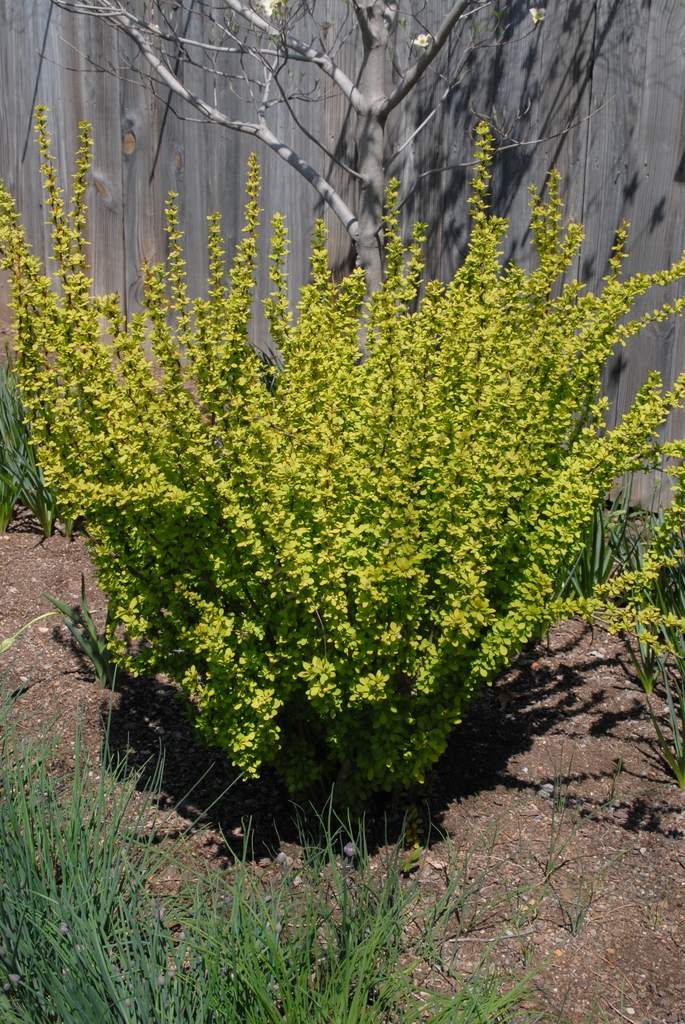
yellow flowers; purple foliage 'Aurea'
Shrub with yellow-green leaves. Produces fewer viable seeds
Dwarf with reddish-purple foliage
Sterile cultivars that do not spread by seeds WorryFree® Group
Four sterile cultivars are Crimson Cutie®, Lemon Cutie®, Lemon Glow®, Mr. Green Genes® - 'Admiration'
- 'Admiration', 'Atropurpurea', 'Aurea', 'Concorde', 'Crimson Pygmy', 'Fireball', 'Golden Ring', 'Gold Pillar', 'Orange Rocket', 'Rose Glow', Royal Burgundy™, Sunjoy® Group, WorryFree® Group
- Tags:


- Cultivars / Varieties:
-
- 'Admiration'
Intense red-orange leaves often have yellow margins
'Atropurpurea'
- 'Concorde'
Compact shrub with deep purple leaves
'Crimson Pygmy'
- 'Fireball'
Compact shrub with bright red leaves - 'Golden Ring'
Reddish-purple leaves with a yellow-green border - 'Gold Pillar'
New leaves emerge with an orange-red tint before maturing to gold - 'Orange Rocket'
New foliage is orange and ages to a medium green, turns red in the fall - 'Rose Glow'
New growth pinkish with white mottling. Matures to deep reddish-purple - Royal Burgundy™
Dwarf with deep burgundy leaves
Sunjoy® Group
yellow flowers; purple foliage 'Aurea'
Shrub with yellow-green leaves. Produces fewer viable seeds
Dwarf with reddish-purple foliage
Sterile cultivars that do not spread by seeds WorryFree® Group
Four sterile cultivars are Crimson Cutie®, Lemon Cutie®, Lemon Glow®, Mr. Green Genes® - 'Admiration'
- 'Admiration', 'Atropurpurea', 'Aurea', 'Concorde', 'Crimson Pygmy', 'Fireball', 'Golden Ring', 'Gold Pillar', 'Orange Rocket', 'Rose Glow', Royal Burgundy™, Sunjoy® Group, WorryFree® Group
- Tags:
-
-
Attributes:
- Genus:
- Berberis
- Species:
- thunbergii
- Family:
- Berberidaceae
- Uses (Ethnobotany):
- Settlers used this plant to make dye.
- Life Cycle:
- Perennial
- Woody
- Recommended Propagation Strategy:
- Seed
- Country Or Region Of Origin:
- Asia (Japan)
- Wildlife Value:
- Birds eat the berries.
- Particularly Resistant To (Insects/Diseases/Other Problems):
- some shade, heat, drought, urban conditions, range of soil types, erosion, slightly salt tolerant; seldom damaged by deer
- Dimensions:
- Height: 3 ft. 0 in. - 6 ft. 0 in.
- Width: 4 ft. 0 in. - 7 ft. 0 in.
-
-
Whole Plant Traits:
- Plant Type:
- Shrub
- Woody Plant Leaf Characteristics:
- Deciduous
- Habit/Form:
- Dense
- Oval
- Rounded
- Growth Rate:
- Medium
- Maintenance:
- High
- Texture:
- Medium
- Appendage:
- Thorns
-
-
Cultural Conditions:
- Light:
- Full sun (6 or more hours of direct sunlight a day)
- Partial Shade (Direct sunlight only part of the day, 2-6 hours)
- Soil Texture:
- Clay
- Loam (Silt)
- Sand
- Soil Drainage:
- Good Drainage
- Moist
- Occasionally Dry
- Very Dry
- Available Space To Plant:
- 3 feet-6 feet
- 6-feet-12 feet
- NC Region:
- Coastal
- Mountains
- Piedmont
- USDA Plant Hardiness Zone:
- 4a, 4b, 5a, 5b, 6a, 6b, 7a, 7b, 8a, 8b
-
-
Fruit:
- Fruit Color:
- Red/Burgundy
- Fruit Value To Gardener:
- Long-lasting
- Showy
- Display/Harvest Time:
- Fall
- Winter
- Fruit Type:
- Berry
- Fruit Length:
- < 1 inch
- Fruit Width:
- < 1 inch
- Fruit Description:
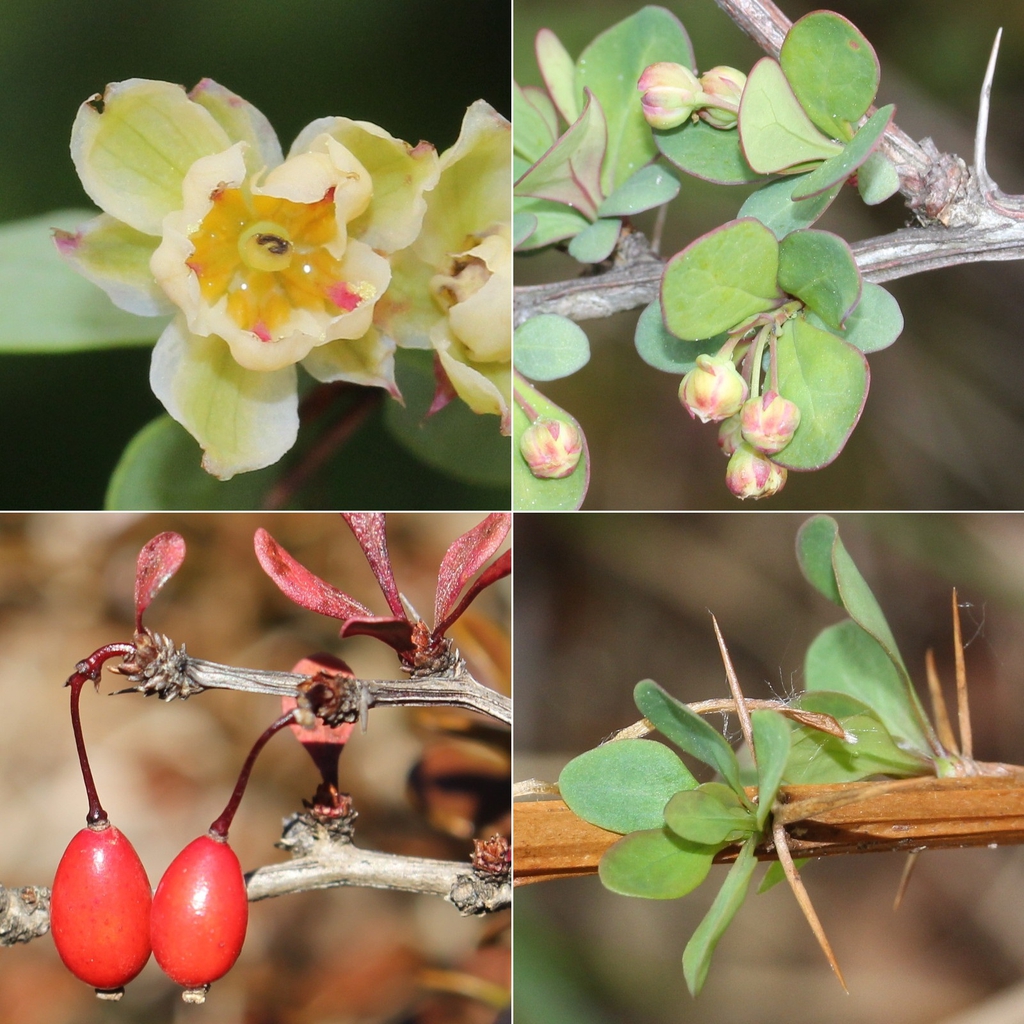
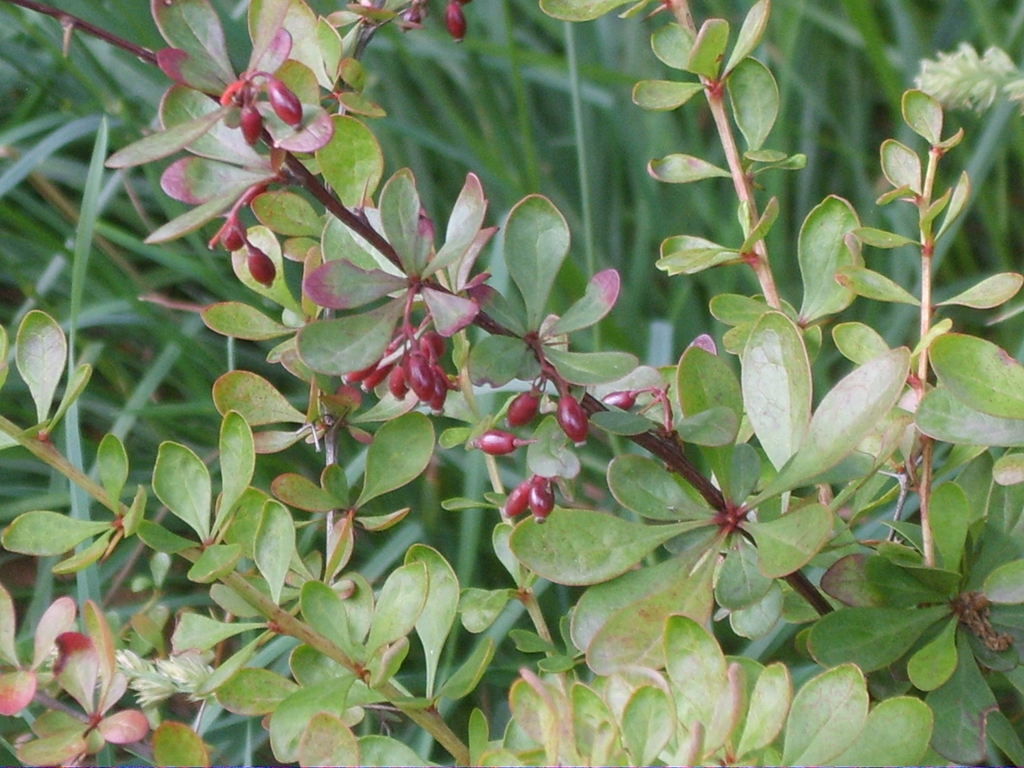
- This plant has 0.3"-1", bright, ellipsoidal and glossy red berries in the fall, persisting into winter
-
-
Flowers:
- Flower Color:
- Gold/Yellow
- Flower Inflorescence:
- Raceme
- Umbel
- Flower Value To Gardener:
- Showy
- Flower Bloom Time:
- Spring
- Flower Petals:
- 2-3 rays/petals
- Flower Size:
- < 1 inch
- Flower Description:
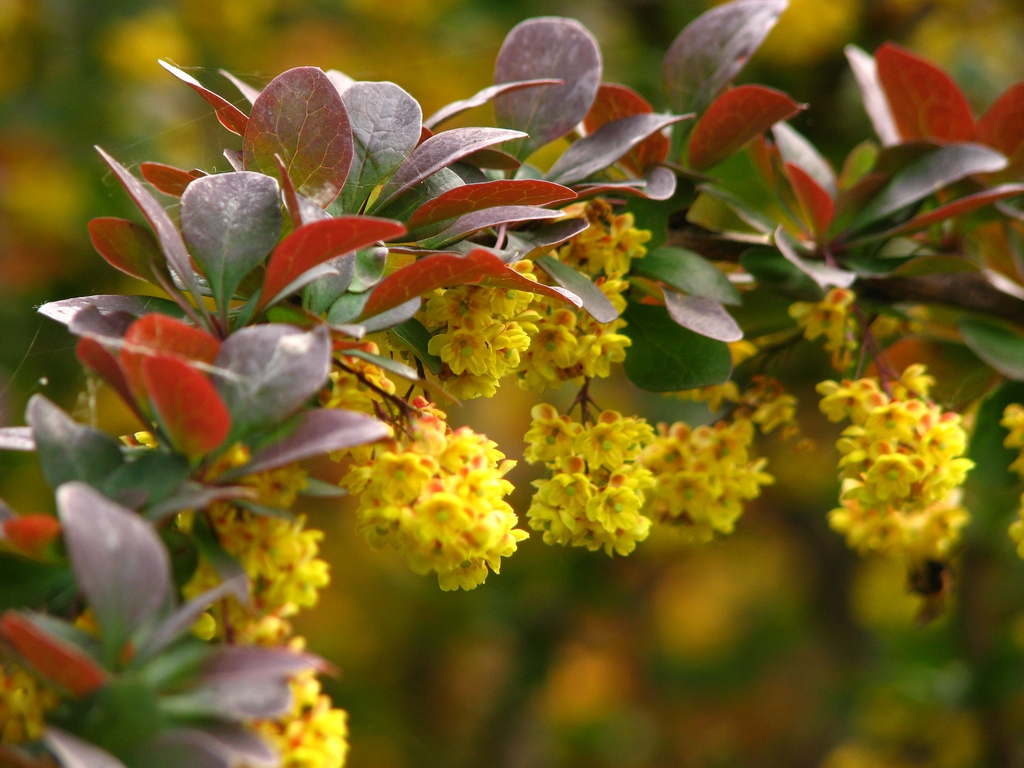
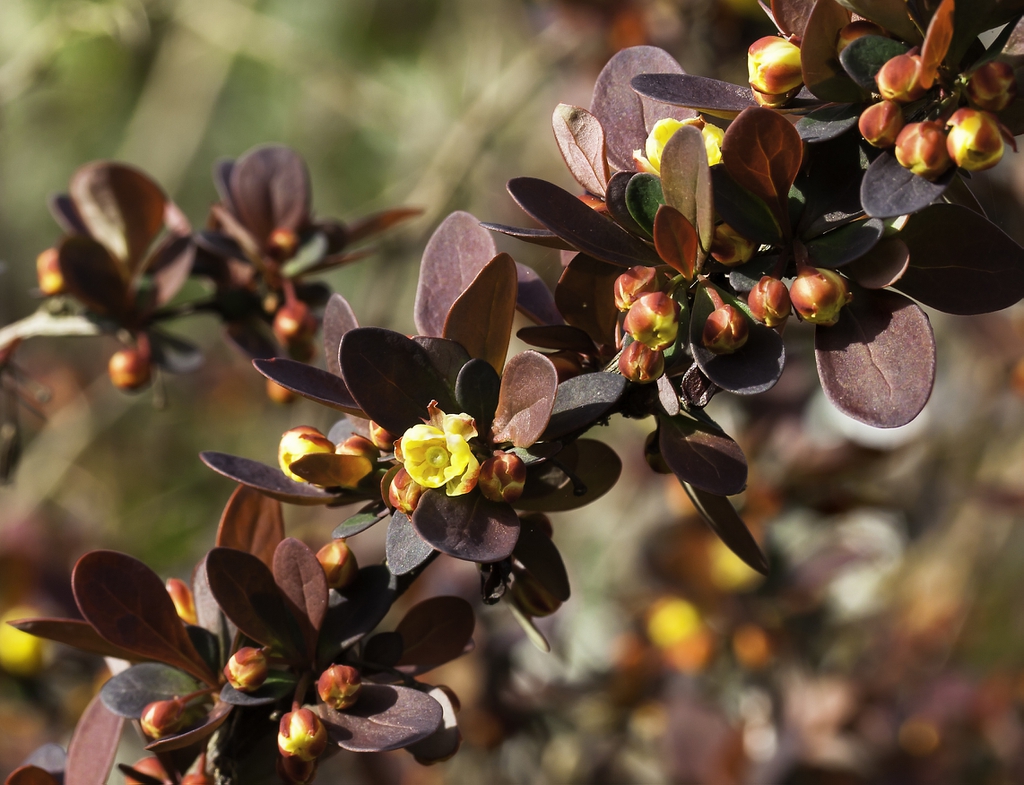
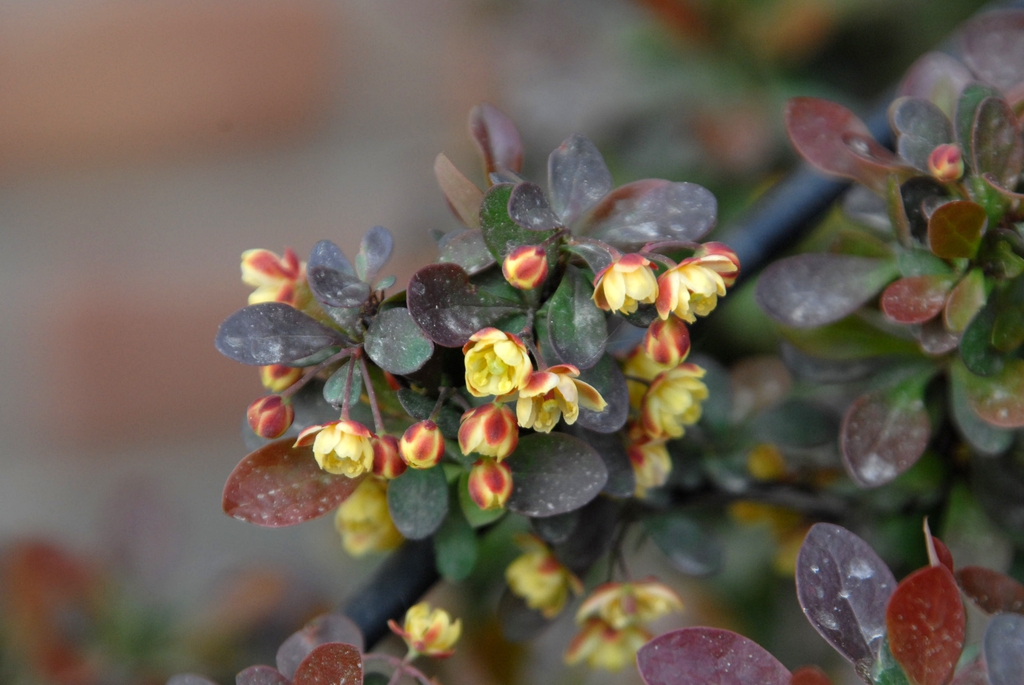
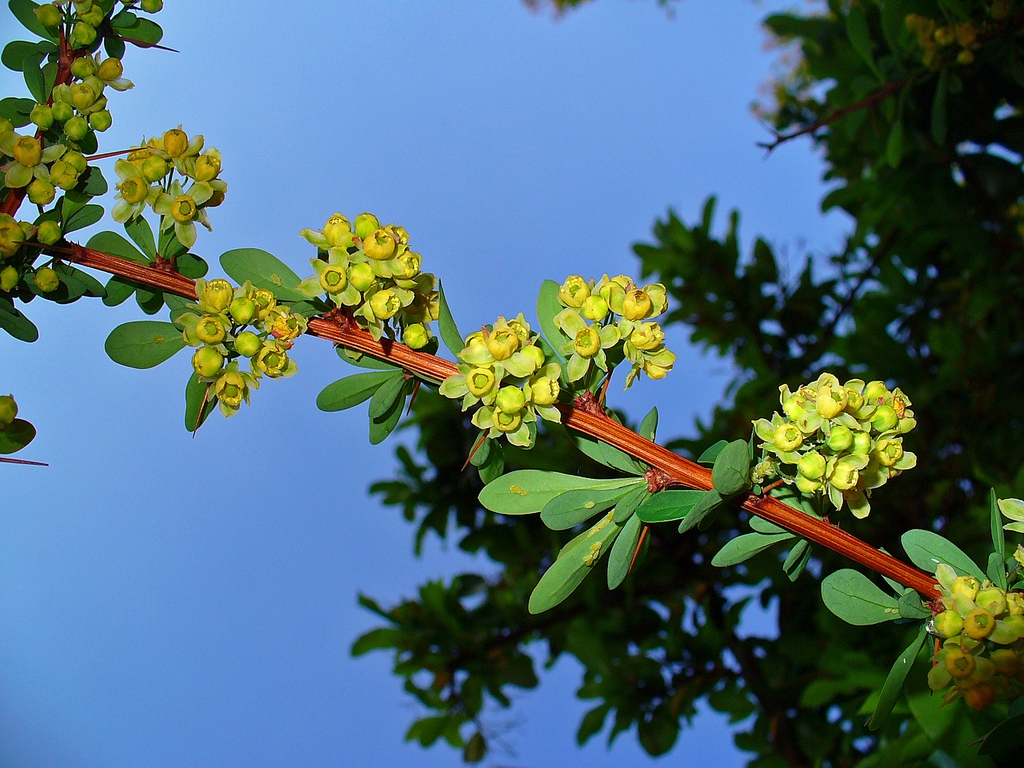
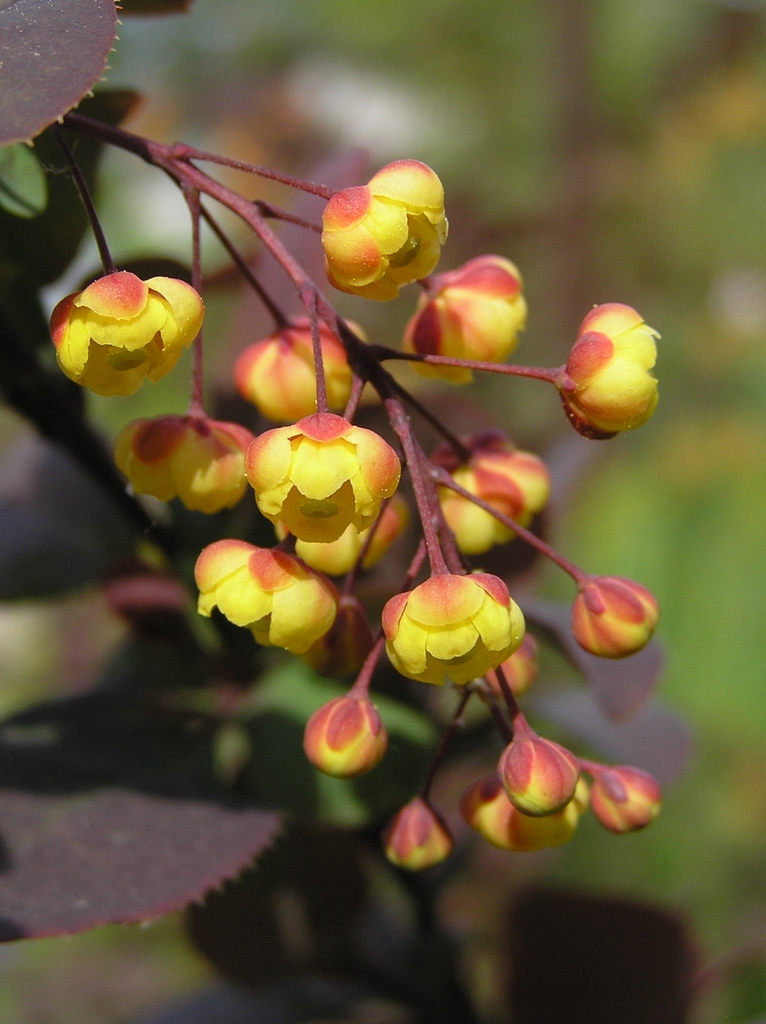
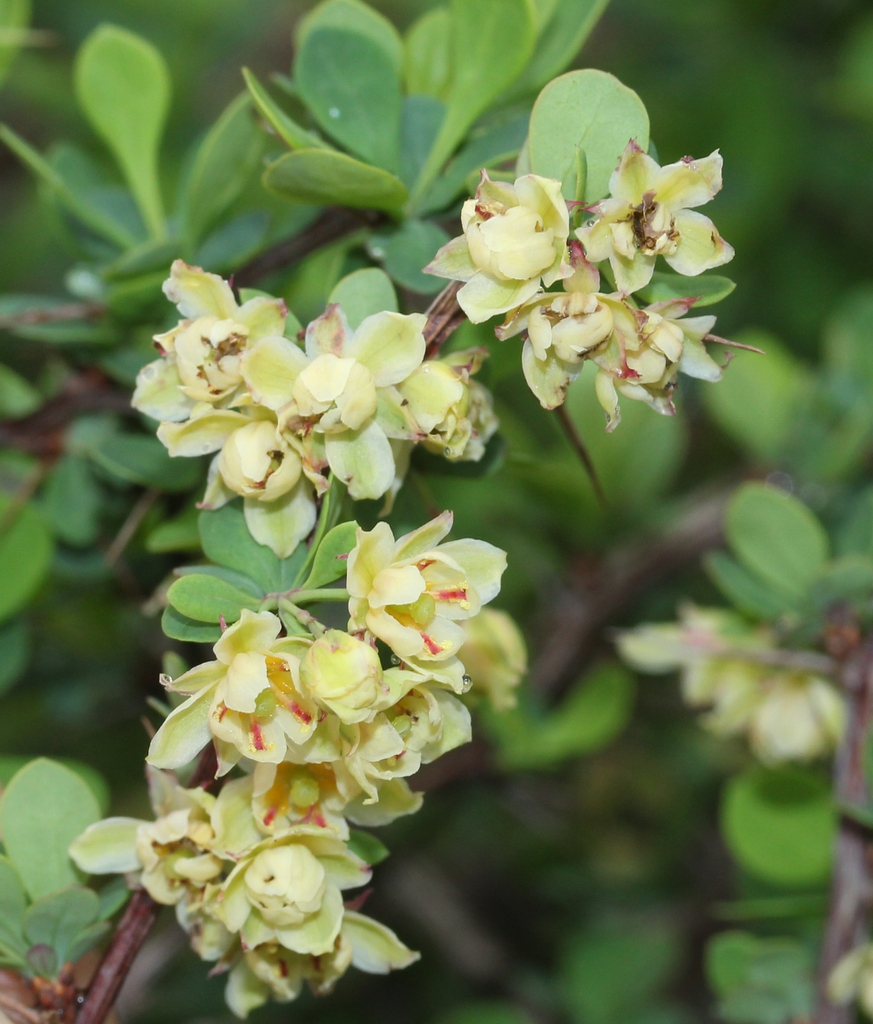
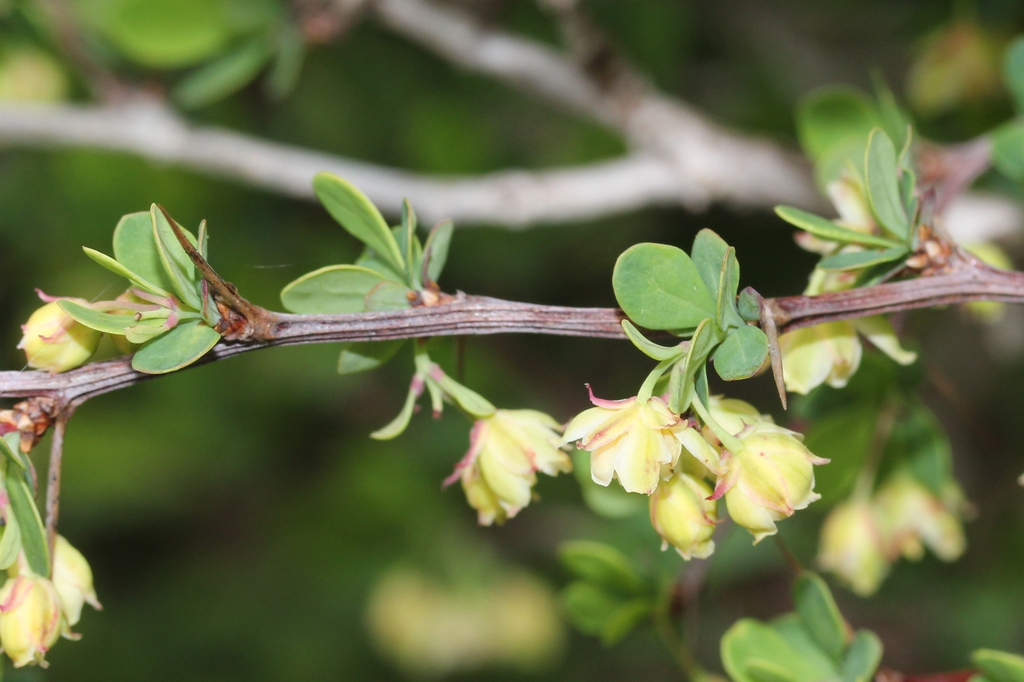
- This plant has 0.3- to 0.5-in., pale yellow flowers in late spring (April to May) that are often hidden under the foliage growing in racemes. The drooping inflorescence has a subumbellate arrangement, is grouped in sets of 2-5, is weakly fetid, and has pedicels.
-
-
Leaves:
- Woody Plant Leaf Characteristics:
- Deciduous
- Leaf Color:
- Gold/Yellow
- Green
- Purple/Lavender
- Variegated
- Leaf Value To Gardener:
- Showy
- Deciduous Leaf Fall Color:
- Gold/Yellow
- Orange
- Red/Burgundy
- Leaf Type:
- Simple
- Leaf Arrangement:
- Alternate
- Leaf Shape:
- Oblong
- Obovate
- Spatulate
- Leaf Margin:
- Entire
- Hairs Present:
- No
- Leaf Length:
- 1-3 inches
- Leaf Description:
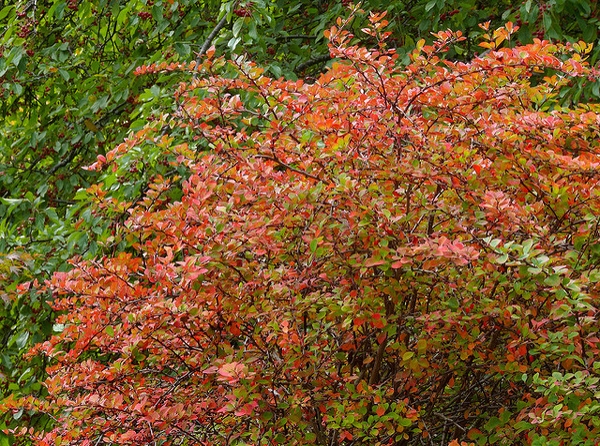
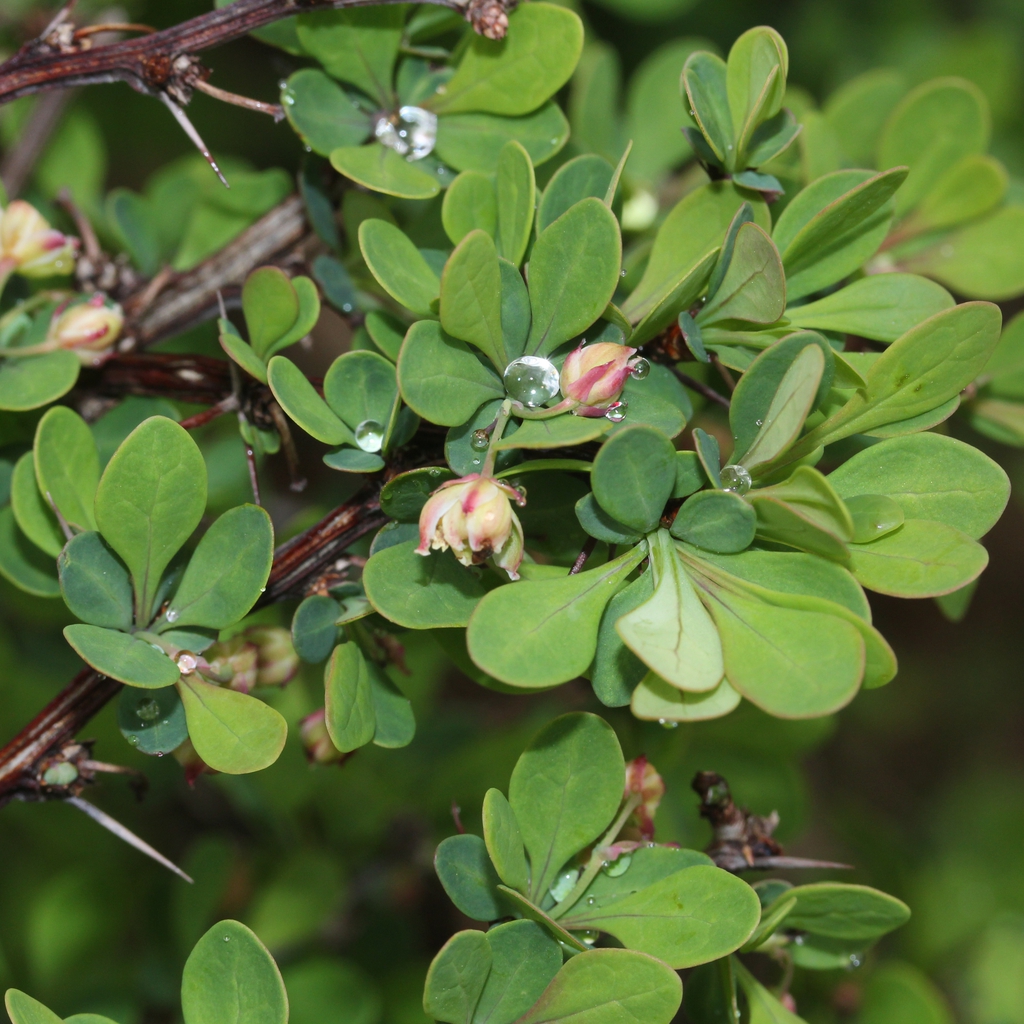
- This plant has alternate, simple, and bright green leaves that are 0.5 to 1.3 in. long. Growing in the spine axil, the leaves are narrow at the base. The leaves have bright red to orange fall color. Other colors that the leave may be are foliage green, variegated, reddish-purple, and yellowish. Clustered on dwarf shoots, the leaves are obovate to spatulate-oblong in shape with entire margins.
-
-
Stem:
- Stem Color:
- Brown/Copper
- Red/Burgundy
- Stem Is Aromatic:
- No
- Stem Buds:
- Smooth/Hairless
- Stem Cross Section:
- Angular
- Stem Description:
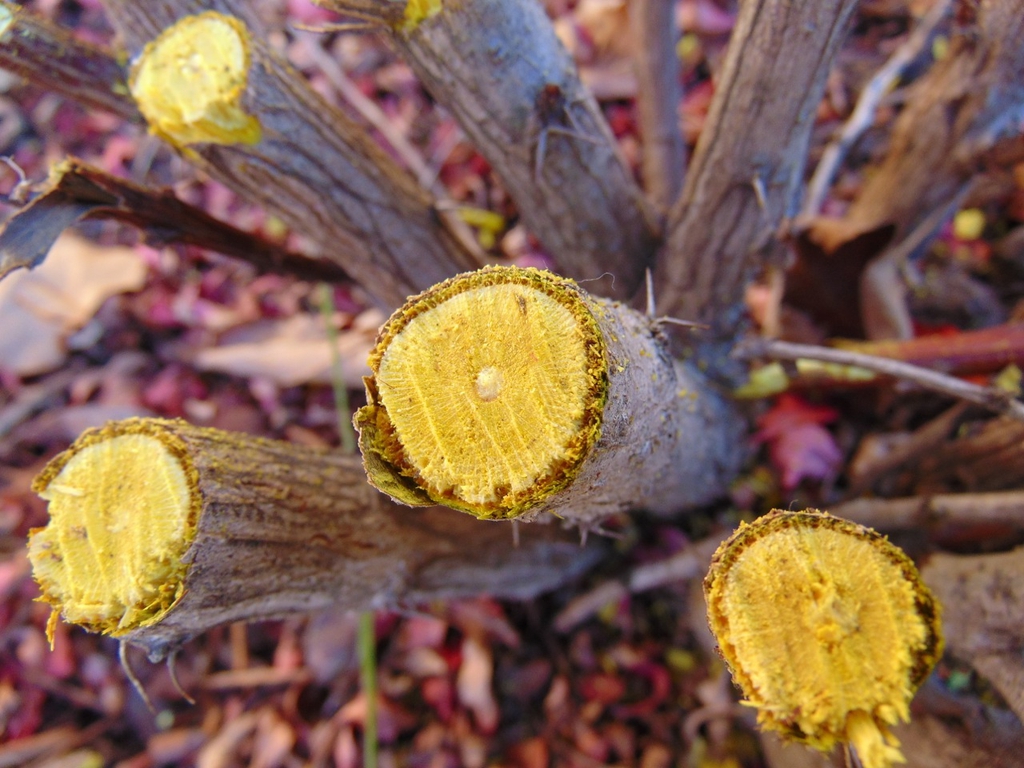
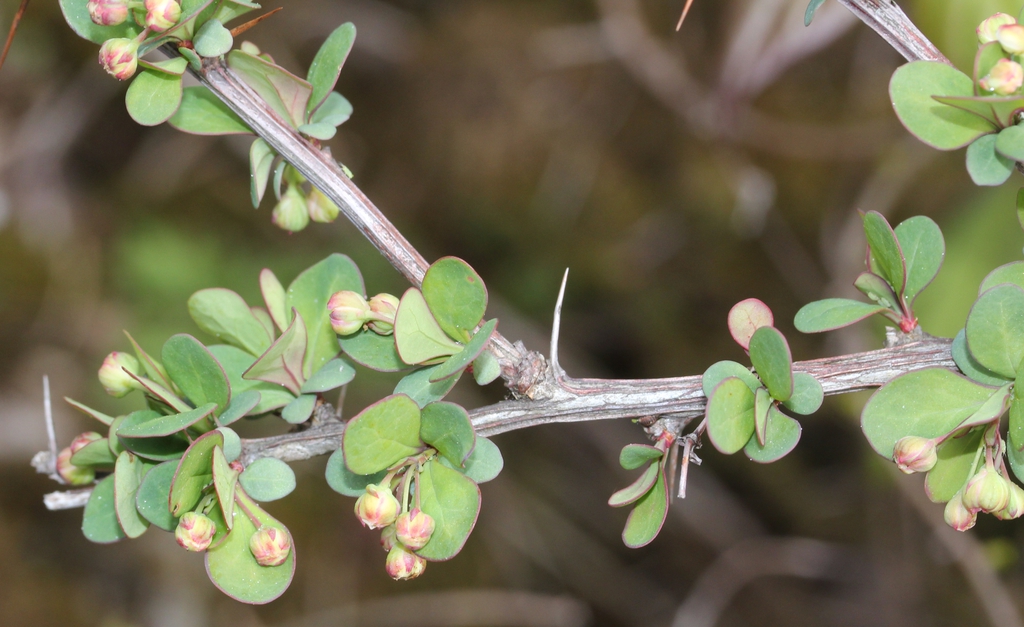
- Numerous angular dark brown stems with slightly curved spines. Older stems are gray and twigs and young stems turn reddish brown in winter. Inner bark yellow.
-
-
Landscape:
- Attracts:
- Songbirds
- Resistance To Challenges:
- Deer
- Drought
- Dry Soil
- Erosion
- Heat
- Salt
- Urban Conditions
- Problems:
- Invasive Species
- Problem for Children
- Spines/Thorns
- Weedy



