


Maples Acer
- Phonetic Spelling
- AY-ser
- Description
-
There are approximately 132 species of maple trees and shrubs in the Sapindaceae family, with most native to Asia but some native to Europe, Africa and North America.
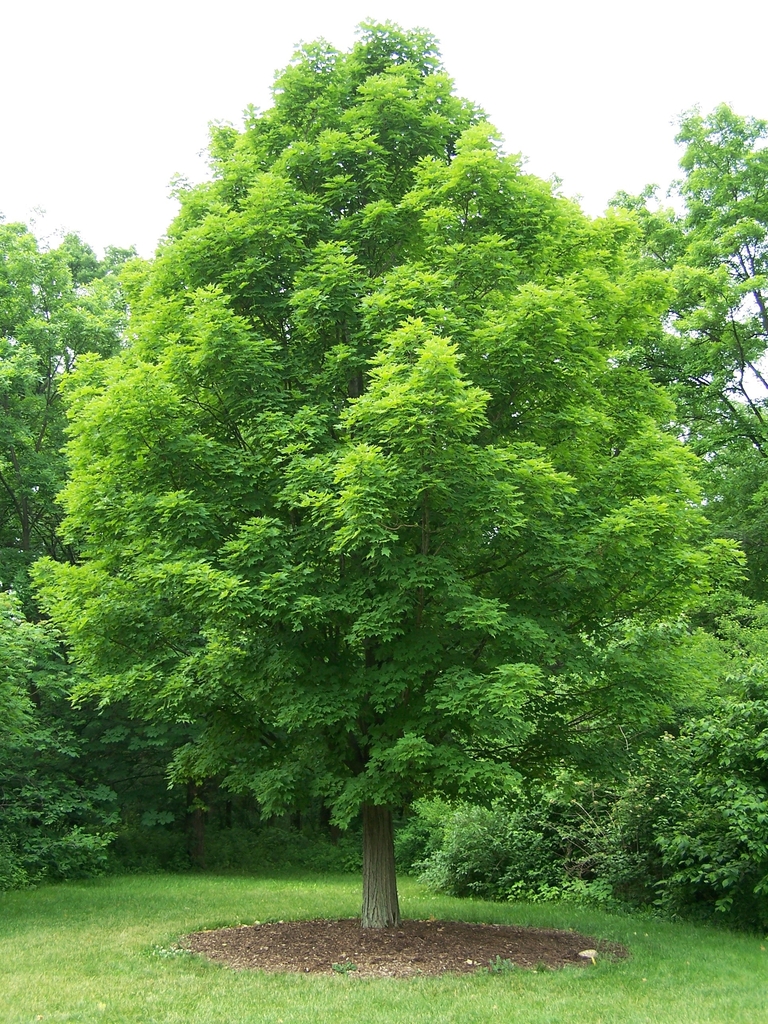
Most maples will do well in full sun to partial shade in well-drained soils. There are multistemmed shrubs up to 35 feet and many trees 35 to 150 feet. Most are deciduous, but there are a few in southern Asia and the Mediterranean region that are evergreen.
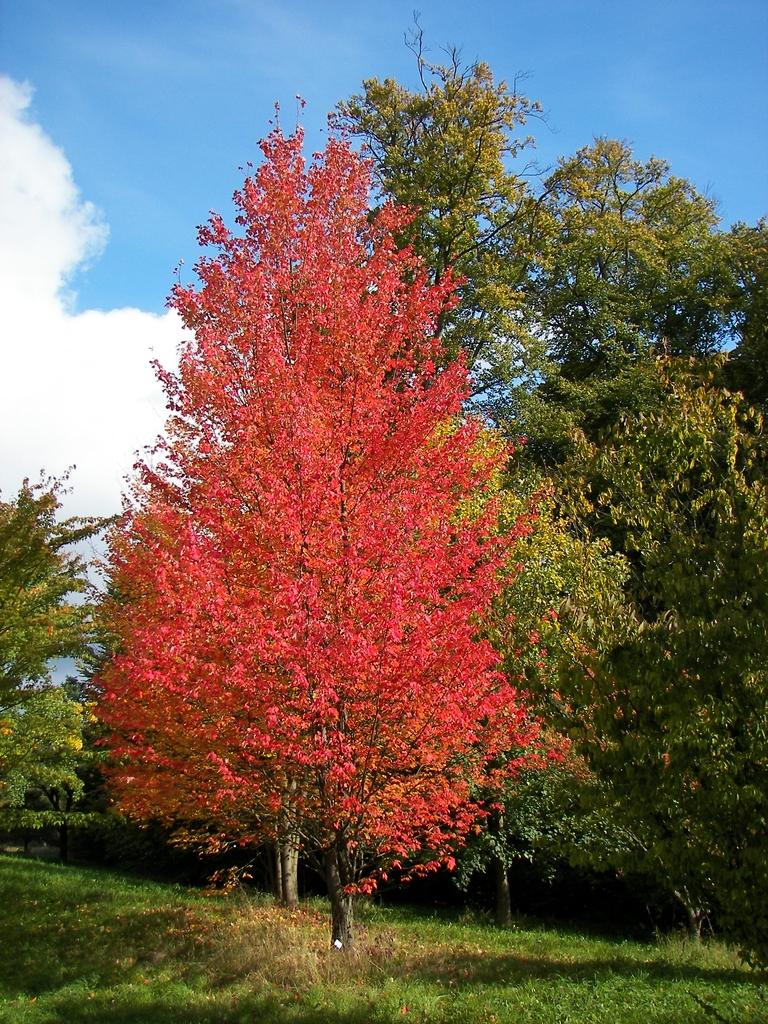
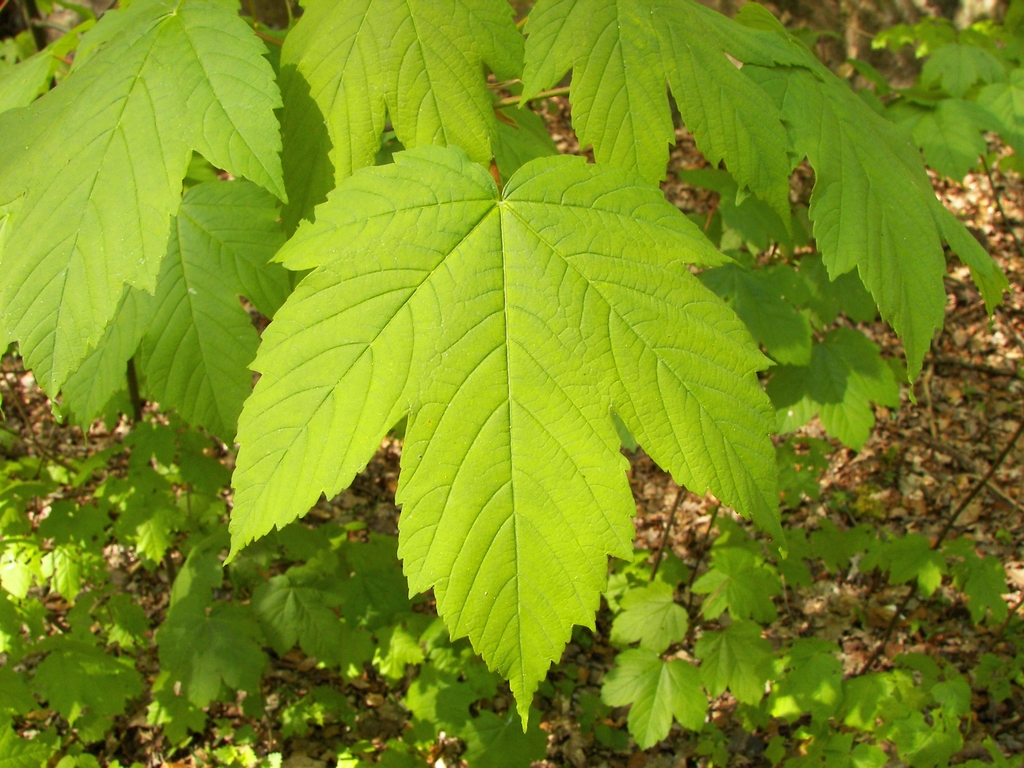
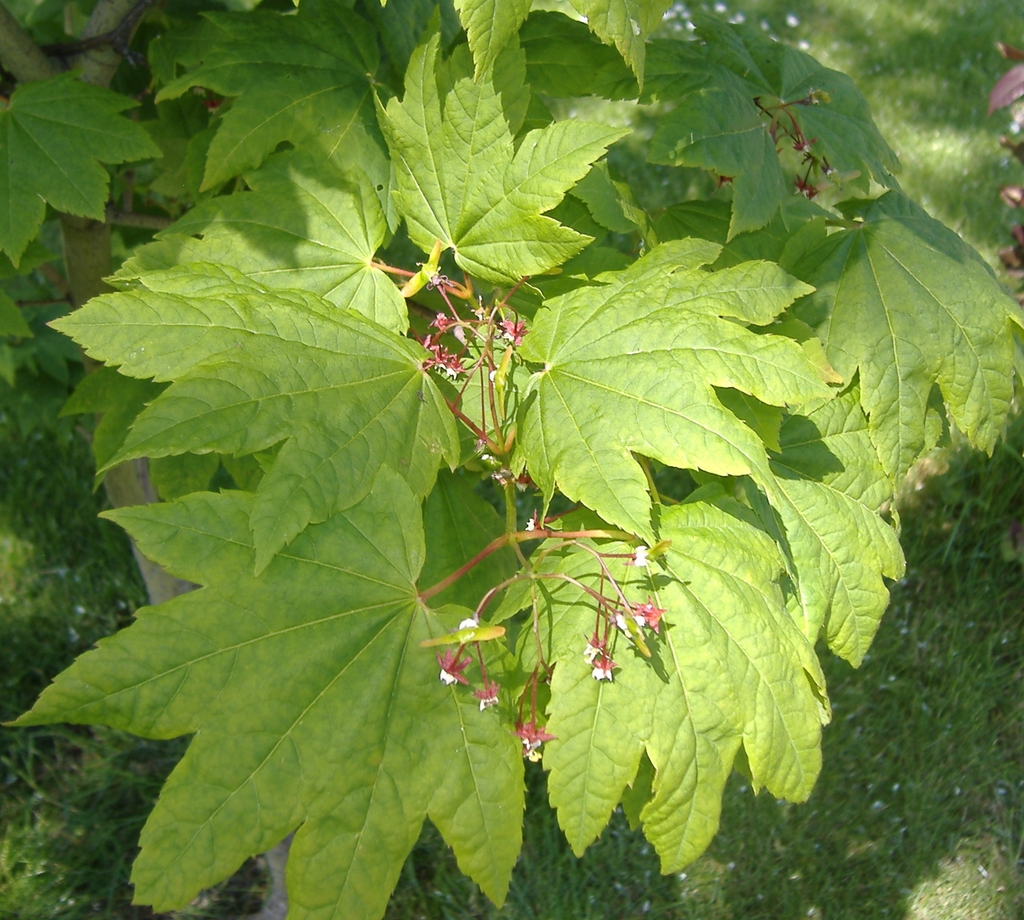
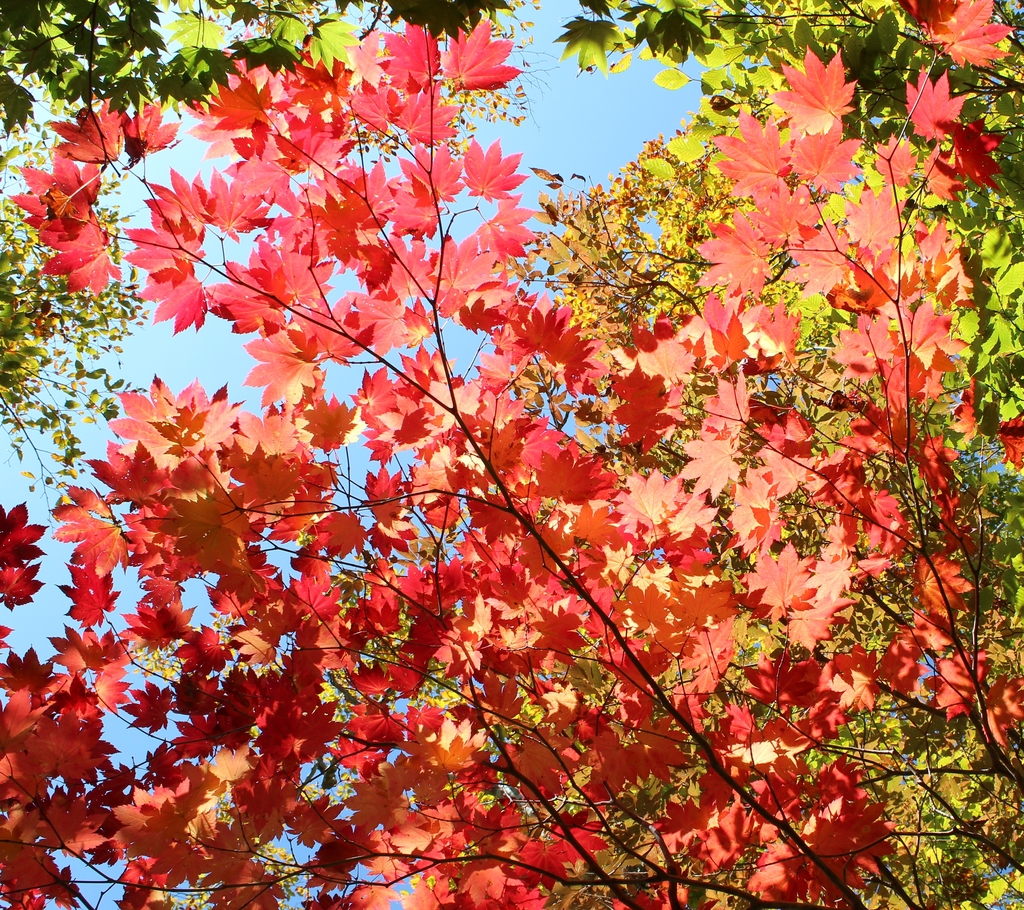
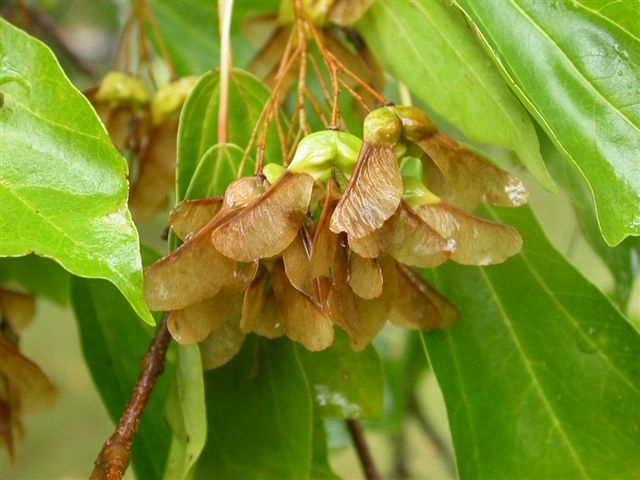
With a few exceptions, many maples can be identified by the palmately lobed opposite leaves and the winged samara fruits. Flowers are often insignificant in yellow or red and trees can be monoecious or dioecious. Some provide good fall color and others provide maple syrup.
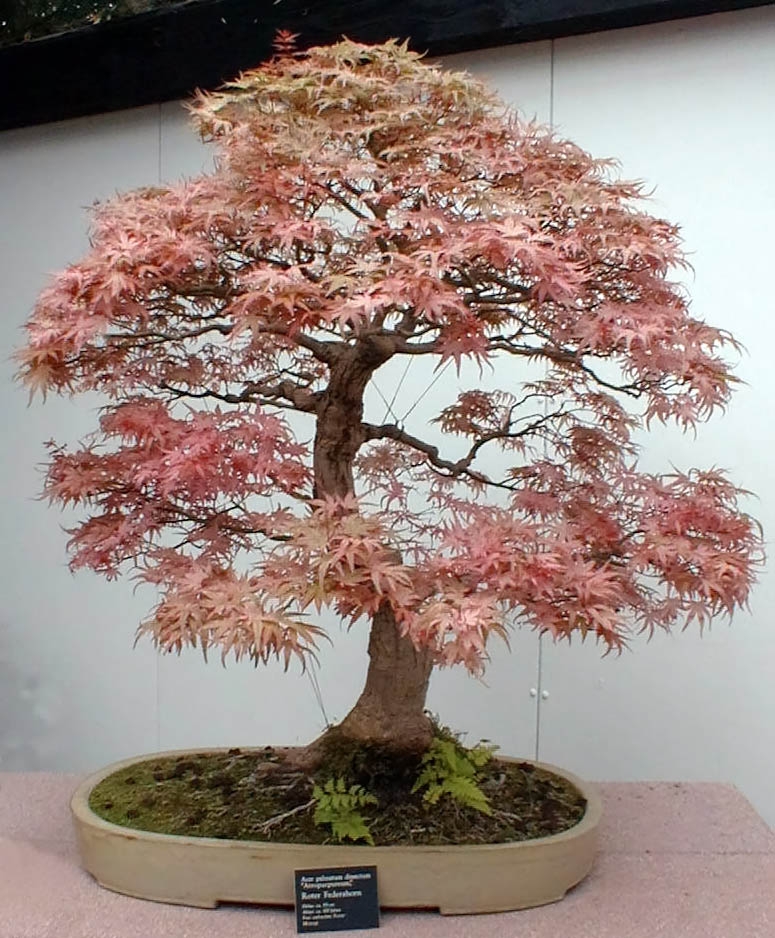
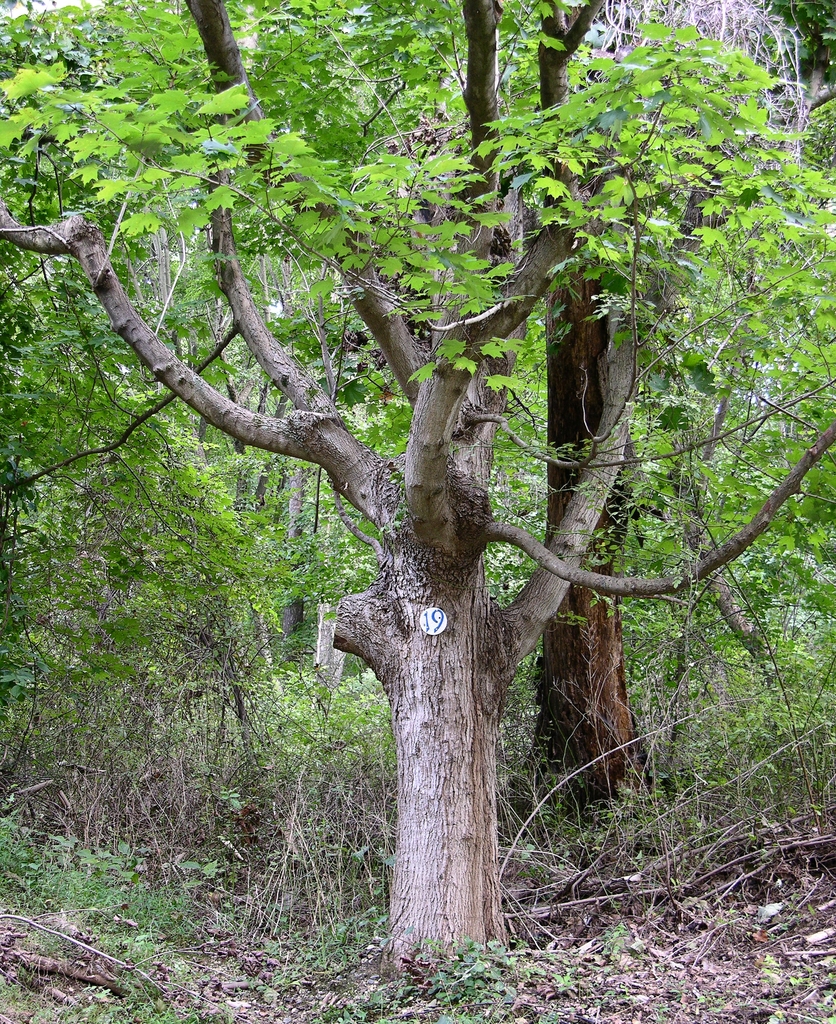
Depending on the species, maples can be used as a shade tree, a specimen, in bonsai, for wildlife benefits and many cultivars are available to fit your needs.
Insects, Diseases, and Other Plant Problems: Potential insets are caterpillers, aphids Asian long-horned beetle. Potential diseases are fungal infections, Verticillium wilt and sooty-bark disease.
- See this plant in the following landscape :
- Cultivars / Varieties:
-
-
A.buergerianum

Trident maple A. campestre
Field maple A. capillipes
Snake bark maplw A. cappadocicum
Coliseum maple A.circinatum
Vine maple A. cissifolium
Vineleaf maple A. crataegifolium
Hawthorn maple A. davidii
Snake bark maple A. diabolicum
Horned maple A. egmentosum
Manchu striped maple A. fabri
Emerald jade maple A. floridanum
Florida maple A. glabrum
Douglas maple A. griseum
Paperbark maple A. japonicum
Fullmoon maple A. leucoderme
Whitebarked maple A. macrophyllum
Bigleaf maple, Oregon maple A. maximowiczianum
Nikko maple A. negundo
Ashleaf maple A. nigrum
Black maple A. nipponicum
Nippon maple A. palmatum
Japanesse maple A. pensylvanicum
Snakebark maple A. pictum subsp. mono
Bat wing maple A. platanoides
Norway maple A. pseudoplatanus
Sycamore maple A. rubrum
Red maple A. rufinerve
Redvein maple A. saccharinum
Silver maple A. saccharum
Sugar maple, northern sugar maple A. shirasawanum
Full moon or Shirasawa maple A. sieboldianum
Siebold maple A. spicatum
Mountain maple A. tataricum
Amur maple A. triflorum
Three-flowered maple A. x freemanii
Freeman maple - A.buergerianum, A. campestre, A. capillipes, A. cappadocicum, A.circinatum, A. cissifolium, A. crataegifolium, A. davidii, A. diabolicum, A. egmentosum, A. fabri, A. floridanum, A. glabrum, A. griseum, A. japonicum, A. leucoderme, A. macrophyllum, A. maximowiczianum, A. negundo, A. nigrum, A. nipponicum, A. palmatum, A. pensylvanicum, A. pictum subsp. mono, A. platanoides, A. pseudoplatanus, A. rubrum, A. rufinerve, A. saccharinum, A. saccharum, A. shirasawanum, A. sieboldianum, A. spicatum, A. tataricum, A. triflorum, A. x freemanii
- Tags:

 Download Image


- Cultivars / Varieties:
-
-
A.buergerianum
Trident maple A. campestre
Field maple A. capillipes
Snake bark maplw A. cappadocicum
Coliseum maple A.circinatum
Vine maple A. cissifolium
Vineleaf maple A. crataegifolium
Hawthorn maple A. davidii
Snake bark maple A. diabolicum
Horned maple A. egmentosum
Manchu striped maple A. fabri
Emerald jade maple A. floridanum
Florida maple A. glabrum
Douglas maple A. griseum
Paperbark maple A. japonicum
Fullmoon maple A. leucoderme
Whitebarked maple A. macrophyllum
Bigleaf maple, Oregon maple A. maximowiczianum
Nikko maple A. negundo
Ashleaf maple A. nigrum
Black maple A. nipponicum
Nippon maple A. palmatum
Japanesse maple A. pensylvanicum
Snakebark maple A. pictum subsp. mono
Bat wing maple A. platanoides
Norway maple A. pseudoplatanus
Sycamore maple A. rubrum
Red maple A. rufinerve
Redvein maple A. saccharinum
Silver maple A. saccharum
Sugar maple, northern sugar maple A. shirasawanum
Full moon or Shirasawa maple A. sieboldianum
Siebold maple A. spicatum
Mountain maple A. tataricum
Amur maple A. triflorum
Three-flowered maple A. x freemanii
Freeman maple - A.buergerianum, A. campestre, A. capillipes, A. cappadocicum, A.circinatum, A. cissifolium, A. crataegifolium, A. davidii, A. diabolicum, A. egmentosum, A. fabri, A. floridanum, A. glabrum, A. griseum, A. japonicum, A. leucoderme, A. macrophyllum, A. maximowiczianum, A. negundo, A. nigrum, A. nipponicum, A. palmatum, A. pensylvanicum, A. pictum subsp. mono, A. platanoides, A. pseudoplatanus, A. rubrum, A. rufinerve, A. saccharinum, A. saccharum, A. shirasawanum, A. sieboldianum, A. spicatum, A. tataricum, A. triflorum, A. x freemanii
- Tags:
-
-
Attributes:
- Genus:
- Acer
- Family:
- Sapindaceae
- Uses (Ethnobotany):
- Wood is used to make furniture, paper and other objects.
- Life Cycle:
- Woody
- Recommended Propagation Strategy:
- Seed
- Stem Cutting
- Country Or Region Of Origin:
- Asia, Africa, Europe, North America
- Wildlife Value:
- Maples are host plants to several moths. Trees provide nesting sites for birds and small mammals.
- Edibility:
- Maple syrup is edible
- Dimensions:
- Height: 35 ft. 0 in. - 150 ft. 0 in.
- Width: 20 ft. 0 in. - 81 ft. 0 in.
-
-
Whole Plant Traits:
- Plant Type:
- Shrub
- Tree
- Woody Plant Leaf Characteristics:
- Broadleaf Evergreen
- Deciduous
- Habit/Form:
- Erect
- Growth Rate:
- Medium
- Maintenance:
- Medium
-
-
Cultural Conditions:
- Light:
- Full sun (6 or more hours of direct sunlight a day)
- Partial Shade (Direct sunlight only part of the day, 2-6 hours)
- Soil Texture:
- Clay
- Loam (Silt)
- Sand
- Soil Drainage:
- Good Drainage
- NC Region:
- Coastal
- Mountains
- Piedmont
- USDA Plant Hardiness Zone:
- 3a, 3b, 4a, 4b, 5a, 5b, 6a, 6b, 7a, 7b, 8a, 8b, 9a, 9b
-
-
Fruit:
- Fruit Color:
- Cream/Tan
- Fruit Type:
- Samara
- Fruit Length:
- 1-3 inches
- Fruit Width:
- 1-3 inches
- Fruit Description:
- Fruits are mostly winged sumara that appear in summer.
-
-
Flowers:
- Flower Color:
- Gold/Yellow
- Red/Burgundy
- Flower Inflorescence:
- Insignificant
- Flower Bloom Time:
- Spring
- Flower Description:
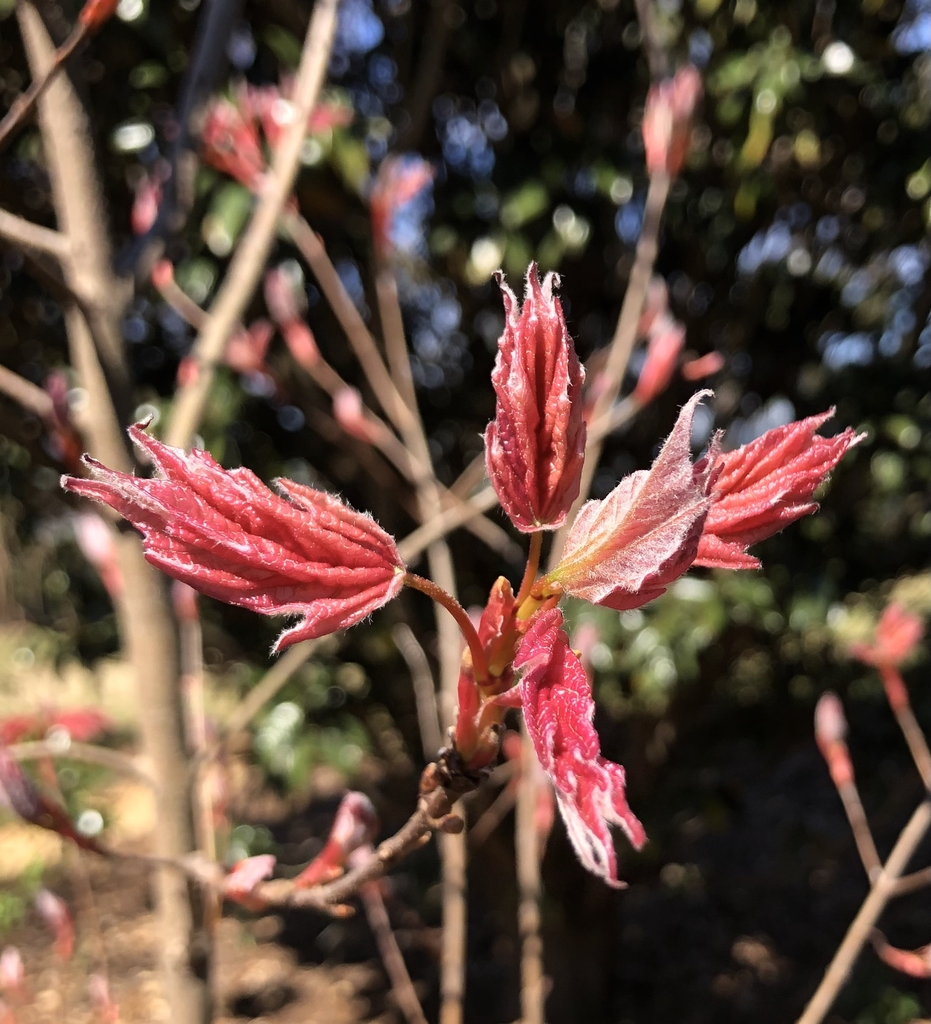
- Flowers are insignificant, often in hanging catkins for male flowers or short re spkes for female flowers.
-
-
Leaves:
- Woody Plant Leaf Characteristics:
- Broadleaf Evergreen
- Deciduous
- Leaf Color:
- Green
- Deciduous Leaf Fall Color:
- Gold/Yellow
- Red/Burgundy
- Leaf Type:
- Simple
- Leaf Arrangement:
- Opposite
- Leaf Shape:
- Palmatifid
- Leaf Margin:
- Lobed
- Hairs Present:
- No
- Leaf Description:
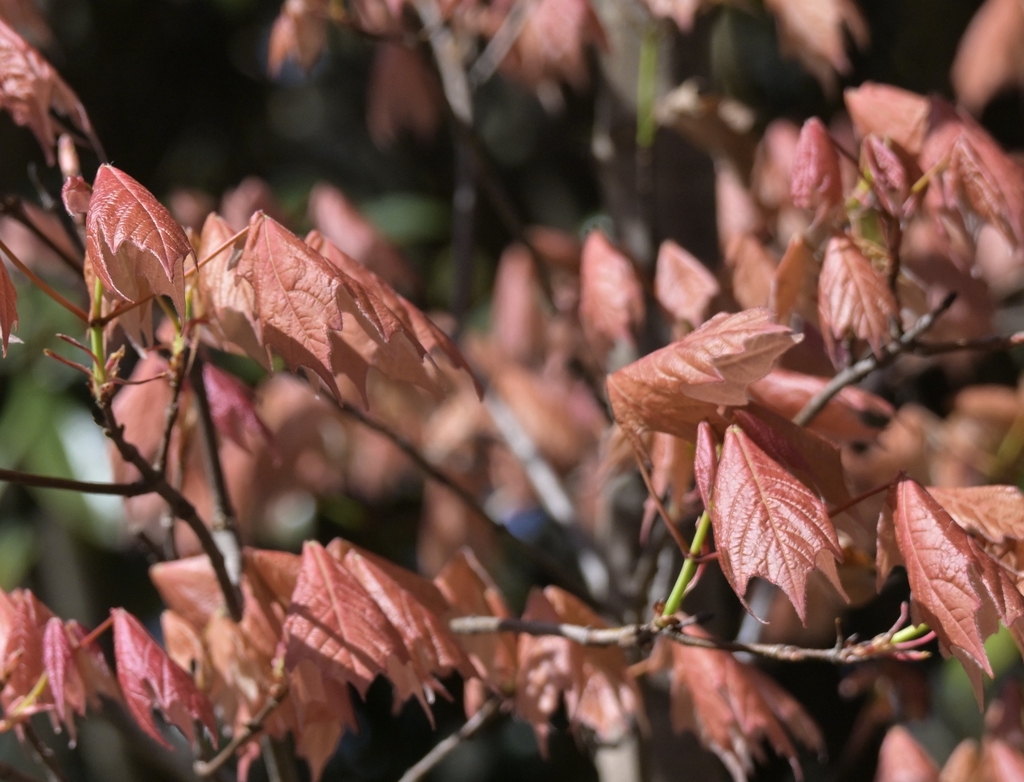
- Leaves are often palmately lobed, but there are exceptions. Some provide red or yellow fall color, especially in temporate climates. Size and shape vary per species.
-
-
Bark:
- Bark Description:
- Varies per species.
-
-
Stem:
- Stem Is Aromatic:
- No
- Stem Description:
- Varies per species.
-
-
Landscape:
- Landscape Location:
- Lawn
- Landscape Theme:
- Asian Garden
- Cottage Garden
- English Garden
- Design Feature:
- Shade Tree
- Small groups
- Specimen
- Attracts:
- Moths
- Small Mammals
- Songbirds