



Quercus pubescens subsp. pubescens
Common Name(s):
Previously known as:
- Quercus cerris
- This plant has low severity poison characteristics.
- See below
- Description
-
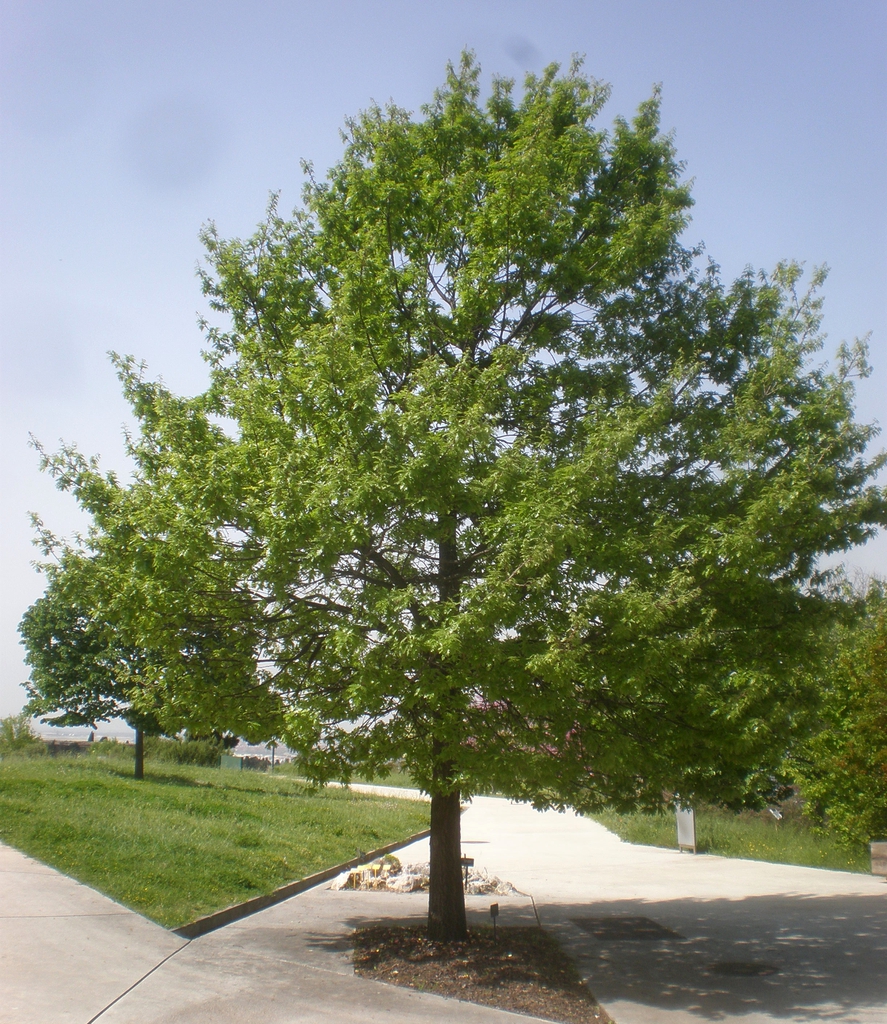
Turkey Oak is a deciduous shade tree in the oak family (Fagaceae) native to Europe and western Asia. It was previously known as Quercus cerris and is still found listed that way.
Turkey Oak tolerates a wide range of soils except for wet ones and is drought and salt-tolerant. It grows 40-60 feet tall and wide with a rounded crown and medium density. It gets much larger in its native habitat. Propagation is by seed.
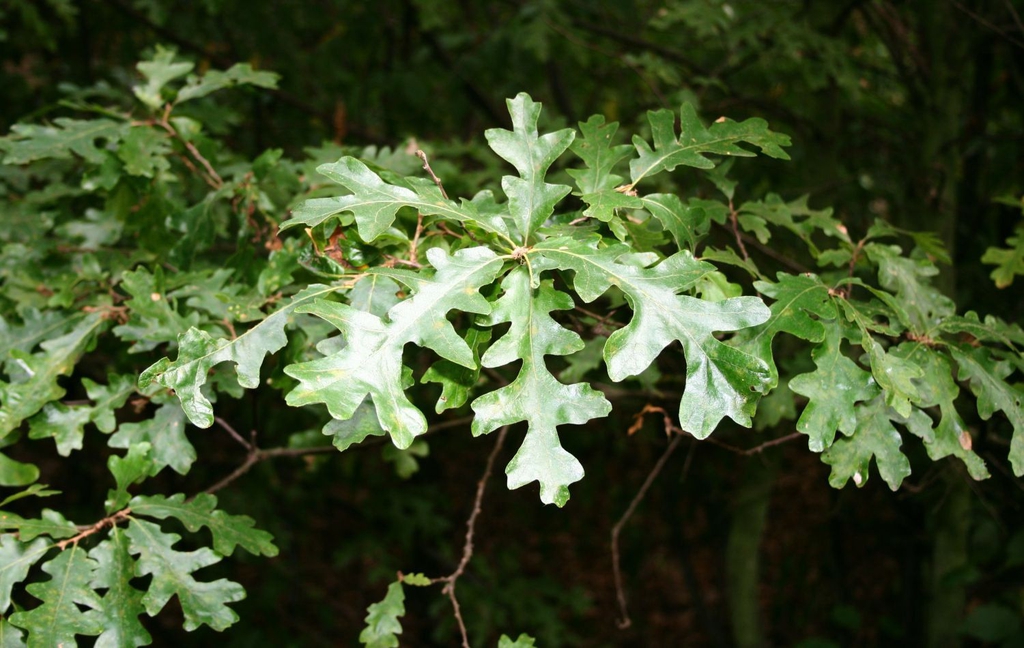
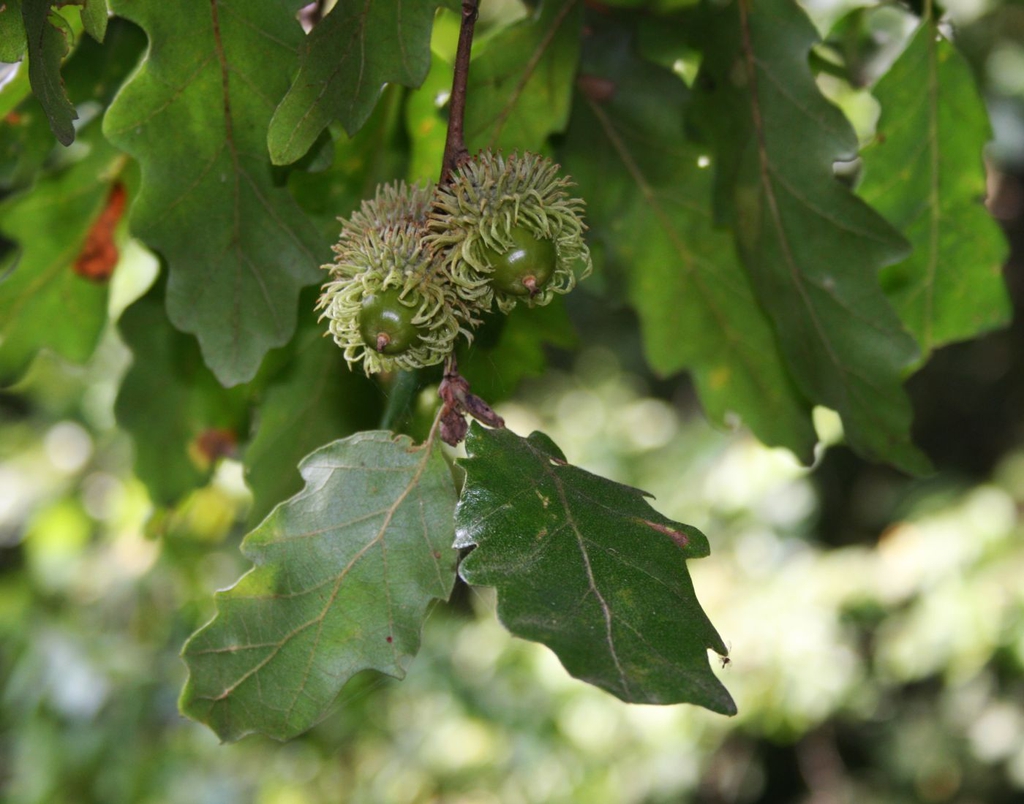
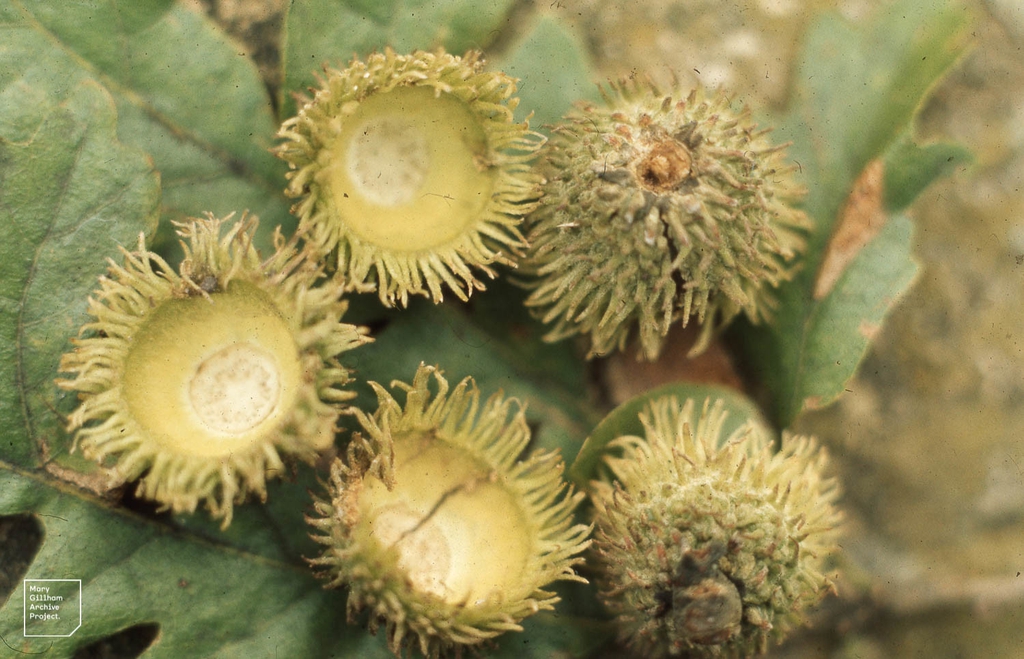
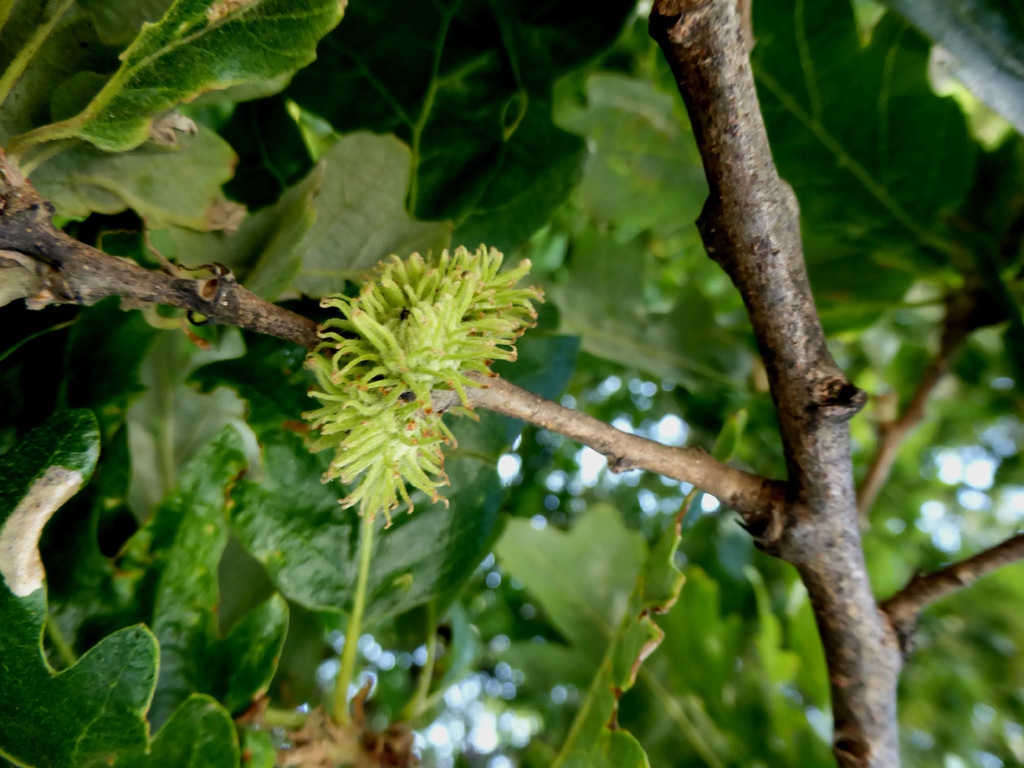
The acorns mature in 2 years and have a shaggy cup covering half of the nut. The leaves are lobed and last into late fall but no fall color. Flowers in the spring. Oaks are wildlife-friendly.
Plant as a shade tree in a lawn or as a street tree. This tree can be difficult to find in the nursery industry. See a few native oaks listed to the left.
Insects, Diseases, and Other Plant Problems: Numerous insect and disease pests, but the damage is rarely significant. Susceptible to oak wilt, anthracnose, cankers, leaf spots, powdery mildew, and oak leaf blister. Potential pests include scales, oak skeletonizers, leaf miners, aphids, galls, orangestriped oakworm, buck moth, whitemarked tussock moth, and lace bugs.
The Clemson Cooperative Extension Home and Garden Information Center has a factsheet on common pests and insects.
- See this plant in the following landscape :
- Cultivars / Varieties:
-
- Tags:


- Cultivars / Varieties:
-
- Tags:
-
-
Attributes:
- Genus:
- Quercus
- Species:
- pubescens subsp. pubescens
- Family:
- Fagaceae
- Life Cycle:
- Woody
- Recommended Propagation Strategy:
- Seed
- Country Or Region Of Origin:
- Europe, Western Asia
- Wildlife Value:
- Oak trees support a wide variety of Lepidopteran. You may see Imperial Moth (Eacles imperialis) larvae which have one brood per season and appear from April-October in the south. Adult Imperial Moths do not feed. Banded Hairstreak (Satyrium calanus), which have one flight from June-August everywhere but Florida where they emerge April-May. Edward's Hairstreak (Satyrium edwardsii), has one flight from May-July in the south and June-July in the north. Gray Hairstreak (Strymon melinus), has three to four flights in the south from February-November and two flights in the north from May-September. White-M Hairstreak (Parrhasius m-album) has three broods in the north from February-October. Horace’s Duskywing (Erynnis horatius) has three broods in Texas and the deep south from January-November, and two broods in the north from April-September. Juvenal’s Duskywing (Erynnis juvenalis) has one brood from April-June, appearing as early as January in Florida. Acorns are a fall and winter food source for some mammals.
- Dimensions:
- Height: 40 ft. 0 in. - 60 ft. 0 in.
- Width: 40 ft. 0 in. - 60 ft. 0 in.
-
-
Whole Plant Traits:
- Plant Type:
- Tree
- Woody Plant Leaf Characteristics:
- Deciduous
- Habit/Form:
- Pyramidal
- Rounded
- Growth Rate:
- Medium
- Maintenance:
- Low
- Texture:
- Medium
-
-
Cultural Conditions:
- Light:
- Full sun (6 or more hours of direct sunlight a day)
- Partial Shade (Direct sunlight only part of the day, 2-6 hours)
- Soil Texture:
- Clay
- Loam (Silt)
- Sand
- Soil pH:
- Acid (<6.0)
- Neutral (6.0-8.0)
- Soil Drainage:
- Good Drainage
- Moist
- Occasionally Dry
- Available Space To Plant:
- 24-60 feet
- more than 60 feet
- NC Region:
- Coastal
- Mountains
- Piedmont
- USDA Plant Hardiness Zone:
- 6a, 6b, 7a, 7b, 8a, 8b
-
-
Fruit:
- Fruit Color:
- Brown/Copper
- Fruit Value To Gardener:
- Showy
- Fruit Type:
- Nut
- Fruit Length:
- < 1 inch
- Fruit Width:
- < 1 inch
- Fruit Description:
- The acorns are .5 to 1 inch long in groups of 1-4 with cups that cover 1/2 of the nut. Cup is bristly and fringed. Matures in 18 months.
-
-
Flowers:
- Flower Color:
- Gold/Yellow
- Green
- Flower Inflorescence:
- Catkin
- Insignificant
- Flower Bloom Time:
- Spring
- Flower Description:
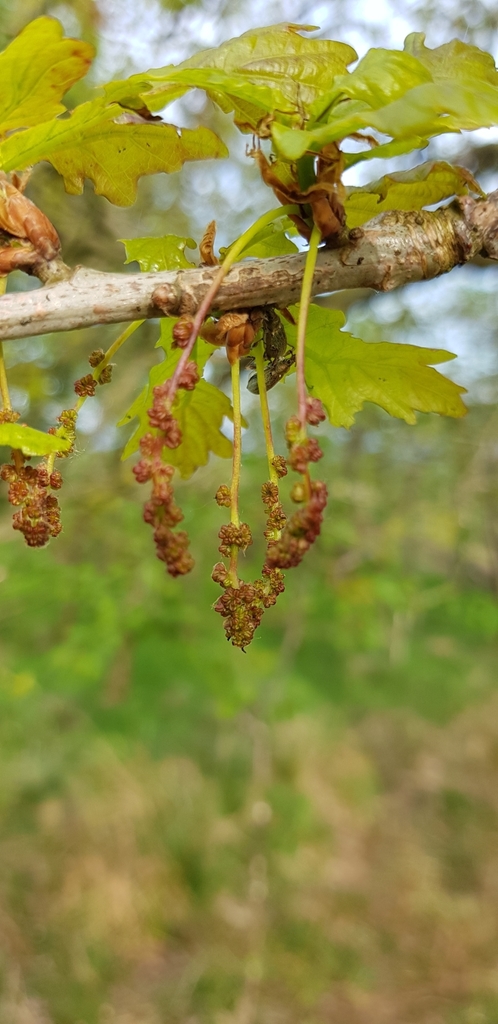
- Yellow-green male catkins. Female flowers in small clusters.
-
-
Leaves:
- Woody Plant Leaf Characteristics:
- Deciduous
- Leaf Color:
- Green
- Leaf Feel:
- Rough
- Deciduous Leaf Fall Color:
- Insignificant
- Leaf Type:
- Simple
- Leaf Arrangement:
- Alternate
- Leaf Shape:
- Lanceolate
- Oblanceolate
- Leaf Margin:
- Dentate
- Entire
- Lobed
- Hairs Present:
- No
- Leaf Length:
- 3-6 inches
- Leaf Width:
- 1-3 inches
- Leaf Description:
- Leaves are 3 to 5 inches long and 1 to 2 inches wide, dark green, lanceolate to oblong. Margins are entire or toothed and have 3-8 pairs of triangular, bristle-tipped lobes. Acute apex with base rounded to truncated. Hairs present on the undersides along the veins. They stay on the tree into late fall with little fall color.
-
-
Bark:
- Bark Color:
- Dark Gray
- Surface/Attachment:
- Fissured
- Furrowed
- Bark Description:
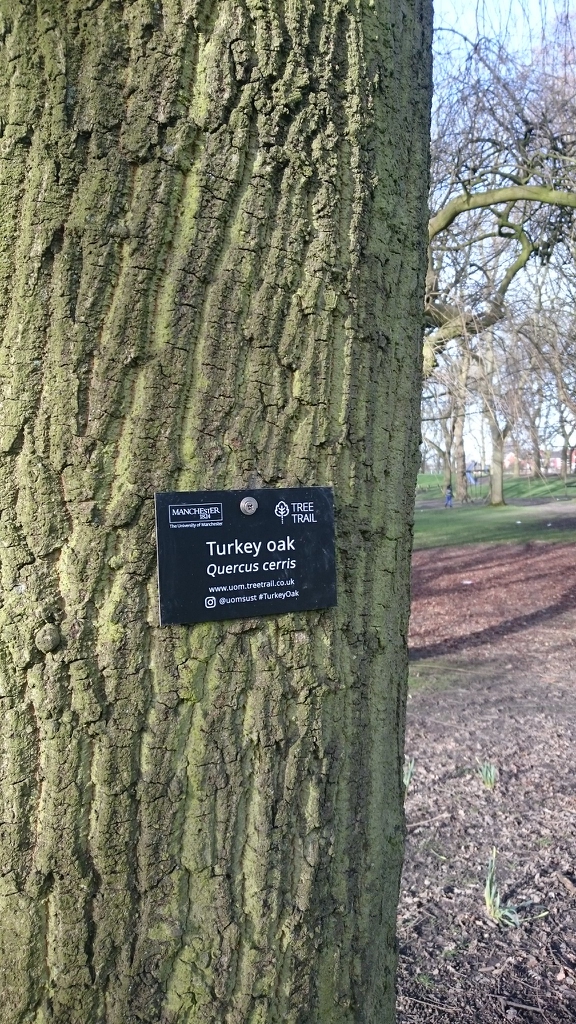
- Dark gray ridged and furrowed bark reveals an orange color within its fissures
-
-
Stem:
- Stem Color:
- Gray/Silver
- Stem Is Aromatic:
- No
- Stem Buds:
- Scaly
- Stem Bud Terminal:
- Cluster of terminal buds
- Stem Bud Scales:
- Enclosed in more than 2 scales
- Stem Surface:
- Hairy (pubescent)
- Stem Description:
- The young shoots are gray and tomentose. The branches have raised leaf scars. The buds are small and reddish-brown in clusters and the bud scales extend beyond the bud. Each bud has more than three scales.
-
-
Landscape:
- Landscape Location:
- Coastal
- Lawn
- Landscape Theme:
- Butterfly Garden
- Drought Tolerant Garden
- Nighttime Garden
- Pollinator Garden
- Design Feature:
- Shade Tree
- Street Tree
- Attracts:
- Butterflies
- Moths
- Pollinators
- Small Mammals
- Resistance To Challenges:
- Drought
- Salt
- Problems:
- Messy
- Problem for Horses



