


Caragana sinica
Common Name(s):
- Phonetic Spelling
- kar-ah-GAN-ah SIN-ih-kah
- Description
-
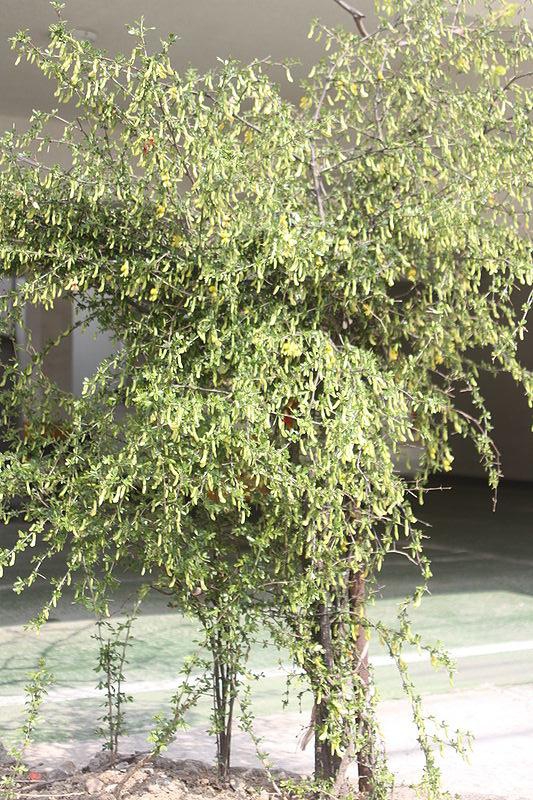
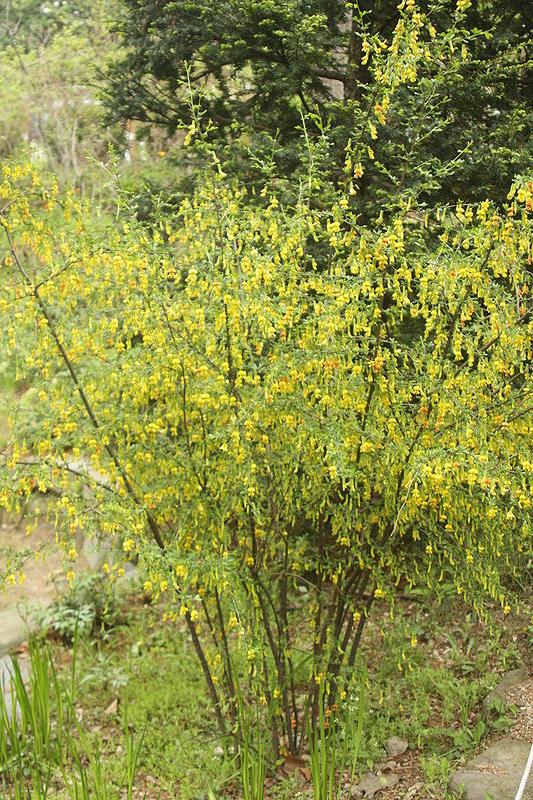
Chinese peashrub is a deciduous shrub in the bean family (Fabaceae) native to eastern Asia and northern China, and can be found growing on open slopes of mountains. The genus name derives from Caragana, which originates from the Mongolian term "caragan" or the related Turkic "karaγana," referring to Siberian pea trees or similar shrubs in the region. The specific epithet "sinica" is a Latinized form of "Sinae," the classical name for China, indicating the plant's native origin in that country.
The shrub does best in full sun to partial shade, in a range of soil types, tolerating poor soil, cold, drought, salt spray and wind. This erect, oval shrub fixes nitrogen and has moderately sparse branches. It grows 5 to 8 feet tall and 4 to 6 feet wide in an erected rounded form.
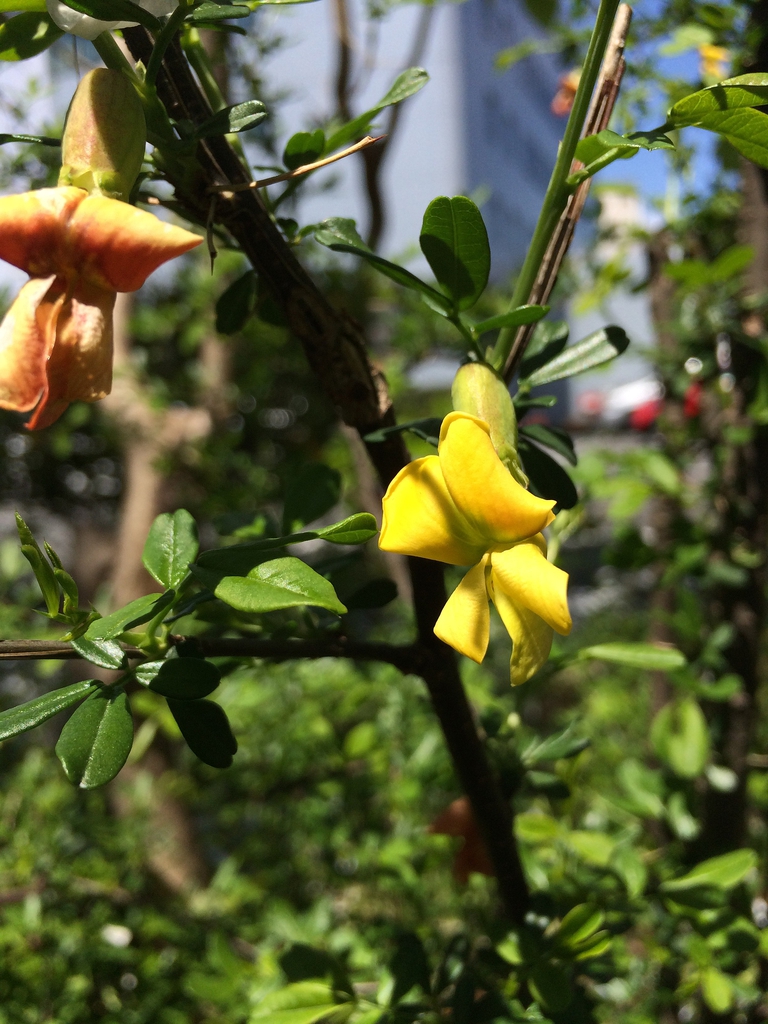
The flowers are usually solitary reddish-yellow pea-shaped blooms in early summer, followed by legumes 1 to 1.5 inches long. In warmer climates in can be semi-evergreen.
Use this shrub in the cutting garden, in the border back, on slopes and in areas with poor soil as it fixes nitrogen. See native alternatives to the left.
Insects, Diseases, and Other Plant Problems: Watch for fungal diseases. Potential insect pests are blister beetles, aphids, spider mites, and leafhoppers.
- See this plant in the following landscape :
- Cultivars / Varieties:
-
- Tags:


- Cultivars / Varieties:
-
- Tags:
-
-
Attributes:
- Genus:
- Caragana
- Species:
- sinica
- Family:
- Fabaceae
- Uses (Ethnobotany):
- Used medicinally for its antioxidant properties
- Life Cycle:
- Perennial
- Woody
- Recommended Propagation Strategy:
- Stem Cutting
- Country Or Region Of Origin:
- China
- Particularly Resistant To (Insects/Diseases/Other Problems):
- range of soil types, poor soil, cold, drought, salt spray, and wind
- Edibility:
- Flowers are edible
- Dimensions:
- Height: 5 ft. 0 in. - 8 ft. 0 in.
- Width: 4 ft. 0 in. - 6 ft. 0 in.
-
-
Whole Plant Traits:
- Plant Type:
- Perennial
- Shrub
- Woody Plant Leaf Characteristics:
- Deciduous
- Habit/Form:
- Erect
- Multi-stemmed
- Rounded
- Growth Rate:
- Medium
- Texture:
- Medium
- Appendage:
- Spines
-
-
Cultural Conditions:
- Light:
- Full sun (6 or more hours of direct sunlight a day)
- Partial Shade (Direct sunlight only part of the day, 2-6 hours)
- Soil Texture:
- Clay
- High Organic Matter
- Loam (Silt)
- Sand
- Shallow Rocky
- Available Space To Plant:
- 6-feet-12 feet
- NC Region:
- Coastal
- Mountains
- Piedmont
- USDA Plant Hardiness Zone:
- 5a, 5b, 6a, 6b, 7a, 7b, 8a, 8b, 9a, 9b
-
-
Fruit:
- Fruit Type:
- Legume
- Fruit Description:
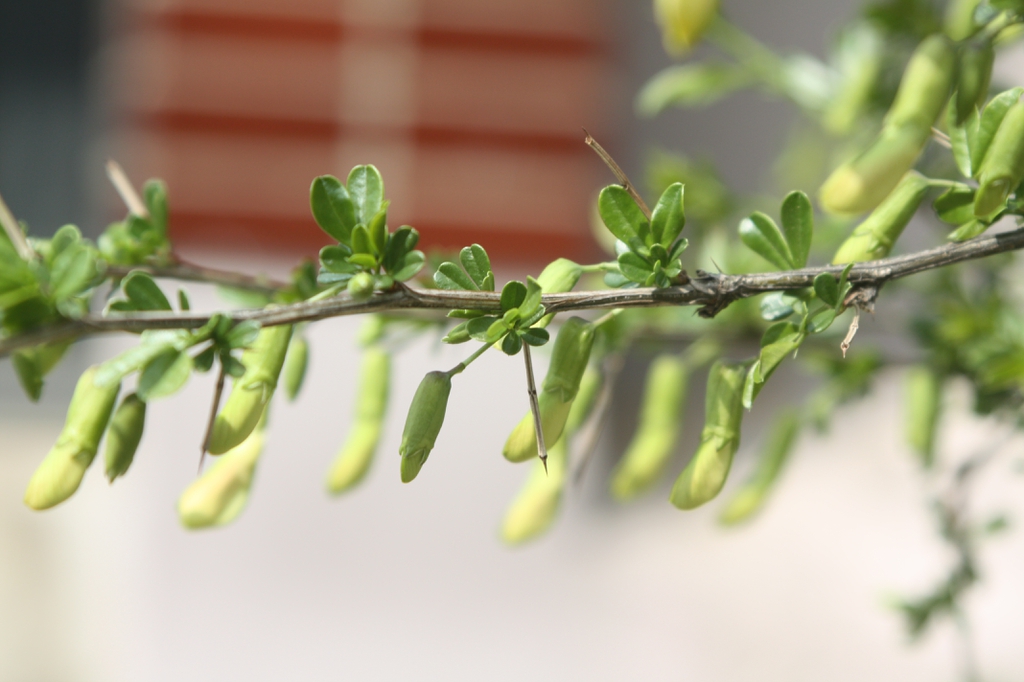
- Brown legume 1 to 1.5 inches long. Seeds are usually not viable.
-
-
Flowers:
- Flower Color:
- Gold/Yellow
- Red/Burgundy
- Flower Inflorescence:
- Solitary
- Flower Value To Gardener:
- Good Cut
- Showy
- Flower Bloom Time:
- Summer
- Flower Shape:
- Lipped
- Flower Petals:
- 4-5 petals/rays
- Flower Size:
- 1-3 inches
- Flower Description:
- This plant has 1.2 in., reddish-yellow flowers in early summer.
-
-
Leaves:
- Woody Plant Leaf Characteristics:
- Deciduous
- Leaf Color:
- Green
- Leaf Feel:
- Glossy
- Deciduous Leaf Fall Color:
- Gold/Yellow
- Leaf Type:
- Compound (Pinnately , Bipinnately, Palmately)
- Leaf Arrangement:
- Alternate
- Leaf Shape:
- Oblong
- Obovate
- Hairs Present:
- No
- Leaf Length:
- < 1 inch
- Leaf Width:
- < 1 inch
- Leaf Description:
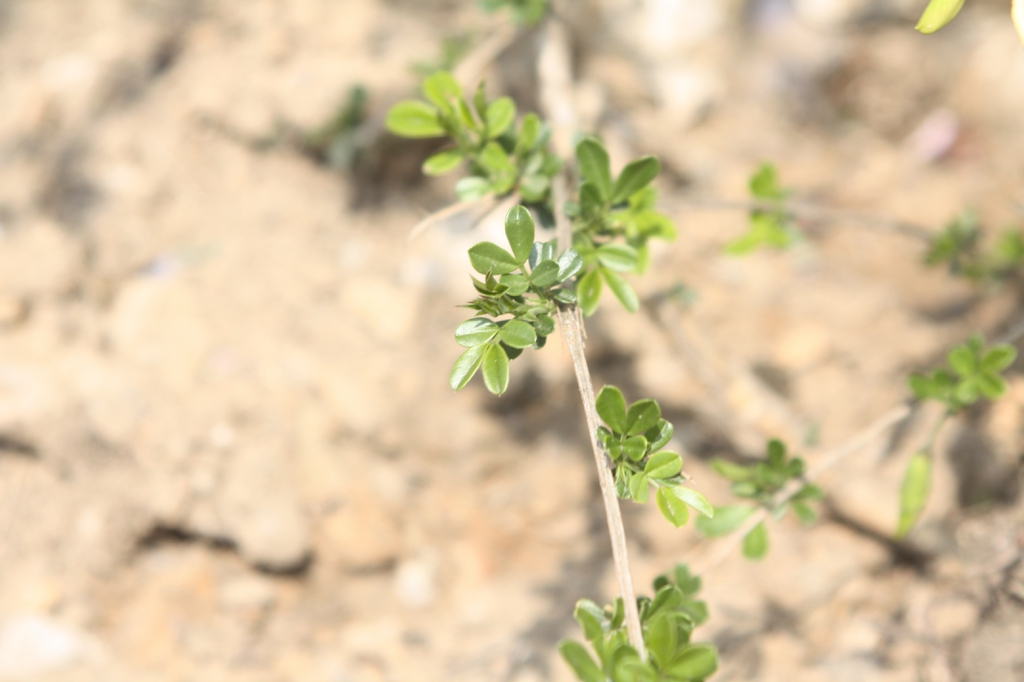
- This plant has alternate, compound leaves with four 0.2 to 0.7 in. long leaflets that are obovate to oblong-obovate. The leaves are glossy, dark green, and then turn a yellow-green in fall.
-
-
Bark:
- Bark Color:
- Dark Brown
- Bark Description:
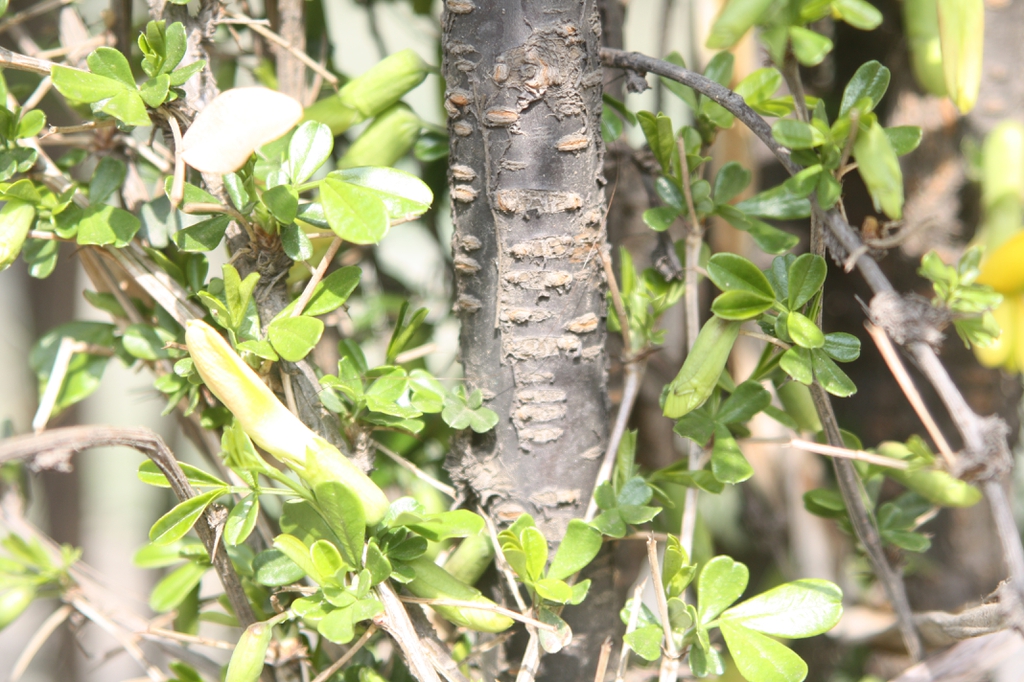
- The dark brown bark has an anise-like fragrance.
-
-
Stem:
- Stem Color:
- Brown/Copper
- Stem Is Aromatic:
- No
- Stem Surface:
- Smooth (glabrous)
- Stem Description:
- Smooth brown branch of current year's growth
-
-
Landscape:
- Landscape Location:
- Coastal
- Slope/Bank
- Landscape Theme:
- Cutting Garden
- Drought Tolerant Garden
- Pollinator Garden
- Design Feature:
- Border
- Attracts:
- Bees
- Pollinators
- Resistance To Challenges:
- Drought
- Poor Soil
- Salt
- Wind