



Carolina Macbridea Macbridea caroliniana
Other Common Name(s):
Previously known as:
- Macbridea pulchra
- Phonetic Spelling
- mak-BRIDE-ee-a kair-oh-lin-ee-AN-uh
- Description
-
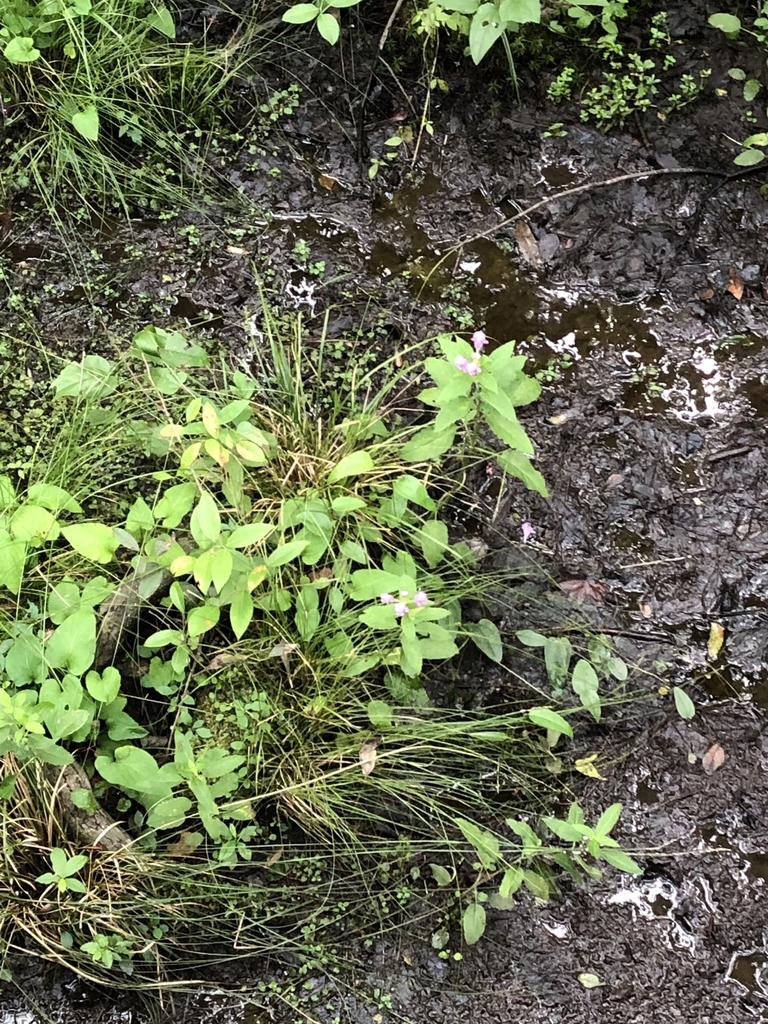
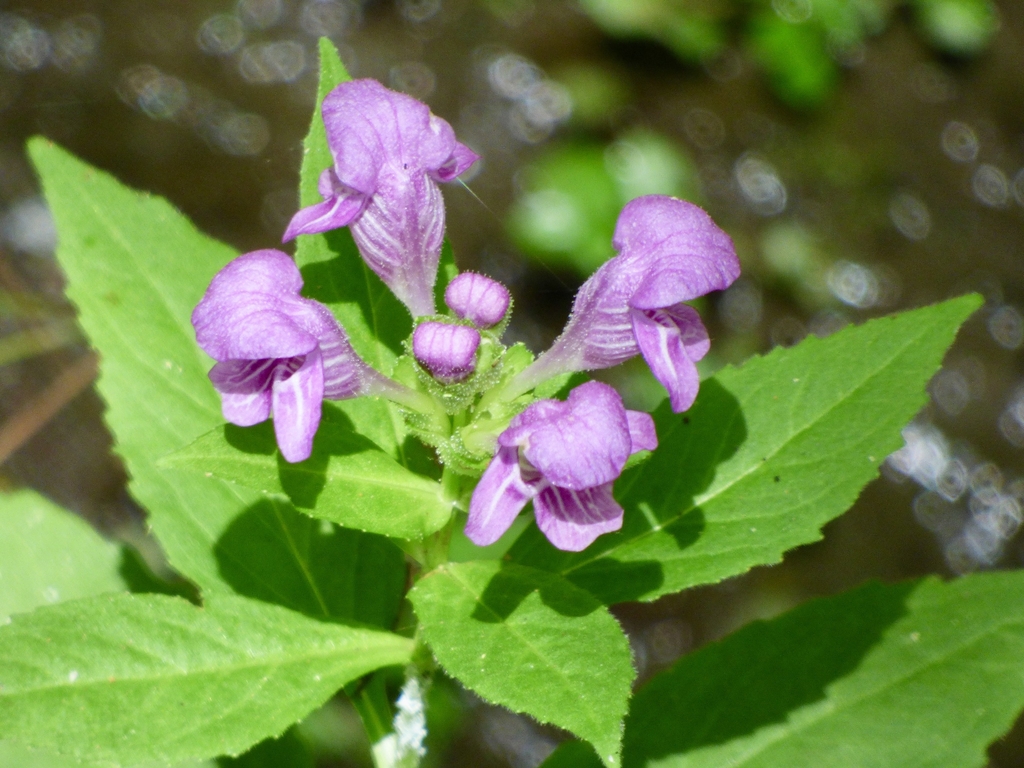
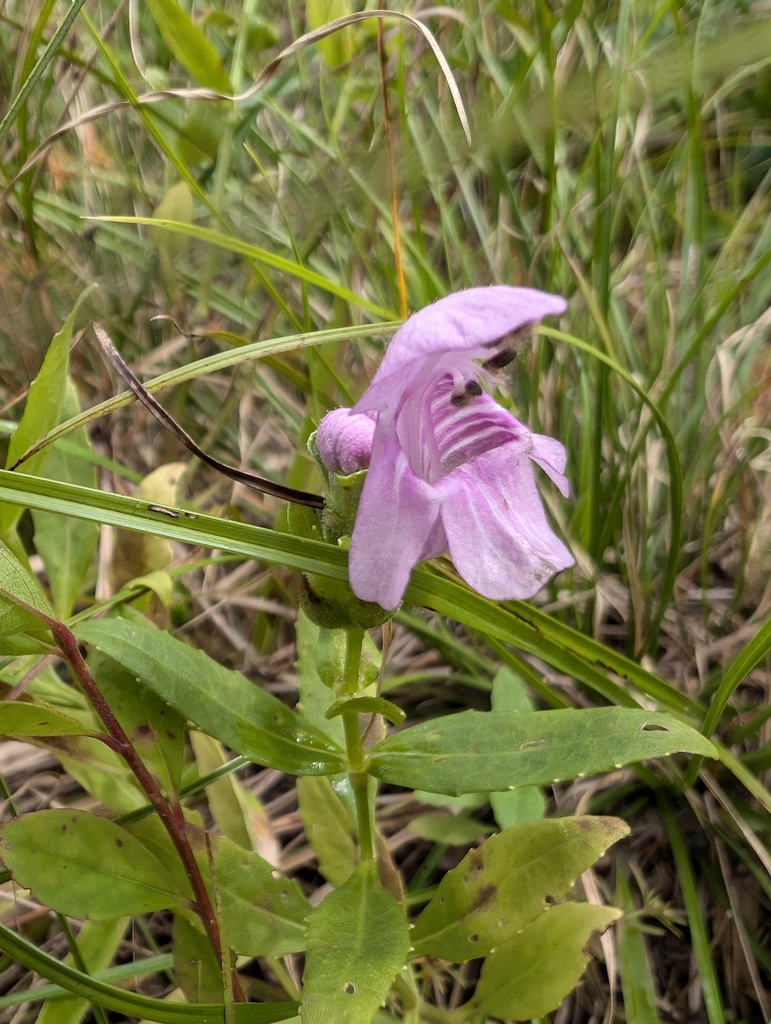
Carolina birds-in-a-nest is a rare native, rhizomatous, herbaceous perennial found in the southeastern United States in blackwater wetlands, ditches, on the edge of savannas, and swamp forests. Unfortunately, though it is native to the Coastal Plains of North Carolina, South Carolina, and Georgia, it is not commonly found. It is a member of the mint family (Lamiaceae) and grows 1.5 to 3 feet tall and 3 to 4 feet wide, with an upright habit and erect, green, 4-sided stems. The leaves are medium green, elliptical to lanceolate, with serrate margins. The flowers are pink or lavender-pink, sometimes with white striping, and appear in clusters at the end of the stems, blooming from July to September. The genus name, Macbridea, honors James McBride, a botanist and physician. The specific epithet caroliniana means "of the Carolinas" and refers to the plant's native range.
Carolina birds-in-a-nest does best in full or partial sun with moist to wet, sandy to loamy acidic soils. It is hardy in zones 7 through 9. Best propagated vegetatively via its rhizomes or by seed.
Carolina birds-in-a-nest is listed as imperiled in North Carolina because of its rarity and is considered endangered. Endangered species may not be removed from the wild except when a permit is obtained for research, propagation, or rescue. Wetland destruction has been a major threat to this plant. Other threats include invasive plants and feral hogs. It is reported as extinct in Florida and Alabama.
A beautiful selection for bog gardens and native gardens in moist wet sites.
Insects, Diseases, and Other Plant Problems: No known serious insect pests or diseases.
- See this plant in the following landscape :
- Cultivars / Varieties:
-
- Tags:


- Cultivars / Varieties:
-
- Tags:
-
-
Attributes:
- Genus:
- Macbridea
- Species:
- caroliniana
- Family:
- Lamiaceae
- Life Cycle:
- Perennial
- Recommended Propagation Strategy:
- Division
- Seed
- Country Or Region Of Origin:
- Southeastern United States
- Distribution:
- Native: North Carolina, South Carolina, and Georgia Extinct: Alabama and Florida
- Wildlife Value:
- This plant attracts bumblebees and skipper butterflies.
- Play Value:
- Attractive Flowers
- Attracts Pollinators
- Colorful
- Easy to Grow
- Dimensions:
- Height: 1 ft. 6 in. - 3 ft. 0 in.
- Width: 3 ft. 0 in. - 4 ft. 0 in.
-
-
Whole Plant Traits:
- Plant Type:
- Herbaceous Perennial
- Native Plant
- Habit/Form:
- Erect
- Maintenance:
- Low
- Texture:
- Medium
-
-
Cultural Conditions:
- Light:
- Full sun (6 or more hours of direct sunlight a day)
- Partial Shade (Direct sunlight only part of the day, 2-6 hours)
- Soil Texture:
- Sand
- Soil pH:
- Acid (<6.0)
- Neutral (6.0-8.0)
- Soil Drainage:
- Moist
- Occasionally Wet
- Available Space To Plant:
- 3 feet-6 feet
- NC Region:
- Coastal
- USDA Plant Hardiness Zone:
- 7a, 7b, 8a, 8b, 9a, 9b
-
-
Fruit:
- Display/Harvest Time:
- Fall
- Summer
- Fruit Length:
- < 1 inch
- Fruit Width:
- < 1 inch
- Fruit Description:
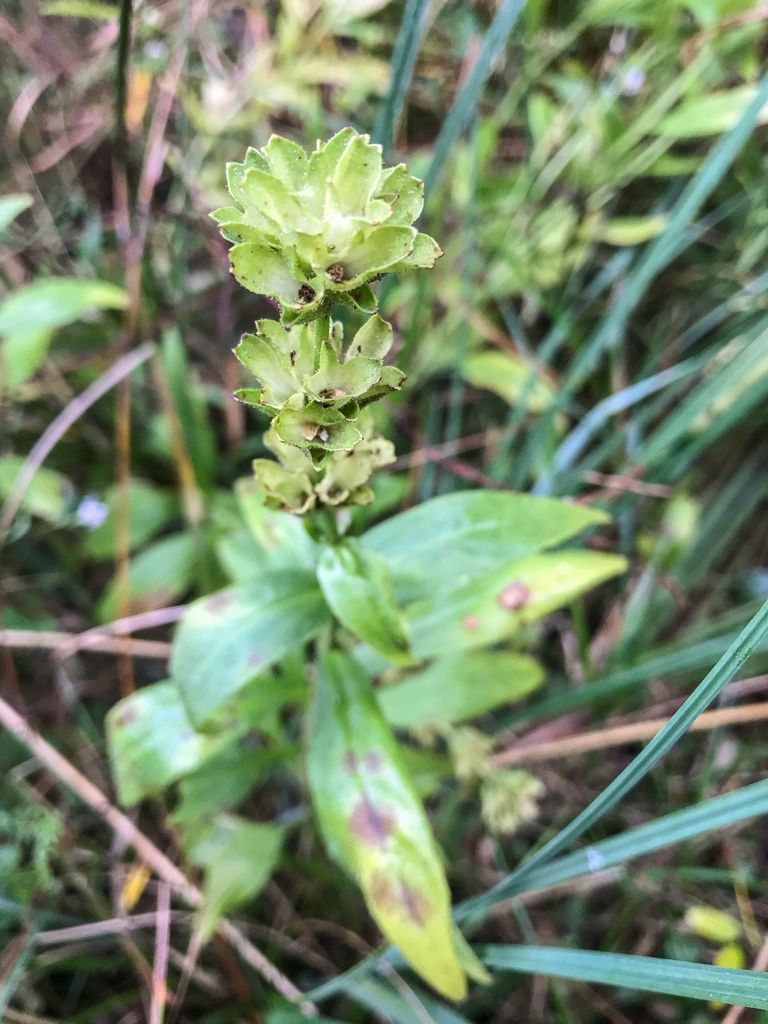
- The fruits are four, round nutlets, each measuring 0.1 inch wide. Fruit displays from August to December.
-
-
Flowers:
- Flower Color:
- Pink
- Purple/Lavender
- White
- Flower Value To Gardener:
- Showy
- Flower Bloom Time:
- Fall
- Summer
- Flower Shape:
- Lipped
- Tubular
- Flower Size:
- 1-3 inches
- Flower Description:
- The flowers are pink or lavender-pink and may be striped with white. Each bloom measures 0.8 to 1.6 inches long and is tubular; the upper lip is hooded, and the lower lip is 3-lobed and spreading. Blooms from July to September.
-
-
Leaves:
- Leaf Color:
- Green
- Leaf Type:
- Simple
- Leaf Arrangement:
- Opposite
- Leaf Shape:
- Elliptical
- Lanceolate
- Leaf Margin:
- Serrate
- Hairs Present:
- No
- Leaf Length:
- 3-6 inches
- Leaf Width:
- 1-3 inches
- Leaf Description:
- The leaves are green, opposite, simple, elliptical to lanceolate, with pointed tips and serrate margins. Tiny gland dots cover the leaf's upper and lower surfaces. Each leaf measures 2.4 to 5 inches long and 0.6 to 1.6 inches wide. The leaves on the lower part of the stem have short petioles, while the upper leaves are sessile.
-
-
Stem:
- Stem Color:
- Green
- Stem Is Aromatic:
- No
- Stem Cross Section:
- Square
- Stem Description:
- The stems are erect, 4-sided, and frequently unbranched.
-
-
Landscape:
- Landscape Location:
- Riparian
- Landscape Theme:
- Butterfly Garden
- Native Garden
- Attracts:
- Bees
- Butterflies
- Resistance To Challenges:
- Wet Soil



