



Indigofera decora
Common Name(s):
Previously known as:
- Indigofera incarnata
- Phonetic Spelling
- in-dih-GAH-fer-uh in-kar-NAY-tuh
- Description
-
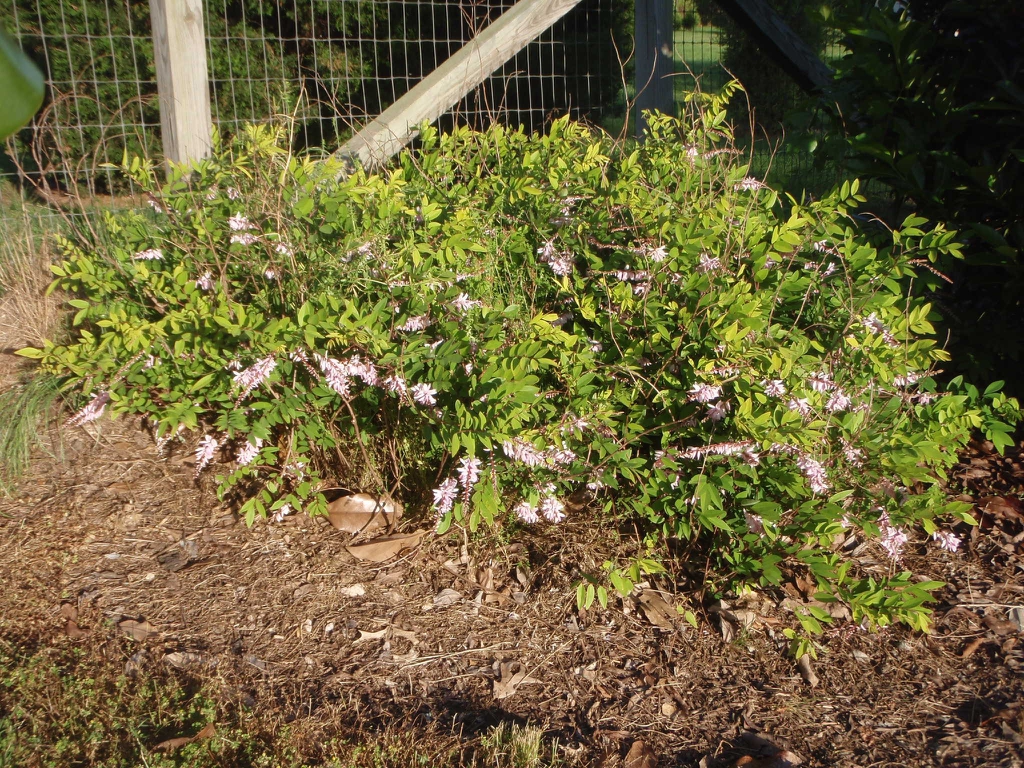
Chinese indigo is a deciduous shrub in the bean family (Fabaceae) native to Japan and China and can be found growing along streams and in woodlands. The specific epithet means decorative.
Grow Chinese indigo in average, well-drained neutral to slightly alkaline soil and medium to low moisture in full sun. In hot, humid climates it benefits from afternoon shade. Once established, it is somewhat drought-tolerant. It blooms on new wood, so prune in late winter. In colder climates, it will suffer branch tip damage or die to the ground to return in spring. The shrub will grow up to 2. 5 feet tall and spread 4 feet wide.
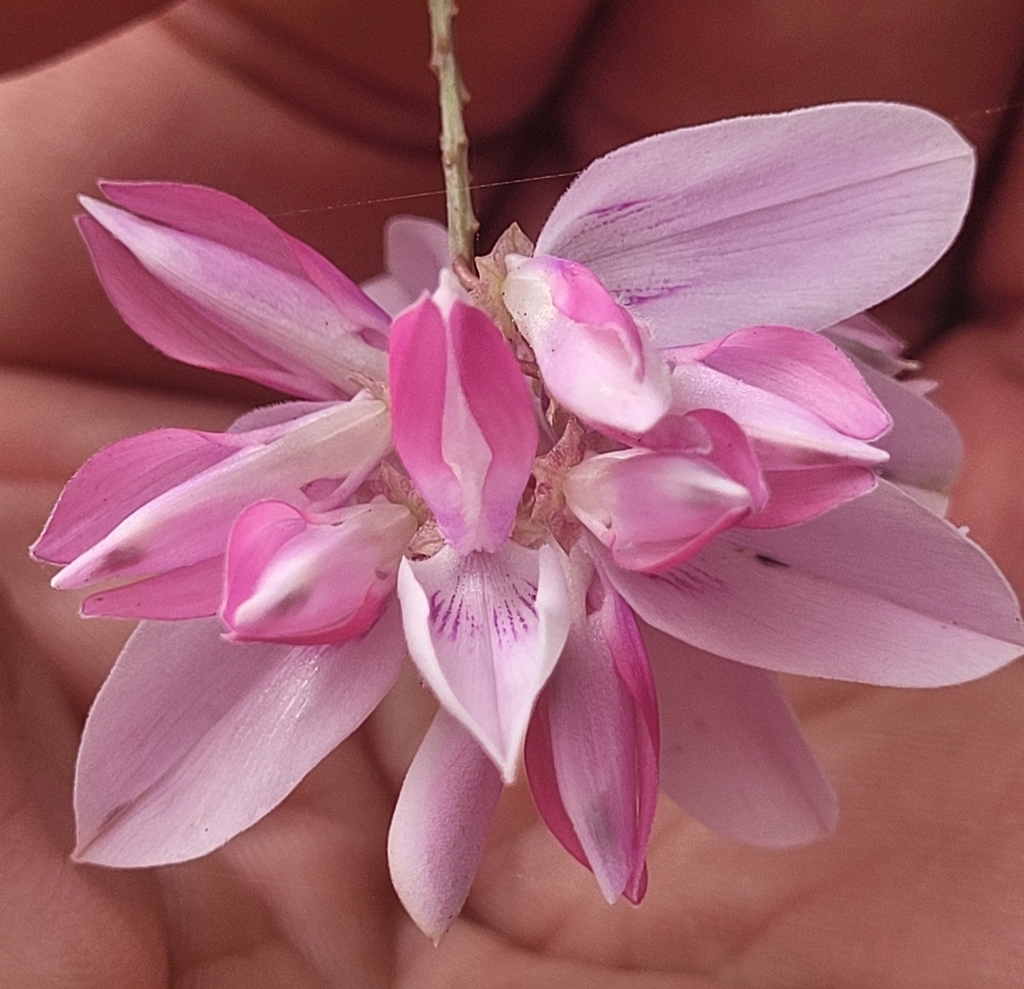
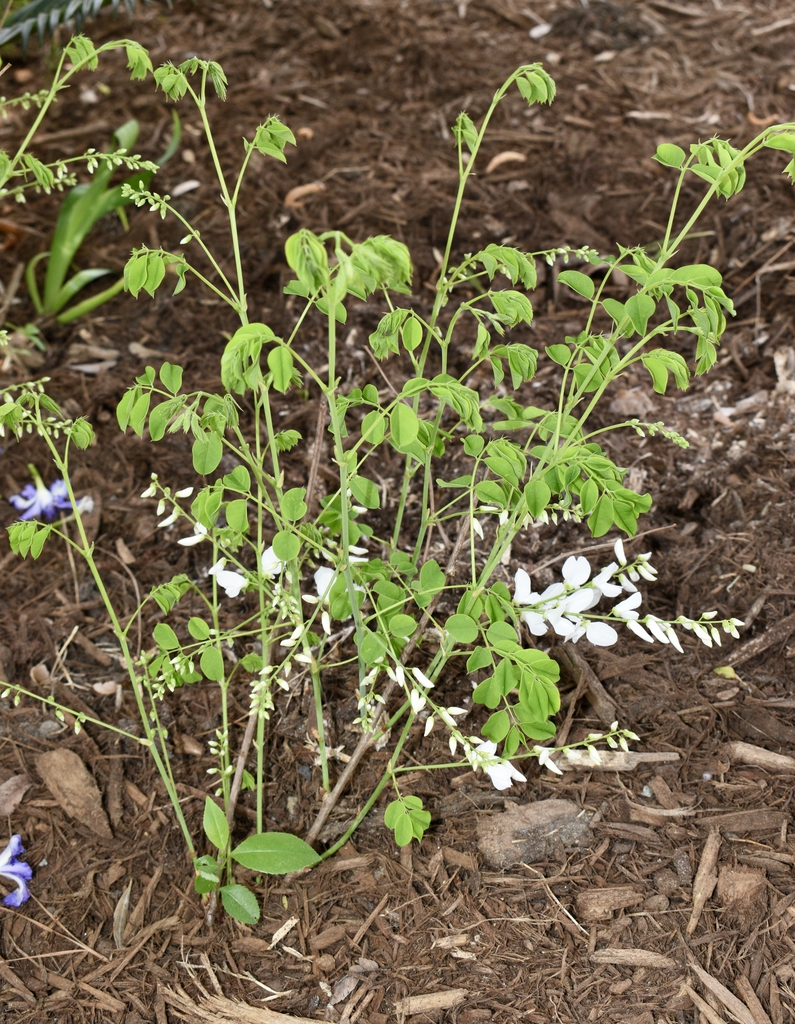
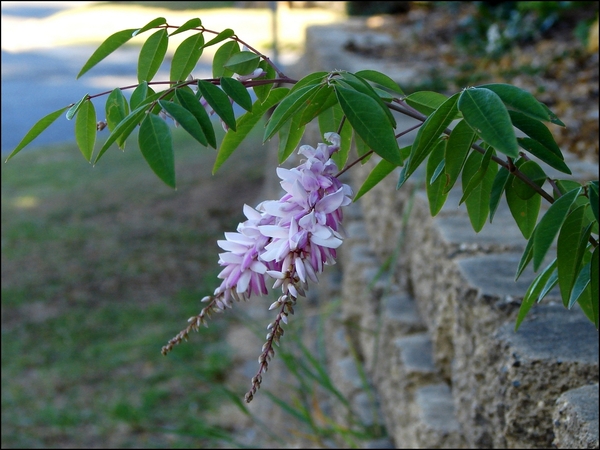
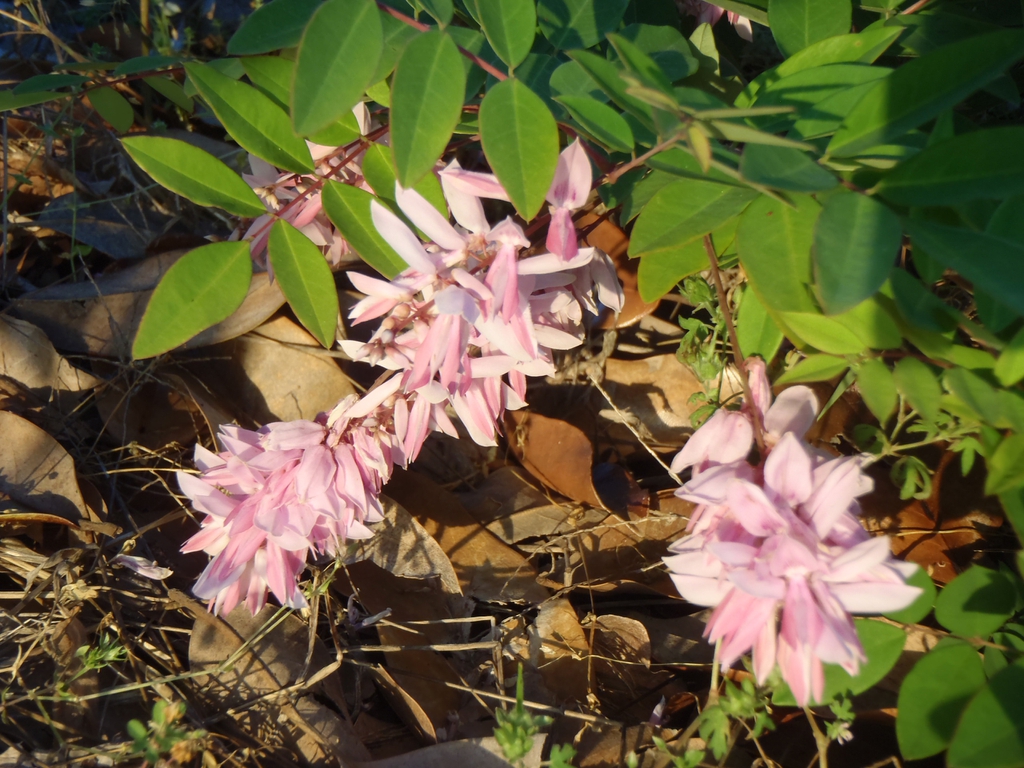
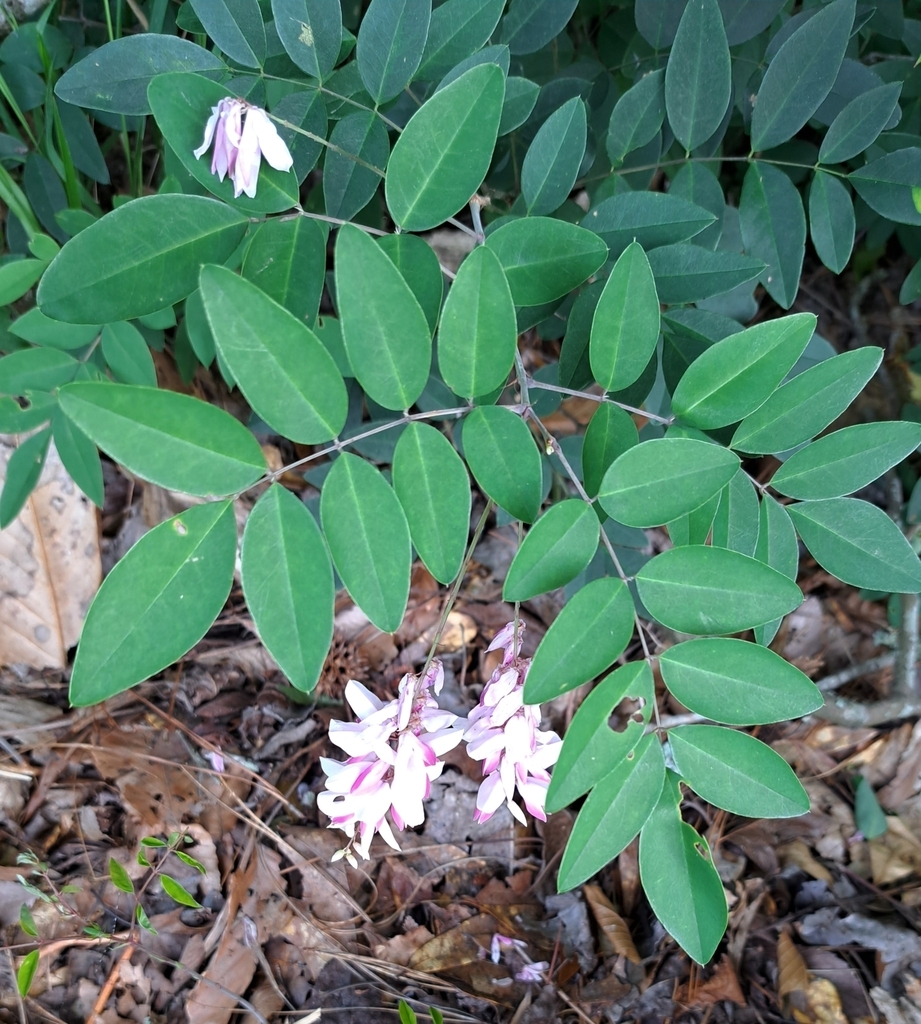
The 8 inch long compuond leavs of Chinese indigo are dark green and can be used for indigo dye. The pea-shaped pink to lilac and rarely white blooms are held in narrow racemes of 4-8 inches and occur in June to July with sporadic reblooming into fall.
Use this shrub in the foundation, shrub borders, on banks and slopes or in cottage and pollinator gardens.
Insects, Diseases and Other Plant Problems: No significant problems
- See this plant in the following landscape :
- Cultivars / Varieties:
-
- 'Alba'
White flowers
- 'Alba'
- 'Alba'
- Tags:


- Cultivars / Varieties:
-
- 'Alba'
White flowers
- 'Alba'
- 'Alba'
- Tags:
-
-
Attributes:
- Genus:
- Indigofera
- Species:
- decora
- Family:
- Fabaceae
- Uses (Ethnobotany):
- Used for indigo colored dye. A broth made from the leafy shoots is used in the treatment of cough, dyspepsia, haemorrhage and poisoning.
- Life Cycle:
- Woody
- Country Or Region Of Origin:
- South China to Japan
- Dimensions:
- Height: 1 ft. 0 in. - 2 ft. 6 in.
- Width: 3 ft. 0 in. - 4 ft. 0 in.
-
-
Whole Plant Traits:
- Plant Type:
- Shrub
- Woody Plant Leaf Characteristics:
- Deciduous
- Habit/Form:
- Erect
- Spreading
- Growth Rate:
- Rapid
- Maintenance:
- Low
- Texture:
- Medium
-
-
Cultural Conditions:
- Light:
- Full sun (6 or more hours of direct sunlight a day)
- Partial Shade (Direct sunlight only part of the day, 2-6 hours)
- Soil Texture:
- Clay
- Loam (Silt)
- Sand
- Soil pH:
- Acid (<6.0)
- Soil Drainage:
- Good Drainage
- Moist
- Occasionally Dry
- Available Space To Plant:
- 12 inches-3 feet
- 3 feet-6 feet
- NC Region:
- Coastal
- Mountains
- Piedmont
- USDA Plant Hardiness Zone:
- 5a, 5b, 6a, 6b, 7a, 7b, 8a, 8b
-
-
Fruit:
- Fruit Color:
- Brown/Copper
- Display/Harvest Time:
- Fall
- Summer
- Fruit Type:
- Legume
- Fruit Length:
- < 1 inch
- Fruit Width:
- < 1 inch
- Fruit Description:
- Brown pod with 7 to 8 seeds
-
-
Flowers:
- Flower Color:
- Pink
- Purple/Lavender
- Flower Inflorescence:
- Raceme
- Flower Value To Gardener:
- Showy
- Flower Bloom Time:
- Summer
- Flower Shape:
- Lipped
- Flower Petals:
- fused petals
- Flower Size:
- < 1 inch
- Flower Description:
- 5 to 8 inch narrow racemes of pea-shaped pink flowers with heaviest blooming in June and July. It may sporatically rebloom into fall. Individual flowers are 3/4 inch long.
-
-
Leaves:
- Woody Plant Leaf Characteristics:
- Deciduous
- Leaf Color:
- Green
- Leaf Type:
- Compound (Pinnately , Bipinnately, Palmately)
- Leaf Arrangement:
- Alternate
- Leaf Shape:
- Ovate
- Leaf Margin:
- Entire
- Hairs Present:
- Yes
- Leaf Length:
- > 6 inches
- Leaf Width:
- 3-6 inches
- Leaf Description:
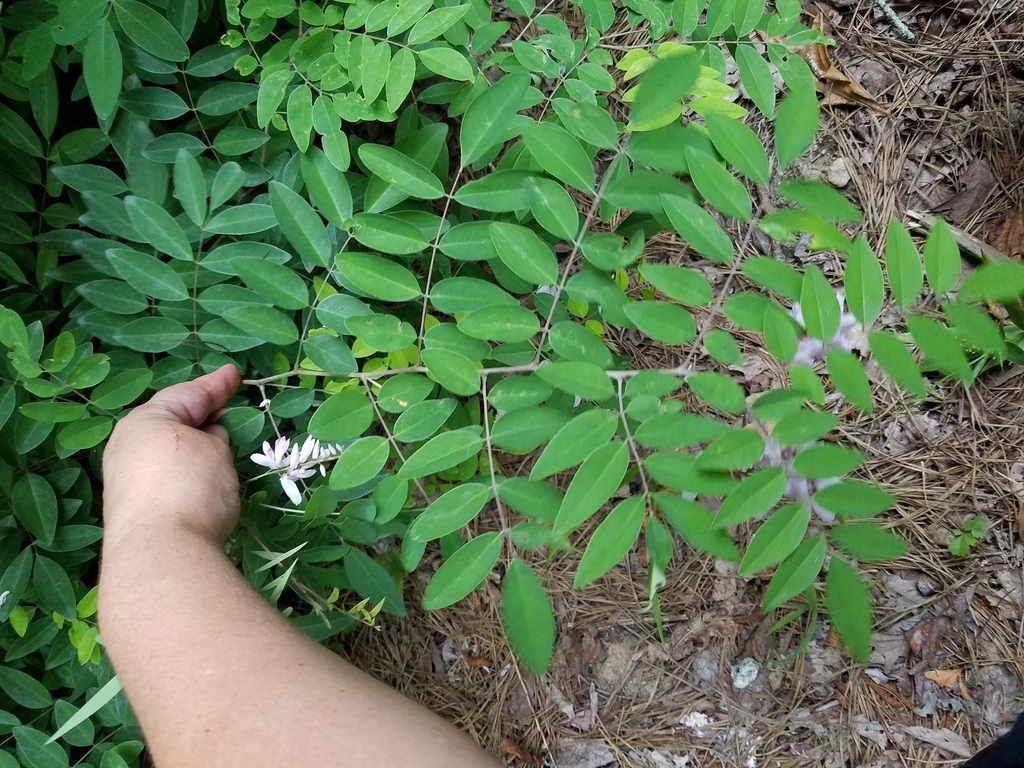
- The pinnately compound leaves are 4 to 8 inches long with 7 to 13 leavlets ovate-lanceolate to oval,, 1 to 2.5 inches long and 1/2 to 1 inch wide, a bristle-like tip and hairs on the undersides. The leaves are alternate with opposite leaflets.
-
-
Stem:
- Stem Color:
- Brown/Copper
- Red/Burgundy
- Stem Is Aromatic:
- No
- Stem Description:
- Reddish-brown stems
-
-
Landscape:
- Landscape Location:
- Slope/Bank
- Landscape Theme:
- Cottage Garden
- Drought Tolerant Garden
- Pollinator Garden
- Rock Garden
- Design Feature:
- Border
- Foundation Planting
- Small groups
- Attracts:
- Bees
- Butterflies
- Hummingbirds
- Resistance To Challenges:
- Deer
- Drought
- Heat



