


Thelypteris noveboracensis
Common Name(s):
Previously known as:
- Amauropelta noveboracensis
- Parathelypteris noveboracensis
- Polypodium noveboracense
- Phonetic Spelling
- theh-LIP-ter-iss no-vee-bor-uh-SEN-sis
- Description
-
The New York fern is a perennial species of fern spleenwort family (Aspleniaceae) native to the eastern United States and Canada, as well as China and the Russian Far East, where it is commonly found in mesic forests, bottomland forests, bogs, and submesic forests. The species epithet is Latin for “from New York.”
This fern grows in moist to occasionally dry, acidic soil. It does well in dappled sun to deep shade. Good drainage helps.
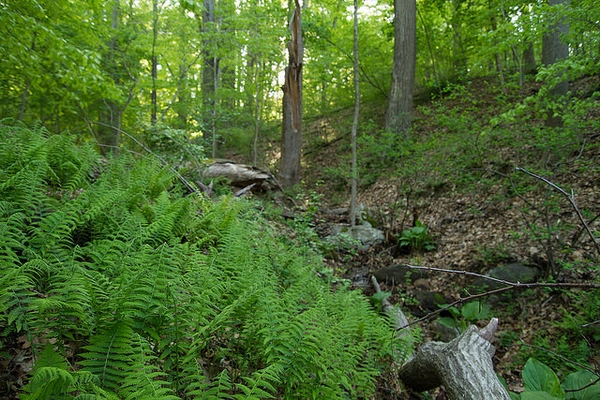
New York fern is found in woodland areas and can form spreading colonies through its brown-black, scaly, trailing rhizomes. They are common in sunny patches found in gaps in the overhead canopy. This fern is a wetland indicator and can survive and outcompete other species in soil pH below 4.
It makes a good addition to a woodland garden or naturalized areas, filling in gaps when spring wildflowers fade and providing shelter for toads. It can be grown in many places, including cottage, native, shade and winter gardens. It is attractive to small animals and songbirds, for nesting materials.
Insects, Diseases and Other Plant Problems: No significant problems.
VIDEO Created by NC State Extension's Homegrown series featuring Mark Weathington, Director of JC Raulston Arboretum.
- Profile Video:
- See this plant in the following landscape :
- Cultivars / Varieties:
-
- Tags:
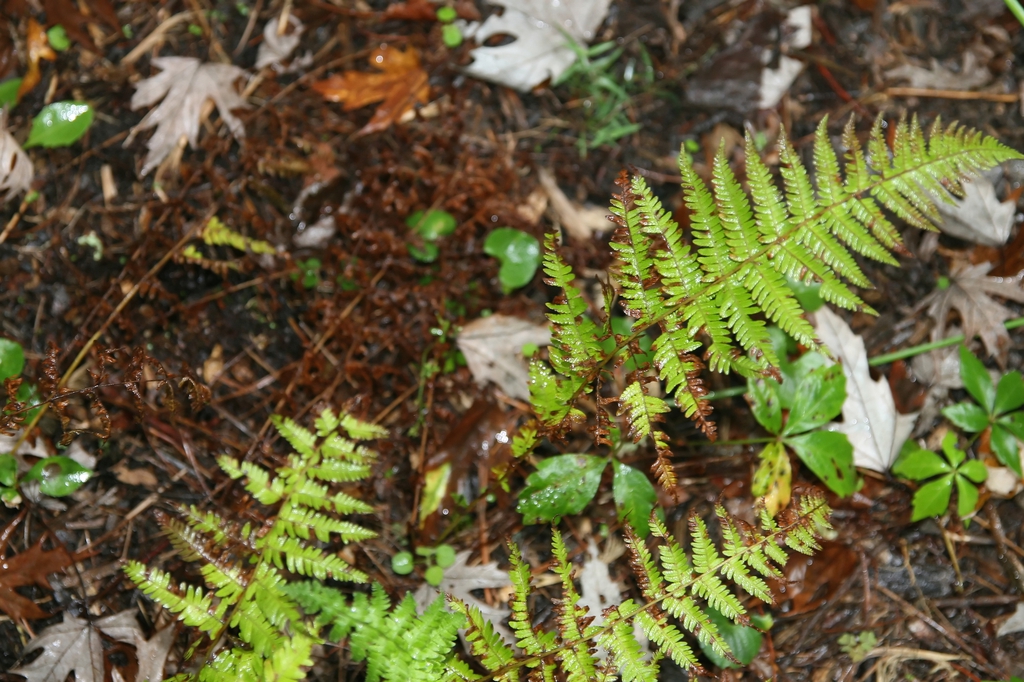
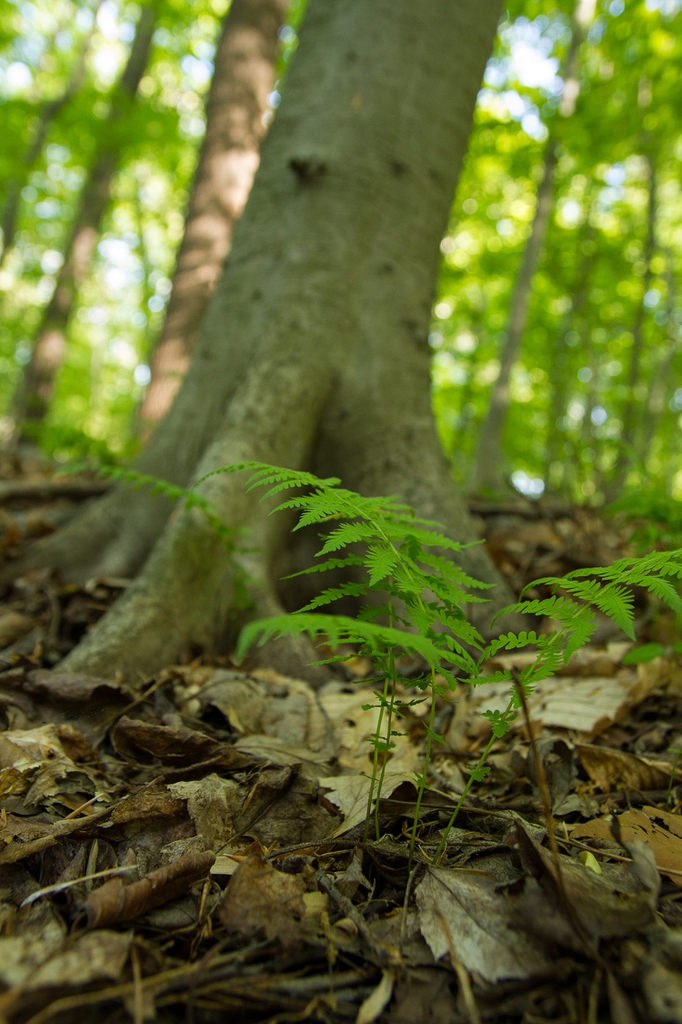
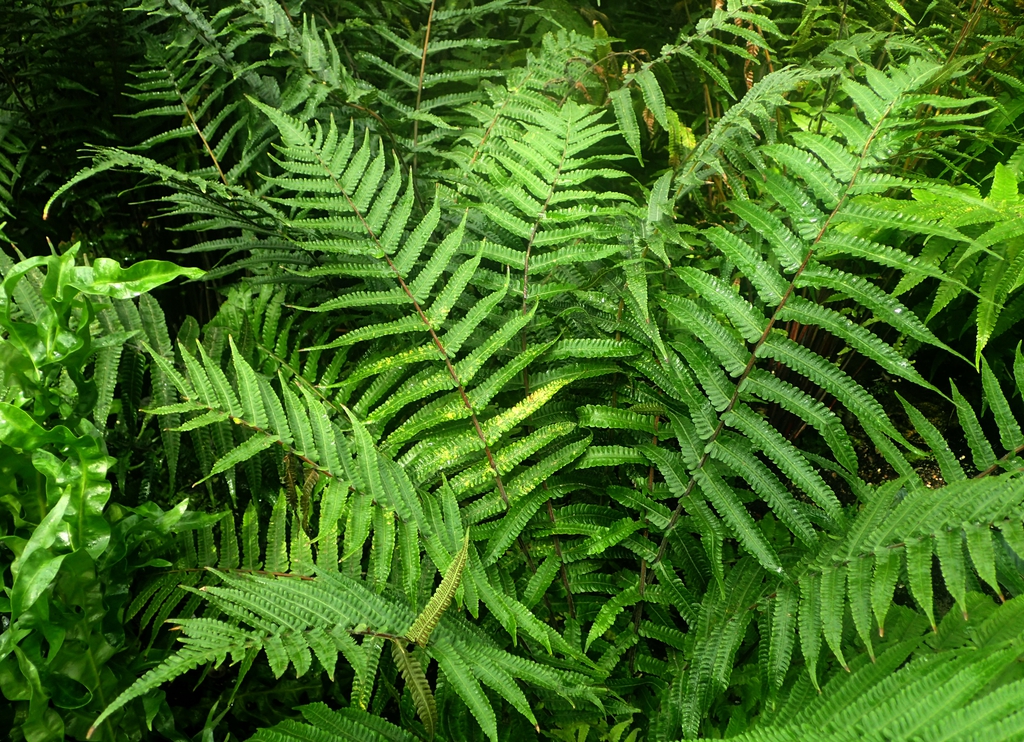


- Cultivars / Varieties:
-
- Tags:
-
-
Attributes:
- Genus:
- Thelypteris
- Species:
- noveboracensis
- Family:
- Aspleniaceae
- Uses (Ethnobotany):
- Used for shelter.
- Life Cycle:
- Perennial
- Recommended Propagation Strategy:
- Division
- Country Or Region Of Origin:
- Eastern US and Canada
- Wildlife Value:
- This plant provides excellent ground cover. Its parts are used in songbird nest construction.
- Play Value:
- Wildlife Cover/Habitat
- Wildlife Food Source
- Particularly Resistant To (Insects/Diseases/Other Problems):
- Heavy shade, Deer
- Dimensions:
- Height: 1 ft. 0 in. - 2 ft. 0 in.
- Width: 1 ft. 0 in. - 2 ft. 0 in.
-
-
Whole Plant Traits:
- Plant Type:
- Fern
- Ground Cover
- Herbaceous Perennial
- Native Plant
- Woody Plant Leaf Characteristics:
- Deciduous
- Habit/Form:
- Erect
- Growth Rate:
- Medium
- Maintenance:
- Low
- Texture:
- Fine
-
-
Cultural Conditions:
- Light:
- Dappled Sunlight (Shade through upper canopy all day)
- Deep shade (Less than 2 hours to no direct sunlight)
- Partial Shade (Direct sunlight only part of the day, 2-6 hours)
- Soil pH:
- Acid (<6.0)
- Soil Drainage:
- Good Drainage
- Moist
- Occasionally Dry
- Available Space To Plant:
- 12 inches-3 feet
- NC Region:
- Coastal
- Mountains
- Piedmont
- USDA Plant Hardiness Zone:
- 3a, 3b, 4a, 4b, 5a, 5b, 6a, 6b, 7a, 7b, 8a, 8b
-
-
Fruit:
- Fruit Description:
- No fruits. This plants reproduces via spores.
-
-
Flowers:
- Flower Description:
- No flowers.
-
-
Leaves:
- Woody Plant Leaf Characteristics:
- Deciduous
- Leaf Color:
- Green
- Leaf Type:
- Compound (Pinnately , Bipinnately, Palmately)
- Fronds
- Leaf Arrangement:
- Other/more complex
- Leaf Shape:
- Oblanceolate
- Leaf Margin:
- Crenulate
- Hairs Present:
- No
- Leaf Description:
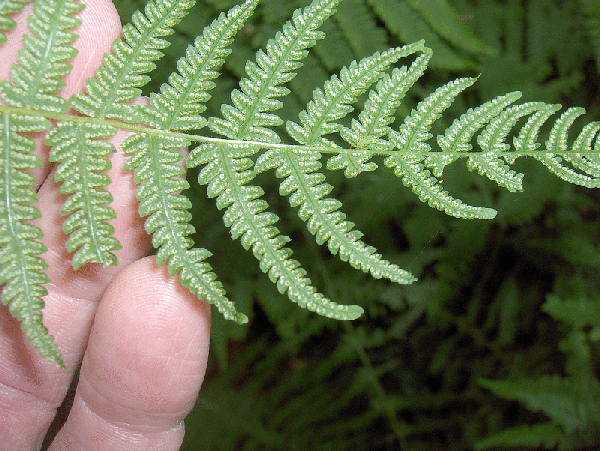
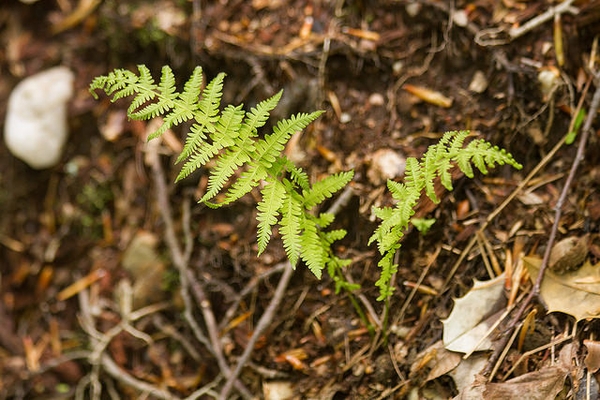
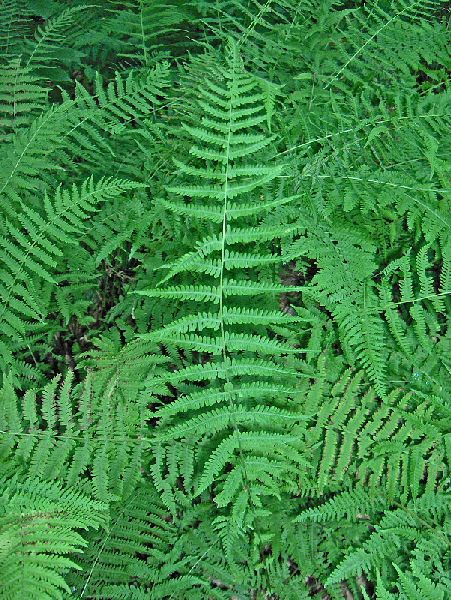
- Leaves are 8-25" long, 4" wide, green-yellow with soft approximately 20 pinnae or leaflets are twice divided and taper in size as they reach both the tip and the base.
-
-
Stem:
- Stem Color:
- Green
- Stem Is Aromatic:
- No
-
-
Landscape:
- Landscape Location:
- Naturalized Area
- Riparian
- Small Space
- Woodland
- Landscape Theme:
- Cottage Garden
- Native Garden
- Shade Garden
- Winter Garden
- Design Feature:
- Accent
- Border
- Mass Planting
- Attracts:
- Small Mammals
- Songbirds
- Resistance To Challenges:
- Deer
- Heavy Shade
- Wet Soil