


Phlox stolonifera
Common Name(s):
- Phonetic Spelling
- FLOCKS stoh-lon-NIF-er-ra
- Description
-
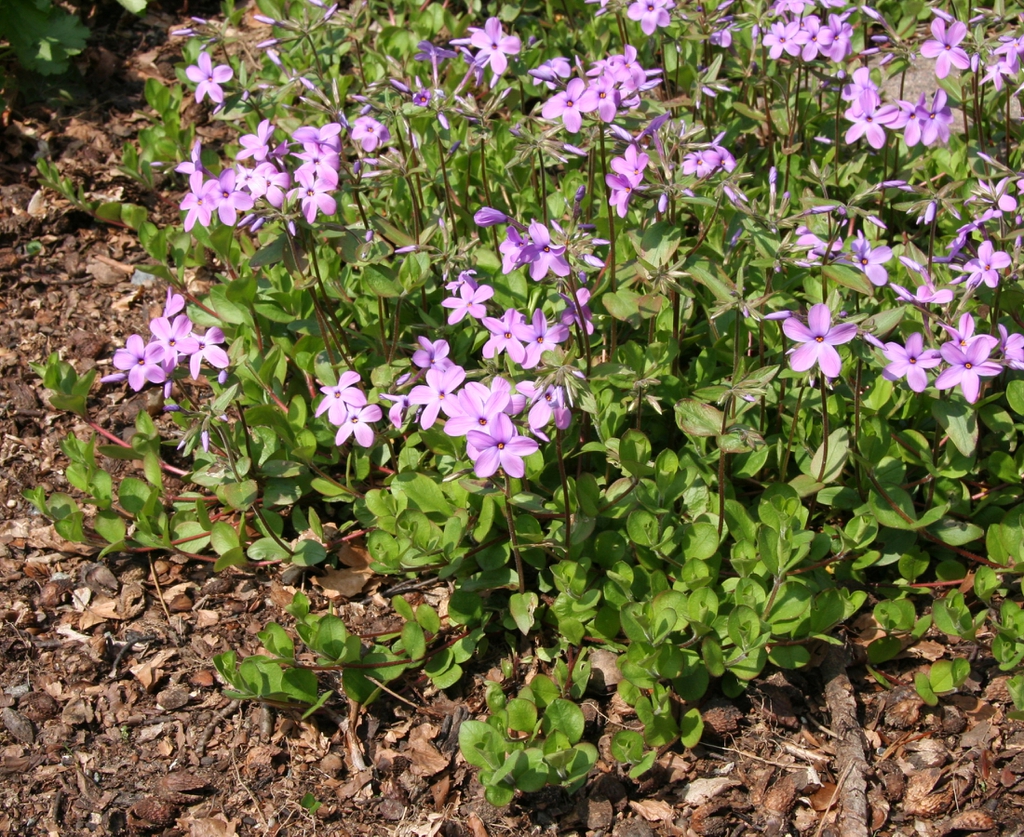
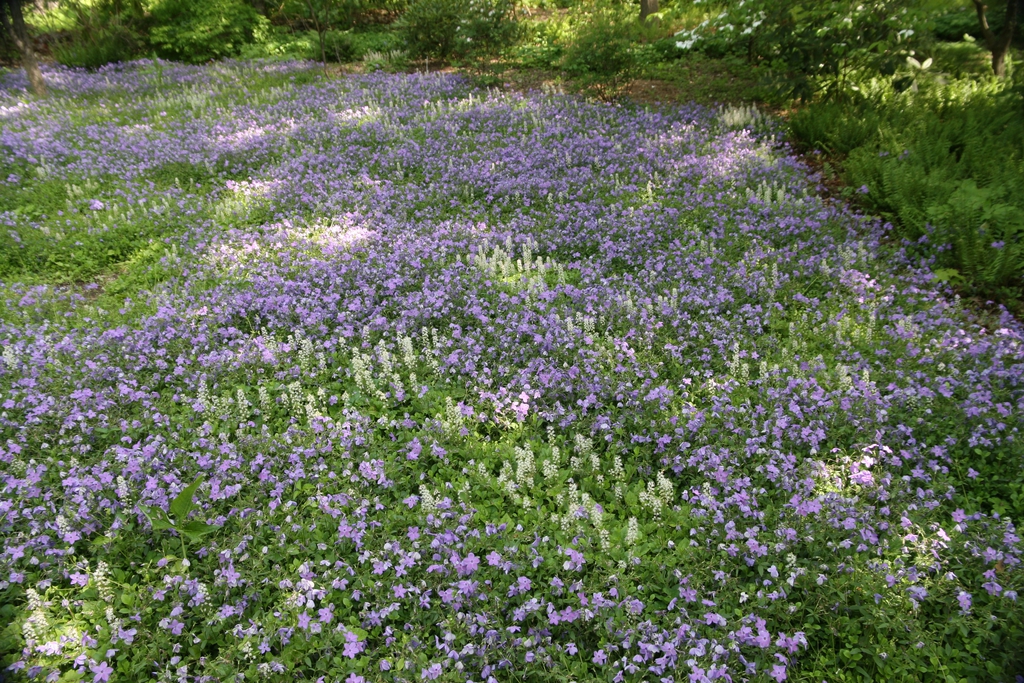
Creeping Phlox is a native ground cover found in the Appalachian mountain areas from PA south to GA. It will perform best in full sun to partial shade, in moist, well-drained, slightly acidic soil. It will spread rapidly by above-ground leafy stems (stolons) that root at the nodes to form a mat. It should be kept moist for the first year, especially during hot and dry conditions, but it is very drought tolerant once established.
It is an attractive groundcover that will tolerate light foot traffic and is a good addition to rock gardens or used as edging for flower beds. Mass planting on slopes will help control erosion.
Creeping phlox needs good air circulation and deadheading to prevent powdery mildew as well as self seeding. Hot, dry sites can lead to problems with spider mites, and slugs can become a pest in wet sites. It is deer and rabbit tolerant.
- See this plant in the following landscape s :
- Retaining Wall Garden Butterfly Garden at Rob Wallace Park
- Cultivars / Varieties:
-
- 'Blue Ridge'
Clear blue flowers - 'Sherwood Purple'
Purple-blue flowers and very vigorous
- 'Blue Ridge'
- 'Blue Ridge', 'Sherwood Purple'
- Tags:






- Cultivars / Varieties:
-
- 'Blue Ridge'
Clear blue flowers - 'Sherwood Purple'
Purple-blue flowers and very vigorous
- 'Blue Ridge'
- 'Blue Ridge', 'Sherwood Purple'
- Tags:
-
-
Attributes:
- Genus:
- Phlox
- Species:
- stolonifera
- Family:
- Polemoniaceae
- Uses (Ethnobotany):
- Rock gardens, cottage gardens, borders, edges, and ground cover
- Life Cycle:
- Perennial
- Woody
- Recommended Propagation Strategy:
- Division
- Layering
- Seed
- Stem Cutting
- Country Or Region Of Origin:
- Appalachian mountains
- Distribution:
- Alabama, Georgia, Kentucky, Maine, Pennsylvania, North Carolina, Ohio, South Carolina, Tennessee, Virginia, West Virginia
- Wildlife Value:
- Attracts hummingbirds and butterflies.
- Play Value:
- Attractive Flowers
- Attracts Pollinators
- Colorful
- Defines Paths
- Easy to Grow
- Fragrance
- Wildlife Food Source
- Dimensions:
- Height: 0 ft. 6 in. - 1 ft. 0 in.
- Width: 0 ft. 9 in. - 1 ft. 6 in.
-
-
Whole Plant Traits:
- Plant Type:
- Ground Cover
- Native Plant
- Perennial
- Woody Plant Leaf Characteristics:
- Semi-evergreen
- Habit/Form:
- Clumping
- Creeping
- Dense
- Horizontal
- Spreading
- Growth Rate:
- Rapid
- Maintenance:
- Low
- Texture:
- Medium
-
-
Cultural Conditions:
- Light:
- Deep shade (Less than 2 hours to no direct sunlight)
- Full sun (6 or more hours of direct sunlight a day)
- Partial Shade (Direct sunlight only part of the day, 2-6 hours)
- Soil Texture:
- Clay
- High Organic Matter
- Loam (Silt)
- Sand
- Shallow Rocky
- Soil pH:
- Acid (<6.0)
- Alkaline (>8.0)
- Neutral (6.0-8.0)
- Soil Drainage:
- Good Drainage
- Moist
- Occasionally Dry
- Available Space To Plant:
- Less than 12 inches
- 12 inches-3 feet
- NC Region:
- Coastal
- Mountains
- Piedmont
- USDA Plant Hardiness Zone:
- 4a, 4b, 5a, 5b, 6a, 6b, 7a, 7b, 8a, 8b
-
-
Fruit:
- Fruit Type:
- Capsule
- Fruit Description:
- The dry fruits will split open when ripe
-
-
Flowers:
- Flower Color:
- Blue
- Pink
- Purple/Lavender
- White
- Flower Inflorescence:
- Cyme
- Flower Value To Gardener:
- Fragrant
- Showy
- Flower Bloom Time:
- Spring
- Summer
- Flower Shape:
- Star
- Tubular
- Flower Petals:
- 4-5 petals/rays
- Flower Size:
- < 1 inch
- Flower Description:
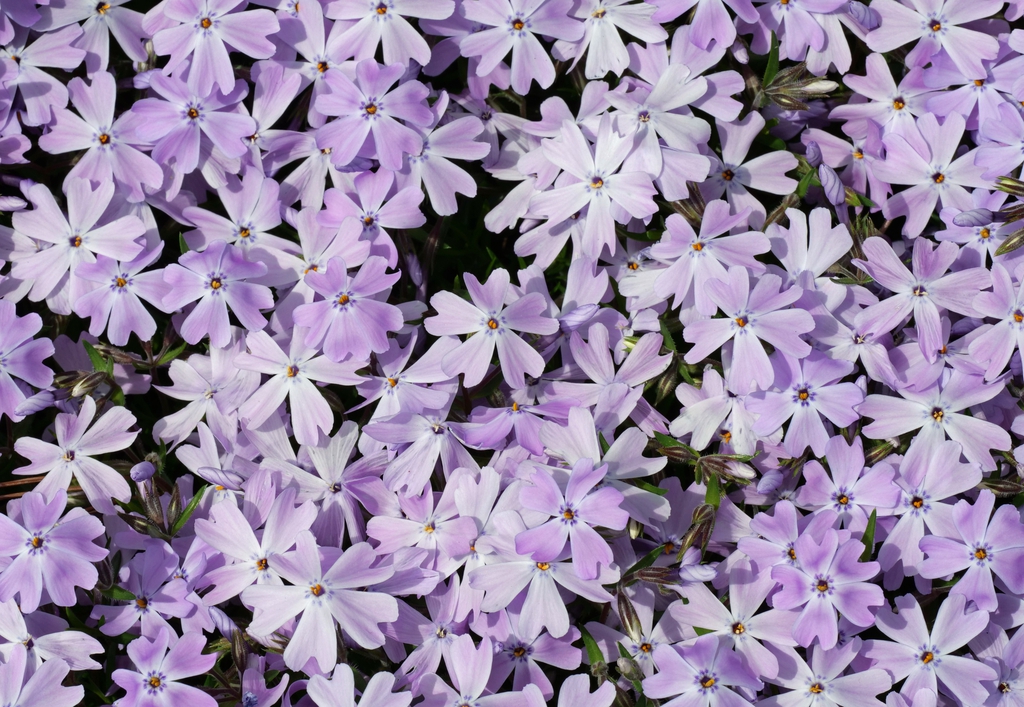
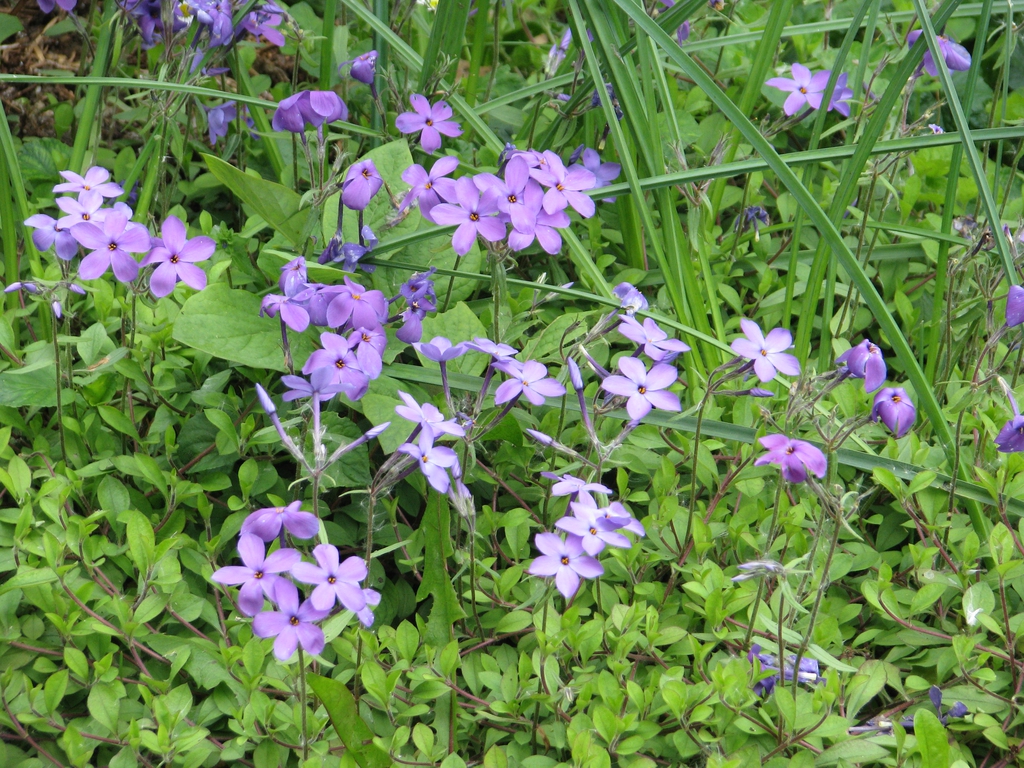
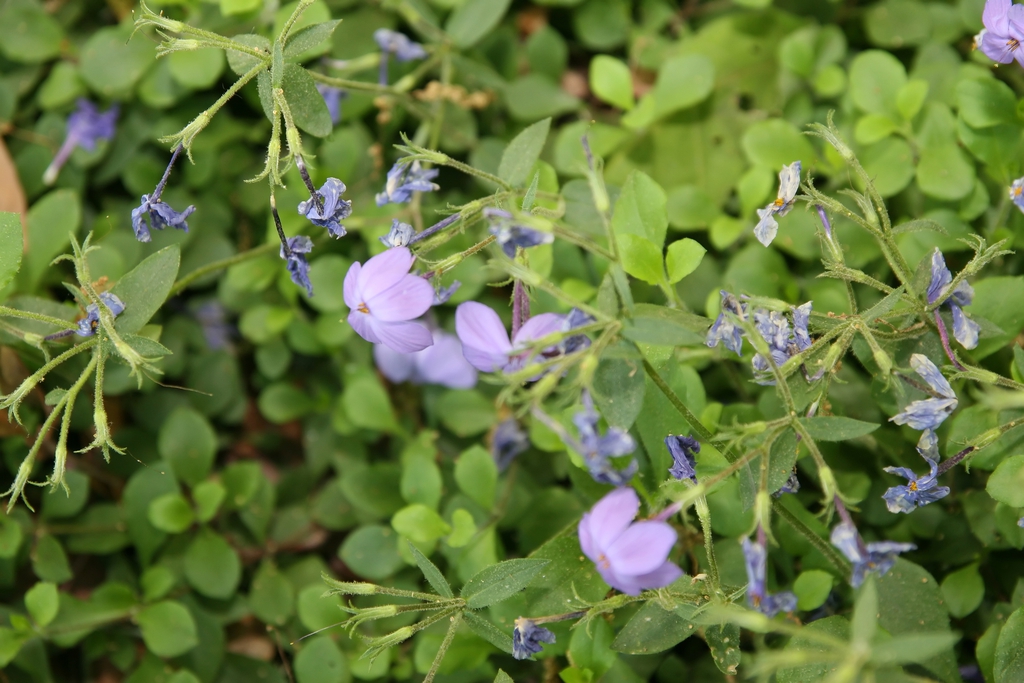
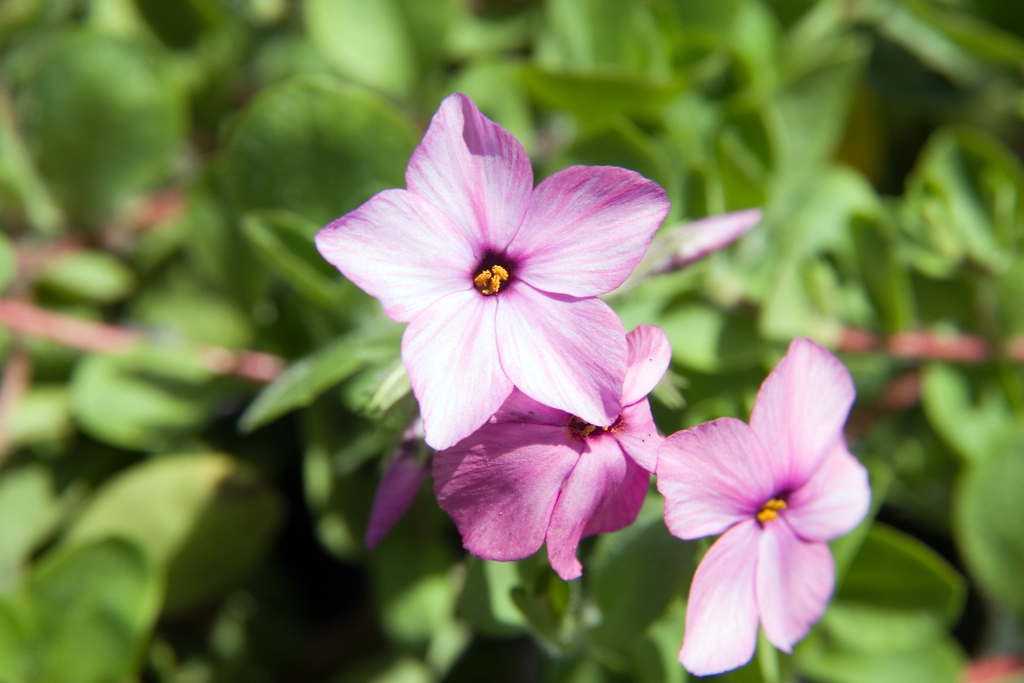
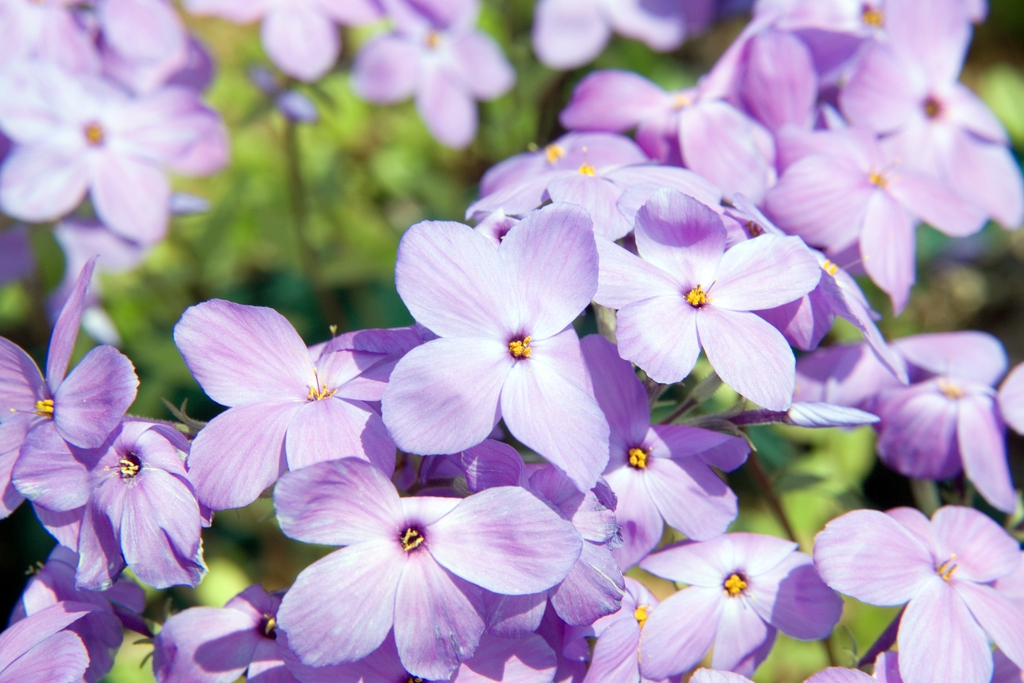
- Florets have 5 flat blue-violet, rosy-lavender, or white rounded petals that flare from a narrow tube.
-
-
Leaves:
- Woody Plant Leaf Characteristics:
- Semi-evergreen
- Leaf Feel:
- Leathery
- Leaf Type:
- Simple
- Leaf Arrangement:
- Opposite
- Leaf Shape:
- Oblong
- Ovate
- Leaf Margin:
- Entire
- Hairs Present:
- No
- Leaf Length:
- 1-3 inches
- Leaf Width:
- < 1 inch
- Leaf Description:
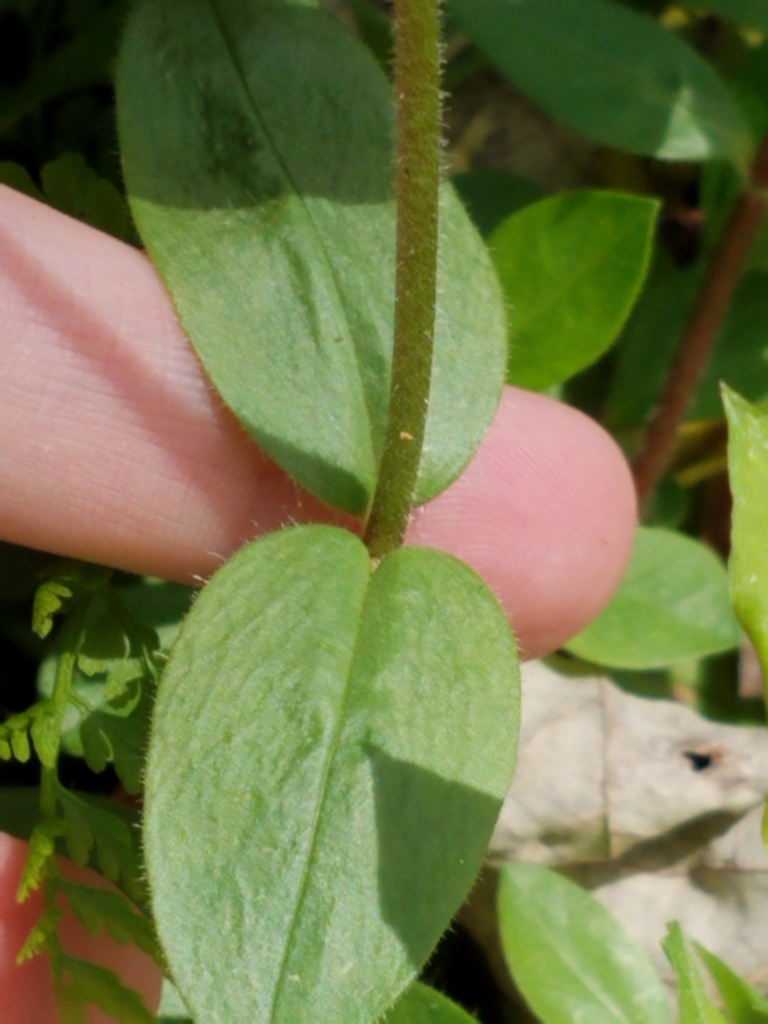
- Leaves have smooth edges, blunt or pointed tips, and average 3” on sterile stems and ¾” on flowering stems.
-
-
Stem:
- Stem Is Aromatic:
- No
- Stem Form:
- Straight
- Stem Description:
- Phlox stolonifera has fertile stems, which die back after producing seed, and infertile stems that may form a foliage mat to 3" tall and begin new growth the following season.
-
-
Landscape:
- Landscape Location:
- Container
- Naturalized Area
- Riparian
- Rock Wall
- Slope/Bank
- Small Space
- Woodland
- Landscape Theme:
- Cottage Garden
- Drought Tolerant Garden
- Native Garden
- Rock Garden
- Design Feature:
- Border
- Mass Planting
- Small groups
- Attracts:
- Butterflies
- Hummingbirds
- Small Mammals
- Resistance To Challenges:
- Black Walnut
- Deer
- Drought
- Dry Soil
- Erosion
- Pollution
- Rabbits
- Urban Conditions