


Shortia galacifolia
Common Name(s):
- Phonetic Spelling
- SHORE-tee-uh guh-lay-sih-FOE-lee-uh
- Description
-
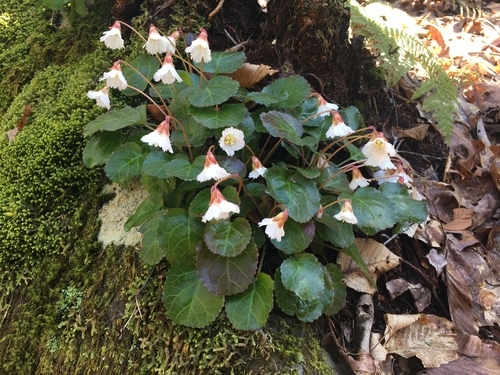
Oconee bells is a rare evergreen wildflower in the Lindley family (Diapensiaceae) that is found in the Appalachian Mountains of GA, NC and SC. It is found growing in shady conditions along stream banks, often where a disturbance has occurred. This plant was initially discovered in 1788 and then not found again for over a century despite searching. The genus name honors a 19th-century Kentucky botanist, Dr. Charles Wilkins Short. The common name comes from Oconee County in South Carolina.
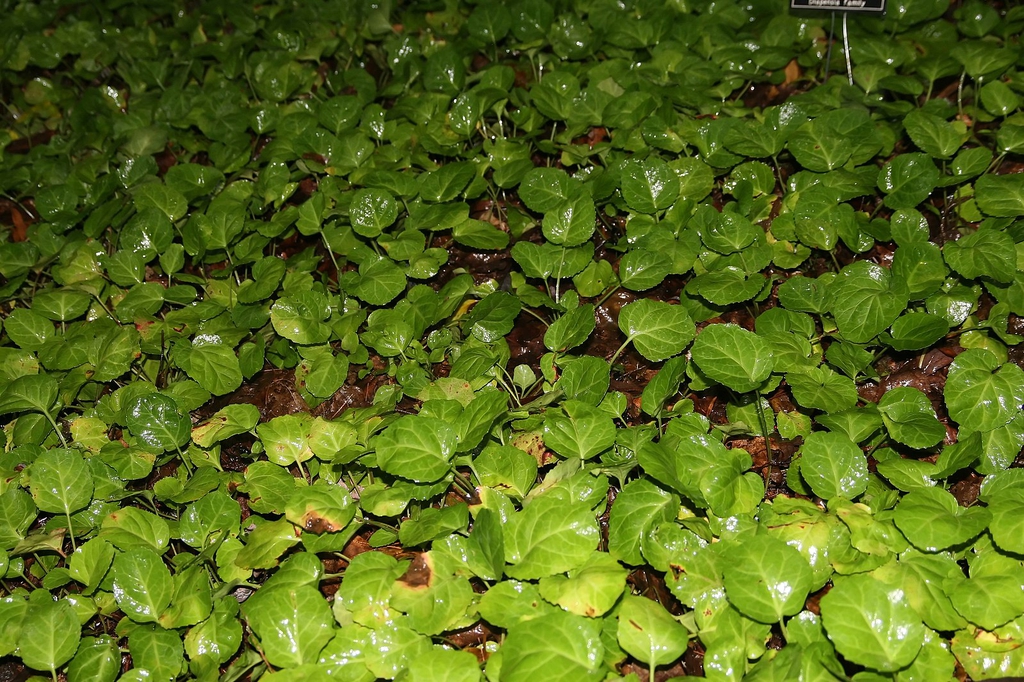
It spreads by short runners to cover an area but may be slow to established. It prefers partial shade to shade and moist, well-drained sandy or clay loams rich in humus.
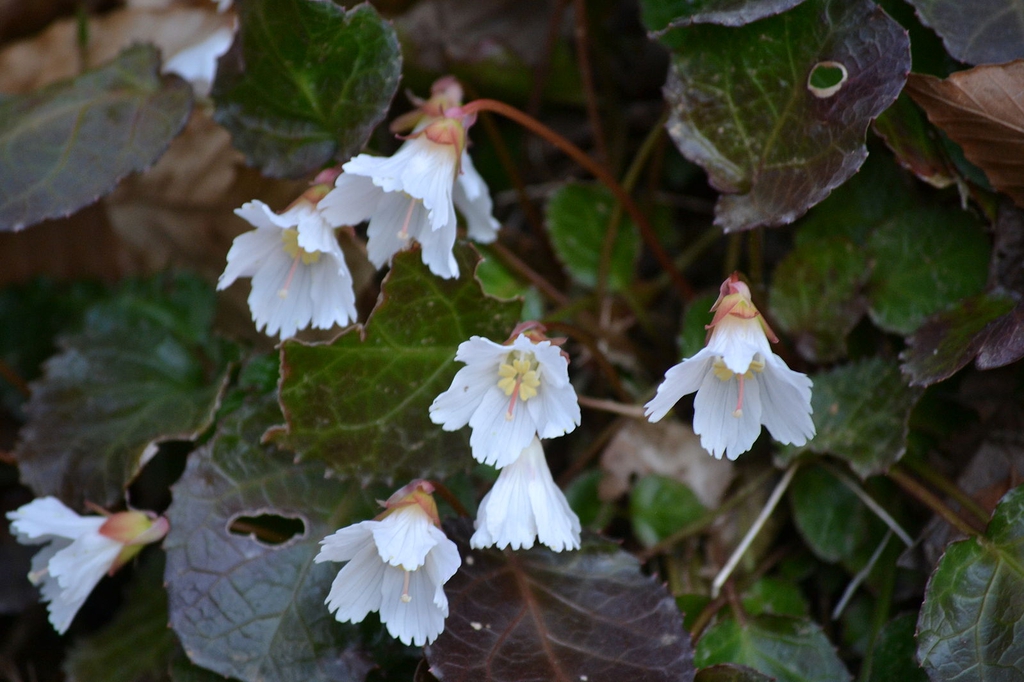
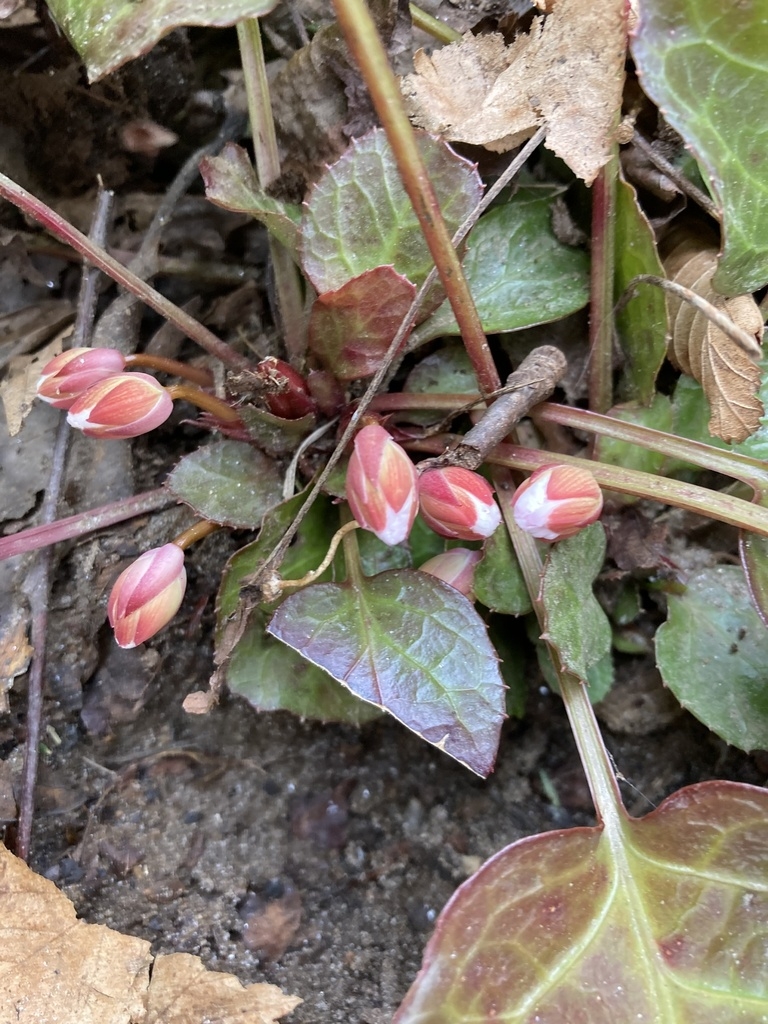
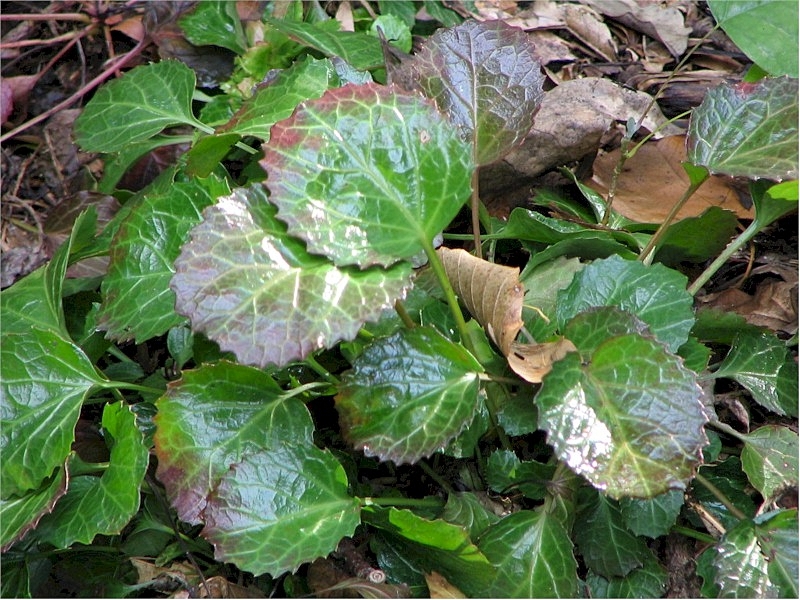
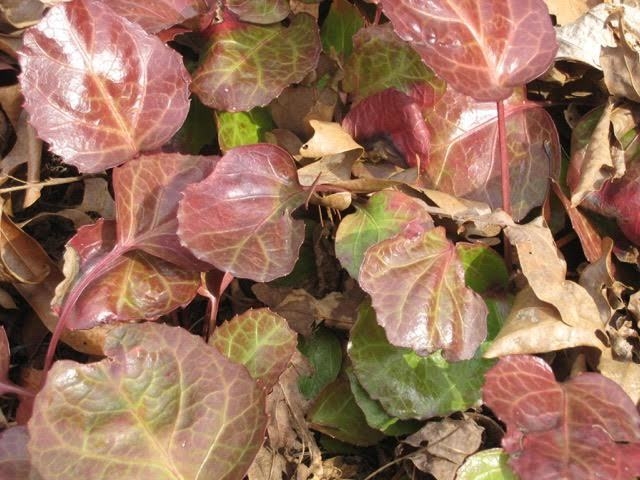
Single 1-inch white to pinkish blooms occur in early spring and are visited by bees. The 1 to3 inch leaves turn bronzy-red in the fall. The plant is considered endangered and may not be collected in the wild.
In cultivation, oconee bells can be used as a ground cover in a shade garden or a woodland setting. Once established, it needs little care and provides year-round interest with the fall color change that lasts all winter.
Insects, Diseases, and Other Plant Problems: No significant problems.
- See this plant in the following landscape :
- Corneille Bryan Native Garden
- Cultivars / Varieties:
-
- Tags:


- Cultivars / Varieties:
-
- Tags:
-
-
Attributes:
- Genus:
- Shortia
- Species:
- galacifolia
- Family:
- Diapensiaceae
- Life Cycle:
- Perennial
- Recommended Propagation Strategy:
- Division
- Seed
- Country Or Region Of Origin:
- Mountains oF SE USA
- Distribution:
- GA, NC, SC, TN, VA
- Wildlife Value:
- Flowers attract bees
- Dimensions:
- Height: 0 ft. 4 in. - 0 ft. 8 in.
- Width: 0 ft. 6 in. - 1 ft. 0 in.
-
-
Whole Plant Traits:
- Plant Type:
- Native Plant
- Perennial
- Wildflower
- Woody Plant Leaf Characteristics:
- Broadleaf Evergreen
- Habit/Form:
- Clumping
- Spreading
- Growth Rate:
- Slow
- Maintenance:
- Low
-
-
Cultural Conditions:
- Light:
- Deep shade (Less than 2 hours to no direct sunlight)
- Partial Shade (Direct sunlight only part of the day, 2-6 hours)
- Soil Texture:
- Clay
- High Organic Matter
- Loam (Silt)
- Soil pH:
- Acid (<6.0)
- Neutral (6.0-8.0)
- Soil Drainage:
- Good Drainage
- Moist
- Available Space To Plant:
- Less than 12 inches
- NC Region:
- Mountains
- Piedmont
- USDA Plant Hardiness Zone:
- 5a, 5b, 6a, 6b, 7a, 7b
-
-
Fruit:
- Display/Harvest Time:
- Summer
- Fruit Type:
- Capsule
- Fruit Length:
- < 1 inch
- Fruit Width:
- < 1 inch
- Fruit Description:
- 3-parted oval capsules that split to release seeds. Displays from July to August.
-
-
Flowers:
- Flower Color:
- Pink
- White
- Flower Inflorescence:
- Solitary
- Flower Value To Gardener:
- Showy
- Flower Bloom Time:
- Spring
- Flower Shape:
- Bell
- Flower Petals:
- 4-5 petals/rays
- Flower Size:
- 1-3 inches
- Flower Description:
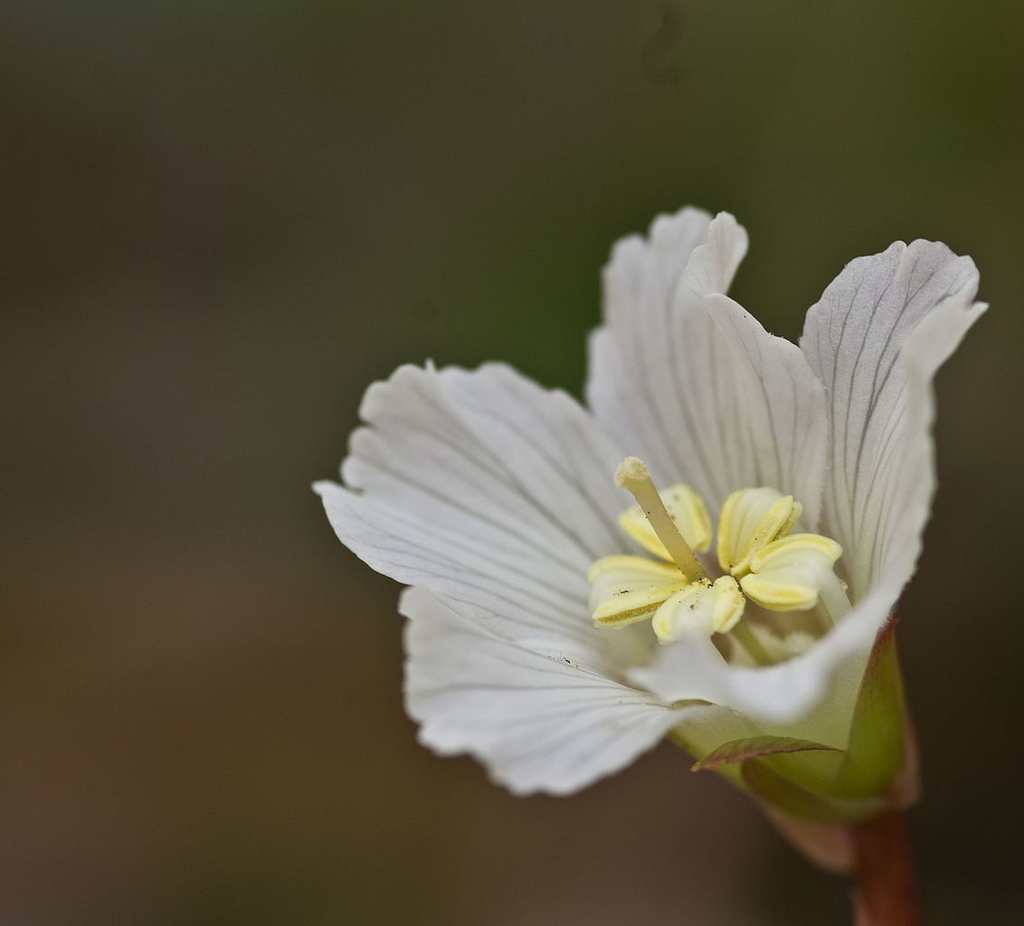
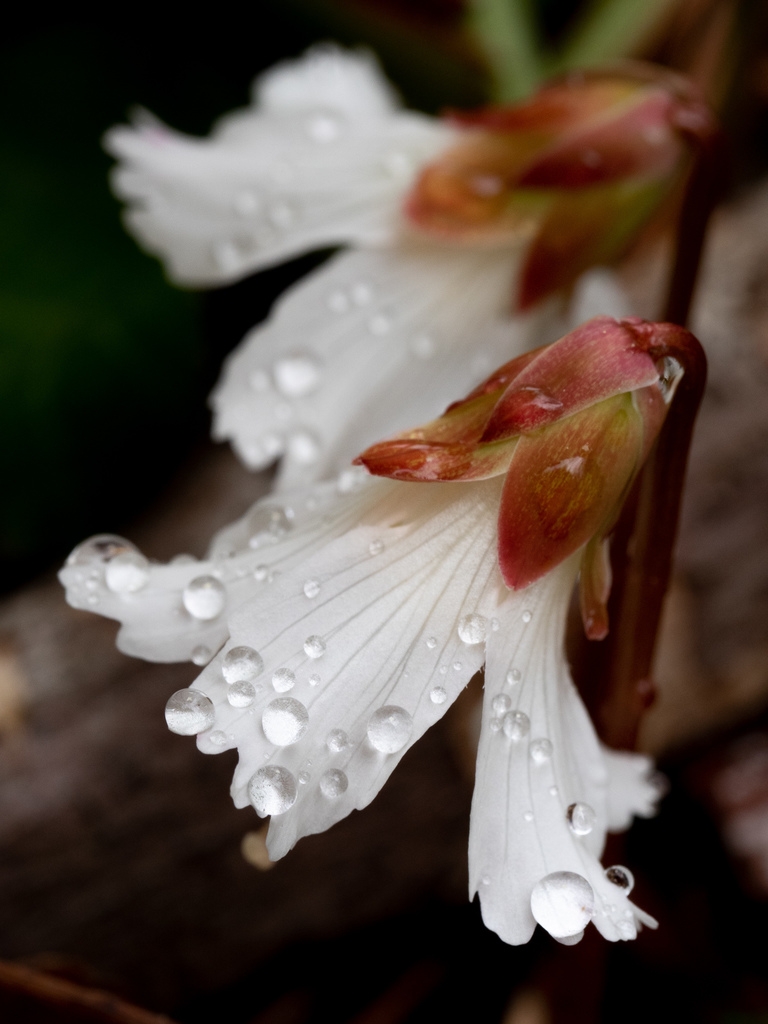
- 1 in. white to pinkish nodding flowers on 3 to 6 in. stalk; five irregularly toothed petals. Blooms March-April.
-
-
Leaves:
- Woody Plant Leaf Characteristics:
- Broadleaf Evergreen
- Leaf Color:
- Green
- Leaf Feel:
- Glossy
- Leaf Value To Gardener:
- Long-lasting
- Showy
- Deciduous Leaf Fall Color:
- Brown/Copper
- Red/Burgundy
- Leaf Type:
- Simple
- Leaf Arrangement:
- Alternate
- Leaf Shape:
- Orbicular
- Ovate
- Leaf Margin:
- Serrate
- Undulate
- Hairs Present:
- No
- Leaf Length:
- 1-3 inches
- Leaf Width:
- 1-3 inches
- Leaf Description:
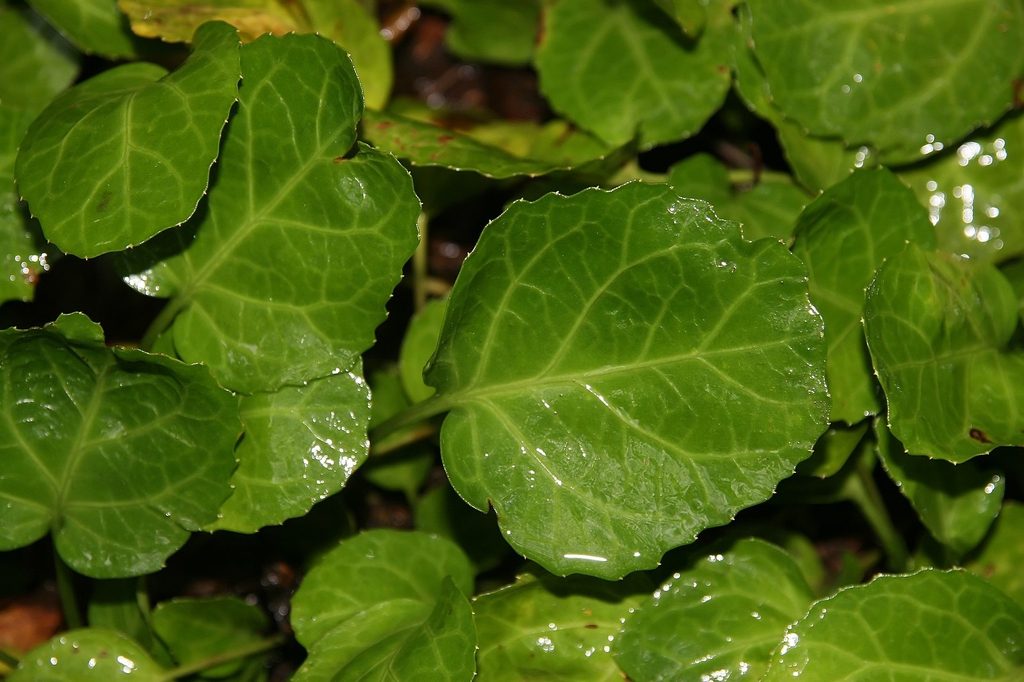
- 1-3 inch oval to roundish shiny leaves on long stems with wavy toothed margins and a heart-shaped base and flat or slightly indented tip. Turn bronzey red in the fall.
-
-
Stem:
- Stem Color:
- Green
- Stem Is Aromatic:
- No
- Stem Description:
- Green smooth stems
-
-
Landscape:
- Landscape Location:
- Naturalized Area
- Pond
- Woodland
- Landscape Theme:
- Native Garden
- Pollinator Garden
- Shade Garden
- Design Feature:
- Small groups
- Attracts:
- Bees
- Pollinators
- Songbirds
- Resistance To Challenges:
- Heavy Shade