


Pilea pumila
- Phonetic Spelling
- py-LEE-uh POO-mil-uh
- Description
-
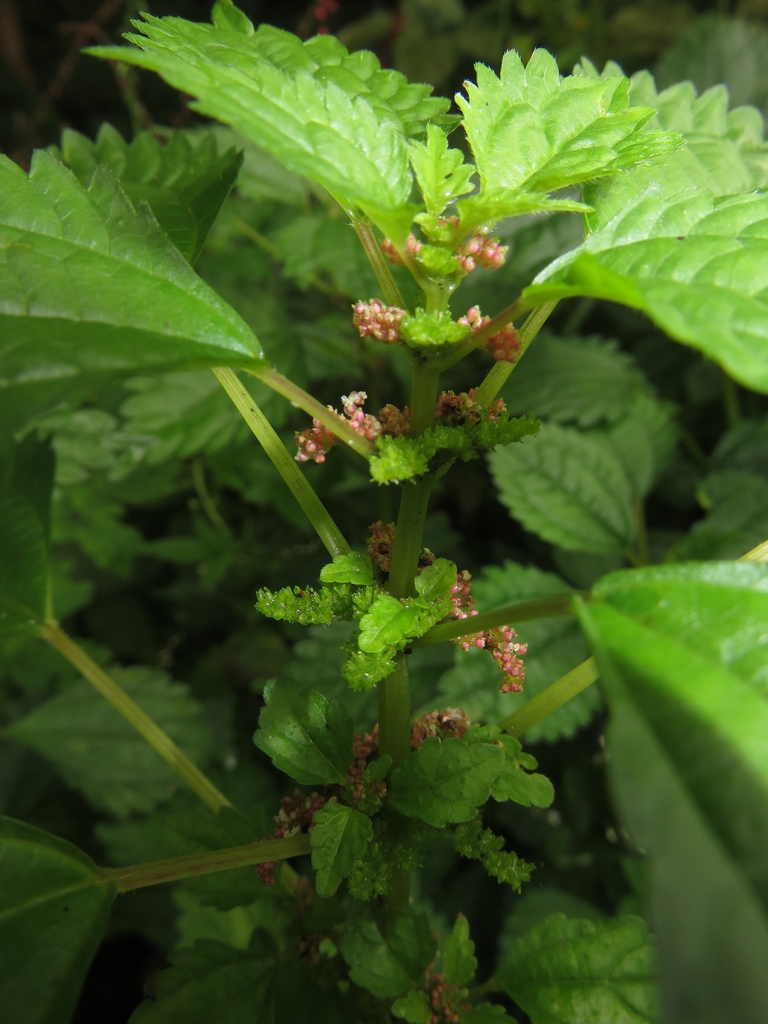
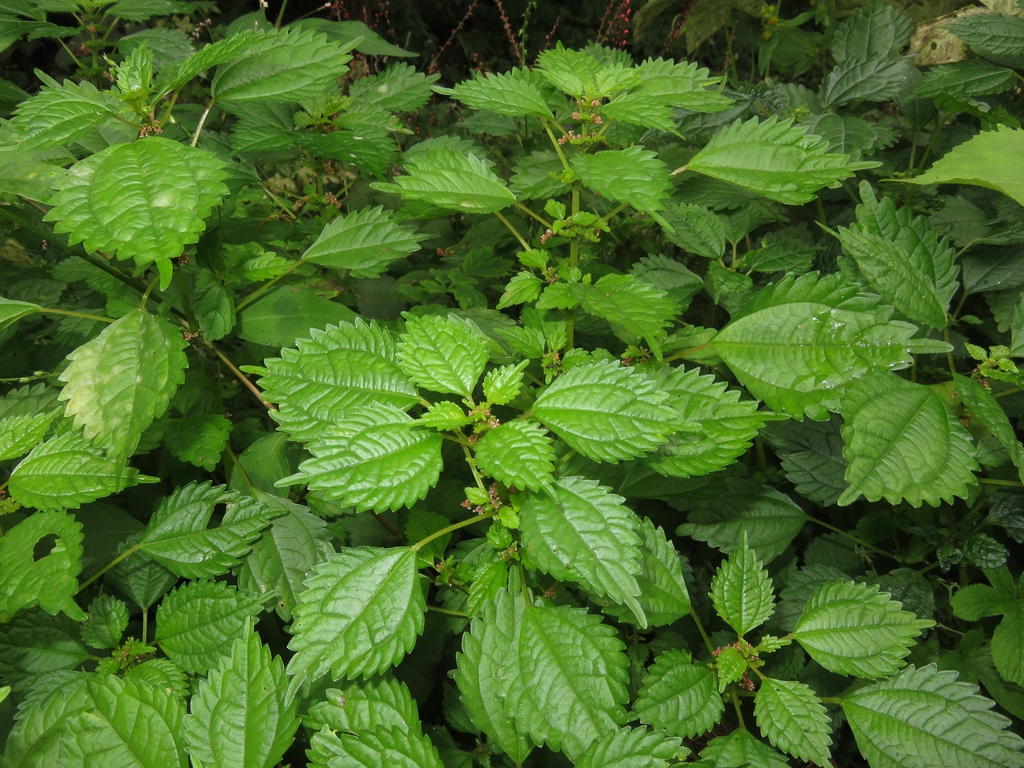
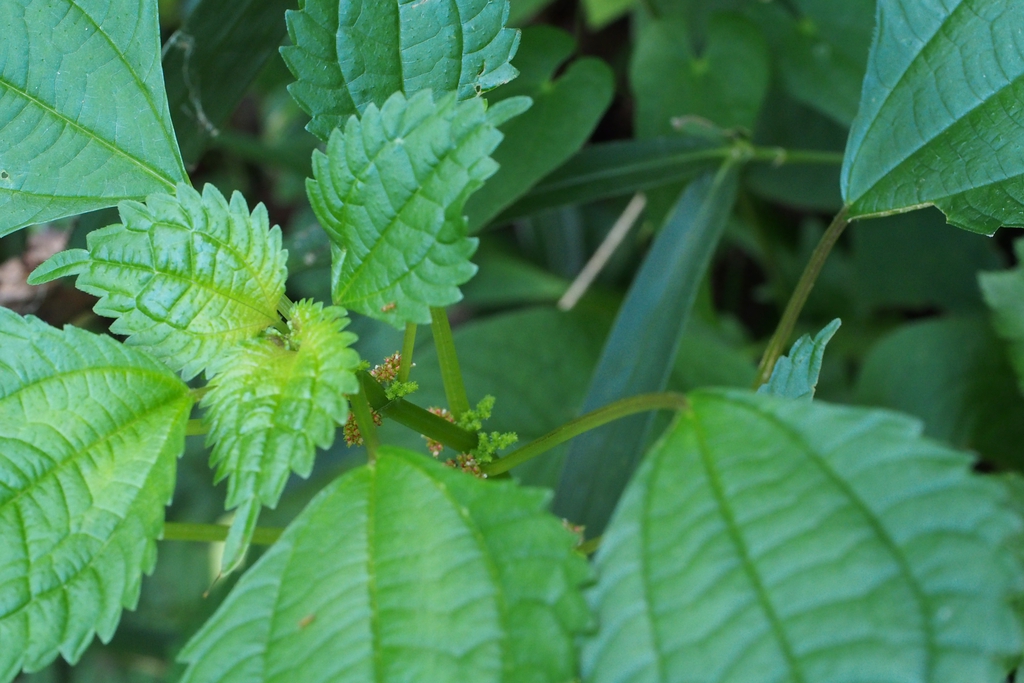
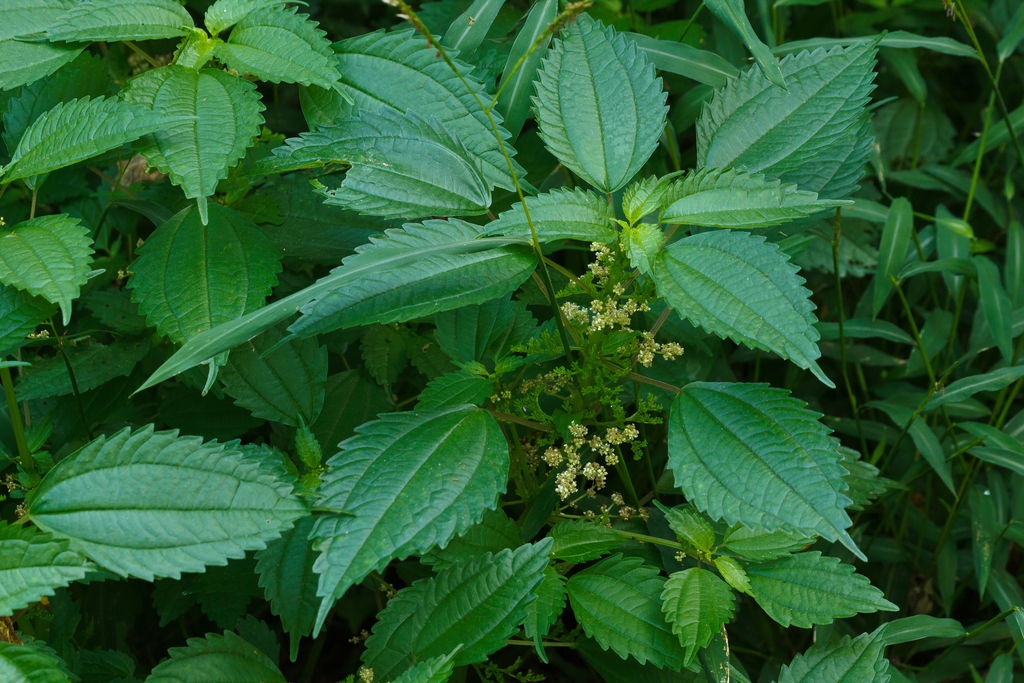
Clearweed is an herbaceous annual, flowering plant in the nettle family often found in woodlands and poorly drained forests or wetland areas. The moist wooded areas where this plant commonly occurs are often dominated by deciduous trees. At maturity, it can reach a height of 2 feet. The leaves are dark green on the upper surface, but a very light green below. The flowers are very small, less than an 1/8 of an inch and bloom on a 1 inch raceme. The foliage is very translucent, to the point where the uptake of liquids from the roots into the stems and leaves is visible.
Clearweed does best in light shade with moist to wet loamy soil. It will tolerate temporary episodes of standing water.
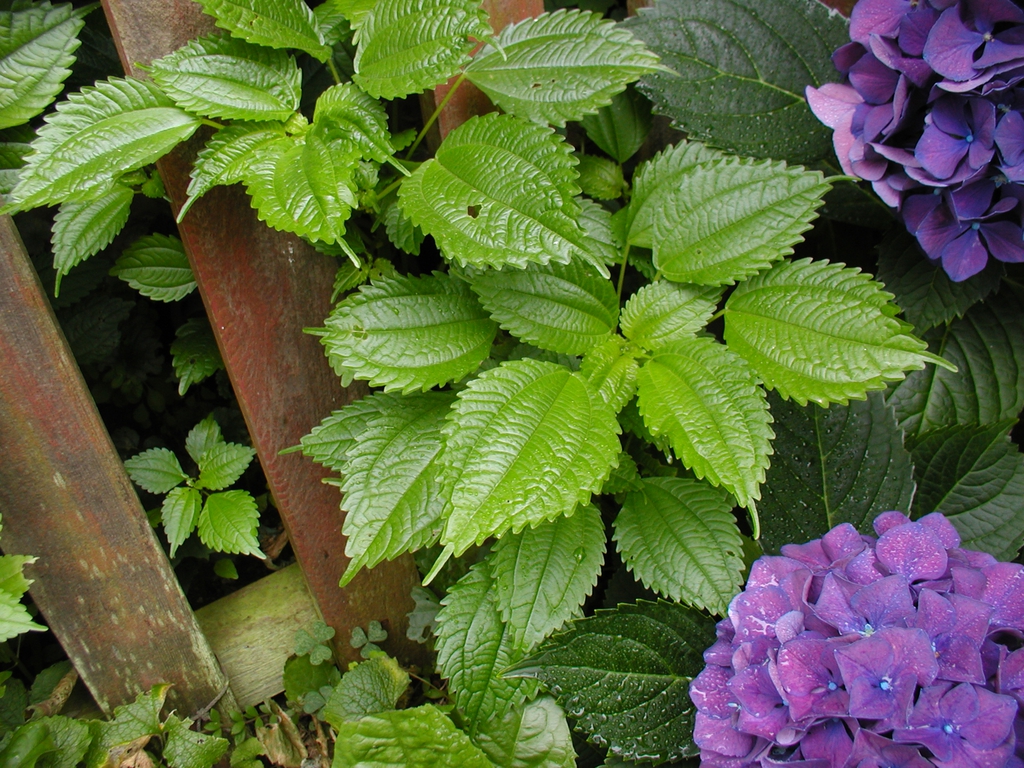
Clearweed is usually grown for its attractive foliage; however, keep it mind that it will often form large colonies by reseeding itself. Its preference for shady areas, wet soil, and inclination to reseed, can sometimes cause it to form a continuous cover over moist soil.
Diseases, Insect Pests, and Other Plant Problems:
The foliage is little bothered by disease.
- See this plant in the following landscape :
- Cultivars / Varieties:
-
- Tags:


- Cultivars / Varieties:
-
- Tags:
-
-
Attributes:
- Genus:
- Pilea
- Species:
- pumila
- Family:
- Urticaceae
- Life Cycle:
- Annual
- Country Or Region Of Origin:
- Canada, Central United States
- Distribution:
- Quebec south to Florida, west to Texas, and north to Ontario.
- Wildlife Value:
- Host plant for various caterpillars.
-
-
Whole Plant Traits:
- Plant Type:
- Annual
- Habit/Form:
- Spreading
- Maintenance:
- Low
-
-
Cultural Conditions:
- Light:
- Dappled Sunlight (Shade through upper canopy all day)
- Partial Shade (Direct sunlight only part of the day, 2-6 hours)
- Soil Texture:
- High Organic Matter
- Loam (Silt)
- Soil pH:
- Acid (<6.0)
- Alkaline (>8.0)
- Neutral (6.0-8.0)
- Soil Drainage:
- Moist
- Occasionally Wet
- NC Region:
- Mountains
- Piedmont
- USDA Plant Hardiness Zone:
- 3a, 3b, 4a, 4b, 5a, 5b, 6a, 6b, 7a, 7b, 8a, 8b, 9a, 9b, 10a, 10b
-
-
Fruit:
- Fruit Type:
- Achene
- Fruit Description:
- Tiny green with black stripes achenes spread by wind.
-
-
Flowers:
- Flower Color:
- Gold/Yellow
- Green
- White
- Flower Inflorescence:
- Raceme
- Flower Bloom Time:
- Fall
- Summer
- Flower Size:
- < 1 inch
- Flower Description:
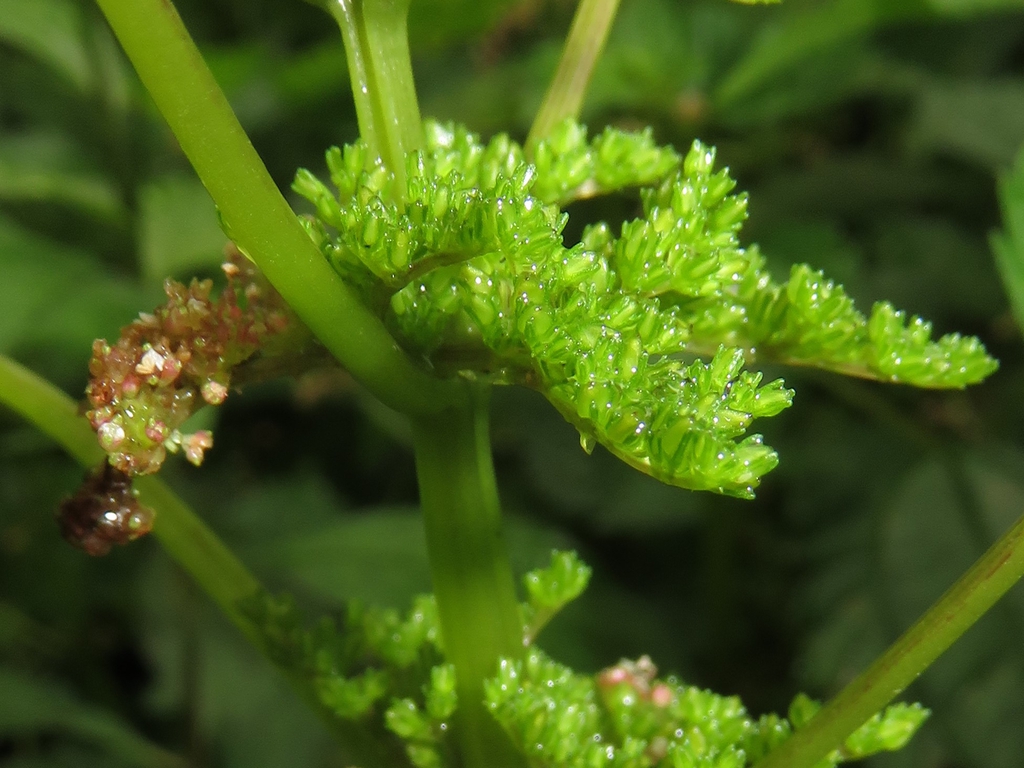
- Wind pollinated, inconspicuous flowers form from mid-summer to fall in racemes 1 inch long in the leaf axils. Petal-less individual flowers are green, white, and yellow and less than 1/8 inch. The raceme is usually shorter than the petiole, slightly curved, and more or less horizontal. Each plant has separate male and/or female flowers, and they are either greenish white or greenish yellow. The male flowers have 4 sepals, and 4 stamens, while the female flowers have 3 sepals, and 1 pistil. There is no floral scent.
-
-
Leaves:
- Leaf Color:
- Green
- Leaf Type:
- Simple
- Leaf Arrangement:
- Opposite
- Leaf Shape:
- Ovate
- Leaf Margin:
- Serrate
- Hairs Present:
- No
- Leaf Length:
- 3-6 inches
- Leaf Width:
- 1-3 inches
- Leaf Description:
- The leaves are dark green, simple, opposite, ovate, and hairless with serrate margins. Undersides are almost white. Leaves are ¾ to 4 inches long and half as much across. Each leaf has a thin membranous texture with a prominent central vein and two conspicuous side veins. The petioles of the leaves are quite long, frequently 1" in length or more.
-
-
Stem:
- Stem Color:
- Gray/Silver
- Green
- Red/Burgundy
- Stem Is Aromatic:
- No
- Stem Cross Section:
- Round
- Stem Surface:
- Smooth (glabrous)
- Stem Description:
- Occasionally branching, the stems are smooth, round, and translucent. They are light green, greyish green, or reddish green.
-
-
Landscape:
- Landscape Location:
- Woodland
- Landscape Theme:
- Rain Garden
- Water Garden
- Design Feature:
- Border
- Specimen