



Fraxinus
Common Name(s):
- Phonetic Spelling
- FRAK-si-nus
- Description
-
Ash trees are found throughout North America, Centra America, Europe, Asia, and parts of North Africa. Several species are native to North Carolina. They are members of the olive family (Oleaceae). The genus name is a classical name for the trees.
Ash trees are generally easy to grow in sunny or partially shaded situations. They grow in any soil type but do best where moisture is continuously available. Growing ash trees is risky, given the destructive emerald ash borer that is now established in our area. Learn more about efforts to control emerald ash borer from Biological Control of Emerald Ash Borer in North Carolina.
Insects, Diseases, and Other Plant Problems: The emerald ash borer is the most serious existential threat to ash trees, but other pests include ash flower gall mite, brownheaded ash sawfly, ash lacebug, and the redheade ash borer.
- See this plant in the following landscape :
- Cultivars / Varieties:
- Fraxinus americana, Fraxinus angustifolia subsp. oxycarpa, Fraxinus caroliniana, Fraxinus latifolia, Fraxinus nigra, Fraxinus pennsylvanica, Fraxinus profunda, Fraxinus quadrangulata
- Tags:




- Cultivars / Varieties:
- Fraxinus americana, Fraxinus angustifolia subsp. oxycarpa, Fraxinus caroliniana, Fraxinus latifolia, Fraxinus nigra, Fraxinus pennsylvanica, Fraxinus profunda, Fraxinus quadrangulata
- Tags:
-
-
Attributes:
- Genus:
- Fraxinus
- Family:
- Oleaceae
- Play Value:
- Wildlife Cover/Habitat
- Wildlife Larval Host
- Wildlife Nesting
-
-
Whole Plant Traits:
- Plant Type:
- Perennial
- Woody Plant Leaf Characteristics:
- Deciduous
- Habit/Form:
- Ascending
- Erect
- Rounded
- Spreading
- Vase
- Growth Rate:
- Rapid
- Maintenance:
- Medium
- Texture:
- Medium
-
-
Cultural Conditions:
- Light:
- Full sun (6 or more hours of direct sunlight a day)
- Partial Shade (Direct sunlight only part of the day, 2-6 hours)
- Soil Texture:
- Clay
- High Organic Matter
- Loam (Silt)
- Sand
- Soil Drainage:
- Moist
- Occasional Flooding
- Occasionally Wet
- Available Space To Plant:
- 24-60 feet
- NC Region:
- Coastal
- Mountains
- Piedmont
- USDA Plant Hardiness Zone:
- 4a, 4b, 5a, 5b, 6a, 6b, 7a, 7b, 8a, 8b, 9a
-
-
Flowers:
- Flower Color:
- Insignificant
- Flower Inflorescence:
- Panicle
- Flower Bloom Time:
- Spring
- Flower Size:
- < 1 inch
- Flower Description:
- Small, greenish flowers in large panicles.
-
-
Leaves:
- Woody Plant Leaf Characteristics:
- Deciduous
- Leaf Color:
- Green
- Leaf Feel:
- Papery
- Leaf Value To Gardener:
- Showy
- Deciduous Leaf Fall Color:
- Gold/Yellow
- Orange
- Leaf Type:
- Compound (Pinnately , Bipinnately, Palmately)
- Leaf Arrangement:
- Opposite
- Leaf Margin:
- Entire
- Hairs Present:
- No
- Leaf Description:
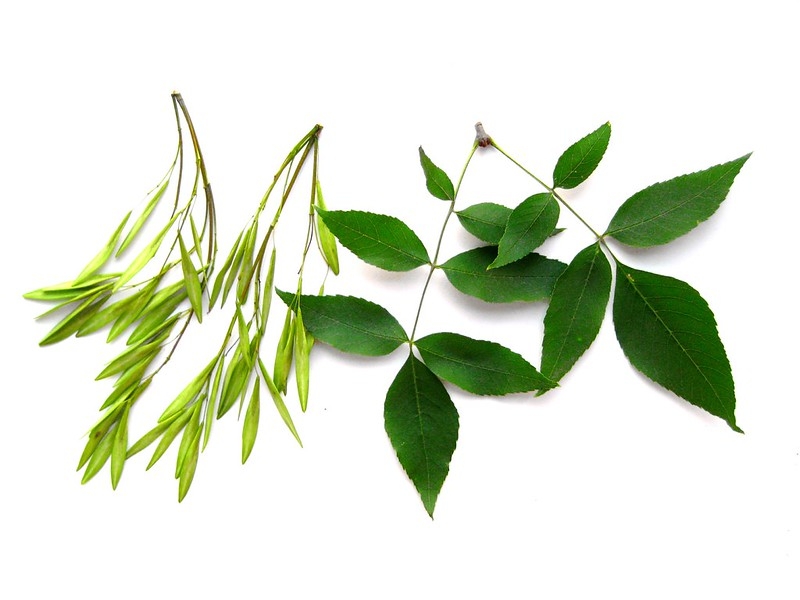
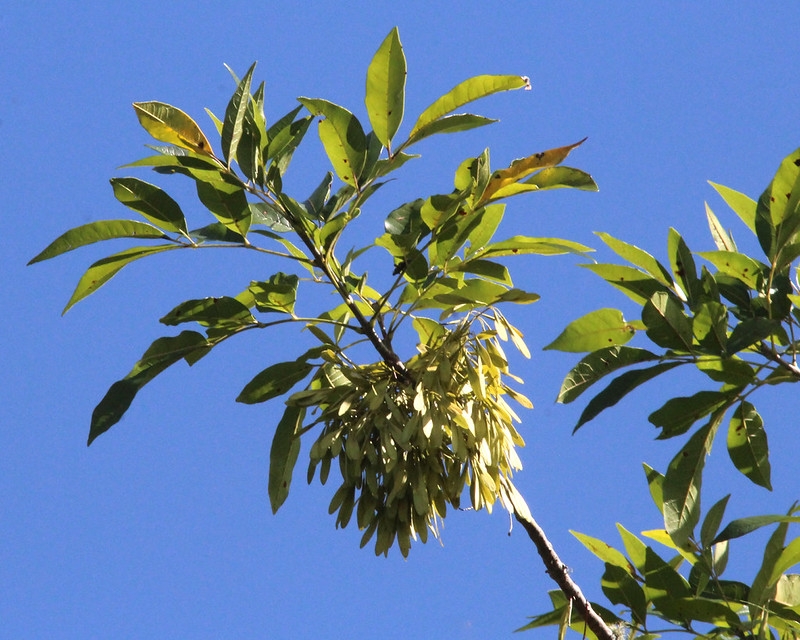
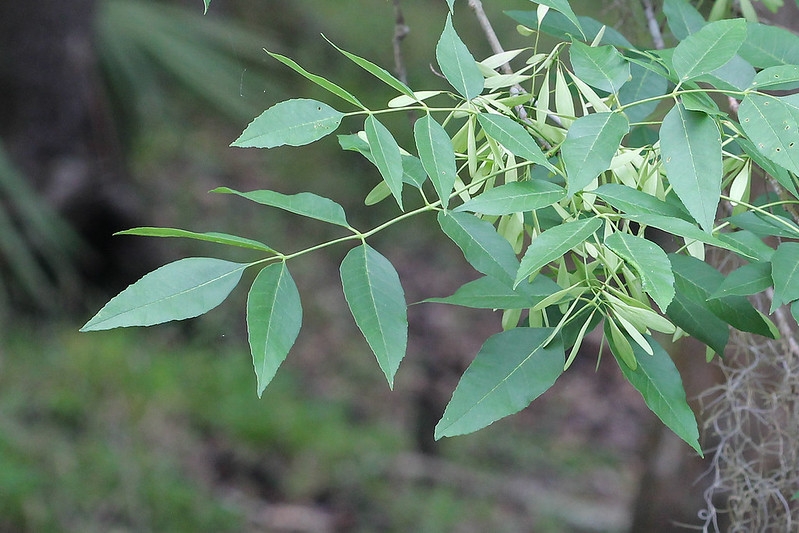
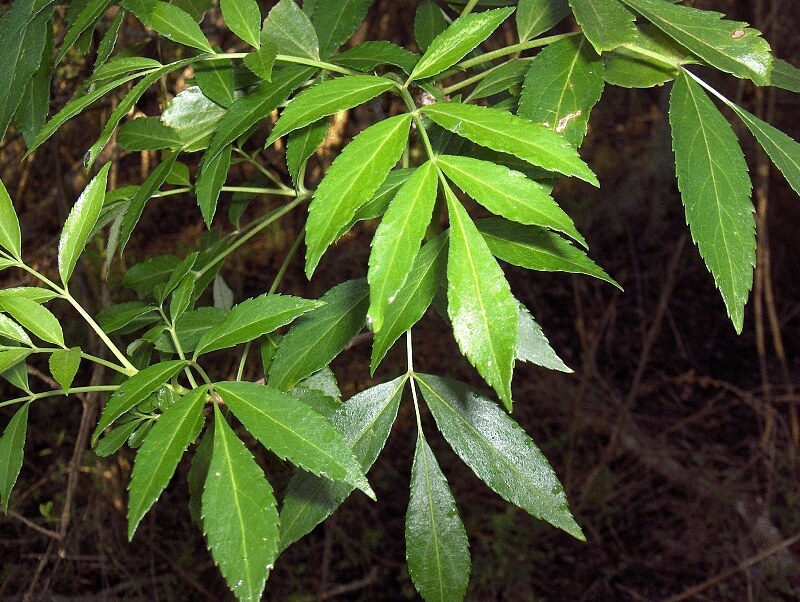
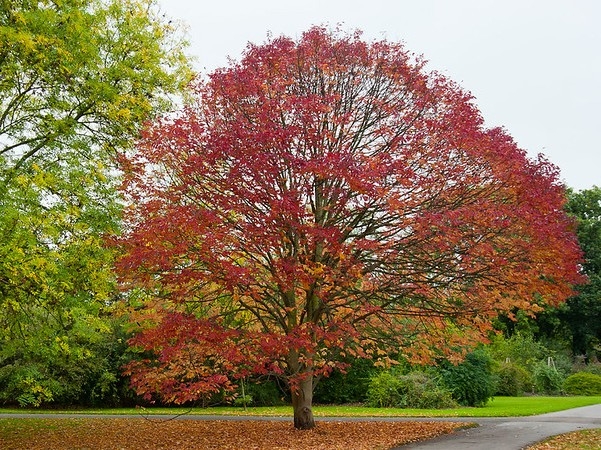
- The pinnately compound, opposite leaves make excellent shade.
-
-
Stem:
- Stem Is Aromatic:
- No
-
-
Landscape:
- Landscape Theme:
- Asian Garden
- Children's Garden
- Cottage Garden
- Native Garden
- Design Feature:
- Barrier
- Foundation Planting
- Shade Tree
- Specimen
- Street Tree
- Attracts:
- Pollinators
- Songbirds
- Problems:
- Frequent Insect Problems



