



Blowfly Grass Briza maxima
Other Common Name(s):
Previously known as:
- Briza major
- Phonetic Spelling
- BRIH-za MAKS-ih-mah
- Description
-
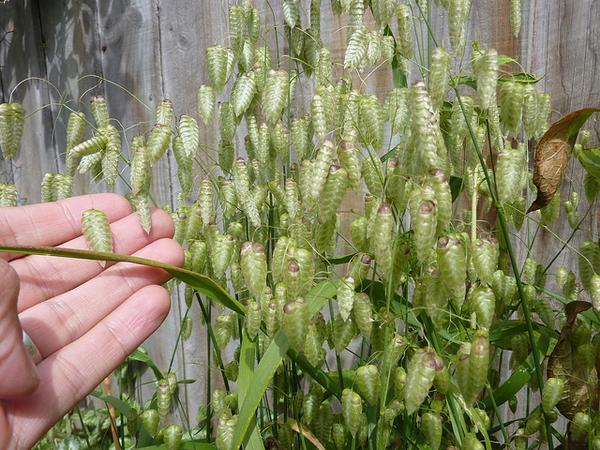
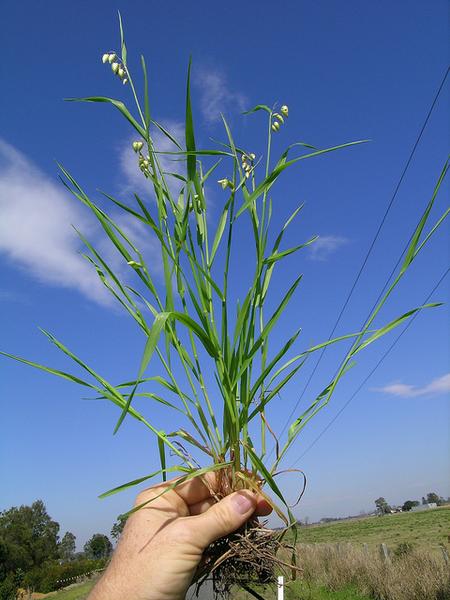
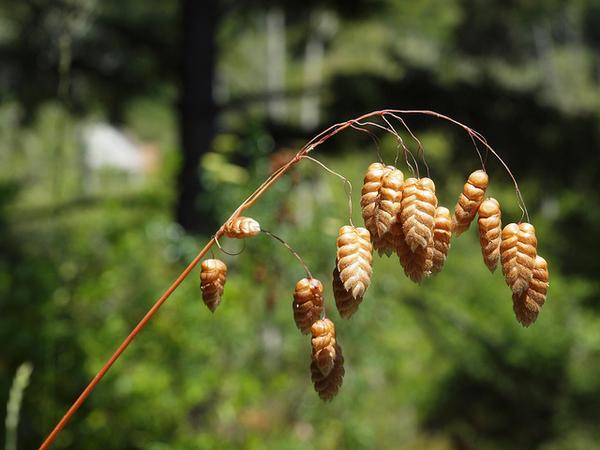
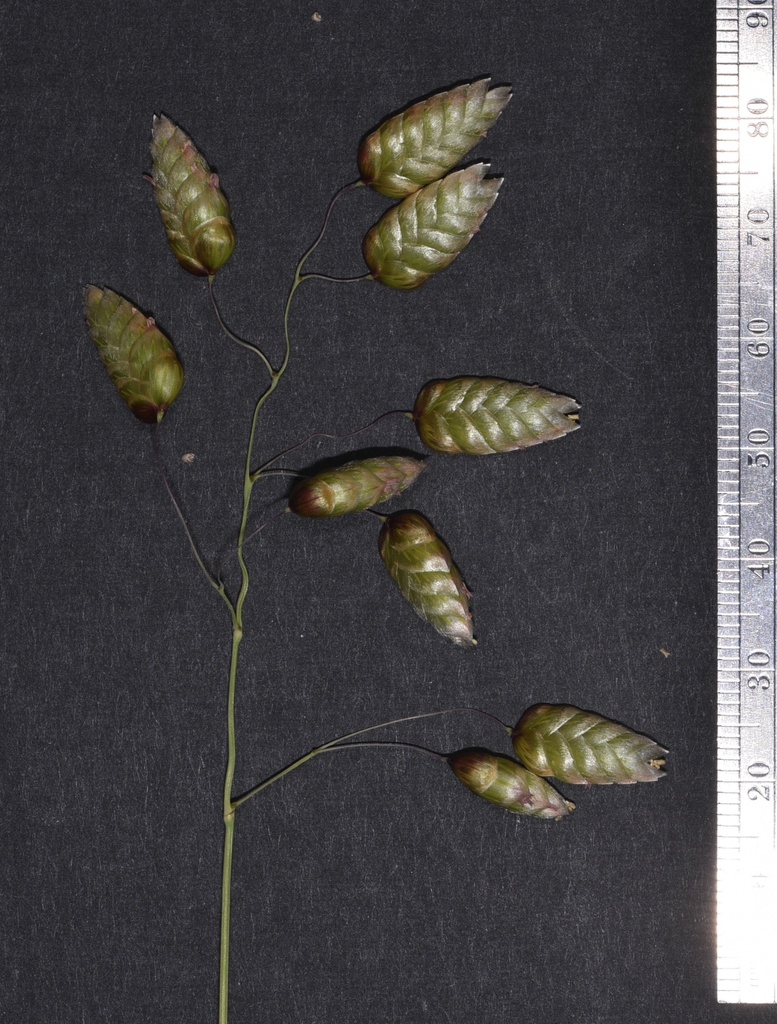
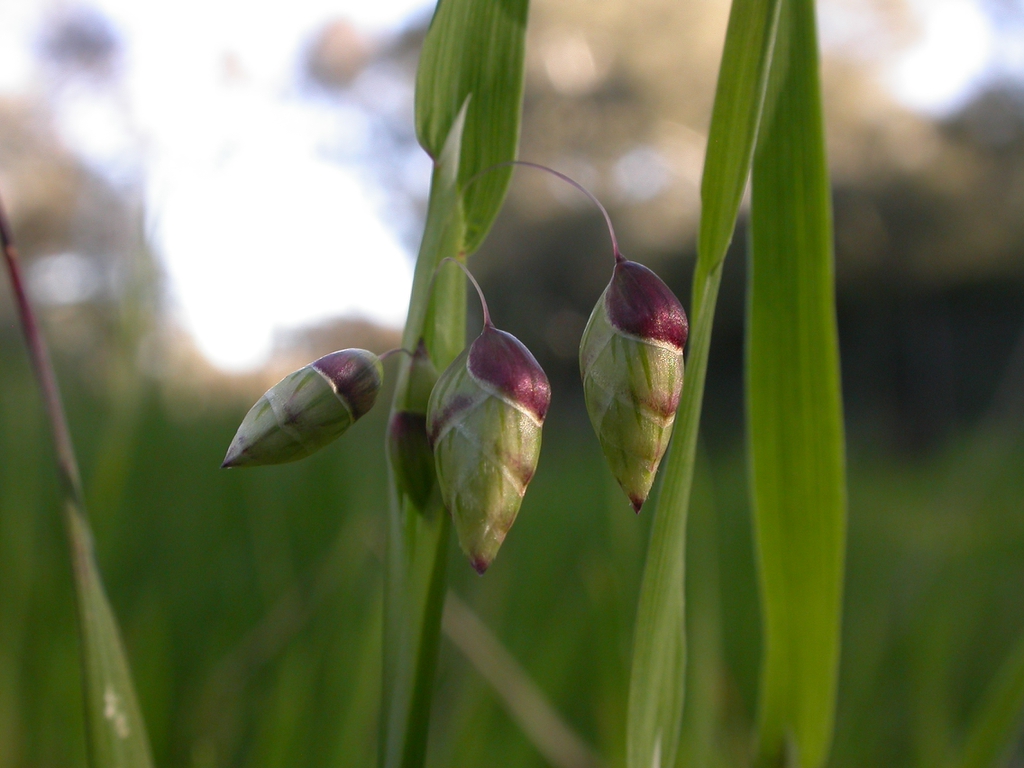
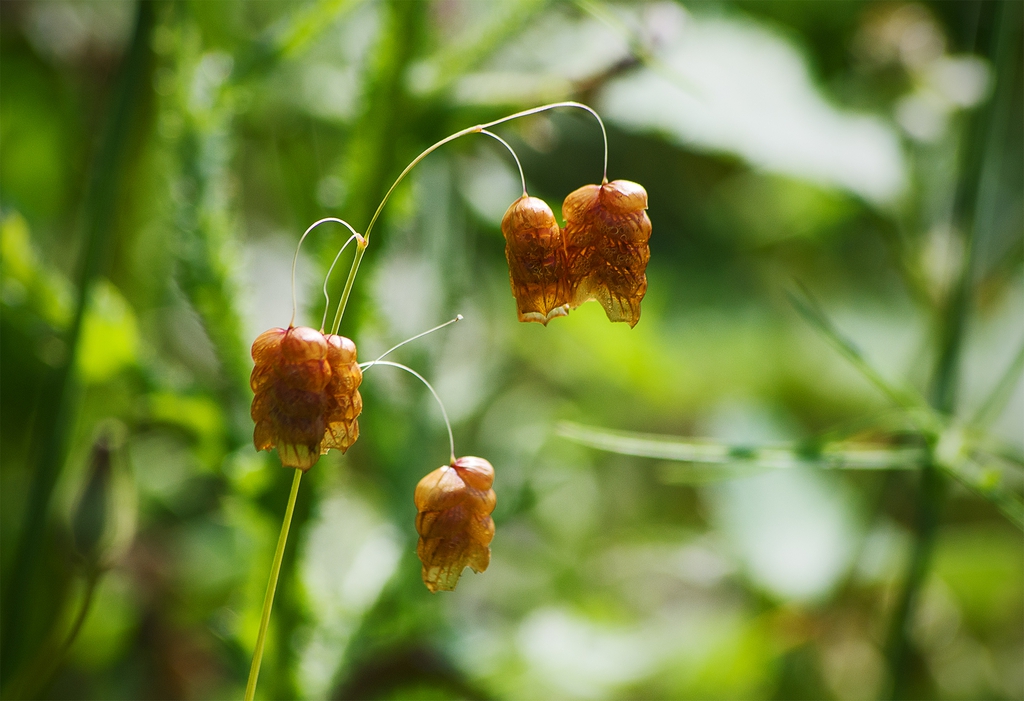
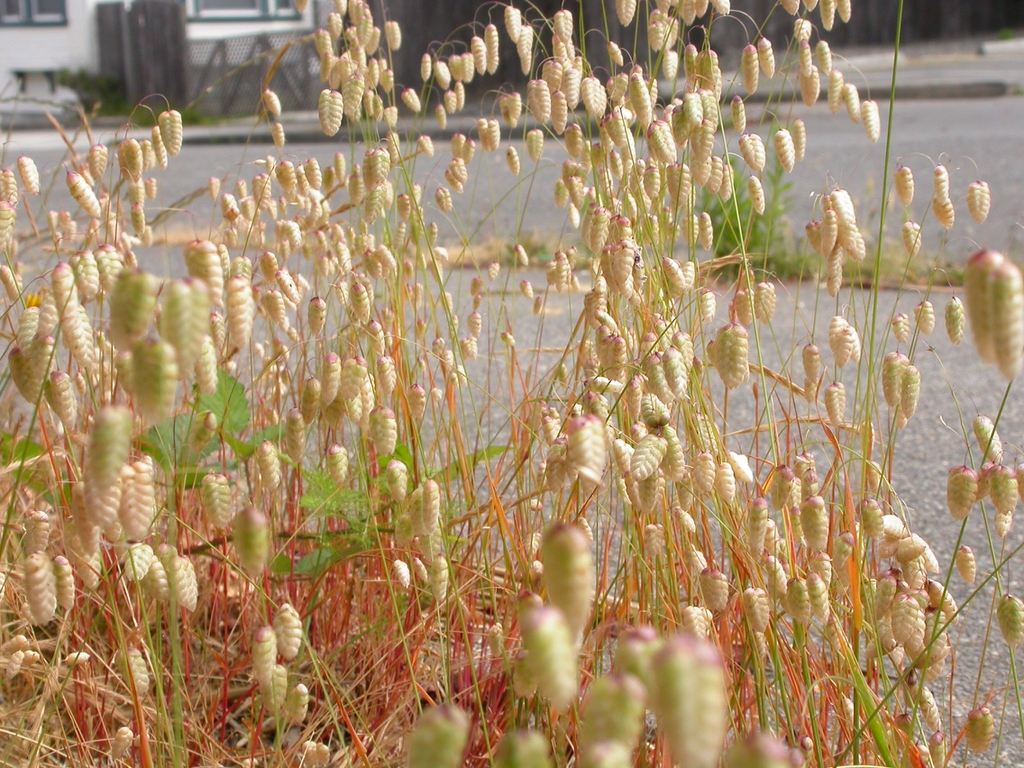
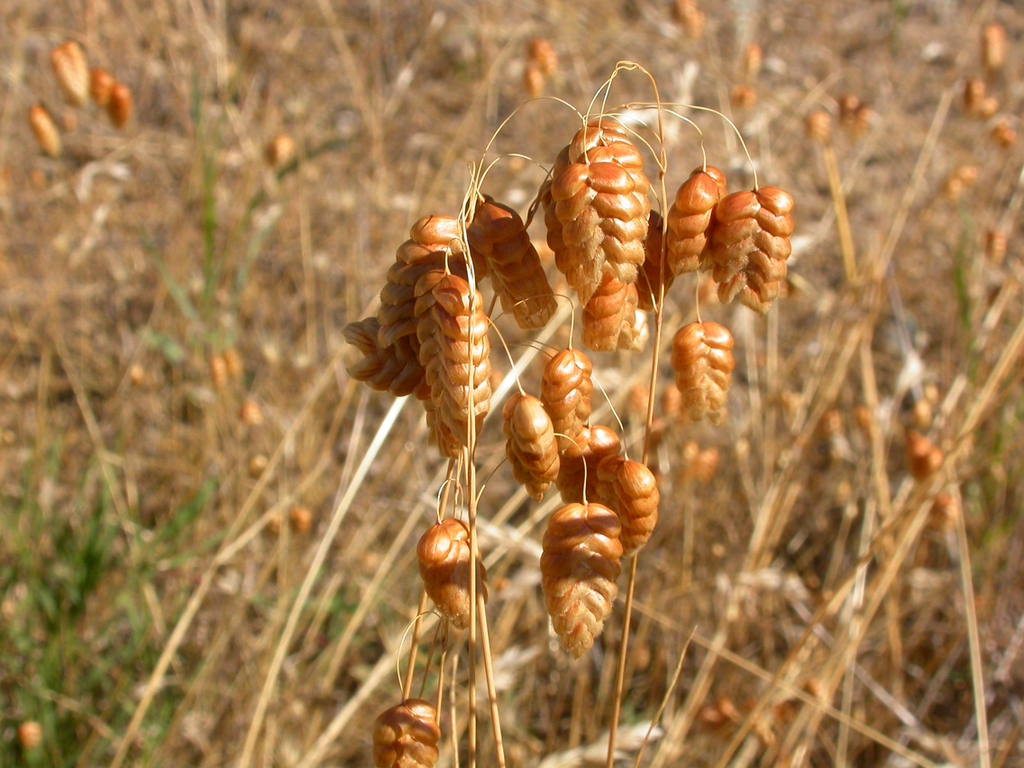
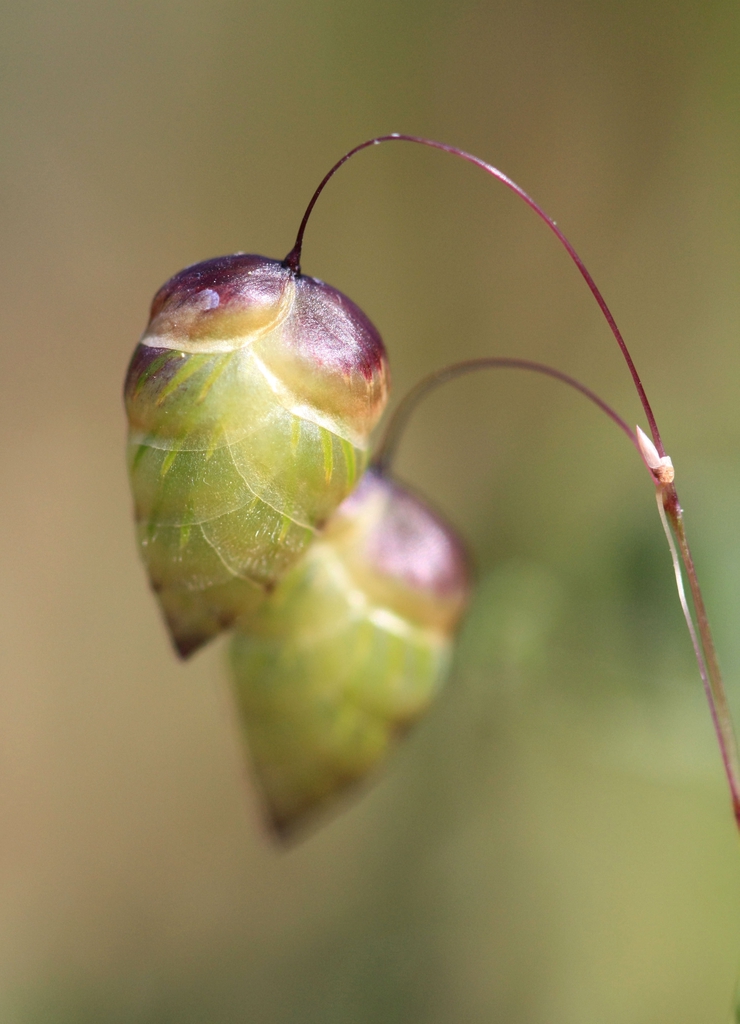
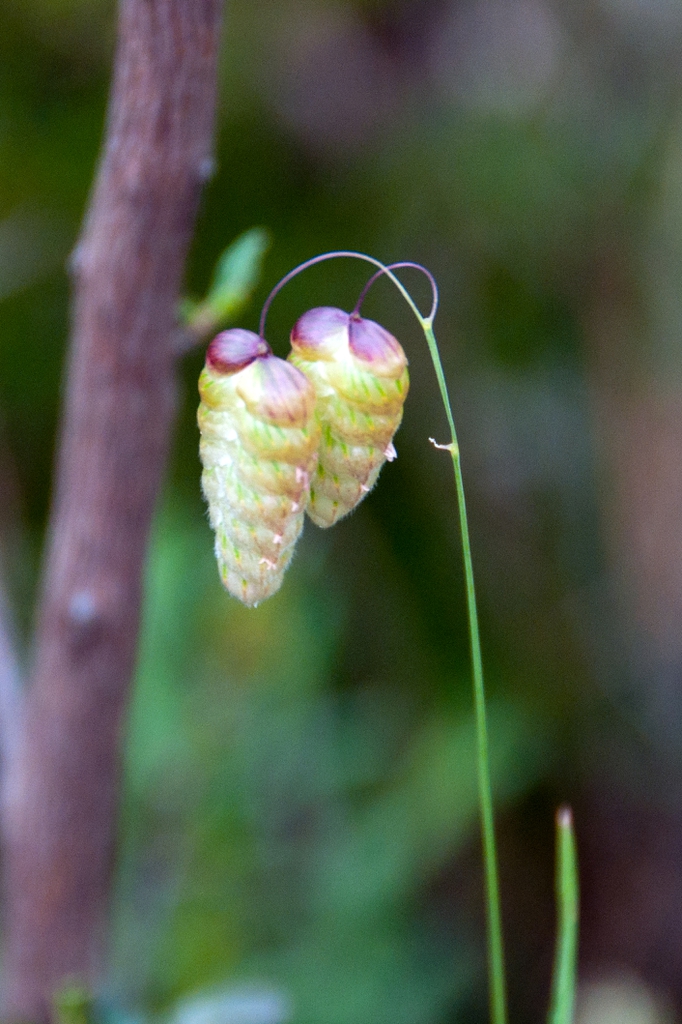
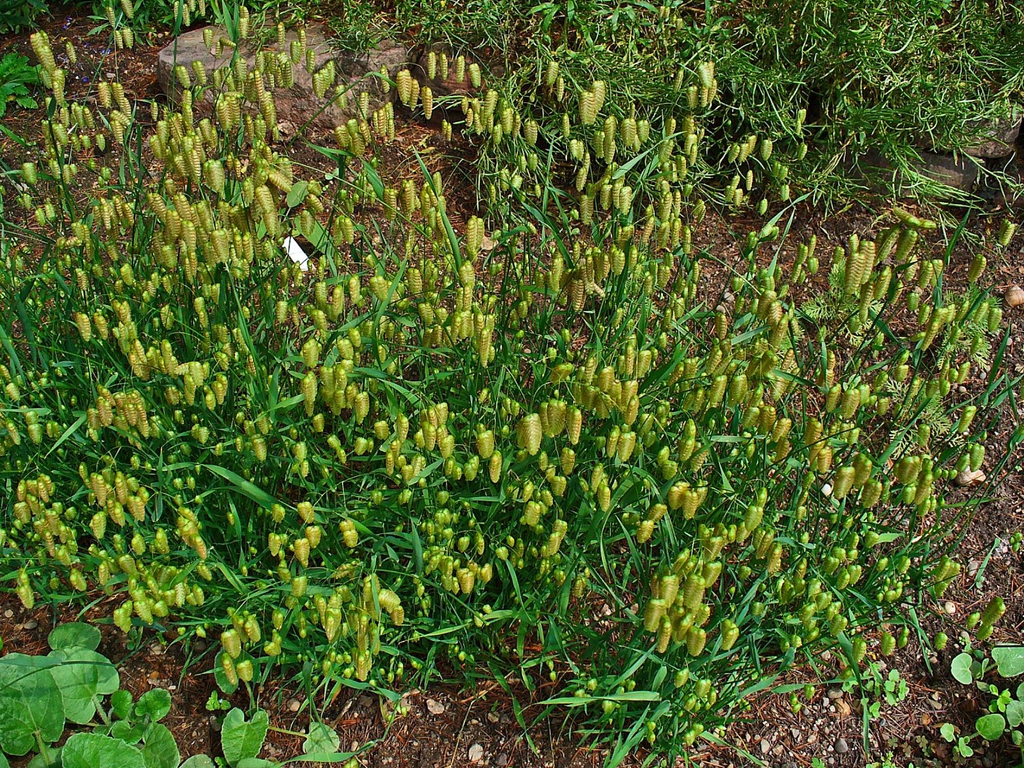
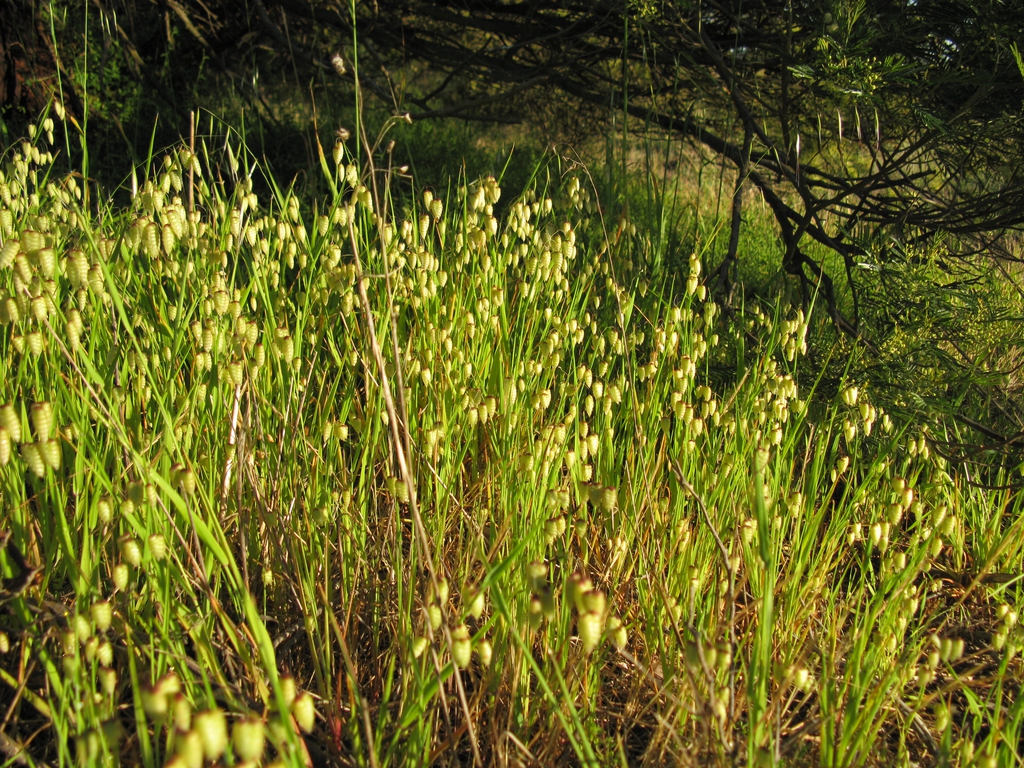
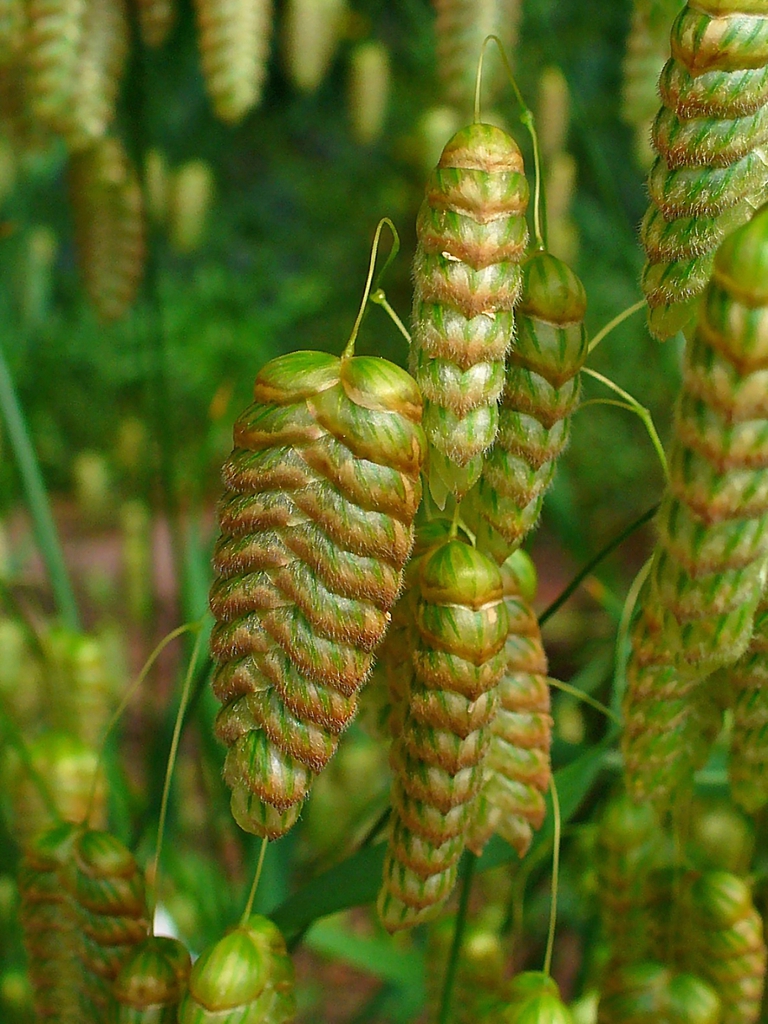
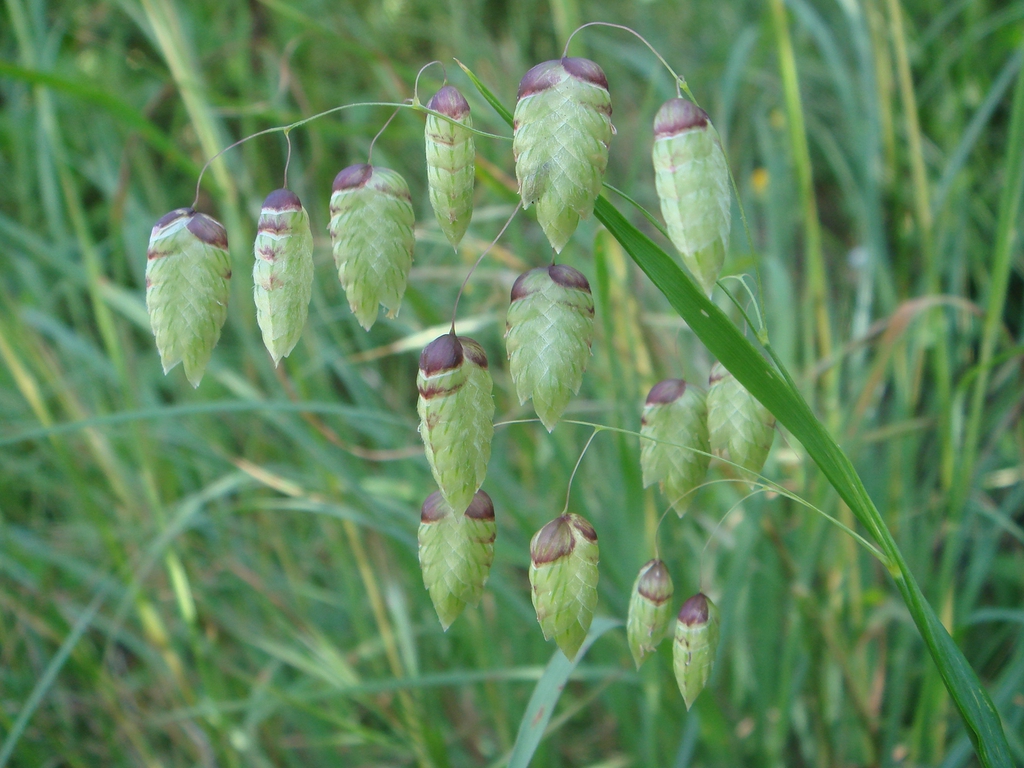
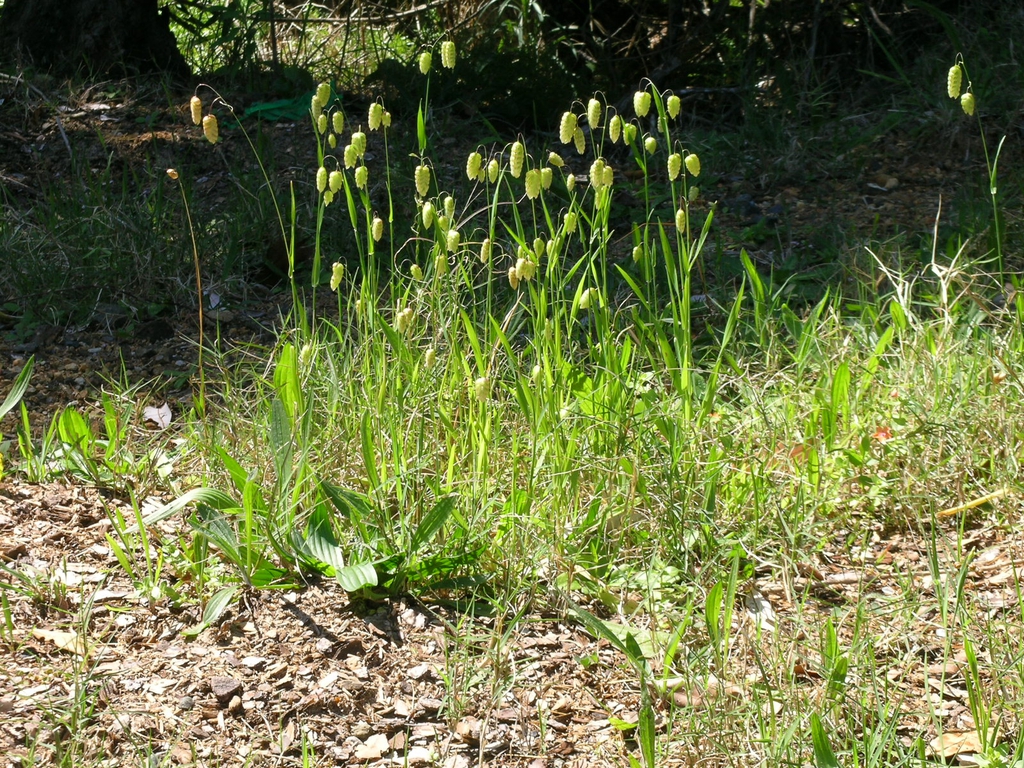
Great Quaking Grass is an annual or short lived perennial, ornamental, summer grass native to the Mediterranean countries. It is good for dried arrangements and is fire resistant. This plant has open, puffy, overlapping, scale-like seeds, inconspicuous flowers, and is reddish-brown or tan, touched with green.
Great Quaking Grass does best in full sun and well-drained soil and tolerates most soil types, including poor soil.
This plant is also sold as Briza major and may be confused with Briza Minor although Briza Minor is smaller in size.
Great Quaking Grass is considered invasive in California.
Diseases, Insect Pests, and Other Plant Problems:
No known diseases or insect pests.
- See this plant in the following landscape :
- Cultivars / Varieties:
-
- Tags:


- Cultivars / Varieties:
-
- Tags:
-
-
Attributes:
- Genus:
- Briza
- Species:
- maxima
- Family:
- Poaceae
- Life Cycle:
- Annual
- Perennial
- Recommended Propagation Strategy:
- Seed
- Country Or Region Of Origin:
- Native to European and African Mediterranean countries.
- Distribution:
- Worldwide distribution in northern and temperate climates.
- Particularly Resistant To (Insects/Diseases/Other Problems):
- poor soil
-
-
Whole Plant Traits:
- Plant Type:
- Annual
- Ornamental Grasses and Sedges
- Woody Plant Leaf Characteristics:
- Deciduous
- Semi-evergreen
- Habit/Form:
- Erect
- Multi-stemmed
- Growth Rate:
- Rapid
- Maintenance:
- Low
- Texture:
- Fine
-
-
Cultural Conditions:
- Light:
- Full sun (6 or more hours of direct sunlight a day)
- Soil Texture:
- Clay
- Loam (Silt)
- Sand
- Soil pH:
- Neutral (6.0-8.0)
- Soil Drainage:
- Good Drainage
- Moist
- USDA Plant Hardiness Zone:
- 2a, 2b, 3a, 3b, 4a, 4b, 5a, 5b, 6a, 6b
-
-
Fruit:
- Fruit Type:
- Caryopsis
- Fruit Description:
- One fruit may be a covered with a thin pericarp or an utricle with the seed being free.
-
-
Flowers:
- Flower Color:
- Brown/Copper
- Cream/Tan
- Gold/Yellow
- Green
- Flower Inflorescence:
- Insignificant
- Spike
- Flower Value To Gardener:
- Good Dried
- Flower Bloom Time:
- Spring
- Summer
- Flower Description:
- Long lasting panicles of large, flat, ovate, pale yellow spikelets which dangle from slender branches.
-
-
Leaves:
- Woody Plant Leaf Characteristics:
- Deciduous
- Semi-evergreen
- Leaf Color:
- Green
- Leaf Value To Gardener:
- Good Cut
- Good Dried
- Deciduous Leaf Fall Color:
- Gold/Yellow
- Leaf Type:
- Simple
- Leaf Arrangement:
- Alternate
- Leaf Shape:
- Lanceolate
- Linear
- Ovate
- Hairs Present:
- No
- Leaf Length:
- > 6 inches
- Leaf Width:
- < 1 inch
- Leaf Description:
- Dense tufts of flat, linear leaves. The two-part leaf has a sheath and a blade, narrow or broad, and the size is variable up to 16 feet long.
-
-
Stem:
- Stem Is Aromatic:
- No
-
-
Landscape:
- Landscape Theme:
- Cottage Garden
- Design Feature:
- Mass Planting
- Resistance To Challenges:
- Poor Soil



