


Quercus oglethorpensis
Common Name(s):
- Phonetic Spelling
- KWER-kus oh-gle-thorp-EN-sis
- This plant has low severity poison characteristics.
- See below
- Description
-
Oglethorpe oak is a deciduous tree in the white oak faily (Fagaceae) and was first discovered in 1940 in Oglethorpe County, Georgia, from which it was named. It is an endangered species native to the Piedmont of the southeastern United States and is threatened by land use changes, competition, and chestnut blight disease caused by Cryphonectria parasitica. Conservation efforts are currently underway to save the tree by the Morton Arboretum and others who have established the tree.
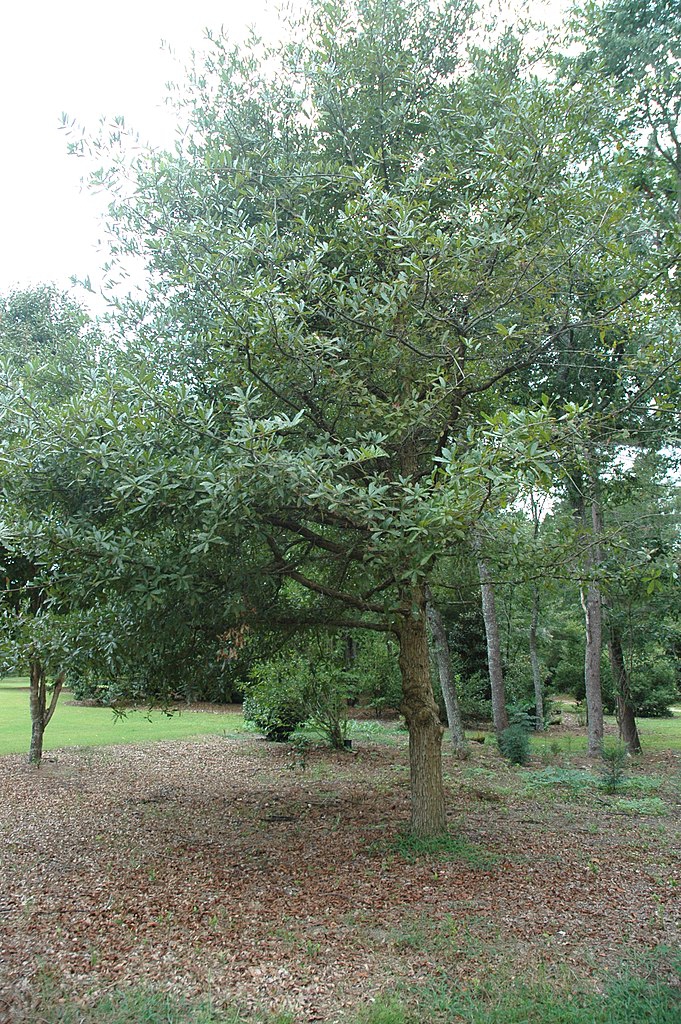
Oglethorpe oak grows 50 to 80 feet tall and 40 to 60 feet wide with a pyramidal to oval crown which becomes rounded with age. Lower branches often droop and the crown usually appears filled with sprouts and a dense growth of twigs. It grows in moist clay soils and tolerates wet sites in full sun.
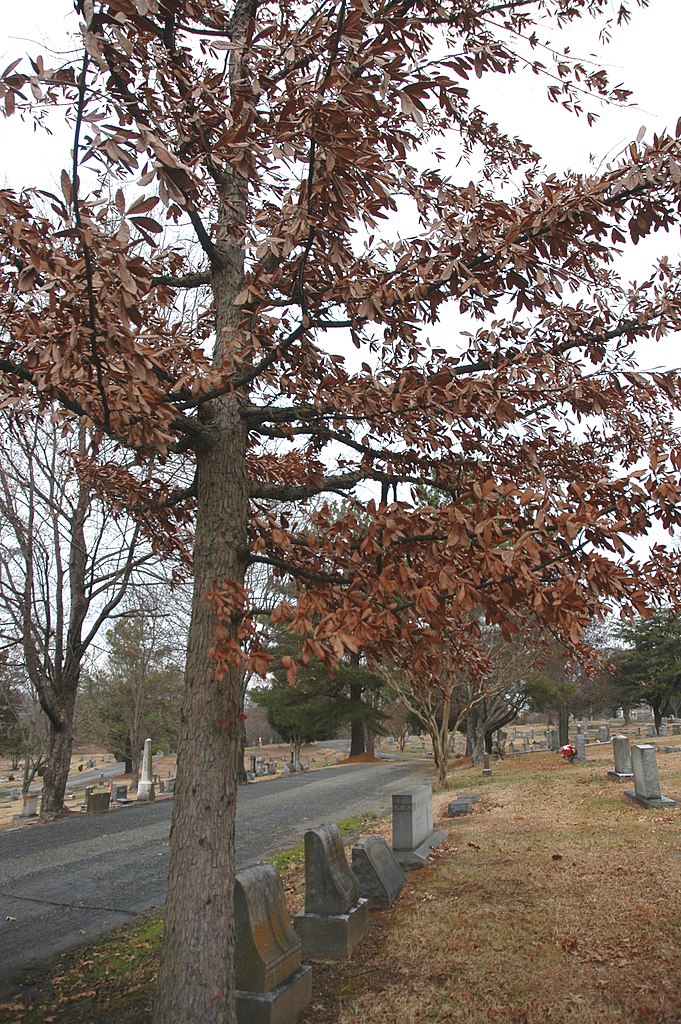
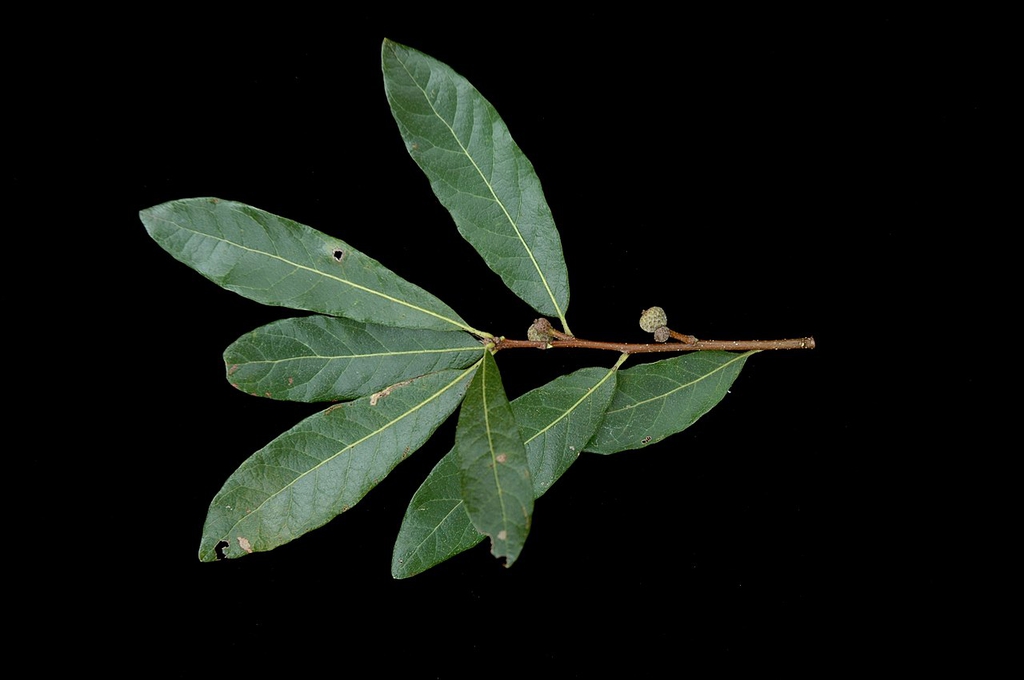
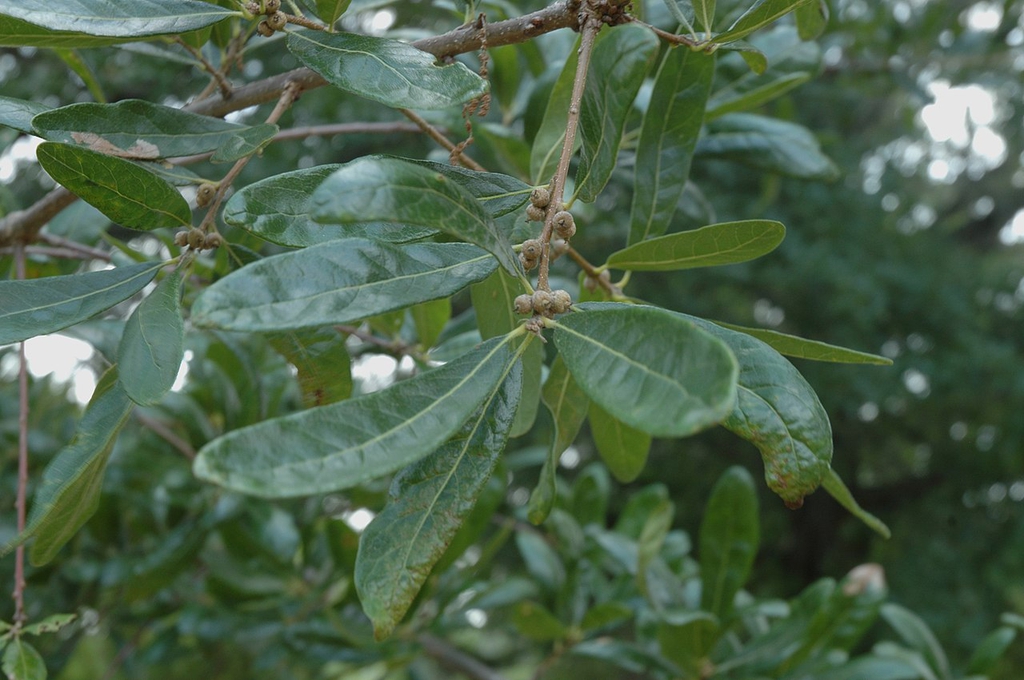
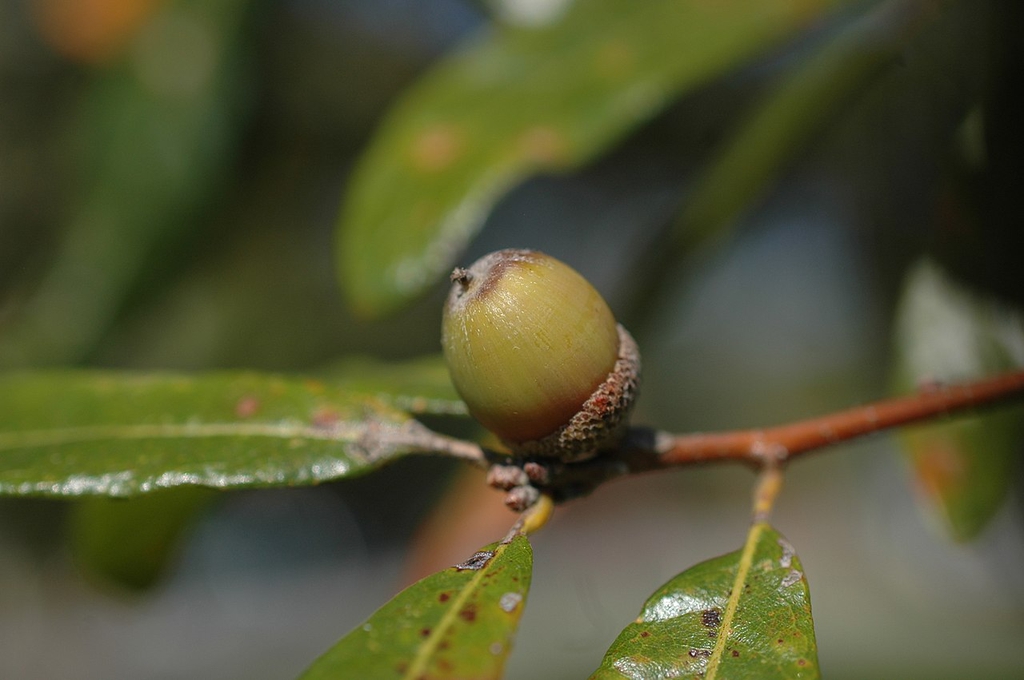
The leaves are similar to the Willow Oak in shape and turn red-brown in the fall and persist into winter. The annual acorns are dark gray to dark brown when mature and have a scaly, bowl-shaped cup.
Oglethorpe oak could be used around ponds, streams and bogs and in water and rain gardens.
Insects, Diseases, and Other Plant Problems: Susceptible to chestnut blight. See common pests and diseases of oaks to the left. The Clemson Cooperative Extension Home and Garden Information Center has a factsheet on common pests and insects.
- See this plant in the following landscape :
- Cultivars / Varieties:
-
- Tags:


- Cultivars / Varieties:
-
- Tags:
-
-
Attributes:
- Genus:
- Quercus
- Species:
- oglethorpensis
- Family:
- Fagaceae
- Life Cycle:
- Perennial
- Woody
- Recommended Propagation Strategy:
- Seed
- Country Or Region Of Origin:
- Alabama, NE. Georgia, W. South Carolina, Louisiana, Mississippi
- Distribution:
- South Carolina, Georgia, Alabama, Mississippi and Louisiana
- Wildlife Value:
- Mildly resistant to deer damage. Birds and mammals eat the acorns. Oak trees support a wide variety of Lepidopteran. You may see Imperial Moth (Eacles imperialis) larvae which have one brood per season and appear from April-October in the south. Adult Imperial Moths do not feed. Banded Hairstreak (Satyrium calanus), which have one flight from June-August everywhere but Florida where they emerge April-May. Edward's Hairstreak (Satyrium edwardsii), has one flight from May-July in the south and June-July in the north. Gray Hairstreak (Strymon melinus), has three to four flights in the south from February-November and two flights in the north from May-September. White-M Hairstreak (Parrhasius m-album) has three broods in the north from February-October. Horace’s Duskywing (Erynnis horatius) has three broods in Texas and the deep south from January-November, and two broods in the north from April-September. Juvenal’s Duskywing (Erynnis juvenalis) has one brood from April-June, appearing as early as January in Florida.
- Play Value:
- Wildlife Food Source
- Edibility:
- Acorns (nuts) are edible after tannins are leached or boiled out.
- Dimensions:
- Height: 50 ft. 0 in. - 80 ft. 0 in.
- Width: 45 ft. 0 in. - 65 ft. 0 in.
-
-
Whole Plant Traits:
- Plant Type:
- Perennial
- Poisonous
- Tree
- Woody Plant Leaf Characteristics:
- Deciduous
- Habit/Form:
- Oval
- Pyramidal
- Rounded
-
-
Cultural Conditions:
- Light:
- Full sun (6 or more hours of direct sunlight a day)
- Soil Texture:
- Clay
- Loam (Silt)
- Soil Drainage:
- Good Drainage
- Moist
- Occasionally Wet
- Available Space To Plant:
- 24-60 feet
- NC Region:
- Piedmont
- USDA Plant Hardiness Zone:
- 6a, 6b, 7a, 7b, 8a, 8b
-
-
Fruit:
- Fruit Color:
- Brown/Copper
- Display/Harvest Time:
- Fall
- Fruit Type:
- Nut
- Fruit Length:
- < 1 inch
- Fruit Width:
- < 1 inch
- Fruit Description:
- 0.5 in. dark brown acorn enclosed 1/3 by a cup which is top-shaped, with appressed scales. They mature in 1 year;
-
-
Flowers:
- Flower Color:
- Brown/Copper
- Flower Inflorescence:
- Catkin
- Insignificant
- Flower Bloom Time:
- Spring
- Flower Description:
- Male and female flowers grow on the same tree. Male flowers are borne on hanging slender catkins and females are borne on short spikes.
-
-
Leaves:
- Woody Plant Leaf Characteristics:
- Deciduous
- Leaf Color:
- Green
- Leaf Feel:
- Leathery
- Deciduous Leaf Fall Color:
- Brown/Copper
- Red/Burgundy
- Leaf Type:
- Simple
- Leaf Arrangement:
- Alternate
- Leaf Shape:
- Elliptical
- Oblanceolate
- Leaf Margin:
- Entire
- Sinuate
- Hairs Present:
- Yes
- Leaf Length:
- 3-6 inches
- Leaf Width:
- 1-3 inches
- Leaf Description:
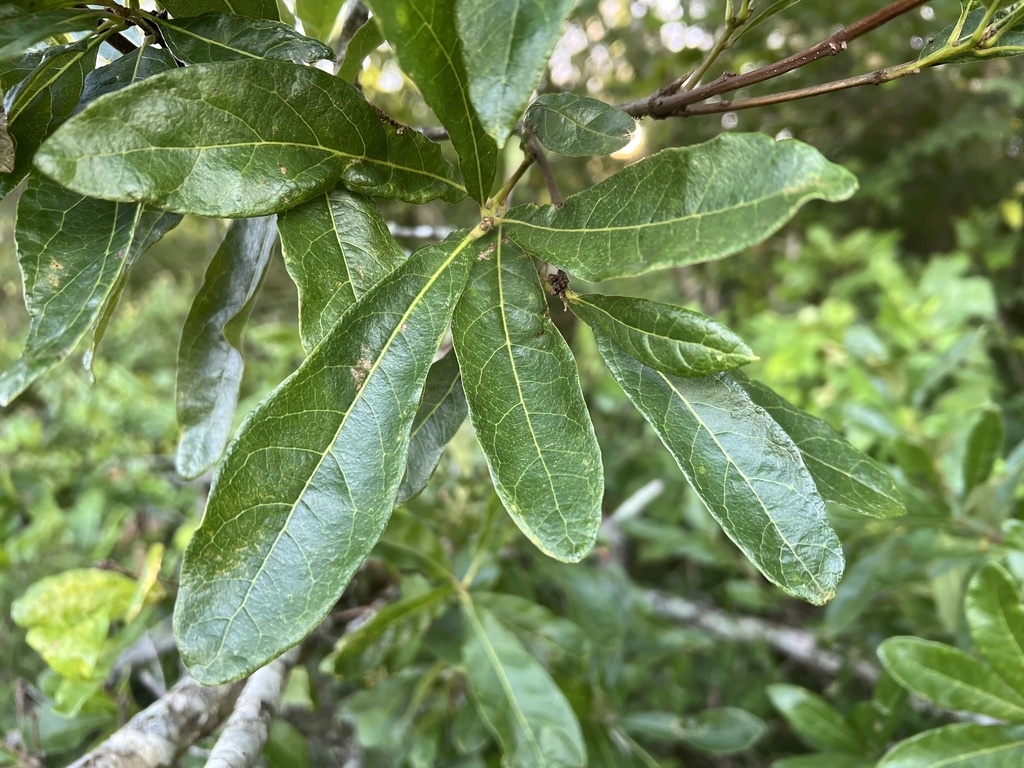
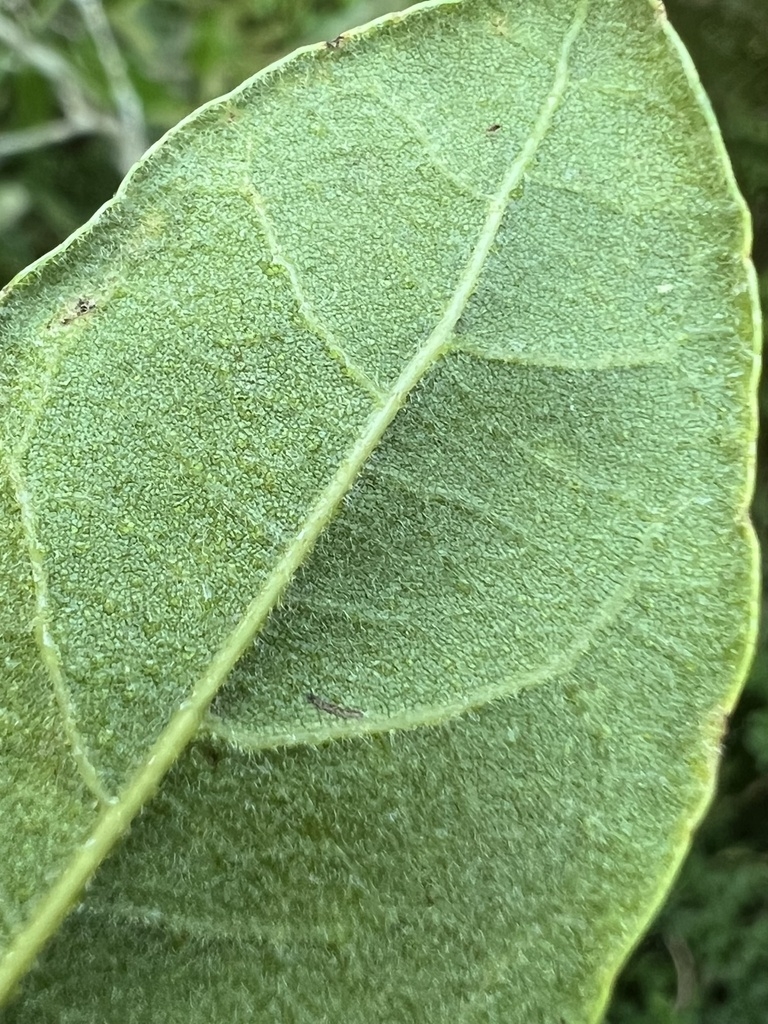
- Dark green leaves which are hairless above and light green beneath with yellowish pubescence. Leaves persist into winter. They are 2-5 inch long and 1/2 - 2 inches wide. Margins are smooth to wavy.
-
-
Bark:
- Bark Color:
- Light Brown
- Light Gray
- Surface/Attachment:
- Furrowed
- Ridges
- Bark Description:
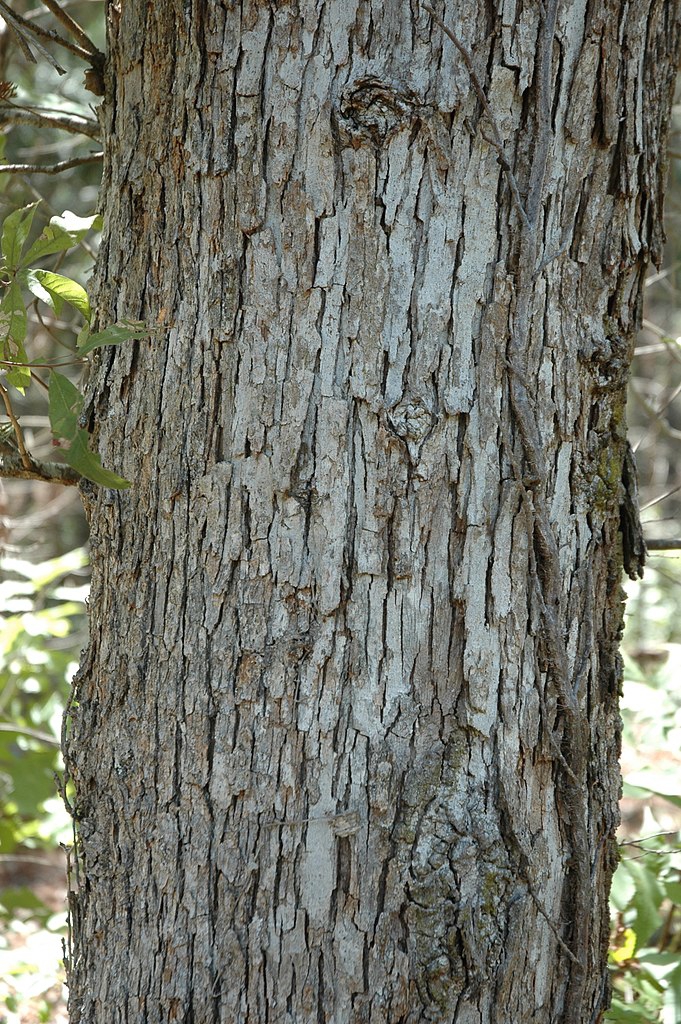
- The bark is gray-brown, tight and quite hard, with broad, irregular ridges and very shallow furrows.
-
-
Stem:
- Stem Color:
- Brown/Copper
- Gray/Silver
- Red/Burgundy
- Stem Is Aromatic:
- No
- Stem Description:
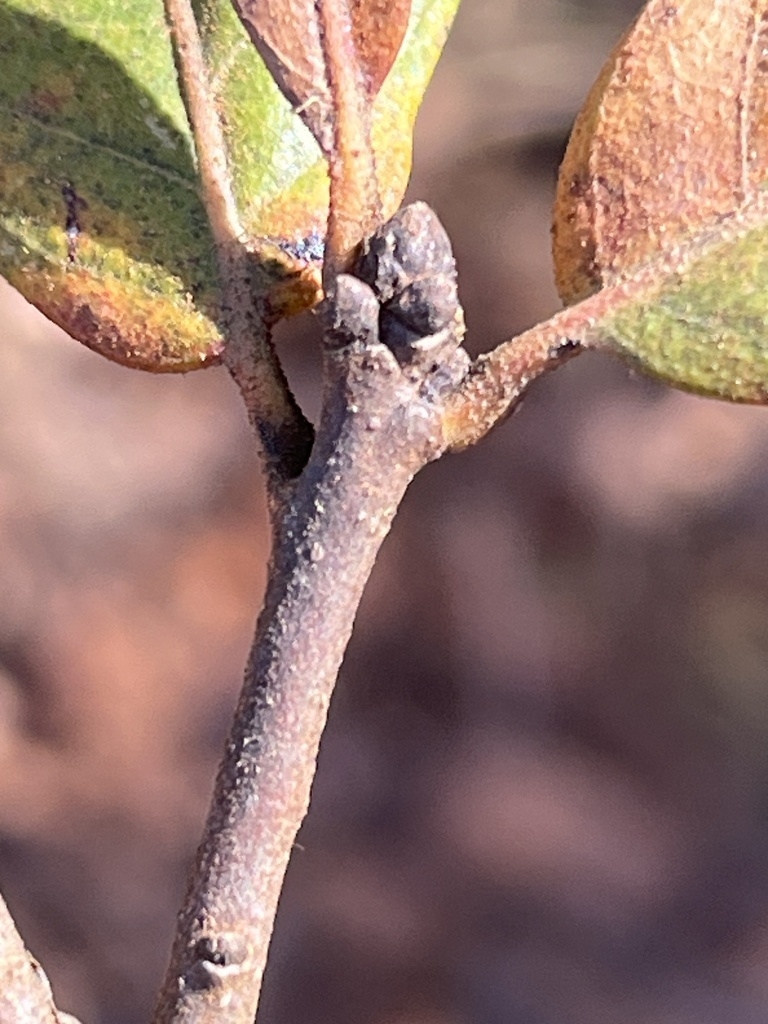
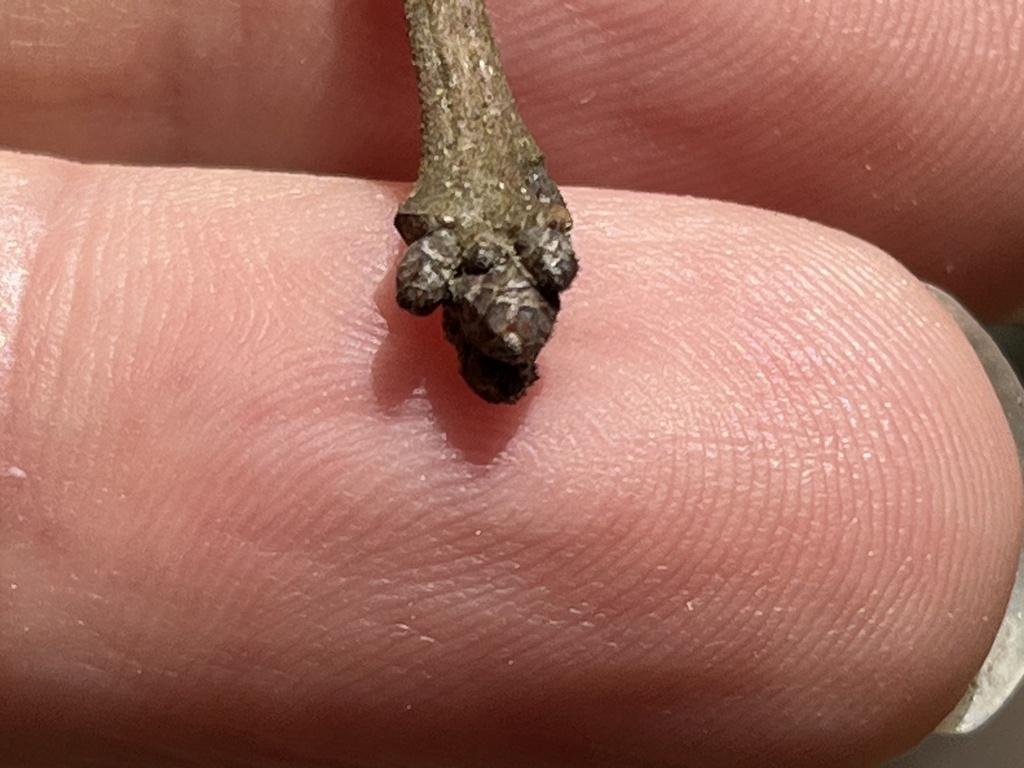
- Young twigs are reddish-brown and hairless. On older twigs and branches grayish.
-
-
Landscape:
- Landscape Location:
- Lawn
- Meadow
- Naturalized Area
- Pond
- Riparian
- Landscape Theme:
- Butterfly Garden
- Nighttime Garden
- Pollinator Garden
- Rain Garden
- Water Garden
- Design Feature:
- Shade Tree
- Attracts:
- Butterflies
- Moths
- Pollinators
- Resistance To Challenges:
- Deer
- Wet Soil
- Problems:
- Problem for Horses
-
-
Poisonous to Humans:
- Poison Severity:
- Low
- Poison Symptoms:
- Stomach pain, constipation and later bloody diarrhea, excessive thirst and urination if young leaves or raw acorns eaten.
- Poison Toxic Principle:
- Gallotannins, quercitrin, and quercitin.
- Causes Contact Dermatitis:
- No
- Poison Part:
- Fruits
- Leaves