


Oxlip Primula elatior
Other Common Name(s):
Previously known as:
- Primula veris elatior
- Primula veris var. elatior
- Description
-
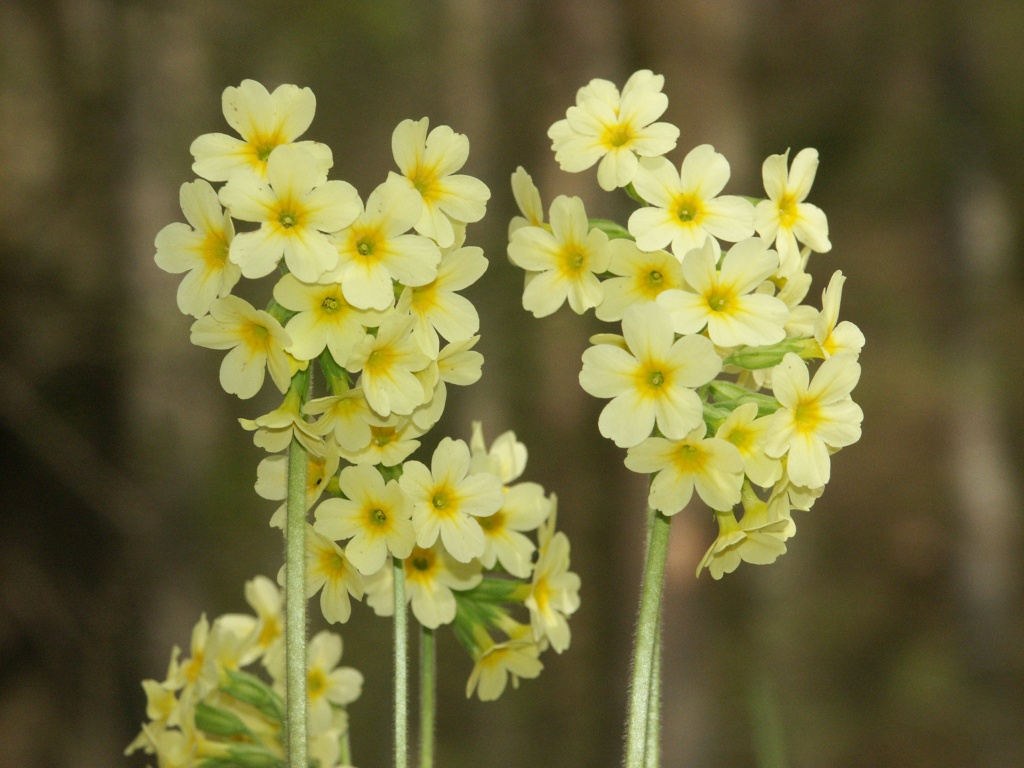
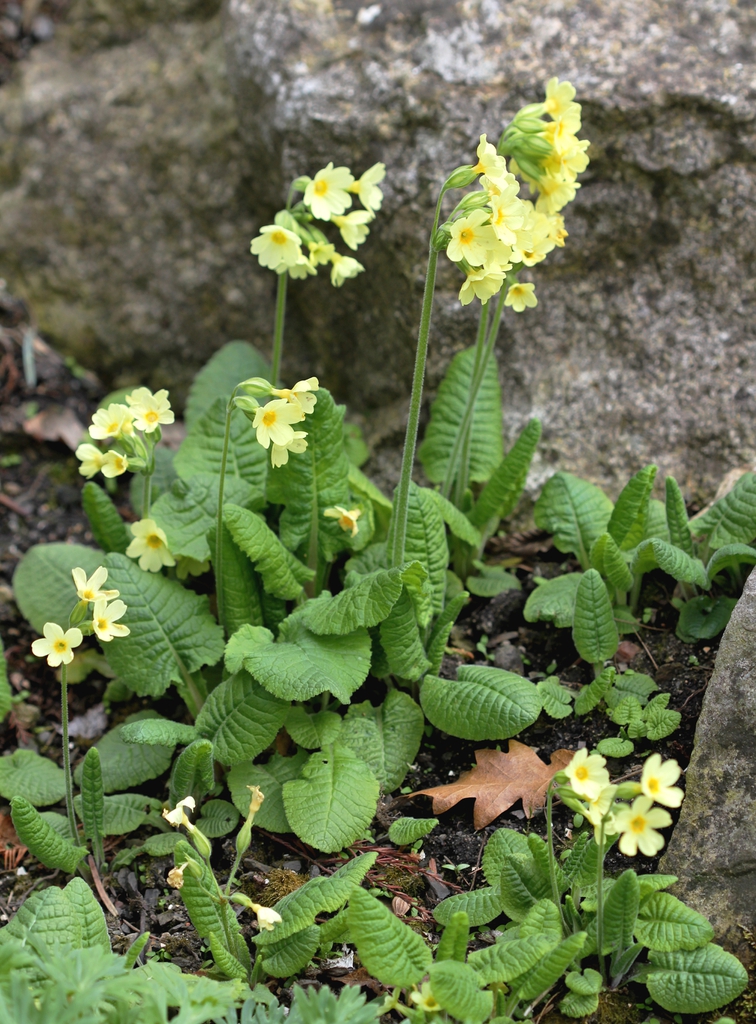
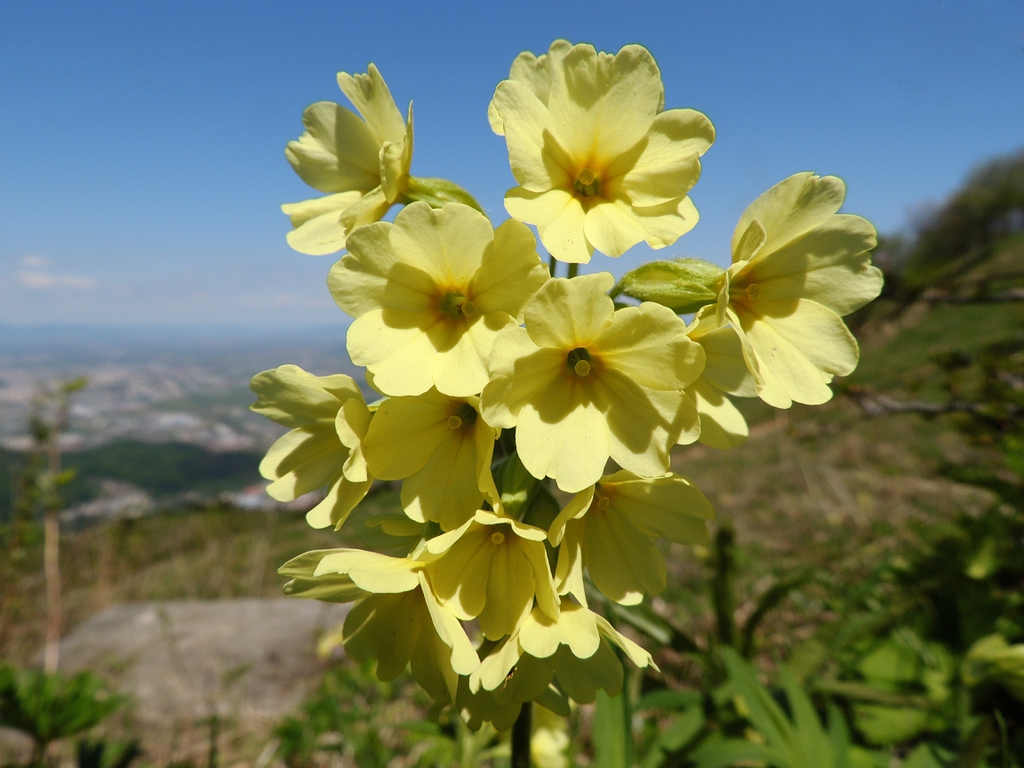
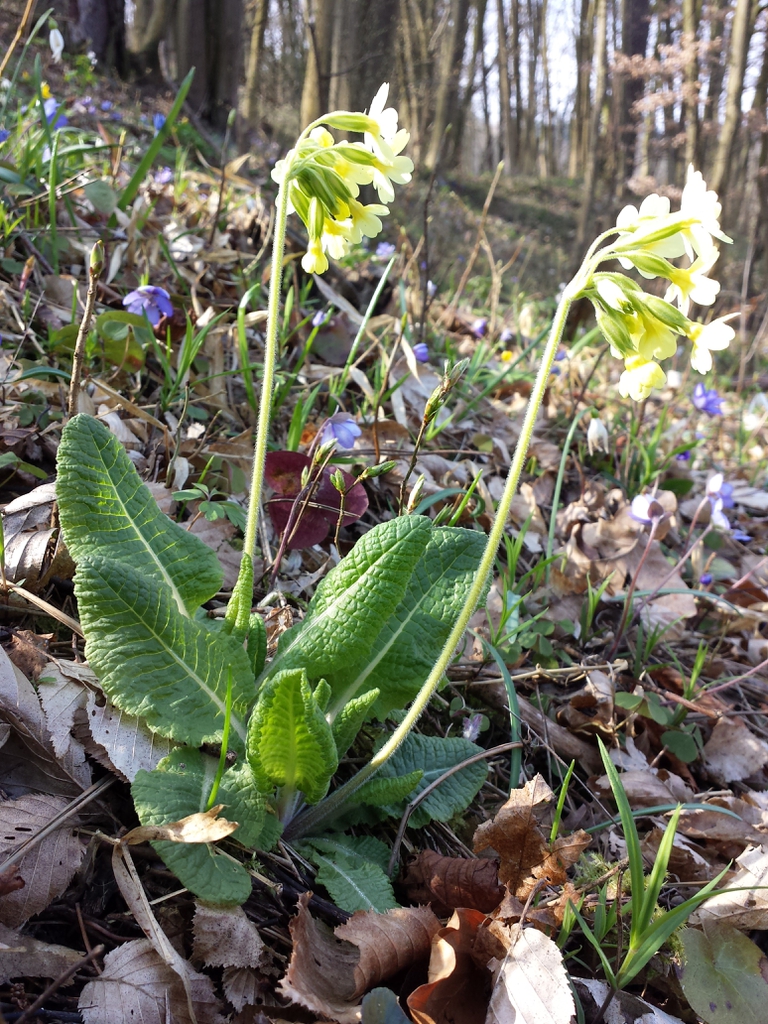
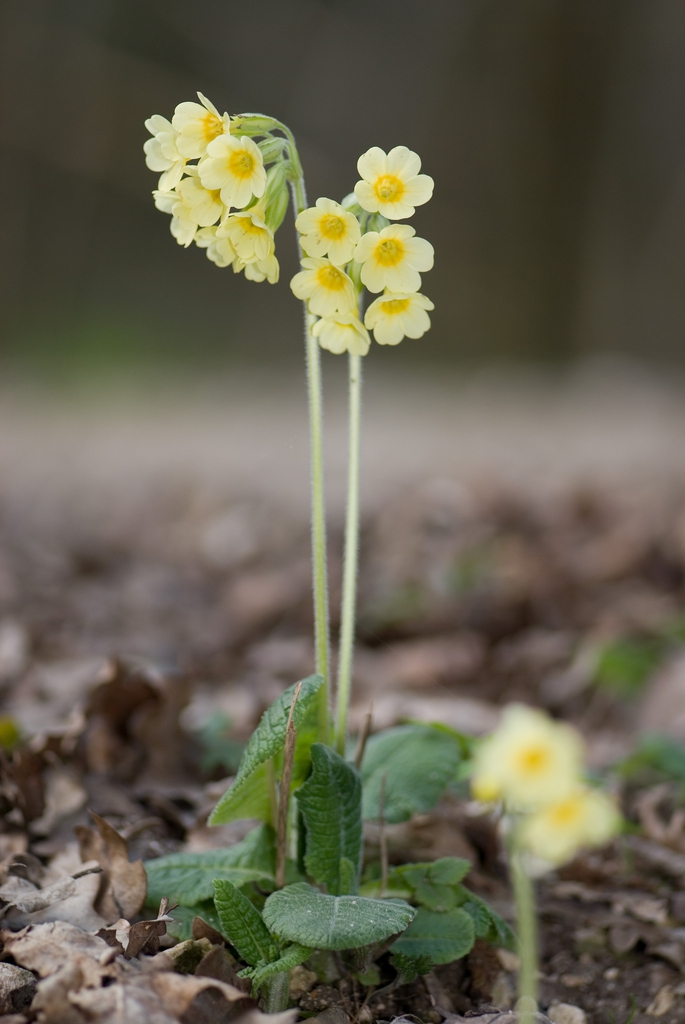
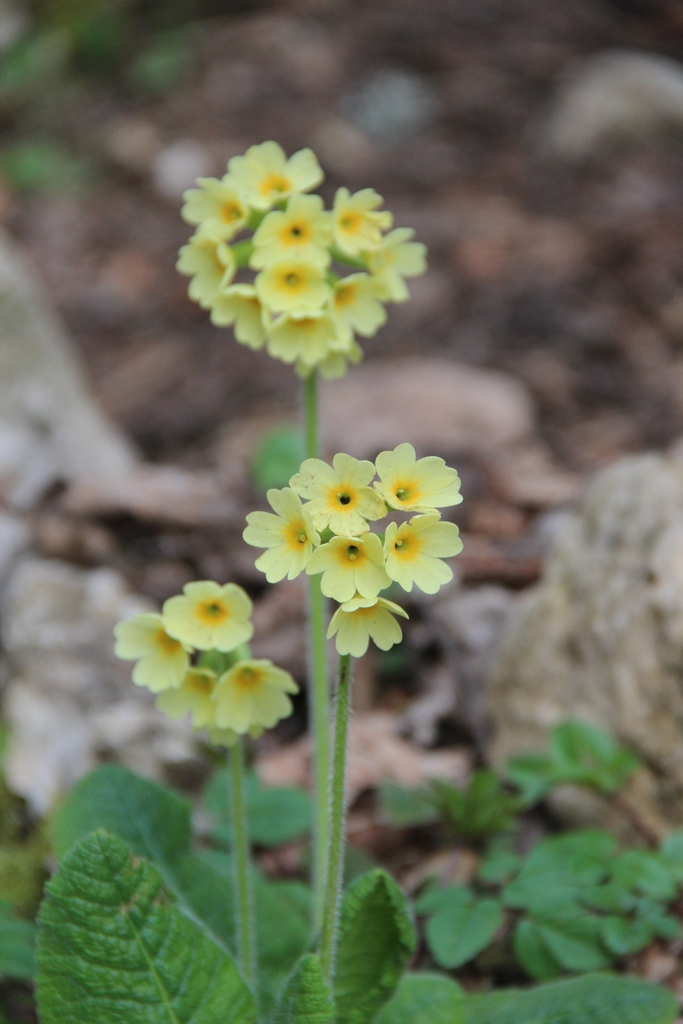
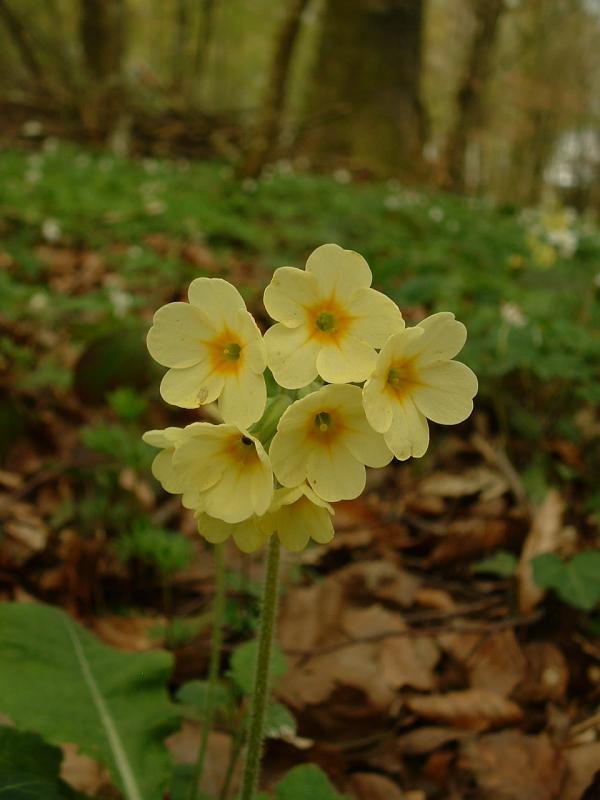
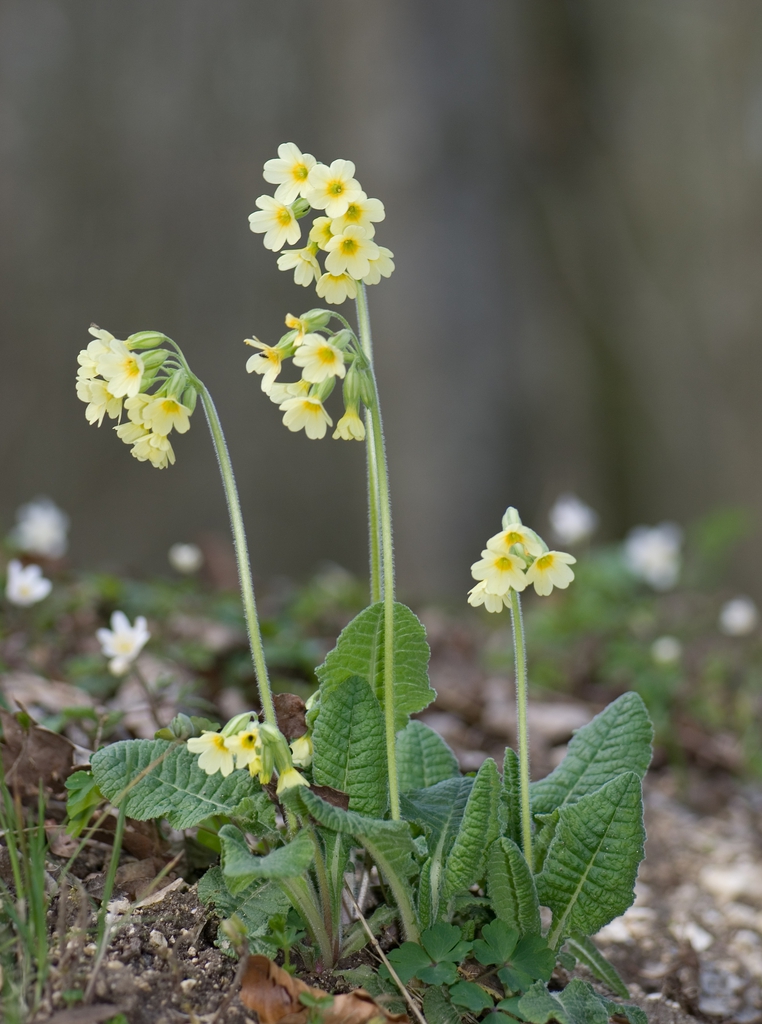
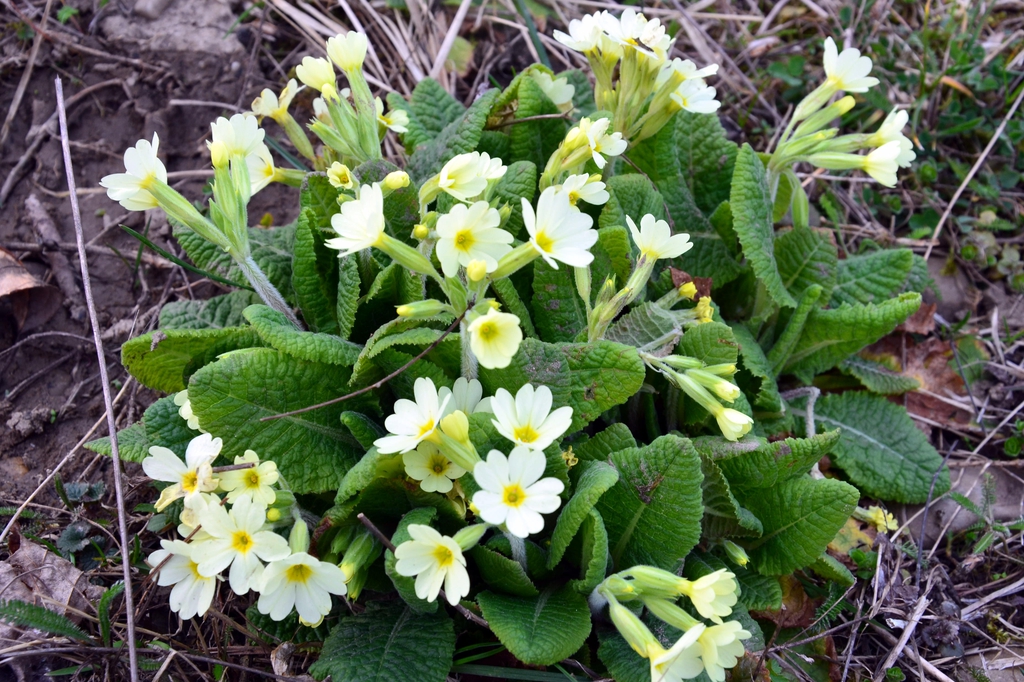
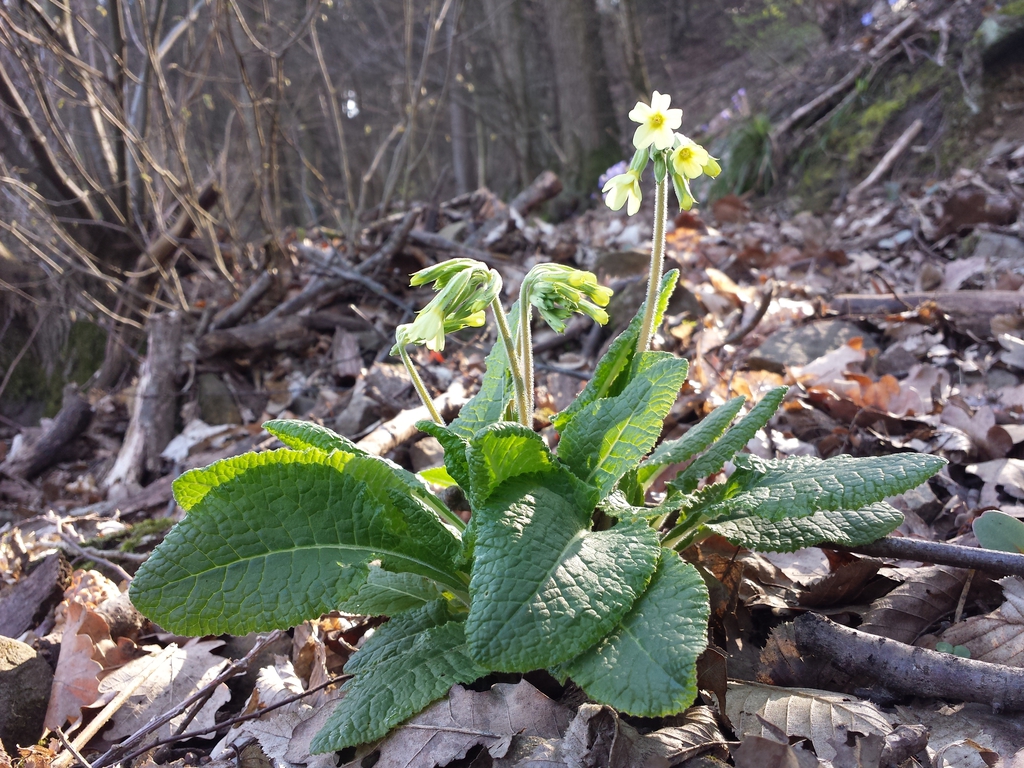
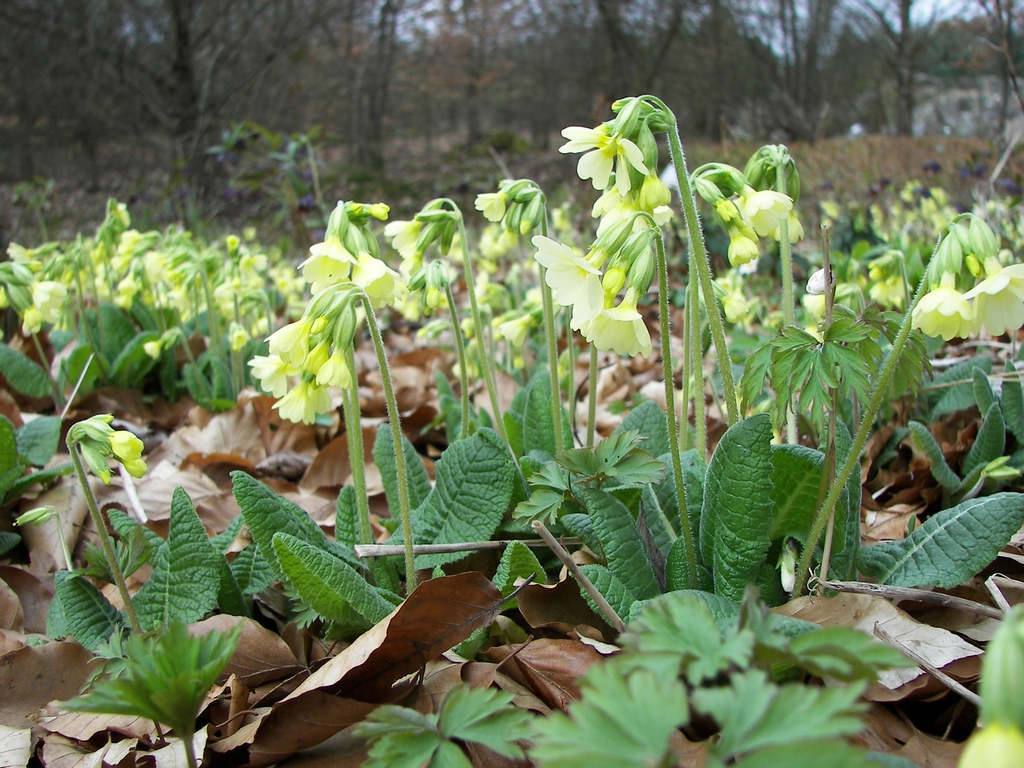
Oxlip is a clump-forming, semi-evergreen, herbaceous perennial native to Europe, and is found in damp wooded areas, meadows, and soils that are both nutrient-poor and calcium-rich. The plant grows 6 to 12 inches tall and equally as wide. In the spring, the flowers form on a long, dark green upright stem that rises above a rosette of oval, dark green leaves. Each bloom is a fragrant, nodding, soft-yellow, 5-petaled, bell-shaped flower borne on a one-sided cluster or umbel of up to 20 blooms. This plant is a member of the primrose family (Primulaceae). The genus name Primula is Latin, meaning "little earliest one.' The specific epithet elatior means tall and refers to the plant's height.
Prefers partial shade, but may be grown in full sun in cooler climates. Thrives in moist, well-drained, organically rich soil, but is adaptable to a variety of soils, provided that it is well-drained. It is winter hardy in zones 4 to 8. Propagated by seeds and root cuttings. Attracts bees and butterflies, but is resistant to deer and rabbits.
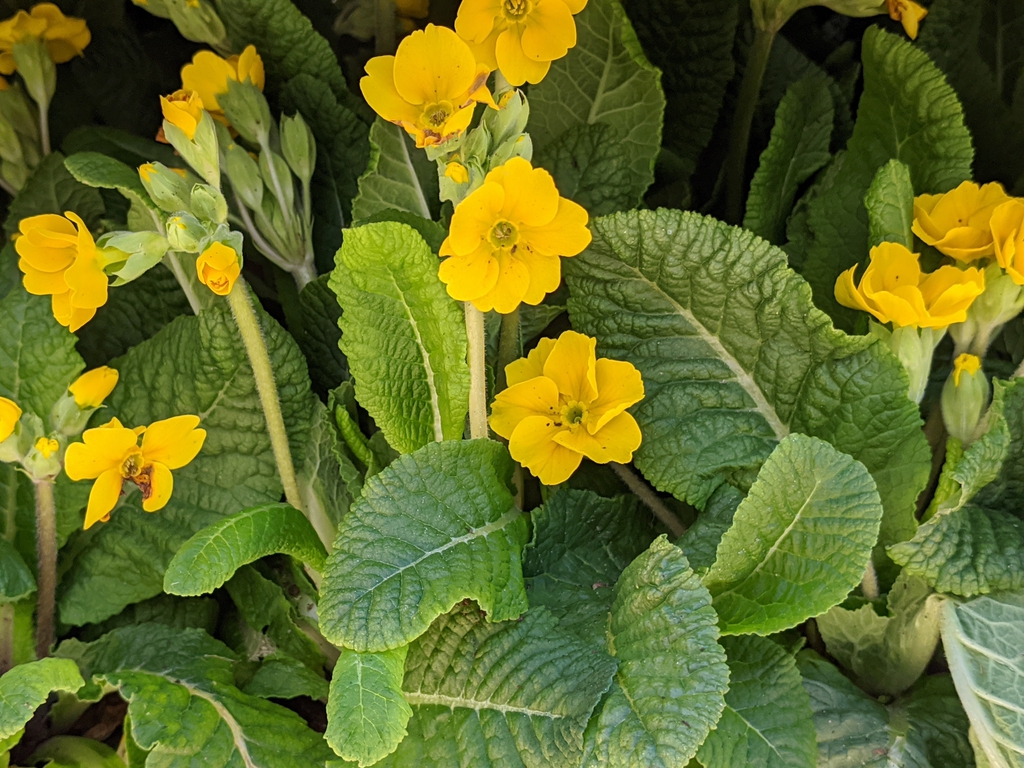
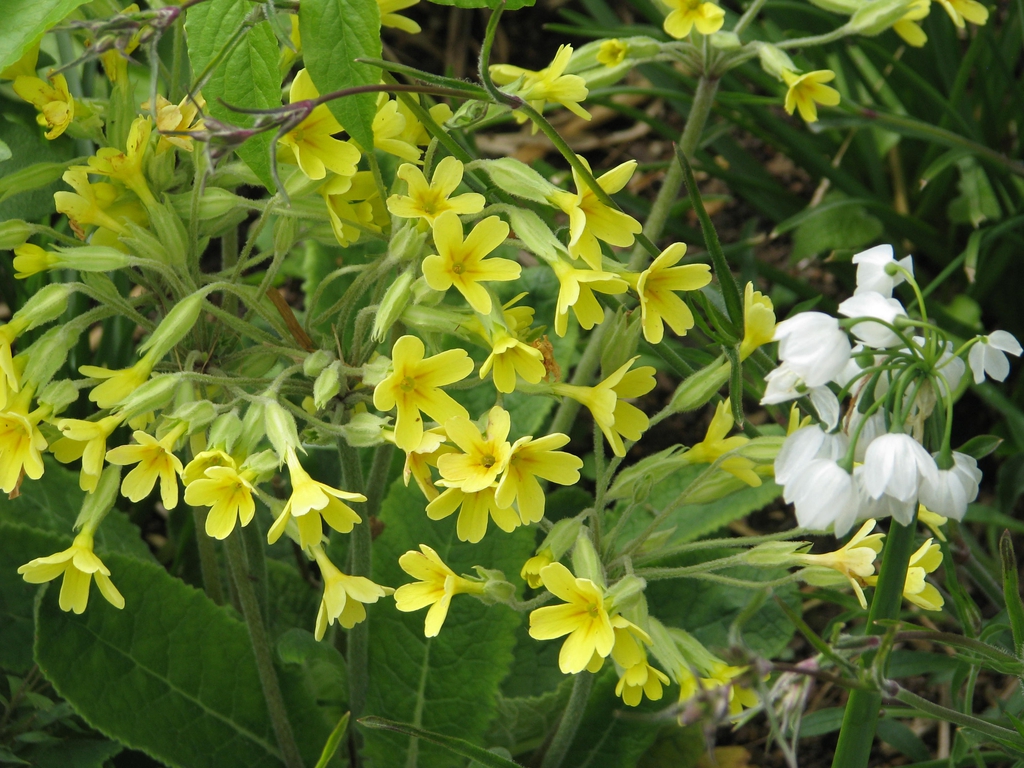
This plant may be mistaken for Primula veris, or cowslip, which has deeper yellow flowers, and its blooms do not face in the same direction as oxlip. Cowslip is more commonly found, whereas oxlip is classified as threatened in Great Britain.
Oxlip is easy to grow and would blend nicely with other spring-flowering bulbs. Consider this plant for a partially shaded area such as a border garden, cottage garden, naturalized area, or woodland setting.
Insects, Diseases, and Other Plant Problems: Monitor for aphids, slugs, and spider mites. At risk for botrytis and leaf spot.
- See this plant in the following landscape :
- Cultivars / Varieties:
-
- Tags:




- Cultivars / Varieties:
-
- Tags:
-
-
Attributes:
- Genus:
- Primula
- Species:
- elatior
- Family:
- Primulaceae
- Uses (Ethnobotany):
- Oxlip has been used to treat coughs and rheumatism.
- Life Cycle:
- Perennial
- Recommended Propagation Strategy:
- Division
- Root Cutting
- Seed
- Country Or Region Of Origin:
- Europe
- Distribution:
- Native: Albania, Austria, Belarus, Belgium, Bulgaria, Czechoslovakia, Denmark, Eastern European Russia, France, Germany, Great Britain, Greece, Hungary, Italy, Kazakhstan, Netherlands, Northwest European Russia, NW. Balkan Peninsula, Poland, Romania, Spain, Sweden, Switzerland, Transcaucasus, Turkey. Ukraine and Western Siberia. Introduced: Baltic States, Central European Russia, Finland, and Norway.
- Wildlife Value:
- Attracts butterflies and bees.
- Dimensions:
- Height: 0 ft. 6 in. - 1 ft. 0 in.
- Width: 0 ft. 6 in. - 1 ft. 0 in.
-
-
Whole Plant Traits:
- Plant Type:
- Herbaceous Perennial
- Habit/Form:
- Clumping
- Growth Rate:
- Medium
- Maintenance:
- Low
- Texture:
- Medium
-
-
Cultural Conditions:
- Light:
- Partial Shade (Direct sunlight only part of the day, 2-6 hours)
- Soil Texture:
- High Organic Matter
- Loam (Silt)
- Soil pH:
- Acid (<6.0)
- Alkaline (>8.0)
- Neutral (6.0-8.0)
- Soil Drainage:
- Good Drainage
- Moist
- Available Space To Plant:
- Less than 12 inches
- NC Region:
- Coastal
- Mountains
- Piedmont
- USDA Plant Hardiness Zone:
- 4a, 4b, 5a, 5b, 6a, 6b, 7a, 7b, 8a, 8b
-
-
Fruit:
- Fruit Type:
- Capsule
- Fruit Length:
- < 1 inch
- Fruit Width:
- < 1 inch
- Fruit Description:
- The fruit is a dehiscing capsule with 5 valves, and measures about 0.5 inches long. There are about 50 seeds per capsule. The seeds are tiny, oval, and dark brown to black.
-
-
Flowers:
- Flower Color:
- Gold/Yellow
- Flower Inflorescence:
- Umbel
- Flower Value To Gardener:
- Fragrant
- Showy
- Flower Bloom Time:
- Spring
- Flower Shape:
- Bell
- Flower Petals:
- 4-5 petals/rays
- Flower Size:
- 1-3 inches
- Flower Description:
- The flowers are fragrant, soft yellow, five-petaled, bell-shaped, up to 1 inch in diameter, and have a darker center. The flowers are arranged in a one-sided cluster or umbel on a scape up to 12 inches long. The umbel bears up to 20 nodding blooms. The calyx is light green and tube-shaped. Blooming occurs from April to May.
-
-
Leaves:
- Leaf Color:
- Green
- Leaf Type:
- Simple
- Leaf Shape:
- Oblong
- Ovate
- Leaf Margin:
- Crenate
- Denticulate
- Hairs Present:
- Yes
- Leaf Length:
- 3-6 inches
- Leaf Width:
- 1-3 inches
- Leaf Description:
- The simple, dark green, ovate leaves, measuring 2 to 8 inches long and 1 to 3 inches wide, form a basal rosette. The tips of the leaves are rounded, and the leaf surface appears wrinkled (rugose). The margins are crenate to denticulate. The upper surface may be hairy or smooth, and the underside is sparsely pubescent. The petiole is nearly as long as the leaf.
-
-
Stem:
- Stem Color:
- Green
- Stem Is Aromatic:
- No
- Stem Surface:
- Hairy (pubescent)
- Stem Description:
- The flower stalk or scape is dark green, erect or slightly ascending, and hairy.
-
-
Landscape:
- Landscape Location:
- Meadow
- Naturalized Area
- Small Space
- Woodland
- Landscape Theme:
- Cottage Garden
- Fairy Garden
- Pollinator Garden
- Shade Garden
- Design Feature:
- Border
- Mass Planting
- Attracts:
- Bees
- Butterflies
- Resistance To Challenges:
- Black Walnut
- Deer
- Heavy Shade
- Poor Soil
- Rabbits