


Cluster Pine Pinus pinaster
Other Common Name(s):
- Phonetic Spelling
- PY-nus pin-AS-ter
- Description
-
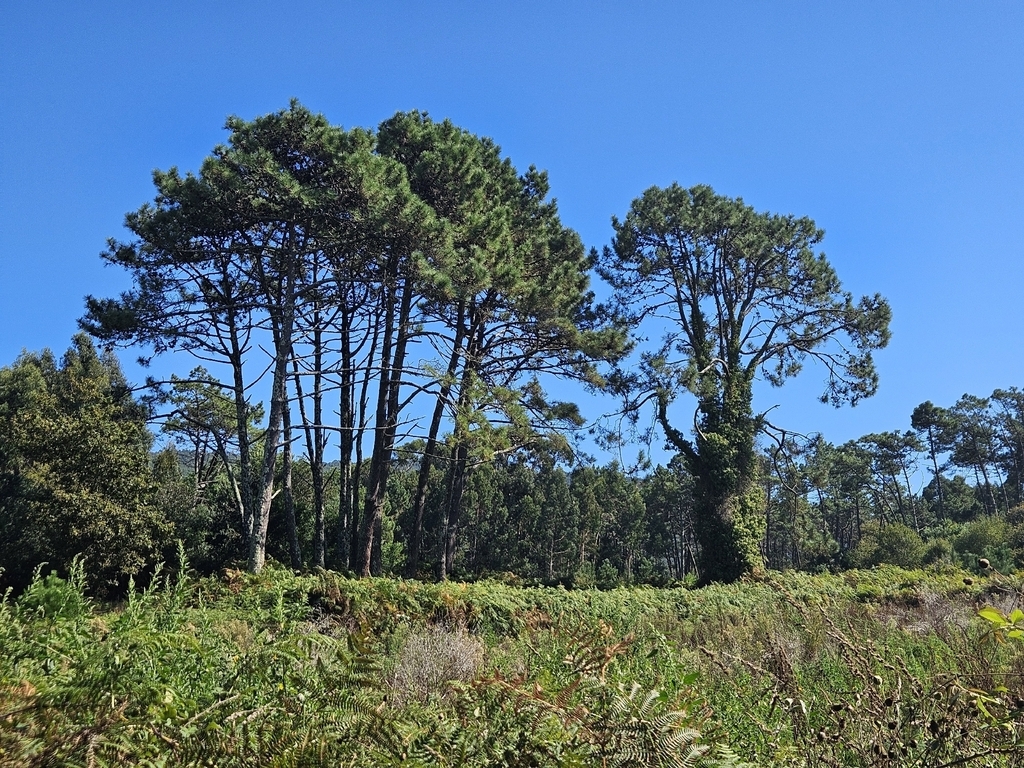
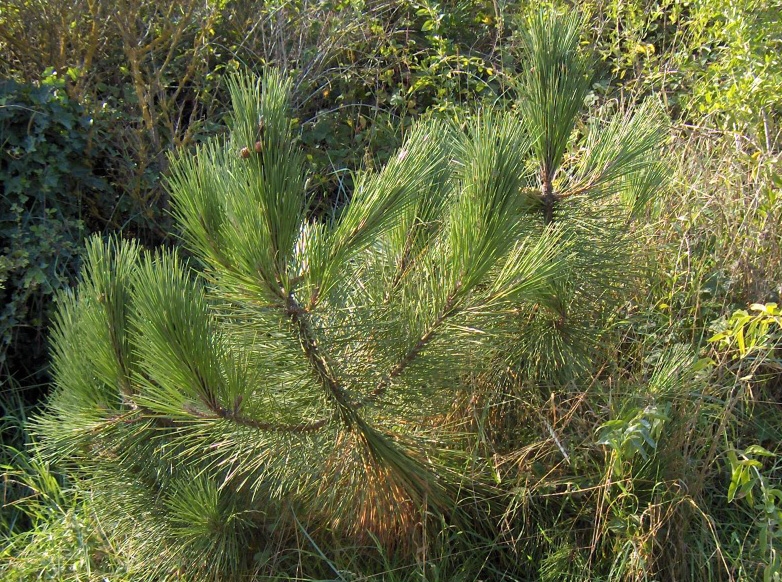
Maritime pine is an evergreen pine in the Pinaceae family that is native to southern Europe region and parts of the western Mediterranean. It is grown in its native region for its lumber as well as for the production of turpentine and rosin.
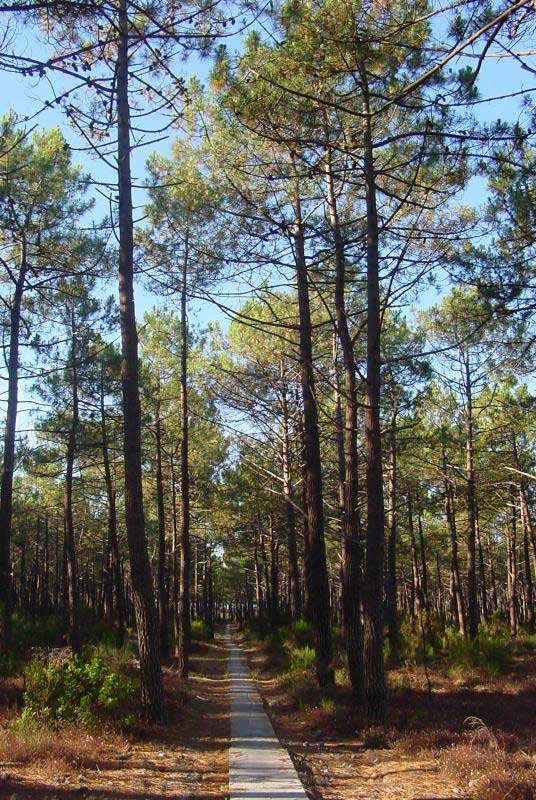
It can grow to a height of up to 100 feet, growing with a somewhat straight trunk. It typically has a very open crown of upswept branches. As the tree ages, it will often only have branches at the top 1/3 of the tree. It prefers mild wet winters and hot dry summers, typical of the Mediterranean area.
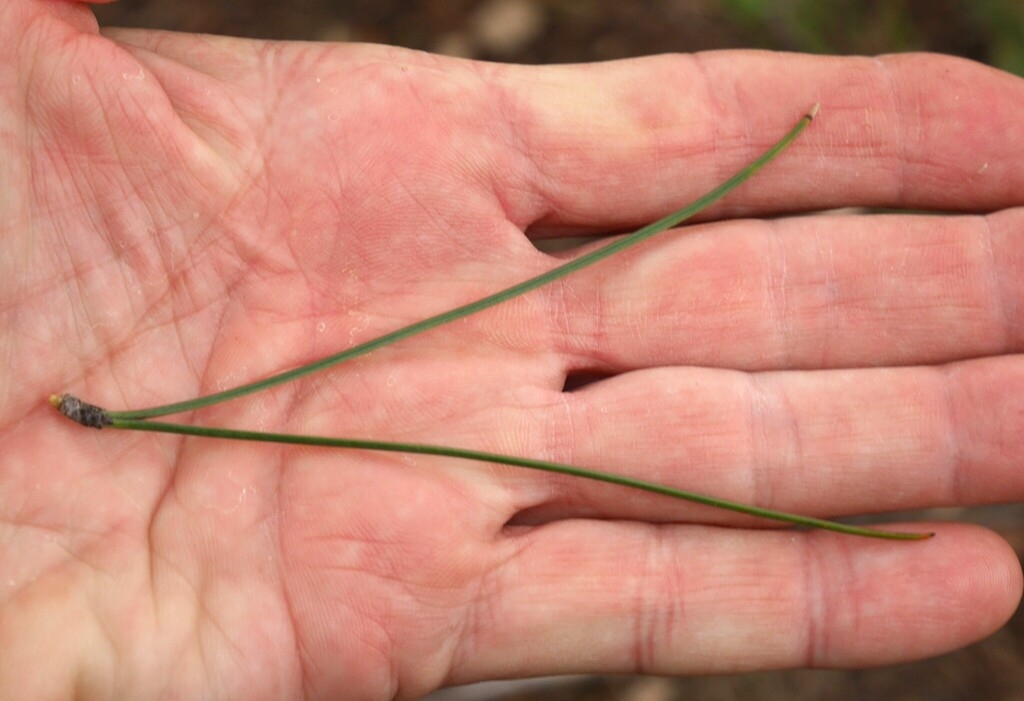
The prickly, straight to slightly curved needles have many stomatal lines on both surfaces and are arranged in clusters of two. The large female cones can stay closed on the tree for several years and often need an event such as a fire to open and disperse seeds.
The tree could be grown in the coastal regions of the southeast, but due to high humidity, it is more susceptible to fungal diseases. It would probably do best on the Pacific coast. Choose a native pine for your area for best results.
Insect, Diseases, and Other Plant Problems: This tree is susceptible to wind damage. It has become invasive in parts of Africa. Fungal diseases. See pests of conifers to the left..
- See this plant in the following landscape :
- Cultivars / Varieties:
-
- Tags:


- Cultivars / Varieties:
-
- Tags:
-
-
Attributes:
- Genus:
- Pinus
- Species:
- pinaster
- Family:
- Pinaceae
- Life Cycle:
- Woody
- Country Or Region Of Origin:
- France, Spain and Portugal
- Wildlife Value:
- This plant supports Imperial Moth (Eacles imperialis) larvae which have one brood per season and appear from April-October in the south. Adult Imperial Moths do not feed.
- Dimensions:
- Height: 50 ft. 0 in. - 8 ft. 4 in.
- Width: 16 ft. 0 in. - 20 ft. 0 in.
-
-
Whole Plant Traits:
- Plant Type:
- Tree
- Woody Plant Leaf Characteristics:
- Needled Evergreen
- Habit/Form:
- Erect
- Open
- Oval
- Spreading
- Growth Rate:
- Rapid
- Maintenance:
- Low
- Texture:
- Medium
-
-
Cultural Conditions:
- Light:
- Full sun (6 or more hours of direct sunlight a day)
- Soil Texture:
- Loam (Silt)
- Sand
- Soil Drainage:
- Good Drainage
- USDA Plant Hardiness Zone:
- 7a, 7b, 8a, 8b, 9a, 9b, 10a, 10b
-
-
Fruit:
- Fruit Color:
- Brown/Copper
- Green
- Fruit Length:
- > 3 inches
- Fruit Description:
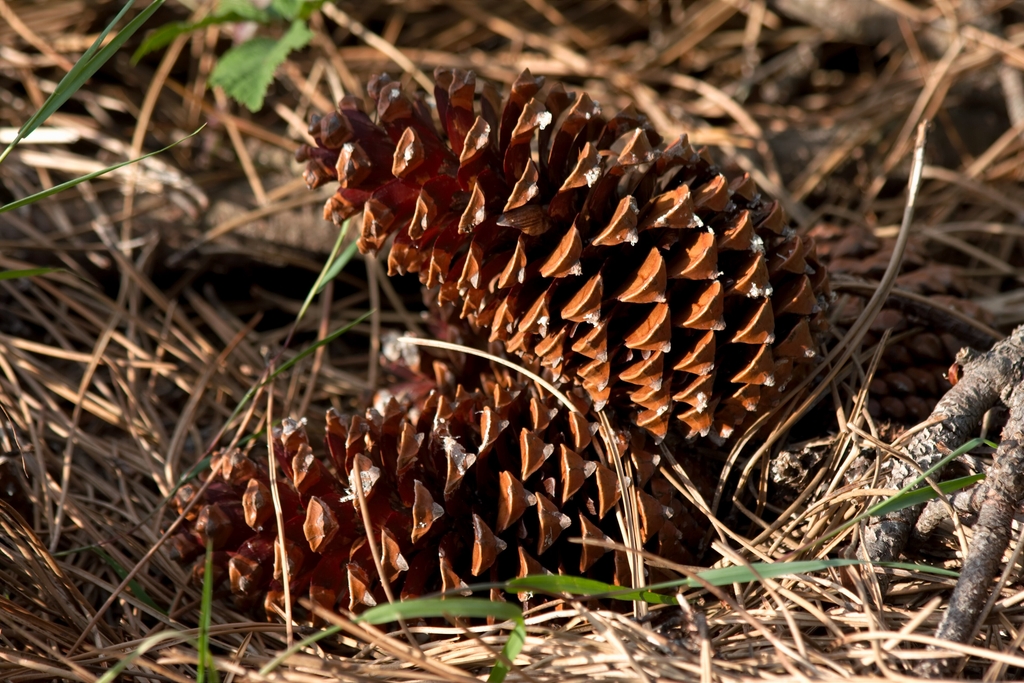
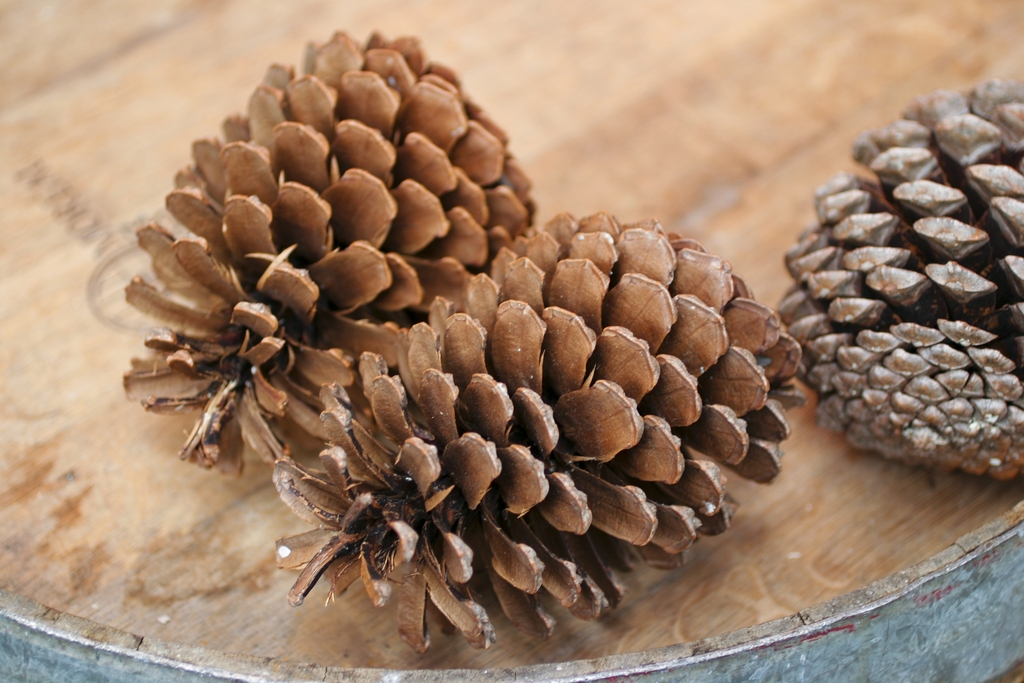
- Produces cones. The seed cones are 4-8 inches long and green turning to a chestnut brown They take 2 years to mature and then open slowly to release seed over a period of time.
-
-
Flowers:
- Flower Size:
- 3-6 inches
- Flower Description:
- No flowers
-
-
Leaves:
- Woody Plant Leaf Characteristics:
- Needled Evergreen
- Leaf Color:
- Gold/Yellow
- Green
- Leaf Feel:
- Prickly
- Leaf Type:
- Needles
- Leaf Arrangement:
- Other/more complex
- Leaf Shape:
- Linear
- Leaf Margin:
- Serrate
- Hairs Present:
- No
- Leaf Length:
- > 6 inches
- Leaf Width:
- < 1 inch
- Leaf Description:
- Green to yellow-green needles are 4 to 8 inches long with finely serrated margins in clusters of 2 but sometimes 3. Many stomatal lines are present on both surfaces
-
-
Bark:
- Bark Color:
- Black
- Dark Brown
- Red/Burgundy
- Bark Description:
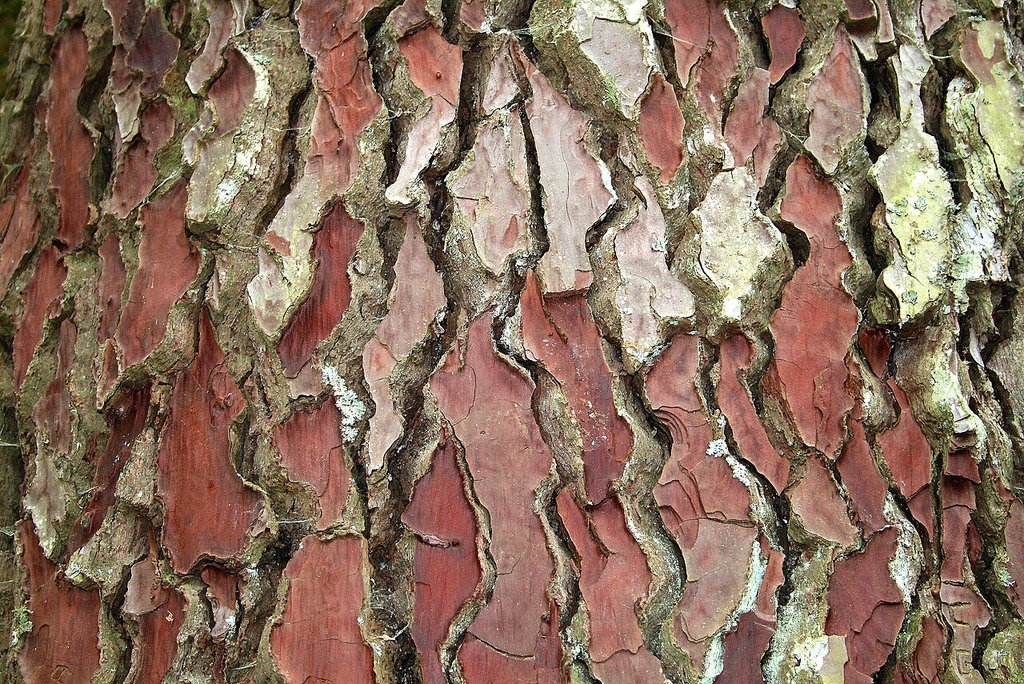
- Thick, scaly, fissured pattern
-
-
Stem:
- Stem Is Aromatic:
- No
-
-
Landscape:
- Landscape Location:
- Meadow
- Naturalized Area
- Recreational Play Area
- Woodland
- Landscape Theme:
- Nighttime Garden
- Winter Garden
- Design Feature:
- Accent
- Mass Planting
- Specimen
- Attracts:
- Moths
- Small Mammals
- Songbirds
- Resistance To Challenges:
- Deer