


Leucanthemum x superbum
Common Name(s):
Previously known as:
- Chrysanthemum x superbum
- Phonetic Spelling
- lew-KAN-theh-mum soo-PER-bum
- This plant has low severity poison characteristics.
- See below
- Description
-
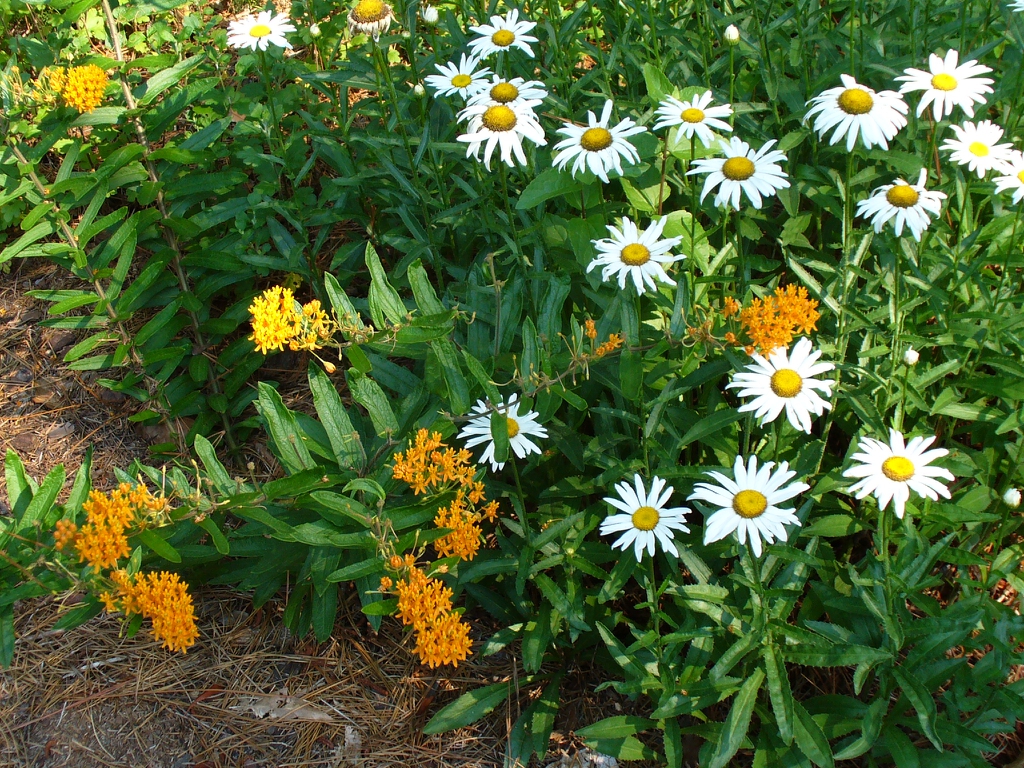
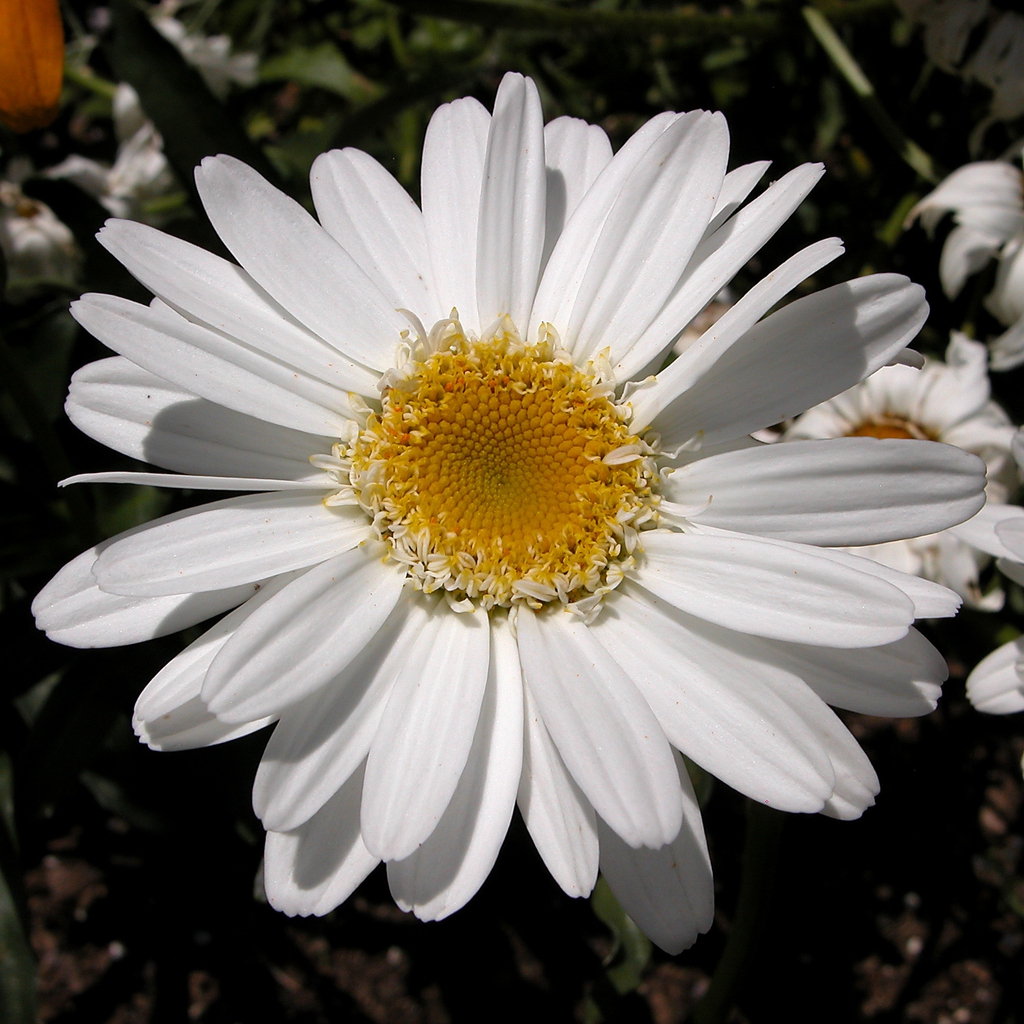
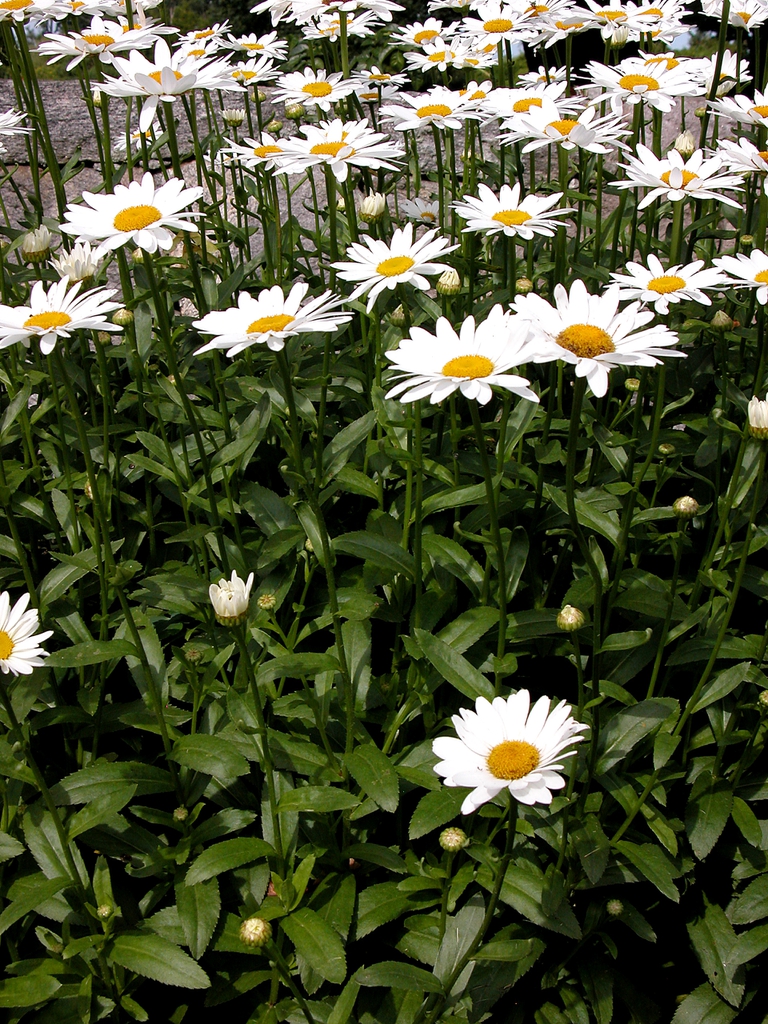
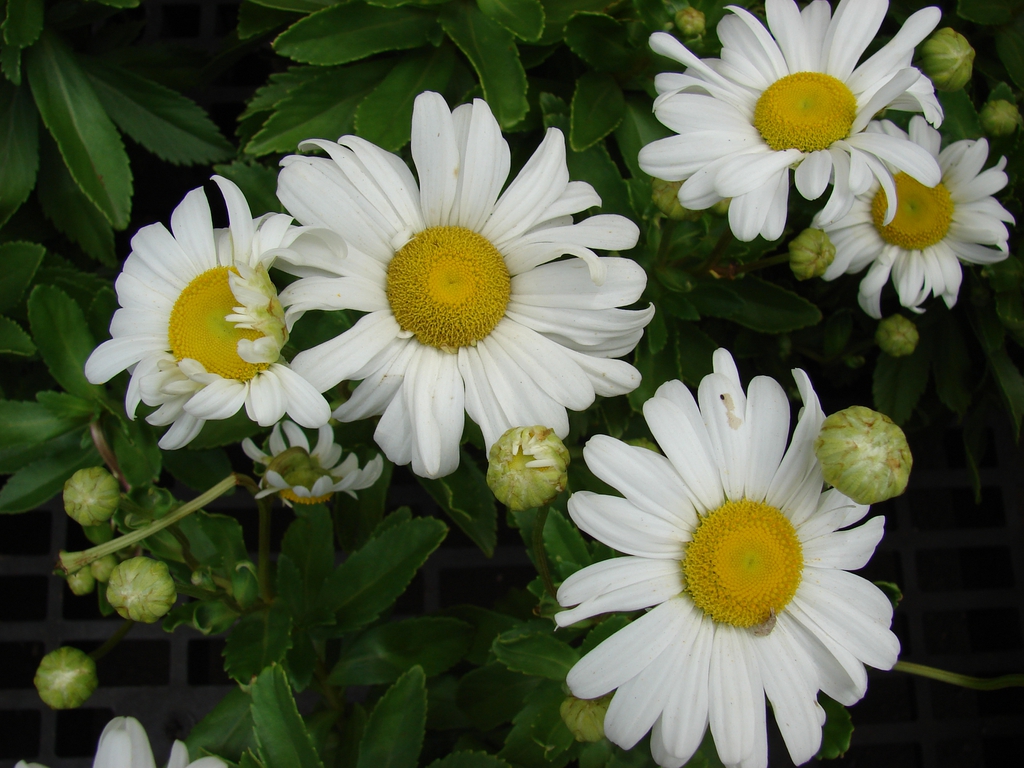
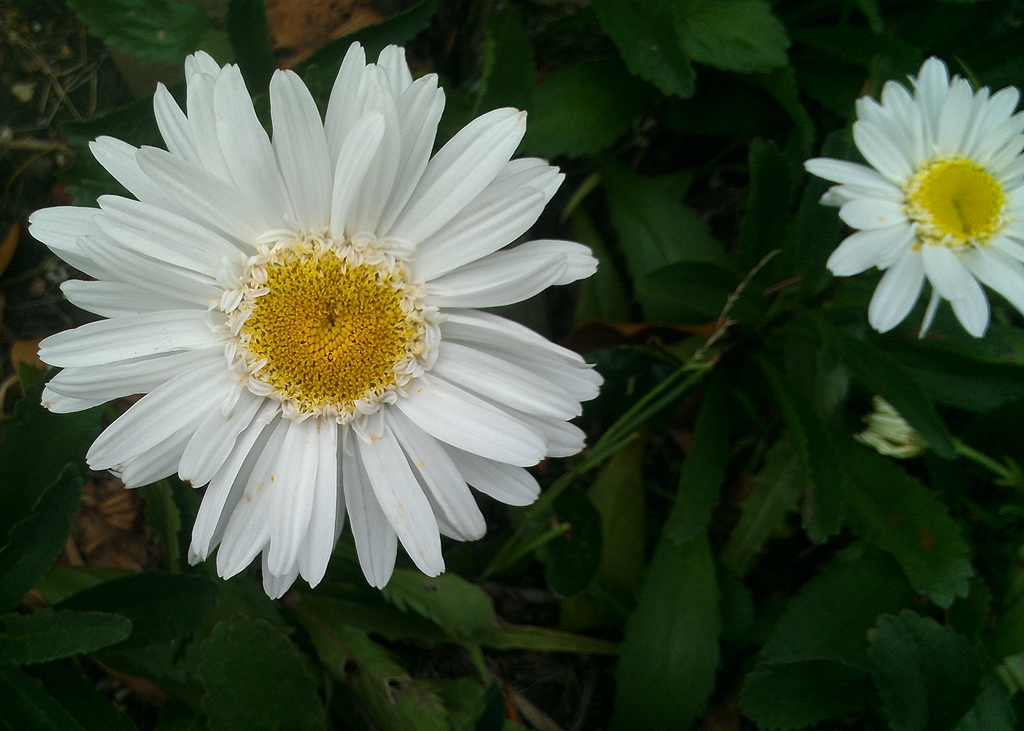
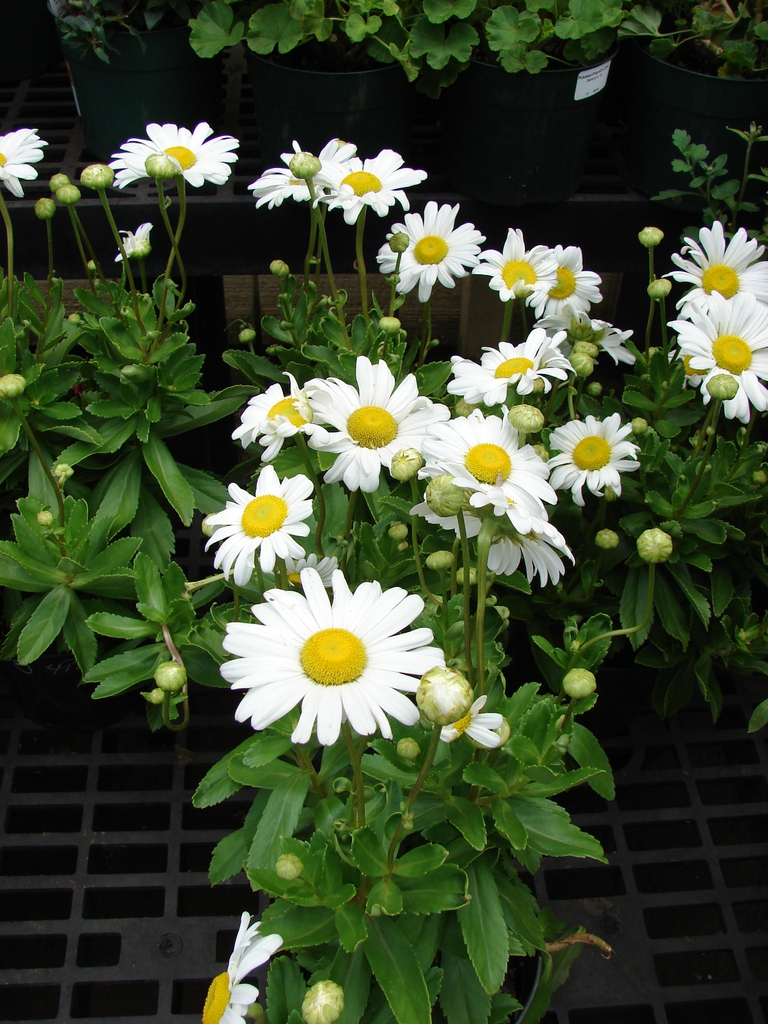
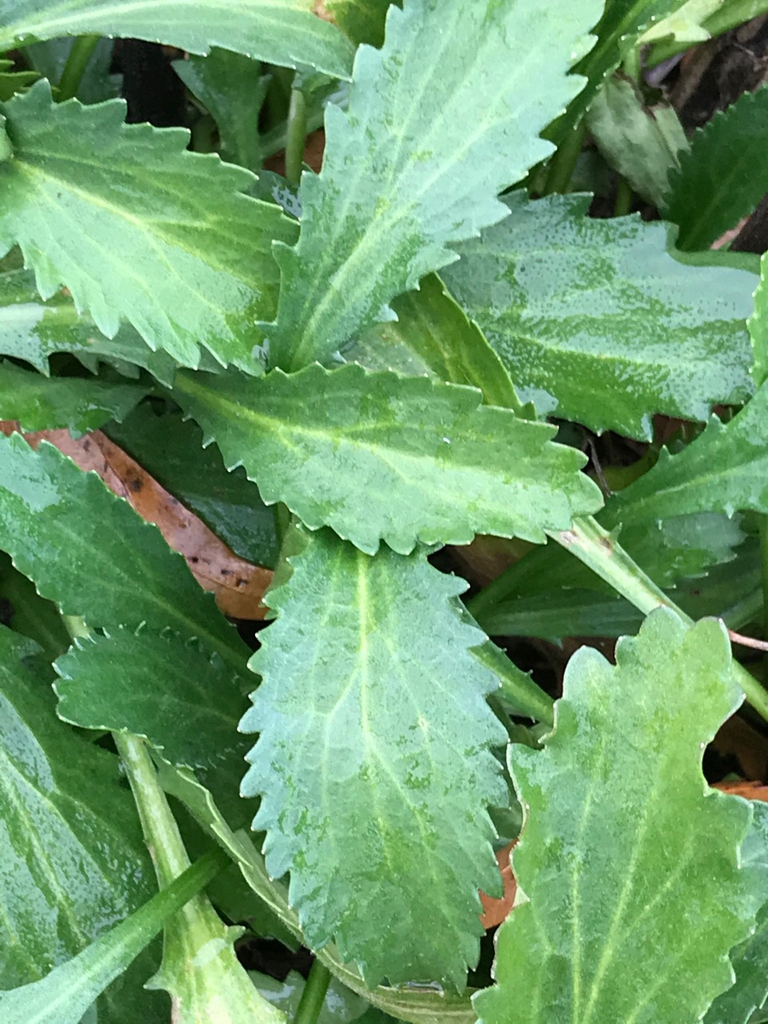
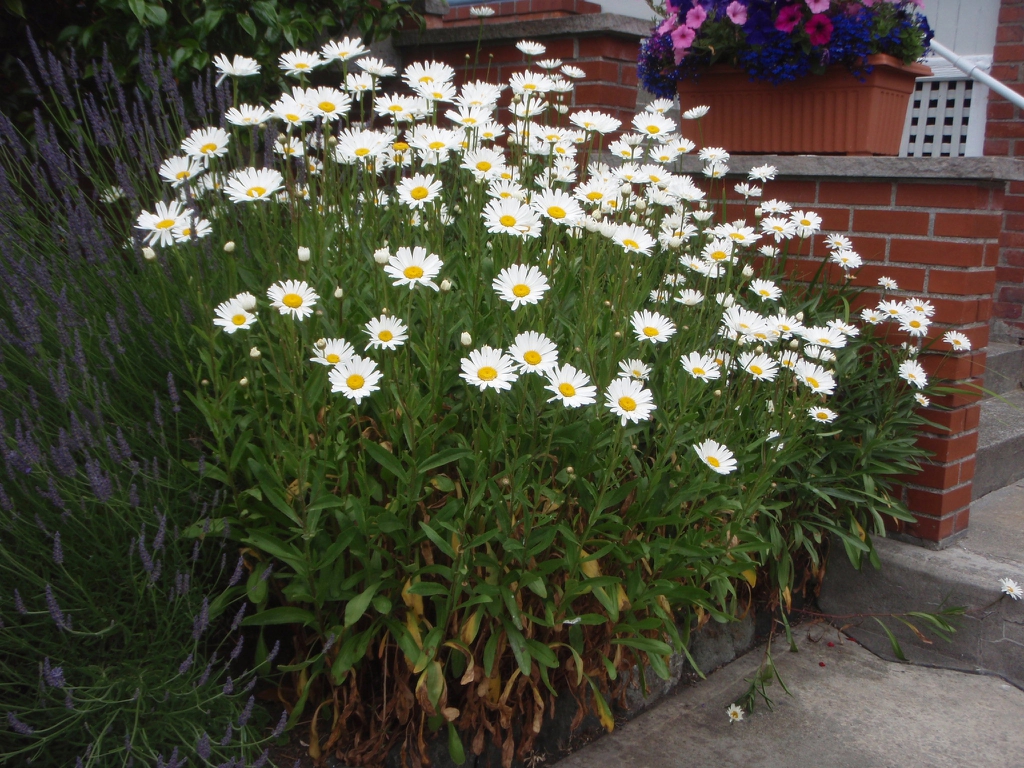
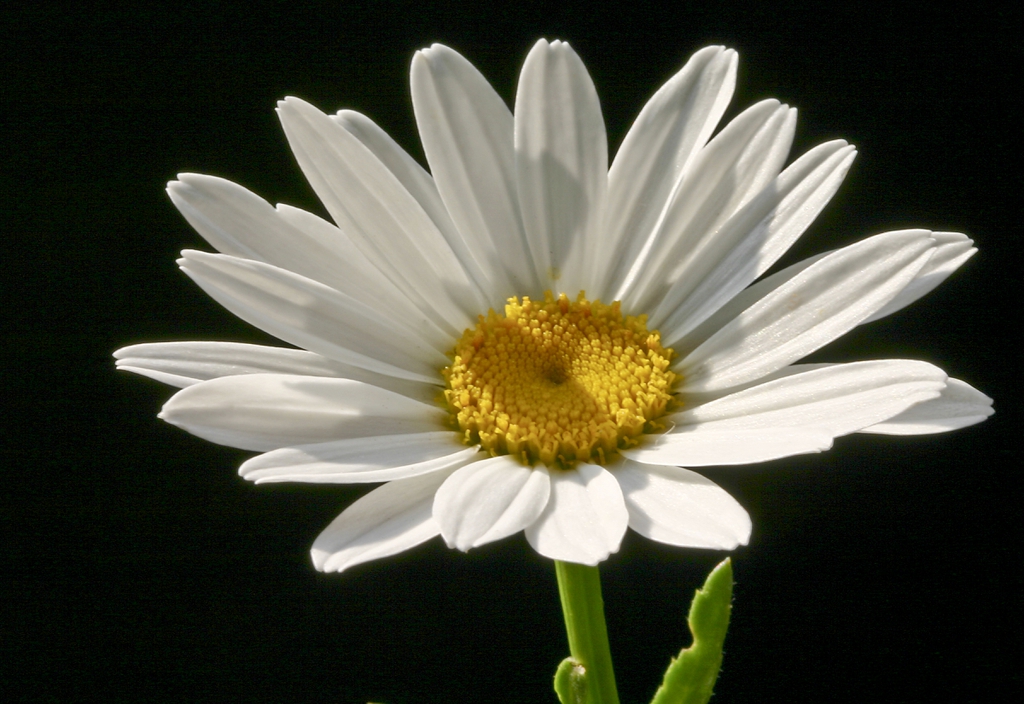
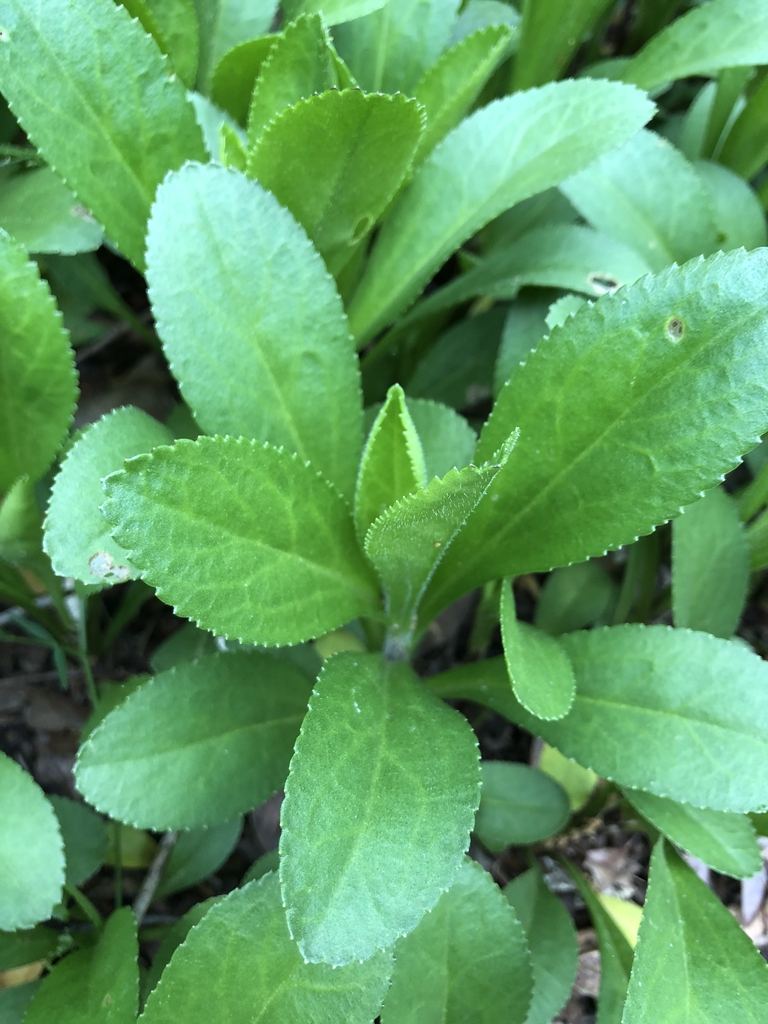
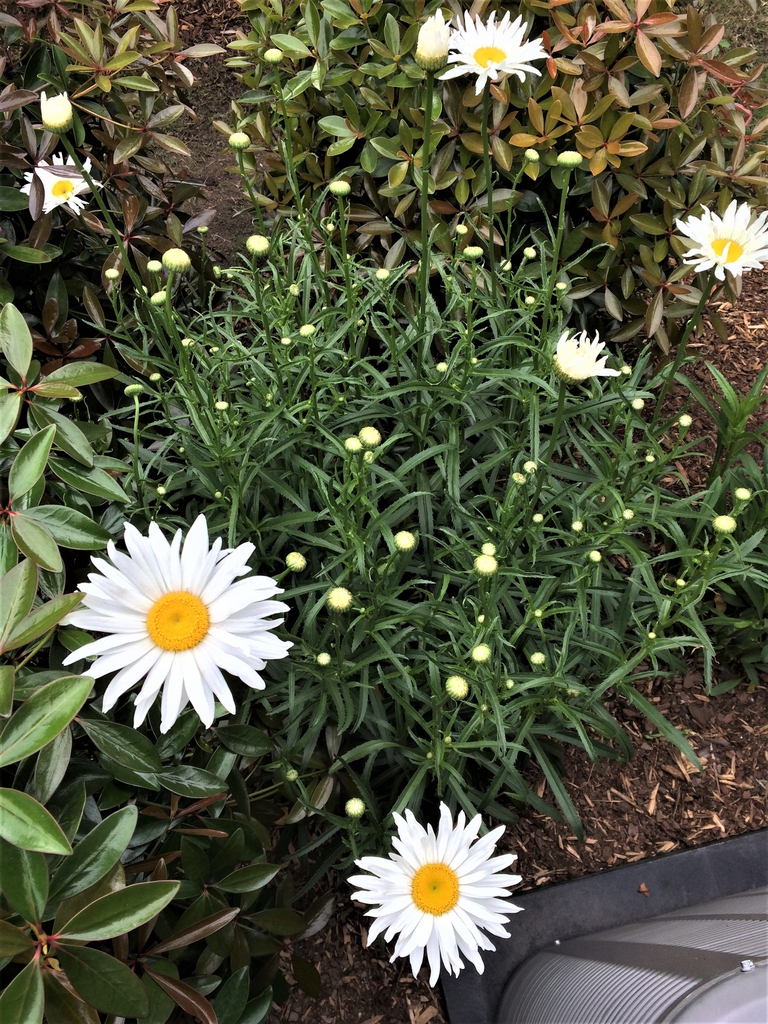
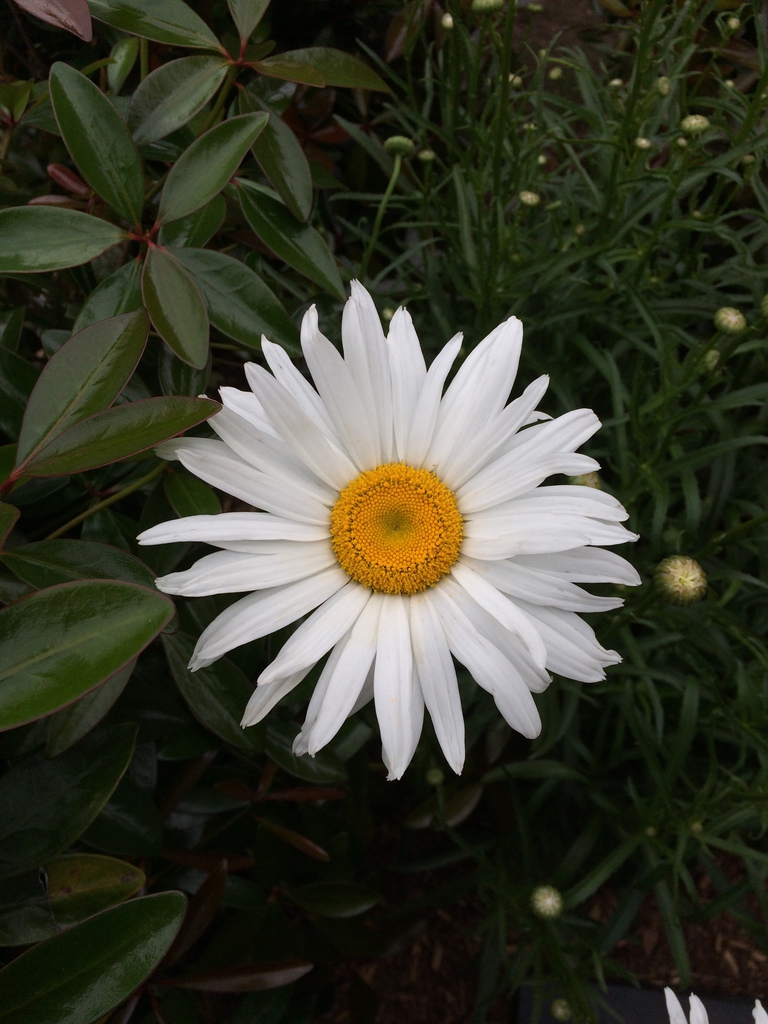
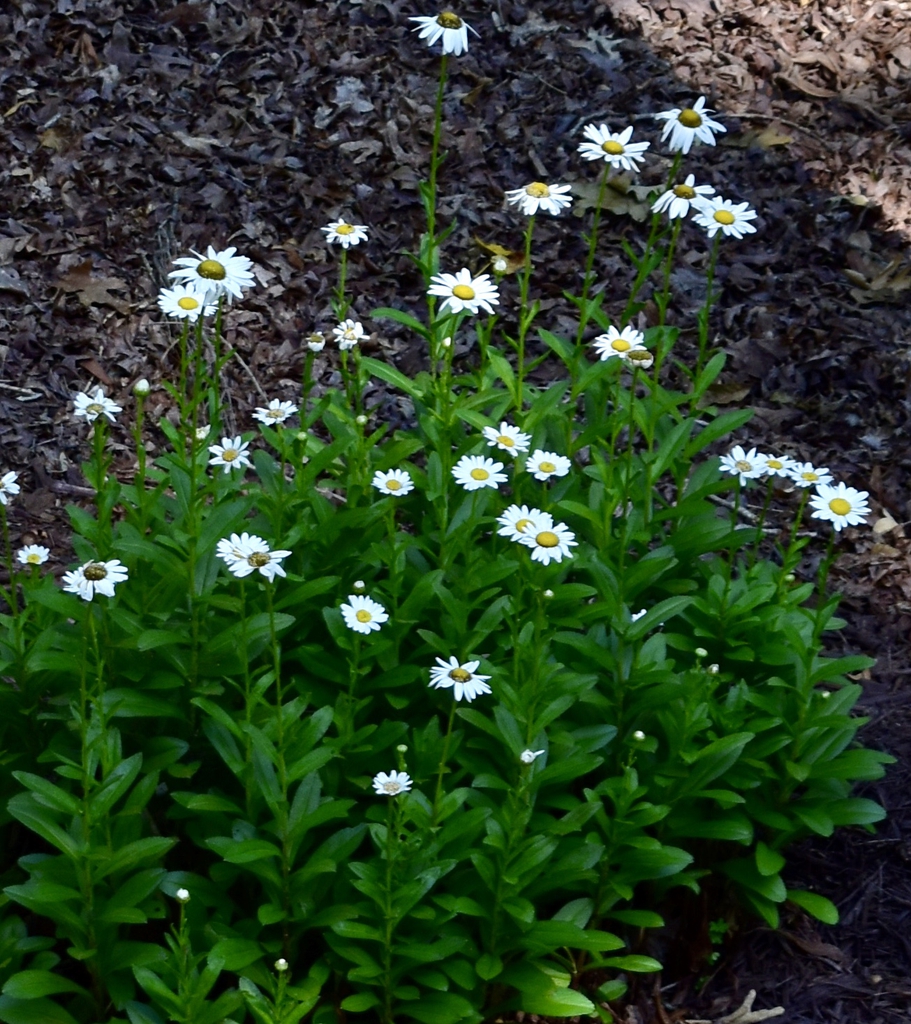
Shasta daisy is a hybrid cross of L. lacustre x L. maximum x L. vulgare and an old-fashioned favorite for perennial borders and cut flowers, with single- or double-flowered cultivars available. It was developed in the 1890s near Mt. Shasta, California by Luther Burbank. Previously, this plant was under the genus Chrysanthemum, but it is now a member of the daisy family (Asteraceae). This flowering perennial hybrid grows 2-4 feet tall and 1-3 feet wide, with an upright clumping habit. The foliage is dark green, lanceolate or oblong, with dentate margins. The flowers measure 2-3 inches in diameter and have white petal-rays and a bright yellow central disc.
Plant in average to dry, well-drained, organic-rich soil in full sun to partial shade. It is hardy in zones 5 through 9 and intolerant of winter wet or poorly drained soils. Once established, they are drought-tolerant and deer- and rabbit-resistant. The blooms are attractive to bees, butterflies, and other pollinating insects. To encourage re-blooming, deadhead spent flowers. Divide the plant every 2-3 years in the spring or fall to prevent overcrowding.
Shasta daisies are mildly toxic to humans and pets if ingested. Wear protective clothing and gloves when handling this plant to avoid contact dermatitis.
Use in the perennial border, containers, cutting garden, or cottage garden. Cultivars come in different sizes and flower forms.
Diseases, Insect Pests, and Other Plant Problems: Monitor for aphids, leaf miners, and spider mites. May be susceptible to verticillium wilt, leaf spot, powdery mildew, and stem rot. If food is scarce, this plant is occasionally damaged by deer.
Some cultivars have shown excellent resistance to phytophthora. Other cultivars in the same study have shown fair resistance to phytophthora and poor resistance to leaf spot. (Fair = fewer than half die; poor = more than half die).
- See this plant in the following landscape s :
- Corner Roadside Planting Flower Bonanza Garden Davidson County Extension Demonstration Garden Paul J Ciener Botanical Garden Backyard Patio Woodland Backyard Garden Walk
- Cultivars / Varieties:
-
- 'Aglaya'
Grows 2 ft. tall, with frilly double flowers, measuring 3 inches in diameter - 'Alaska'
Grows 2.5 ft. tall, with a single flower up to 3 inches in diameter, hardy at zone 4 - 'Becky'
Grows 3-4 ft. tall, flowers 4 inches in diameter, larger than usual plant. excellent resistance to phytophthora. - Carpet Angel Daisy®
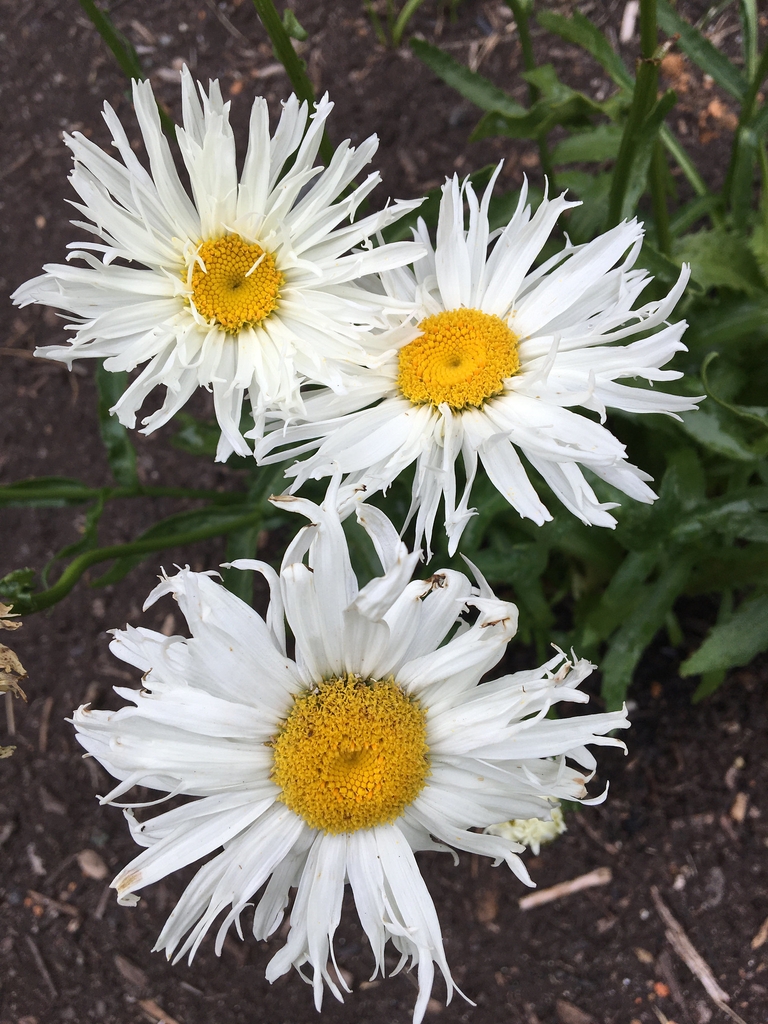
Grows 6 inches tall, spreads up to 20 inches wide, with a mat habit, deep green leaves, and frilly, semi-double, white flowers - 'Crazy Daisy'
Grows 2-2.5 ft. tall with large double blooms that have frilly, white petal-rays and a yellow center disc - 'Daisy May' (Amazing Daisies® Collection)
Grows 1-2 ft. tall, blooms from spring to fall, with white petals and a bright gold center disc - 'Lancaster Darling Daisy'
Fair resistance to phytophthora. - 'Little Miss Muffet'
Grows 1 foot tall, semi-double flowers, measuring 2 inches in diameter - 'Marconi'
Grows up to 3 ft. tall, with semi-double flowers that are up to 5 inches in diameter - 'Seventh Heaven'
Grows 20-22 inches tall, with lemon yellow buds, creamy white petals, a gold center disc, and 4-inch-wide flowers - 'Snowcap'
Grows 12-15 inches tall, 12 inches wide, with single pure white flowers and a gold center disc, measures 2-3 inches in diameter - 'Snow Lady'
Dwarf cultivar, grows 9 to 12 inches tall, poor resistance to leaf spot - 'Whitecap'
Grows 14-16 inches tall and equally as wide, compact and mounded habit, green foliage, white flowers - 'Whoops-a-Daisy'
Dwarf cultivar, grows 12 to 18 inches tall, with fluffy white flowers and a gold center disc
- 'Aglaya'
- 'Aglaya', 'Alaska', 'Becky', Carpet Angel Daisy®, 'Crazy Daisy', 'Daisy May' (Amazing Daisies® Collection), 'Lancaster Darling Daisy', 'Little Miss Muffet', 'Marconi', 'Seventh Heaven', 'Snowcap', 'Snow Lady', 'Whitecap', 'Whoops-a-Daisy'
- Tags:


- Cultivars / Varieties:
-
- 'Aglaya'
Grows 2 ft. tall, with frilly double flowers, measuring 3 inches in diameter - 'Alaska'
Grows 2.5 ft. tall, with a single flower up to 3 inches in diameter, hardy at zone 4 - 'Becky'
Grows 3-4 ft. tall, flowers 4 inches in diameter, larger than usual plant. excellent resistance to phytophthora. - Carpet Angel Daisy®
Grows 6 inches tall, spreads up to 20 inches wide, with a mat habit, deep green leaves, and frilly, semi-double, white flowers - 'Crazy Daisy'
Grows 2-2.5 ft. tall with large double blooms that have frilly, white petal-rays and a yellow center disc - 'Daisy May' (Amazing Daisies® Collection)
Grows 1-2 ft. tall, blooms from spring to fall, with white petals and a bright gold center disc - 'Lancaster Darling Daisy'
Fair resistance to phytophthora. - 'Little Miss Muffet'
Grows 1 foot tall, semi-double flowers, measuring 2 inches in diameter - 'Marconi'
Grows up to 3 ft. tall, with semi-double flowers that are up to 5 inches in diameter - 'Seventh Heaven'
Grows 20-22 inches tall, with lemon yellow buds, creamy white petals, a gold center disc, and 4-inch-wide flowers - 'Snowcap'
Grows 12-15 inches tall, 12 inches wide, with single pure white flowers and a gold center disc, measures 2-3 inches in diameter - 'Snow Lady'
Dwarf cultivar, grows 9 to 12 inches tall, poor resistance to leaf spot - 'Whitecap'
Grows 14-16 inches tall and equally as wide, compact and mounded habit, green foliage, white flowers - 'Whoops-a-Daisy'
Dwarf cultivar, grows 12 to 18 inches tall, with fluffy white flowers and a gold center disc
- 'Aglaya'
- 'Aglaya', 'Alaska', 'Becky', Carpet Angel Daisy®, 'Crazy Daisy', 'Daisy May' (Amazing Daisies® Collection), 'Lancaster Darling Daisy', 'Little Miss Muffet', 'Marconi', 'Seventh Heaven', 'Snowcap', 'Snow Lady', 'Whitecap', 'Whoops-a-Daisy'
- Tags:
-
-
Attributes:
- Genus:
- Leucanthemum
- Family:
- Asteraceae
- Life Cycle:
- Perennial
- Recommended Propagation Strategy:
- Division
- Country Or Region Of Origin:
- Non-native hybrid
- Wildlife Value:
- The plant attracts butterflies, bees, and other insects.
- Play Value:
- Attractive Flowers
- Attracts Pollinators
- Colorful
- Easy to Grow
- Particularly Resistant To (Insects/Diseases/Other Problems):
- Some cultivars resistant to phytophthora.
- Edibility:
- Mildly toxic if ingested
- Dimensions:
- Height: 2 ft. 0 in. - 4 ft. 0 in.
- Width: 1 ft. 0 in. - 3 ft. 0 in.
-
-
Whole Plant Traits:
- Plant Type:
- Perennial
- Woody Plant Leaf Characteristics:
- Deciduous
- Semi-evergreen
- Habit/Form:
- Clumping
- Erect
- Growth Rate:
- Medium
- Maintenance:
- Low
- Texture:
- Medium
-
-
Cultural Conditions:
- Light:
- Full sun (6 or more hours of direct sunlight a day)
- Partial Shade (Direct sunlight only part of the day, 2-6 hours)
- Soil Texture:
- Clay
- High Organic Matter
- Loam (Silt)
- Sand
- Soil pH:
- Acid (<6.0)
- Neutral (6.0-8.0)
- Soil Drainage:
- Good Drainage
- Moist
- Occasionally Dry
- Available Space To Plant:
- 12 inches-3 feet
- 3 feet-6 feet
- NC Region:
- Coastal
- Mountains
- Piedmont
- USDA Plant Hardiness Zone:
- 5a, 5b, 6a, 6b, 7a, 7b, 8a, 8b, 9a, 9b
-
-
Flowers:
- Flower Color:
- Gold/Yellow
- White
- Flower Inflorescence:
- Head
- Flower Value To Gardener:
- Good Cut
- Long Bloom Season
- Showy
- Flower Bloom Time:
- Spring
- Summer
- Flower Size:
- 1-3 inches
- Flower Description:
- Flowers have white petal rays and a yellow center disc. Each bloom measures 2-3 inches in diameter. Blooms from June to August.
-
-
Leaves:
- Woody Plant Leaf Characteristics:
- Deciduous
- Semi-evergreen
- Leaf Color:
- Green
- Leaf Feel:
- Glossy
- Leaf Type:
- Simple
- Leaf Arrangement:
- Alternate
- Leaf Shape:
- Lanceolate
- Oblanceolate
- Leaf Margin:
- Dentate
- Hairs Present:
- No
- Leaf Length:
- 1-3 inches
- Leaf Width:
- < 1 inch
- Leaf Description:
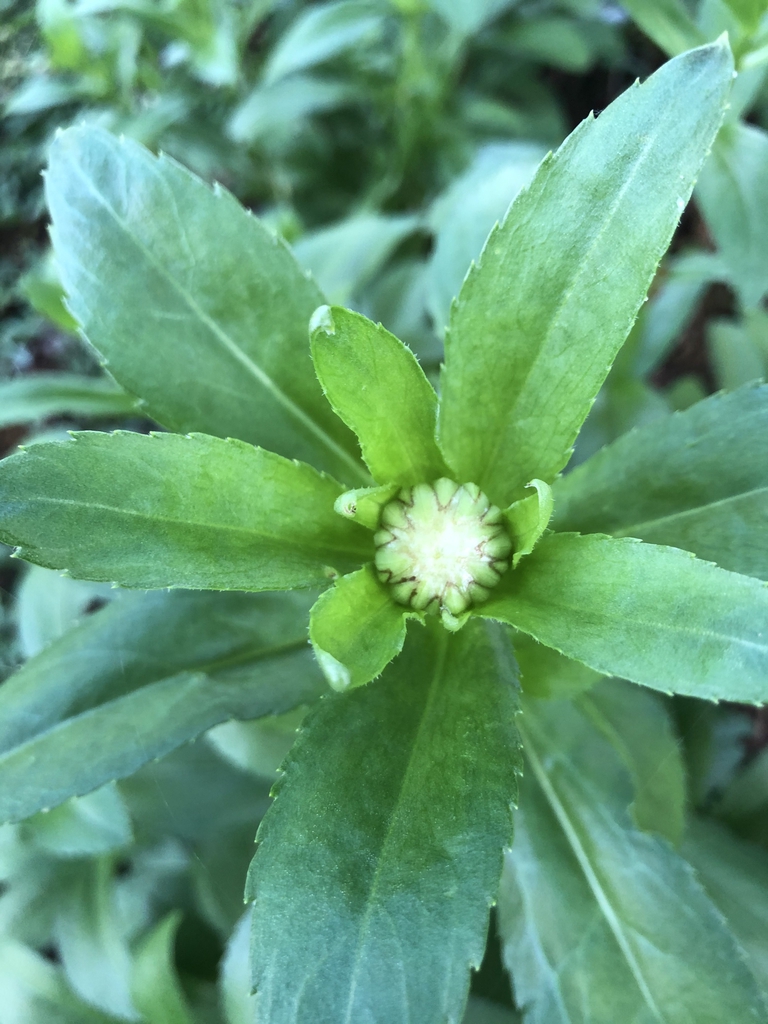
- The leaves are simple, alternate, oblanceolate to lanceolate, 1-inch-long, glossy dark green, with coarsely dentate margins. They become smaller as they go up the stem.
-
-
Stem:
- Stem Color:
- Green
- Stem Is Aromatic:
- No
- Stem Description:
- Rigid stems
-
-
Landscape:
- Landscape Location:
- Container
- Landscape Theme:
- Butterfly Garden
- Cottage Garden
- Cutting Garden
- Pollinator Garden
- Design Feature:
- Border
- Mass Planting
- Attracts:
- Bees
- Butterflies
- Pollinators
- Resistance To Challenges:
- Deer
- Drought
- Dry Soil
- Rabbits
- Problems:
- Contact Dermatitis
- Problem for Cats
- Problem for Children
- Problem for Dogs
-
-
Poisonous to Humans:
- Poison Severity:
- Low
- Poison Symptoms:
- Ingestion can cause hypersalivation, mouth irritation, vomiting, and diarrhea. Skin irritation can result from handling the leaves and flowers.
- Poison Toxic Principle:
- Sesquiterpene lactones and pyrethrins
- Causes Contact Dermatitis:
- Yes
- Poison Part:
- Flowers
- Leaves
- Roots
- Stems