


Woodsia obtusa
Common Name(s):
- Phonetic Spelling
- WOOD-see-ah ob-TOO-sah
- Description
-
The blunt-lobbed cliff fern is in the spleenwort family (Aspleniaceae). Native to eastern North America, this fern is found throughout the mountains and Piedmont region of North Carolina, though it is rare in the Coastal Plain. Two fertile subspecies exist: a diploid form in the western part of its range and a predominantly tetraploid form in the east. The genus Woodsia is named in honor of the botanical author Joseph Woods. The species epithet obtusa, meaning “blunt,” refers to the rounded lobes on each leaflet. The common name, blunt-lobed cliff fern, reflects both this distinctive leaf structure and the plant’s preference for rocky habitats.
Best grown in sandy or fertile, rocky soils, this species prefers conditions that are moist to moderately dry and neutral to slightly alkaline in pH. Good drainage is essential, as it will not tolerate poorly drained soils.
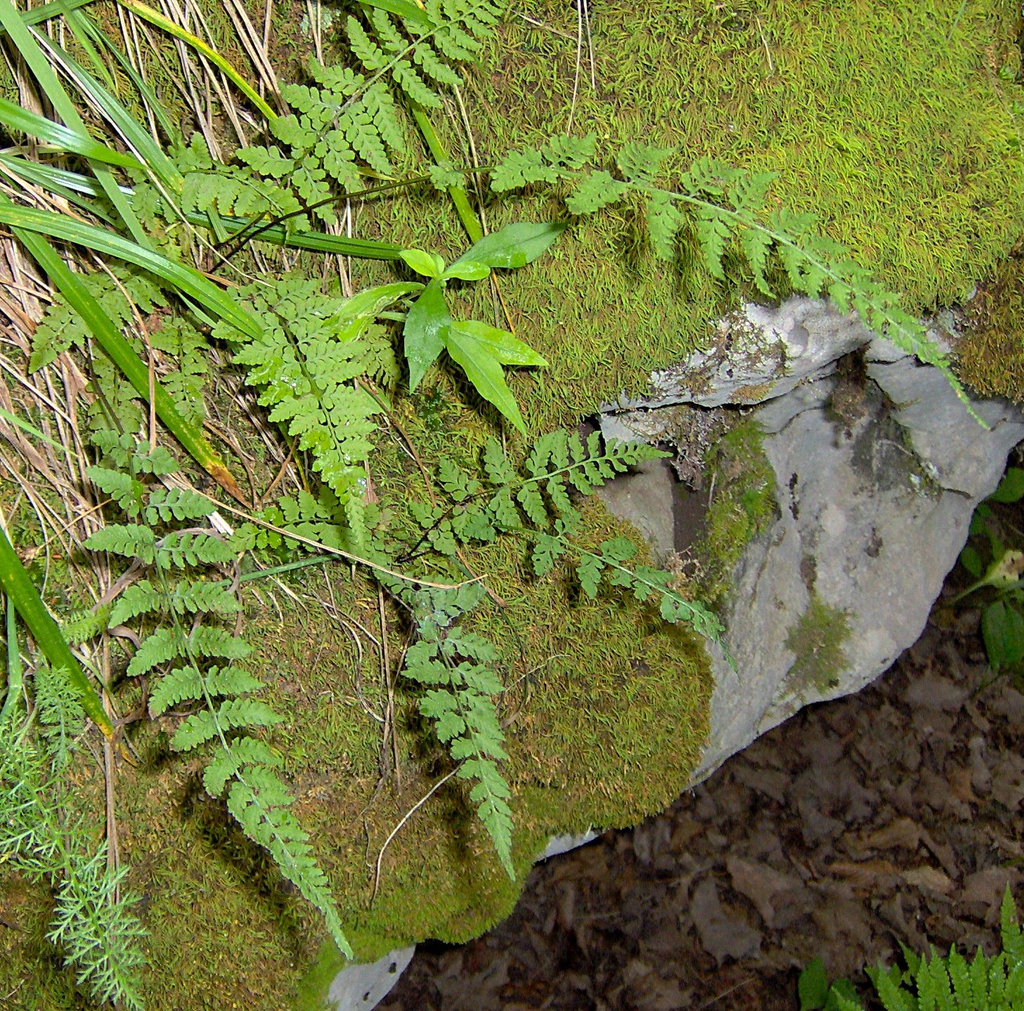
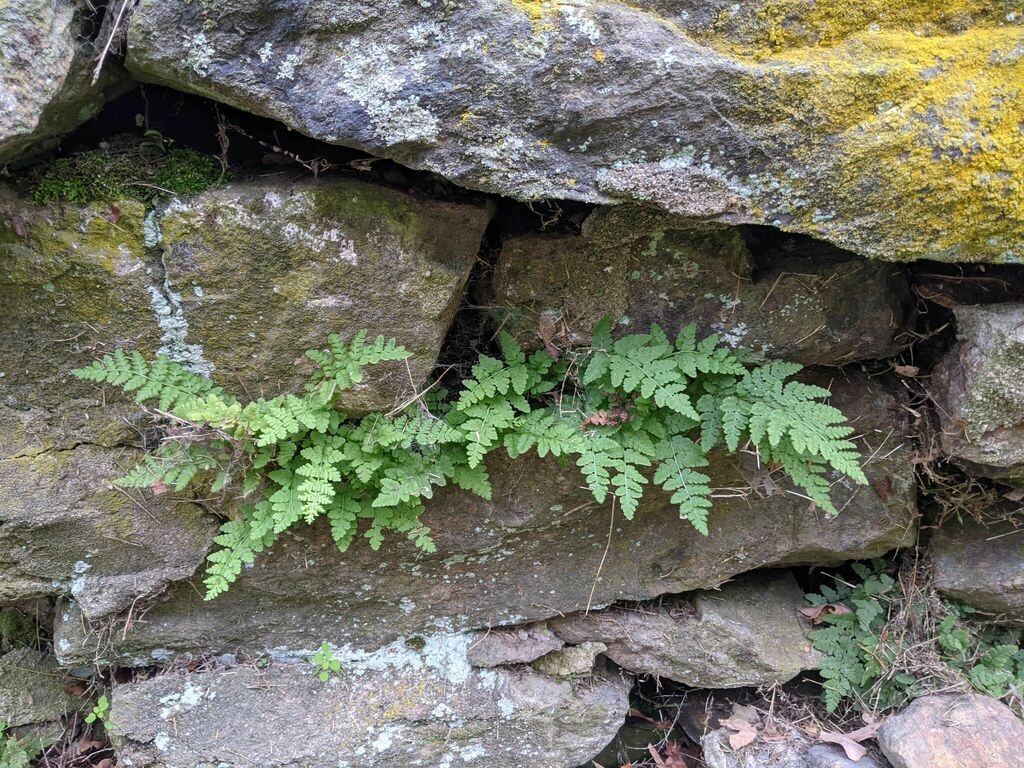
This small to medium-sized fern has a delicate, feathery appearance, yet it is surprisingly tolerant of drier conditions. It naturally inhabits rocky outcrops and cliff faces, making it well-suited for similar environments in cultivation.
An excellent choice for rock gardens, stone walls, or containers, the blunt-lobed cliff fern adds fine texture and resilience to challenging planting sites.
Quick ID hints
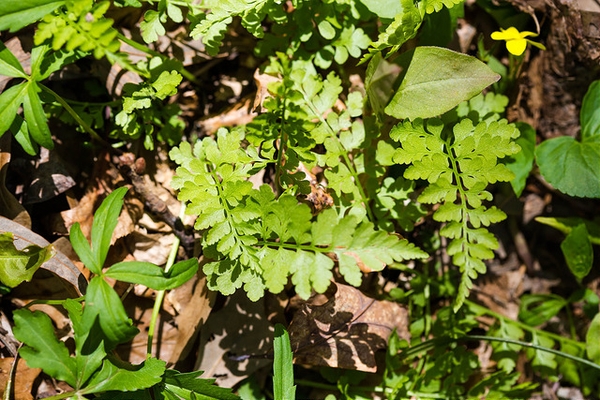
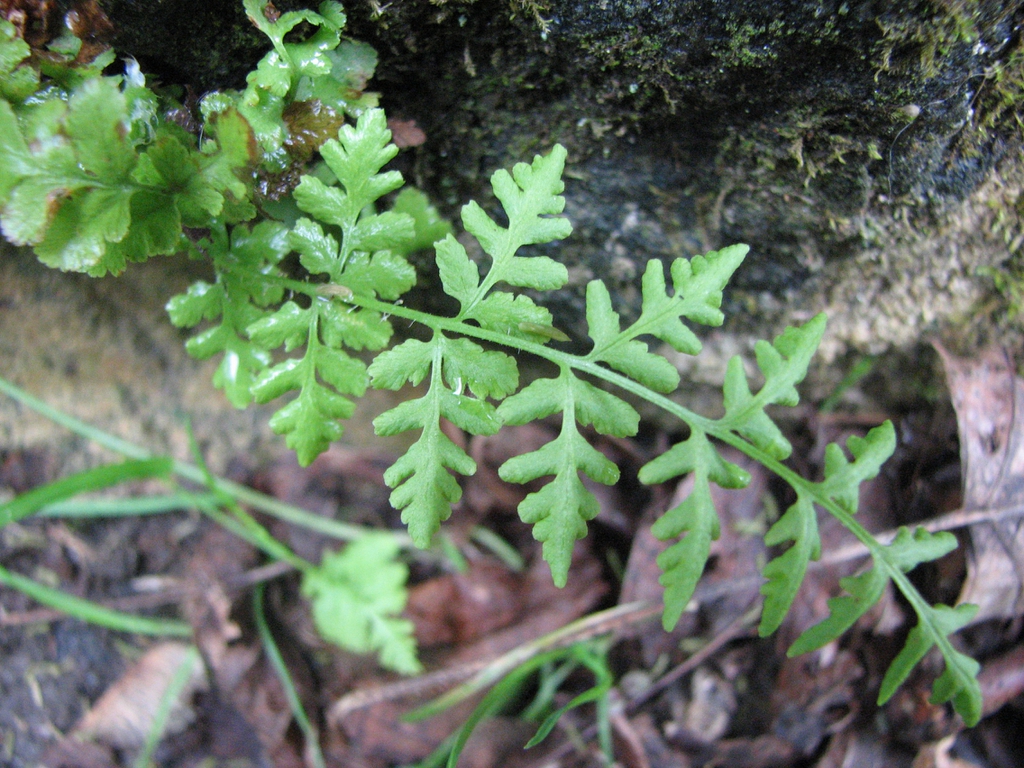
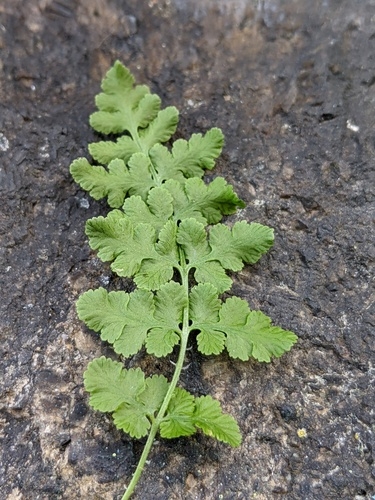
- Mostly bipinnate pinnatifid
- Forked veins of the subleaflets do not extend to the margins
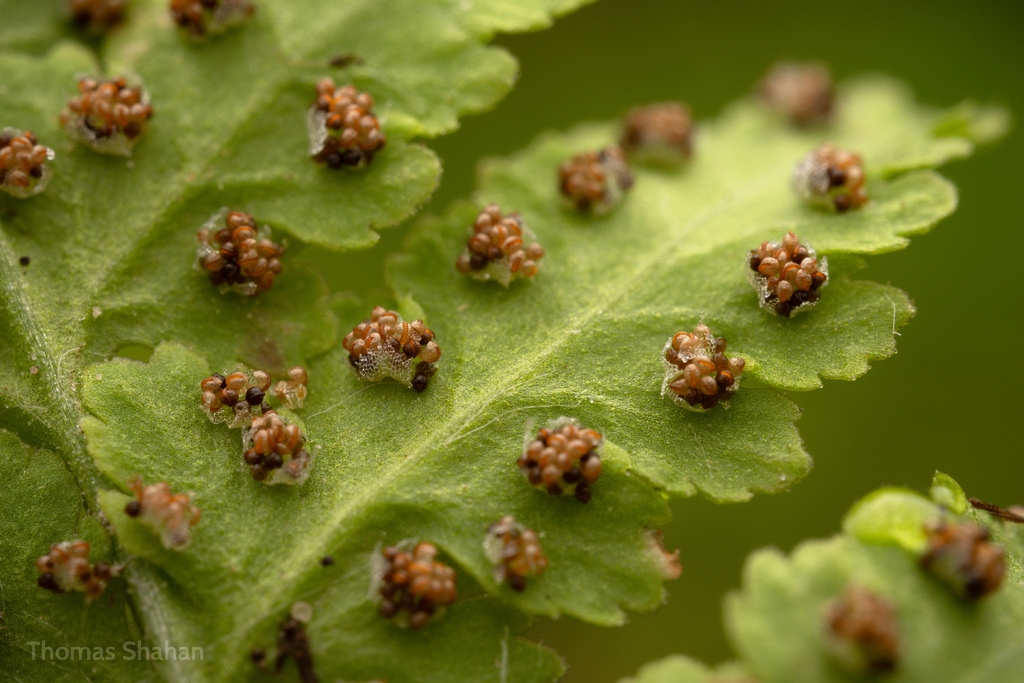
- The indusium splits and divides into 4-6 star-shaped sections
Insects, Diseases, and Other Plant Problems: No serious problems
VIDEO Created by NC State Extension's Homegrown series featuring Mark Weathington, Director of JC Raulston Arboretum.
- Profile Video:
- See this plant in the following landscape :
- Cultivars / Varieties:
-
- Tags:


- Cultivars / Varieties:
-
- Tags:
-
-
Attributes:
- Genus:
- Woodsia
- Species:
- obtusa
- Family:
- Woodsiaceae
- Life Cycle:
- Perennial
- Recommended Propagation Strategy:
- Division
- Country Or Region Of Origin:
- Eastern half of North America, Canada to Florida, west to Texas
- Fire Risk Rating:
- low flammability
- Play Value:
- Shade
- Textural
- Particularly Resistant To (Insects/Diseases/Other Problems):
- Heavy shade, Deer, Rabbits, Squirrels
- Dimensions:
- Height: 1 ft. 0 in. - 1 ft. 6 in.
- Width: 2 ft. 0 in. - 2 ft. 6 in.
-
-
Whole Plant Traits:
- Plant Type:
- Fern
- Herbaceous Perennial
- Native Plant
- Habit/Form:
- Clumping
- Growth Rate:
- Slow
- Maintenance:
- Low
- Texture:
- Fine
-
-
Cultural Conditions:
- Light:
- Dappled Sunlight (Shade through upper canopy all day)
- Deep shade (Less than 2 hours to no direct sunlight)
- Partial Shade (Direct sunlight only part of the day, 2-6 hours)
- Soil Texture:
- Loam (Silt)
- Sand
- Shallow Rocky
- Soil pH:
- Alkaline (>8.0)
- Neutral (6.0-8.0)
- Soil Drainage:
- Good Drainage
- Moist
- Occasionally Dry
- Available Space To Plant:
- Less than 12 inches
- 12 inches-3 feet
- NC Region:
- Mountains
- Piedmont
- USDA Plant Hardiness Zone:
- 1a, 1b, 2a, 2b, 3a, 3b, 4a, 4b, 5a, 5b, 6a, 6b, 7a, 7b, 8a, 8b, 9a, 9b, 10a, 10b
-
-
Fruit:
- Fruit Description:
- No fruits. This plants reproduces via spores.
-
-
Flowers:
- Flower Description:
- No flowers.
-
-
Leaves:
- Leaf Color:
- Gray/Silver
- Green
- Leaf Feel:
- Soft
- Leaf Type:
- Compound (Pinnately , Bipinnately, Palmately)
- Fronds
- Leaf Arrangement:
- Opposite
- Other/more complex
- Leaf Shape:
- Oblanceolate
- Oblong
- Leaf Margin:
- Denticulate
- Hairs Present:
- Yes
- Leaf Description:
- Lacy, narrowly oblong, gray-green fronds have many glands and hairs on both surfaces; bipinnate-pinnatifid erect fronds; nearly opposite pinna are widely spaced; bluntly lobed pinnules; rounded sori surrounded by ragged indusia are borne on tips of veins of pinnules; stipe is dark orange at base and yellow above; produces new fronds throughout growing season.
-
-
Stem:
- Stem Color:
- Gold/Yellow
- Green
- Orange
- Stem Is Aromatic:
- No
-
-
Landscape:
- Landscape Location:
- Naturalized Area
- Small Space
- Woodland
- Landscape Theme:
- Cottage Garden
- Drought Tolerant Garden
- Native Garden
- Rock Garden
- Shade Garden
- Design Feature:
- Border
- Resistance To Challenges:
- Deer
- Heavy Shade
- Rabbits
- Squirrels