



Zigzag Bladderwort Utricularia subulata
Other Common Name(s):
- Description
-
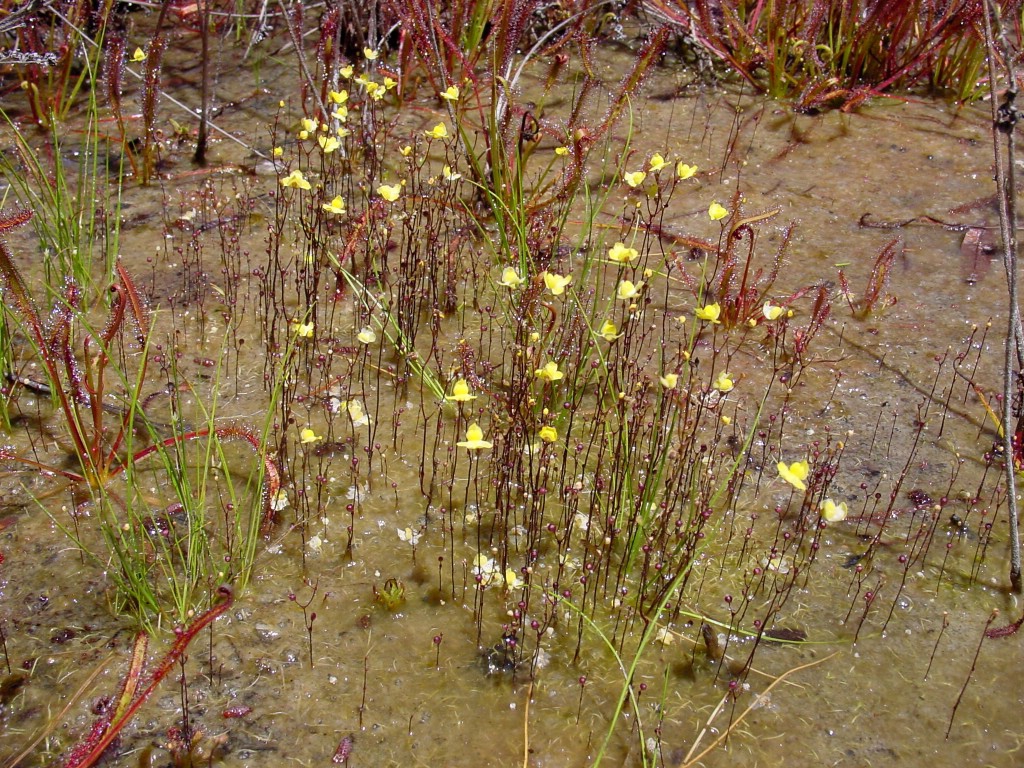
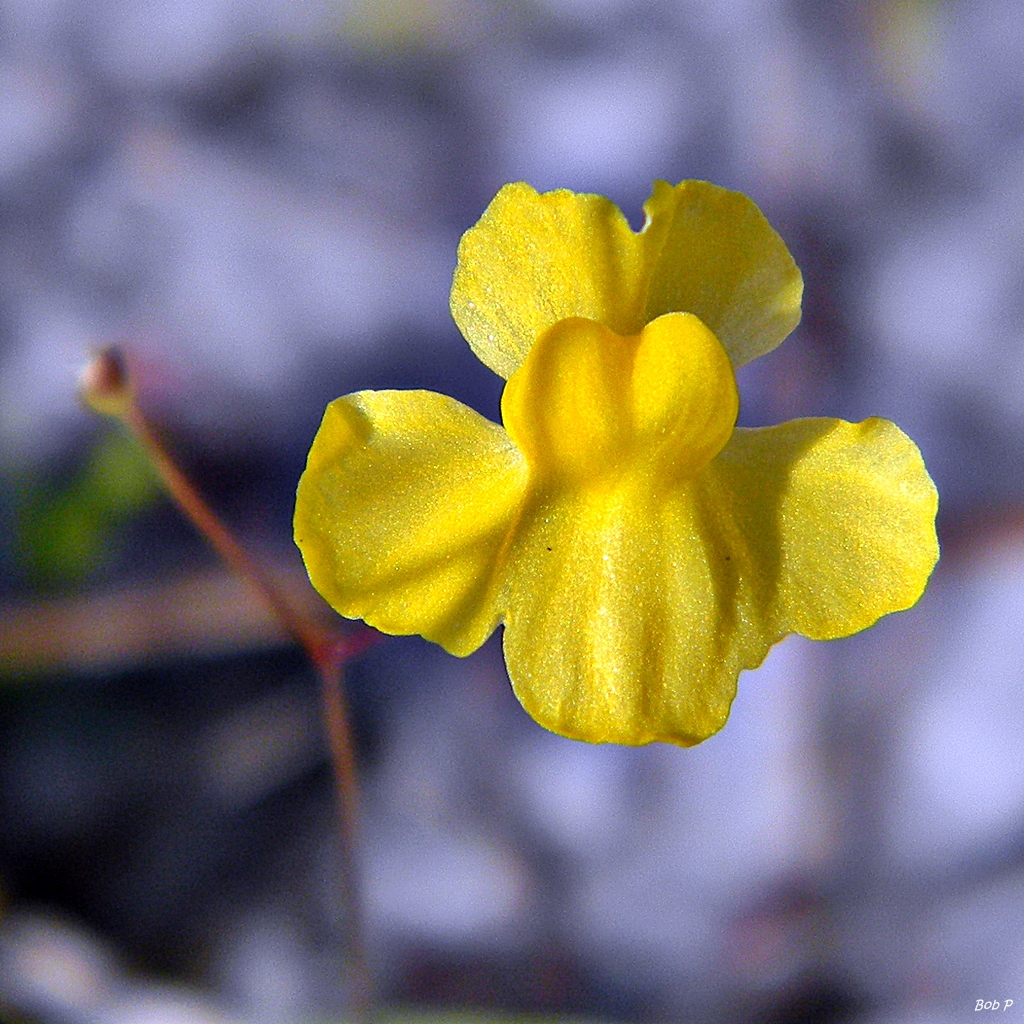
Slender bladderwort is a short-lived, native herbaceous perennial that is the most widely distributed species in the Utricularia genus. In North Carolina, it is found in the coastal and sandhills areas and less frequently in the Piedmont and southern mountains. It is a member of the bladderwort family (Lentibulariaceae). The species epithet is Latin for "awl-shaped" and refers to the shape of the forward-pointing nectar spur under the lip of the flower.
It prefers sandy peaty soils that are consistently moist. It is more challenging to grow because it is not a floating aquatic plant. Instead, it grows in wet soils and forms its traps in the spaces between the soil particles.
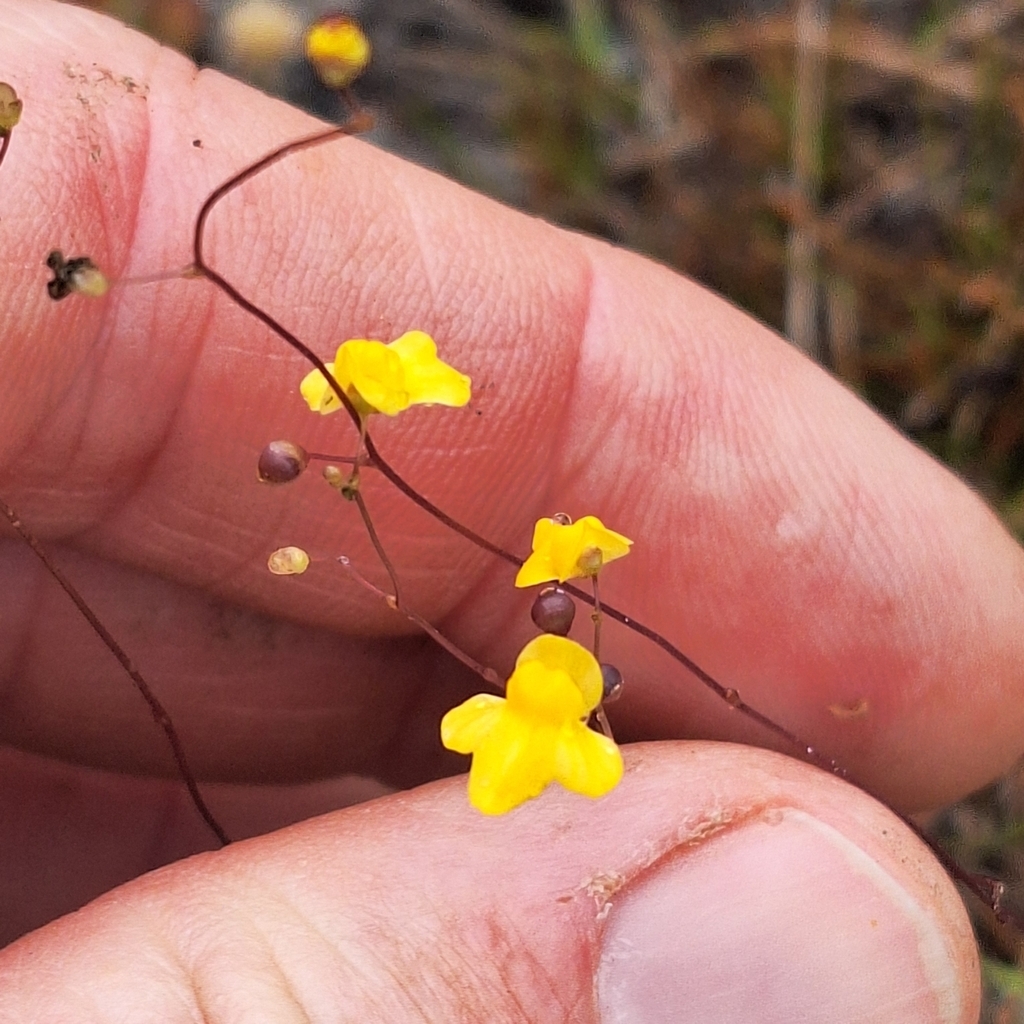
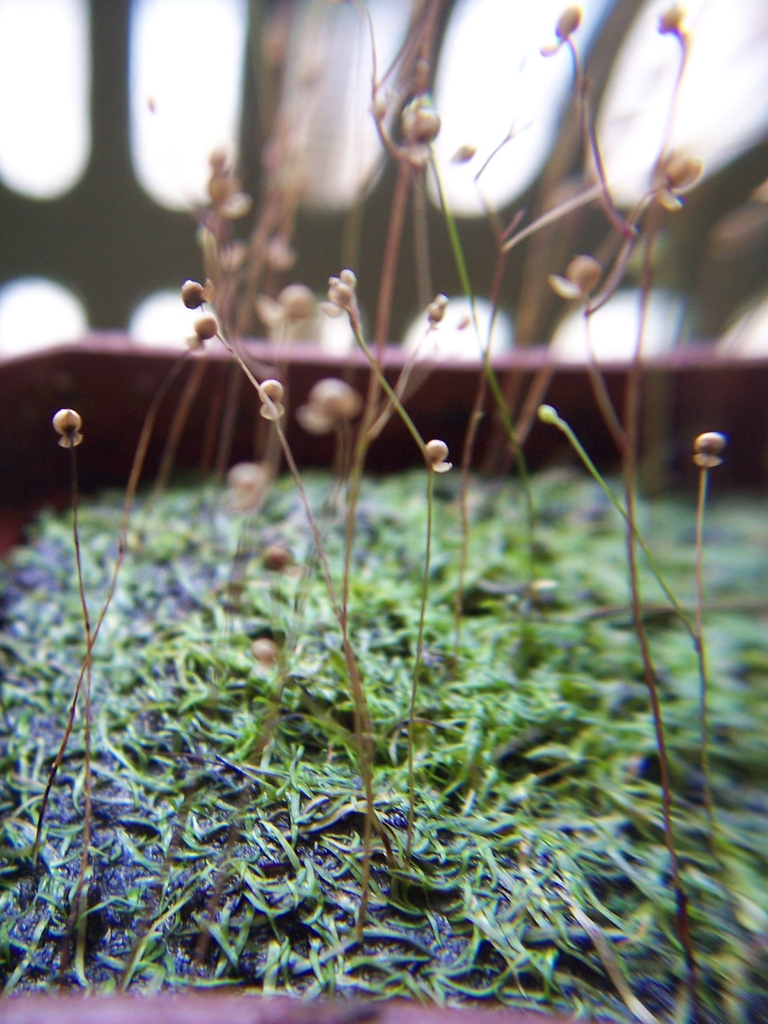
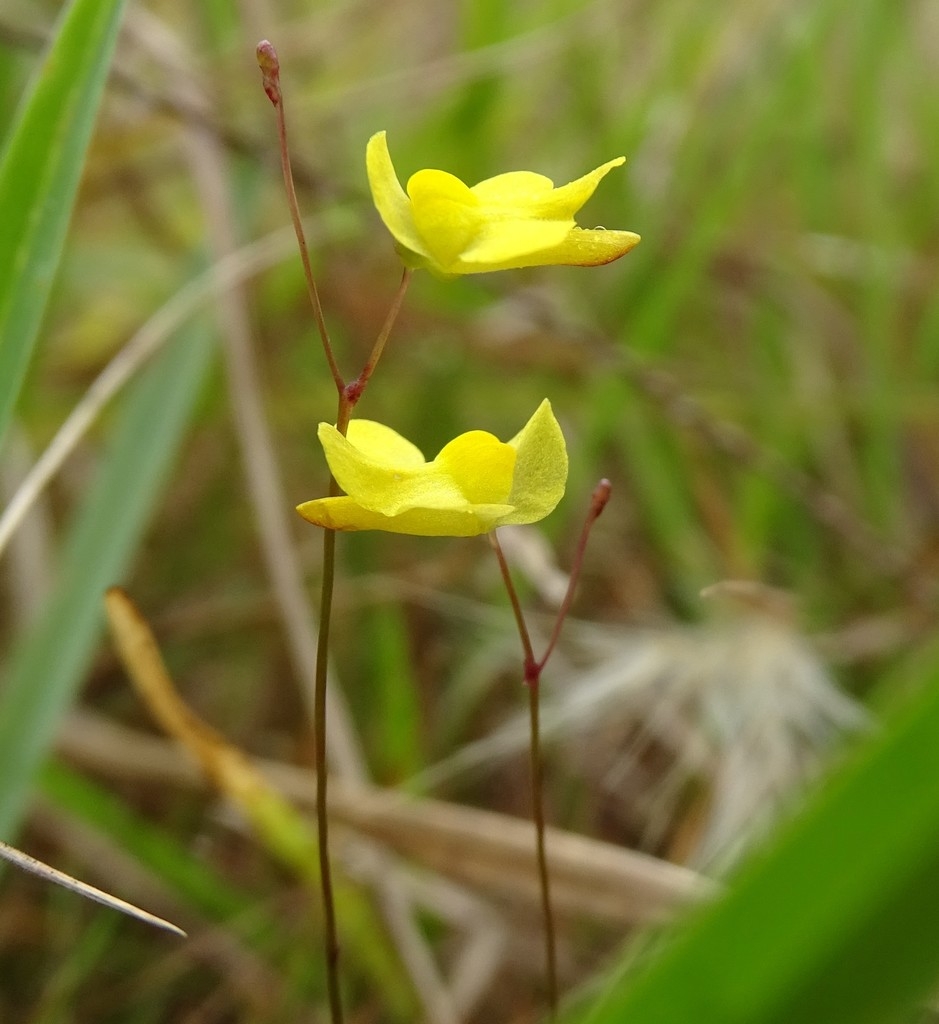
This tiny plant is nearly impossible to find until it sends up its small bright yellow flowers. If conditions are good, the flower will be open and attract insects for pollination. If conditions are not ideal, the flowers will remain closed and self-pollinate. The carnivorous bladders are underground and attract microscopic critters for food. The leaves are few and at the base of the plant.
Slender bladderwort would be an asset in a native plant garden or rain garden.
- See this plant in the following landscape :
- Cultivars / Varieties:
-
- Tags:


- Cultivars / Varieties:
-
- Tags:
-
-
Attributes:
- Genus:
- Utricularia
- Species:
- subulata
- Family:
- Lentibulariaceae
- Life Cycle:
- Perennial
- Country Or Region Of Origin:
- Tropical and subtropical North America
- Distribution:
- AL, AR, CA, DC, DE, FL, GA, IN, LA, MA, MD, MI, MO, MS, NC, NJ, NY, OK, RI, SC, TN, TX, VA
- Wildlife Value:
- This plant attracts bees, flies, butterflies and moths.
- Particularly Resistant To (Insects/Diseases/Other Problems):
- Heat tolerant.
-
-
Whole Plant Traits:
- Plant Type:
- Carnivorous
- Herbaceous Perennial
- Native Plant
- Habit/Form:
- Erect
-
-
Cultural Conditions:
- Light:
- Full sun (6 or more hours of direct sunlight a day)
- Soil Texture:
- Sand
- Soil pH:
- Acid (<6.0)
- Soil Drainage:
- Moist
- Occasionally Wet
- NC Region:
- Coastal
- Mountains
- Piedmont
-
-
Fruit:
- Display/Harvest Time:
- Summer
- Fruit Type:
- Capsule
- Fruit Description:
- Fruit displays from June to September.
-
-
Flowers:
- Flower Color:
- Gold/Yellow
- Flower Bloom Time:
- Spring
- Summer
- Flower Shape:
- Cup
- Lipped
- Tubular
- Flower Petals:
- 4-5 petals/rays
- fused petals
- Flower Size:
- < 1 inch
- Flower Description:
- Yellow flowers with 4-5 fused petals in a cup or tubular shape that bloom from March to July.
-
-
Leaves:
- Leaf Color:
- Green
- Leaf Type:
- Simple
- Leaf Arrangement:
- Alternate
- Leaf Shape:
- Linear
- Hairs Present:
- No
- Leaf Description:
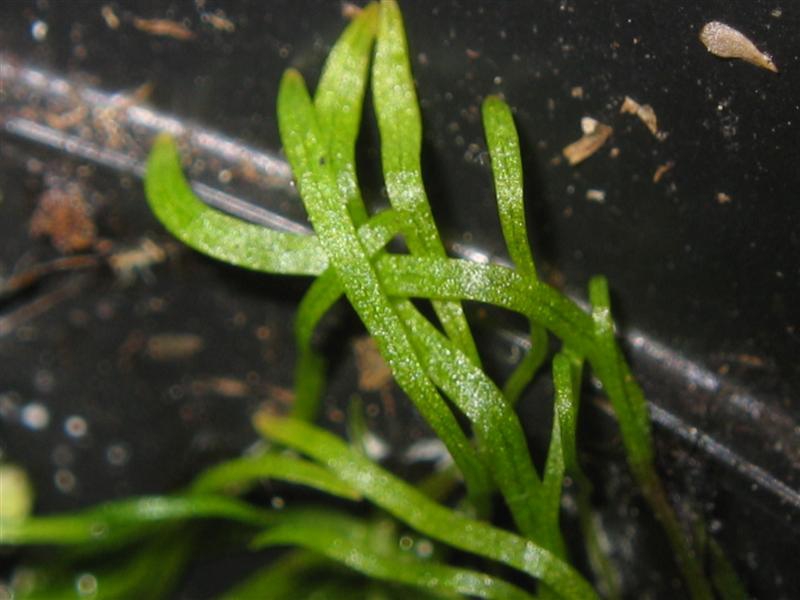
- Simple alternate basal leaves are green and slender
-
-
Stem:
- Stem Color:
- Green
- Red/Burgundy
- Stem Is Aromatic:
- No
- Stem Description:
- The stem is a wiry peduncle from 2 inches to 5 inches tall.
-
-
Landscape:
- Landscape Location:
- Coastal
- Pond
- Riparian
- Landscape Theme:
- Native Garden
- Rain Garden
- Attracts:
- Bees
- Butterflies
- Moths
- Resistance To Challenges:
- Wet Soil



