


Polyanthus Primula x polyantha
Other Common Name(s):
- Phonetic Spelling
- PRIM-yew-lah pol-ee-AN-thah
- Description
-
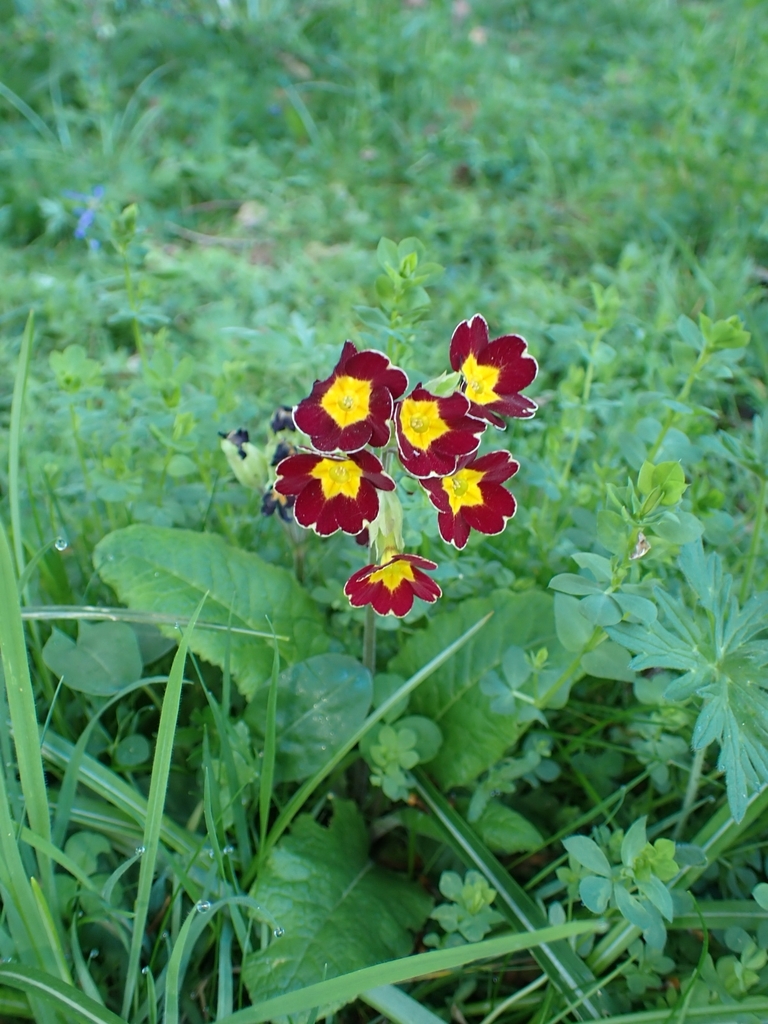
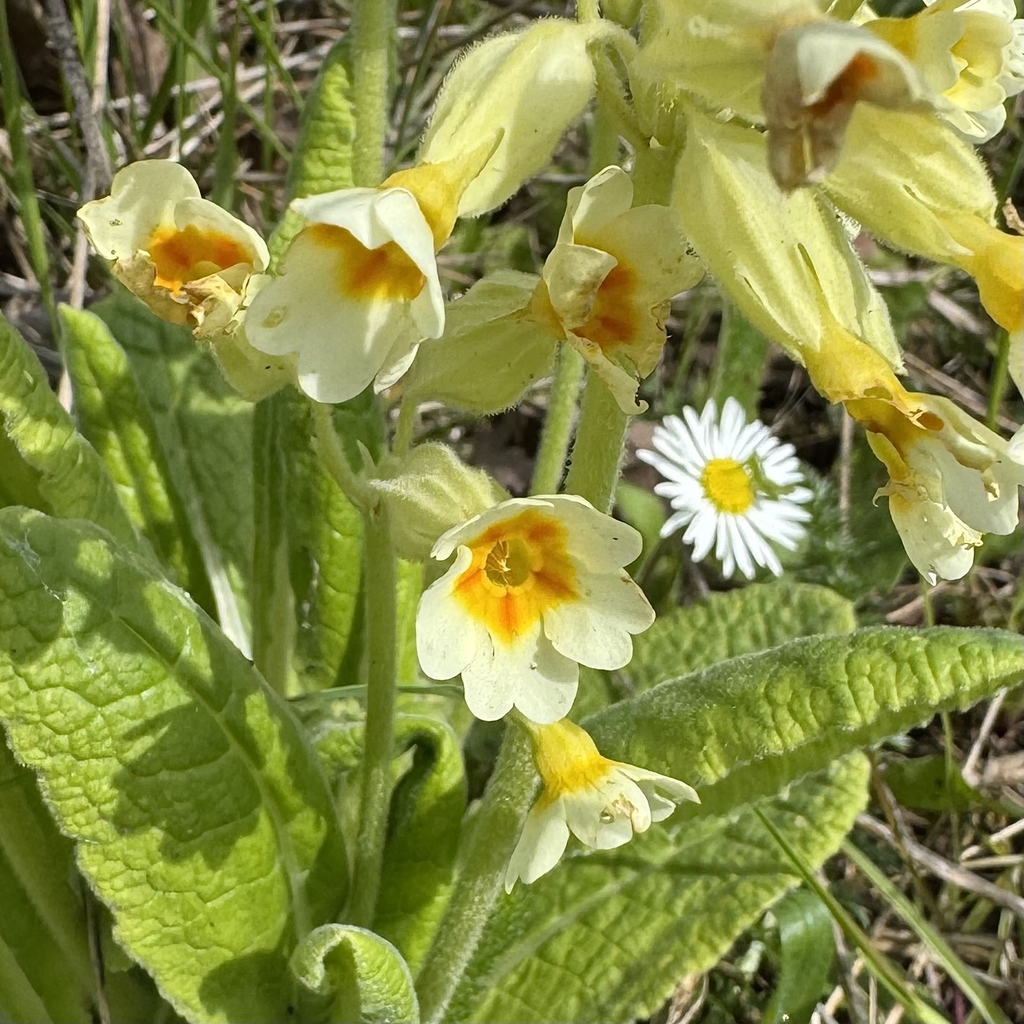
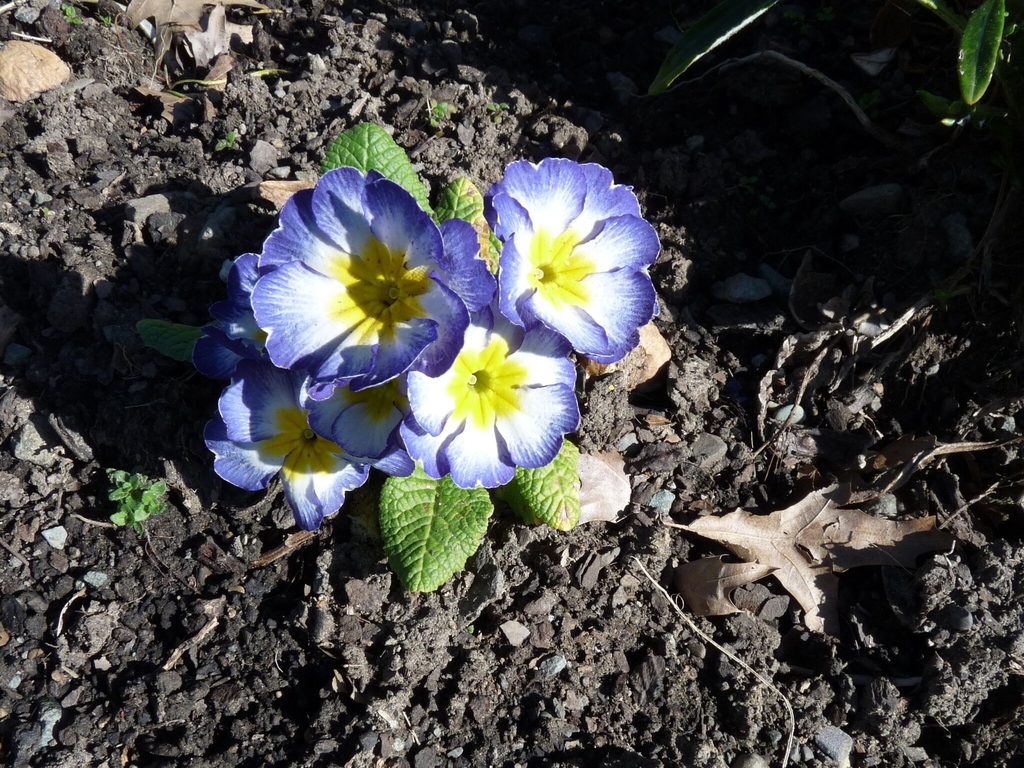
Polyanthus is a flowering evergreen perennial in the Primrose family and a naturally occuring hybrid of P. veris and P. vulgaris. It is native to England and western Europe and found where the parent species' ranges overlap. Like most in the Primrose family, Polyanthus is one of the first flowers to bloom in the spring. The hybrid tends to have dark green foliage and fragrant yellow blossoms, some of which have contrasting colored "eyes" and some which are plain.
Polyanthus requires a cool climate, moist organic soil, in full sun or partial shade. Intense afternoon sun and hot temperatures can cause problems. The plant may not perennialize in warm summer climates, in which case it can be treated as an annual. Alternatively, it can be grown as a biennial by sowing the seeds in summer and planting out the resulting Polyanthus in autumn for flowers in winter and spring.
Polyanthus matures to a height of 20 inches with an equal spread and works great as a large container plant on decks and at entrances. They can be propagated by seed or division in spring after flowering.
Diseases, Insect Pests, and Other Plant Problems:
Can be susceptible to aphids, vine weevils, slugs, eelworms, and spider mites, primula leaf spot and gray mold.
- See this plant in the following landscape :
- Cultivars / Varieties:
-
- Tags:


- Cultivars / Varieties:
-
- Tags:
-
-
Attributes:
- Genus:
- Primula
- Family:
- Primulaceae
- Life Cycle:
- Annual
- Perennial
- Recommended Propagation Strategy:
- Division
- Seed
- Country Or Region Of Origin:
- Hybrid origin - Western Europe, Sweden
- Distribution:
- Introduced into Bolivia
- Dimensions:
- Height: 0 ft. 4 in. - 1 ft. 8 in.
- Width: 0 ft. 4 in. - 1 ft. 8 in.
-
-
Whole Plant Traits:
- Plant Type:
- Annual
- Perennial
- Woody Plant Leaf Characteristics:
- Broadleaf Evergreen
- Habit/Form:
- Clumping
- Maintenance:
- Medium
-
-
Cultural Conditions:
- Light:
- Full sun (6 or more hours of direct sunlight a day)
- Partial Shade (Direct sunlight only part of the day, 2-6 hours)
- Soil Texture:
- High Organic Matter
- Loam (Silt)
- Soil pH:
- Acid (<6.0)
- Neutral (6.0-8.0)
- Soil Drainage:
- Good Drainage
- Moist
- Available Space To Plant:
- 12 inches-3 feet
- NC Region:
- Coastal
- Mountains
- Piedmont
- USDA Plant Hardiness Zone:
- 3a, 3b, 4a, 4b, 5a, 5b, 6a, 6b, 7a, 7b, 8a, 8b
-
-
Flowers:
- Flower Color:
- Gold/Yellow
- Flower Inflorescence:
- Umbel
- Flower Value To Gardener:
- Fragrant
- Showy
- Flower Bloom Time:
- Spring
- Winter
- Flower Shape:
- Bell
- Flower Description:
- Bright yellow, bell-shaped flowers, some with contrasting colored "eyes" and some plain. The flowers can be solitary, in an umbel, or in whorls on an erect stem. Blossoms in late winter into spring.
-
-
Leaves:
- Woody Plant Leaf Characteristics:
- Broadleaf Evergreen
- Leaf Color:
- Green
- Leaf Value To Gardener:
- Long-lasting
- Leaf Type:
- Simple
- Leaf Arrangement:
- Rosulate
- Hairs Present:
- No
- Leaf Description:
- Year-round, dark green rosettes of simple leaves.
-
-
Stem:
- Stem Color:
- Black
- Stem Is Aromatic:
- No
- Stem Form:
- Straight
- Stem Description:
- Dark, almost black, erect stems.
-
-
Landscape:
- Landscape Location:
- Container
- Patio
- Walkways
- Landscape Theme:
- Cottage Garden
- Pollinator Garden
- Design Feature:
- Border
- Small groups
- Attracts:
- Butterflies
- Pollinators