


Picrasma quassioides
Common Name(s):
Previously known as:
- Picrasma ailanthoides
- Phonetic Spelling
- pik-rass-ma kwash-ee-OY-deez
- Description
-
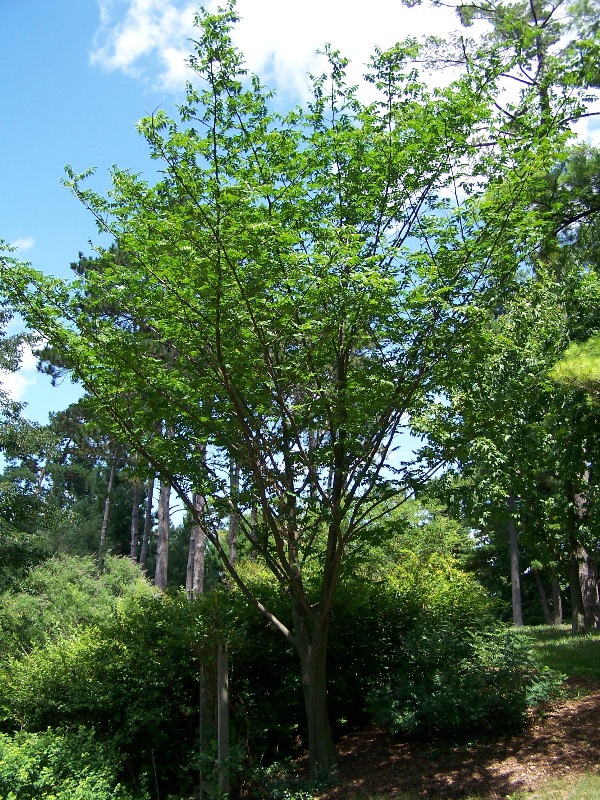
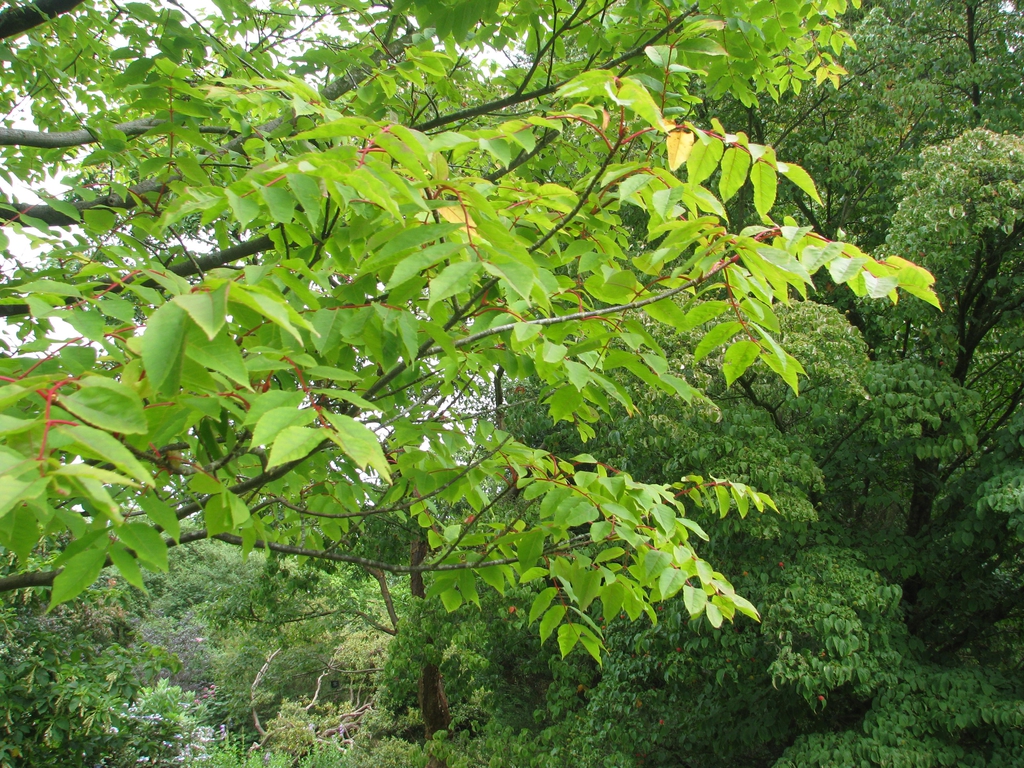
Indian Quassiawood is a deciduous tree or shrub native to the lowlands and forests of the Himalayas and east Asia. It is a member of the Quassia family, a group of tropical and subtropical flowering plants. It grows 30 to 50 feet tall with a short trunk and a spread of 20 to 25 feet. In spring, 3 to 6 inch cymes of small green to yellow-green flowers appear that are followed by clusters of red to black berry-like drupes in fall. Fall leaf color is a bright yellow to orange to red.
This tree prefers moist, well-drained soils in sun to partial shade and is adaptable to both sandy and clay soils.
Use as a small shade tree or as a specimen. It is sometimes grown as an ornamental in Europe and the United States for its attractive foliage and fall color.
Diseases, Insect Pests and Other Plant Problems:
No known diseases or insect pests.
- See this plant in the following landscape :
- Cultivars / Varieties:
-
- Tags:


- Cultivars / Varieties:
-
- Tags:
-
-
Attributes:
- Genus:
- Picrasma
- Species:
- ailanthoides
- Family:
- Simaroubaceae
- Uses (Ethnobotany):
- An extract from the bark is used as a substitute for hops in brewing beer. The bark or wood is used to make an insecticide.
- Life Cycle:
- Woody
- Recommended Propagation Strategy:
- Seed
- Stem Cutting
- Country Or Region Of Origin:
- East Asia, China, Japan, Korea
- Edibility:
- buds used to make tea
- Dimensions:
- Height: 30 ft. 0 in. - 50 ft. 0 in.
- Width: 20 ft. 0 in. - 25 ft. 0 in.
-
-
Whole Plant Traits:
- Plant Type:
- Shrub
- Tree
- Woody Plant Leaf Characteristics:
- Deciduous
- Habit/Form:
- Multi-stemmed
- Rounded
- Texture:
- Medium
-
-
Cultural Conditions:
- Light:
- Full sun (6 or more hours of direct sunlight a day)
- Partial Shade (Direct sunlight only part of the day, 2-6 hours)
- Soil Texture:
- Clay
- Loam (Silt)
- Sand
- Soil pH:
- Alkaline (>8.0)
- Neutral (6.0-8.0)
- Soil Drainage:
- Good Drainage
- Moist
- Available Space To Plant:
- 24-60 feet
- NC Region:
- Coastal
- Mountains
- Piedmont
- USDA Plant Hardiness Zone:
- 5a, 5b, 6a, 6b, 7a, 7b, 8a, 8b, 9a, 9b
-
-
Fruit:
- Fruit Color:
- Red/Burgundy
- Display/Harvest Time:
- Fall
- Fruit Type:
- Drupe
- Fruit Description:
- Female trees produce ovid to globose, red, pea shaped berries appear in the fall. Berries ripen red then turn blue-black.
-
-
Flowers:
- Flower Color:
- Green
- Flower Inflorescence:
- Cyme
- Flower Bloom Time:
- Spring
- Flower Petals:
- 4-5 petals/rays
- Flower Size:
- > 6 inches
- Flower Description:
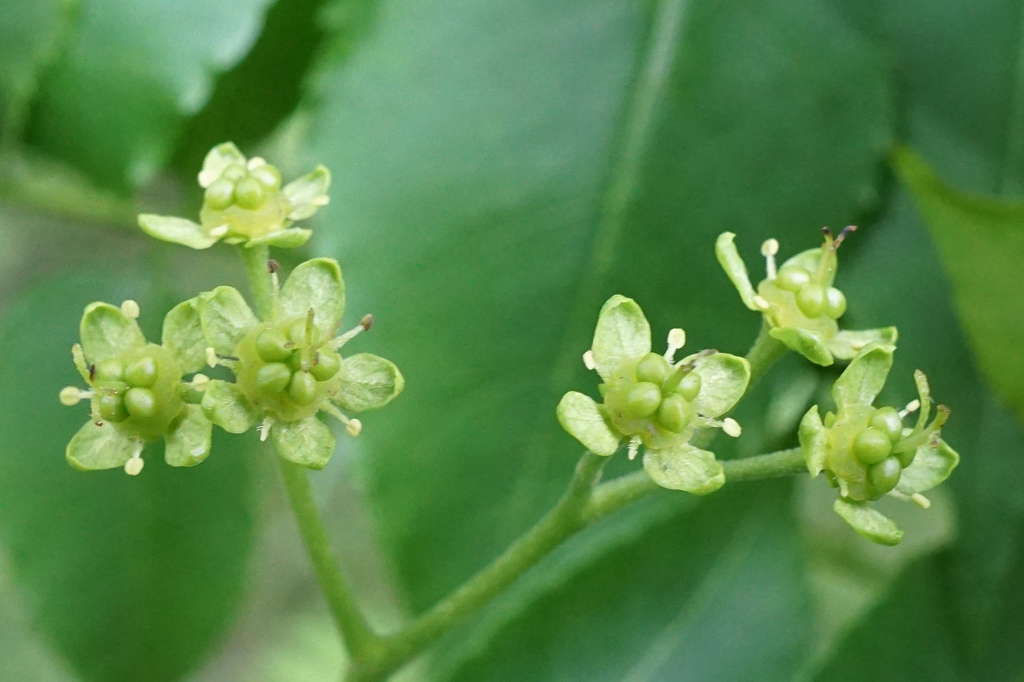
- Yellow-green flowers with 4 to 5 sepals or petals in 3 to 6 inch long cymes. Flowers appear in May. Flower stalk is often red with dense yellow-brown hairs.
-
-
Leaves:
- Woody Plant Leaf Characteristics:
- Deciduous
- Leaf Color:
- Gold/Yellow
- Orange
- Leaf Feel:
- Glossy
- Leaf Value To Gardener:
- Showy
- Deciduous Leaf Fall Color:
- Gold/Yellow
- Orange
- Red/Burgundy
- Leaf Type:
- Compound (Pinnately , Bipinnately, Palmately)
- Leaf Arrangement:
- Alternate
- Leaf Shape:
- Lanceolate
- Ovate
- Leaf Margin:
- Dentate
- Hairs Present:
- No
- Leaf Length:
- 3-6 inches
- Leaf Width:
- > 6 inches
- Leaf Description:
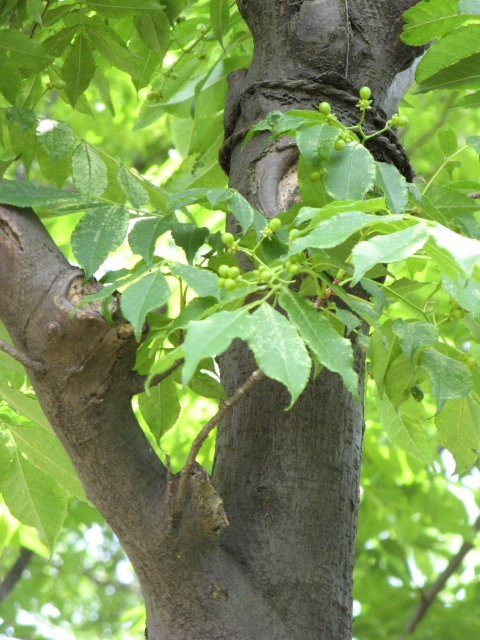
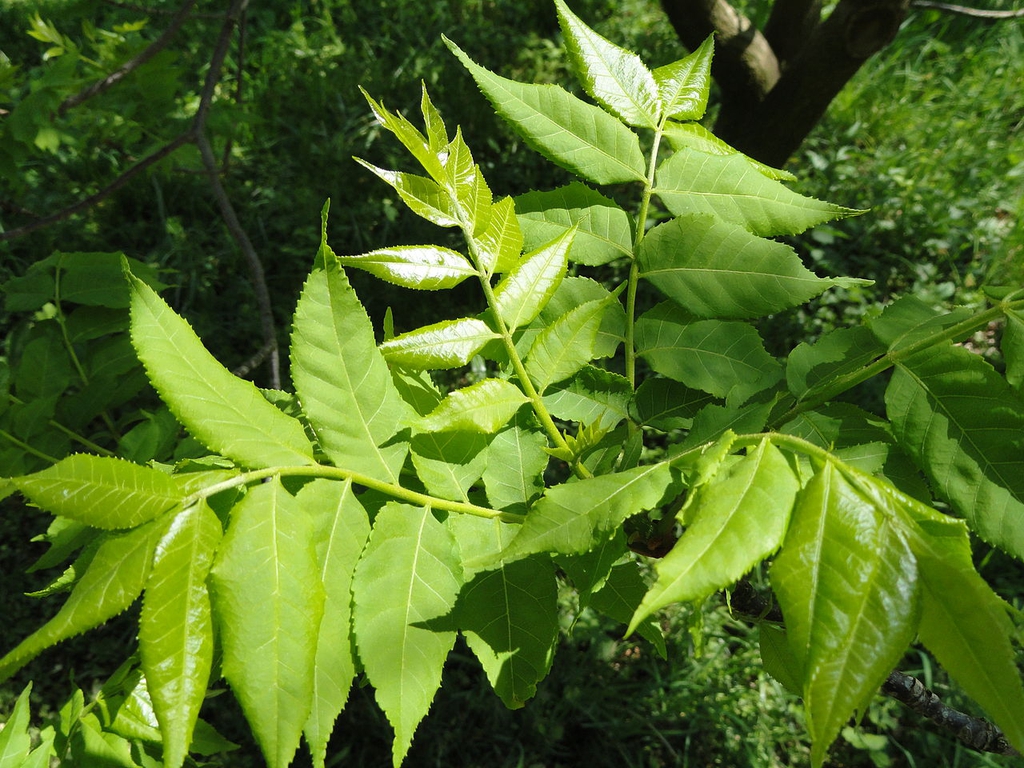
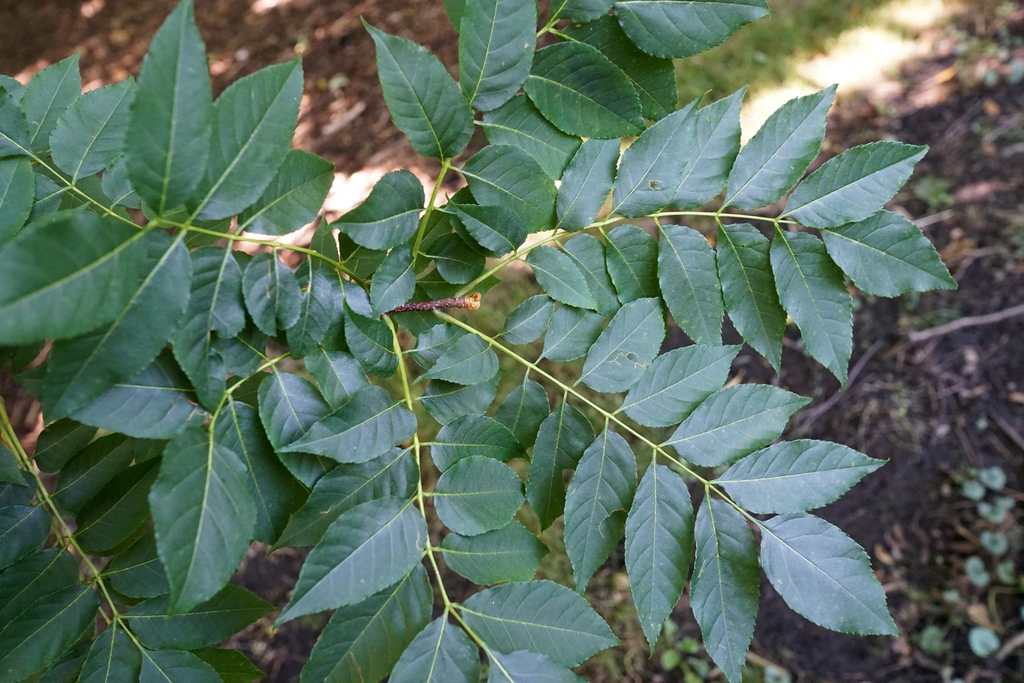
- Pinnately compound leaves with 7 to 15 leaflets each with margins that are irregularly toothed. Leaves are 1 to 4 inches long and 1/2 to 1 1/2 inches wide. Orange/Red/yellow fall color. Leaves are glossy green above, usually quickly smooth.
-
-
Bark:
- Bark Color:
- Dark Brown
- Dark Gray
- Surface/Attachment:
- Fissured
- Bark Description:
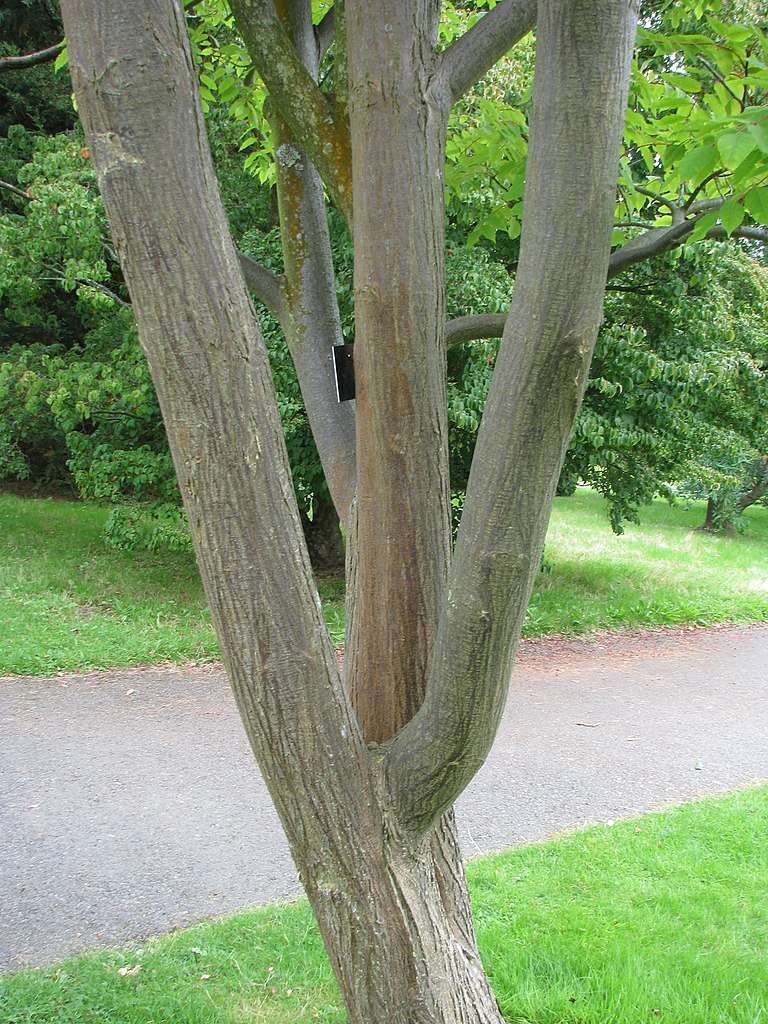
- Smooth dark grey-brown bark as the tree ages. Shallowly fissured
-
-
Stem:
- Stem Color:
- Brown/Copper
- Red/Burgundy
- Stem Is Aromatic:
- No
- Stem Leaf Scar Shape:
- Round
- Stem Lenticels:
- Conspicuous
- Stem Description:
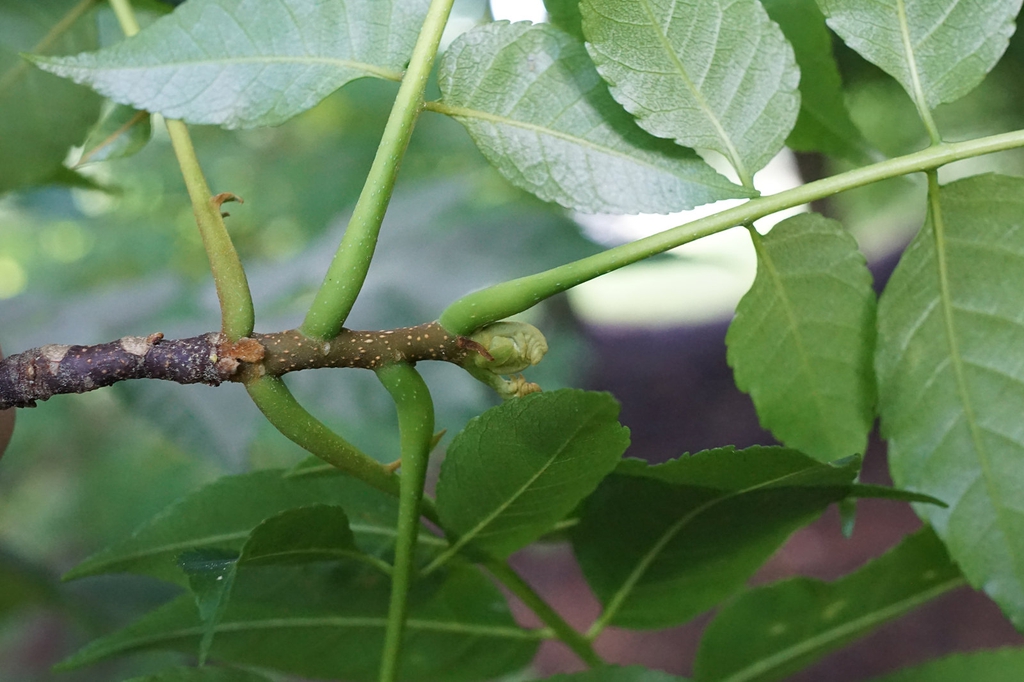
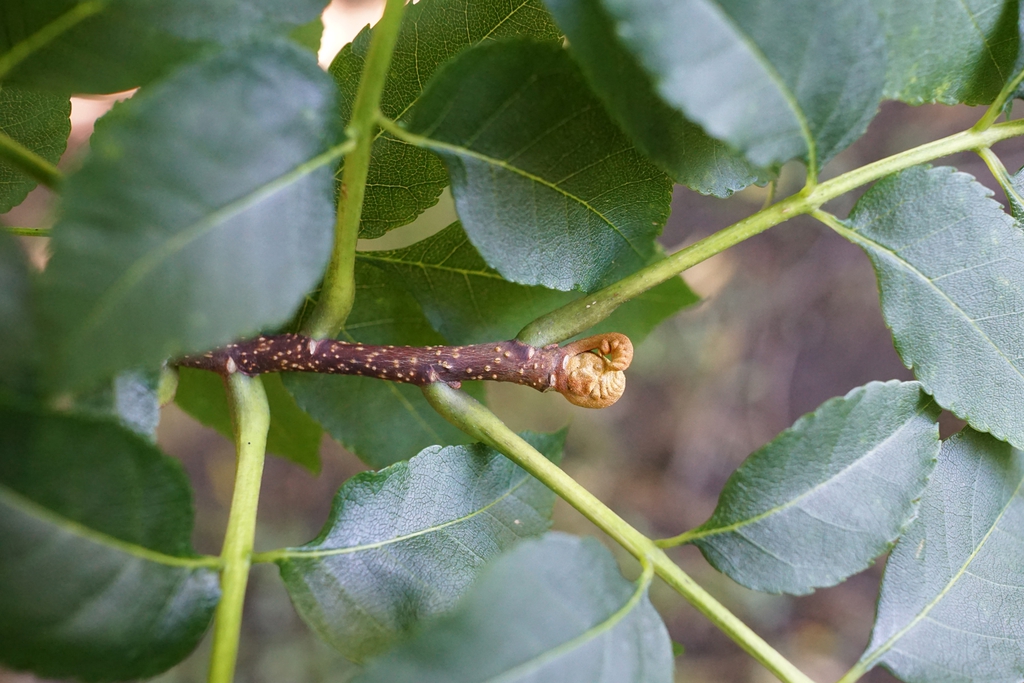
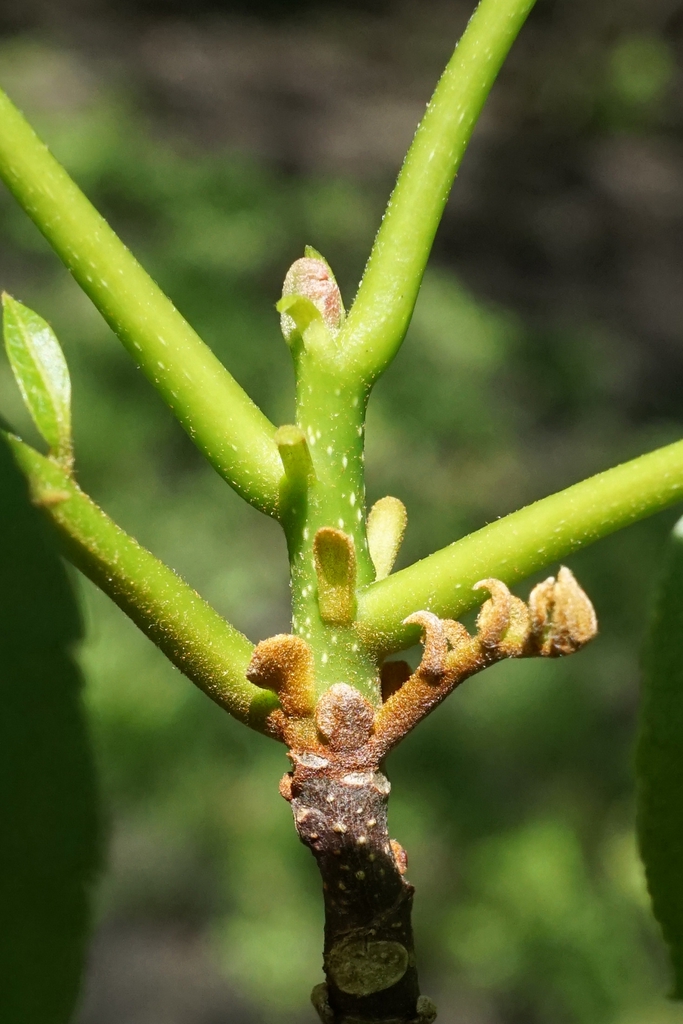
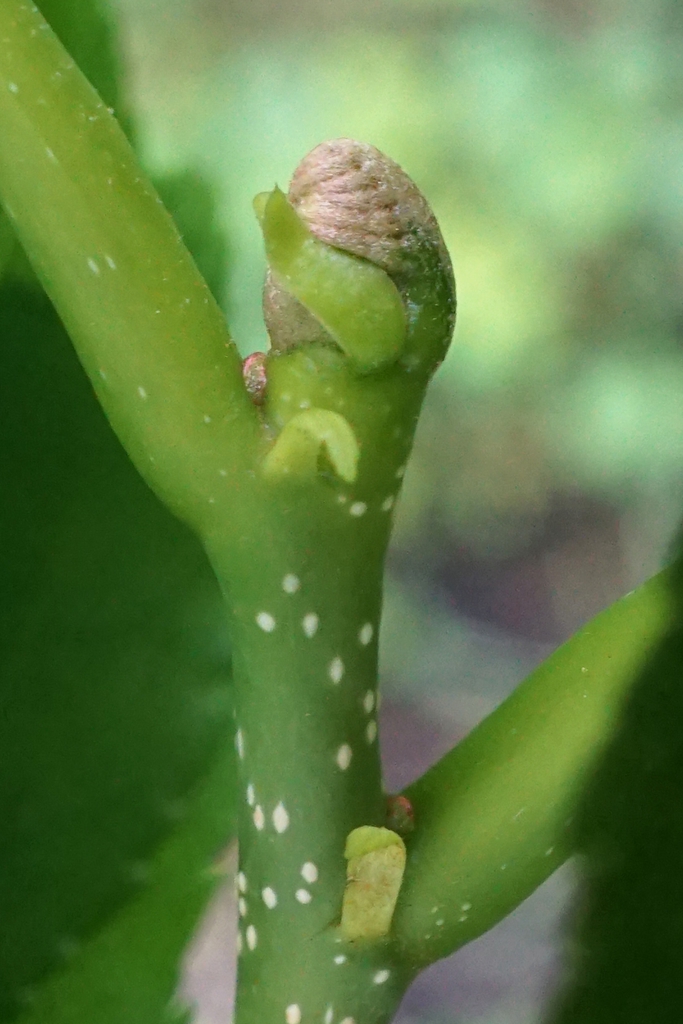
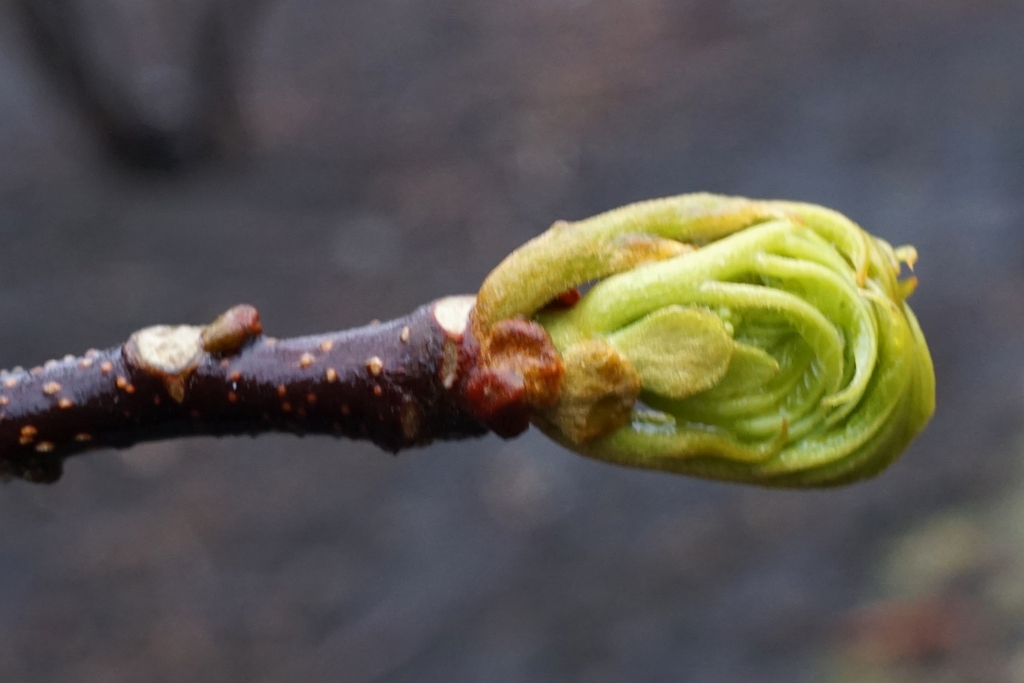
- Rich reddish to purplish brown stems with prominent pale lenticels and prominent pale, rounded leaf-scars.
-
-
Landscape:
- Landscape Location:
- Lawn
- Woodland
- Landscape Theme:
- Asian Garden
- Design Feature:
- Shade Tree
- Specimen