


Picea pungens 'Fat Albert'
Common Name(s):
- Phonetic Spelling
- PY-see--uh PUN-jenz FA-T Ål-bér-it
- Description
-
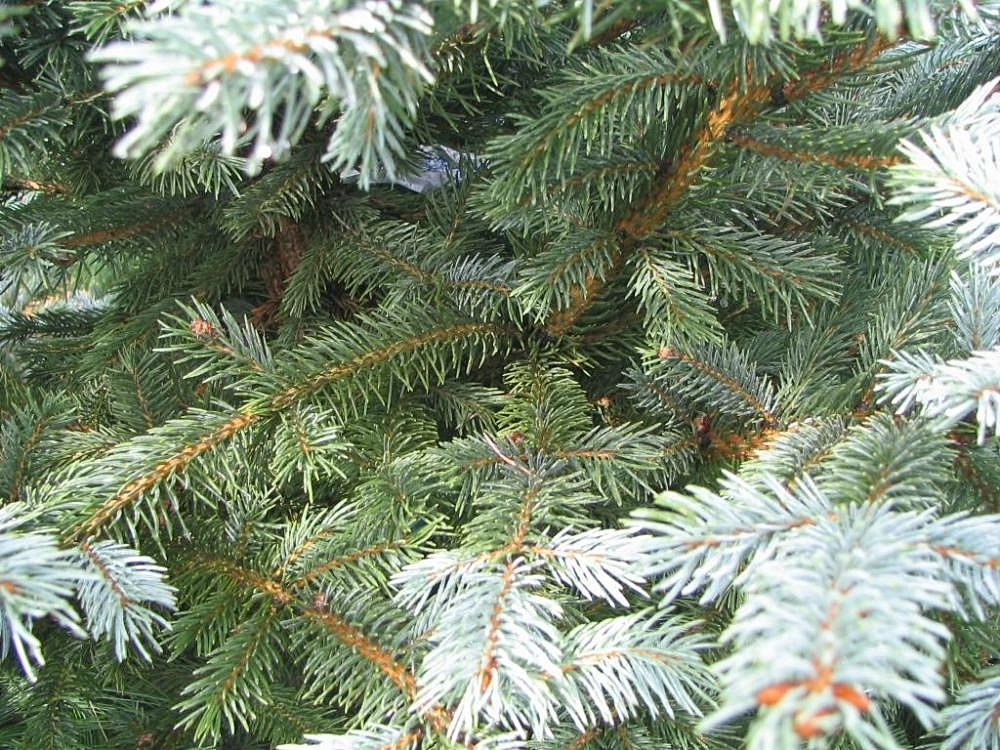
'Fat Albert' blue spruce is a needled evergreen shrub in the pine family (Pinaceacae). It is a cultivar of the blue spruce, which is a native of the central Rocky Mountains. This tree was first selected as a seedling in the Iseli Nursery in Boring, Oregon. The specific epithet refers to the sharply pointed needles of the tree.The cultivar is named after a cartoon character.
This shrub prefers cool and moist climates and will struggle in the heat and humidity of some southern states. It may tolerate the summer weather in the North Carolina mountains. ‘Fat Albert’ can be grown in average, well-drained soils in full sun, although it will tolerate some shade. Young trees should be kept consistently moist and not allowed to dry out. As blue spruce varieties mature, they become more drought tolerant and are overall more drought tolerant than other spruces. This tree is also resistant to deer and rabbits. It has a slow to medium growth rate, reaching a height of 8 to 15 feet and a width of 7 to 10 feet. It is grown from cuttings and is generally low maintenance.
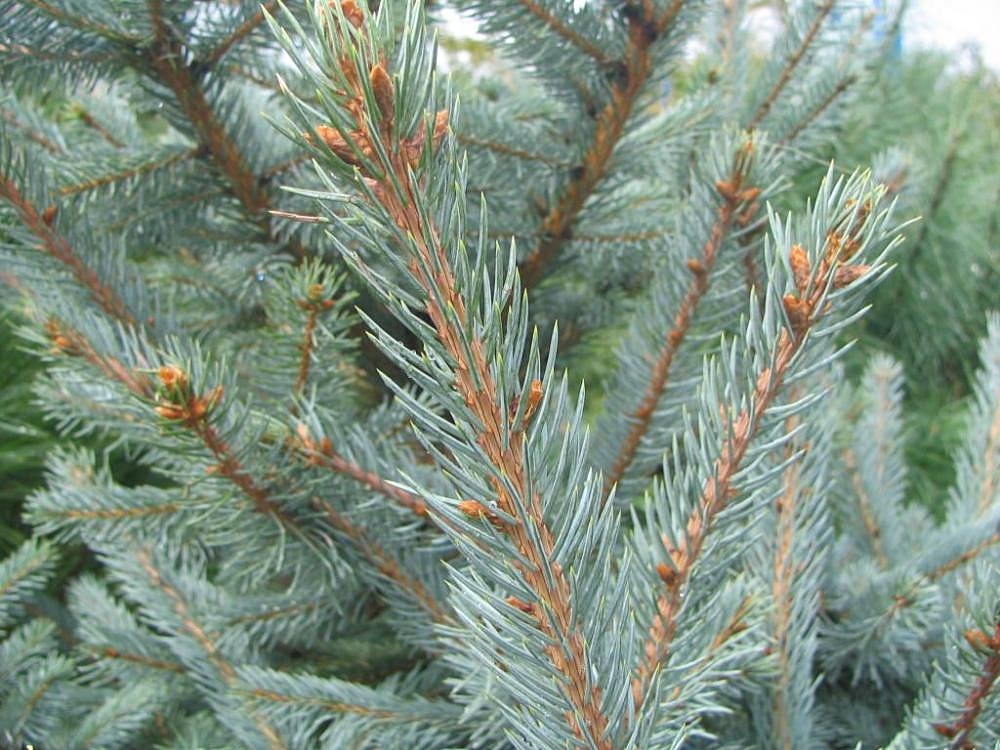
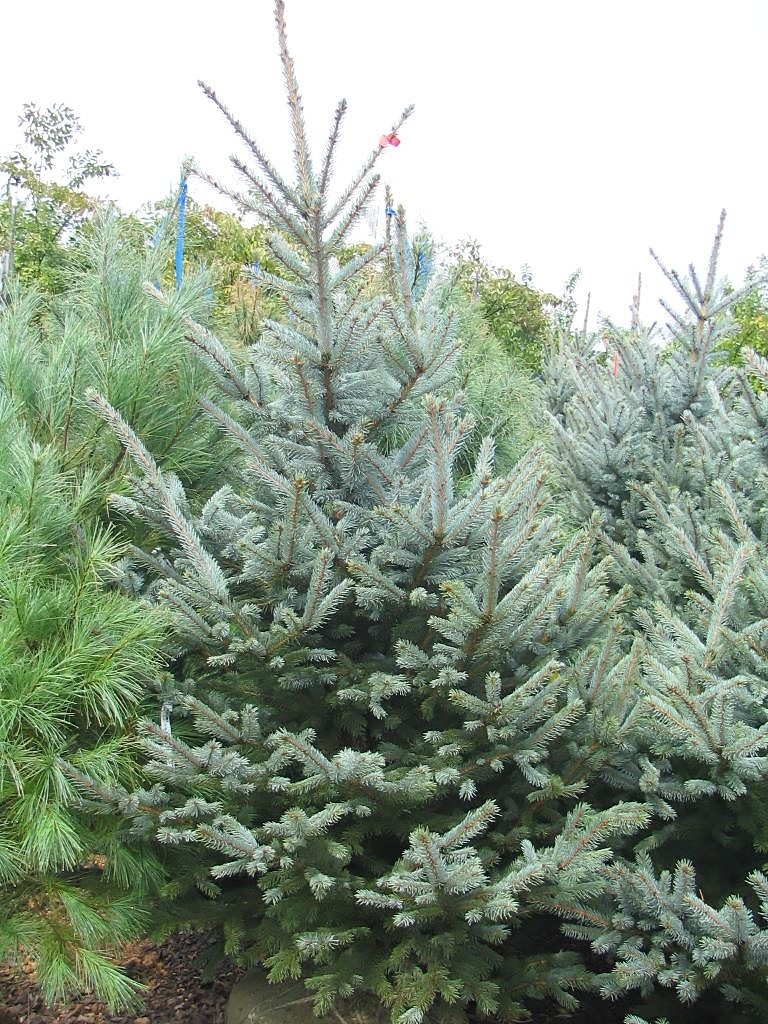
This cultivar has a broad pyramidal shape and is noted for its dense, closely spaced branches and striking blue needle color. Its small mature size makes it a highly versatile conifer.
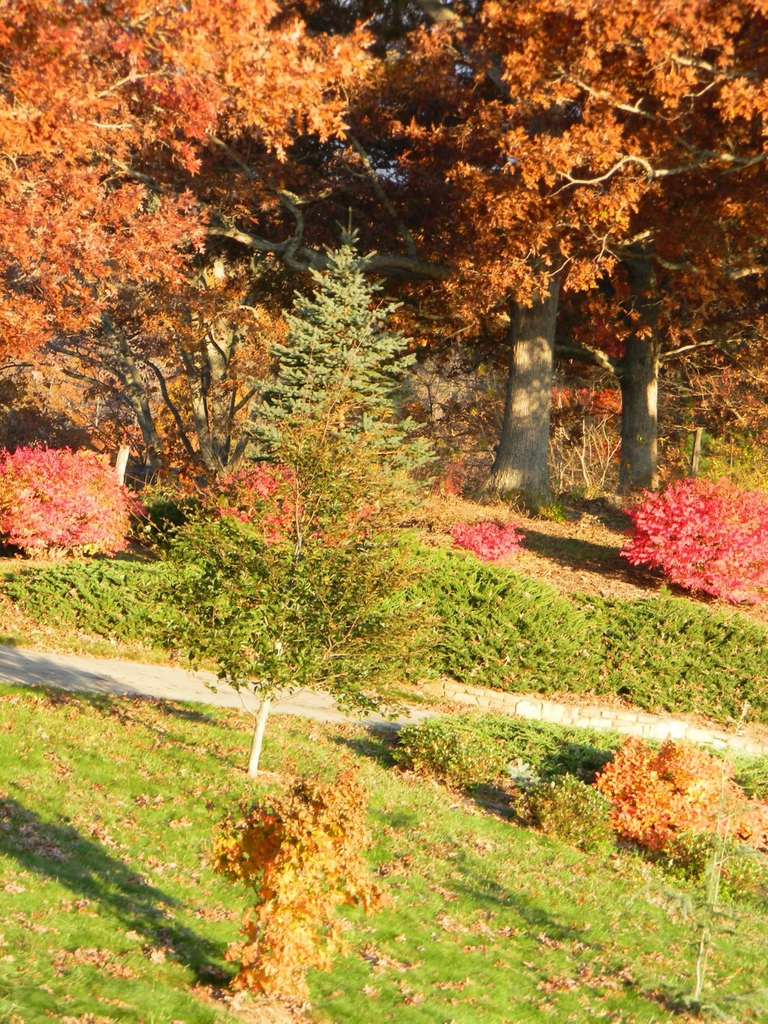
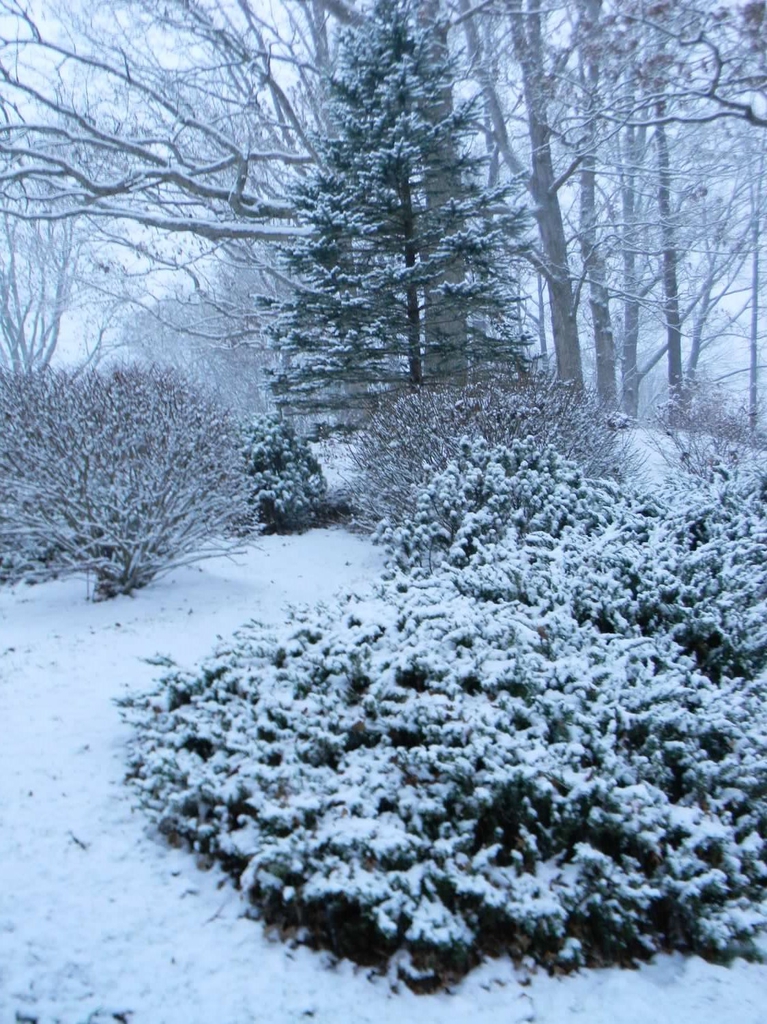
Use it in mass plantings and along foundations, in lawns and meadows, and along walkways. It works well in winter gardens and as an accent or border planting. Use it for specimen plantings or for privacy screening.
Insects, Diseases and Other Plant Problems: This plant is susceptible to rust, cankers and needle cast. Aphids (particularly spruce gall aphids), scale, budworms, bagworms, and spruce rust and spruce spider mites can also cause problems. Spider mites can interfere with new growth and the general health of the tree.
VIDEO Created by Elizabeth Meyer for “Trees, Shrubs and Conifers,” a plant identification course developed in partnership with Longwood Gardens.
- Profile Video:
- See this plant in the following landscape s :
- Mountain Ridge Top Garden - North Lawn and Upper Drive Border Mountain Ridge Top Garden - North Woods Mountain Ridge Top Garden - West Meadow and Woods
- Cultivars / Varieties:
-
- Tags:


- Cultivars / Varieties:
-
- Tags:
-
-
Attributes:
- Genus:
- Picea
- Species:
- pungens
- Family:
- Pinaceae
- Life Cycle:
- Woody
- Dimensions:
- Height: 8 ft. 0 in. - 15 ft. 0 in.
- Width: 7 ft. 0 in. - 10 ft. 0 in.
-
-
Whole Plant Traits:
- Plant Type:
- Shrub
- Woody Plant Leaf Characteristics:
- Needled Evergreen
- Habit/Form:
- Dense
- Horizontal
- Pyramidal
- Growth Rate:
- Slow
- Maintenance:
- Low
-
-
Cultural Conditions:
- Light:
- Full sun (6 or more hours of direct sunlight a day)
- Soil Drainage:
- Good Drainage
- USDA Plant Hardiness Zone:
- 3a, 3b, 4a, 4b, 5a, 5b, 6a, 6b, 7a, 7b
-
-
Flowers:
- Flower Color:
- Brown/Copper
- Green
- Flower Size:
- 3-6 inches
- Flower Description:
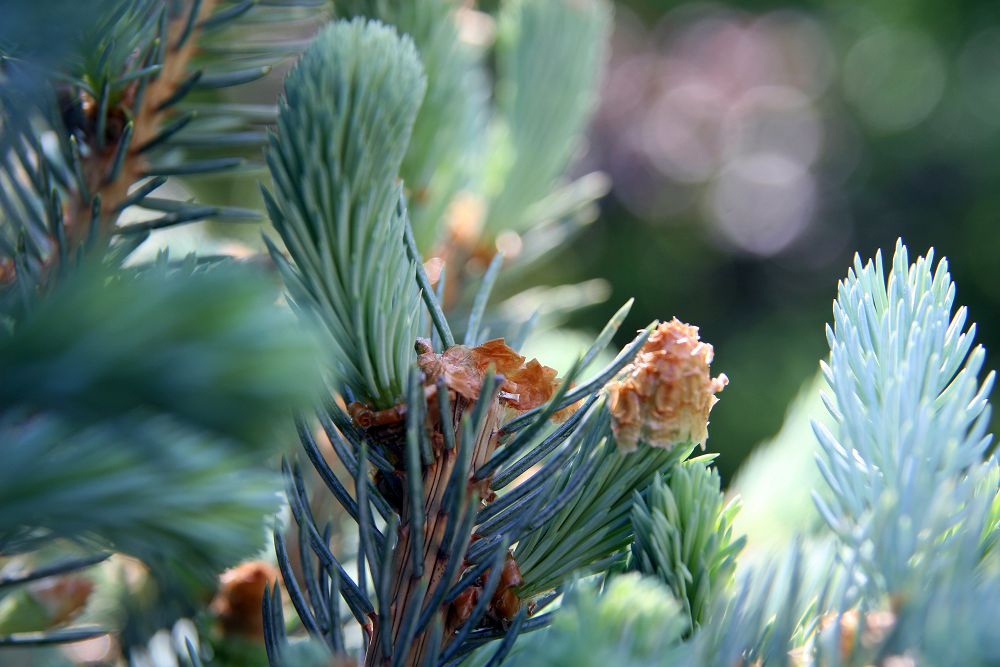
- Greenish oblong cones, maturing to brown
-
-
Leaves:
- Woody Plant Leaf Characteristics:
- Needled Evergreen
- Leaf Color:
- Blue
- Leaf Feel:
- Prickly
- Leaf Type:
- Needles
- Hairs Present:
- No
- Leaf Length:
- 1-3 inches
- Leaf Description:
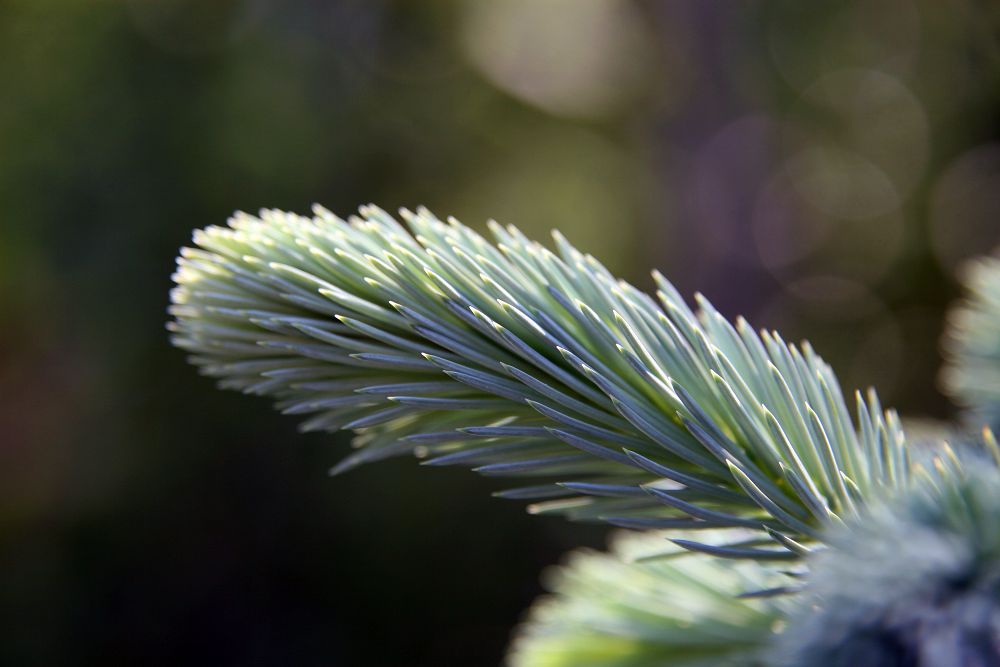
- Steel blue needles
-
-
Bark:
- Bark Color:
- Dark Gray
- Bark Description:
- Dark gray bark furrown on mature trees
-
-
Stem:
- Stem Is Aromatic:
- No
-
-
Landscape:
- Landscape Location:
- Lawn
- Meadow
- Walkways
- Landscape Theme:
- Winter Garden
- Design Feature:
- Accent
- Border
- Foundation Planting
- Mass Planting
- Screen/Privacy
- Specimen
- Resistance To Challenges:
- Deer
- Drought
- Rabbits