


Picea asperata
Common Name(s):
- Phonetic Spelling
- Pi-see-a a-spe-RAH-ta
- Description
-
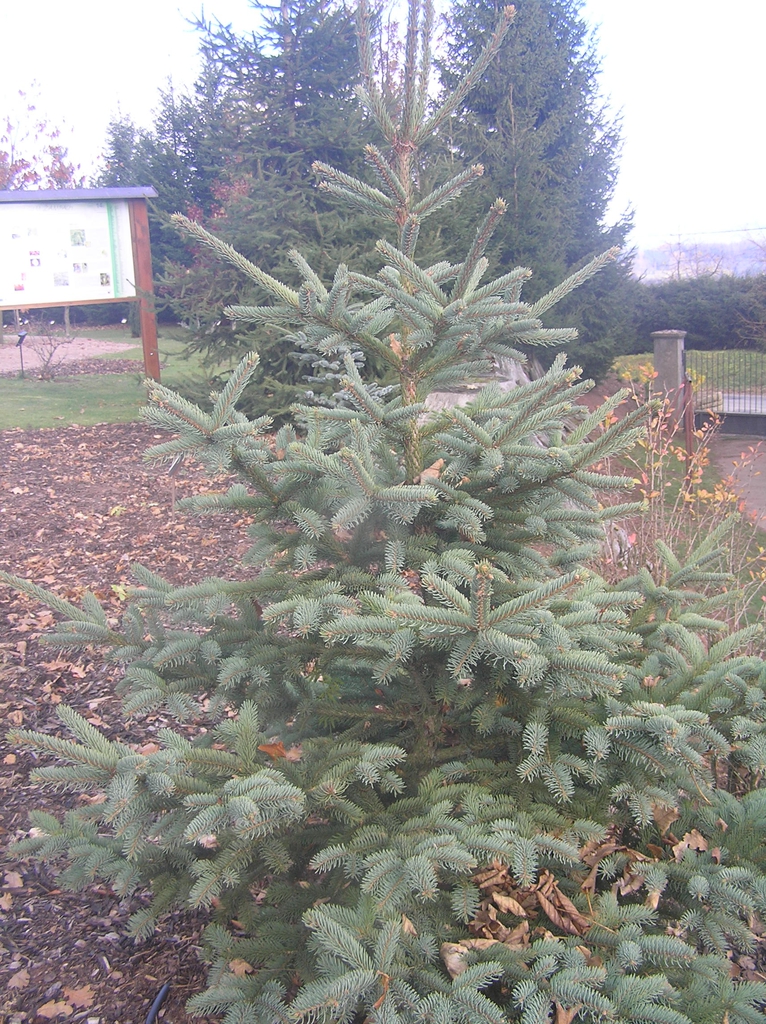
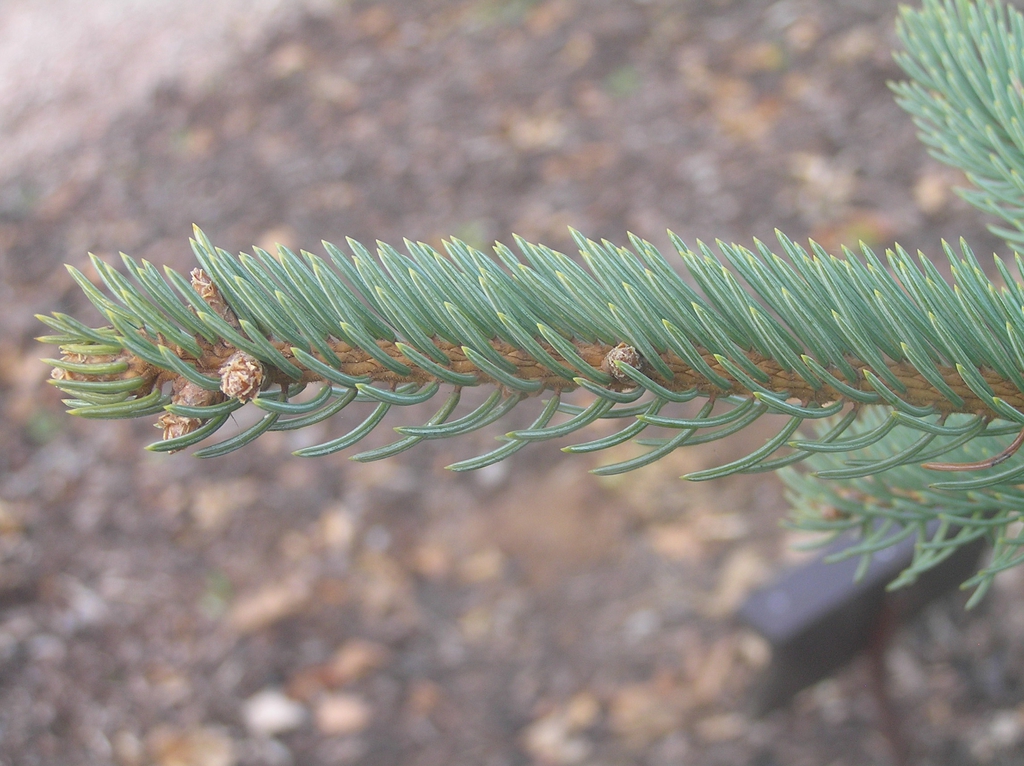
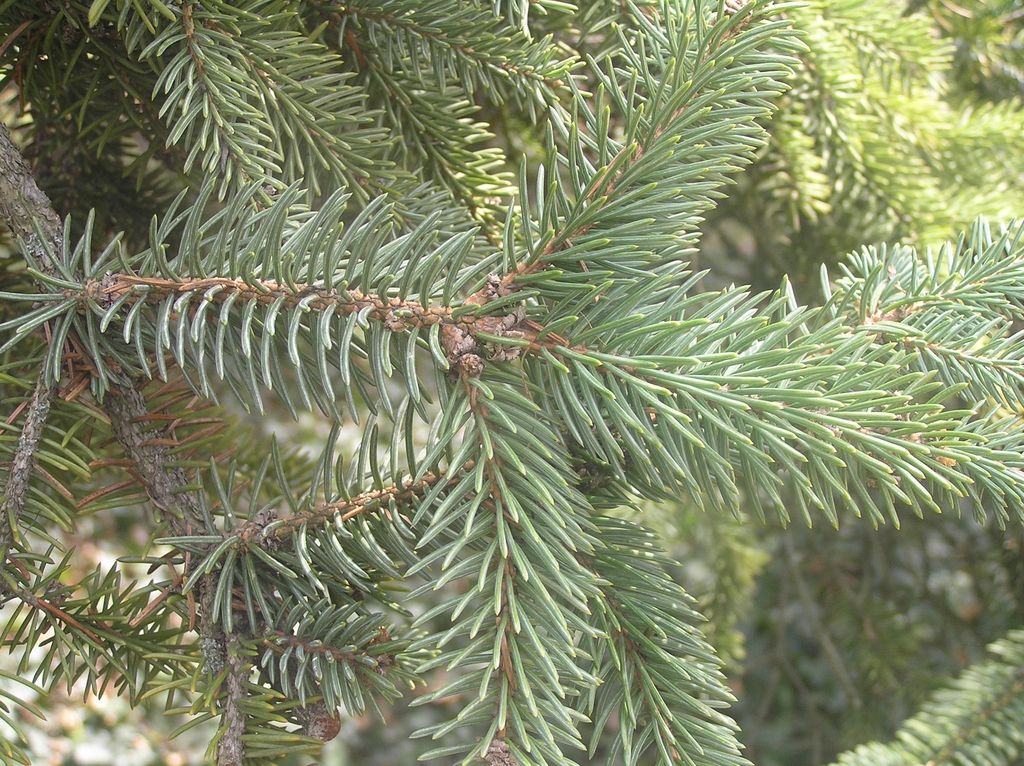
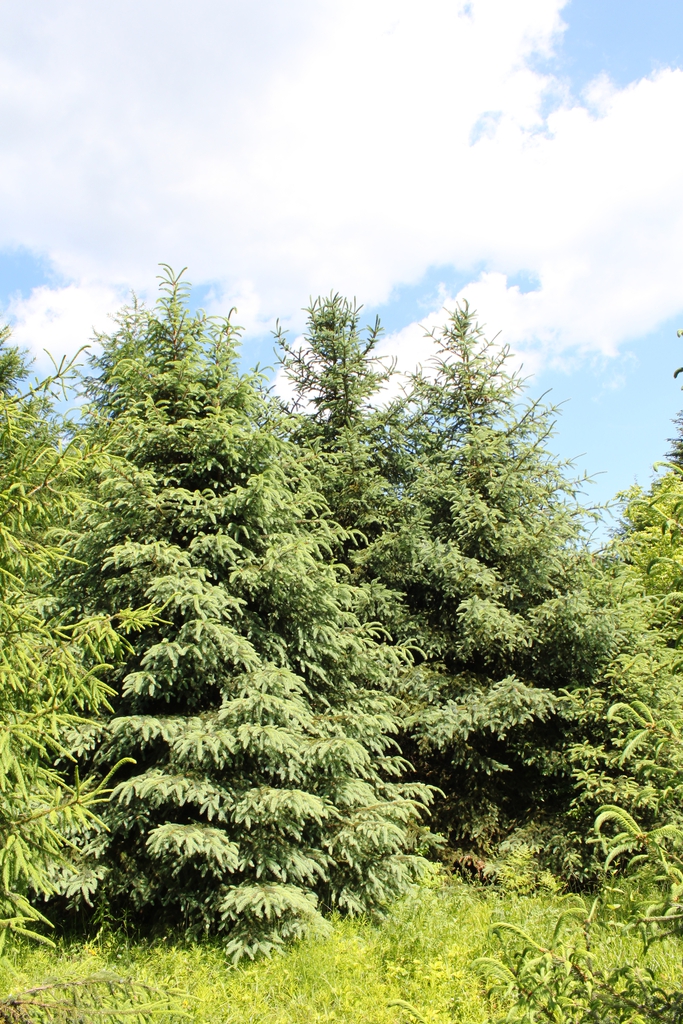
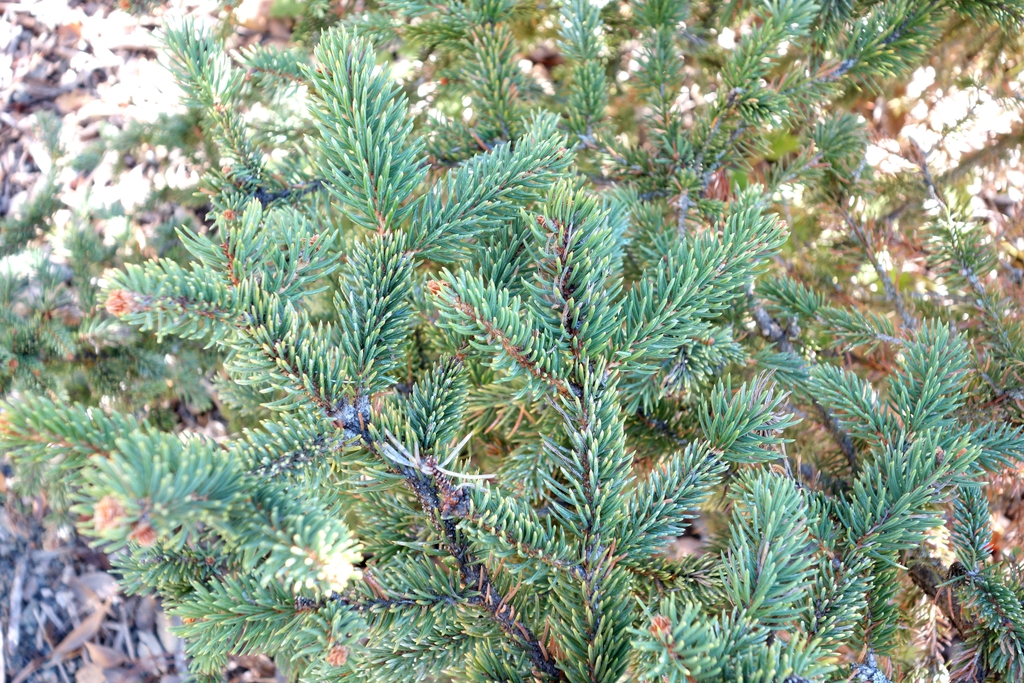
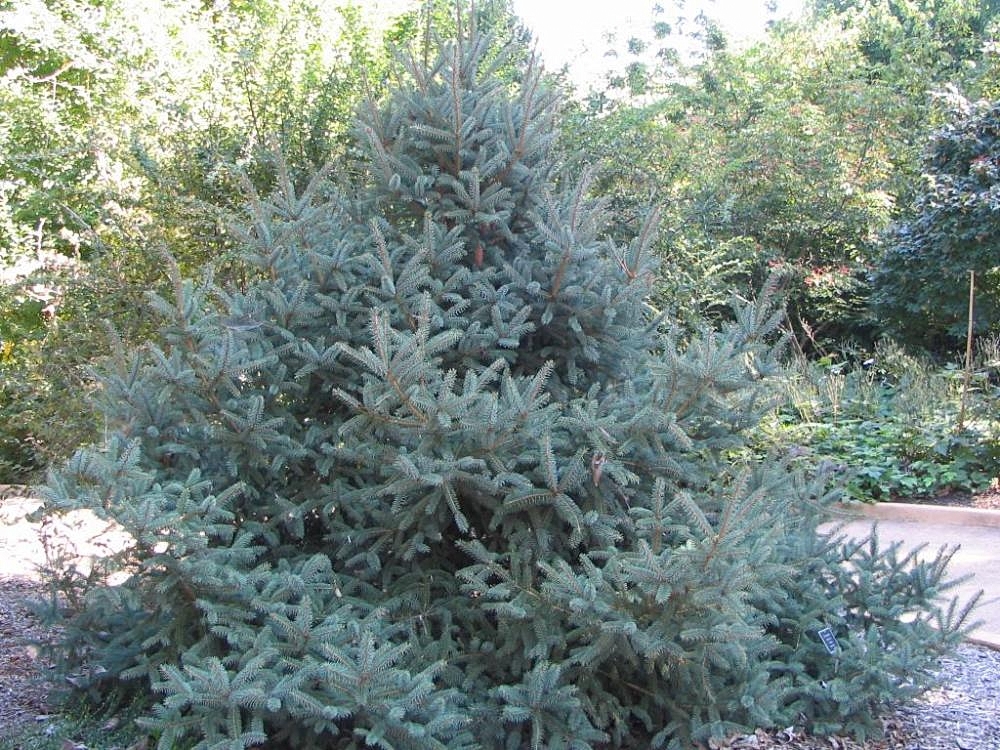
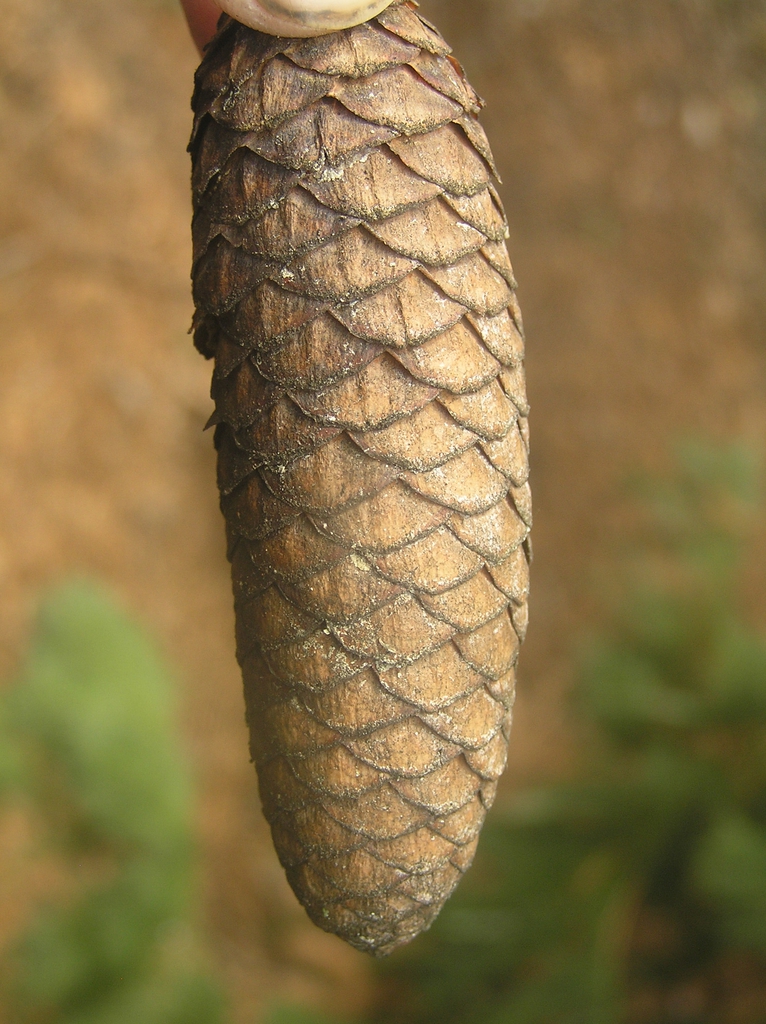
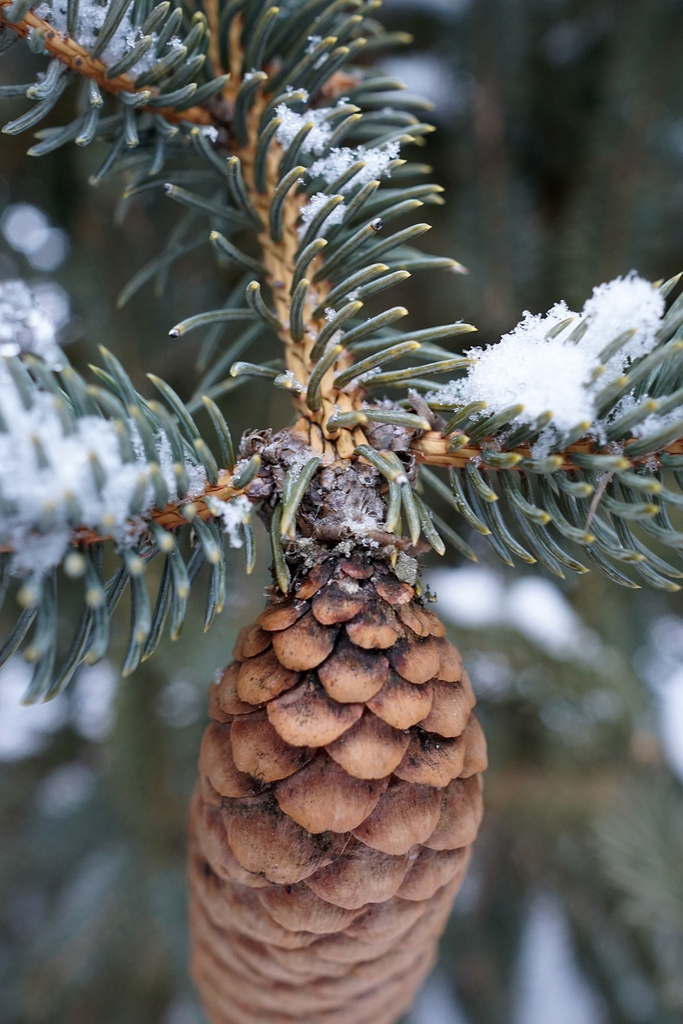
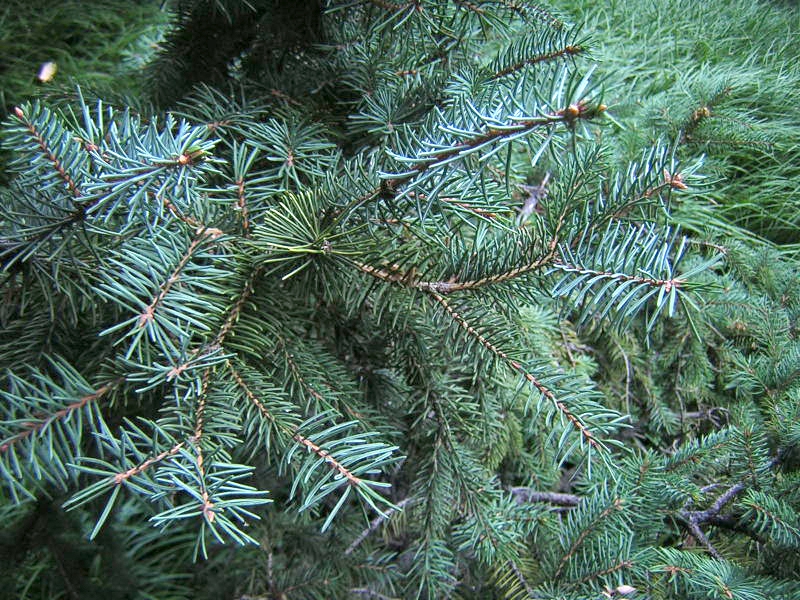
Dragon spruce is an evergreen coniferous tree native to the mountains and river basins of North-Central China, South-Central China, Inner Mongolia, and Qinghai. It grows up to 150 feet tall and 52 feet wide and has a broad, upright, or oval habit with a conical crown. The bark is grayish-brown, rough, scaly, and furrowed, and the trunk can reach up to 40 inches in diameter. The needled leaves are arranged directly forward or ascending on the upper side of a branch and spread laterally on the underside of the branch. Initially, the needles are blue to bluish-green and become dark green. They are stiff, linear, measuring 0.4 to 0.8 inches long and 0.04 to 0.08 inches wide, and may be glaucous. The seed cones are cylinder-like and green, ripening to pale or reddish-brown. They measure 2-6 inches long. Pollination occurs in April and May, and the seeds mature in September to October. The specific epithet asperata is Latin, meaning "rough." This refers to the tree's sharp needles. This conifer is rated as vulnerable due to overlogging and belongs to the pine family (Pinaceae).
Dragon spruce prefers full sun and tolerates a variety of soils and pH levels. It is hardy in zone 6. Provide this specimen shelter from cold and drying winds. No pruning necessary.
China has banned logging in the conifer forests of western China since 1988; however, the ban has not been effective, and the species continues to decline.
This species has 4 recognized varieties. These varieties are based on their native habitat and the differences in their branchlets and seed cones.
Dragon spruce is a popular ornamental tree in Europe and North America.
Insects, Diseases, and Other Plant Problems: Monitor for spider mites, adelgids, and conifer aphids. May be susceptible to honey fungus.
- See this plant in the following landscape :
- Cultivars / Varieties:
-
- 'Chevreloup'
Upright, pyramidal, semi-dwarf, with bright blue needles, hardy in zones 6-9, 7 ft. tall and 3 ft. wide in 10 years - 'China Blue'
Grows up to 8 ft. tall and 3 ft. wide, hardy 5a-7b, with bluish needles, resistant to verticillium wilt, deer, and rabbits - 'Jeff Phillips'
Cultivar originated as a witch's broom, miniature, up to 12 inches tall in 10 years, with dense bluish-gray needles - Picea asperata var. asperata
Cones 2 to 5 inches long and cone scales with a rounded apex - Picea asperata var. aurantiaca or Orange Spruce
Found in Western Sichuan Province, with orange shoots - Picea asperata var. heterolepis or Notch-Scale Dragon Spruce
Found in Western Sichuan Province, with hairless shoots and cone scales with a rhombic apex - Picea asperata var. ponderosa or Big-Cone Dragaon Spruce
Found in Western Sichuan Province, with large cones measuring 5 to 6 inches long
- 'Chevreloup'
- 'Chevreloup', 'China Blue', 'Jeff Phillips', Picea asperata var. asperata, Picea asperata var. aurantiaca or Orange Spruce, Picea asperata var. heterolepis or Notch-Scale Dragon Spruce, Picea asperata var. ponderosa or Big-Cone Dragaon Spruce
- Tags:


- Cultivars / Varieties:
-
- 'Chevreloup'
Upright, pyramidal, semi-dwarf, with bright blue needles, hardy in zones 6-9, 7 ft. tall and 3 ft. wide in 10 years - 'China Blue'
Grows up to 8 ft. tall and 3 ft. wide, hardy 5a-7b, with bluish needles, resistant to verticillium wilt, deer, and rabbits - 'Jeff Phillips'
Cultivar originated as a witch's broom, miniature, up to 12 inches tall in 10 years, with dense bluish-gray needles - Picea asperata var. asperata
Cones 2 to 5 inches long and cone scales with a rounded apex - Picea asperata var. aurantiaca or Orange Spruce
Found in Western Sichuan Province, with orange shoots - Picea asperata var. heterolepis or Notch-Scale Dragon Spruce
Found in Western Sichuan Province, with hairless shoots and cone scales with a rhombic apex - Picea asperata var. ponderosa or Big-Cone Dragaon Spruce
Found in Western Sichuan Province, with large cones measuring 5 to 6 inches long
- 'Chevreloup'
- 'Chevreloup', 'China Blue', 'Jeff Phillips', Picea asperata var. asperata, Picea asperata var. aurantiaca or Orange Spruce, Picea asperata var. heterolepis or Notch-Scale Dragon Spruce, Picea asperata var. ponderosa or Big-Cone Dragaon Spruce
- Tags:
-
-
Attributes:
- Genus:
- Picea
- Species:
- asperata
- Family:
- Pinaceae
- Uses (Ethnobotany):
- Its wood is used for construction, aircraft, railway sleepers, furniture, and wood fiber. The wood is also used for making stringed instruments. Resin is produced from its trunk. Aromatic oils are produced from its roots, branches, and leaves.
- Life Cycle:
- Woody
- Recommended Propagation Strategy:
- Seed
- Stem Cutting
- Country Or Region Of Origin:
- East Qinghai to Inner Mongolia
- Distribution:
- Native: China North-Central, China South-Central, Inner Mongolia, and Qinghai
- Wildlife Value:
- Dragon spruce provides shelter, nesting, and habitat for many birds. The seeds are a source of food for birds and small mammals.
- Play Value:
- Wildlife Cover/Habitat
- Wildlife Food Source
- Wildlife Nesting
- Edibility:
- Young male catkins can be eaten raw or cooked, also used as a flavoring. The female cones are edible once cooked. After roasting, the central portion is sweet and syrupy. The inner bark can be dried and ground into a powder. Used as a thickener in soups or added to cereals. Although small, the seed can be eaten raw. Young shoot tips can make a refreshing tea.
-
-
Whole Plant Traits:
- Plant Type:
- Tree
- Woody Plant Leaf Characteristics:
- Needled Evergreen
- Habit/Form:
- Broad
- Conical
- Erect
- Oval
- Growth Rate:
- Slow
- Maintenance:
- Low
- Texture:
- Coarse
-
-
Cultural Conditions:
- Light:
- Full sun (6 or more hours of direct sunlight a day)
- Soil Texture:
- Clay
- Loam (Silt)
- Sand
- Soil pH:
- Acid (<6.0)
- Alkaline (>8.0)
- Neutral (6.0-8.0)
- Soil Drainage:
- Good Drainage
- Moist
- Occasionally Wet
- Available Space To Plant:
- more than 60 feet
- USDA Plant Hardiness Zone:
- 6a, 6b
-
-
Fruit:
- Fruit Color:
- Brown/Copper
- Green
- Red/Burgundy
- Fruit Value To Gardener:
- Showy
- Display/Harvest Time:
- Fall
- Fruit Length:
- > 3 inches
- Fruit Width:
- 1-3 inches
- Fruit Description:
- This tree is monoecious (male and female cones on the same tree). Male cones produce pollen, and the female cones produce seeds. The seed cones are cylinder-like and green, ripening to pale or reddish-brown. They measure 2-6 inches long and 1 to 1.4 inches wide. Pollination occurs in April and May, and the seeds mature in September to October. The seeds are obovoid and have pale brown wings. Each seed measures 0.44 inches long.
-
-
Flowers:
- Flower Description:
- Does not produce flowers.
-
-
Leaves:
- Woody Plant Leaf Characteristics:
- Needled Evergreen
- Leaf Color:
- Blue
- Green
- Leaf Feel:
- Prickly
- Leaf Type:
- Needles
- Leaf Shape:
- Linear
- Hairs Present:
- No
- Leaf Length:
- < 1 inch
- Leaf Width:
- < 1 inch
- Leaf Description:
- The 4-sided, blue or bluish-green needles become dark green. They are denser on the upper surface, stiff, linear, and prickly. They measure 0.4 to 0.8 inches long and 0.04 to 0.08 inches wide with an acute apex. Four to eight stomatal lines appear on the needle surface.
-
-
Bark:
- Bark Color:
- Dark Brown
- Dark Gray
- Surface/Attachment:
- Furrowed
- Scaly
- Bark Plate Shape:
- Irregular
- Bark Description:
- The bark is grayish-brown, rough, scaly, and furrowed, and the trunk can reach up to 40 inches in diameter.
-
-
Stem:
- Stem Color:
- Brown/Copper
- Gold/Yellow
- Gray/Silver
- Red/Burgundy
- Stem Is Aromatic:
- No
- Stem Surface:
- Hairy (pubescent)
- Stem Description:
- The branches are brownish-yellow or reddish-brown when young. They turn brown or brownish-gray in their 2nd to 3rd year and have a hairy or smooth texture. The buds are conical to conically ovoid and resinous.
-
-
Landscape:
- Landscape Location:
- Woodland
- Landscape Theme:
- Asian Garden
- Winter Garden
- Design Feature:
- Specimen
- Attracts:
- Small Mammals
- Songbirds