


Petrea volubilis
Common Name(s):
Previously known as:
- Petrea kohautiana
- Phonetic Spelling
- PET-tree-uh vol-OO-BIL-iss
- Description
-
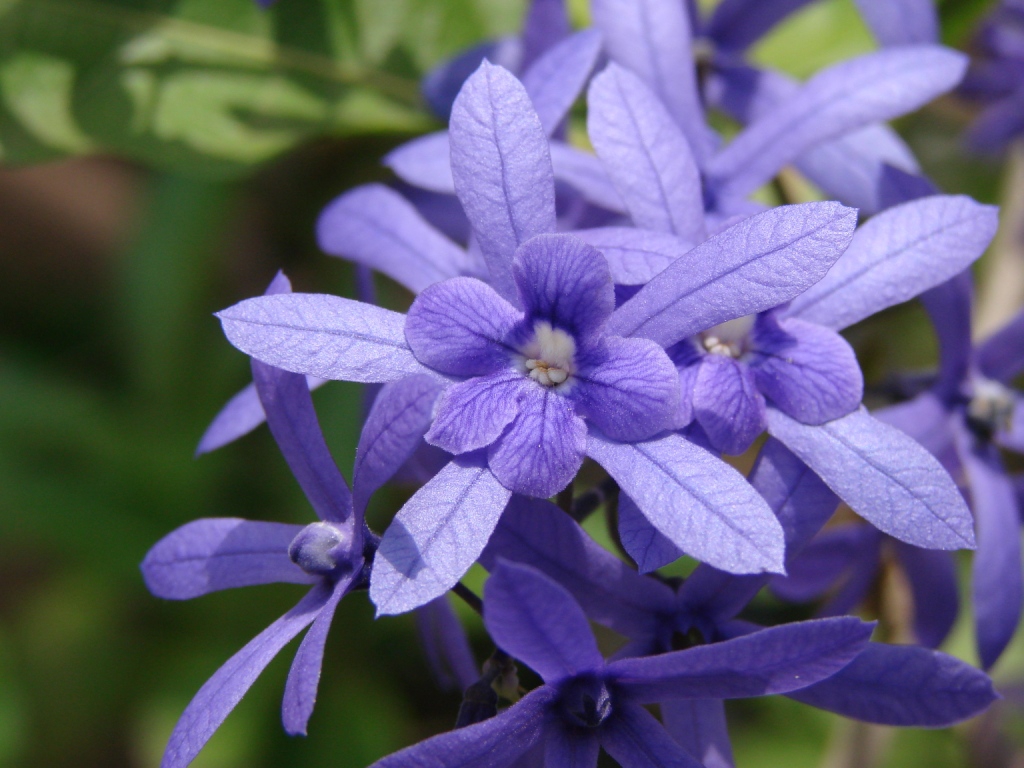
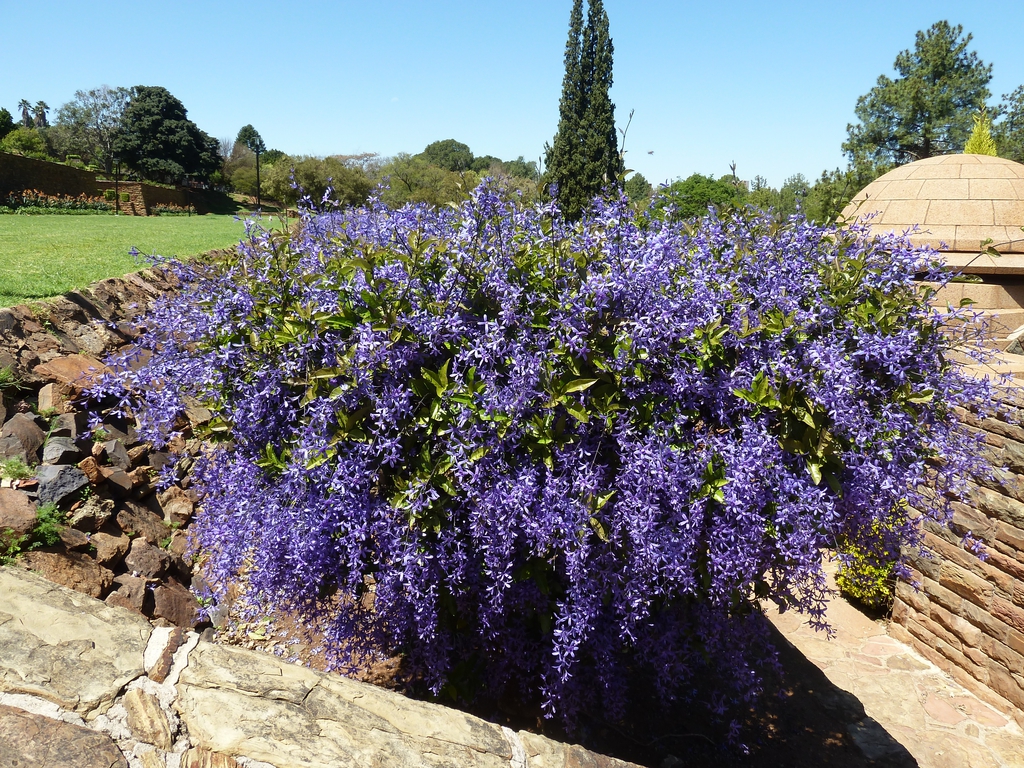
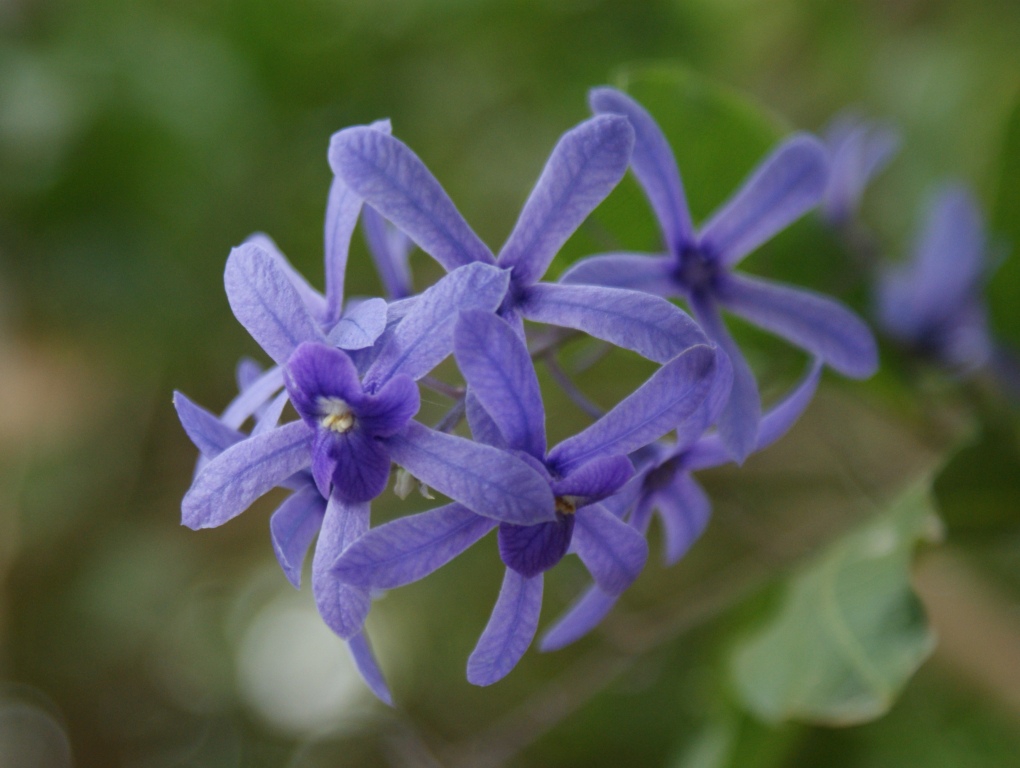
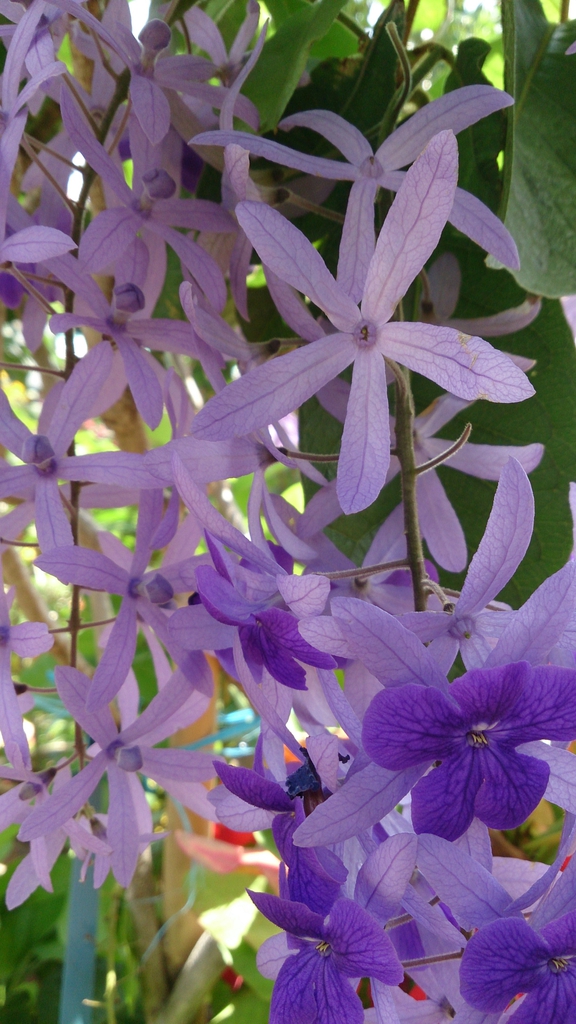
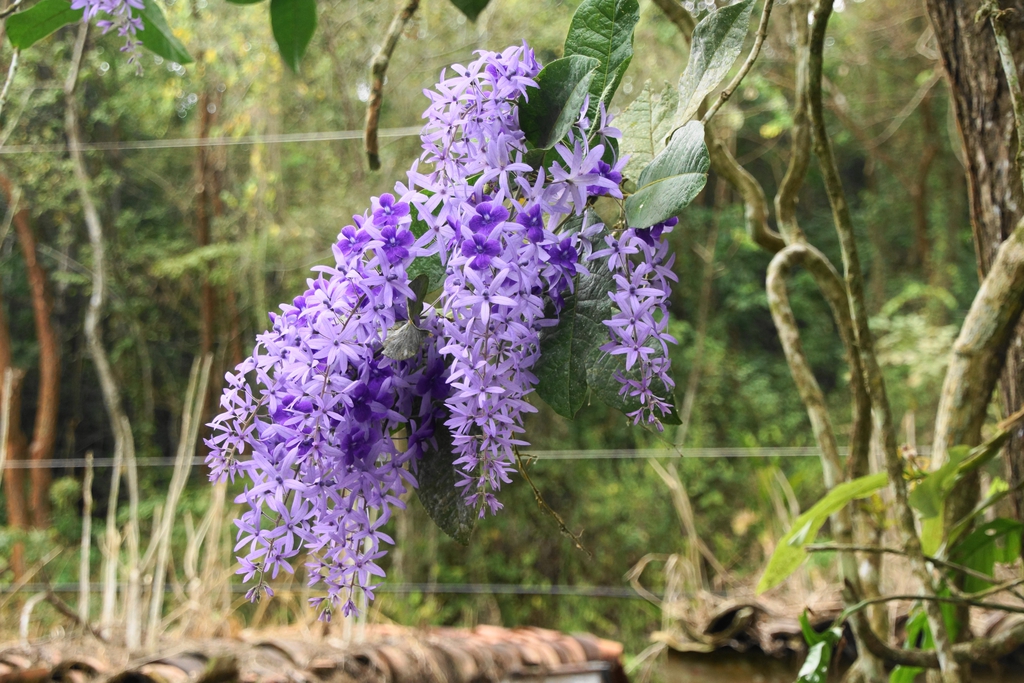
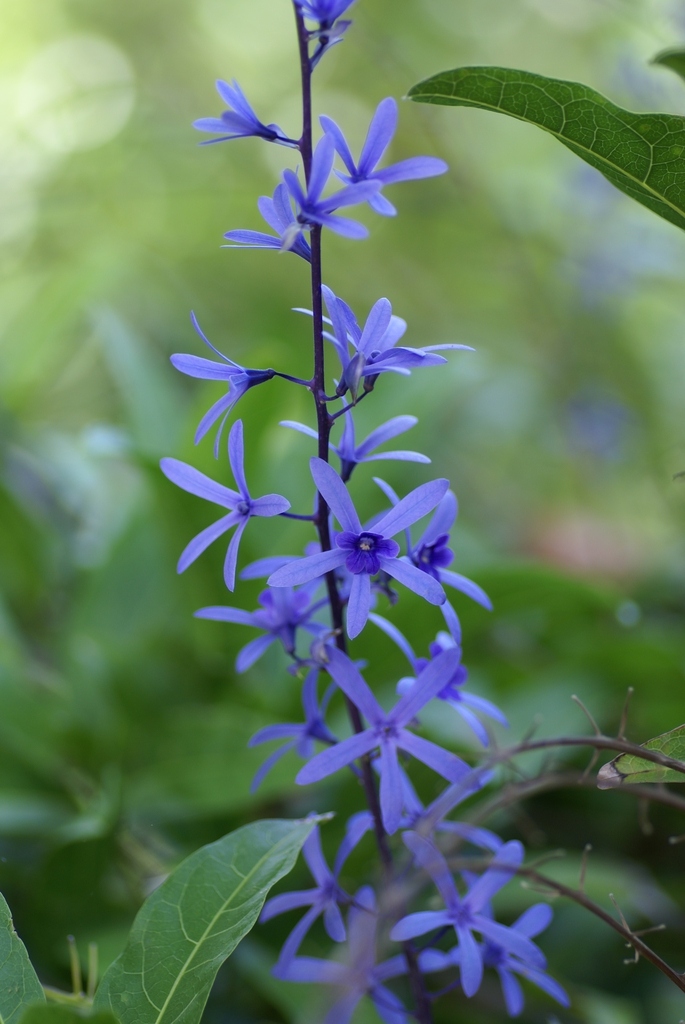
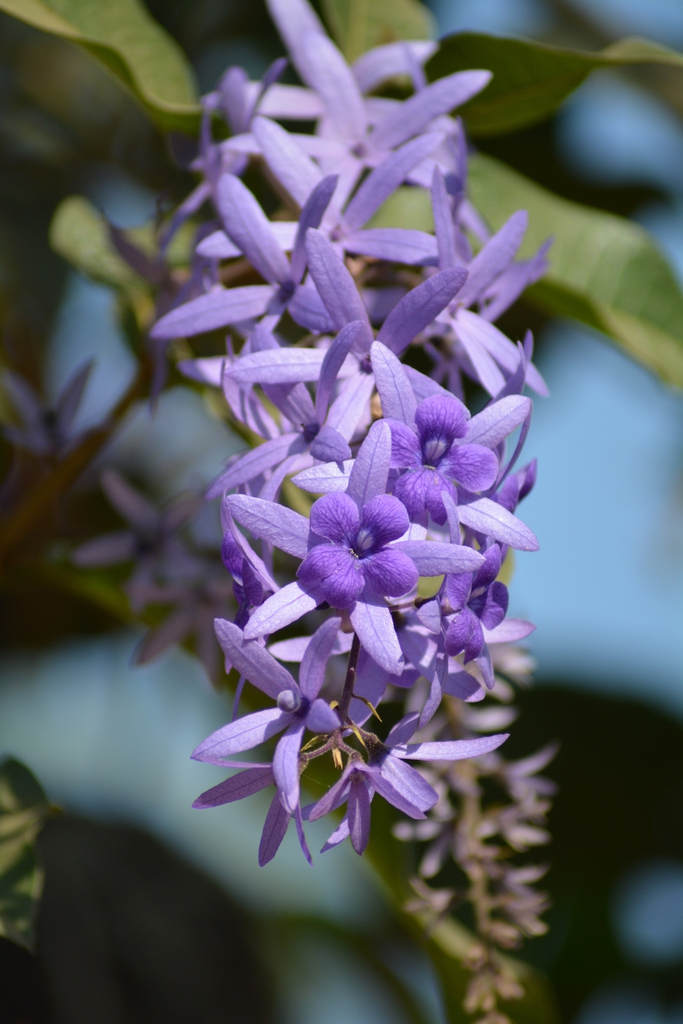
Queen's Wreath is a tropical, flowering perennial vine in the verbena family. The species is native to Central America and the northern states of South America (and Lee County in Florida). This twining vine can mature to a length of 40 feet in the wild, but 12 feet with a spread up to 6 feet is more typical in cultivation. The leaves have the texture of sandpaper and the ornamental, wisteria-like purple flowers blossom through most of the year.The genus name honors Lord Robert James Petre, an 18th century English patron of botany and horticulture. The species name mean twining.
Queen's Wreath does best in moist, fertile, well-drained soil sited in full sun. It will tolerate drought and some shade, but the shade will have an impact on flowering. It is semi-evergreen and will drop its leaves in colder climates. It is highly drought and wind tolerant and moderately tolerant of salt making it a good choice for coastal landscapes. It is a tropical plant and does not tolerate temperatures below 35 degrees F, but it can be grown in containers and overwintered indoors when the climate turns cooler. Typically, it takes the form of a spreading vine, but in some circumstances, it can take the form of a rounded, scrambling shrub.
The plant can be grown from seed, but will not bloom the first year. This vine does need a support structure and looks great climbing over a fence or up a trellis or when contained in a hanging basket
Diseases, Insect Pests, and Other Plant Problems:
No known insect or disease problems. Can be susceptible to mold, scale and mealybugs. If indoors, watch for spider mites.
- See this plant in the following landscape :
- Cultivars / Varieties:
-
- 'Albaflora'
White flowers
- 'Albaflora'
- 'Albaflora'
- Tags:


- Cultivars / Varieties:
-
- 'Albaflora'
White flowers
- 'Albaflora'
- 'Albaflora'
- Tags:
-
-
Attributes:
- Genus:
- Petrea
- Species:
- volubilis
- Family:
- Verbenaceae
- Life Cycle:
- Perennial
- Woody
- Recommended Propagation Strategy:
- Seed
- Country Or Region Of Origin:
- West Indies and Mexico to Panama
- Wildlife Value:
- Nectar bearing flowers attract butterflies.
- Climbing Method:
- Twining
- Dimensions:
- Height: 6 ft. 0 in. - 12 ft. 0 in.
- Width: 3 ft. 0 in. - 6 ft. 0 in.
-
-
Whole Plant Traits:
- Plant Type:
- Houseplant
- Perennial
- Shrub
- Vine
- Woody Plant Leaf Characteristics:
- Broadleaf Evergreen
- Habit/Form:
- Climbing
- Creeping
- Spreading
- Growth Rate:
- Rapid
- Maintenance:
- Medium
- Texture:
- Coarse
-
-
Cultural Conditions:
- Light:
- Full sun (6 or more hours of direct sunlight a day)
- Partial Shade (Direct sunlight only part of the day, 2-6 hours)
- Soil Texture:
- High Organic Matter
- Soil Drainage:
- Good Drainage
- Moist
- NC Region:
- Coastal
- USDA Plant Hardiness Zone:
- 10a, 10b, 11a, 11b
-
-
Fruit:
- Fruit Type:
- Drupe
- Fruit Description:
- Fruit is enclosed within the flower calyx, which acts as a float or wings.
-
-
Flowers:
- Flower Color:
- Purple/Lavender
- Flower Inflorescence:
- Raceme
- Flower Value To Gardener:
- Showy
- Flower Bloom Time:
- Spring
- Summer
- Winter
- Flower Shape:
- Star
- Flower Petals:
- Bracts
- Flower Size:
- > 6 inches
- Flower Description:
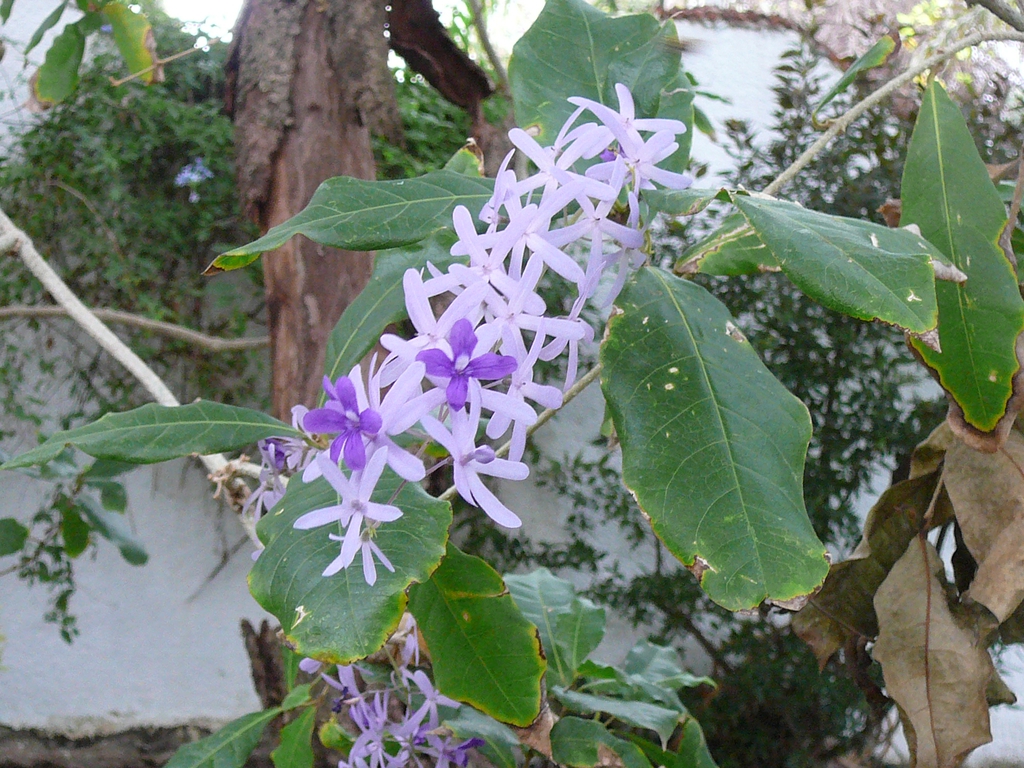
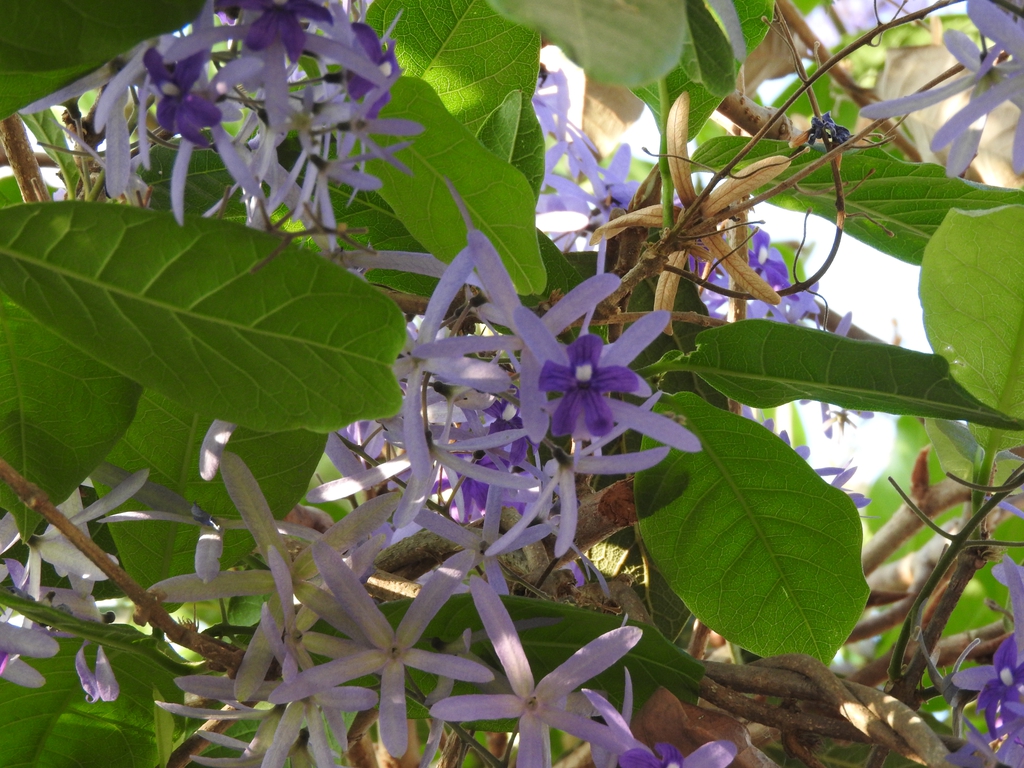
- Similar to wisteria in form, the star-shaped, purple flowers are erect to drooping axillary foot-long racemes (15-30 flowers per raceme). The showy parts of each flower are the 5 narrow petal-like calyx lobes which persist long after the darker purple corollas drop. Flowers throughout the year mostly from late winter through early summer.
-
-
Leaves:
- Woody Plant Leaf Characteristics:
- Broadleaf Evergreen
- Leaf Color:
- Green
- Leaf Feel:
- Rough
- Leaf Shape:
- Elliptical
- Oblong
- Leaf Margin:
- Entire
- Hairs Present:
- No
- Leaf Length:
- > 6 inches
- Leaf Description:
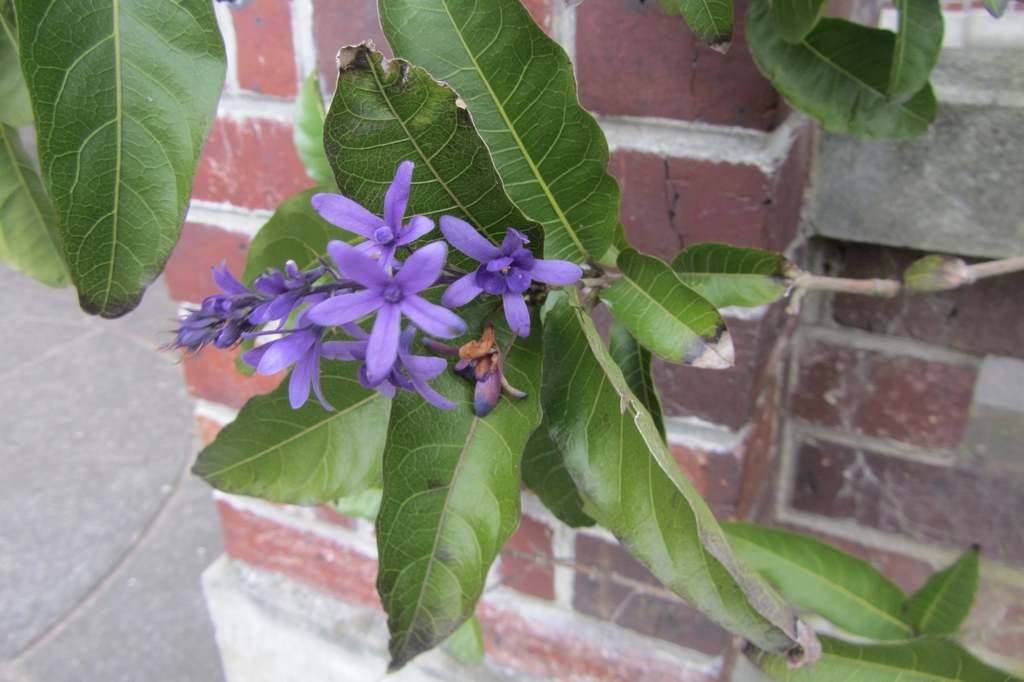
- Oblong-elliptic, dark green leaves (4-9” long). The surface of the leaf is rough above, leading to the common name, sandpaper vine.
-
-
Stem:
- Stem Is Aromatic:
- No
-
-
Landscape:
- Landscape Location:
- Coastal
- Container
- Hanging Baskets
- Vertical Spaces
- Design Feature:
- Specimen
- Attracts:
- Butterflies
- Resistance To Challenges:
- Drought
- Salt
- Wind