


Papaver rhoeas
Common Name(s):
Previously known as:
- Papaver arvaticum
- Papaver vulgaris
- Phonetic Spelling
- puh-PAY-ver ROH-ee-as
- Description
-
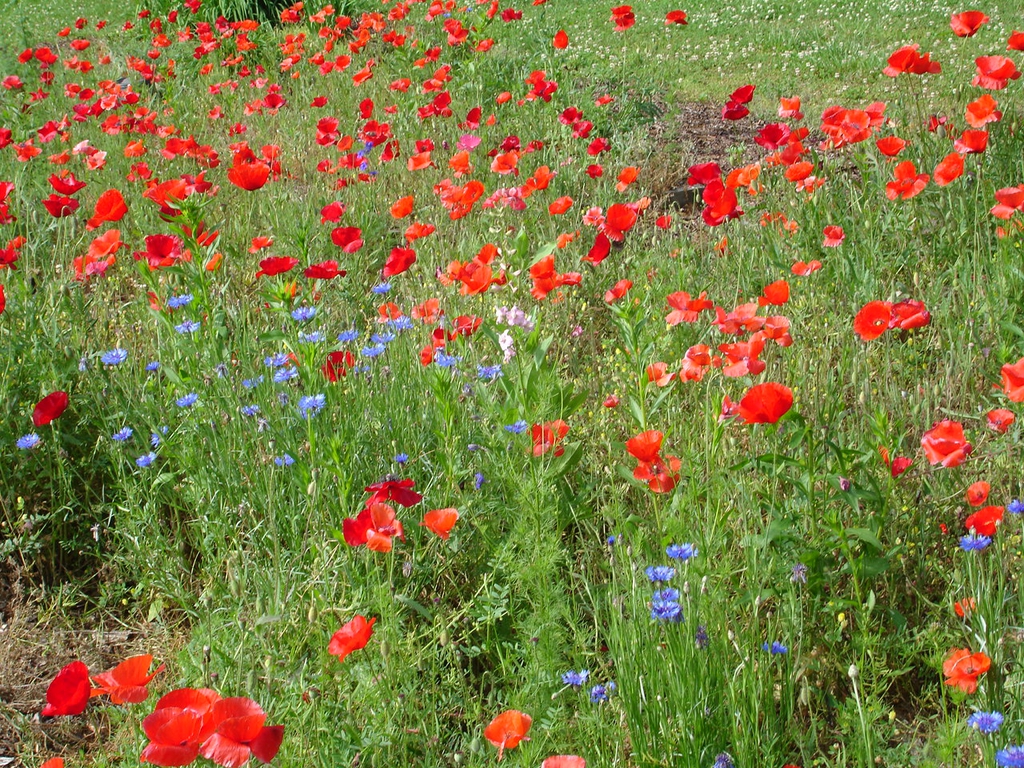
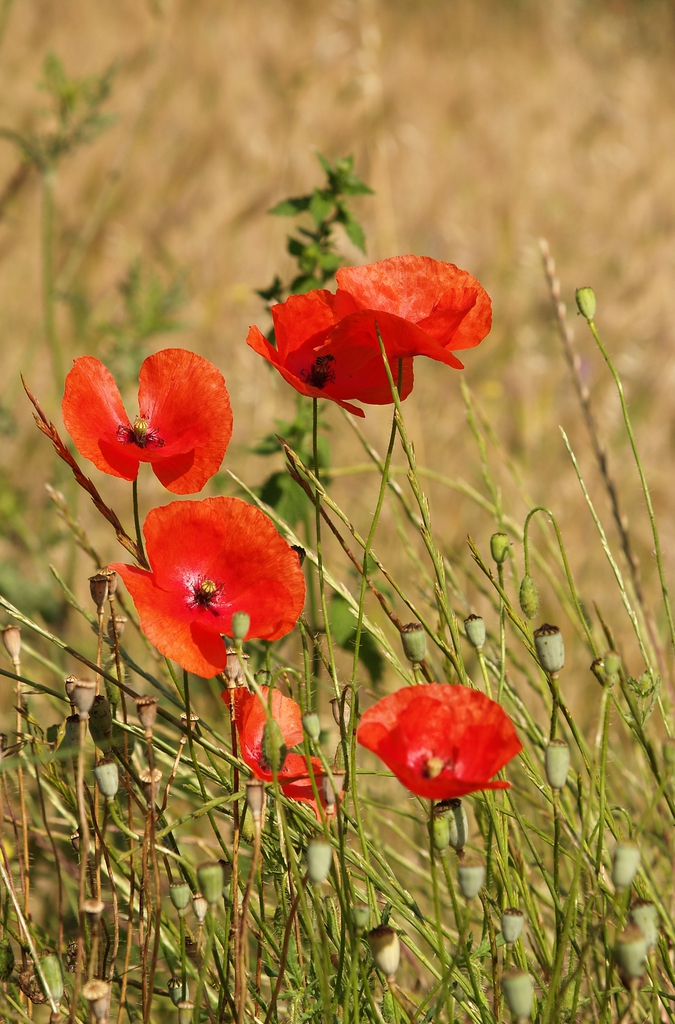
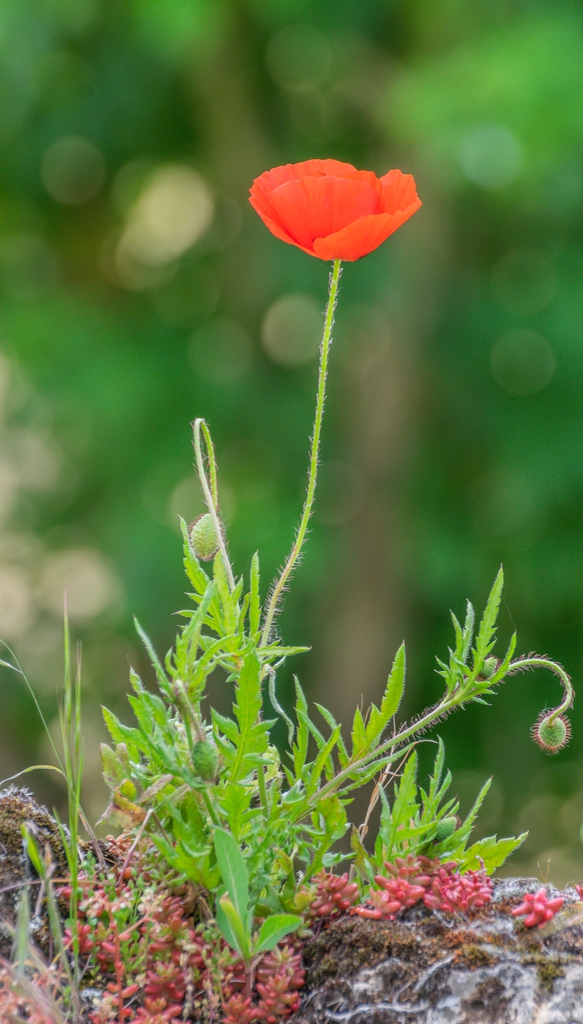
Corn Poppy is an annual herbaceous species of flowering plant in the poppy family native to Europe and Asia. Numerous red blooms appear spring and summer and again in the fall, but each individual bloom lasts only a day. Cultivars are available in white and purple. Corn Poppy is the common field poppy of Europe and became a symbol for the losses incurred on the battlefields of World War I.The genus name comes from the Latin for poppy. The species name is Latin for red in reference to the flower color.
Corn Poppy is best grown in fertile, medium moist, well-drained soils in full sun. It does well in cool summer climates with some afternoon shade where summers tend to be hot. Good drainage is important. It is an annual, but vigorously self seeds to maintain its presence in the garden year after year.
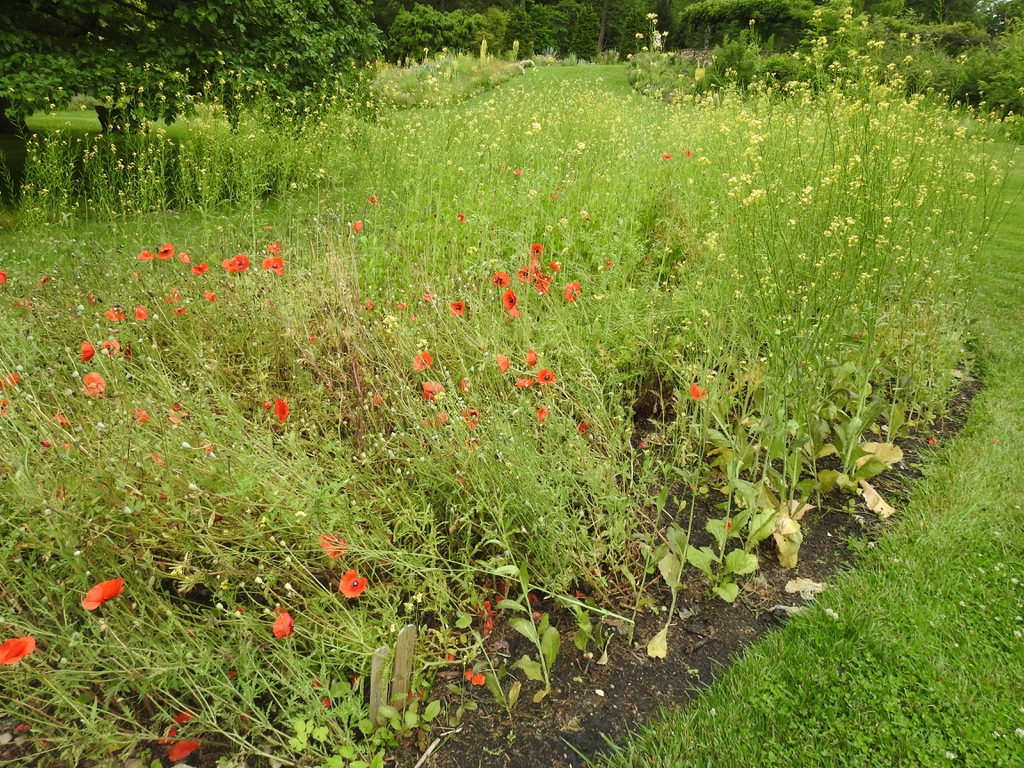
Use in a non-native naturalized area or as groups in border fronts and sow seeds successfully for a longer bloom season. Corn Poppy can easily escape from cultivation and has been described as weedy. The seeds can remain vital for a long time, known to have sprouted after 80 years of dormancy.
Clemson University has an article on corn poppies in its Home and Garden Information Center.
Diseases, Insect Pests, and Other Plant Problems:
No known insect or disease problems. Wet soils can cause root rot. Botrytis and powdery mildew can also occur.
- See this plant in the following landscape :
- Cultivars / Varieties:
-
- 'Shirley Double'
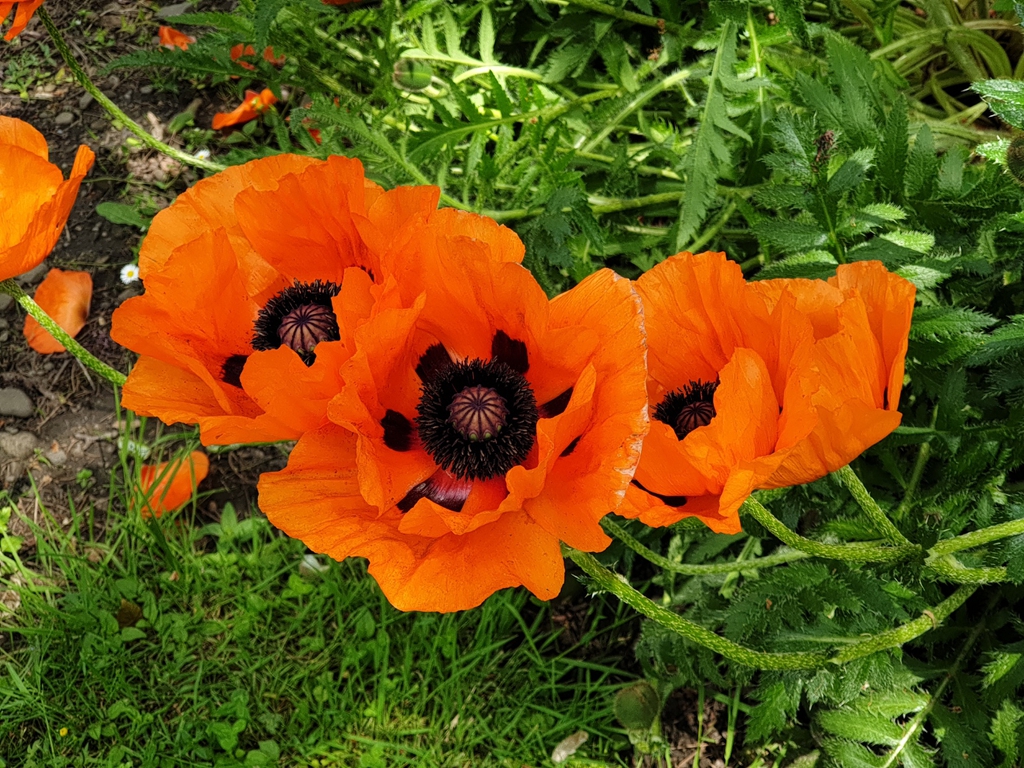
Divided, light green leaves, fine silvery hairs, double flowers with ruffled petals in white, pink, orange and red.
- 'Shirley Double'
- 'Shirley Double'
- Tags:


- Cultivars / Varieties:
-
- 'Shirley Double'
Divided, light green leaves, fine silvery hairs, double flowers with ruffled petals in white, pink, orange and red.
- 'Shirley Double'
- 'Shirley Double'
- Tags:
-
-
Attributes:
- Genus:
- Papaver
- Species:
- rhoeas
- Family:
- Papaveraceae
- Life Cycle:
- Annual
- Recommended Propagation Strategy:
- Seed
- Country Or Region Of Origin:
- Europe, Asia, Mediteranean countries
- Distribution:
- Introduced to eastern and western United States, Canada, South America, Britain, Baltic countries, and India.
- Dimensions:
- Height: 0 ft. 9 in. - 1 ft. 6 in.
- Width: 0 ft. 6 in. - 1 ft. 0 in.
-
-
Whole Plant Traits:
- Plant Type:
- Annual
- Habit/Form:
- Clumping
- Erect
- Mounding
- Spreading
- Growth Rate:
- Medium
- Maintenance:
- Low
-
-
Cultural Conditions:
- Light:
- Full sun (6 or more hours of direct sunlight a day)
- Soil Texture:
- Loam (Silt)
- Sand
- Soil pH:
- Acid (<6.0)
- Alkaline (>8.0)
- Neutral (6.0-8.0)
- Soil Drainage:
- Good Drainage
- Available Space To Plant:
- 12 inches-3 feet
- NC Region:
- Coastal
- Mountains
- Piedmont
- USDA Plant Hardiness Zone:
- 3a, 3b, 4a, 4b, 5a, 5b, 6a, 6b, 7a, 7b, 8a, 8b, 9a, 9b, 10a, 10b
-
-
Fruit:
- Fruit Color:
- Black
- Display/Harvest Time:
- Fall
- Fruit Type:
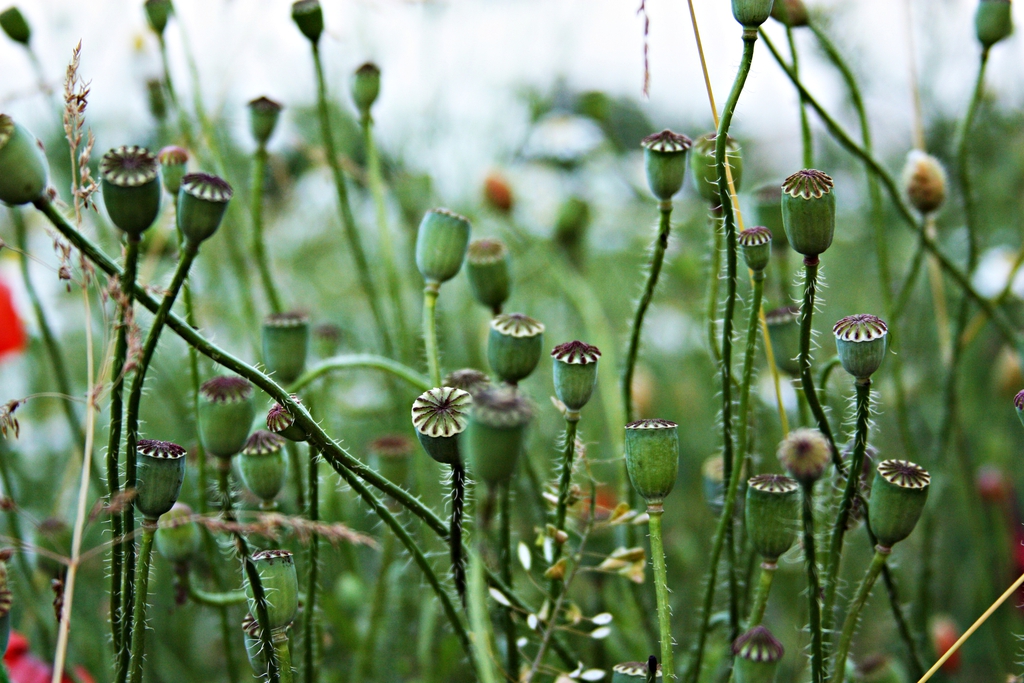
- Capsule
- Fruit Description:
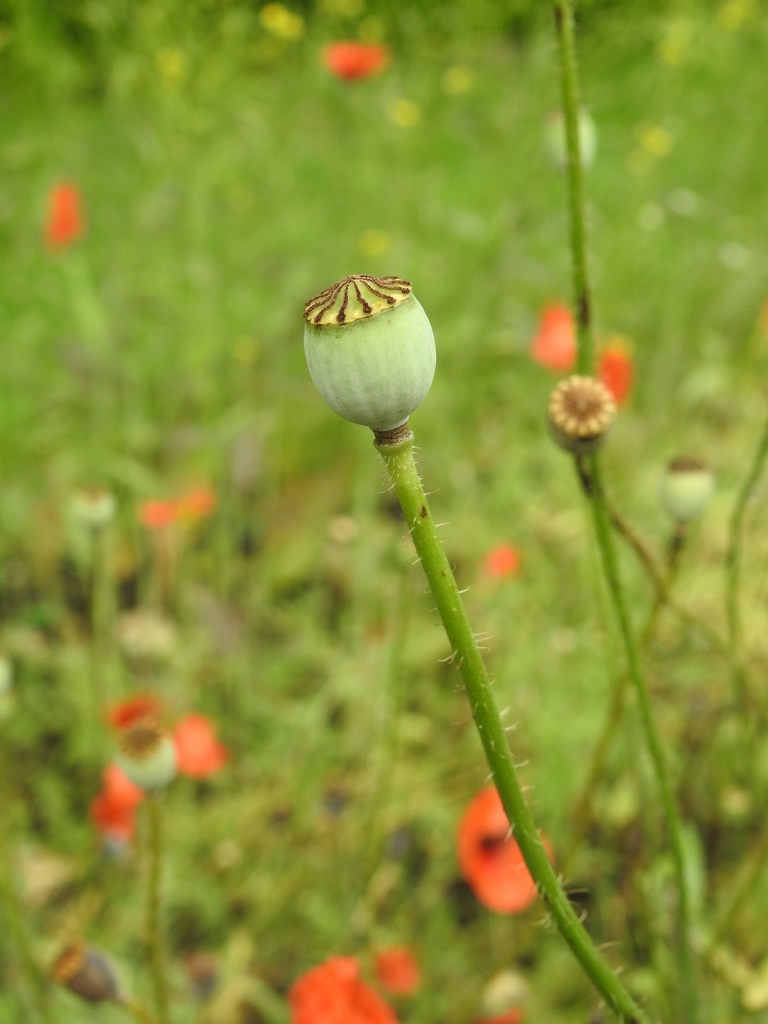
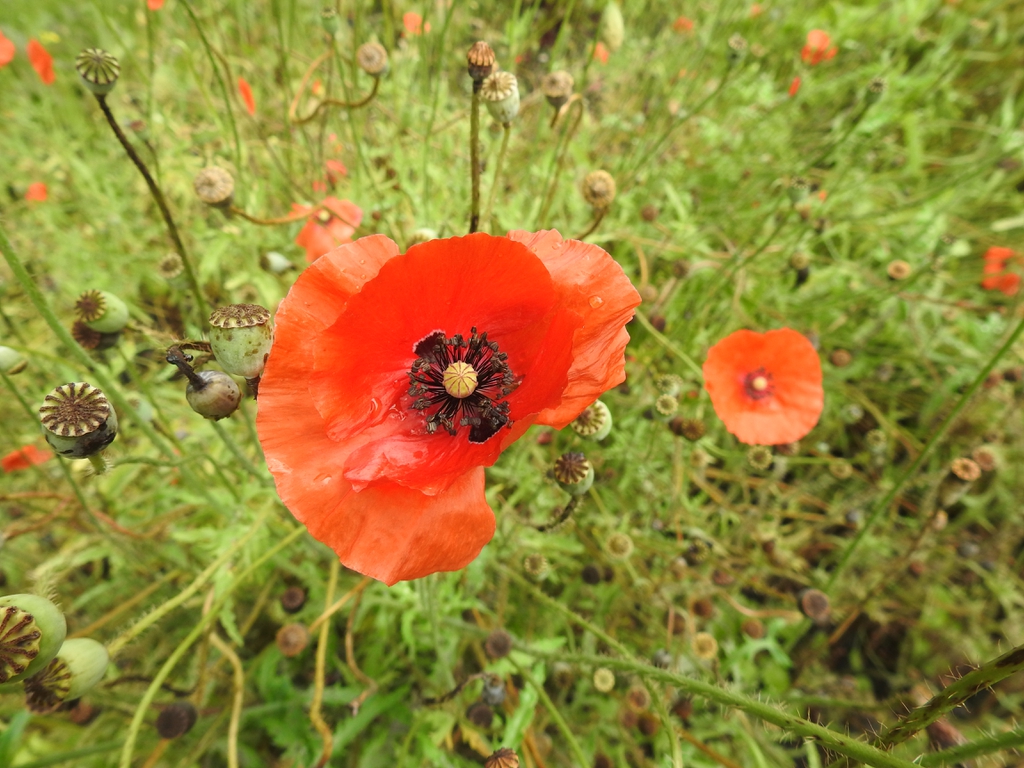
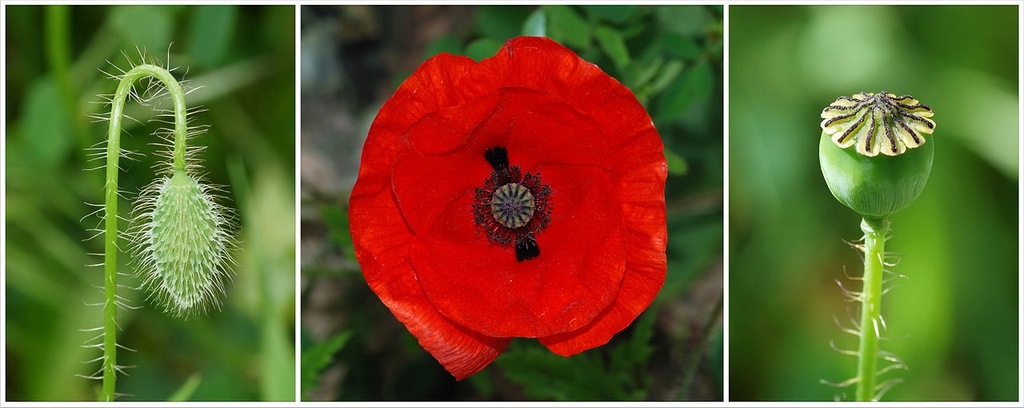
- Black-seeded capsule that explodes when ripe to distribute its seed.
-
-
Flowers:
- Flower Color:
- Purple/Lavender
- Red/Burgundy
- White
- Flower Inflorescence:
- Head
- Flower Value To Gardener:
- Good Cut
- Showy
- Flower Bloom Time:
- Fall
- Spring
- Summer
- Flower Shape:
- Cup
- Saucer
- Flower Petals:
- 4-5 petals/rays
- Flower Size:
- 1-3 inches
- Flower Description:
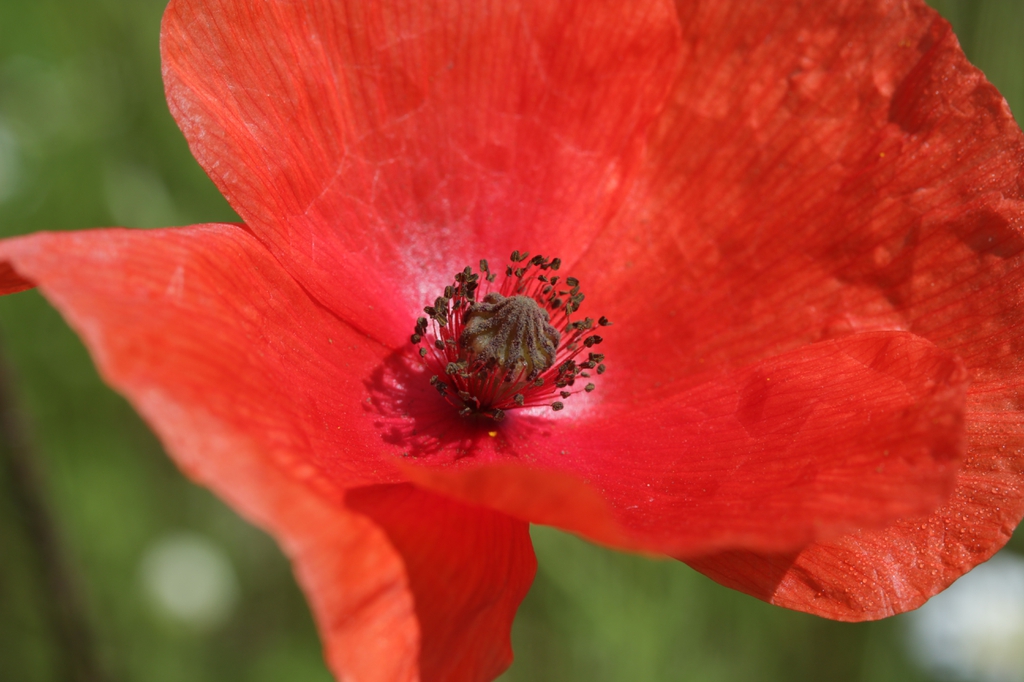
- Single flowers on long peduncles that are large and showy, 2 inches across, with four crinkly petals that are usually vivid red with a black spot at their base, but sometimes are purple or white. Bloom time is spring and fall. They work well as a cut flower if the end of the stem is burned with a match immediately after cutting.
-
-
Leaves:
- Leaf Color:
- Green
- Leaf Feel:
- Rough
- Leaf Type:
- Simple
- Leaf Arrangement:
- Alternate
- Leaf Margin:
- Lobed
- Serrate
- Hairs Present:
- Yes
- Leaf Length:
- 3-6 inches
- Leaf Description:
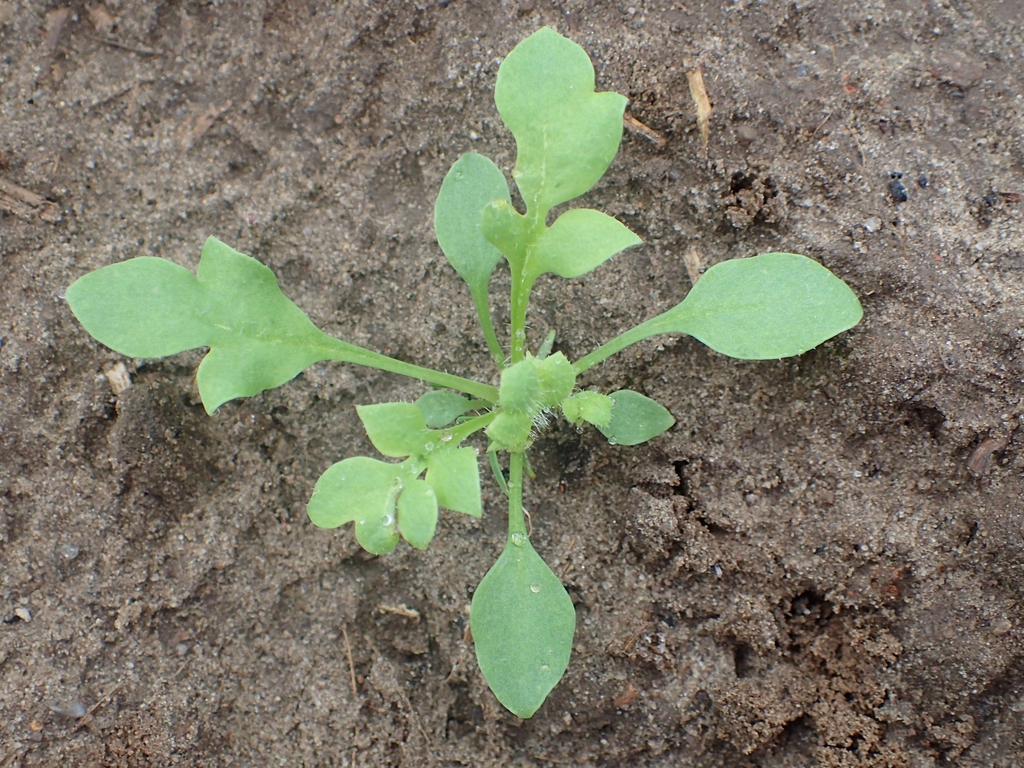
- Hairy, coarsely-toothed leaves (to 6 inches long), irregularly pinnate but rarely entire,
-
-
Stem:
- Stem Is Aromatic:
- No
- Stem Form:
- Straight
- Stem Surface:
- Hairy (pubescent)
- Stem Description:
- The simple, sometimes branching, flower stem is usually covered with coarse hairs that are held at right angles to the surface. Exudes white to yellowish latex when the tissues are broken.
-
-
Landscape:
- Landscape Location:
- Meadow
- Naturalized Area
- Rock Wall
- Landscape Theme:
- Cutting Garden
- Rock Garden
- Design Feature:
- Border
- Small groups
- Problems:
- Weedy