



Lycium
Common Name(s):
- Phonetic Spelling
- LIH-see-um
- This plant has low severity poison characteristics.
- See below
- Description
-
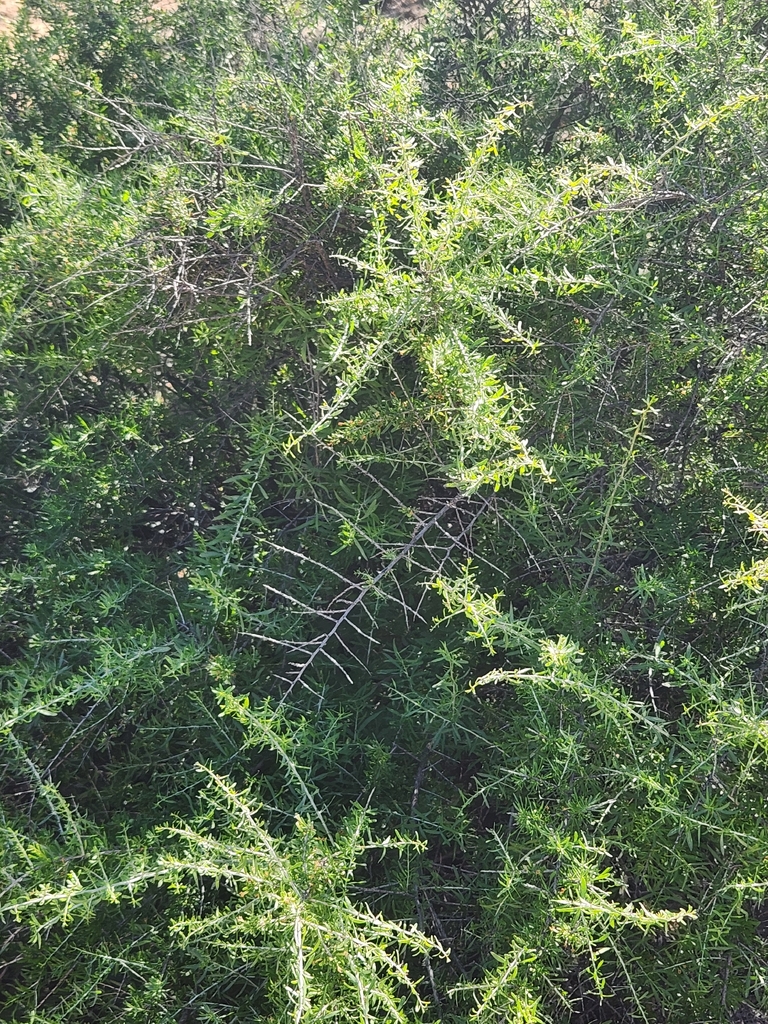
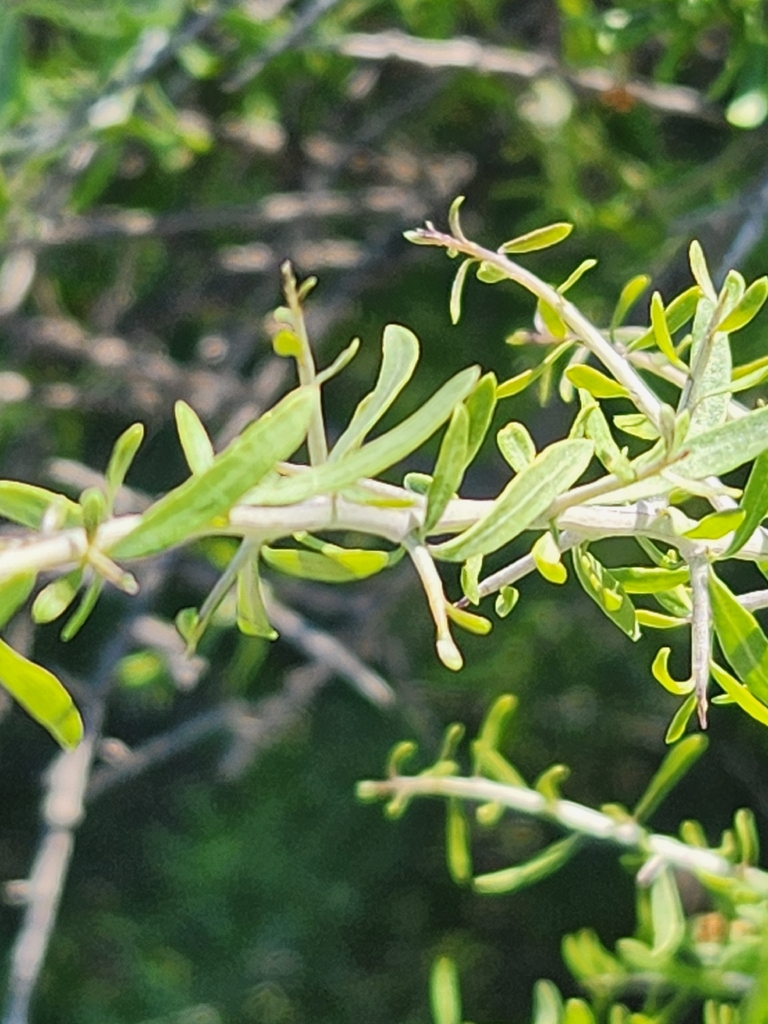
Box Thorns is a genus of deciduous or evergreen, flowering shrubs in the nightshade family that includes about 100 species. They mostly occur in arid and semi-arid climates, and a few are known from coastal zones in saline and dune habitats. Most have a loose habit, thorny stems and small flowers with ornamental berries that are red to purple or yellow.
The lycium species will tolerate a variety of soils, although they flower and fruit better in a well-drained one of moderate quality. They are best propagated by seeds, but cuttings and layers may also be used.
Two of the better-known species are Goji Berries and Wolfberries, which are used as health foods or in medicine. Goji berries like to creep along the ground and are easier to harvest if staked.
A few species have become invasive in Australia and New Zealand forming thorny thickets that harm cattle and crowd out native plants. Lycium ferocissimum is a federally listed noxious weed in the United States. Lycium barbarum (goji berry) is native to China but has become a weed across much of Europe, North America and Australia.
- See this plant in the following landscape :
- Cultivars / Varieties:
-
- Lycium barbarum
Goji berries
- Lycium barbarum
- Lycium barbarum
- Tags:


- Cultivars / Varieties:
-
- Lycium barbarum
Goji berries
- Lycium barbarum
- Lycium barbarum
- Tags:
-
-
Attributes:
- Genus:
- Lycium
- Family:
- Solanaceae
- Uses (Ethnobotany):
- Various parts of the plants have been used for various medical problems throughout the world.
- Life Cycle:
- Woody
- Recommended Propagation Strategy:
- Layering
- Seed
- Stem Cutting
- Country Or Region Of Origin:
- Temporate and subtropical regions of the world
- Wildlife Value:
- Birds eat the fruits.
- Edibility:
- EDIBLE PARTS: Berries edible raw, cooked, or dried
-
-
Whole Plant Traits:
- Plant Type:
- Edible
- Perennial
- Poisonous
- Shrub
- Woody Plant Leaf Characteristics:
- Broadleaf Evergreen
- Deciduous
- Semi-evergreen
- Habit/Form:
- Creeping
- Erect
- Appendage:
- Thorns
-
-
Cultural Conditions:
- Light:
- Full sun (6 or more hours of direct sunlight a day)
- Soil Drainage:
- Good Drainage
- NC Region:
- Coastal
- Piedmont
-
-
Fruit:
- Fruit Color:
- Gold/Yellow
- Purple/Lavender
- Red/Burgundy
- Fruit Value To Gardener:
- Edible
- Display/Harvest Time:
- Summer
- Fruit Type:
- Berry
- Fruit Length:
- < 1 inch
- Fruit Width:
- < 1 inch
- Fruit Description:
- A berry, red to purple or yellow
-
-
Flowers:
- Flower Color:
- Purple/Lavender
- White
- Flower Bloom Time:
- Spring
- Flower Shape:
- Bell
- Funnel
- Flower Petals:
- 4-5 petals/rays
- Flower Description:
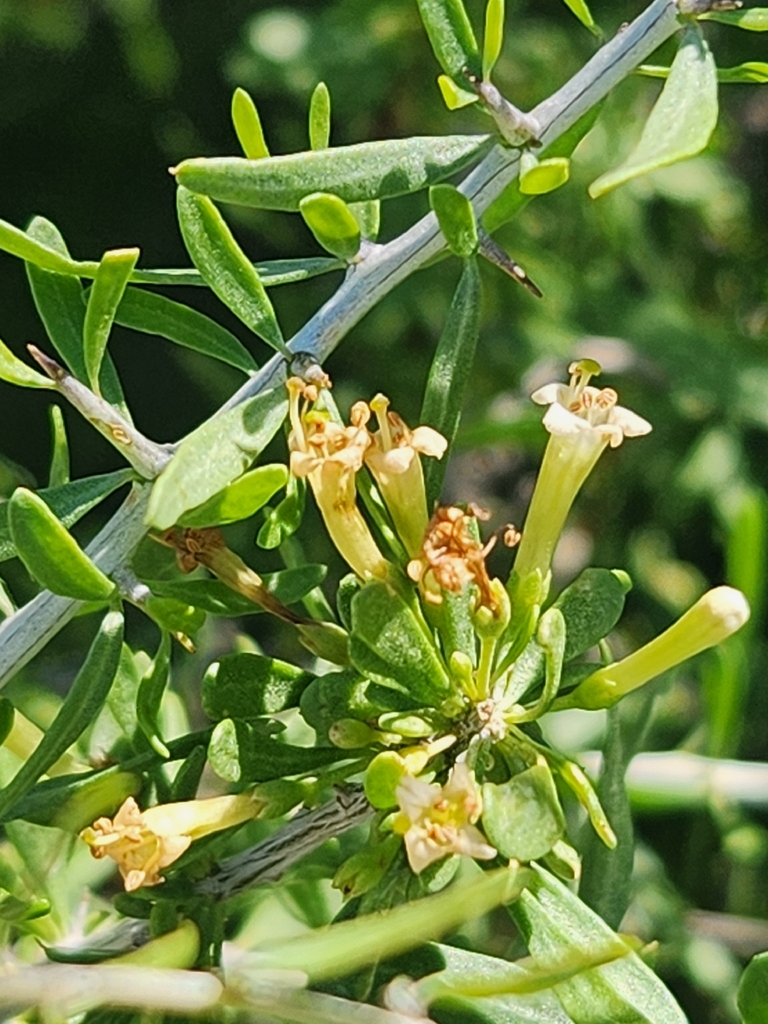
- Small funnel-shaped or bell-shaped, white, lilac, purple flowers in spring.
-
-
Leaves:
- Woody Plant Leaf Characteristics:
- Broadleaf Evergreen
- Deciduous
- Semi-evergreen
- Leaf Color:
- Green
- Leaf Feel:
- Fleshy
- Leaf Type:
- Simple
- Leaf Arrangement:
- Alternate
- Leaf Margin:
- Entire
- Hairs Present:
- No
- Leaf Description:
- Small narrow fleshy green leaves vary in shape and size
-
-
Stem:
- Stem Is Aromatic:
- No
-
-
Landscape:
- Landscape Location:
- Naturalized Area
- Landscape Theme:
- Edible Garden
- Resistance To Challenges:
- Drought
- Problems:
- Poisonous to Humans
- Spines/Thorns
- Weedy
-
-
Poisonous to Humans:
- Poison Severity:
- Low
- Poison Symptoms:
- Ingestion of the leaves causes headaches, abdominal pain, dilated pupils, vomiting, diarrhea, circulatory and respiratory depression, and loss of sensation only if eaten in large quantities.
- Poison Toxic Principle:
- Atropine, hyoscyamine, and scopolamine
- Causes Contact Dermatitis:
- No
- Poison Part:
- Leaves



