


Ipomoea purpurea
Common Name(s):
Previously known as:
- Convolvulus purpureus
- Phonetic Spelling
- eye-poh-MEE-a pur-PUR-ee-uh
- This plant has low severity poison characteristics.
- See below
- Description
-
Common morning glory is in the Convolvulaceae family and is native to Mexico and Central America. It has naturalized around the world in warm temperate and subtropical regions. It is considered invasive in some places of the world but is also used in gardens for its attractive flowers and has many cultivars.
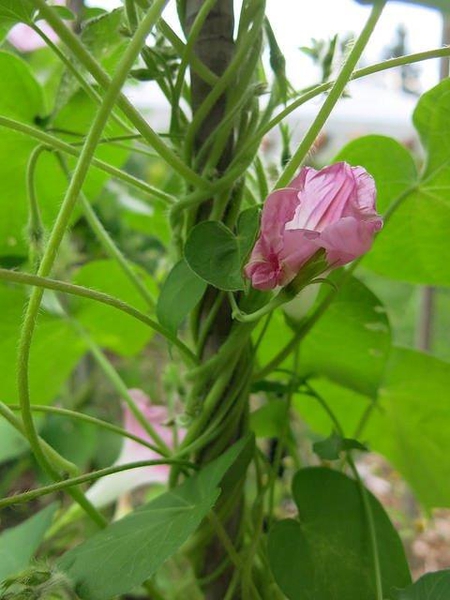
It is a twining annual vine that can reach 6 to 10 feet tall and 3 to 6 feet wide in one season. Common morning glory grows in full sun in most moderately fertile, moist but well-drained soils. Prune as needed to control size. Propagation is by seed.
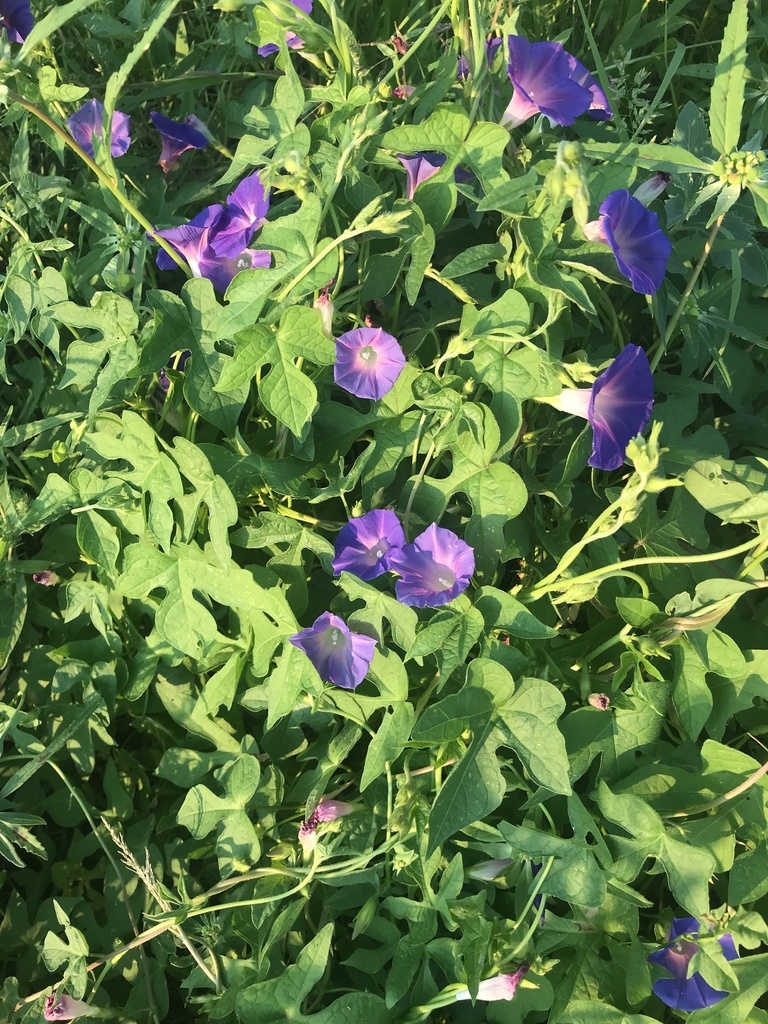
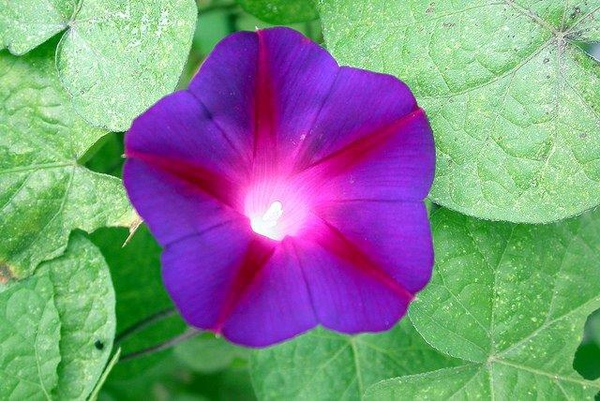
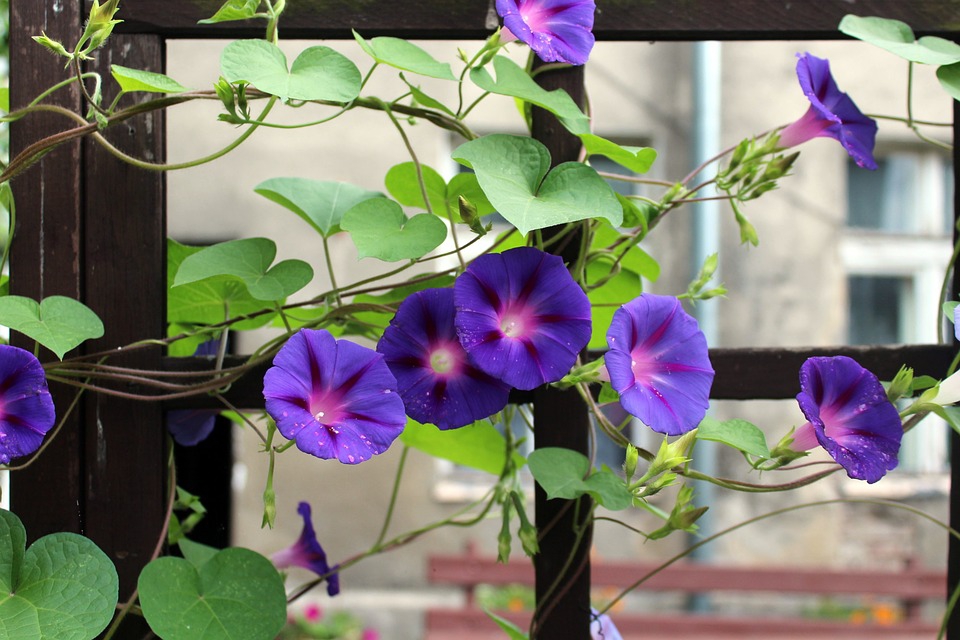
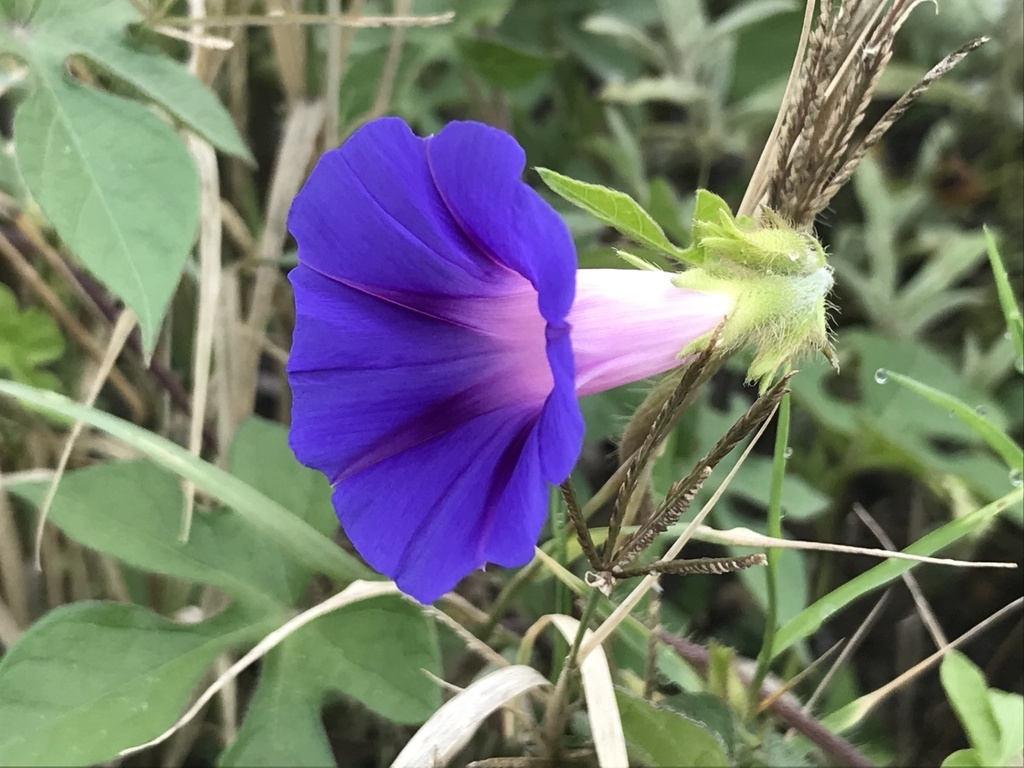
The deep purple trumpet-shaped flowers have a white throat and are 2 to 3 inches across. They open in the morning but close in the afternoon. Blooms continuously from early summer to fall.
Use common morning glory on a trellis or other vertical surface or in a hanging basket. See native alternatives listed.
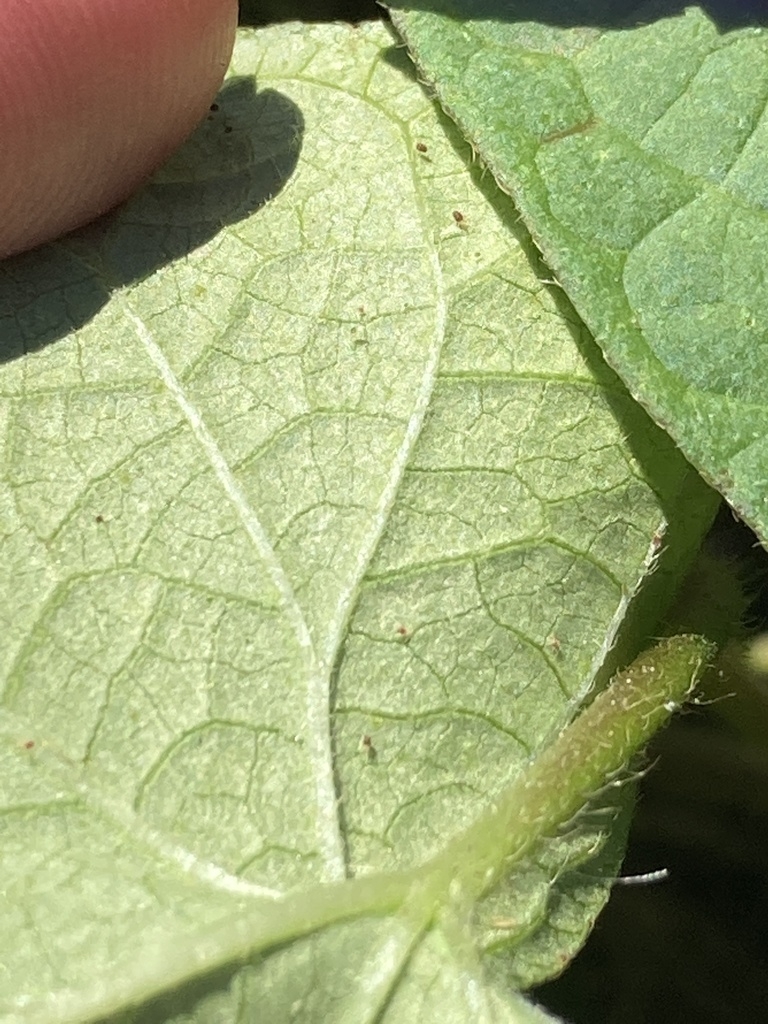
Insects, Diseases, and Other Problems: Watch for aphids and spider mites. Diseases include powdery mildew and root rot.
- See this plant in the following landscape :
- Cultivars / Varieties:
-
- 'Alba'
White flowers - 'Darling'
Wine red or deep rose flowers with white throat. - 'Heavenly Blue'
Large blue flowers - 'Milky Way'
Smaller white flowers with purple centers - 'Pearly Gates'
Pearl white flowers with pink tint - 'Scarlett O'hara'
Bright red flowers - 'Violacea'
Rich deep violate flowers
- 'Alba'
- 'Alba', 'Darling', 'Heavenly Blue', 'Milky Way', 'Pearly Gates', 'Scarlett O'hara', 'Violacea'
- Tags:


- Cultivars / Varieties:
-
- 'Alba'
White flowers - 'Darling'
Wine red or deep rose flowers with white throat. - 'Heavenly Blue'
Large blue flowers - 'Milky Way'
Smaller white flowers with purple centers - 'Pearly Gates'
Pearl white flowers with pink tint - 'Scarlett O'hara'
Bright red flowers - 'Violacea'
Rich deep violate flowers
- 'Alba'
- 'Alba', 'Darling', 'Heavenly Blue', 'Milky Way', 'Pearly Gates', 'Scarlett O'hara', 'Violacea'
- Tags:
-
-
Attributes:
- Genus:
- Ipomoea
- Species:
- purpurea
- Family:
- Convolvulaceae
- Life Cycle:
- Annual
- Recommended Propagation Strategy:
- Seed
- Country Or Region Of Origin:
- Mexico and Central America
- Wildlife Value:
- Members of the genus Ipomea support the following specialized bees: Melitoma taurea and Cemolobus ipomoeae.
- Climbing Method:
- Twining
-
-
Whole Plant Traits:
- Plant Type:
- Annual
- Vine
- Habit/Form:
- Climbing
- Growth Rate:
- Rapid
- Maintenance:
- Medium
- Texture:
- Medium
-
-
Cultural Conditions:
- Light:
- Full sun (6 or more hours of direct sunlight a day)
- Soil Texture:
- Clay
- High Organic Matter
- Loam (Silt)
- Sand
- Shallow Rocky
- Soil pH:
- Acid (<6.0)
- Neutral (6.0-8.0)
- Soil Drainage:
- Good Drainage
- Moist
- NC Region:
- Coastal
- Mountains
- Piedmont
-
-
Fruit:
- Display/Harvest Time:
- Fall
- Summer
- Fruit Type:
- Capsule
- Fruit Length:
- < 1 inch
- Fruit Width:
- < 1 inch
- Fruit Description:
- Globoid seed capsule 1/3" wide dark wedge-shaped seeds.
-
-
Flowers:
- Flower Color:
- Purple/Lavender
- Flower Inflorescence:
- Cyme
- Flower Value To Gardener:
- Showy
- Flower Bloom Time:
- Fall
- Summer
- Flower Shape:
- Funnel
- Trumpet
- Flower Petals:
- fused petals
- Flower Size:
- 1-3 inches
- Flower Description:
- 1 to 3 inches wide, deep purple flowers with a white throat open in the morning and last a few hours; flowers from early summer to fall
-
-
Leaves:
- Leaf Color:
- Green
- Leaf Type:
- Simple
- Leaf Arrangement:
- Alternate
- Leaf Shape:
- Cordate
- Ovate
- Leaf Margin:
- Entire
- Hairs Present:
- Yes
- Leaf Length:
- 1-3 inches
- Leaf Width:
- 1-3 inches
- Leaf Description:
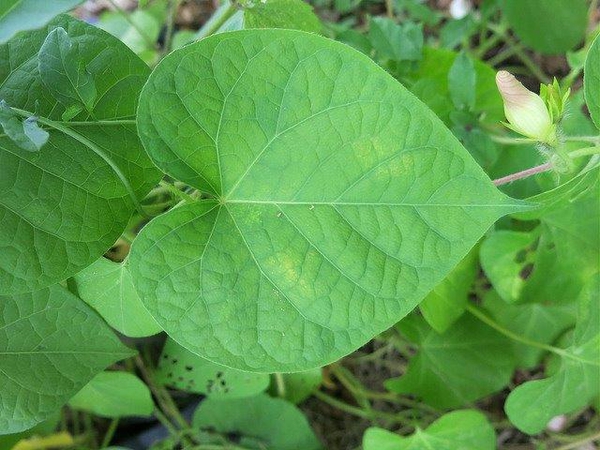
- Medium green heart-shaped fuzzy leaves with a pointed tip, smooth margins and long petioles. They are broad cordate-ovate leaves up to 4 inches long and wide
-
-
Stem:
- Stem Color:
- Purple/Lavender
- Stem Is Aromatic:
- No
- Stem Surface:
- Hairy (pubescent)
- Stem Description:
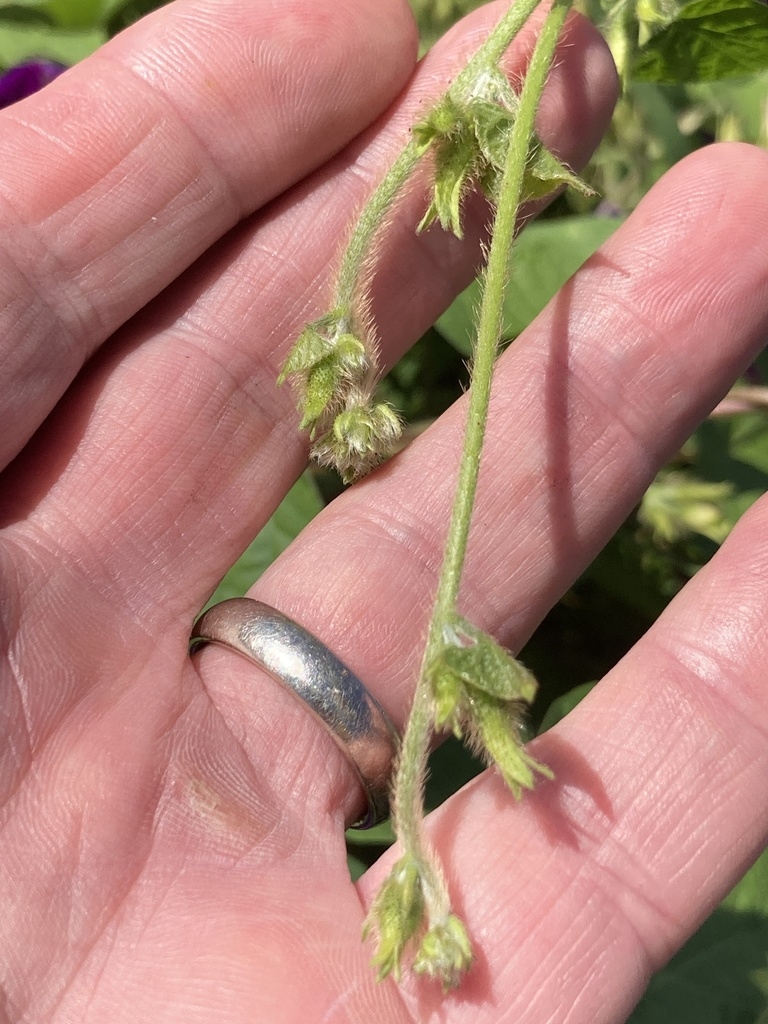
- Tetrate, brown-purple hairy stems
-
-
Landscape:
- Landscape Location:
- Hanging Baskets
- Vertical Spaces
- Attracts:
- Butterflies
- Hummingbirds
- Pollinators
- Specialized Bees
- Problems:
- Problem for Cats
- Problem for Dogs
- Problem for Horses
- Weedy