



Globe Candytuft Iberis umbellata
Other Common Name(s):
- Phonetic Spelling
- eye-BEER-is um-bell-AY-tah
- Description
-
Candytuft is an annual flowering plant of the mustard family (Brassicaceae) native to the Mediterranean region found mainly along the coasts from Spain to Greece. The species epithet comes from the Latin "umbel", meaning "umbrella" and refers to the shape of the inflorescence.
Candytuft grows 12 to 20 inches tall and requires well-drained soil in a wide range of soil types, including poor and very alkaline soil. Best flowering is in full sun and do not overwater. Sow seeds in spring after the last frost for summer flowering or in the fall for next year's crop. Seeds can be collected or the plant will self-seed.
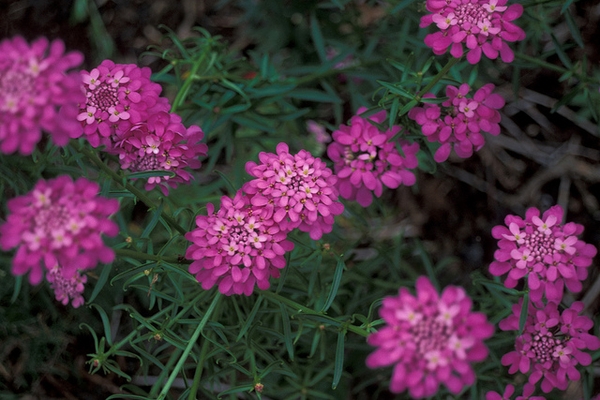
In spring, clusters of flowers appear with the calyx being violet, and the corolla composed of four white, pink or purple petals. The outer ring of petals is larger than the inner petals.
It is a cottage garden favorite, works well in small spaces, planted along walkways or also works on sunny slopes or as a container plant. Use in a fairy, rock, pollinator or drought-tolerant garden.
Insects, Diseases, and Other Plant Problems: No significant problems
- See this plant in the following landscape :
- Cultivars / Varieties:
-
- Tags:




- Cultivars / Varieties:
-
- Tags:
-
-
Attributes:
- Genus:
- Iberis
- Species:
- umbellata
- Family:
- Brassicaceae
- Life Cycle:
- Annual
- Recommended Propagation Strategy:
- Seed
- Country Or Region Of Origin:
- Europe, Mediterranean
- Wildlife Value:
- Flowers pollinated by bees, and lepidoptera (moths & butterflies).
- Dimensions:
- Height: 1 ft. 0 in. - 1 ft. 6 in.
- Width: 0 ft. 6 in. - 1 ft. 0 in.
-
-
Whole Plant Traits:
- Plant Type:
- Annual
- Habit/Form:
- Dense
- Mounding
- Spreading
- Growth Rate:
- Rapid
-
-
Cultural Conditions:
- Light:
- Full sun (6 or more hours of direct sunlight a day)
- Partial Shade (Direct sunlight only part of the day, 2-6 hours)
- Soil Texture:
- Clay
- Loam (Silt)
- Sand
- Soil pH:
- Acid (<6.0)
- Alkaline (>8.0)
- Neutral (6.0-8.0)
- Soil Drainage:
- Good Drainage
- Available Space To Plant:
- Less than 12 inches
-
-
Fruit:
- Display/Harvest Time:
- Summer
- Fruit Type:
- Siliqua
- Fruit Length:
- < 1 inch
- Fruit Width:
- < 1 inch
- Fruit Description:
- Winged and notched oval fruit
-
-
Flowers:
- Flower Color:
- Pink
- Purple/Lavender
- Red/Burgundy
- White
- Flower Inflorescence:
- Corymb
- Flower Value To Gardener:
- Showy
- Flower Bloom Time:
- Spring
- Flower Shape:
- Cross
- Crown
- Flower Petals:
- 4-5 petals/rays
- Flower Description:
- In spring, clusters of flowers appear with the calyx being violet, and the corolla composed of four white, pink or purple petals. The outer ring of petals is larger than the inner petals. Flowers May through June.
-
-
Leaves:
- Leaf Color:
- Blue
- Green
- Leaf Type:
- Simple
- Leaf Shape:
- Lanceolate
- Leaf Margin:
- Entire
- Hairs Present:
- No
- Leaf Length:
- 1-3 inches
- Leaf Width:
- < 1 inch
- Leaf Description:
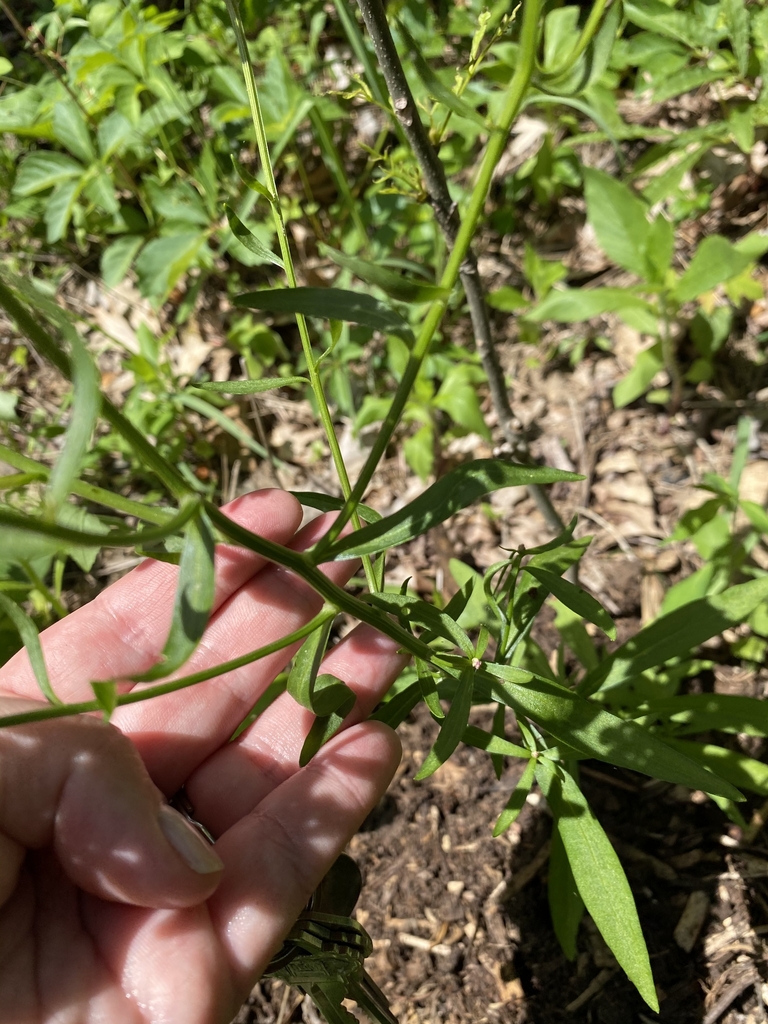
- Dark green leaves have short to no stems and are linear-oblanceolate with entire margins, 0.6 to 2.5 inches long and less than an inch wide.
-
-
Stem:
- Stem Color:
- Green
- Stem Is Aromatic:
- No
- Stem Surface:
- Smooth (glabrous)
- Stem Description:
- Erect stems are branched distally
-
-
Landscape:
- Landscape Location:
- Container
- Slope/Bank
- Small Space
- Walkways
- Landscape Theme:
- Butterfly Garden
- Cottage Garden
- Drought Tolerant Garden
- Fairy Garden
- Pollinator Garden
- Rock Garden
- Design Feature:
- Border
- Mass Planting
- Attracts:
- Bees
- Butterflies
- Moths
- Resistance To Challenges:
- Heat
- Poor Soil



