


Hymenocallis crassifolia
Common Name(s):
Previously known as:
- Hymenocallis palusvirensis
- Phonetic Spelling
- hy-men-oh-KAL-is krass-ih-FOH-lee-uh
- This plant has low severity poison characteristics.
- See below
- Description
-
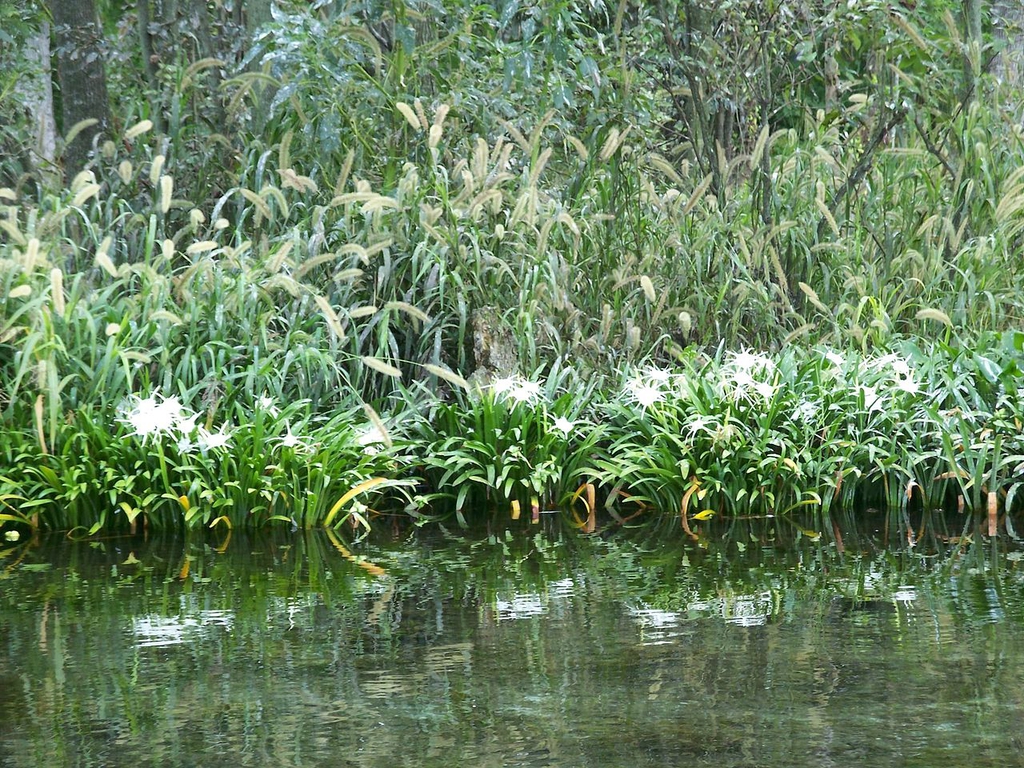
Coastal spiderlily, in the amaryllis family (Amaryllidaceae), is native to the southern coastal counties of NC and south to Florida. It is a herbaceous perennial bulb that grows in moist soil with up to 6 inches of standing water in tidal marshes, margins of tidal guts and banks of backwater rivers.
Coastal spiderlily grows 2 to 4 feet tall and requires consistently moist soil and 4 to 6 hours of sun daily for best blooms. Do not let the soil dry out between waterings. Propagation is by division or seed.
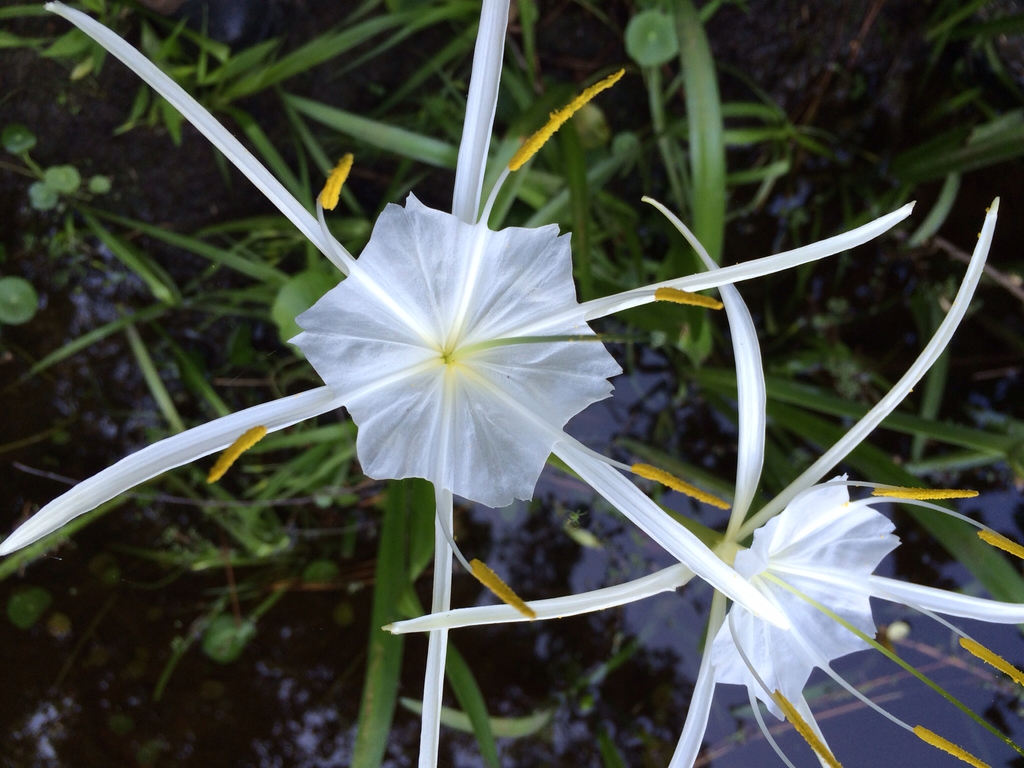
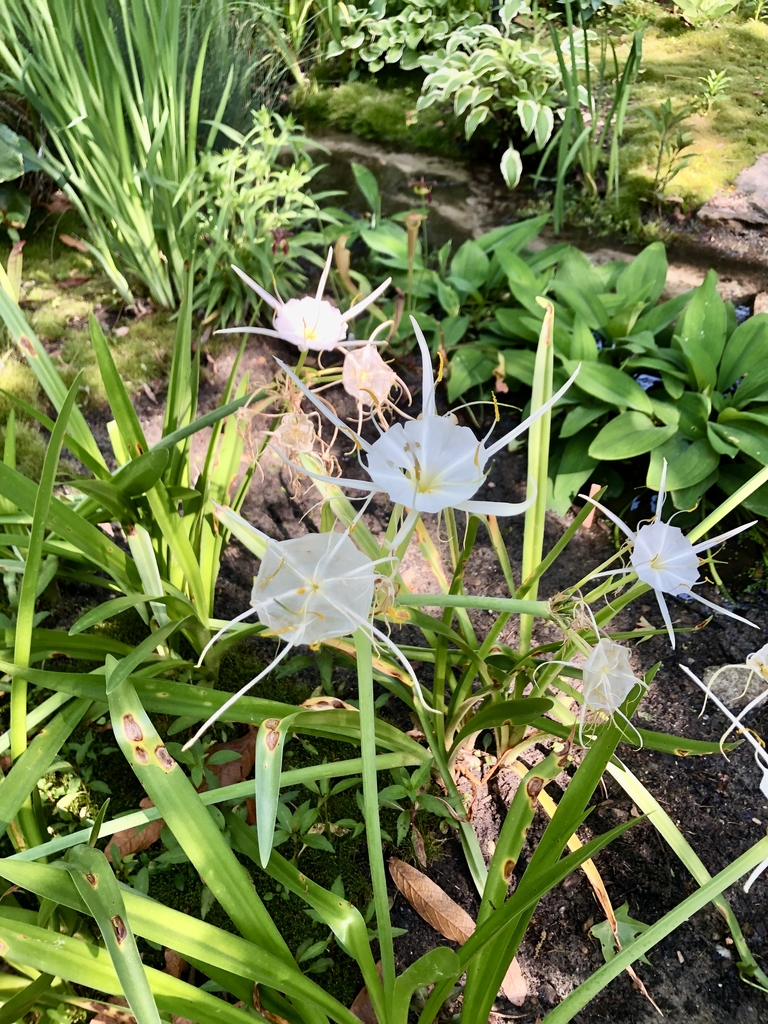
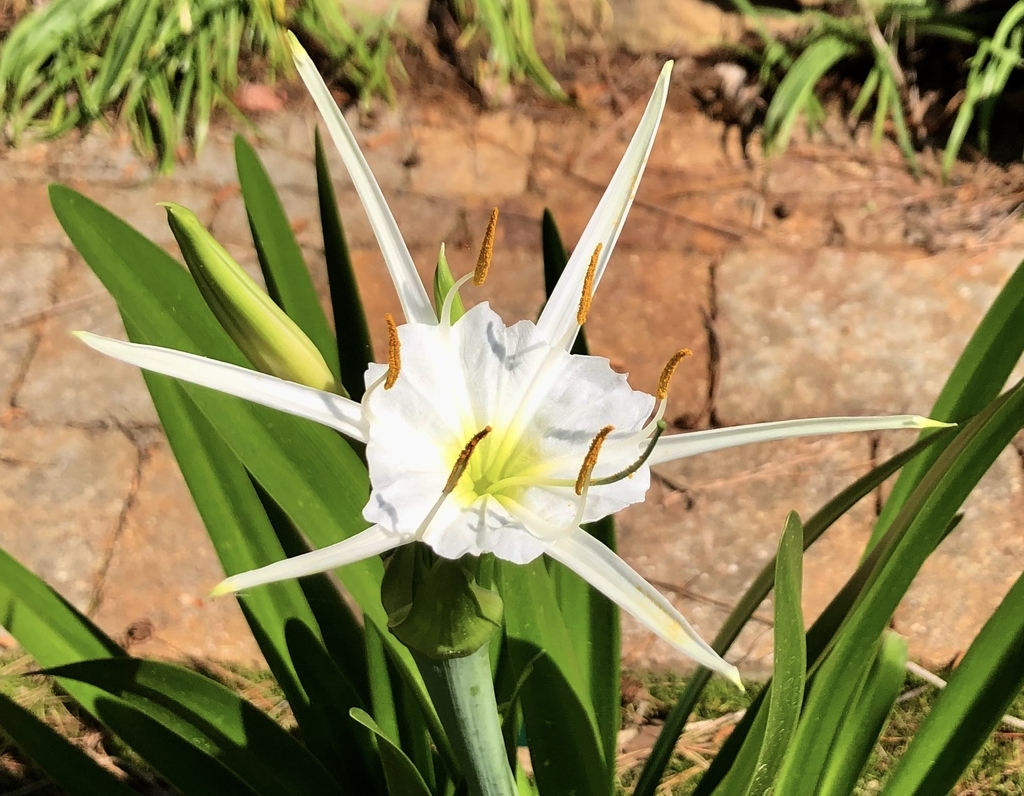
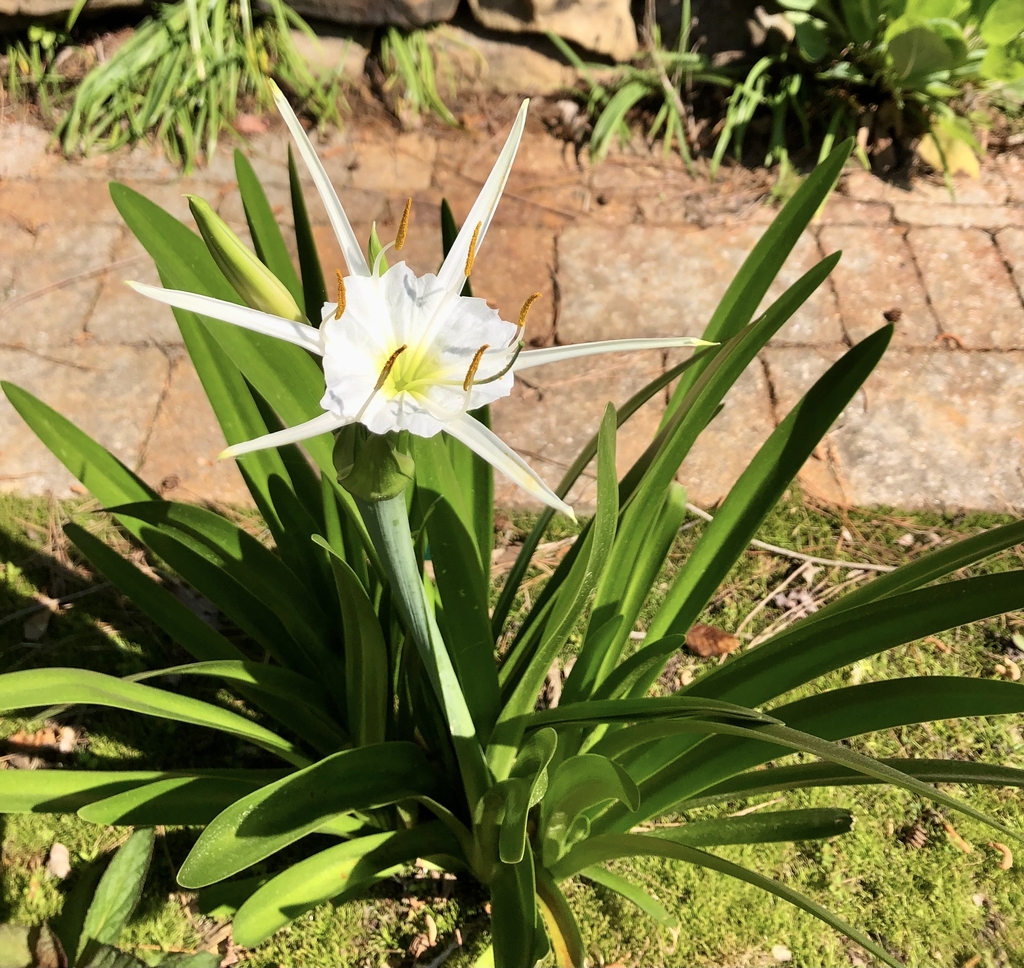
The large showy, fragrant spiderlily-like flowers open at dusk and stay open until morning, attracting moths. The strap-like leaves grow nearly upright
Use coastal spiderlily in a water garden, along a pond, stream or bog. Use in a nighttime garden or in a container with no drainage holes.
Insects, Diseases, and Other Plant Problems: No significant problems. Watch for snails and slugs, mealybugs, thirps and spidermites. Potential diseases are root and crown rot and fungal leaf spot. The caterpillers of some moths and butterflies will feed on the leaves.
- See this plant in the following landscape :
- Cultivars / Varieties:
-
- Tags:


- Cultivars / Varieties:
-
- Tags:
-
-
Attributes:
- Genus:
- Hymenocallis
- Species:
- crassifolia
- Family:
- Amaryllidaceae
- Life Cycle:
- Perennial
- Recommended Propagation Strategy:
- Division
- Country Or Region Of Origin:
- SE USA
- Distribution:
- FL , GA , NC , SC
- Wildlife Value:
- Attracts nocturnal and diurnal pollinators to its fragrant, nectar-rich flowers
-
-
Whole Plant Traits:
- Plant Type:
- Bulb
- Perennial
- Poisonous
- Water Plant
- Woody Plant Leaf Characteristics:
- Broadleaf Evergreen
- Semi-evergreen
- Habit/Form:
- Clumping
- Erect
- Growth Rate:
- Medium
- Maintenance:
- Low
- Texture:
- Medium
-
-
Cultural Conditions:
- Light:
- Full sun (6 or more hours of direct sunlight a day)
- Partial Shade (Direct sunlight only part of the day, 2-6 hours)
- Soil Texture:
- Clay
- High Organic Matter
- Loam (Silt)
- Soil Drainage:
- Moist
- Occasional Flooding
- Occasionally Wet
- NC Region:
- Coastal
- USDA Plant Hardiness Zone:
- 7a, 8a, 8b, 9a, 9b
-
-
Fruit:
- Display/Harvest Time:
- Summer
- Fruit Type:
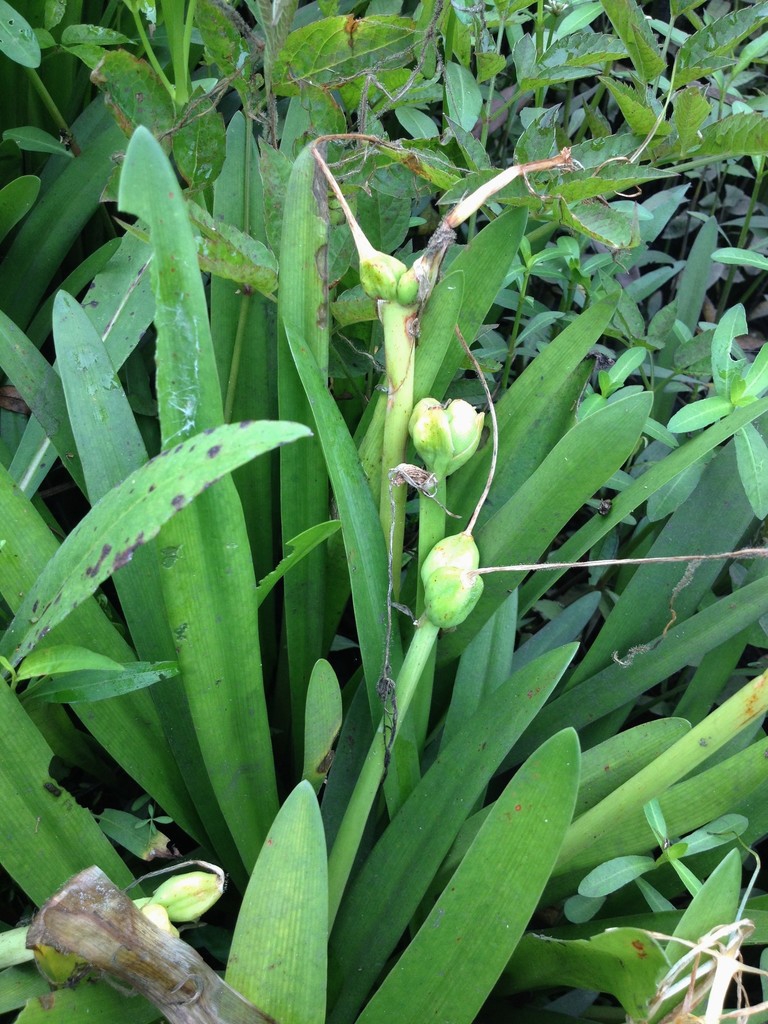
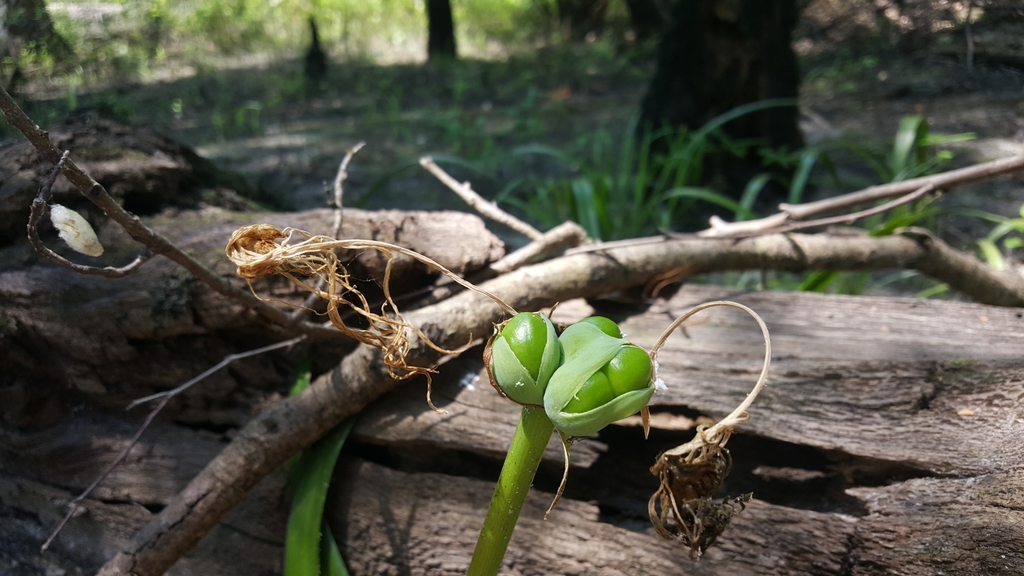
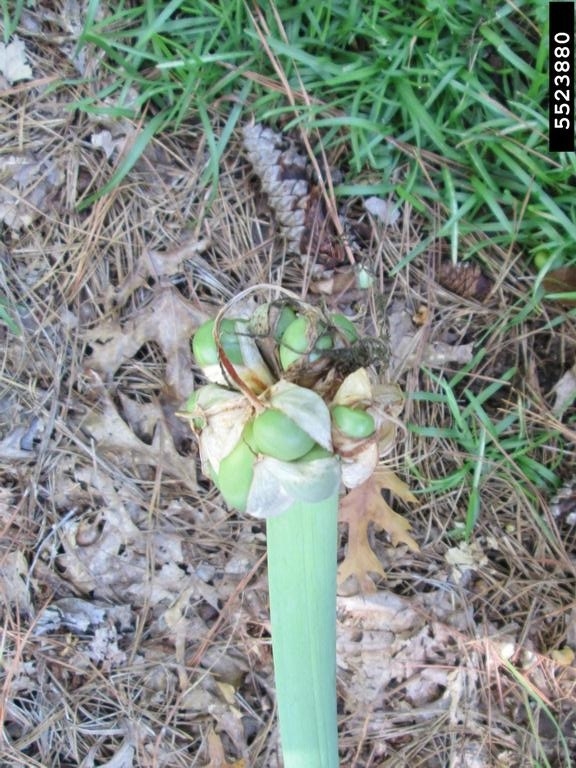
- Capsule
- Fruit Description:
- Fruit displays from June to July.
-
-
Flowers:
- Flower Color:
- White
- Flower Inflorescence:
- Umbel
- Flower Value To Gardener:
- Fragrant
- Flower Bloom Time:
- Spring
- Flower Shape:
- Cup
- Flower Petals:
- 6 petals/rays
- Flower Size:
- > 6 inches
- Flower Description:
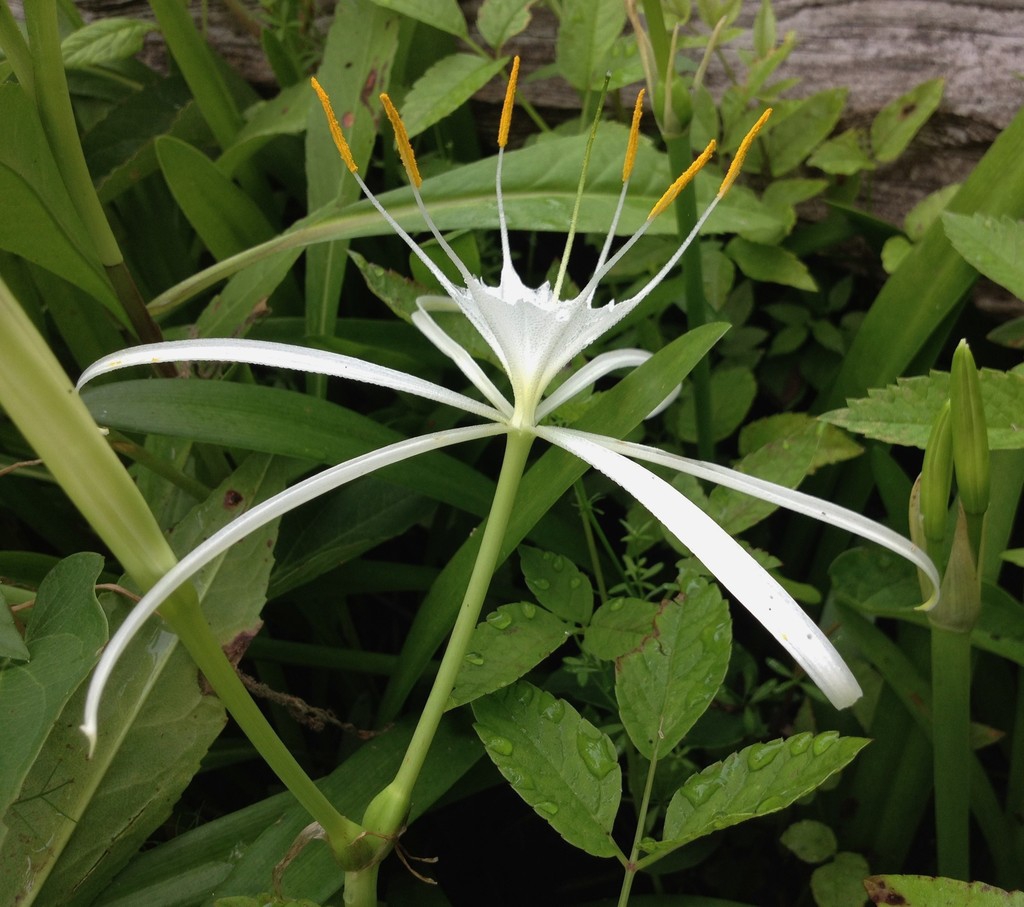
- A cluster of 3 to 6 fragrant spiderlily-like white flowers are up to 8 inches wide. The center is cup-like, with six narrow rays that have long extensions. 6 stamens are attached to the margins of the corona . Blooms from May to June.
-
-
Leaves:
- Woody Plant Leaf Characteristics:
- Broadleaf Evergreen
- Semi-evergreen
- Leaf Color:
- Green
- Leaf Feel:
- Glossy
- Leathery
- Leaf Type:
- Simple
- Leaf Arrangement:
- Rosulate
- Leaf Shape:
- Linear
- Leaf Margin:
- Entire
- Hairs Present:
- No
- Leaf Length:
- > 6 inches
- Leaf Description:
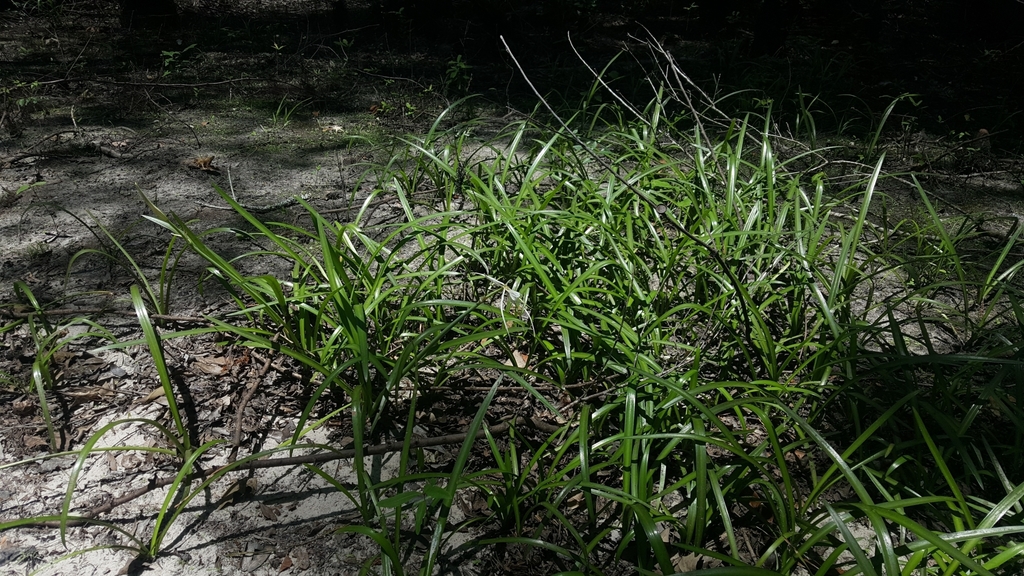
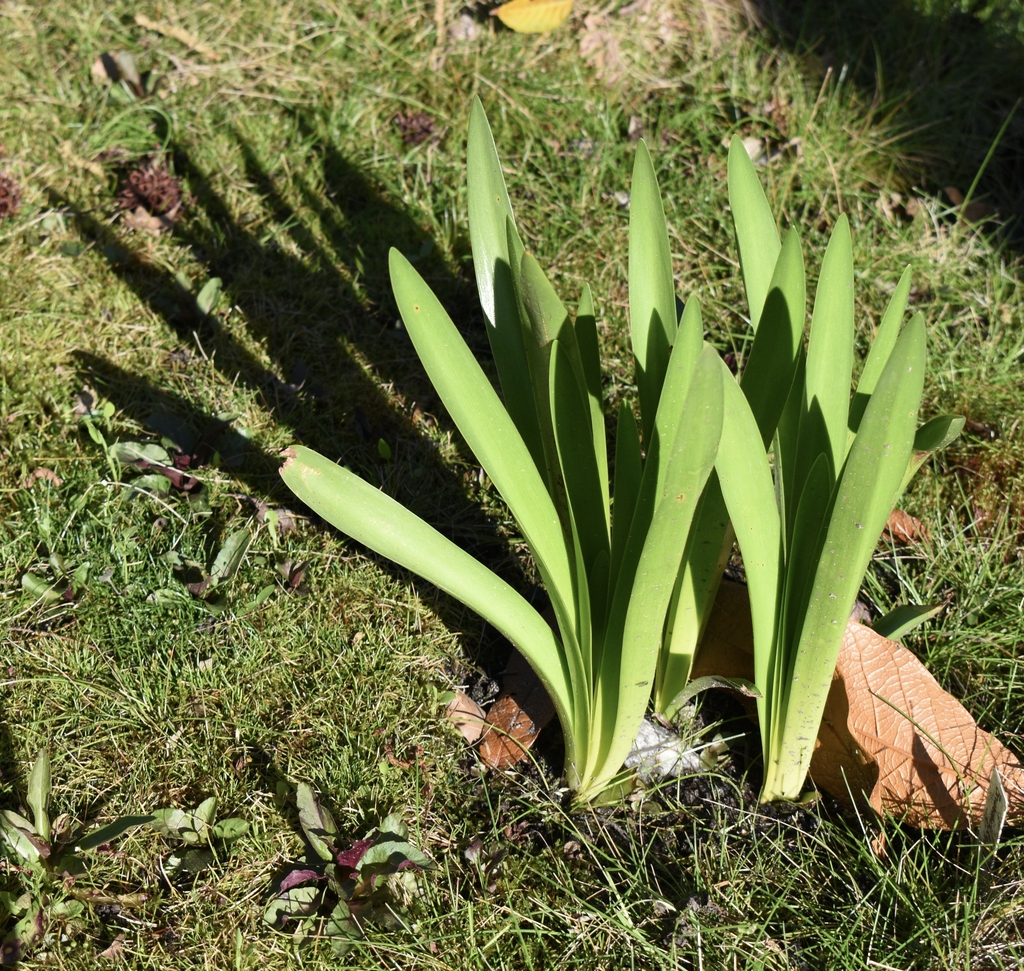
- Thick basal rosette of strap-like leaves are nearly erect and up to 3 to 5 inches. The ascending stem leaves are 11 to15 inches long.
-
-
Stem:
- Stem Color:
- Green
- White
- Stem Is Aromatic:
- No
- Stem Cross Section:
- Angular
- Stem Form:
- Straight
- Stem Surface:
- Smooth (glabrous)
- Stem Description:
- 2-angled smooth green stem with a whitish coating up to 20 inches tall.
-
-
Landscape:
- Landscape Location:
- Naturalized Area
- Pond
- Riparian
- Landscape Theme:
- Butterfly Garden
- Nighttime Garden
- Water Garden
- Attracts:
- Butterflies
- Moths
- Songbirds
- Resistance To Challenges:
- Wet Soil
- Problems:
- Poisonous to Humans