


Dog-Tooth Daisy. Helenium
Other Common Name(s):
- Phonetic Spelling
- hel-EN-ee-um
- This plant has medium severity poison characteristics.
- See below
- Description
-
Helenium is a genus of about 40 annuals and herbaceous perennials in the aster family (Asteraceae) native to the Americas. The common name, sneezeweed, comes from the former use of the leaves to make a snuff to induce sneezing to get rid of evil spirits. The genus is named after Helen of Troy.
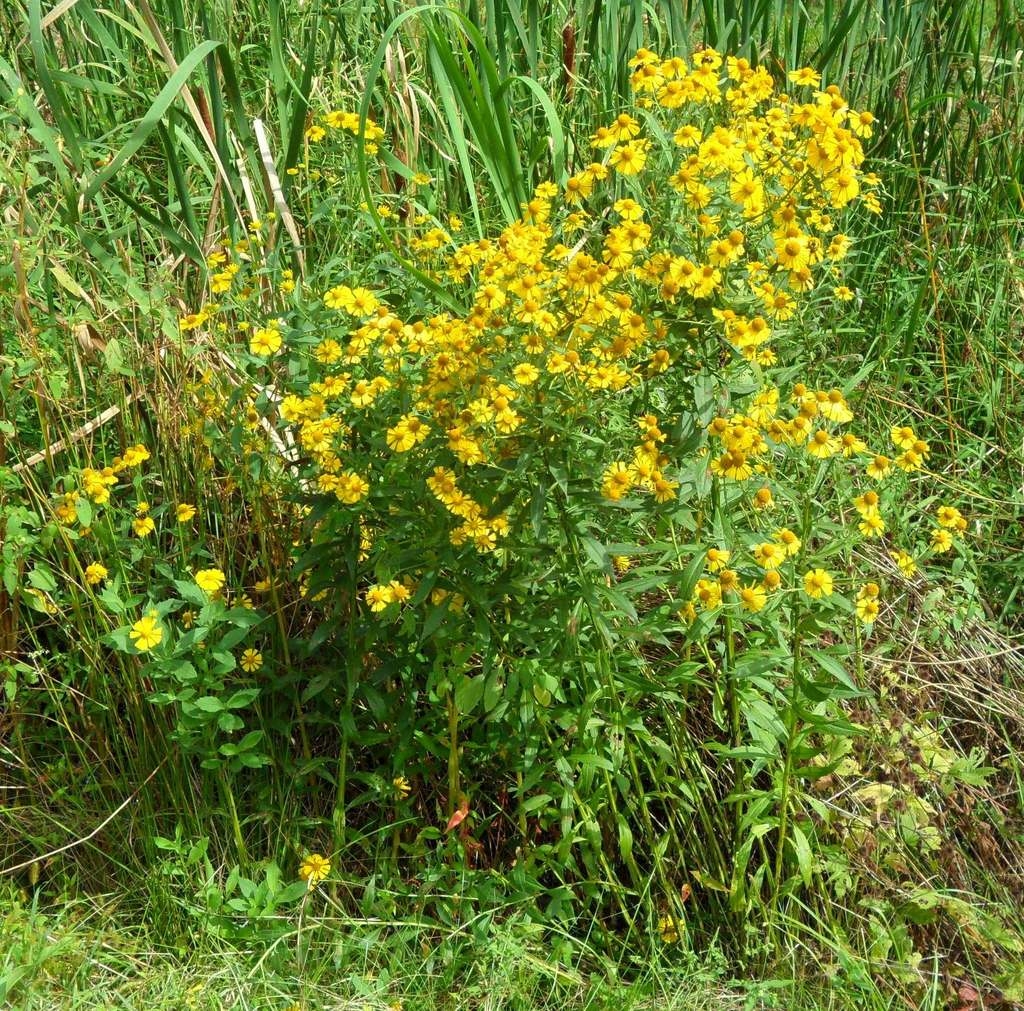
They typically grow 2 to 6 feet tall and 1 to 2 feet wide in a clumping habit and prefer full sun in moist, well-drained soil. Keep soils moist for best results. Propagation is by seed or division.
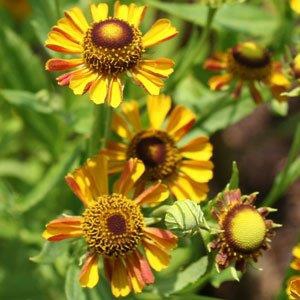
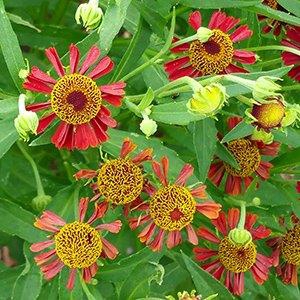
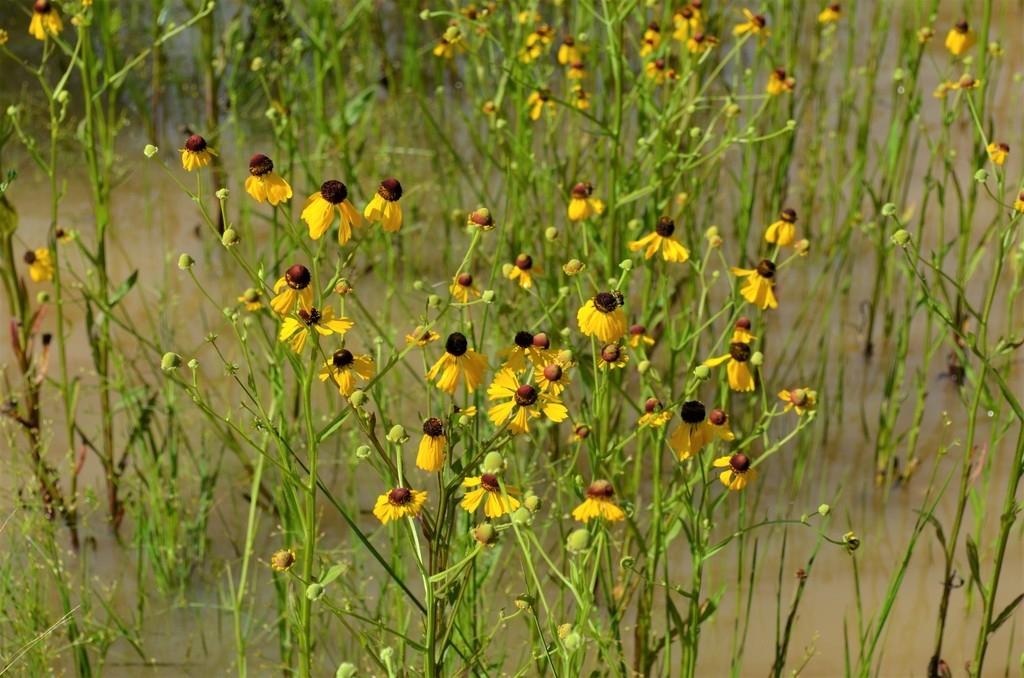
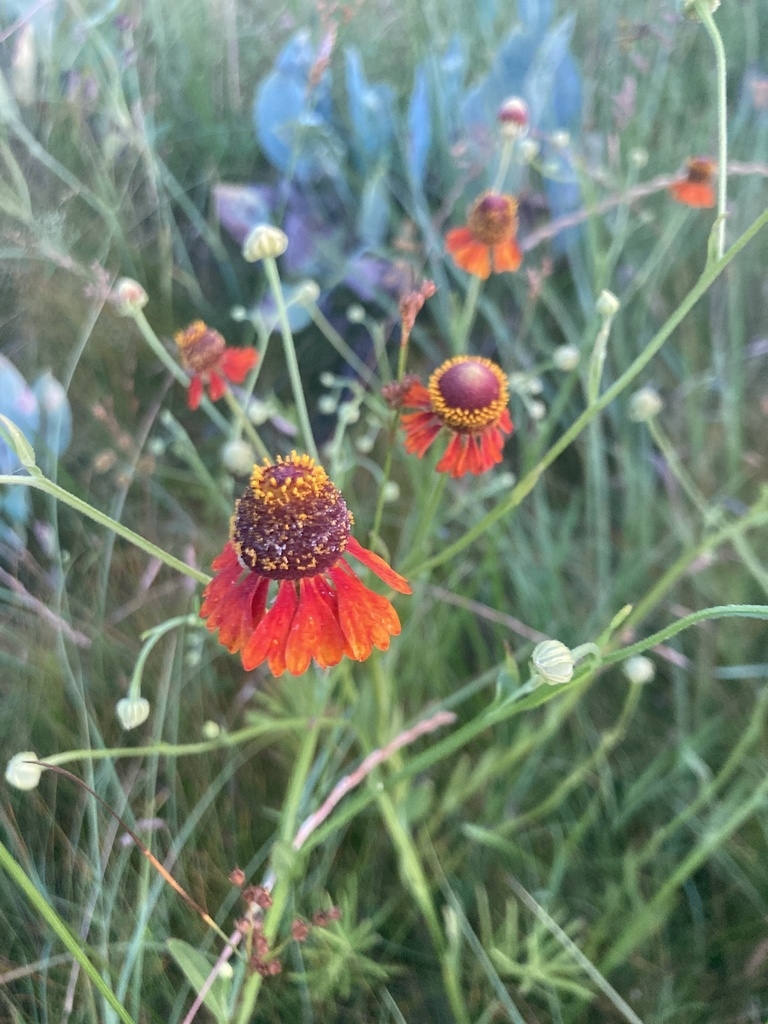
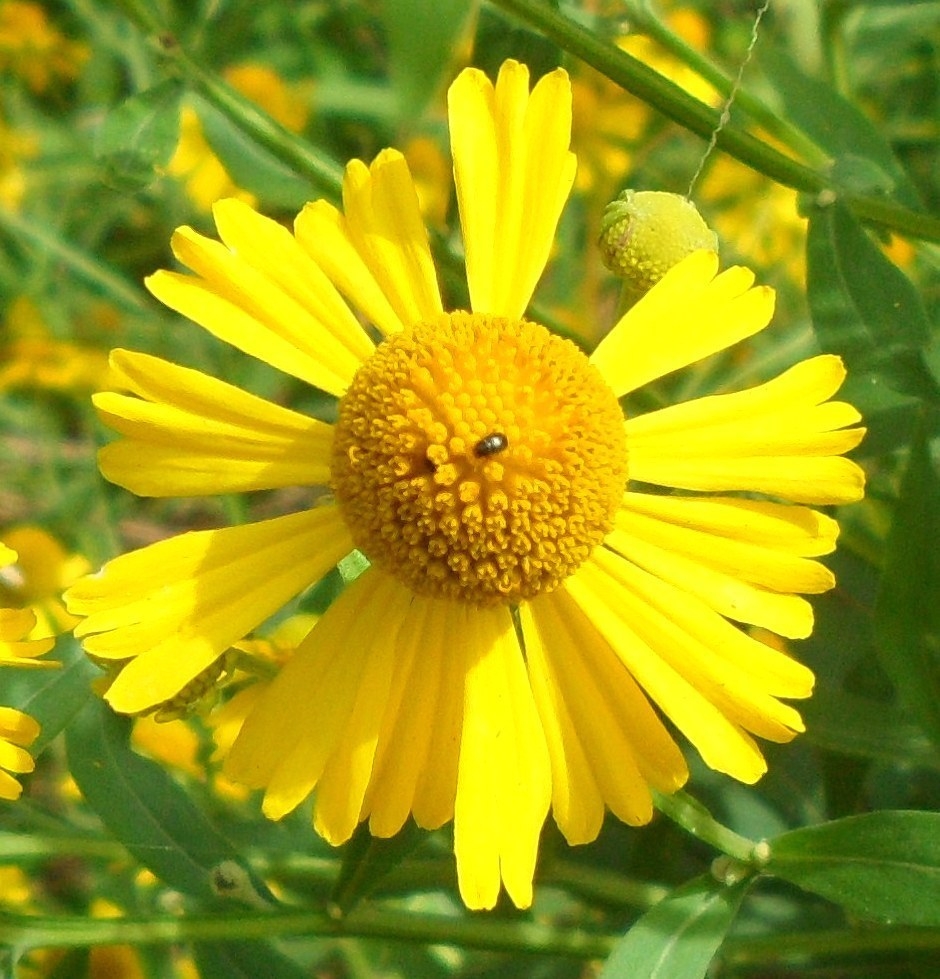
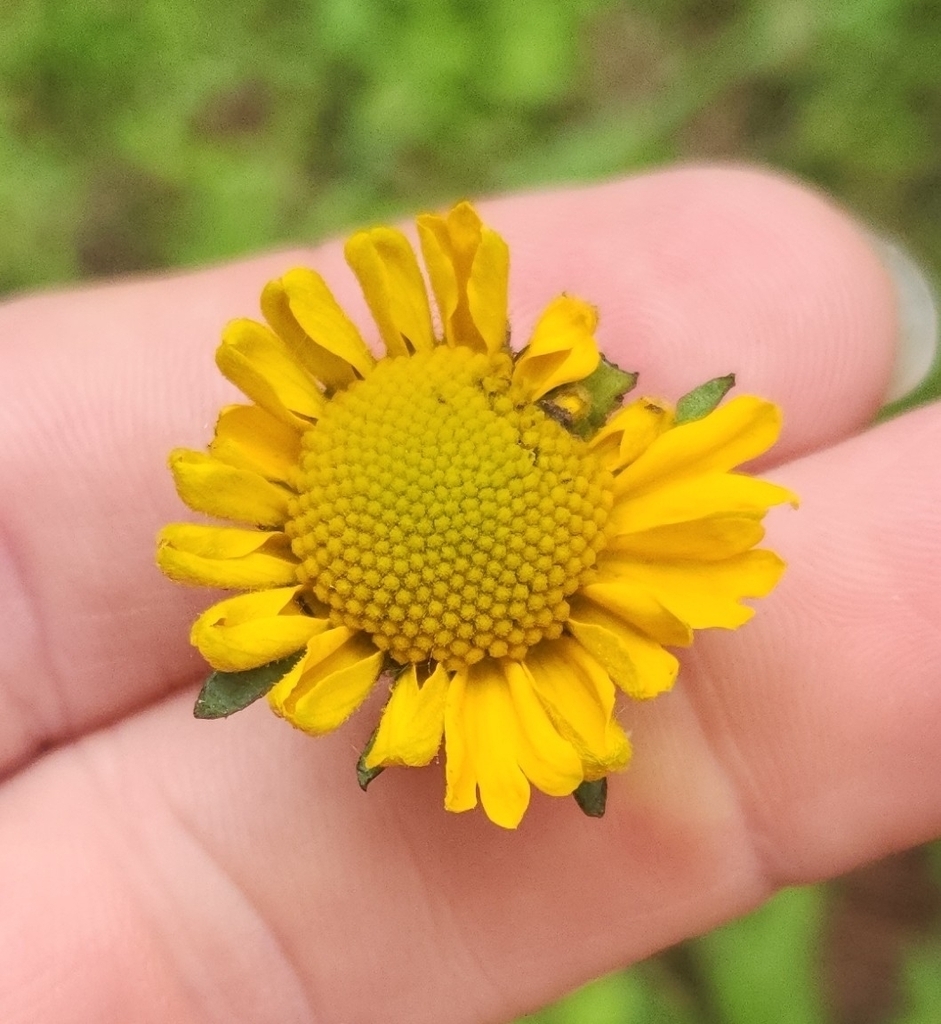
In mid to late summer into fall, daisy-like flowers appear in yellow or orange-to-red tones. The showy petals surround a domed center that is often brown to purplish. Deadheading will help promote more blooms.
Use these colorful plants in pollinator gardens for late-season bees. They can be planted in mass or in borders of cottage and cutting gardens or in naturalized areas. Many cultivars are available.
Insects, Diseases, and Other Plant Problems: Powdery mildew, leaf spot, and rust. Taller species may require staking.
- See this plant in the following landscape :
- Cultivars / Varieties:
-
- H. amarum
Annual native to south central USA
H. autumnale
- H. bigelovii
Native to foothills and mountains of CA and OR - H. bigelovii
Bigelow’s sneezeweed,b native to western North America
H. flexuosum
- H.hoopesii
Yellow flowers. Native to western USA - H. pinnatifidum
Native to SE USA including NC - H.virginicum
Native to VA and MO and is listed as threatened

Yellow flowers
Purple-headed sneezeweed - H. amarum
- H. amarum, H. autumnale, H. bigelovii, H. bigelovii, H. flexuosum, H.hoopesii, H. pinnatifidum, H.virginicum
- Tags:


- Cultivars / Varieties:
-
- H. amarum
Annual native to south central USA
H. autumnale
- H. bigelovii
Native to foothills and mountains of CA and OR - H. bigelovii
Bigelow’s sneezeweed,b native to western North America
H. flexuosum
- H.hoopesii
Yellow flowers. Native to western USA - H. pinnatifidum
Native to SE USA including NC - H.virginicum
Native to VA and MO and is listed as threatened
Yellow flowers
Purple-headed sneezeweed - H. amarum
- H. amarum, H. autumnale, H. bigelovii, H. bigelovii, H. flexuosum, H.hoopesii, H. pinnatifidum, H.virginicum
- Tags:
-
-
Attributes:
- Genus:
- Helenium
- Family:
- Asteraceae
- Uses (Ethnobotany):
- Powdered leaves and flower heads were used in the treatment of colds and congestion by inducing sneezing. Indians used an infusion of the leaves as a laxative.
- Life Cycle:
- Annual
- Perennial
- Recommended Propagation Strategy:
- Division
- Seed
- Country Or Region Of Origin:
- North and South America
- Wildlife Value:
- Food plant of butterfly larvae
- Particularly Resistant To (Insects/Diseases/Other Problems):
- Deer and rabbit resistant
- Dimensions:
- Height: 2 ft. 0 in. - 15 ft. 0 in.
- Width: 1 ft. 0 in. - 2 ft. 0 in.
-
-
Whole Plant Traits:
- Plant Type:
- Annual
- Herbaceous Perennial
- Native Plant
- Poisonous
- Wildflower
- Habit/Form:
- Clumping
- Erect
- Multi-stemmed
- Growth Rate:
- Medium
- Maintenance:
- Low
- Texture:
- Medium
-
-
Cultural Conditions:
- Light:
- Full sun (6 or more hours of direct sunlight a day)
- Soil Texture:
- Clay
- High Organic Matter
- Loam (Silt)
- Sand
- Soil Drainage:
- Good Drainage
- Moist
- Available Space To Plant:
- 12 inches-3 feet
- NC Region:
- Coastal
- Mountains
- Piedmont
- USDA Plant Hardiness Zone:
- 3a, 3b, 4a, 4b, 5a, 5b, 6a, 6b, 7a, 7b, 8a, 8b, 9a, 9b
-
-
Fruit:
- Fruit Type:
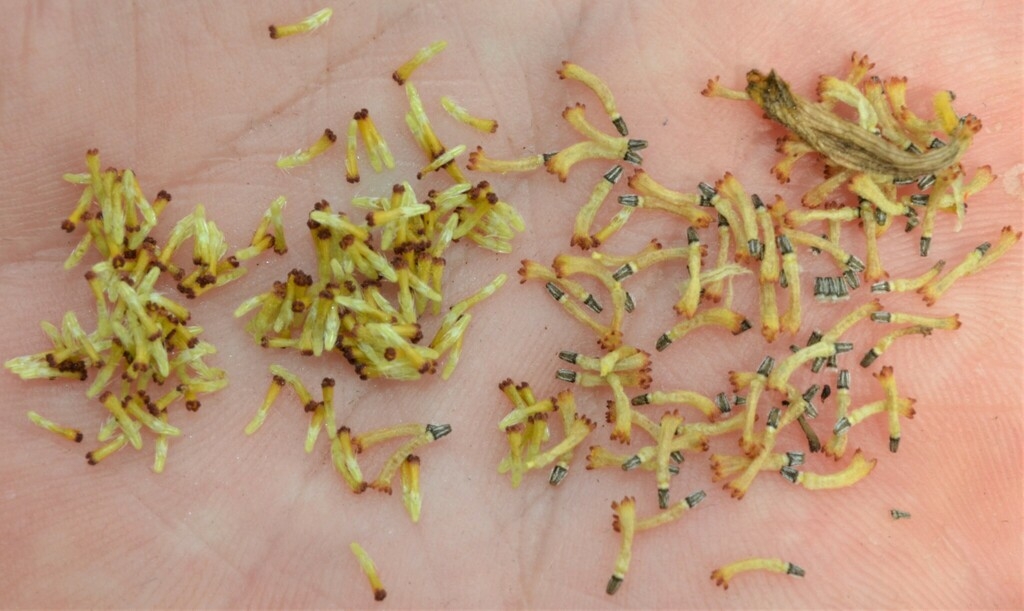
- Achene
-
-
Flowers:
- Flower Color:
- Gold/Yellow
- Orange
- Flower Inflorescence:
- Head
- Flower Value To Gardener:
- Showy
- Flower Bloom Time:
- Fall
- Summer
- Flower Shape:
- Radial
- Flower Petals:
- 7 - 20 petals/rays
- Flower Size:
- 1-3 inches
- Flower Description:
- Yellow to orange or red rays surround a dome of brown to purplish florets. The end of the petals are toothed
-
-
Leaves:
- Leaf Color:
- Green
- Leaf Type:
- Simple
- Leaf Arrangement:
- Alternate
- Leaf Shape:
- Lanceolate
- Hairs Present:
- No
- Leaf Description:
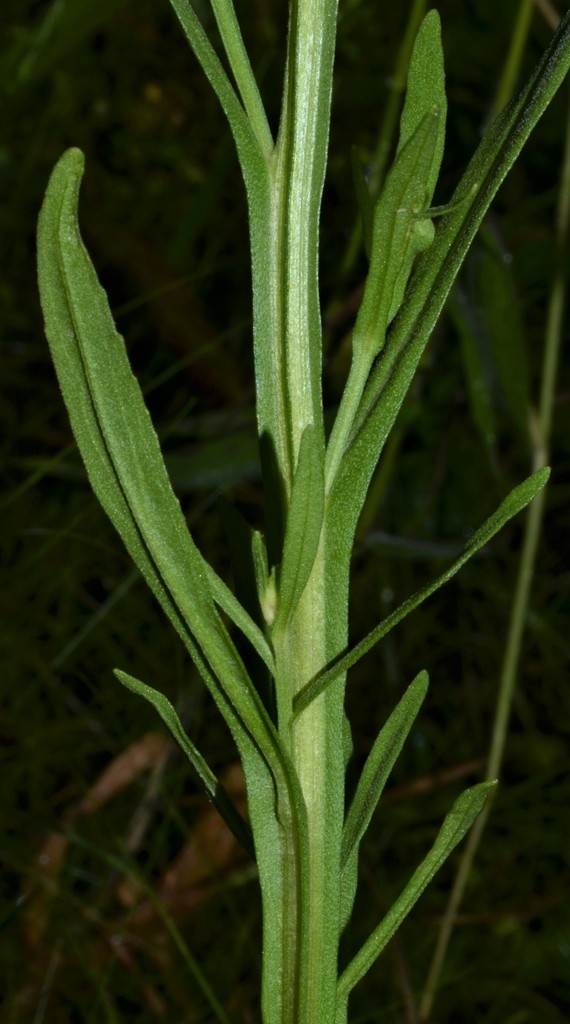
- Alternate, simple, glandular-dotted lance-shaped green leaves
-
-
Stem:
- Stem Color:
- Green
- Stem Is Aromatic:
- No
- Stem Description:
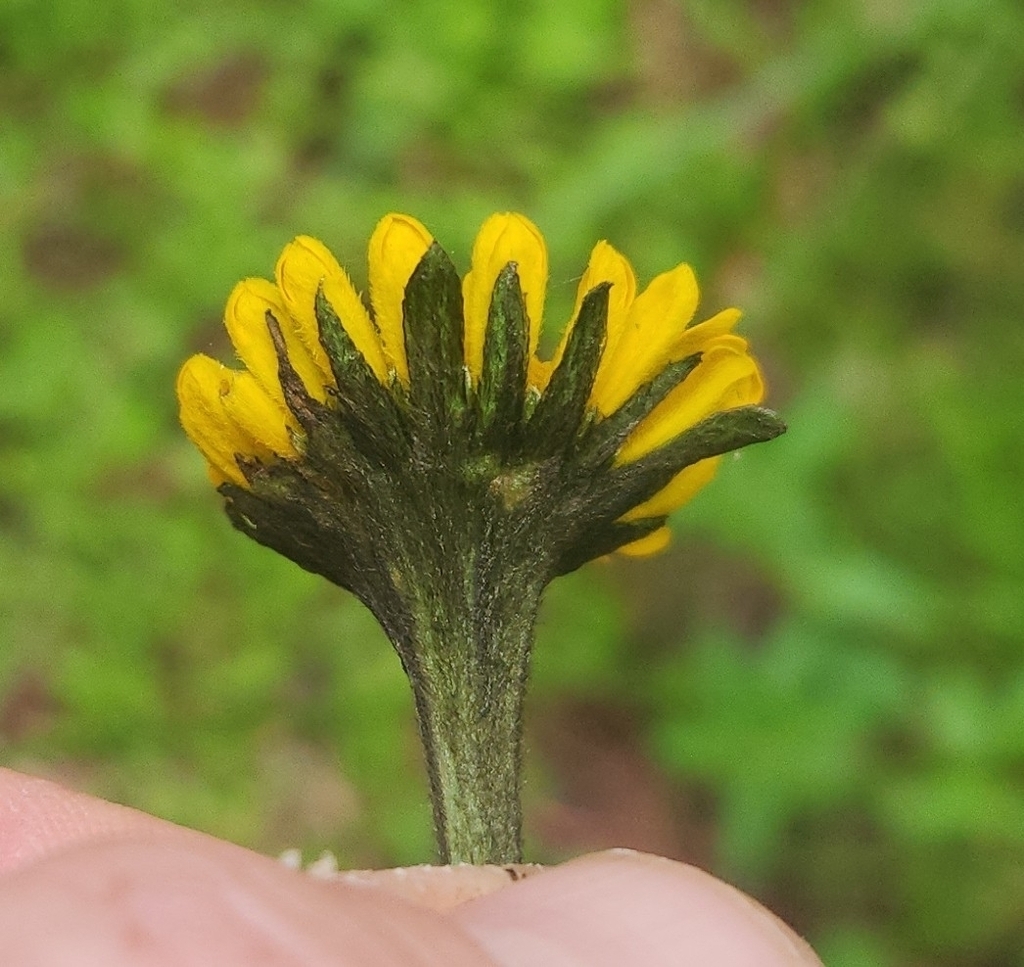
- Winged green stems
-
-
Landscape:
- Landscape Location:
- Naturalized Area
- Riparian
- Landscape Theme:
- Butterfly Garden
- Cottage Garden
- Native Garden
- Pollinator Garden
- Rain Garden
- Design Feature:
- Border
- Mass Planting
- Attracts:
- Bees
- Butterflies
- Resistance To Challenges:
- Deer
- Rabbits
- Wet Soil
- Problems:
- Poisonous to Humans
- Weedy
-
-
Poisonous to Humans:
- Poison Severity:
- Medium
- Poison Symptoms:
- TOXIC ONLY IF LARGE QUANTITIES EATEN. Salivation, elevated temperature and pulse, vomiting, convulsions, and difficulty in breathing,
- Poison Toxic Principle:
- Sesquiterpene lactone
- Causes Contact Dermatitis:
- No
- Poison Part:
- Flowers
- Leaves
- Seeds
- Stems