


Ficus
Common Name(s):
- This plant has low severity poison characteristics.
- See below
- Description
-
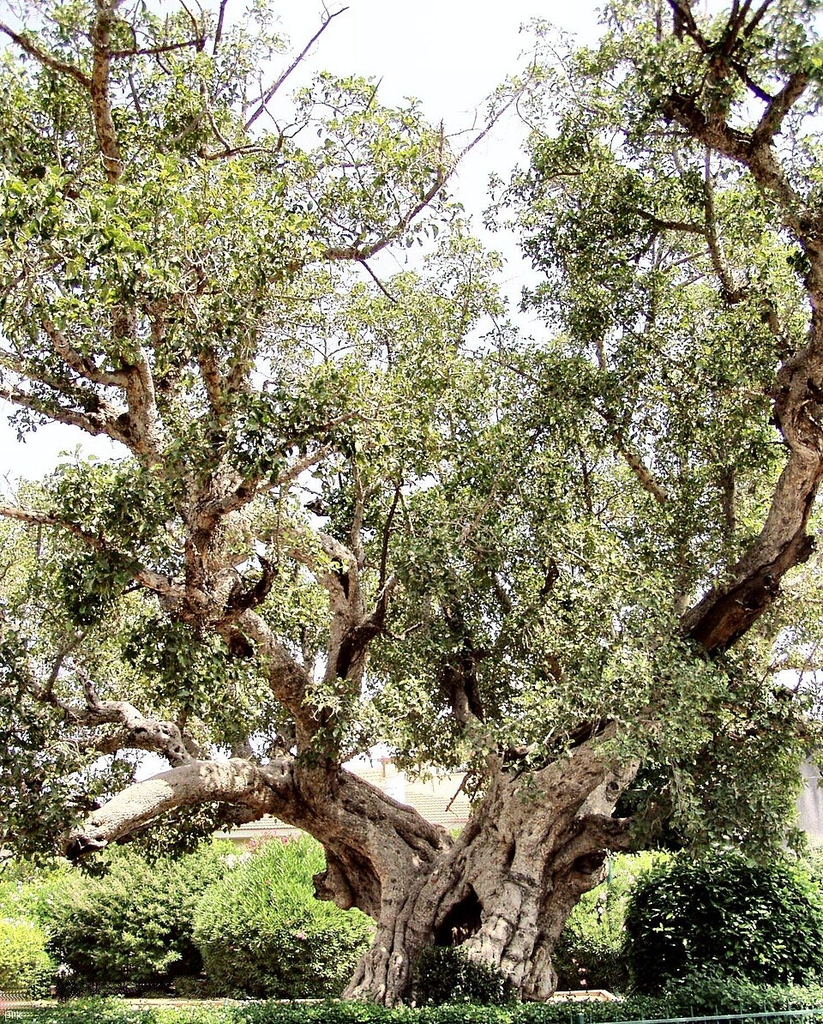
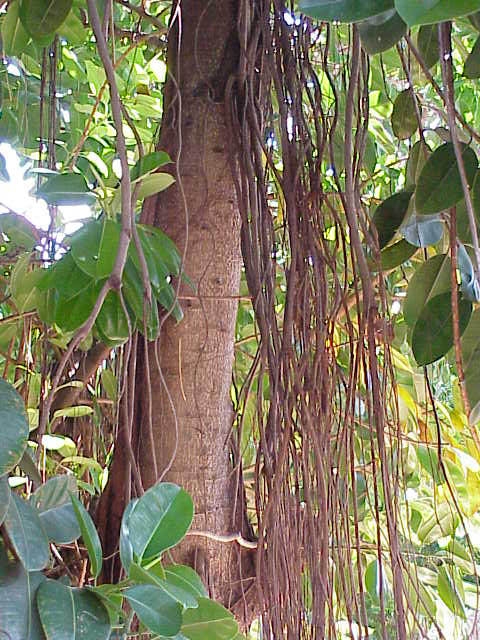
The fig genus is in the mulberry family (Moraceae) and includes about 850 species, ranging from trees and shrubs to vines, epiphytes and hemiepiphytes. They are found throughout tropical regions and into warmer temperate zones. Only two species are widely cultivated for their fruits, the common fig being the most popular. The genus name, Ficus, is Latin and means fig.
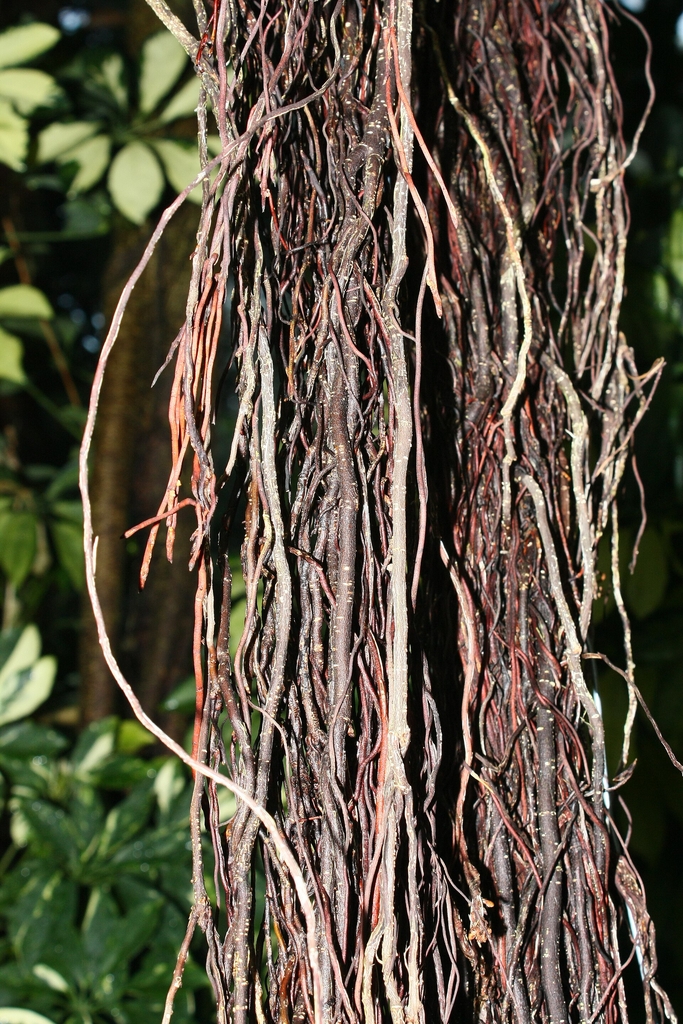
Due to the great variation in the genus, the description and growing needs vary greatly. Most figs are evergreen but a few are deciduous. Most can be propagated by seed or vegetatively by cuttings, layering and grafting.
All figs have a unique reproductive system. The urn-shaped inflorescence has tiny flowers that develop inside the fruit, which is accessible to the fig wasp through a small hole in the fruit's apex. The wasp pollinates the flowers and lays its eggs inside, creating a mutually beneficial system. Many figs have both male and female flowers inside the inflorescence but a few have separate male and female plants.
Even though many figs are not widely cultivated, they are important to their ecosystem and provide food for humans, birds, insects, bats and other mammals. They are often host plants to butterflies, moths and beetles.
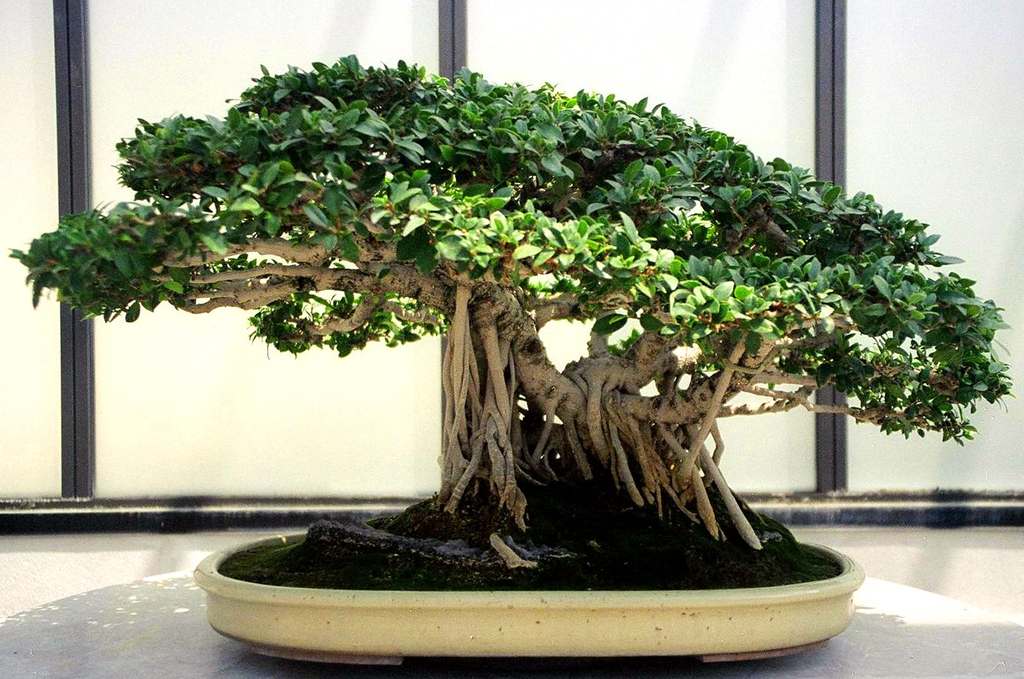
The common fig is often grown in gardens for its delicious fruits. Other species are grown as house plants and bonsai.
Insects, Diseases, and Other Plant Problems: Watch for spider mites, scale and mealybugs. Diseases include anthracnose, bacterial diseases and root rot.
- See this plant in the following landscape :
- Cultivars / Varieties:
-
-
F. auriculata
- F. sycomorus
Tree native to Africa grown for its fruits
Elephant ear fig F. benghalensis
Begal fig F. benjamina
Weeping fig F. bhotanica
Christmas fig F. carica
Common fig F. deltoidea
Delta fig F. elastica
Rubber plant F. lyrata
Fiddleleaf fig F. maclellandii
Banana leaf fig F. microcarpa
Chinese baynan tree F. neriifolia
Willow leaf fig F. pumila
Climbing fig - F. sycomorus
- F. auriculata, F. benghalensis, F. benjamina, F. bhotanica, F. carica, F. deltoidea, F. elastica, F. lyrata, F. maclellandii, F. microcarpa, F. neriifolia, F. pumila, F. sycomorus
- Tags:




- Cultivars / Varieties:
-
-
F. auriculata
- F. sycomorus
Tree native to Africa grown for its fruits
Elephant ear fig F. benghalensis
Begal fig F. benjamina
Weeping fig F. bhotanica
Christmas fig F. carica
Common fig F. deltoidea
Delta fig F. elastica
Rubber plant F. lyrata
Fiddleleaf fig F. maclellandii
Banana leaf fig F. microcarpa
Chinese baynan tree F. neriifolia
Willow leaf fig F. pumila
Climbing fig - F. sycomorus
- F. auriculata, F. benghalensis, F. benjamina, F. bhotanica, F. carica, F. deltoidea, F. elastica, F. lyrata, F. maclellandii, F. microcarpa, F. neriifolia, F. pumila, F. sycomorus
- Tags:
-
-
Attributes:
- Genus:
- Ficus
- Family:
- Moraceae
- Life Cycle:
- Woody
- Recommended Propagation Strategy:
- Grafting
- Layering
- Root Cutting
- Seed
- Stem Cutting
- Country Or Region Of Origin:
- Tropica and subtropics
- Wildlife Value:
- Host plant to butterflies and mots. The fruits provide food to a variety of wildlife.
- Edibility:
- Fruits are edible.
-
-
Whole Plant Traits:
- Plant Type:
- Edible
- Habit/Form:
- Climbing
- Erect
- Multi-stemmed
- Multi-trunked
- Growth Rate:
- Medium
- Maintenance:
- Medium
- Texture:
- Coarse
-
-
Cultural Conditions:
- Light:
- Full sun (6 or more hours of direct sunlight a day)
- Partial Shade (Direct sunlight only part of the day, 2-6 hours)
- Soil Drainage:
- Good Drainage
- NC Region:
- Coastal
- Piedmont
- USDA Plant Hardiness Zone:
- 7a, 7b, 8a, 8b, 9a, 9b, 10a, 11a
-
-
Fruit:
- Fruit Value To Gardener:
- Edible
- Fruit Type:
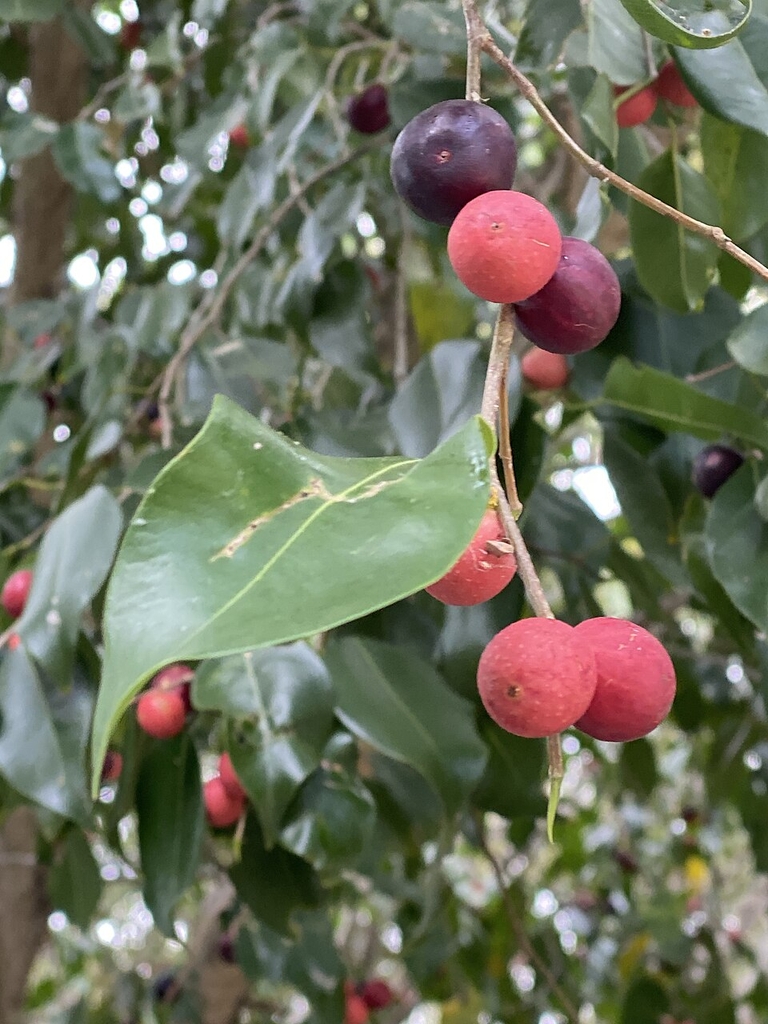
- Drupe
- Fruit Description:
- The edible fruits vary in shape, color and size per species
-
-
Flowers:
- Flower Shape:
- Urn
- Flower Description:
- Tiny flowers develop inside an urn-shaped inflorescence inside the developing fruit.
-
-
Leaves:
- Leaf Color:
- Green
- Leaf Type:
- Simple
- Hairs Present:
- No
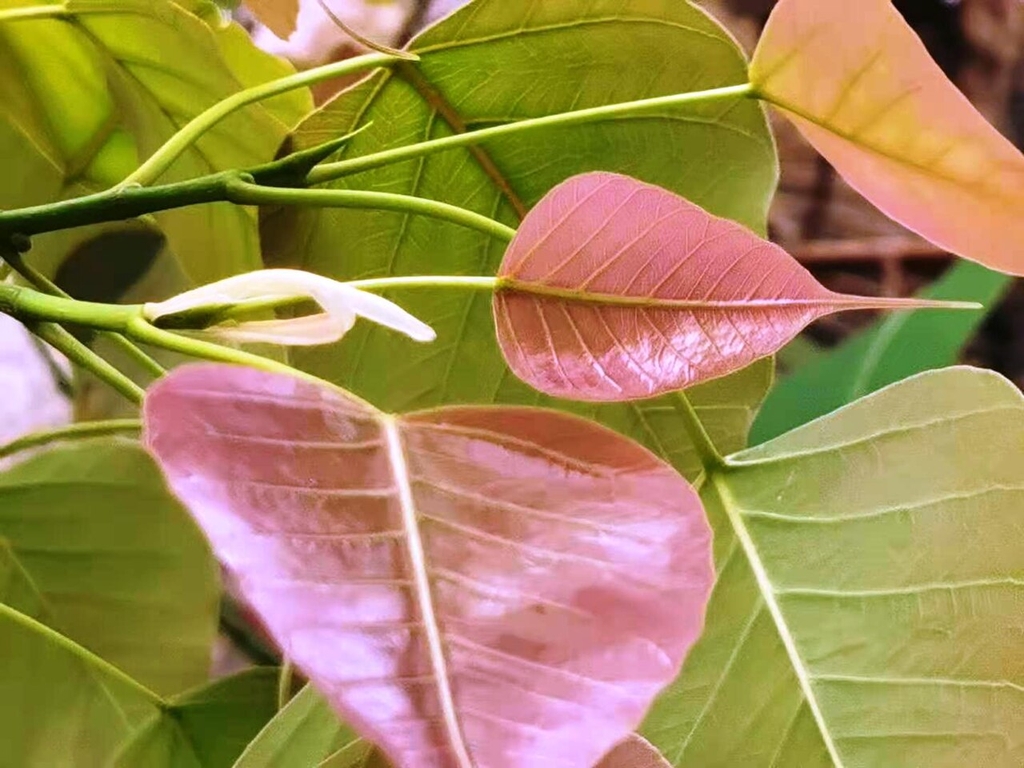
- Leaf Description:
- Vary greatly per species
-
-
Stem:
- Stem Is Aromatic:
- No
- Stem Description:
- Varies per species.
-
-
Landscape:
- Landscape Location:
- Houseplants
- Landscape Theme:
- Edible Garden
- Attracts:
- Butterflies
- Moths
- Small Mammals
- Songbirds
- Problems:
- Problem for Cats
- Problem for Children
- Problem for Dogs



