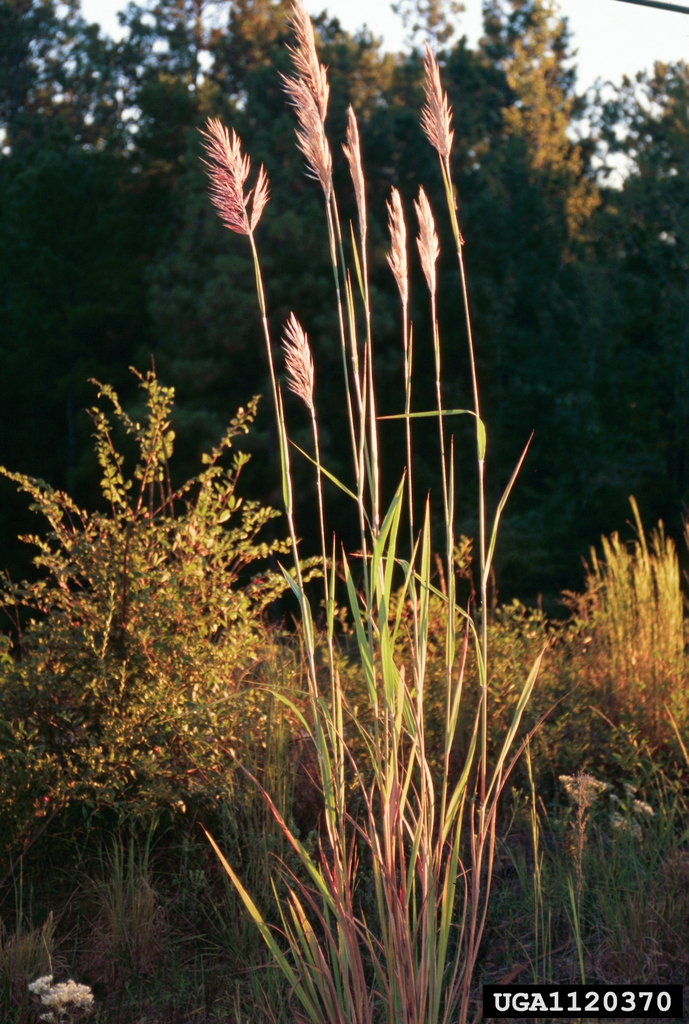
Erianthus giganteus
Common Name(s):
Previously known as:
- Erianthus giganteus var. compactus
- Saccharum giganteum
- Phonetic Spelling
- air-ee-AN-thus jy-gan-TEE-us
- Description
-
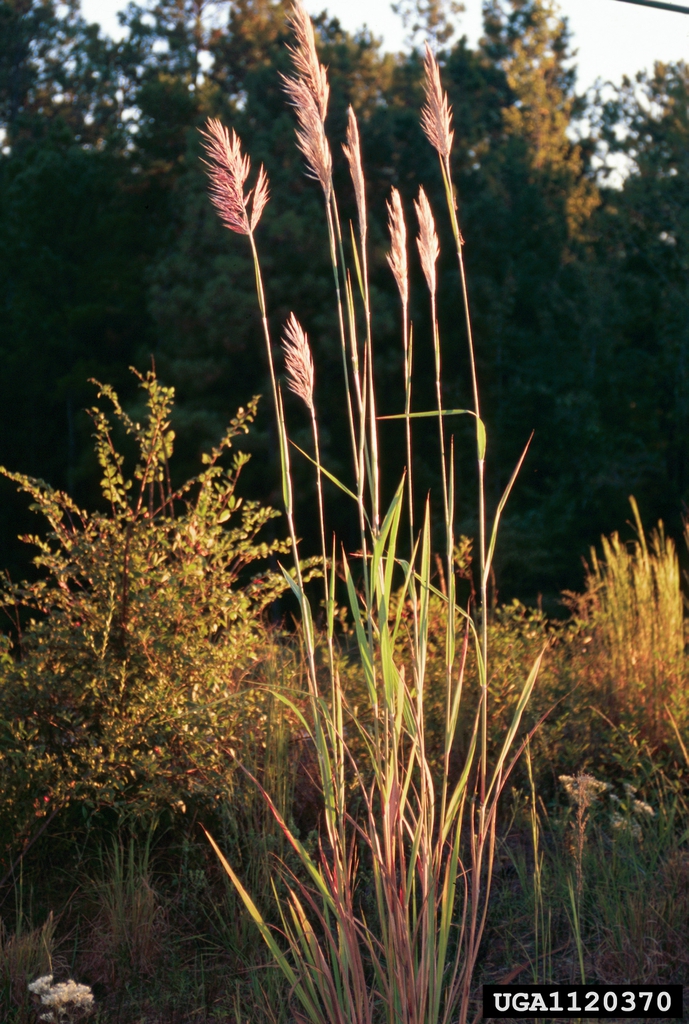
A native ornamental grass known as sugarcane in the Poaceae family and is found naturally in marshes and ditches. Tolerates air pollution and being planted near black walnut trees. Can grow 15'-20' tall in tropical areas but typically grow to 8' outside the tropics. Has large arching leaf blades with sharp edges. Can be planted as a specimen or in large groups. This plant is best in meadows and other natural areas.
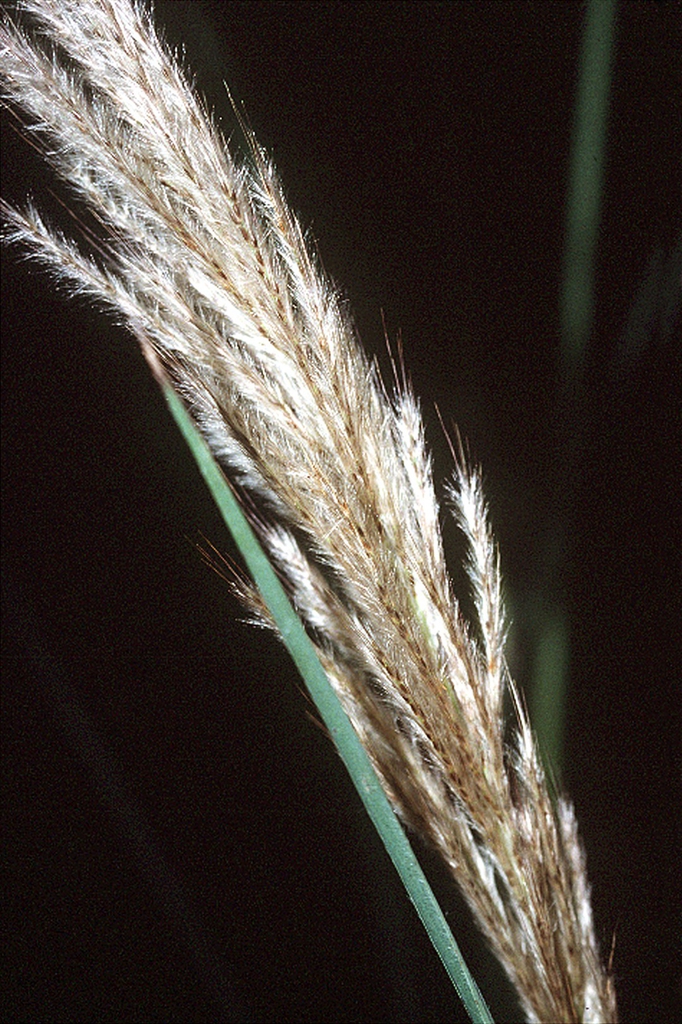
Long, narrow, alternate leaves are located mostly on the lower stem; long white hairs are present at the base of the leaves. Golden plumes appear in fall at the top of tall, erect stems.
Seasons of Interest:
Bloom: Fall; Fruit/Seed/Nut: Fall/Winter
- See this plant in the following landscape :
- Cultivars / Varieties:
-
- Tags:


- Cultivars / Varieties:
-
- Tags:
-
-
Attributes:
- Genus:
- Erianthus
- Species:
- giganteus
- Family:
- Poaceae
- Life Cycle:
- Perennial
- Recommended Propagation Strategy:
- Division
- Root Cutting
- Seed
- Wildlife Value:
- This is a larval host plant that supports various skipper larvae and Common Wood-Nymph (Cercyonis pegala) which have one brood from late May to October. Adult Common Wood-Nymph butterflies feed on rotting fruit and flower nectar. Provides cover year round. Seeds eaten sparingly by songbirds.
- Particularly Resistant To (Insects/Diseases/Other Problems):
- Highly deer resistant. Tolerates air pollution and being planted near black walnut trees.
- Dimensions:
- Height: 3 ft. 0 in. - 8 ft. 0 in.
- Width: 3 ft. 0 in. - 4 ft. 0 in.
-
-
Whole Plant Traits:
- Plant Type:
- Herbaceous Perennial
- Native Plant
- Ornamental Grasses and Sedges
- Woody Plant Leaf Characteristics:
- Deciduous
- Habit/Form:
- Clumping
- Erect
- Growth Rate:
- Rapid
- Maintenance:
- Low
-
-
Cultural Conditions:
- Light:
- Full sun (6 or more hours of direct sunlight a day)
- Soil pH:
- Acid (<6.0)
- Soil Drainage:
- Moist
- Occasionally Dry
- Occasionally Wet
- Available Space To Plant:
- 12 inches-3 feet
- NC Region:
- Coastal
- Mountains
- Piedmont
- USDA Plant Hardiness Zone:
- 4a, 4b, 5a, 5b, 6a, 6b, 7a, 7b, 8a, 8b, 9a, 9b, 10a, 10b
-
-
Fruit:
- Display/Harvest Time:
- Fall
- Winter
- Fruit Type:
- Caryopsis
- Fruit Description:
- Fruits are available November-December.
-
-
Flowers:
- Flower Color:
- Brown/Copper
- Gold/Yellow
- Gray/Silver
- Pink
- Red/Burgundy
- Flower Inflorescence:
- Panicle
- Flower Value To Gardener:
- Long-lasting
- Showy
- Flower Bloom Time:
- Fall
- Flower Description:
- Golden plumes appear in fall at the top of tall, erect stems. Flowers bloom September-October.
-
-
Leaves:
- Woody Plant Leaf Characteristics:
- Deciduous
- Leaf Color:
- Green
- Deciduous Leaf Fall Color:
- Brown/Copper
- Gold/Yellow
- Purple/Lavender
- Red/Burgundy
- Leaf Type:
- Simple
- Leaf Arrangement:
- Alternate
- Hairs Present:
- Yes
-
-
Stem:
- Stem Is Aromatic:
- No
-
-
Landscape:
- Landscape Location:
- Coastal
- Lawn
- Pond
- Riparian
- Landscape Theme:
- Butterfly Garden
- Native Garden
- Pollinator Garden
- Winter Garden
- Design Feature:
- Specimen
- Attracts:
- Butterflies
- Pollinators
- Small Mammals
- Songbirds
- Resistance To Challenges:
- Heat