


Winter Hazel Corylopsis spicata
Other Common Name(s):
Other plants called Winter Hazel:
Previously known as:
- Corylopsis kesakii
- Phonetic Spelling
- kor-i-LOP-sis spih-KAH-tah
- Description
-
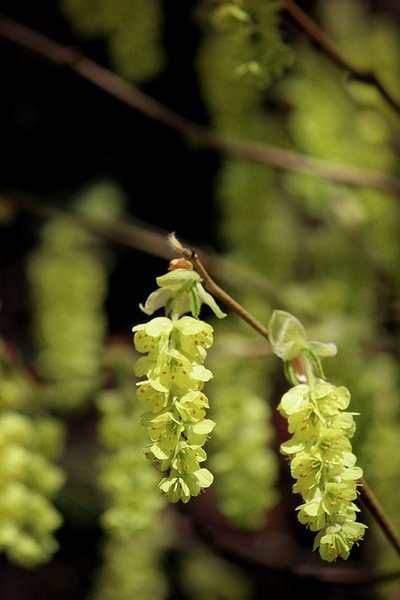
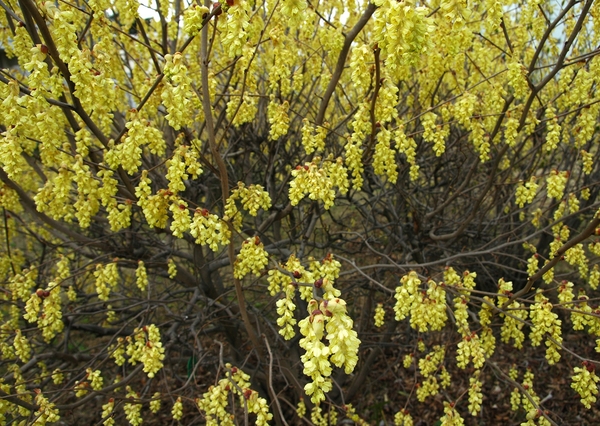
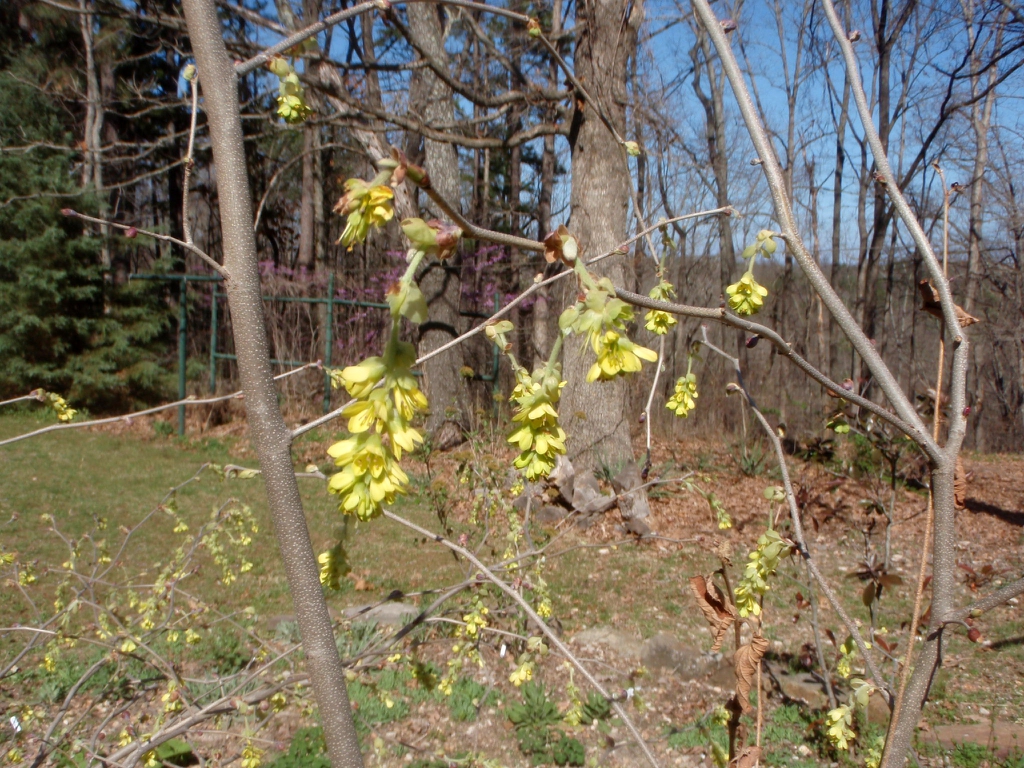
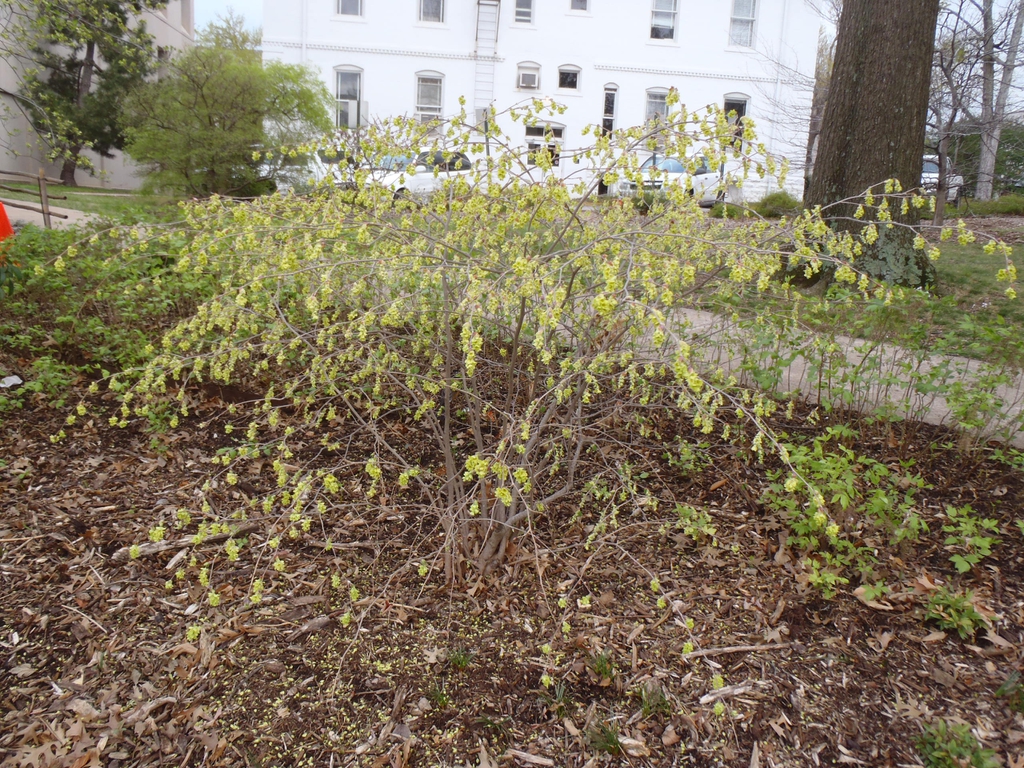
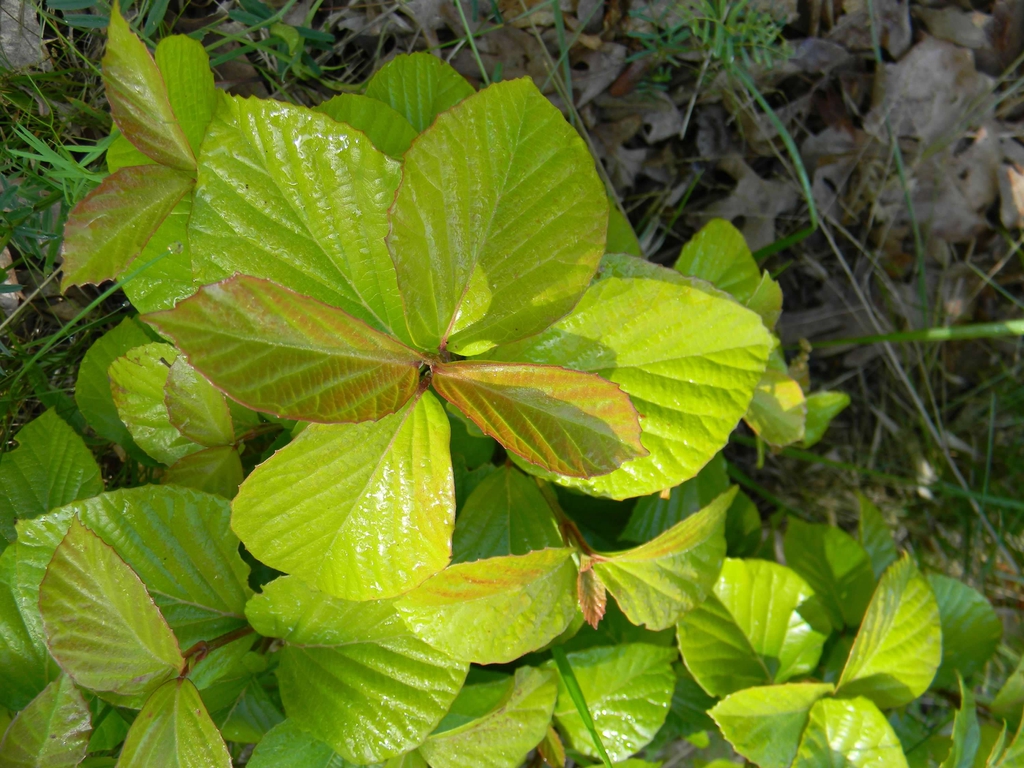
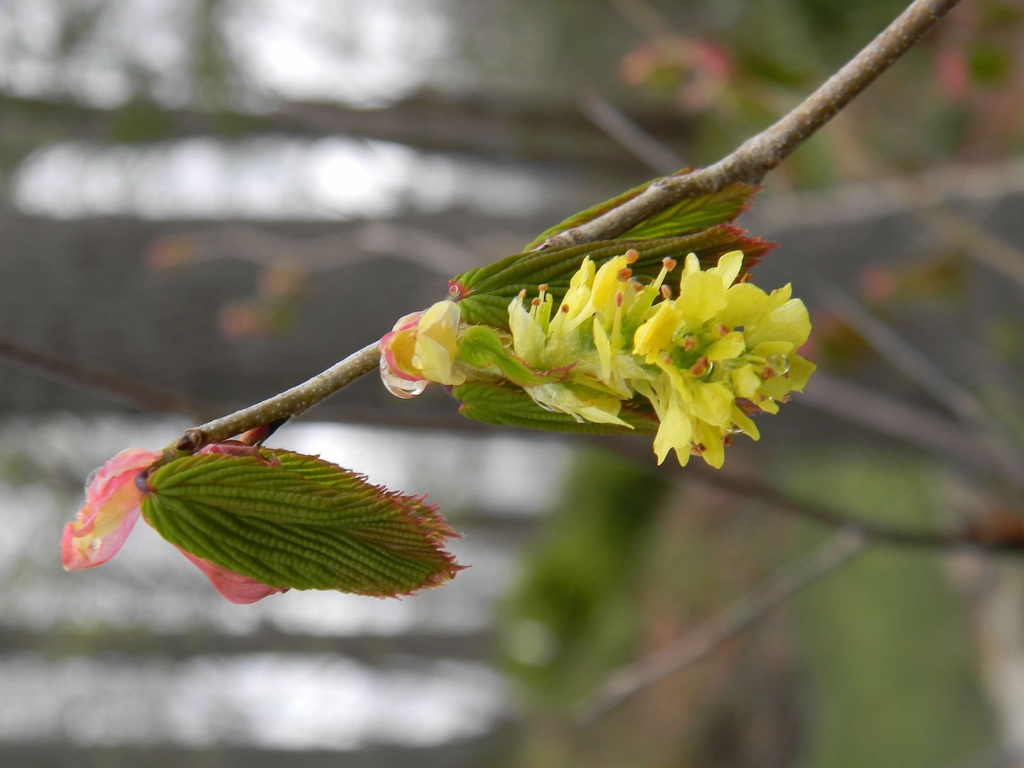
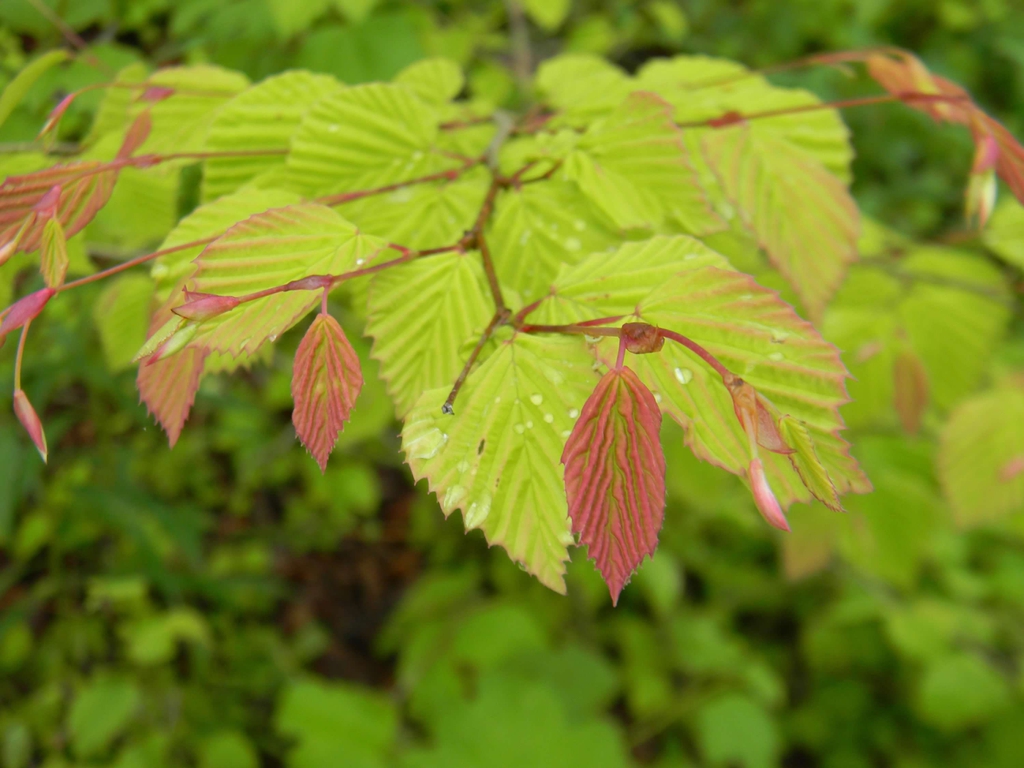
Spike winter hazel is a medium-sized, multi-stemmed, deciduous flowering shrub native to Japan. It can be bushy and open or upright with spreading, picturesque branches, growing from 6 to 8 feet tall and 6 to 10 feet wide. In late winter and early spring, small drooping racemes of lemon-yellow blooms appear on the bare stems. The leaves emerge afterwards, and are ovate, and initially bronze-purple, then transition to bluish-green later in the spring. As it matures, the branches become crooked and flexible. This plant is a member of the witch hazel family (Hamamelidaceae). The genus name, Corylopsis, is derived from the Greek words korylos, meaning "hazel," and opsis, meaning "like." The specific epithet, spicata, means "spiked."
This shrub needs a protected site to prevent damage from wind and early spring frosts. It grows in full sun to partial shade, but does best with some afternoon shade. The soil should be acidic, medium moist, well-drained, and humus-rich. After flowering, prune as needed.
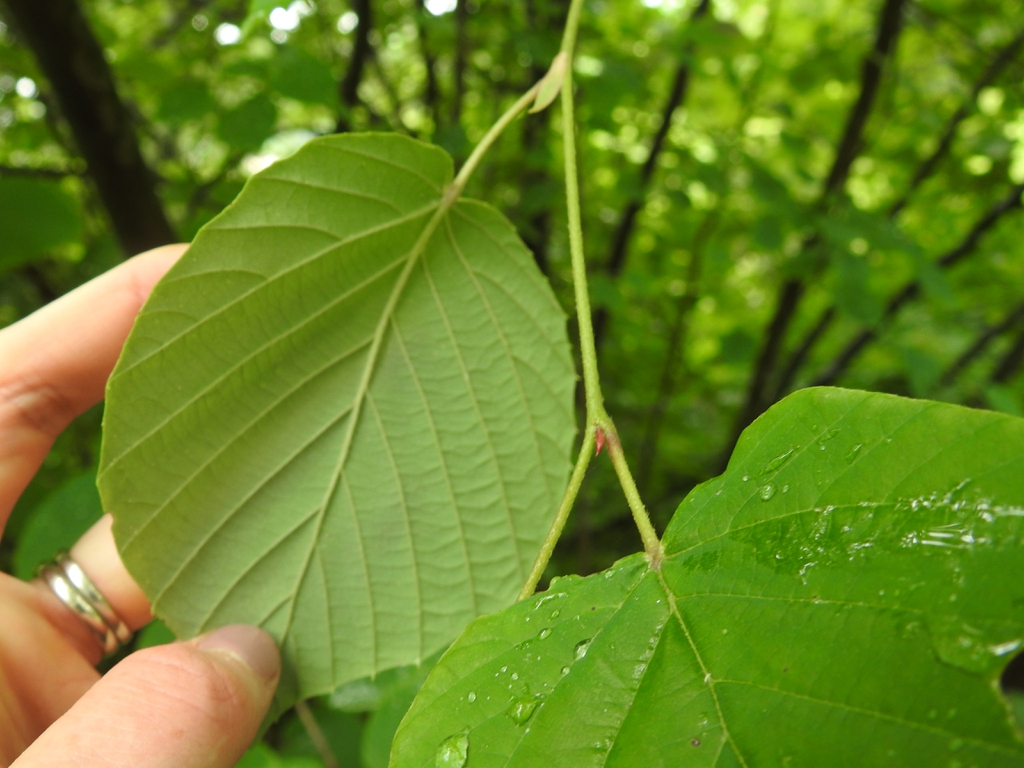
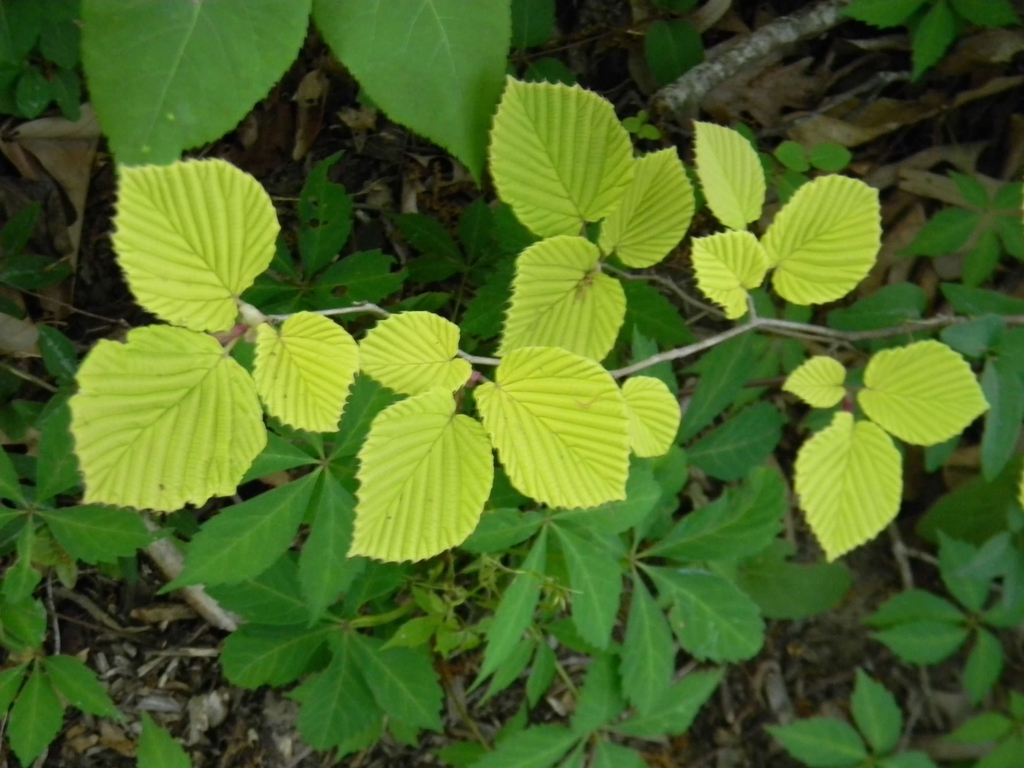
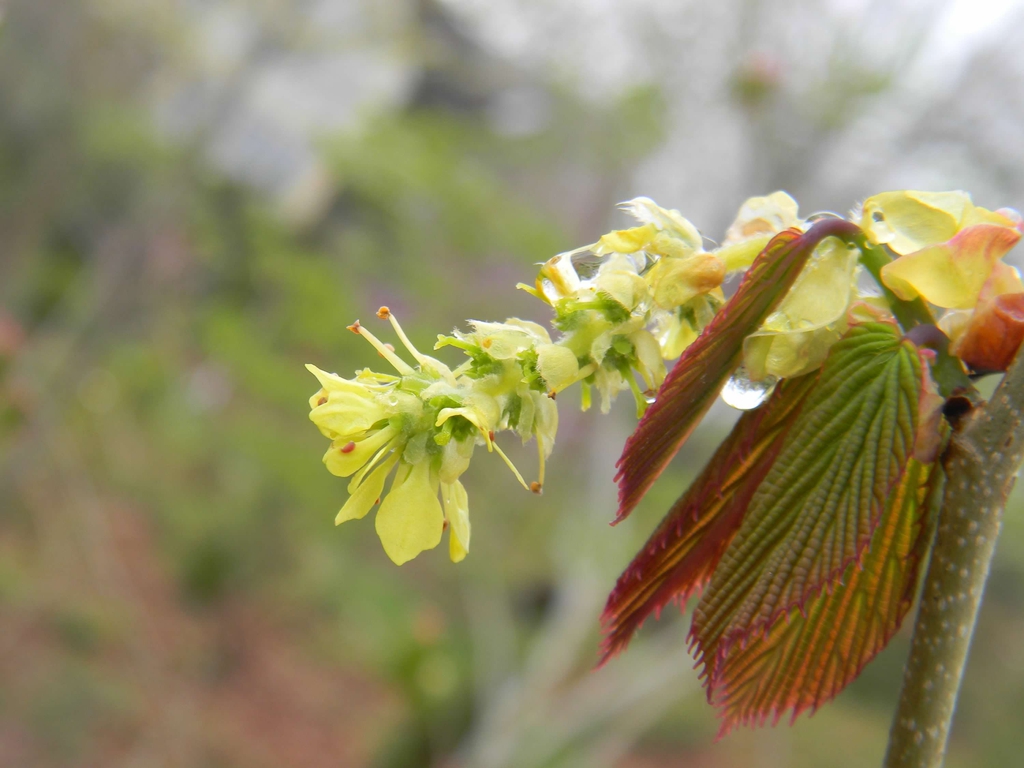
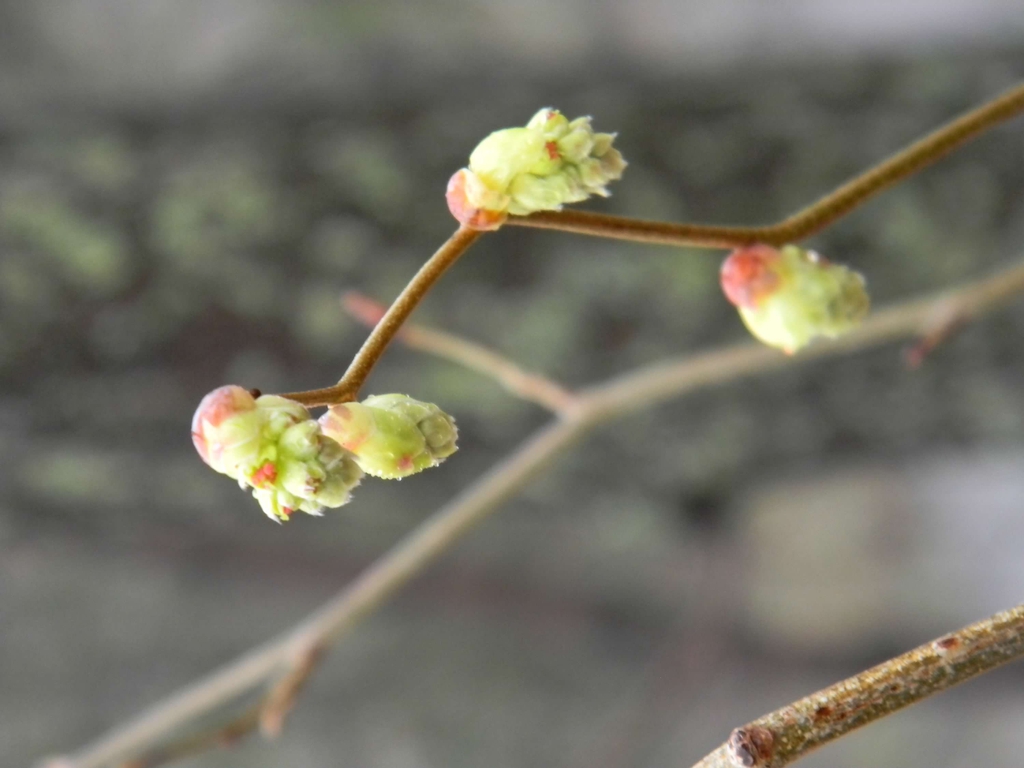
The distinguishing features of this shrub include: crooked and flexible branches, pubescent young shoots, the upper side of the leaf is glaucous, and the underside is pubescent, the petiole is pubescent, 5 to 12 flowers arranged in a raceme with purple anthers, pink filaments, and green style, and the fruit is pubescent.
Spike winter hazel may be used as a hedge or as a shrub border. Its yellow blooms in late winter and early spring will add a pop of color in a woodland setting.
Insects, Diseases, and Other Plant Problems: No serious insect or disease issues. Protect from the afternoon sun and high winds. Late spring frost can damage the blooms. Extreme heat conditions require extra watering.
Differences between Corylopsis pauciflora and Corylopsis spicata:
- Flowers: C. pauciflora - 2-3 per stem; C. spicata - many flowers in one stem
- Stamen: C. pauciflora - reddish ; C. spicata - yellow
VIDEO created by Ryan Contreras for “Landscape Plant Materials I: Deciduous Hardwoods and Conifers or Landscape Plant Materials II: Spring Flowering Trees and Shrubs” a plant identification course offered by the Department of Horticulture at Oregon State University
- Profile Video:
- See this plant in the following landscape :
- Cultivars / Varieties:
-
- 'Golden Spring' (sometimes sold as 'Aurea'
racemes of pale yellow flowers, followed by chartreuse foliage during the summer months, then bright yellow in the fall - 'Ogon'
bright golden-yellow flowers, followed by bright golden leaves, transitioning to chartreuse
- 'Golden Spring' (sometimes sold as 'Aurea'
- 'Golden Spring' (sometimes sold as 'Aurea', 'Ogon'
- Tags:


- Cultivars / Varieties:
-
- 'Golden Spring' (sometimes sold as 'Aurea'
racemes of pale yellow flowers, followed by chartreuse foliage during the summer months, then bright yellow in the fall - 'Ogon'
bright golden-yellow flowers, followed by bright golden leaves, transitioning to chartreuse
- 'Golden Spring' (sometimes sold as 'Aurea'
- 'Golden Spring' (sometimes sold as 'Aurea', 'Ogon'
- Tags:
-
-
Attributes:
- Genus:
- Corylopsis
- Species:
- spicata
- Family:
- Hamamelidaceae
- Uses (Ethnobotany):
- Hedges
- Life Cycle:
- Woody
- Recommended Propagation Strategy:
- Layering
- Seed
- Stem Cutting
- Country Or Region Of Origin:
- Southern Japan
- Distribution:
- Native: Japan
- Wildlife Value:
- Hummingbirds and bees are attracted to the flowers.
- Play Value:
- Attractive Flowers
- Attracts Pollinators
- Buffer
- Fragrance
- Screening
- Dimensions:
- Height: 6 ft. 0 in. - 8 ft. 0 in.
- Width: 6 ft. 0 in. - 10 ft. 0 in.
-
-
Whole Plant Traits:
- Plant Type:
- Shrub
- Woody Plant Leaf Characteristics:
- Deciduous
- Habit/Form:
- Dense
- Erect
- Open
- Spreading
- Growth Rate:
- Medium
- Maintenance:
- Low
- Texture:
- Medium
-
-
Cultural Conditions:
- Light:
- Full sun (6 or more hours of direct sunlight a day)
- Partial Shade (Direct sunlight only part of the day, 2-6 hours)
- Soil Texture:
- High Organic Matter
- Loam (Silt)
- Sand
- Soil pH:
- Acid (<6.0)
- Soil Drainage:
- Good Drainage
- Moist
- Available Space To Plant:
- 6-feet-12 feet
- NC Region:
- Coastal
- Mountains
- Piedmont
- USDA Plant Hardiness Zone:
- 5a, 5b, 6a, 6b, 7a, 7b, 8a, 8b
-
-
Fruit:
- Fruit Type:
- Capsule
- Fruit Length:
- < 1 inch
- Fruit Width:
- < 1 inch
- Fruit Description:
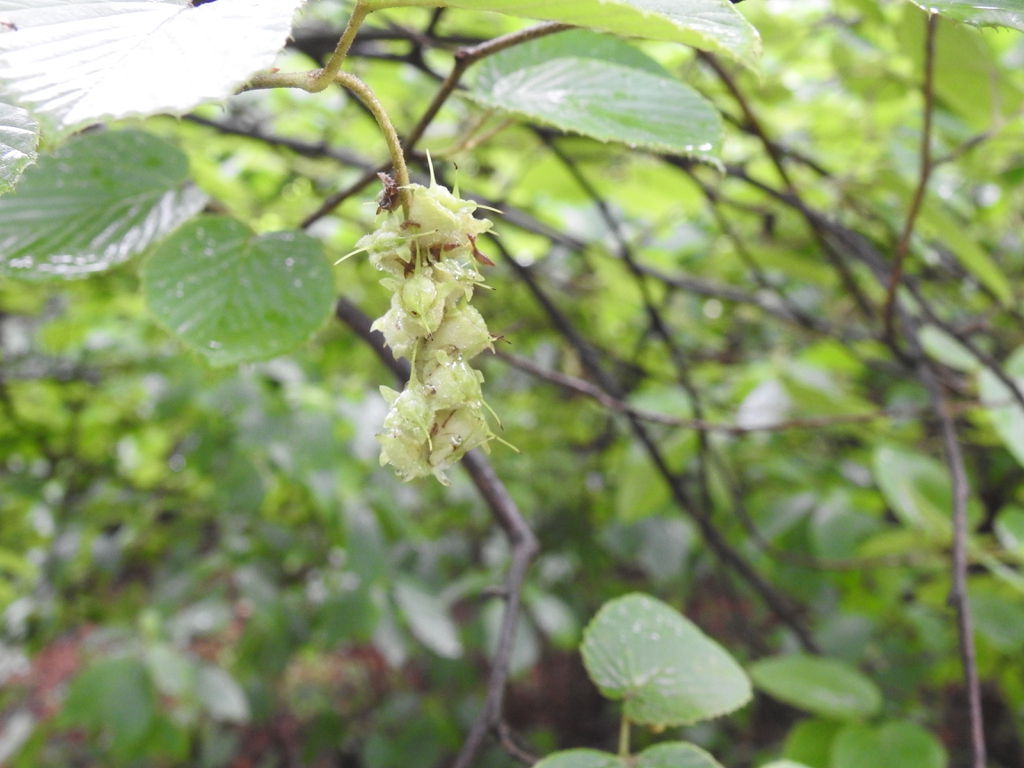
- The fruit is a two-celled capsule with each cell containing 2 seeds. Each capsule is downy and 0.3 inches long.
-
-
Flowers:
- Flower Color:
- Gold/Yellow
- Flower Inflorescence:
- Raceme
- Flower Value To Gardener:
- Fragrant
- Flower Bloom Time:
- Spring
- Winter
- Flower Shape:
- Bell
- Flower Petals:
- 4-5 petals/rays
- Flower Size:
- < 1 inch
- Flower Description:
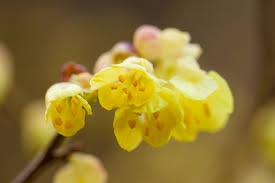
- This plant has fragrant, yellow flowers with red-purple anthers, arranged in 1 to 2-inch-long drooping clusters of 5 to 12 blooms. Each bloom measures 0.4 inches across. The stamens are pink filaments, and the style is green. Blooming occurs in late winter and early spring before the shrub's leaves emerge.
-
-
Leaves:
- Woody Plant Leaf Characteristics:
- Deciduous
- Leaf Color:
- Blue
- Green
- Purple/Lavender
- Leaf Feel:
- Fleshy
- Leaf Value To Gardener:
- Showy
- Deciduous Leaf Fall Color:
- Gold/Yellow
- Leaf Type:
- Simple
- Leaf Arrangement:
- Alternate
- Leaf Shape:
- Obovate
- Ovate
- Leaf Margin:
- Dentate
- Hairs Present:
- Yes
- Leaf Length:
- 3-6 inches
- Leaf Description:
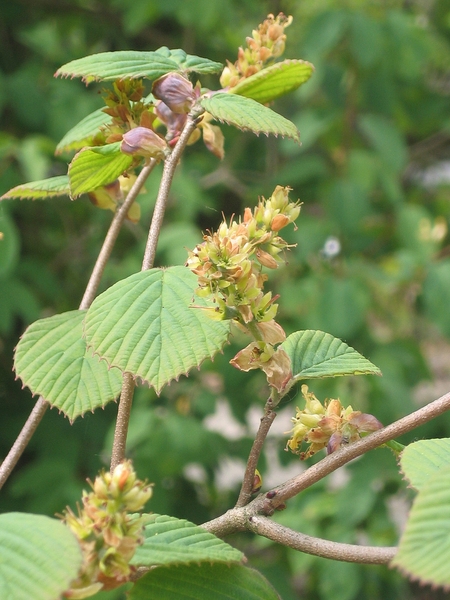
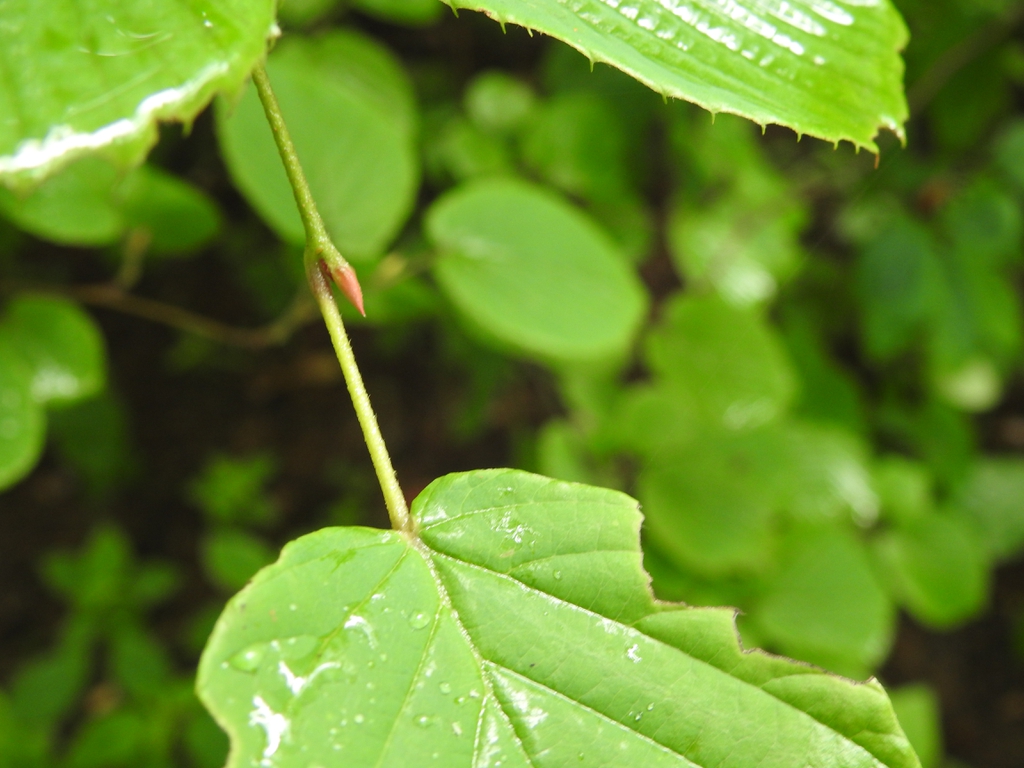
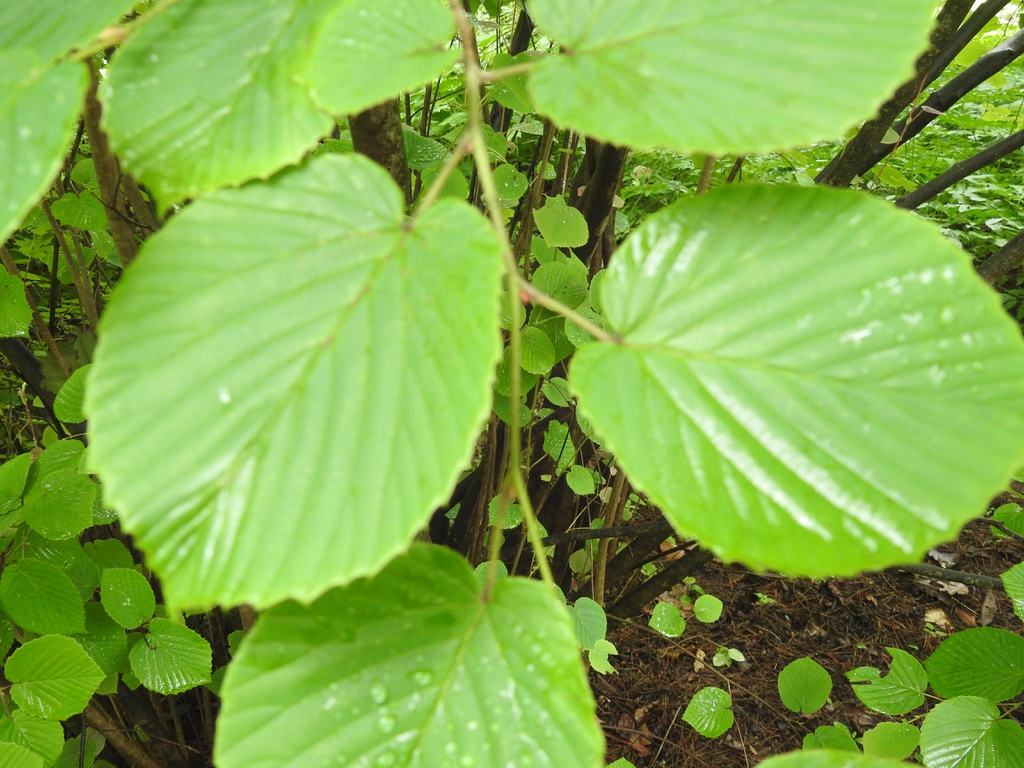
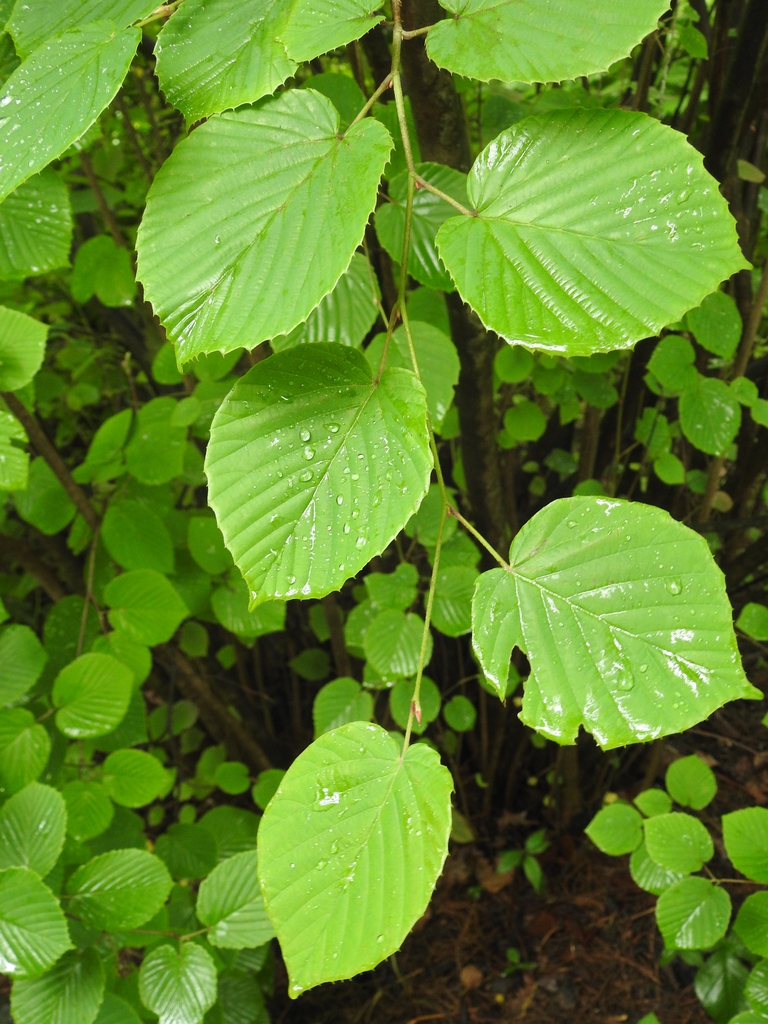
- The new growth is dark purple, eventually the leaves mature to deep blue-green. Leaves are alternate and nearly circular but have teethed margins and are pointed at the end. Veins are easily seen and are more obvious on the underside of the leaf since the underside has a lighter shade and has the veins coming out a bit. While the upper side of the leaf is glaucous, the underside is pubescent. The petiole is up to 1 inch long and woolly.
-
-
Bark:
- Bark Color:
- Dark Brown
- Red/Burgundy
- Bark Description:
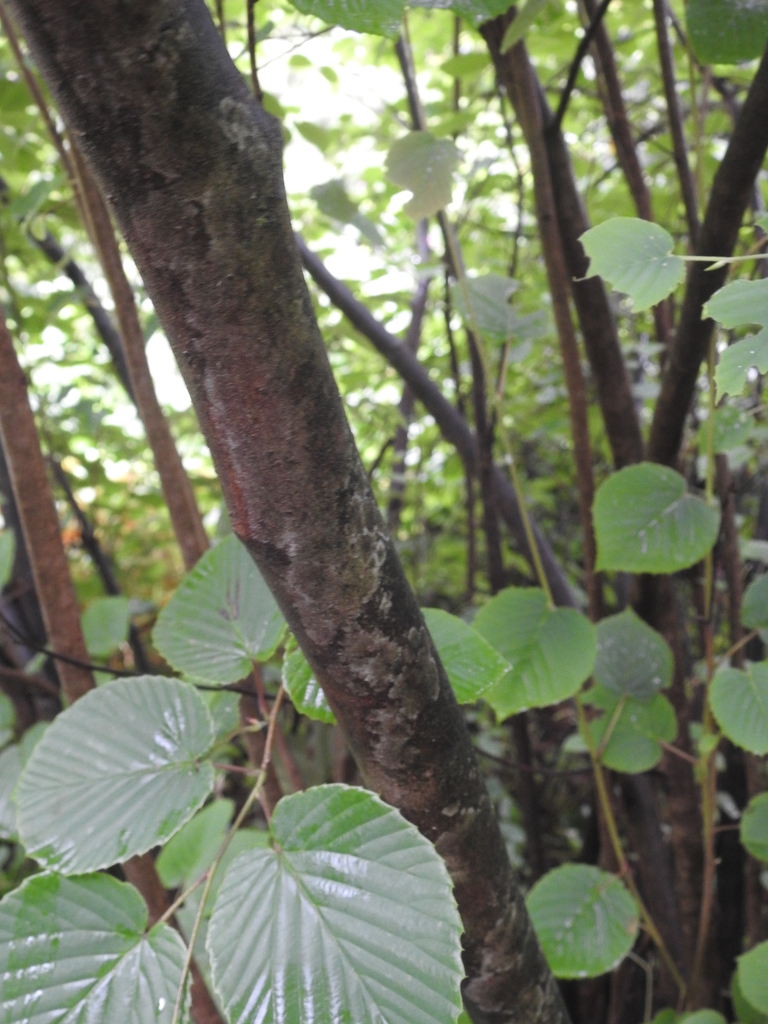
- Dark brown and a bit red
-
-
Stem:
- Stem Is Aromatic:
- No
- Stem Form:
- Zig Zags
- Stem Description:
- Thin, flexible, crooked, multi-stemmed, and arching. Young shoots are hairy.
-
-
Landscape:
- Landscape Location:
- Woodland
- Landscape Theme:
- Asian Garden
- Cottage Garden
- Cutting Garden
- Pollinator Garden
- Winter Garden
- Design Feature:
- Barrier
- Border
- Hedge
- Mass Planting
- Attracts:
- Bees
- Hummingbirds
- Pollinators
- Resistance To Challenges:
- Deer
- Diseases
- Insect Pests