


Cornus Cloudburst™ 'NCCH3'
Common Name(s):
- Phonetic Spelling
- KOR-nus
- Description
-
The Cloudburst dogwood is a fast-growing deciduous hybrid dogwood in the Cornaceae family bred by Dr Tom Ranney of NCSU. Parentage is C. florida (native) and C. kousa (Asian). It was developed for larger white bracts, disease resistance and fall color.
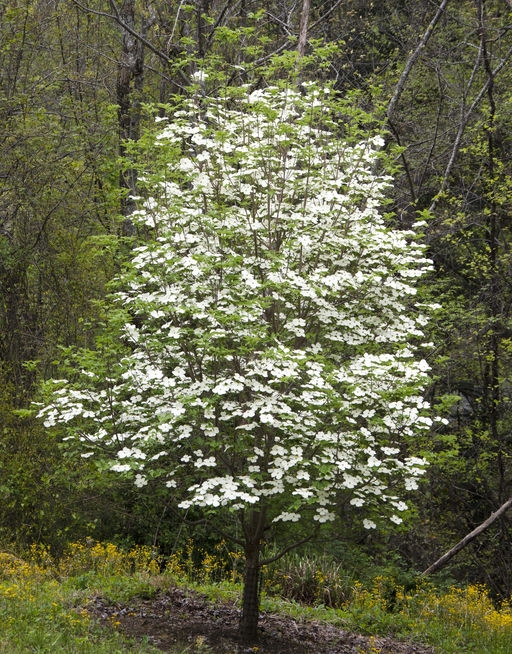
Cloudburst dogwood grows 18 to 20 feet tall and 15 to 18 feet wide with a rounded canopy. Provide it with morning sun and afternoon shade in moist, acidic, well-drained soils. It is adaptable to most soil types. It is salt-tolerant.
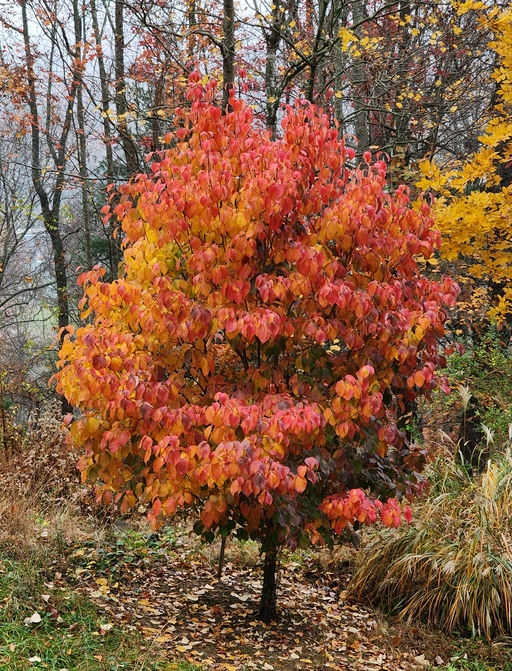
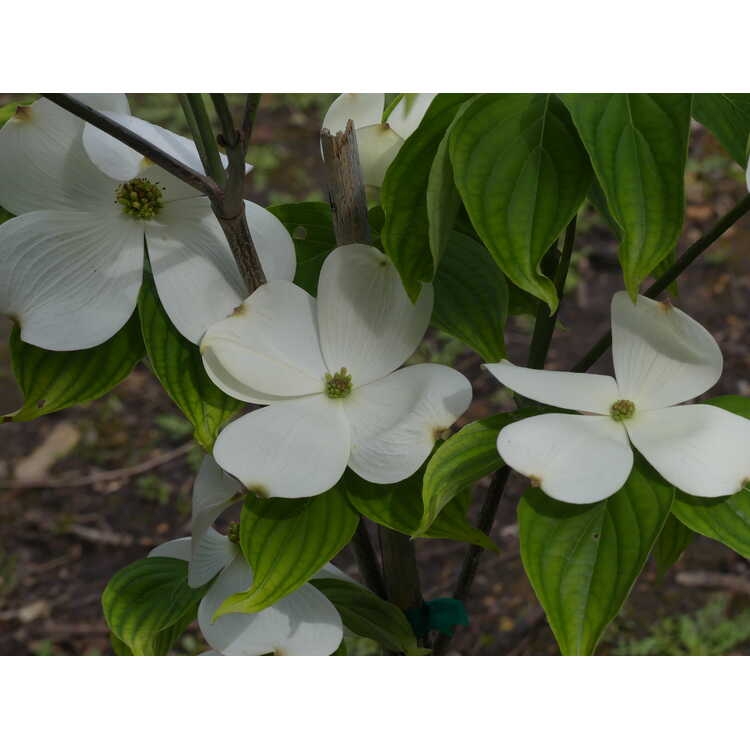
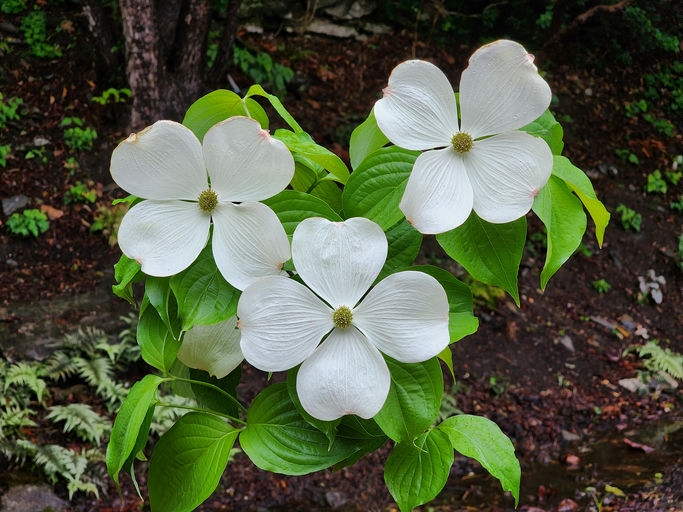
Springtime brings a breathtaking display of large showy white bracts that surround the center of green florets. In fall, the green leaves turn brilliant colors of red, yellow, and orange.
Cloudburst dogwood can be used as an accent or specimen to add color to the landscape. Use as an understory flowering tree, in a woodland garden or as a shade tree.
Insects, Diseases, and Other Plant Problems: Mildly resistant to powdery mildew, leaf spot, leaf scorch and moderately resistant to root rot. Watch for dogwood borer, scale insects and dogwood club-gall Midge. See insect pests of dogwoods to the left.
- See this plant in the following landscape :
- Cultivars / Varieties:
-
- Tags:
 Download Image


- Cultivars / Varieties:
-
- Tags:
-
-
Attributes:
- Genus:
- Cornus
- Family:
- Cornaceae
- Life Cycle:
- Woody
- Wildlife Value:
- Flowers attract pollinators and fruits attract birds and small mammals.
- Dimensions:
- Height: 18 ft. 0 in. - 20 ft. 0 in.
- Width: 15 ft. 0 in. - 18 ft. 0 in.
-
-
Whole Plant Traits:
- Plant Type:
- Tree
- Woody Plant Leaf Characteristics:
- Deciduous
- Habit/Form:
- Erect
- Rounded
- Growth Rate:
- Rapid
- Maintenance:
- Low
- Texture:
- Medium
-
-
Cultural Conditions:
- Light:
- Dappled Sunlight (Shade through upper canopy all day)
- Partial Shade (Direct sunlight only part of the day, 2-6 hours)
- Soil Texture:
- Clay
- Loam (Silt)
- Sand
- Soil pH:
- Acid (<6.0)
- Soil Drainage:
- Good Drainage
- Available Space To Plant:
- 24-60 feet
- NC Region:
- Coastal
- Mountains
- Piedmont
- USDA Plant Hardiness Zone:
- 5a, 5b, 6a, 6b, 7a, 7b, 8a, 8b, 9a, 9b
-
-
Fruit:
- Fruit Color:
- Red/Burgundy
- Display/Harvest Time:
- Fall
- Summer
- Fruit Type:
- Drupe
- Fruit Length:
- < 1 inch
- Fruit Width:
- < 1 inch
- Fruit Description:
- Fruit is a glossy, bright, shiny red oval drupe (0.5 inch) in tight clusters of 3 or 4 that are bitter and inedible to humans but loved by birds and squirels. They display from August to October.
-
-
Flowers:
- Flower Value To Gardener:
- Showy
- Flower Bloom Time:
- Spring
- Flower Shape:
- Radial
- Flower Petals:
- 4-5 petals/rays
- Flower Size:
- 1-3 inches
- Flower Description:
- Large white bracts surround the small green center florets in spring before leaf-out.
-
-
Leaves:
- Woody Plant Leaf Characteristics:
- Deciduous
- Leaf Color:
- Green
- Leaf Feel:
- Glossy
- Leaf Value To Gardener:
- Showy
- Deciduous Leaf Fall Color:
- Gold/Yellow
- Orange
- Red/Burgundy
- Leaf Type:
- Simple
- Leaf Arrangement:
- Opposite
- Leaf Shape:
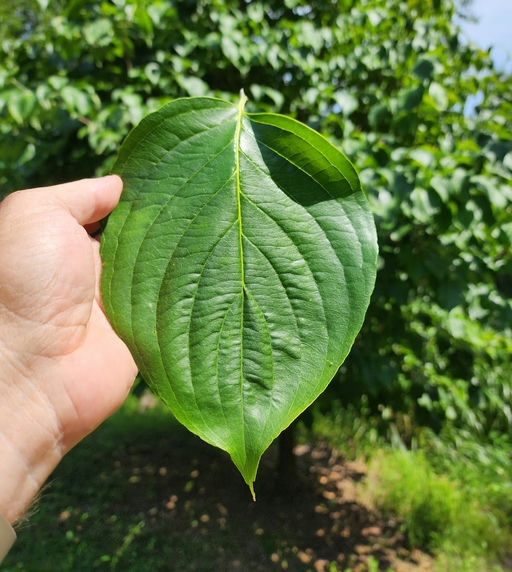
- Ovate
- Leaf Margin:
- Entire
- Hairs Present:
- No
- Leaf Description:
- Thick glossy green leaves with good fall colors in red, yellow and orange.
-
-
Bark:
- Bark Color:
- Dark Gray
-
-
Stem:
- Stem Is Aromatic:
- No
-
-
Landscape:
- Landscape Location:
- Coastal
- Woodland
- Landscape Theme:
- Asian Garden
- Cottage Garden
- Shade Garden
- Design Feature:
- Accent
- Flowering Tree
- Shade Tree
- Understory Tree
- Attracts:
- Pollinators
- Small Mammals
- Songbirds
- Resistance To Challenges:
- Diseases