


Cerastium glomeratum
Common Name(s):
Previously known as:
- Cerastium acutatum
- Cerastium glomeratum var. apetalum
- Cerastium viscosum
- Phonetic Spelling
- ser-RAS-tee-um gloh-mer-AY-tum
- Description
-
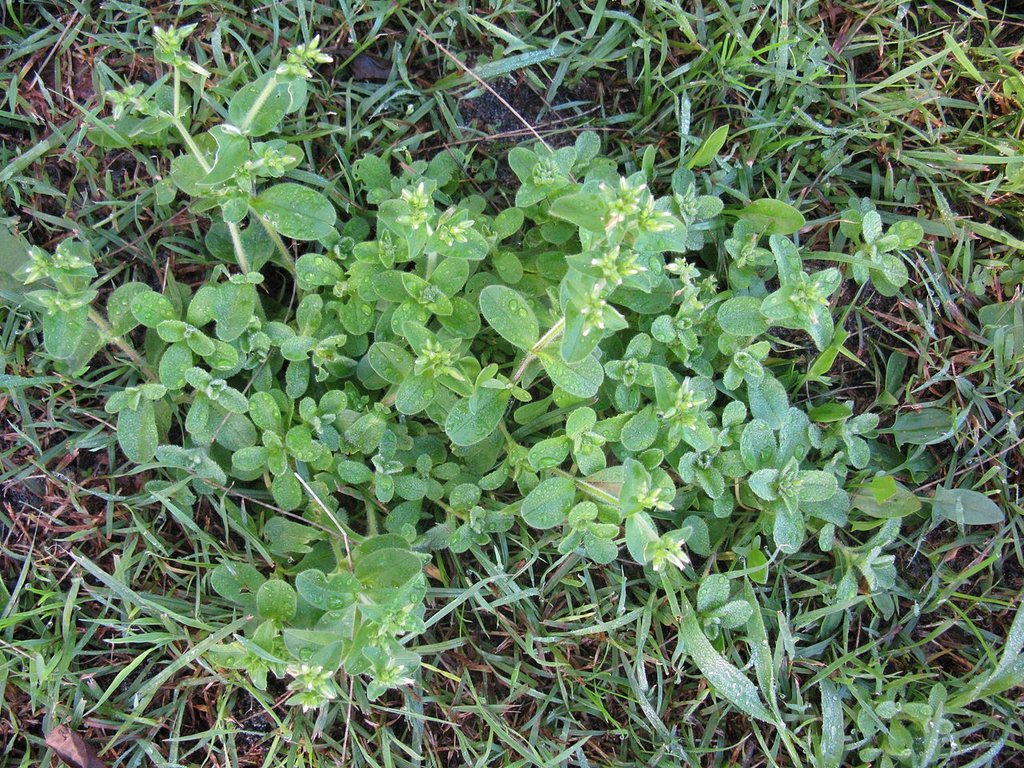
Sticky chickweed is an annual weed in the carnation family (Caryophyllaceae) native to Eurasia and has been introduced to other continents. It can be found in fields, lawns, along roadsides and other disturbed areas.
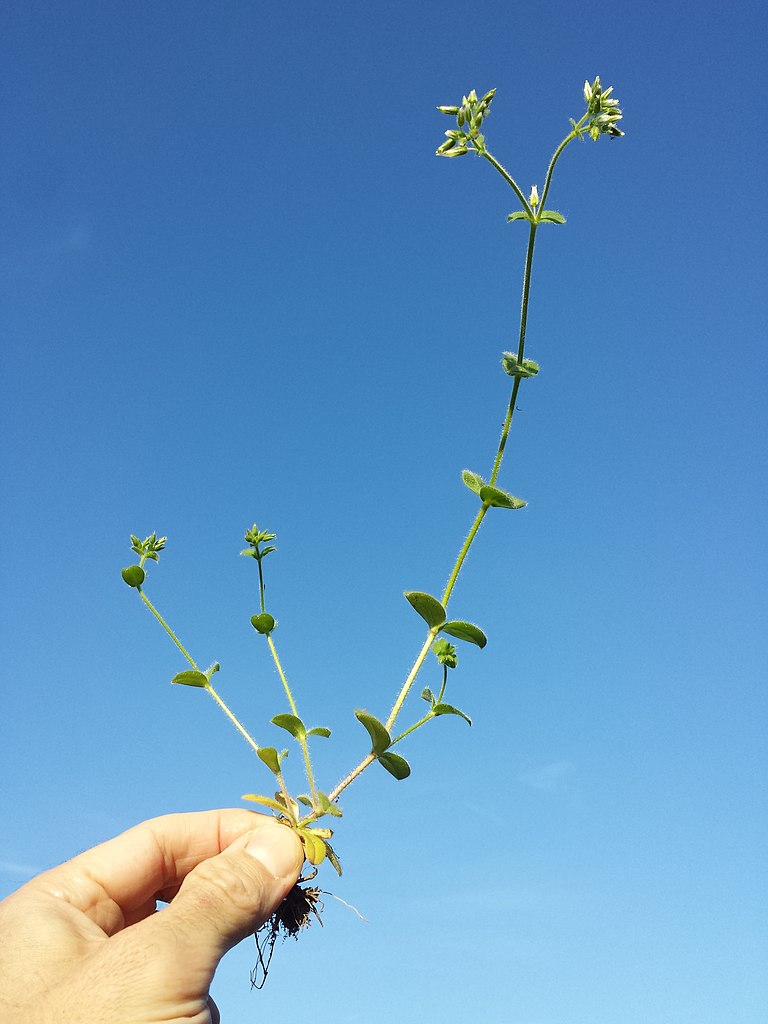
This weed grows up to 18 inches tall and can tolerate a wide range of soils, from sun to partial shade, and prefers well-drained, moist sites. It can quickly form mats and spreads by reseeding.
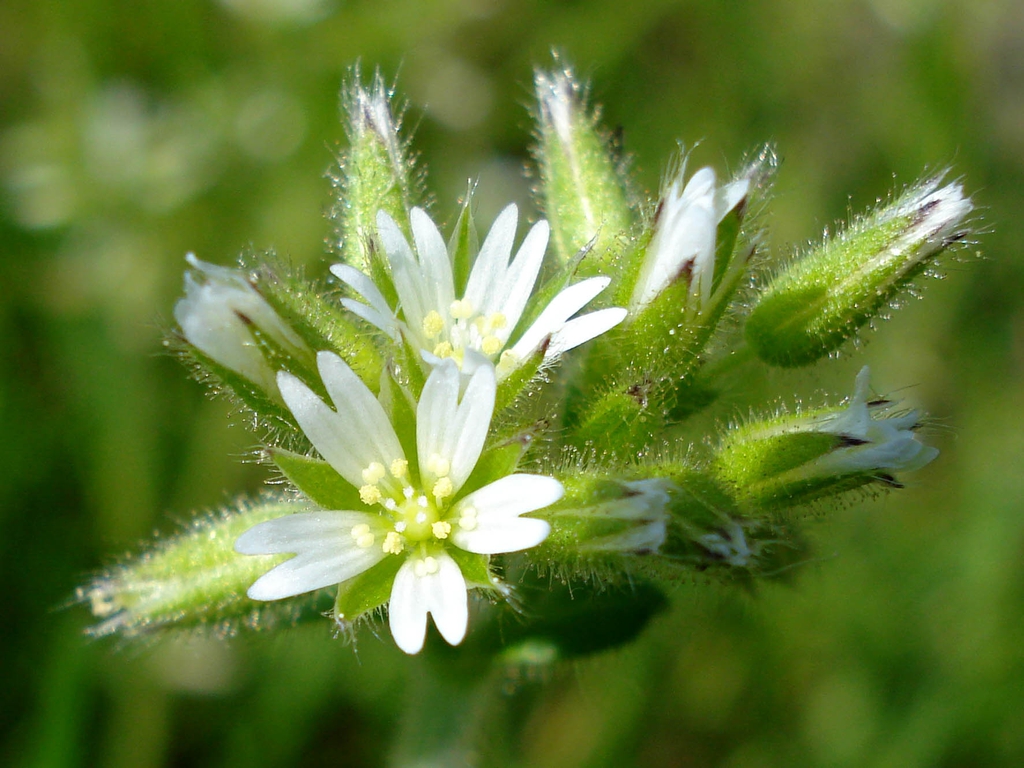
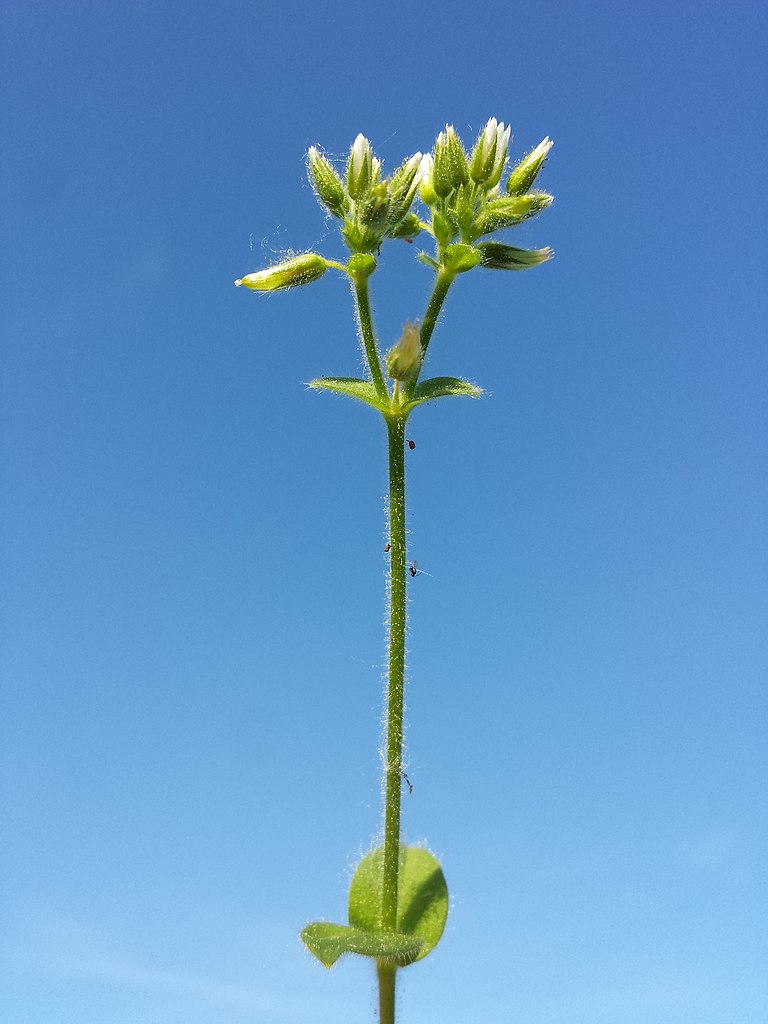
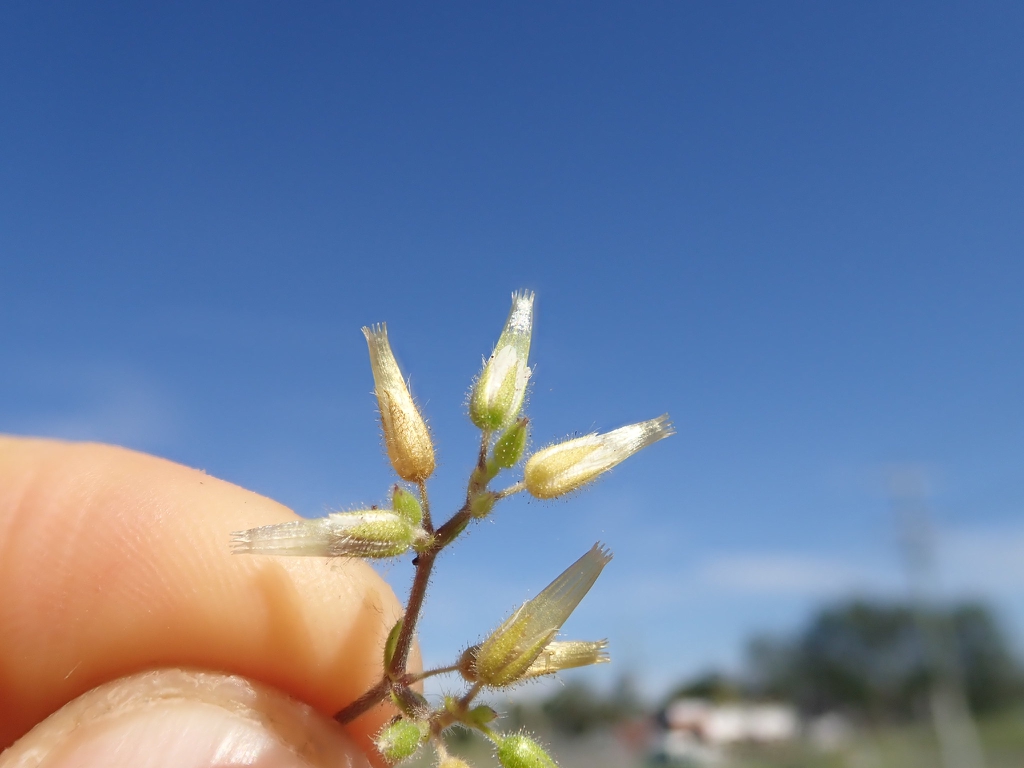
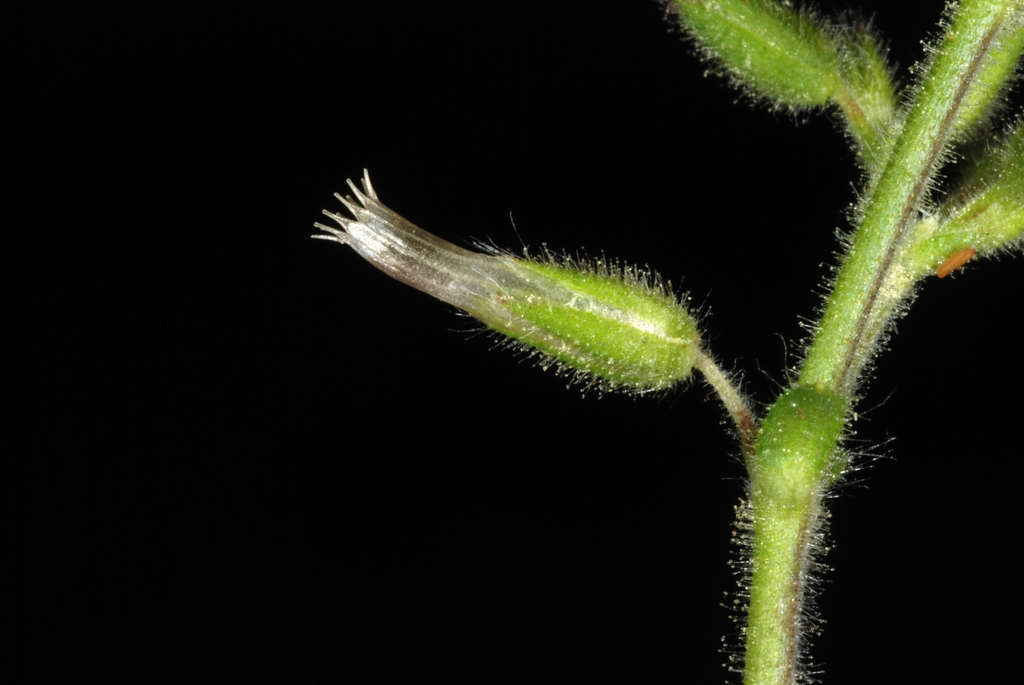
Sticky chickweed blooms late winter to spring with small clusters of flowers with 5 white petals and 5 hairy green sepals. After setting seed, the plant dies back, especially in hot climates. The stem and leaves are covered with both glandular and non-glandular hairs, giving it a whitish-gray appearance.
Control is by hand pulling small infestations, mulching to prevent seed germination, mowing and post-emergent herbicides.
Insects, Diseases, and Other Plant Problems: Susceptible to spider mites, mealy bugs, aphids, and thirps. Diseases include root rot and powdery mildew.
- See this plant in the following landscape :
- Cultivars / Varieties:
-
- Tags:


- Cultivars / Varieties:
-
- Tags:
-
-
Attributes:
- Genus:
- Cerastium
- Species:
- glomeratum
- Family:
- Caryophyllaceae
- Uses (Ethnobotany):
- Has been used in herbal medicine
- Life Cycle:
- Annual
- Recommended Propagation Strategy:
- Seed
- Country Or Region Of Origin:
- Asia, Europe
- Wildlife Value:
- A food source for birds.
- Edibility:
- The leaves are edible
- Dimensions:
- Height: 0 ft. 6 in. - 1 ft. 6 in.
- Width: 0 ft. 10 in. - 1 ft. 6 in.
-
-
Whole Plant Traits:
- Plant Type:
- Annual
- Weed
- Habit/Form:
- Erect
- Prostrate
- Spreading
- Growth Rate:
- Medium
- Texture:
- Medium
-
-
Cultural Conditions:
- Light:
- Full sun (6 or more hours of direct sunlight a day)
- Partial Shade (Direct sunlight only part of the day, 2-6 hours)
- Soil Texture:
- Clay
- Loam (Silt)
- Sand
- Soil Drainage:
- Good Drainage
- Moist
- Occasionally Dry
-
-
Fruit:
- Display/Harvest Time:
- Spring
- Fruit Type:
- Capsule
- Fruit Length:
- < 1 inch
- Fruit Width:
- < 1 inch
- Fruit Description:
- A small capsule with tiny teeth splits open to disperse several seeds.
-
-
Flowers:
- Flower Color:
- White
- Flower Inflorescence:
- Cyme
- Flower Bloom Time:
- Spring
- Winter
- Flower Shape:
- Star
- Flower Petals:
- 4-5 petals/rays
- Flower Size:
- < 1 inch
- Flower Description:
- Clusters of 1/4 inch wide flowers with 5 green hairy sepals and 5 white 2-lobed petals.
-
-
Leaves:
- Leaf Color:
- Gray/Silver
- Green
- Leaf Type:
- Simple
- Leaf Arrangement:
- Opposite
- Leaf Shape:
- Oblong
- Obovate
- Ovate
- Leaf Margin:
- Entire
- Hairs Present:
- Yes
- Leaf Length:
- < 1 inch
- Leaf Width:
- < 1 inch
- Leaf Description:
- Up to 3/4 inch long ovate, obovate or oblong green leaves with sticky hairs on both sides giving it a gray appearance.
-
-
Stem:
- Stem Color:
- Green
- Purple/Lavender
- Stem Is Aromatic:
- No
- Stem Cross Section:
- Round
- Stem Surface:
- Hairy (pubescent)
- Stem Description:
- Erect to ascending green to purplish hairy stems
-
-
Landscape:
- Resistance To Challenges:
- Drought
- Problems:
- Weedy