


Carpinus turczaninovii
Common Name(s):
Previously known as:
- Carpinus coreana
- Carpinus stipulata
- Carpinus turczaninovii var. coreana
- Phonetic Spelling
- kar-PI-nus ter-zan-ee-NO-vee-eye
- Description
-
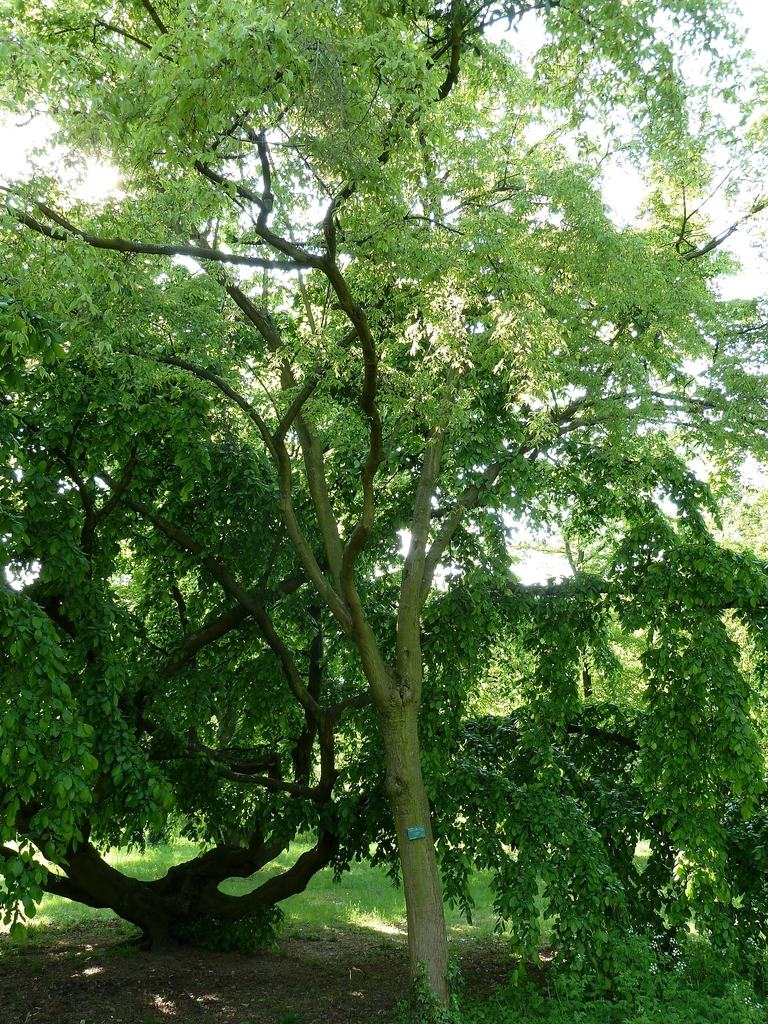
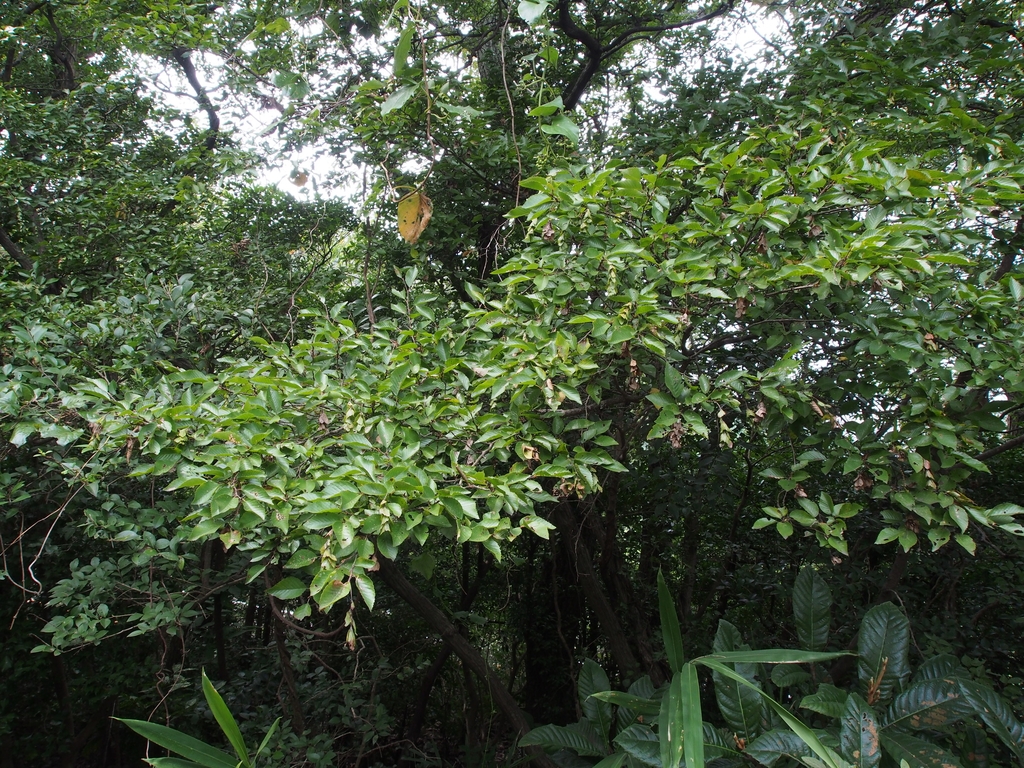
Korean hornbeam is a rapidly growing deciduous large shrub or small tree native to China, Korea and Japan in the birch family (Betulaceae).
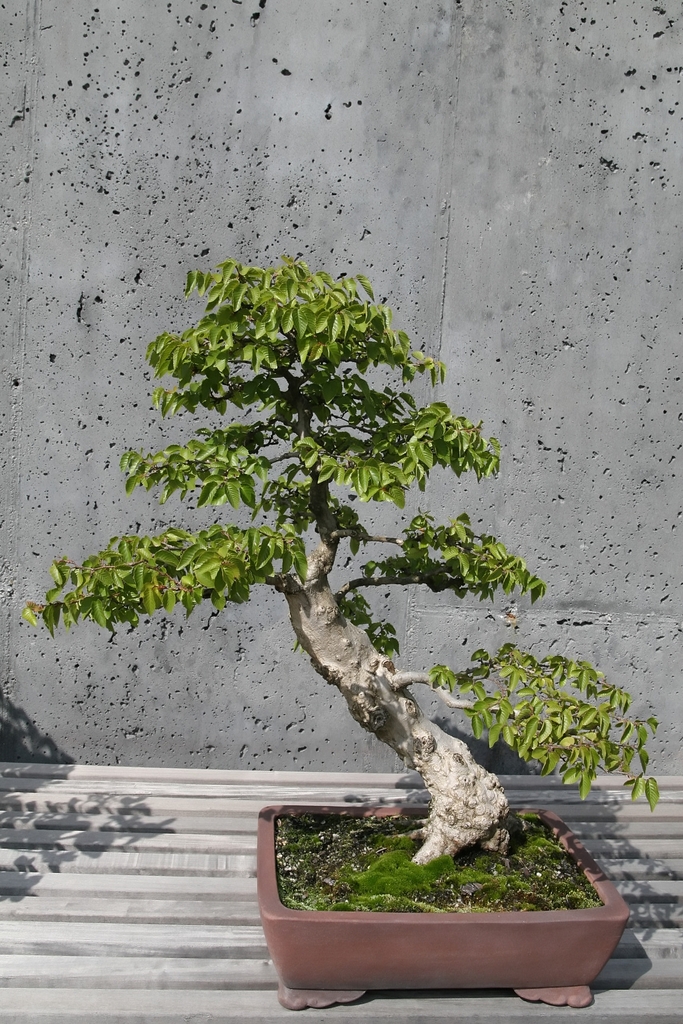
The tree grows 15 to 20 feet tall and nearly as wide with a dense, rounded to weeping habit. It prefers humus-rich well-drained soil with an alkaline to neutral pH in full sun to partial shade. It is tolerant of severe pruning and has been used as a bonsai.
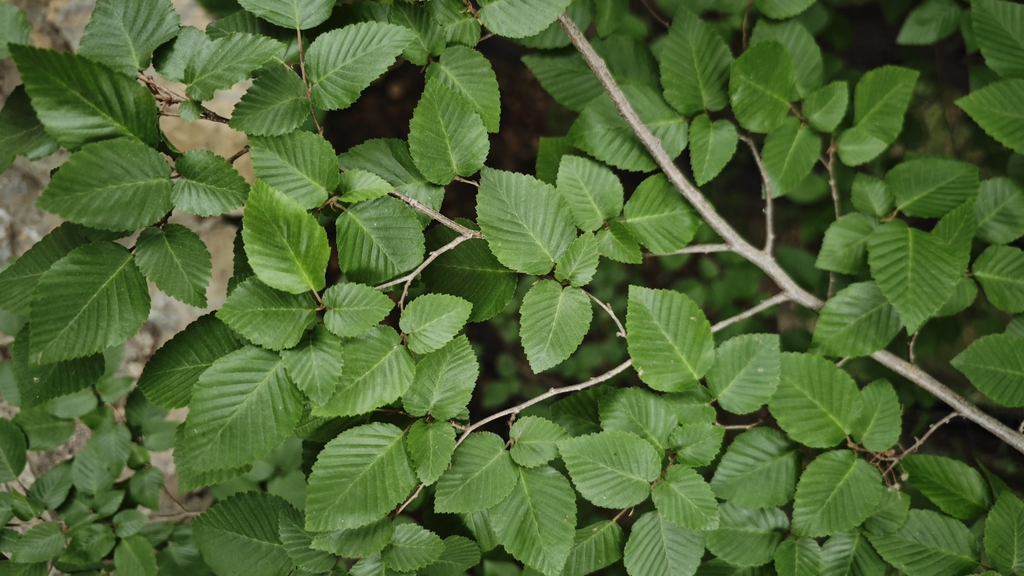
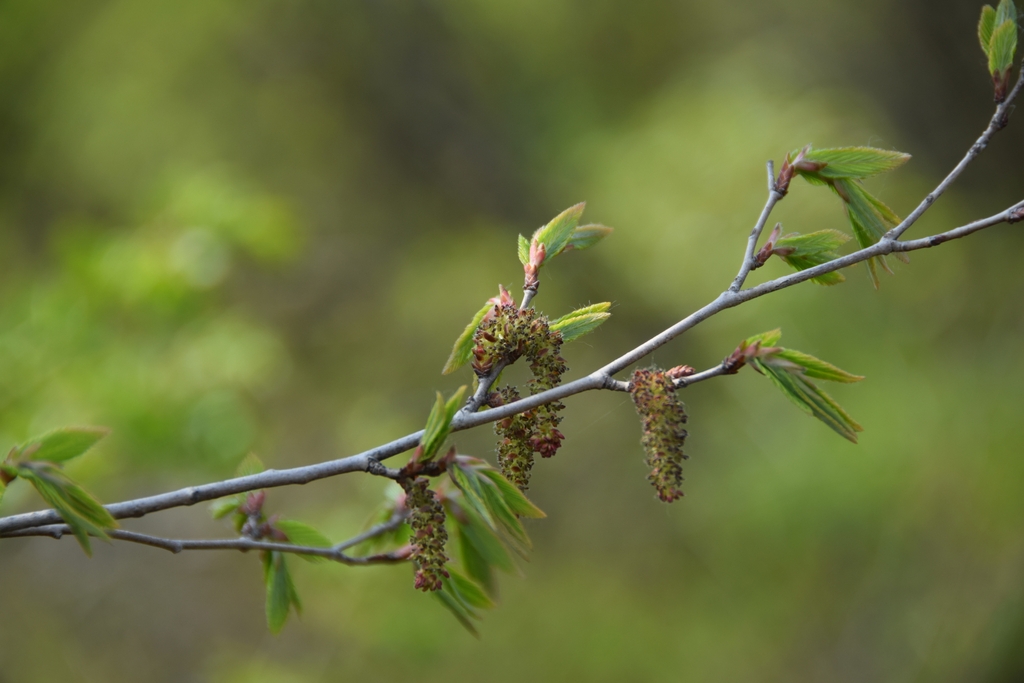
Insignificant male and female catkins appear in mid-spring followed by oval nutlets. The small leaves have prominent veins and are reddish when young and orange-tinted in autumn. The nutlets hang and resemble hops.
Use Korean hornbeam as a shade tree in an Asian or drought-tolerant garden. It is considered an ideal tree for bonsai due to the small leaves and its adaptability.
Insects, Diseases, and Other Plant Problems: Watch for aphids, spider mites, scale, caterpillers and leaf miners. Watch for canker and fungal diseases.
- See this plant in the following landscape :
- Bonsai Garden in Davidson County
- Cultivars / Varieties:
-
- Tags:


- Cultivars / Varieties:
-
- Tags:
-
-
Attributes:
- Genus:
- Carpinus
- Species:
- turczaninovii
- Family:
- Betulaceae
- Life Cycle:
- Woody
- Country Or Region Of Origin:
- China, Korea, Japan
- Wildlife Value:
- Host plant for some butterlies and moths.
- Particularly Resistant To (Insects/Diseases/Other Problems):
- Verticillium Wilt
- Dimensions:
- Height: 15 ft. 0 in. - 20 ft. 0 in.
- Width: 12 ft. 0 in. - 15 ft. 0 in.
-
-
Whole Plant Traits:
- Plant Type:
- Perennial
- Shrub
- Tree
- Woody Plant Leaf Characteristics:
- Deciduous
- Habit/Form:
- Dense
- Multi-stemmed
- Multi-trunked
- Rounded
- Weeping
- Growth Rate:
- Slow
- Maintenance:
- High
- Texture:
- Fine
-
-
Cultural Conditions:
- Light:
- Full sun (6 or more hours of direct sunlight a day)
- Partial Shade (Direct sunlight only part of the day, 2-6 hours)
- Soil Texture:
- Clay
- High Organic Matter
- Loam (Silt)
- Sand
- Shallow Rocky
- Soil pH:
- Alkaline (>8.0)
- Neutral (6.0-8.0)
- Soil Drainage:
- Good Drainage
- Occasionally Dry
- Available Space To Plant:
- 12-24 feet
- NC Region:
- Coastal
- Piedmont
- USDA Plant Hardiness Zone:
- 5a, 5b, 6a, 6b, 7a, 7b
-
-
Fruit:
- Fruit Color:
- Brown/Copper
- Display/Harvest Time:
- Fall
- Fruit Type:
- Nut
- Fruit Length:
- < 1 inch
- Fruit Description:
- Produces drooping clusters of small, green, hop-like bracts containing nutlets that mature to brown in fall.
-
-
Flowers:
- Flower Color:
- Gold/Yellow
- Green
- Flower Inflorescence:
- Catkin
- Insignificant
- Flower Bloom Time:
- Spring
- Flower Description:
- Separate male and female flowers in catkins that appear in mid-spring.
-
-
Leaves:
- Woody Plant Leaf Characteristics:
- Deciduous
- Leaf Color:
- Green
- Deciduous Leaf Fall Color:
- Red/Burgundy
- Leaf Type:
- Simple
- Leaf Arrangement:
- Alternate
- Leaf Shape:
- Ovate
- Leaf Margin:
- Dentate
- Serrate
- Hairs Present:
- Yes
- Leaf Length:
- 1-3 inches
- Leaf Width:
- < 1 inch
- Leaf Description:
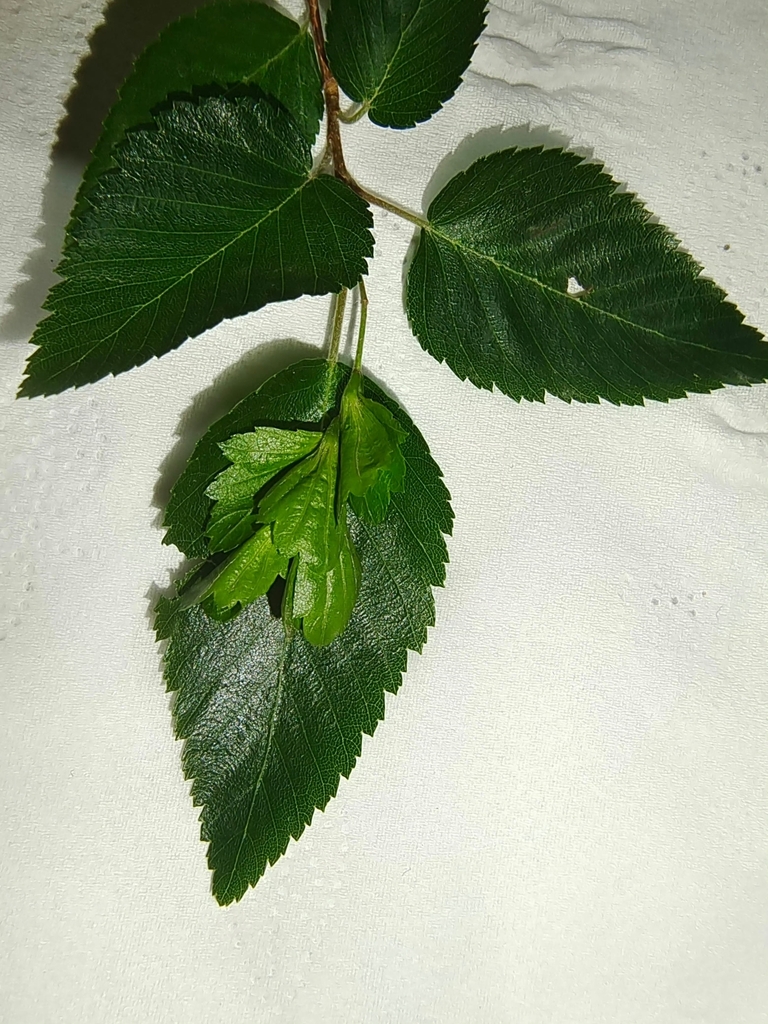
- Small, simple, alternate, ovate, toothed, dark green on top lighter below. Leaves have deep veins, hairs on the underside and burgandy fall color. They are 1 to 2.5 inches long and 3/4 to 1.5 inches wide.
-
-
Bark:
- Bark Color:
- Light Brown
- Light Gray
- Surface/Attachment:
- Fissured
- Bark Description:
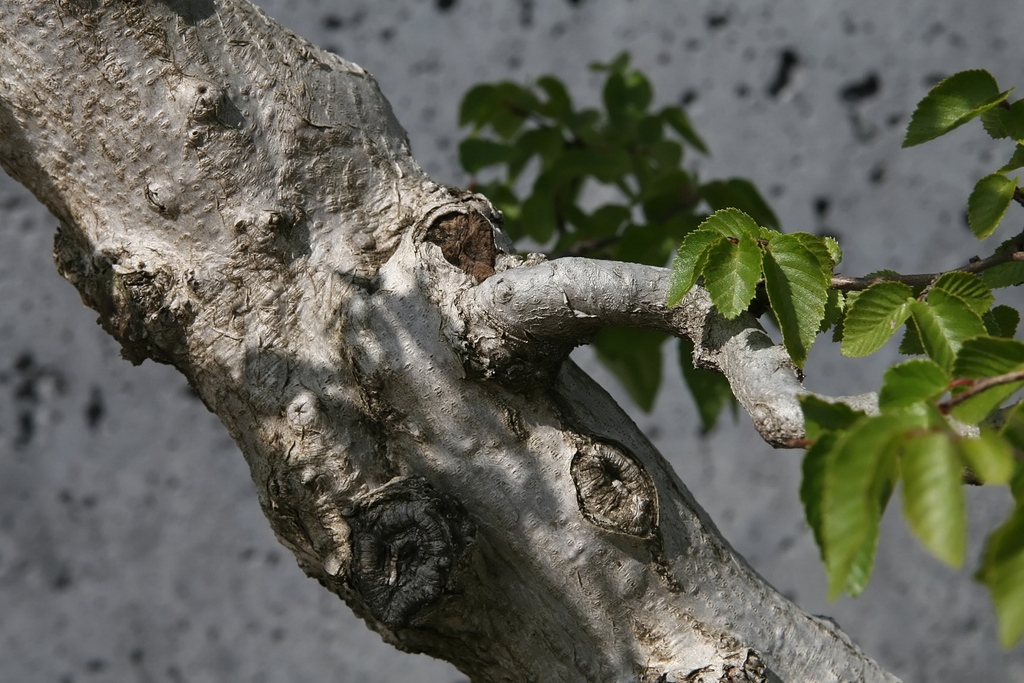
- The grey/ brown bark is shallowly fissured.
-
-
Stem:
- Stem Color:
- Brown/Copper
- Red/Burgundy
- Stem Is Aromatic:
- No
- Stem Form:
- Zig Zags
- Stem Description:
- Brown to maroon stems that are short and zig zagging with a short distance between buds.
-
-
Landscape:
- Landscape Location:
- Container
- Woodland
- Landscape Theme:
- Asian Garden
- Drought Tolerant Garden
- Design Feature:
- Shade Tree
- Small Tree
- Specimen
- Street Tree
- Resistance To Challenges:
- Drought
- Dry Soil
- Heat
- Urban Conditions
- Wind