


Spiraea salicifolia
Common Name(s):
Previously known as:
- Spiraea arguta
- Phonetic Spelling
- spy-REE-ah sal-iss-ih-FOH-lee-uh
- Description
-
Willowleaf meadowsweet is a deciduous shrub in the rose family (Rosaceae) native to east-central Europe, Kazakhstan, all of Siberia, the Russian Far East, Mongolia, northern China, Korea, and Japan. It's commonly found in wet boggy areas, stream beds, river valleys or woodlands.
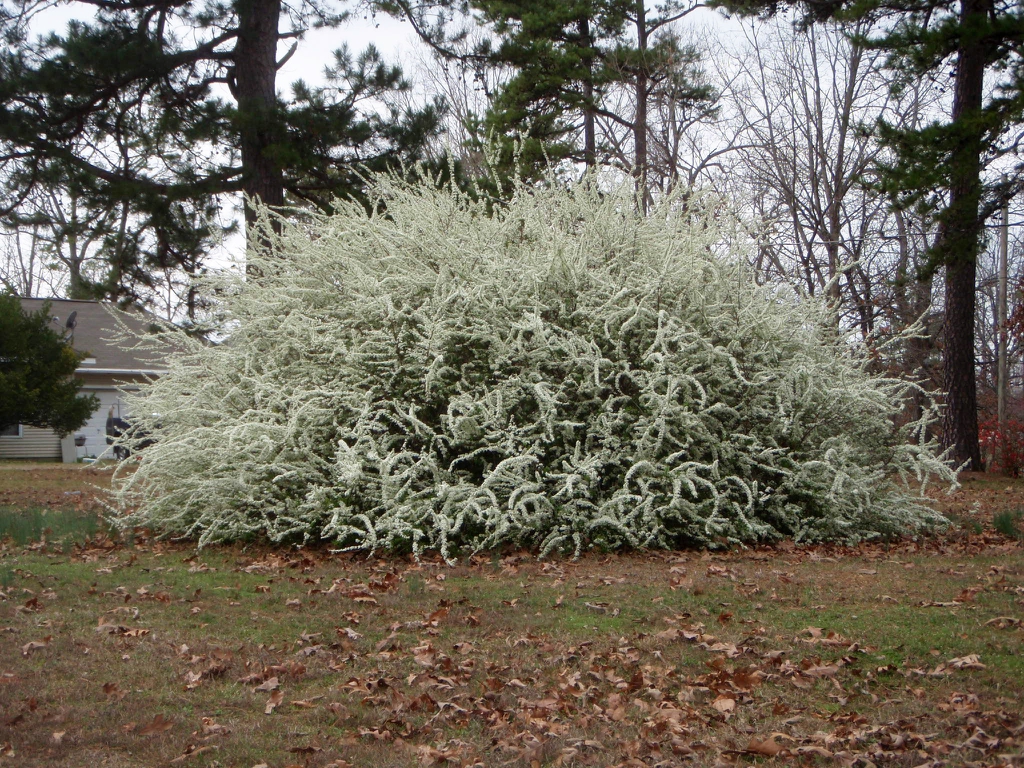
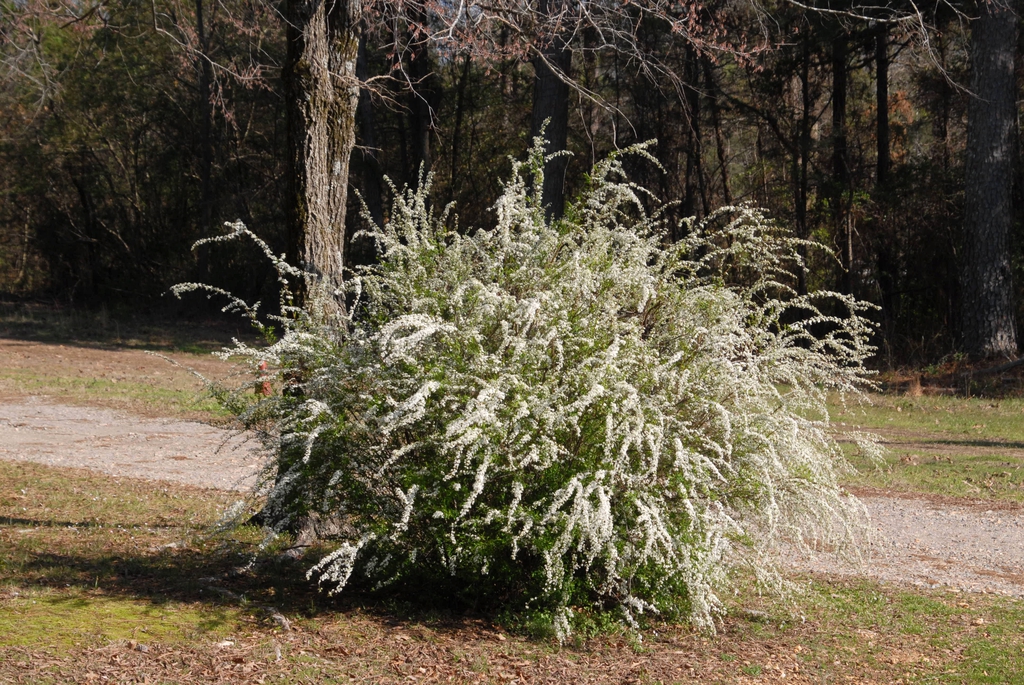
Willowleaf meadowsweet can adapt to most soil conditions and prefers full sunlight in moist, loamy soil. Spreading by suckers, it can form a dense thicket. These thickets can make individual plants less hardy. Dividing regularly will help keep the plants at their best.
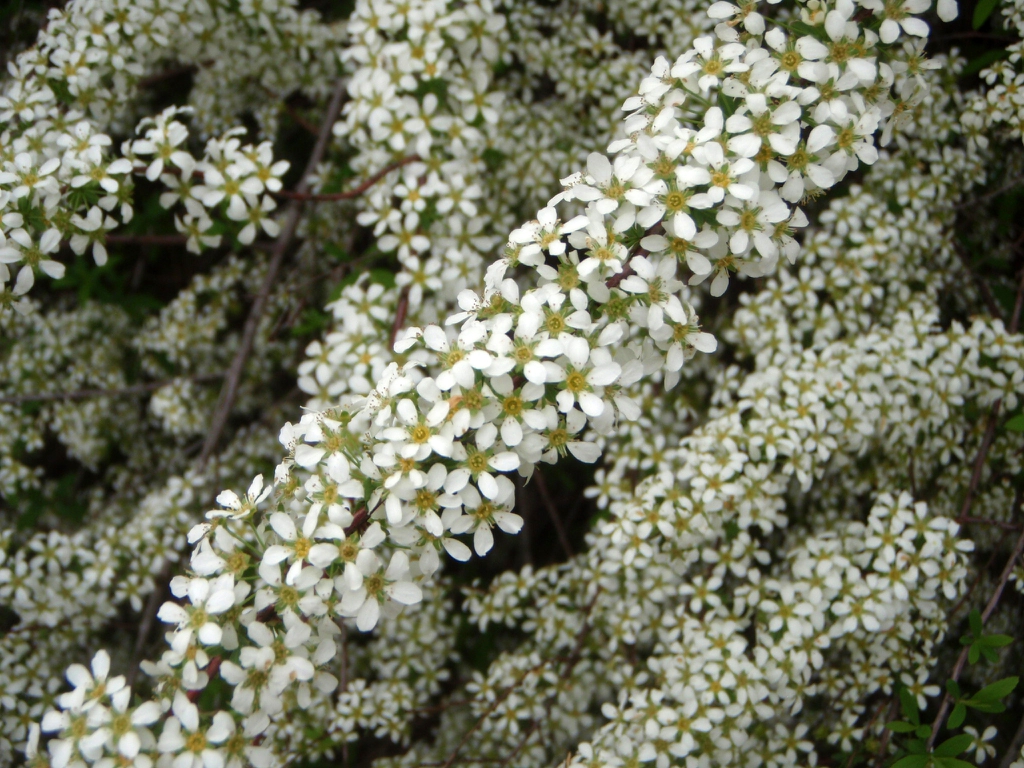
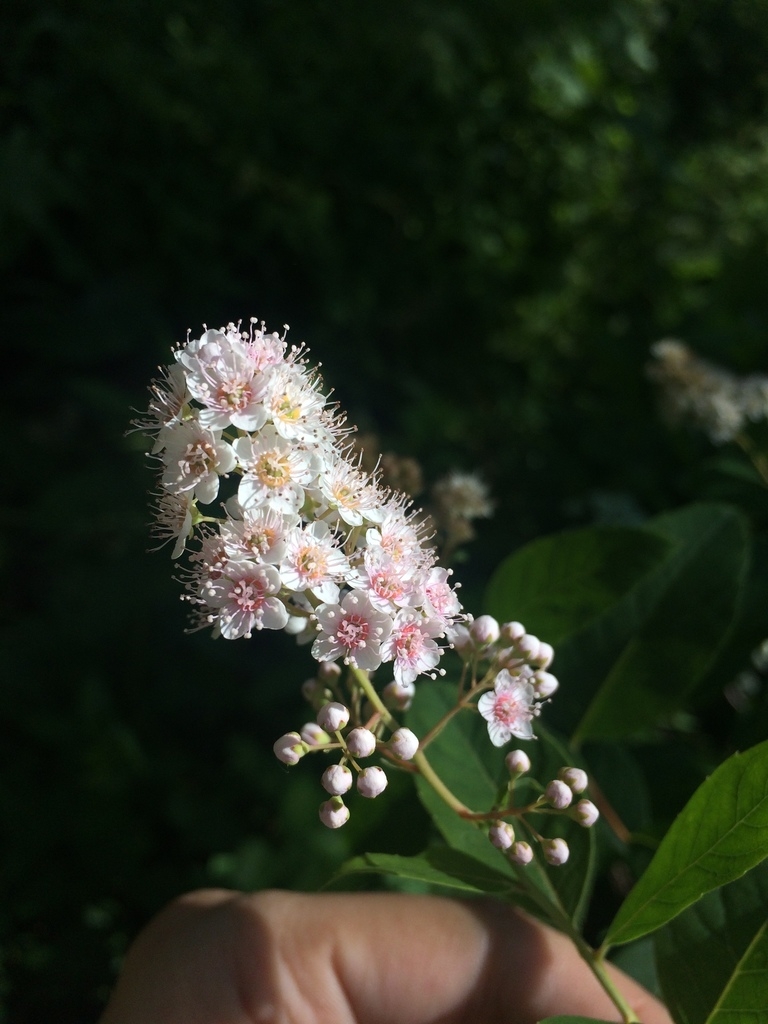
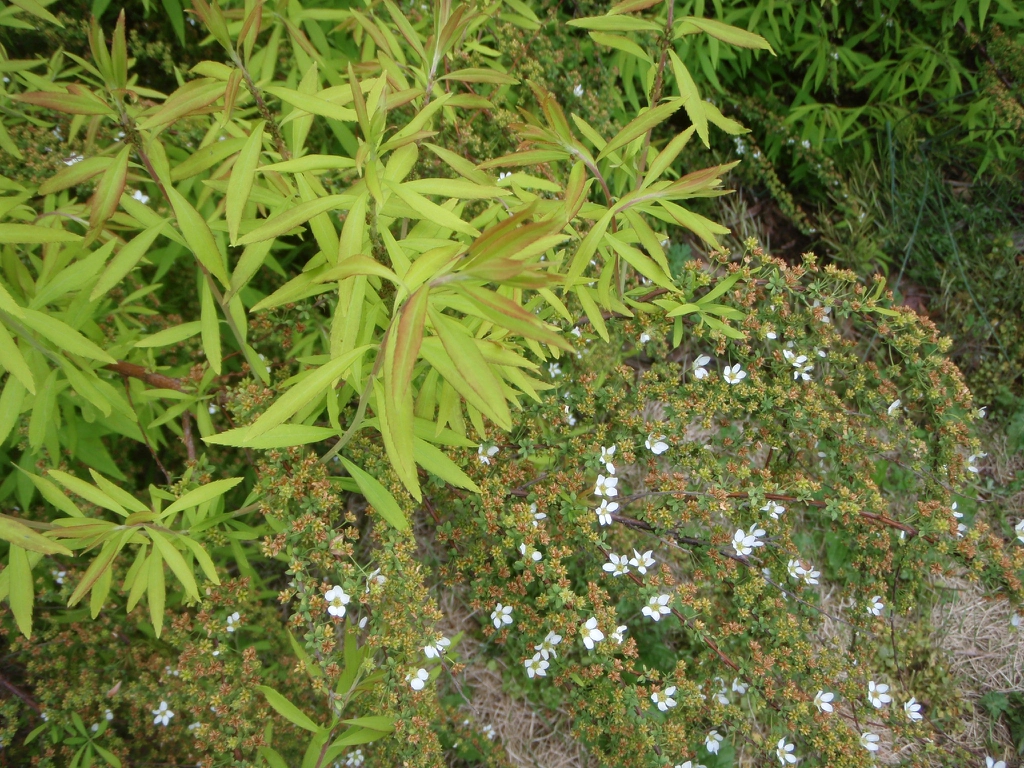
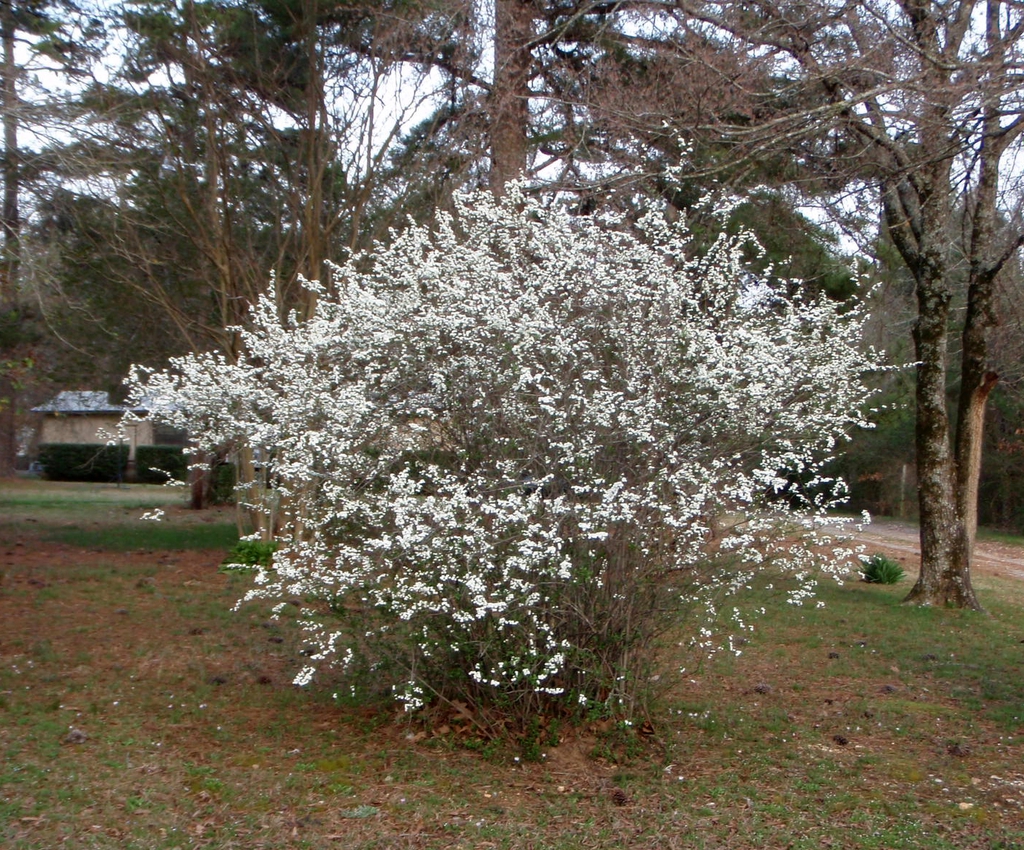
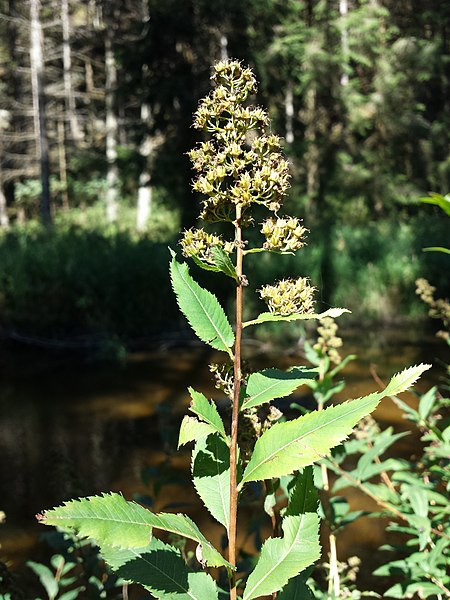
When in bloom, the rose-tinted white flowers produced on panicles create a dense, showy picture.
Use this shrub as a hedge, a specimen, in shrub borders, along ponds, sreams and bog or in rain and butterfly gardens. Its dense habitat is used for stabilization projects along rivers and lakes.
Insects, Diseases, and Other Plant Problems: No serious disease or insect issues. Aphids and cicada caterpillar are occasional visitors. Fungi may be an issue in poorly ventilated locations. Soil containing lime can reduce chlorophyll levels, causing the leaves to yellow.
- See this plant in the following landscape :
- Cultivars / Varieties:
-
- Tags:


- Cultivars / Varieties:
-
- Tags:
-
-
Attributes:
- Genus:
- Spiraea
- Species:
- salicifolia
- Family:
- Rosaceae
- Uses (Ethnobotany):
- Ornamental, Soil stabilization
- Life Cycle:
- Woody
- Recommended Propagation Strategy:
- Division
- Seed
- Stem Cutting
- Country Or Region Of Origin:
- Europe and Japan
- Wildlife Value:
- Flowers support pollinating insects. Bees are attracted to the flowers.
- Play Value:
- Attractive Flowers
- Buffer
- Colorful
- Screening
- Edibility:
- Its vitamin C rich young leaves can be cooked and eaten.
-
-
Whole Plant Traits:
- Plant Type:
- Shrub
- Woody Plant Leaf Characteristics:
- Deciduous
- Habit/Form:
- Dense
- Multi-stemmed
- Rounded
- Spreading
- Growth Rate:
- Rapid
- Maintenance:
- Low
- Texture:
- Fine
-
-
Cultural Conditions:
- Light:
- Dappled Sunlight (Shade through upper canopy all day)
- Full sun (6 or more hours of direct sunlight a day)
- Partial Shade (Direct sunlight only part of the day, 2-6 hours)
- Soil Texture:
- Clay
- Loam (Silt)
- Sand
- Soil pH:
- Acid (<6.0)
- Neutral (6.0-8.0)
- Soil Drainage:
- Moist
- Occasionally Dry
- Available Space To Plant:
- 3 feet-6 feet
- NC Region:
- Coastal
- Mountains
- Piedmont
- USDA Plant Hardiness Zone:
- 4a, 4b, 5a, 5b, 6a, 6b, 7a, 7b, 8a, 8b
-
-
Fruit:
- Fruit Type:
- Follicle
- Fruit Description:
- The fruits dry and open on one side to release its winged seeds.
-
-
Flowers:
- Flower Color:
- Pink
- White
- Flower Inflorescence:
- Panicle
- Flower Value To Gardener:
- Fragrant
- Showy
- Flower Bloom Time:
- Summer
- Flower Petals:
- 4-5 petals/rays
- Flower Size:
- < 1 inch
- Flower Description:
- Dense, 4 to 5" panicles bloom all summer and flowers are pollinated by insects.
-
-
Leaves:
- Woody Plant Leaf Characteristics:
- Deciduous
- Leaf Color:
- Gray/Silver
- Green
- Leaf Type:
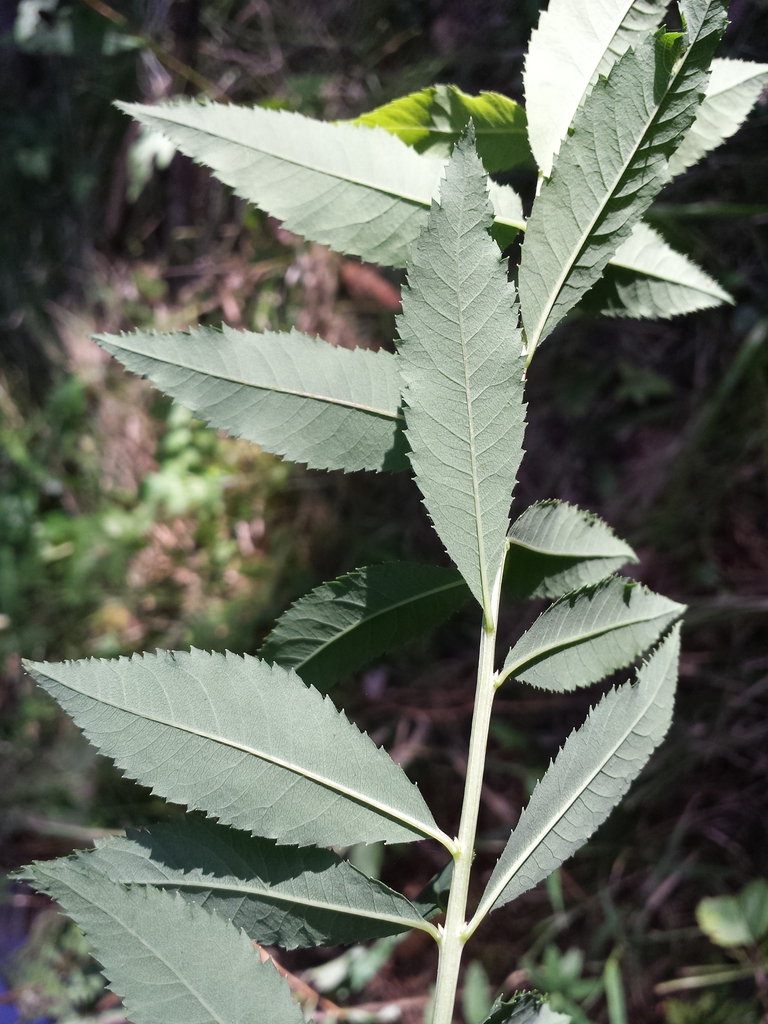
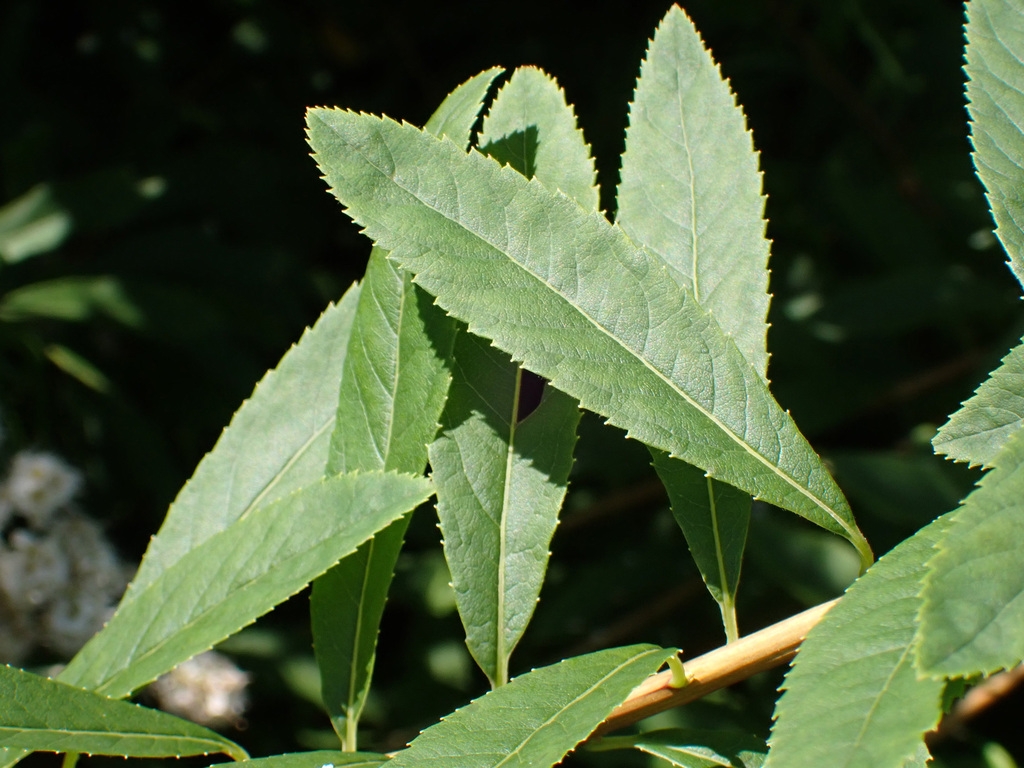
- Simple
- Leaf Arrangement:
- Alternate
- Leaf Shape:
- Lanceolate
- Leaf Margin:
- Serrate
- Hairs Present:
- No
- Leaf Length:
- 1-3 inches
- Leaf Width:
- < 1 inch
- Leaf Description:
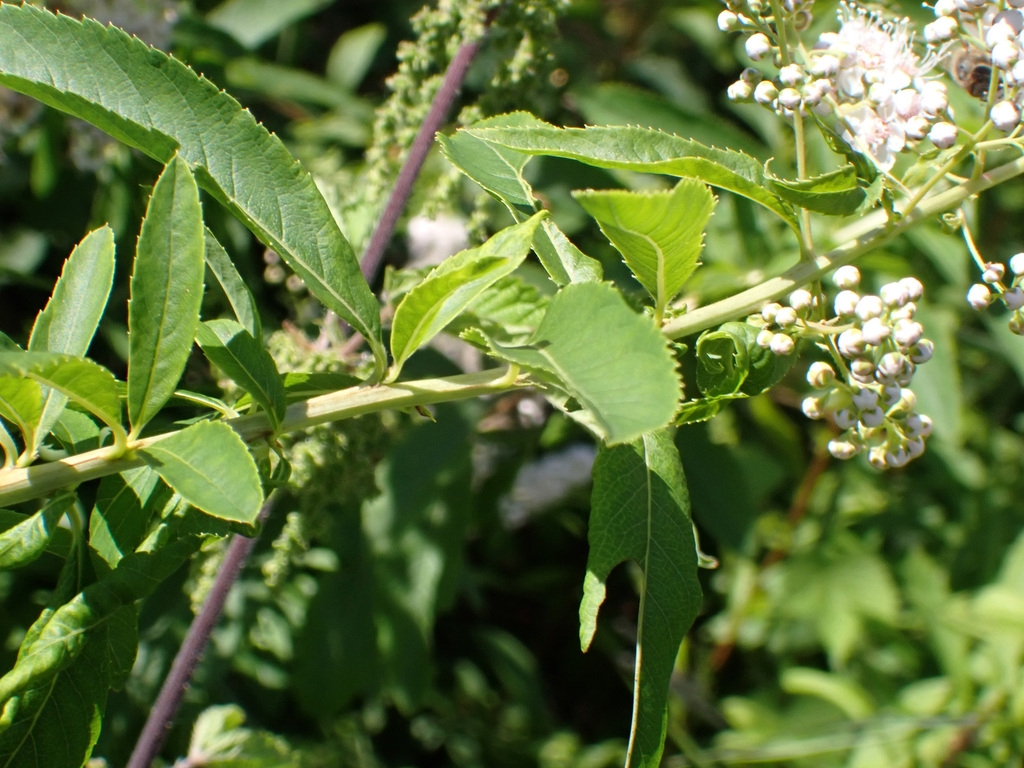
- The double toothed, pointed leaves have no hairs.
-
-
Stem:
- Stem Color:
- Brown/Copper
- Gold/Yellow
- Gray/Silver
- Stem Is Aromatic:
- No
- Stem Form:
- Straight
- Stem Surface:
- Smooth (glabrous)
- Stem Description:
- Typically, does not have branches. The stems can range from yellow-brown to yellow-gray.
-
-
Landscape:
- Landscape Location:
- Lawn
- Meadow
- Naturalized Area
- Pond
- Woodland
- Landscape Theme:
- Pollinator Garden
- Rain Garden
- Water Garden
- Design Feature:
- Barrier
- Border
- Foundation Planting
- Hedge
- Mass Planting
- Screen/Privacy
- Specimen
- Attracts:
- Bees
- Resistance To Challenges:
- Diseases
- Drought
- Dry Soil
- Humidity
- Insect Pests