



Long-headed Coneflower Ratibida columnifera
Other Common Name(s):
- Phonetic Spelling
- ruh-TIB-ih-duh kol-um-NEE-fer-uh
- Description
-
Prairie coneflower is a rhizomatous herbaceous perennial native to the central USA in the daisy family (Asteraceae). It is found growing in fields, prairies and dry open woods. It is very rare in NC and may have naturalized from cultivated sources ("wildflower" seeds). The specific epithet is Latin for “having a column” and is in reference to the elongate receptacle in the heads of flowers.
Prairie coneflower will grow up to 3 feet tall and prefers clay loam to sandy loam soils in full sun and is adaptable to dry to moist conditions and various soils. It is intolerant of heavy clay soils. It is very easy to grow in full sun to partial shade. It is drought- and poor soil-tolerant, so there is generally no need for fertilizer or extensive irrigation. Propagation is from seeds or division.
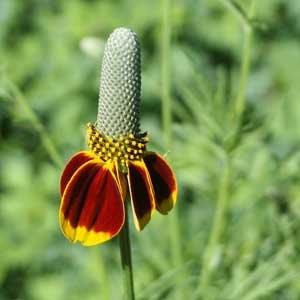
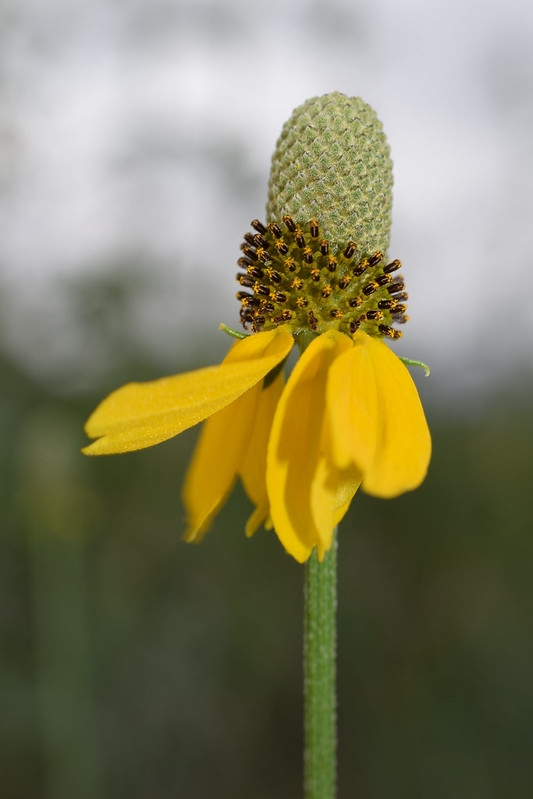
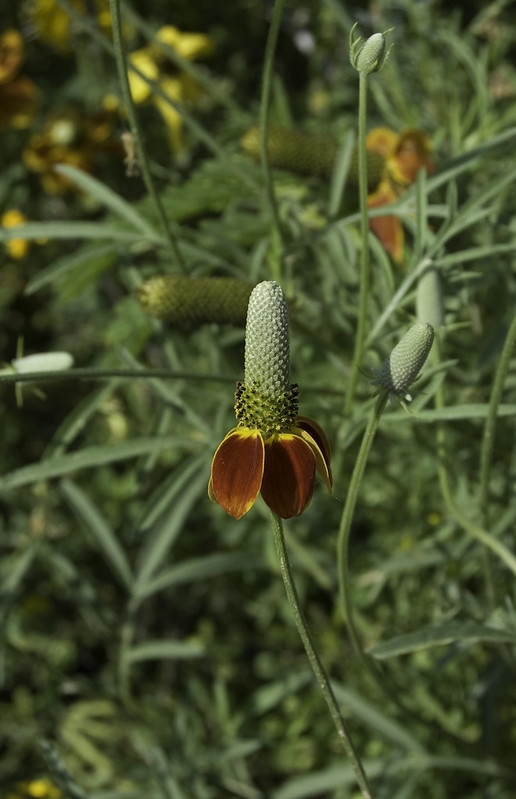
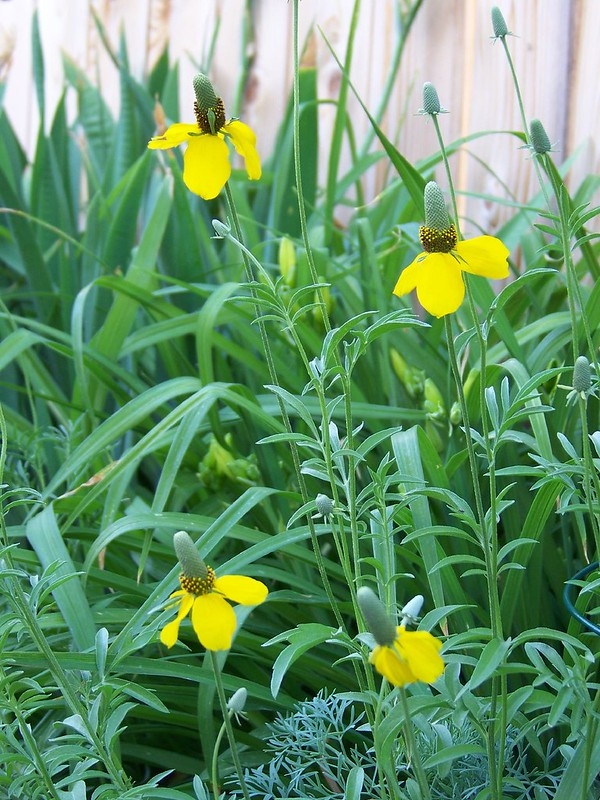
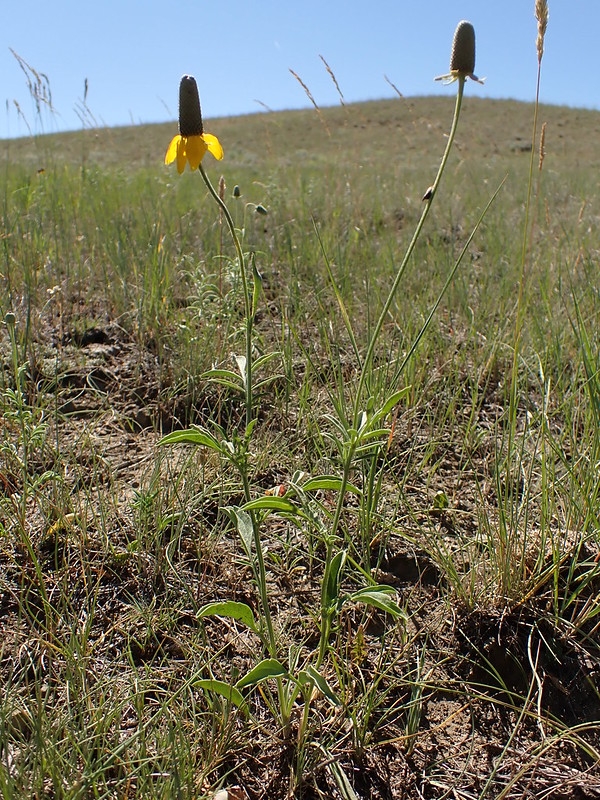
The yellow ray petals surround a central dark column of disk flowers in summer. The green leaves are compound with 3 to 7 divisions.
Use this plant in the pollinator or wildflower garden in the back border, in masse, in naturalized areas, meadows or open woodland. This plant can also be used in rain gardens, children's gardens, butterfly gardens, cutting gardens or dry gardens.
Insects, Diseases, and Other Plant Problems: No significant problems.
- See this plant in the following landscape :
- Cultivars / Varieties:
-
- Tags:


- Cultivars / Varieties:
-
- Tags:
-
-
Attributes:
- Genus:
- Ratibida
- Species:
- columnifera
- Family:
- Asteraceae
- Recommended Propagation Strategy:
- Seed
- Country Or Region Of Origin:
- North America
-
-
Whole Plant Traits:
- Plant Type:
- Perennial
- Habit/Form:
- Clumping
- Erect
-
-
Cultural Conditions:
- Light:
- Full sun (6 or more hours of direct sunlight a day)
- USDA Plant Hardiness Zone:
- 4a, 4b, 5a, 5b, 6a, 6b, 7a, 7b, 8a, 8b, 9a, 9b
-
-
Flowers:
- Flower Color:
- Brown/Copper
- Gold/Yellow
- Flower Inflorescence:
- Head
- Flower Value To Gardener:
- Good Cut
- Long Bloom Season
- Long-lasting
- Showy
- Flower Bloom Time:
- Summer
- Flower Description:
- The heads are elongated into a column-like shape. The ray flowers may be brownish-red or chestnut colored, often with yellow tips. The disk flowers are darker and open first at the base of the column. As the inflorescence ages, flowering moves up the column.
-
-
Leaves:
- Leaf Color:
- Green
- Leaf Type:
- Compound (Pinnately , Bipinnately, Palmately)
- Hairs Present:
- No
-
-
Stem:
- Stem Is Aromatic:
- No
-
-
Landscape:
- Landscape Location:
- Meadow
- Naturalized Area
- Slope/Bank
- Small Space
- Landscape Theme:
- Butterfly Garden
- Children's Garden
- Cottage Garden
- Cutting Garden
- Drought Tolerant Garden
- Pollinator Garden
- Rain Garden
- Design Feature:
- Border
- Mass Planting
- Attracts:
- Bees
- Butterflies
- Pollinators
- Resistance To Challenges:
- Drought
- Poor Soil



