



Quercus sinuata var. sinuata
Previously known as:
- Quercus durandii
- Quercus sinuata f. durandii
- Phonetic Spelling
- KWER-kus sin-you-AH-tah variety sin-you-AH-tah
- This plant has low severity poison characteristics.
- See below
- Description
-
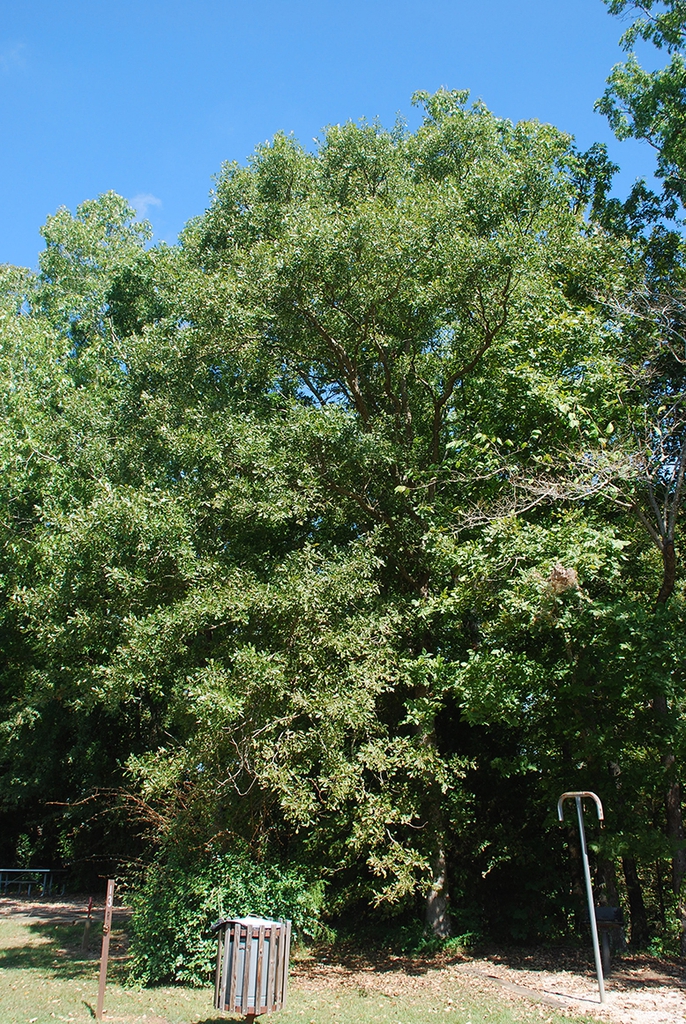
Durand white oak is a deciduous medium-sized native oak tree or shrub in the White Oak Group of the Fabaceae family. It is a variety of Q. sinuata native to the southern United States and northern Mexico. This variety is native from NC south to FL and west to TX found in low wet areas, hummocks, riparian and limestone bluffs and prairies The only other variety of this species is var. breviloba. It occurs in Oklahoma, Texas and adjacent Mexico.
Durand white oak grows to 45 to 65 feet tall or taller, with a single or multiple trunks. It prefers moist, fertile sandy to clay loams that are well-drained.
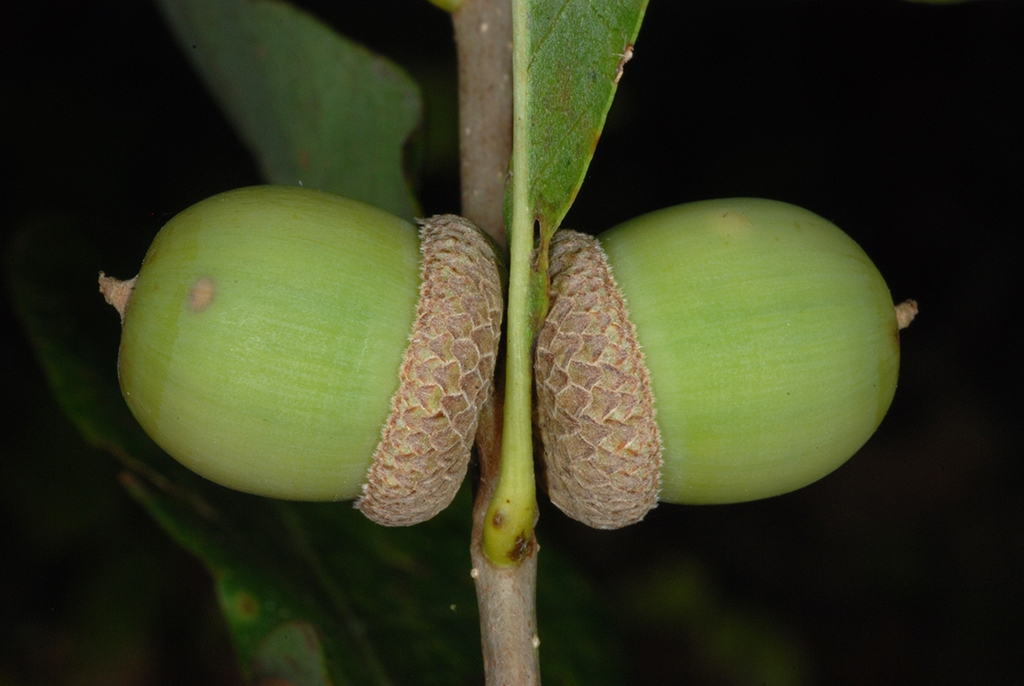
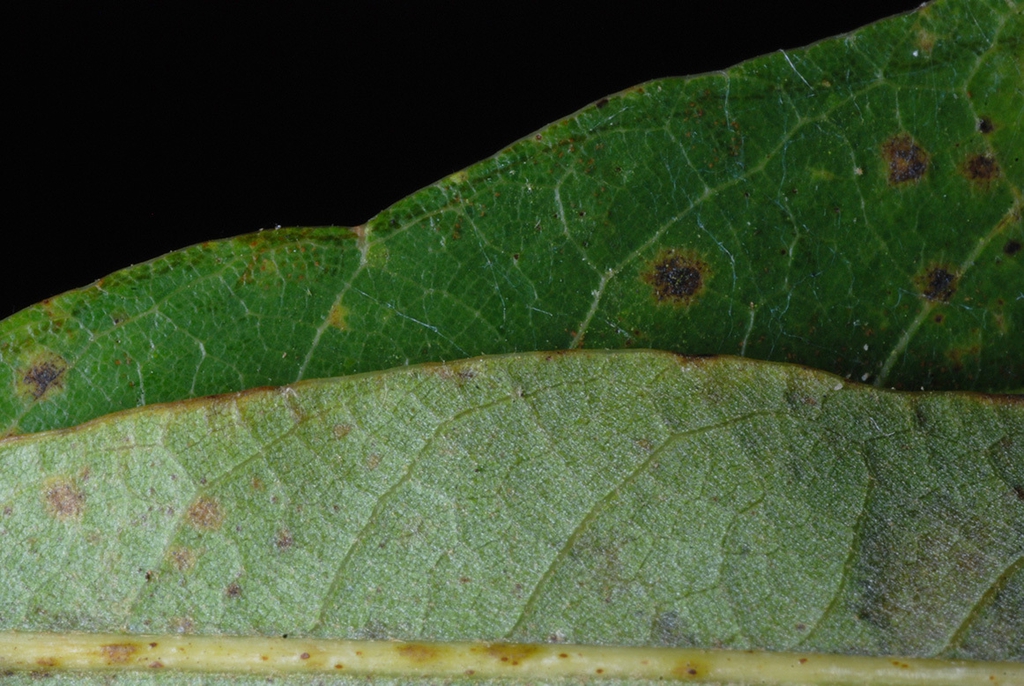
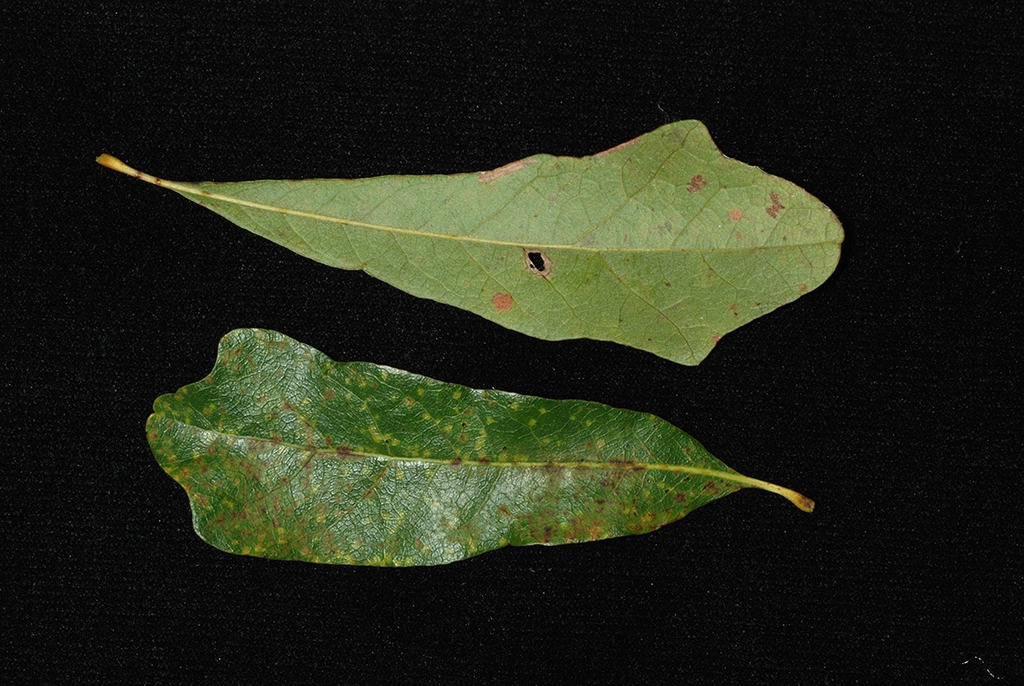
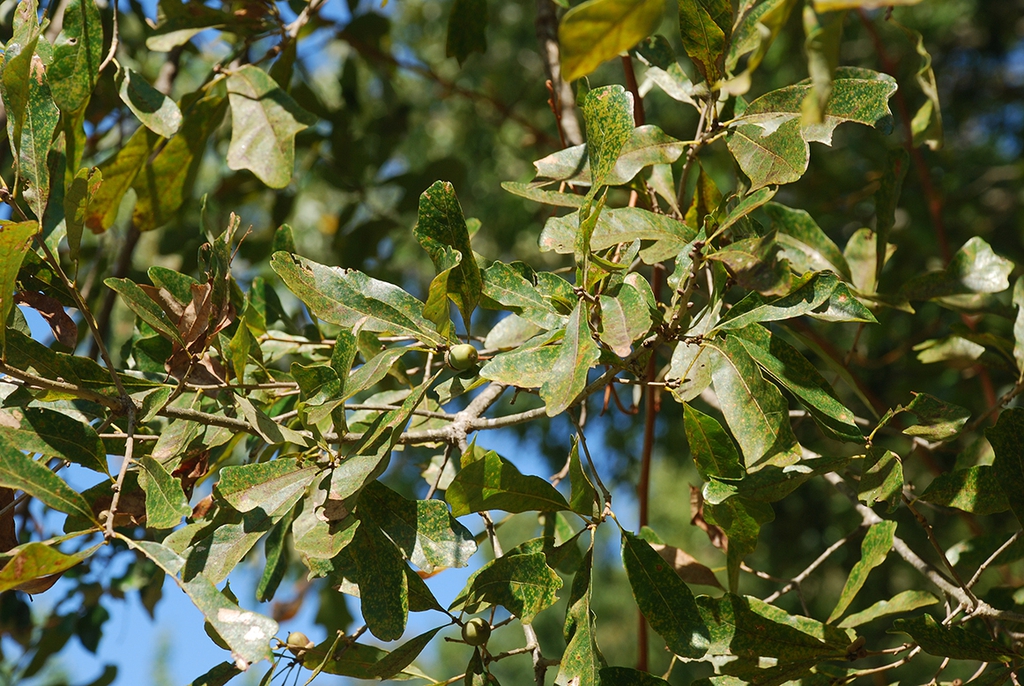
The leaves can be variable with entire to wavy to shallowly lobed margins and a bluish-green underside with white hairs. Acorns are produced annually.
Use Durand white oak as a shade tree, along streams and ponds or a water garden. It will benefit many forms of wildlife.
Insects, Diseases, and Other Plant Problems: See common pests and diseases of oaks in NC to the left. The Clemson Cooperative Extension Home and Garden Information Center has a factsheet on common pests and insects.
- See this plant in the following landscape :
- Cultivars / Varieties:
-
- Tags:


- Cultivars / Varieties:
-
- Tags:
-
-
Attributes:
- Genus:
- Quercus
- Species:
- sinuata
- Family:
- Fagaceae
- Life Cycle:
- Woody
- Recommended Propagation Strategy:
- Seed
- Country Or Region Of Origin:
- Southeastern U.S.A, Texas
- Distribution:
- Alabama, Arkansas, Florida, Georgia, Louisiana, Mississippi, North Carolina, South Carolina, Texas
- Wildlife Value:
- Oak trees support a wide variety of Lepidopteran. You may see Imperial Moth (Eacles imperialis) larvae which have one brood per season and appear from April-October in the south. Adult Imperial Moths do not feed. Banded Hairstreak (Satyrium calanus), which have one flight from June-August everywhere but Florida where they emerge April-May. Edward's Hairstreak (Satyrium edwardsii), has one flight from May-July in the south and June-July in the north. Gray Hairstreak (Strymon melinus), has three to four flights in the south from February-November and two flights in the north from May-September. White-M Hairstreak (Parrhasius m-album) has three broods in the north from February-October. Horace’s Duskywing (Erynnis horatius) has three broods in Texas and the deep south from January-November, and two broods in the north from April-September. Juvenal’s Duskywing (Erynnis juvenalis) has one brood from April-June, appearing as early as January in Florida. Acorns provide food to birds and mammals. The tree provides shelter to birds and mammals. They are host plants to moths and butterflies.
- Edibility:
- Acorns (nuts) are edible after tannins are leached or boiled out.
- Dimensions:
- Height: 45 ft. 0 in. - 65 ft. 0 in.
- Width: 30 ft. 0 in. - 50 ft. 0 in.
-
-
Whole Plant Traits:
- Plant Type:
- Native Plant
- Tree
- Woody Plant Leaf Characteristics:
- Deciduous
- Habit/Form:
- Erect
- Maintenance:
- Medium
- Texture:
- Coarse
-
-
Cultural Conditions:
- Light:
- Full sun (6 or more hours of direct sunlight a day)
- Soil Texture:
- Clay
- High Organic Matter
- Loam (Silt)
- Sand
- Soil pH:
- Neutral (6.0-8.0)
- Soil Drainage:
- Good Drainage
- Moist
- Available Space To Plant:
- 24-60 feet
- NC Region:
- Coastal
- Mountains
- Piedmont
- USDA Plant Hardiness Zone:
- 6a, 6b, 7a, 7b, 8a, 8b, 9a, 9b
-
-
Fruit:
- Fruit Color:
- Brown/Copper
- Display/Harvest Time:
- Fall
- Fruit Type:
- Nut
- Fruit Description:
- Acorns are produced yearly
-
-
Flowers:
- Flower Inflorescence:
- Catkin
- Insignificant
- Flower Bloom Time:
- Spring
- Flower Description:
- Male flowers are catkins and female flowers short spikes
-
-
Leaves:
- Woody Plant Leaf Characteristics:
- Deciduous
- Leaf Color:
- Green
- Leaf Feel:
- Leathery
- Leaf Type:
- Simple
- Leaf Arrangement:
- Alternate
- Leaf Shape:
- Oblanceolate
- Oblong
- Obovate
- Leaf Margin:
- Entire
- Lobed
- Undulate
- Hairs Present:
- Yes
- Leaf Length:
- 3-6 inches
- Leaf Width:
- 1-3 inches
- Leaf Description:
- Light green leaves have a bluish-green underside with a white bloom and small star-shaped hairs. Tips are rounded to blunt, the base is wedge-shaped and margins are entire, wavy to shallowly lobed. They are 2 to 5 inches long and 1 to 2.5 inches wide and oblanceolate to obovate or oblong
-
-
Bark:
- Bark Color:
- Light Brown
- Light Gray
- Surface/Attachment:
- Exfoliating
- Furrowed
- Bark Description:
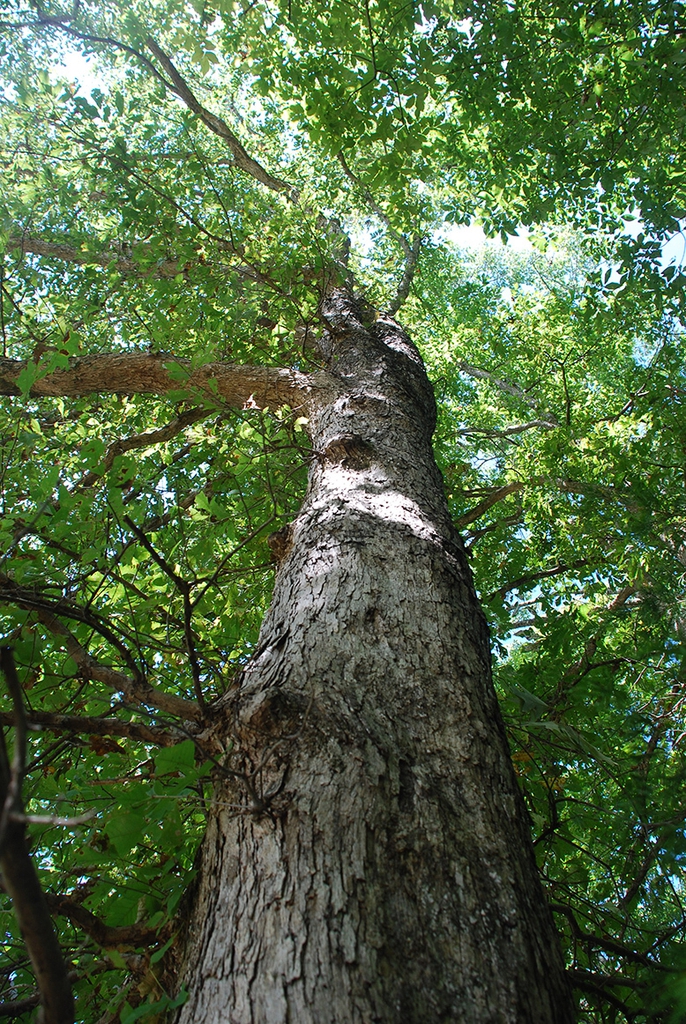
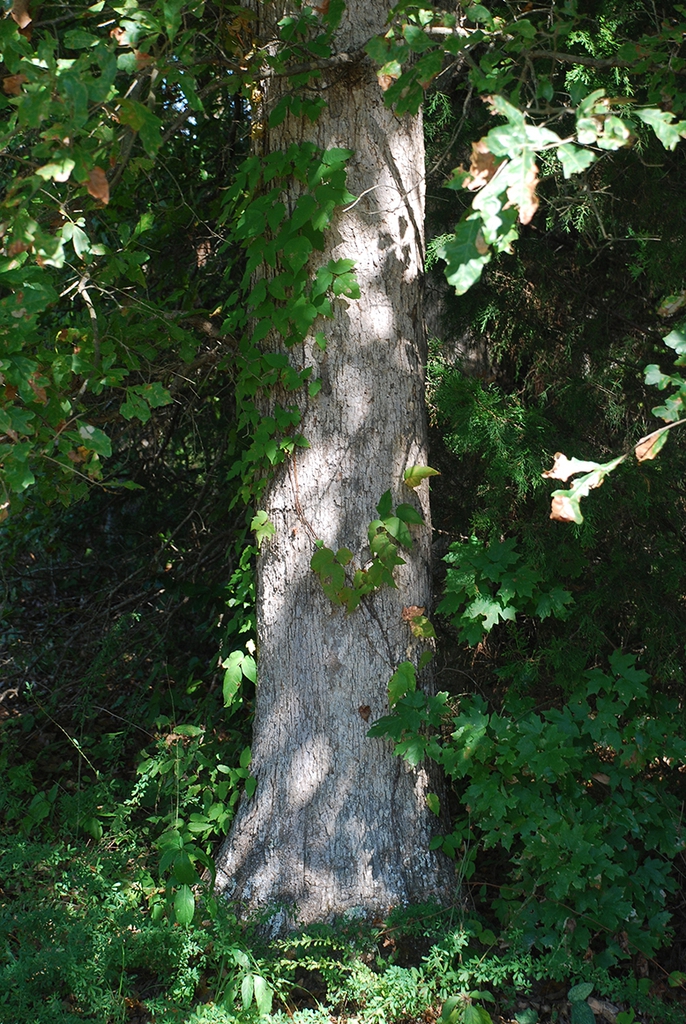
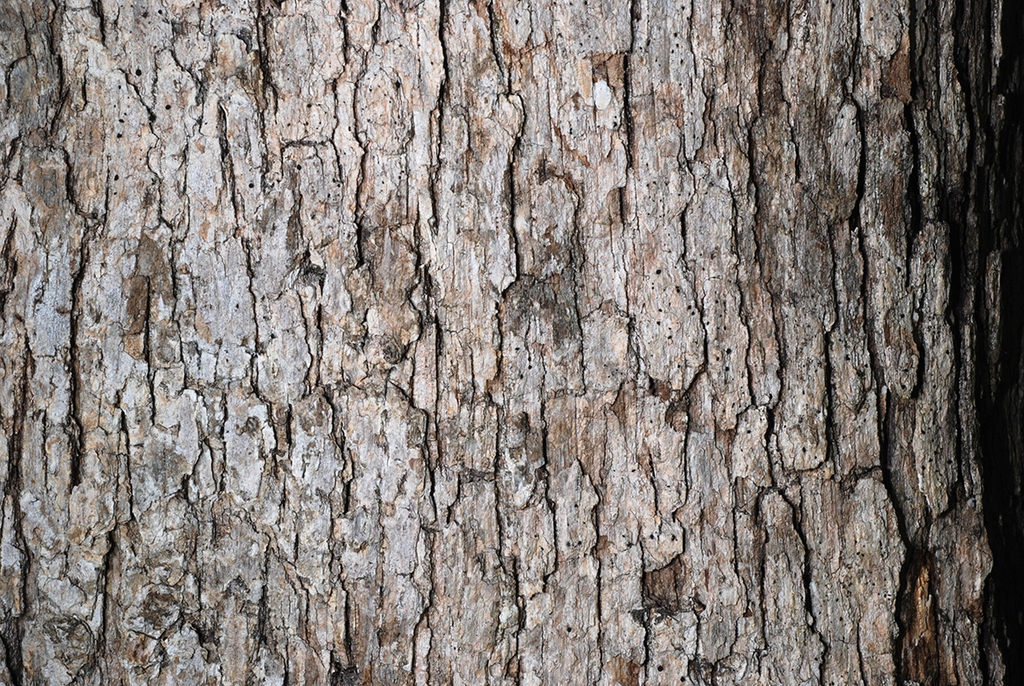
- Young bark is smooth and light brown or gray. Becomes flaky exfoliating with shallow furrows and thin scales with age
-
-
Stem:
- Stem Is Aromatic:
- No
- Stem Bud Terminal:
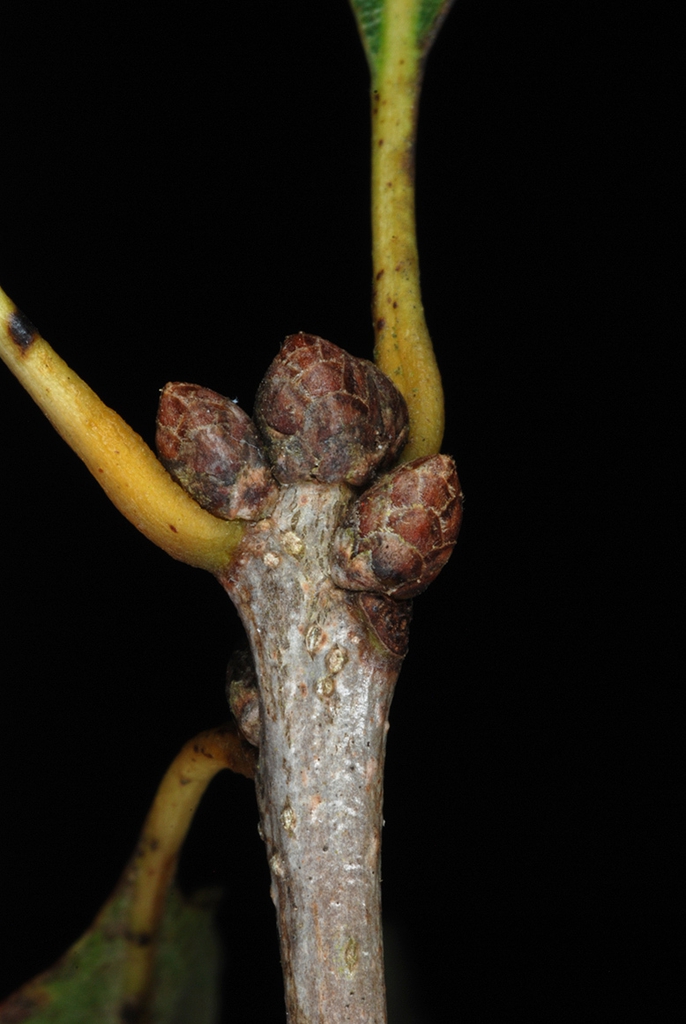
- Cluster of terminal buds
-
-
Landscape:
- Landscape Location:
- Lawn
- Pond
- Riparian
- Landscape Theme:
- Native Garden
- Water Garden
- Design Feature:
- Shade Tree
- Attracts:
- Butterflies
- Moths
- Small Mammals
- Songbirds
-
-
Poisonous to Humans:
- Poison Severity:
- Low
- Poison Symptoms:
- Abdominal pain, constipation then diarrhea (occasionally bloody), depression, frequent urination, discolored urine, jaundice; acorns can obstruct the digestive tract
- Poison Toxic Principle:
- Gallotannins, quercitrin, and quercitin
- Causes Contact Dermatitis:
- No
- Poison Part:
- Fruits
- Leaves



