


Cowslip Primula veris
Other Common Name(s):
Other plants called Cowslip:
- Phonetic Spelling
- PRIM-yew-lah VER-iss
- Description
-
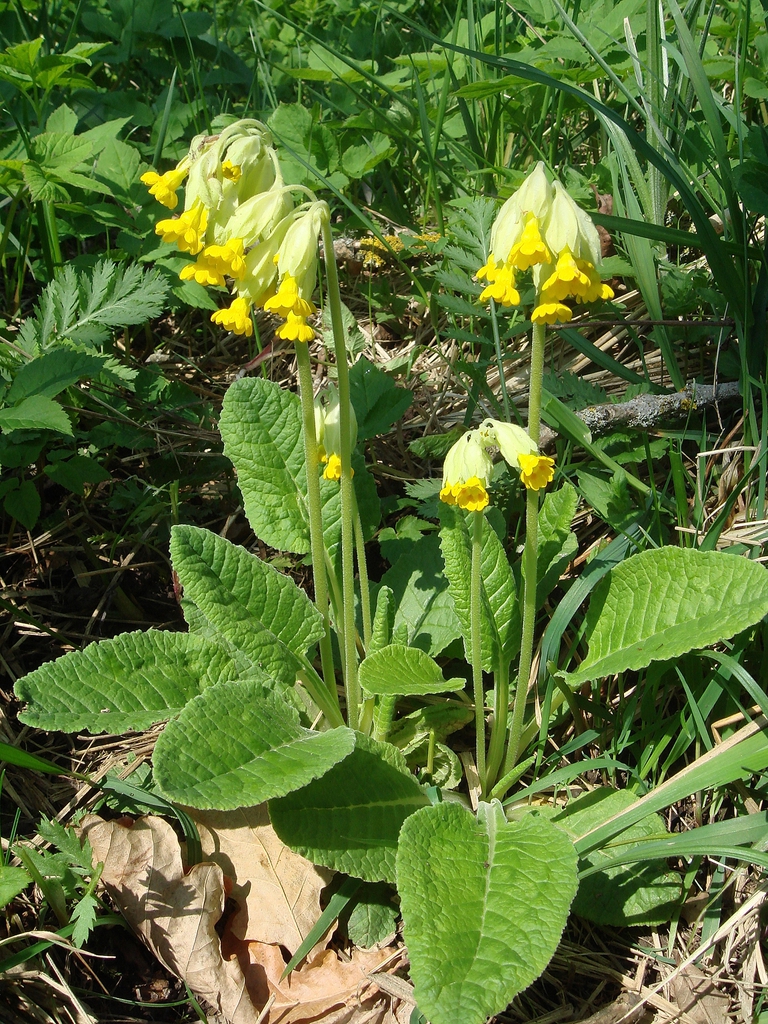
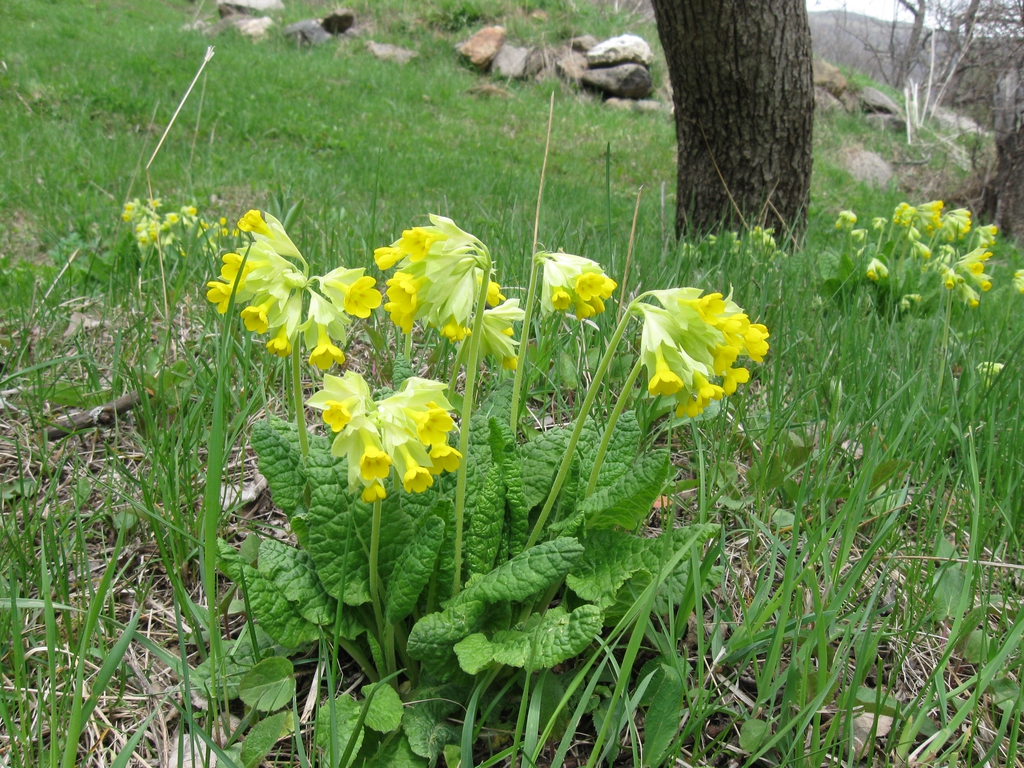
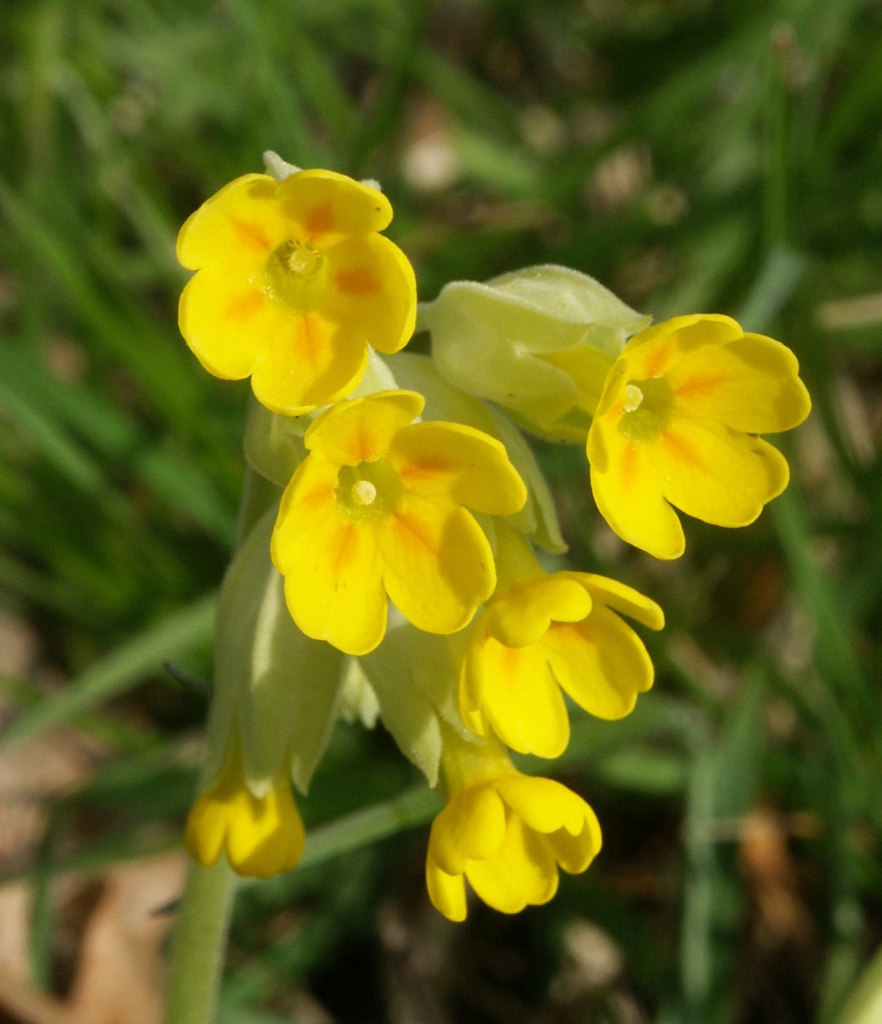
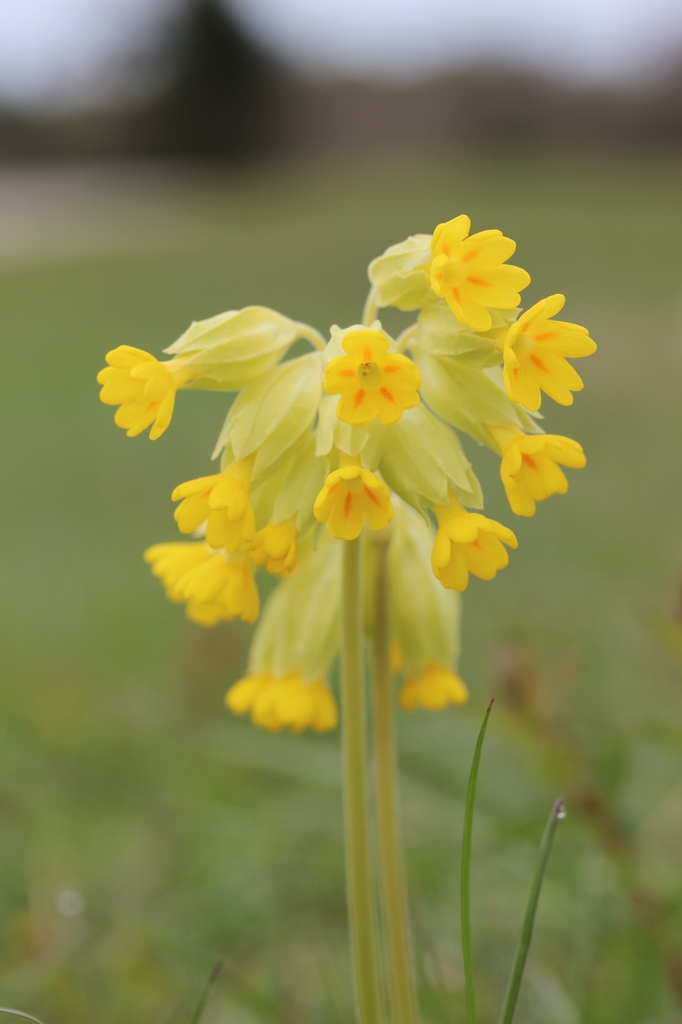
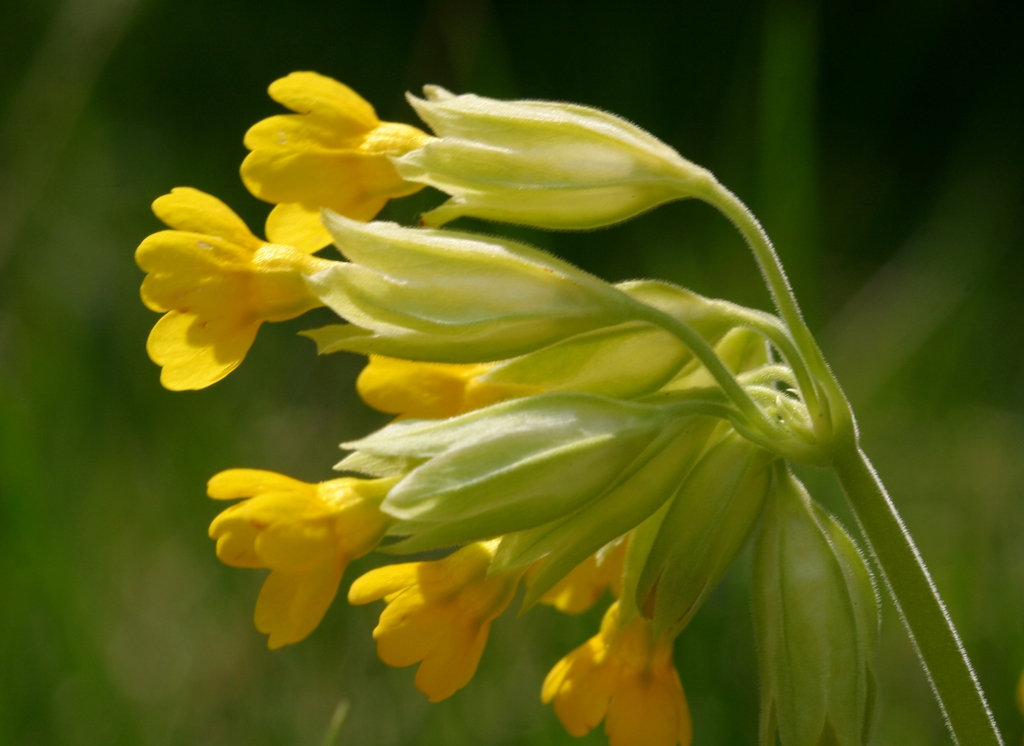
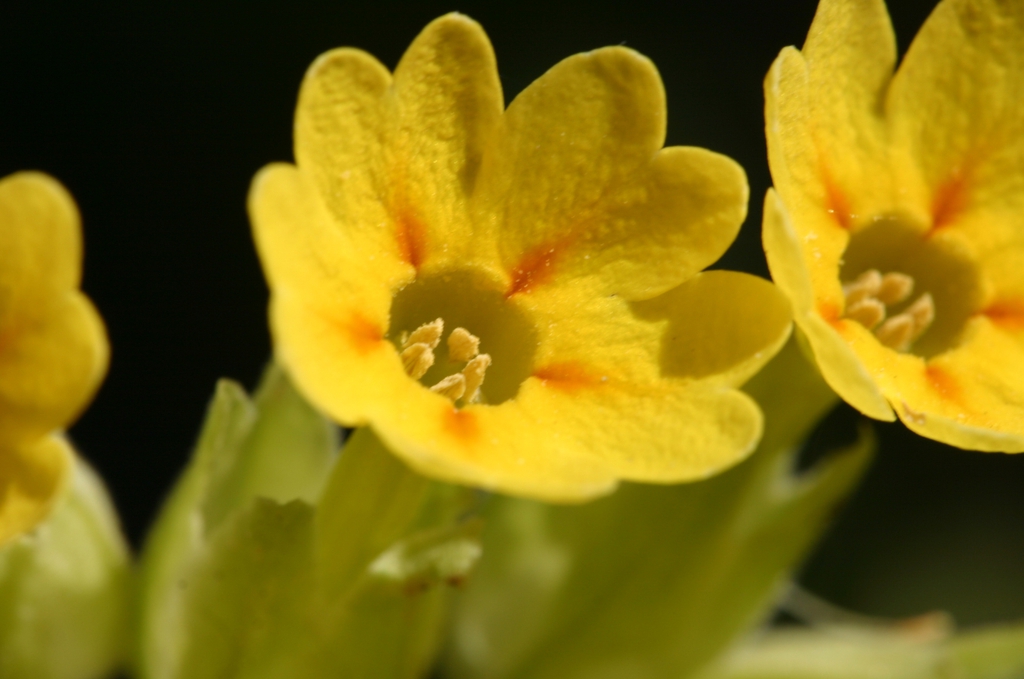
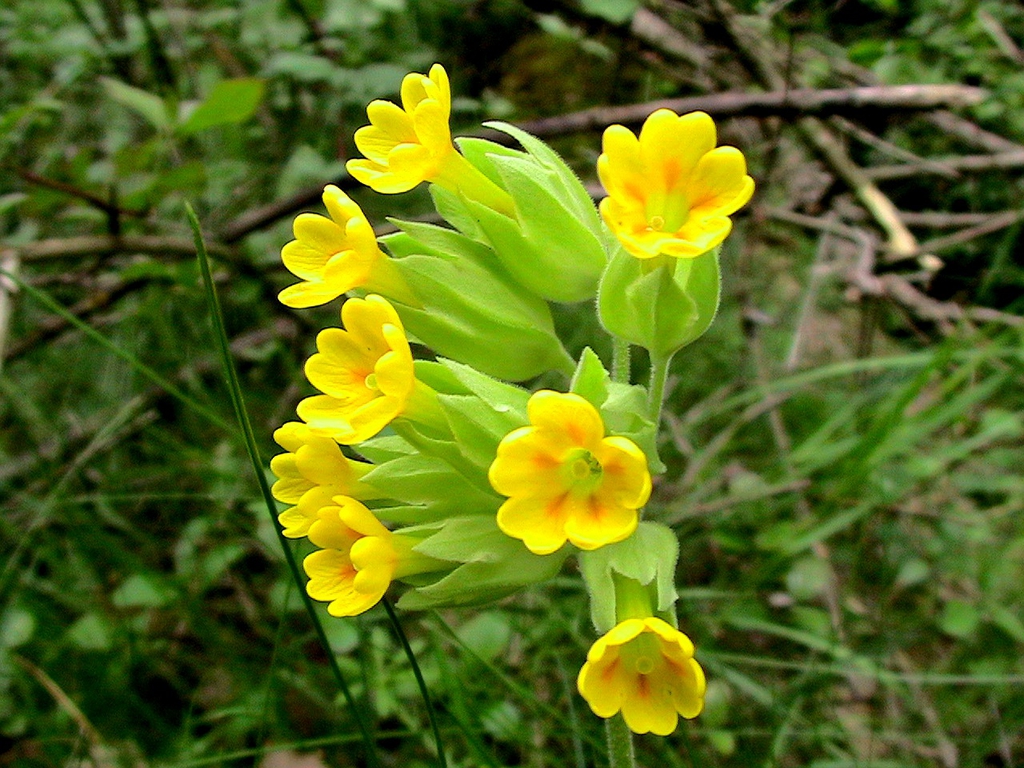
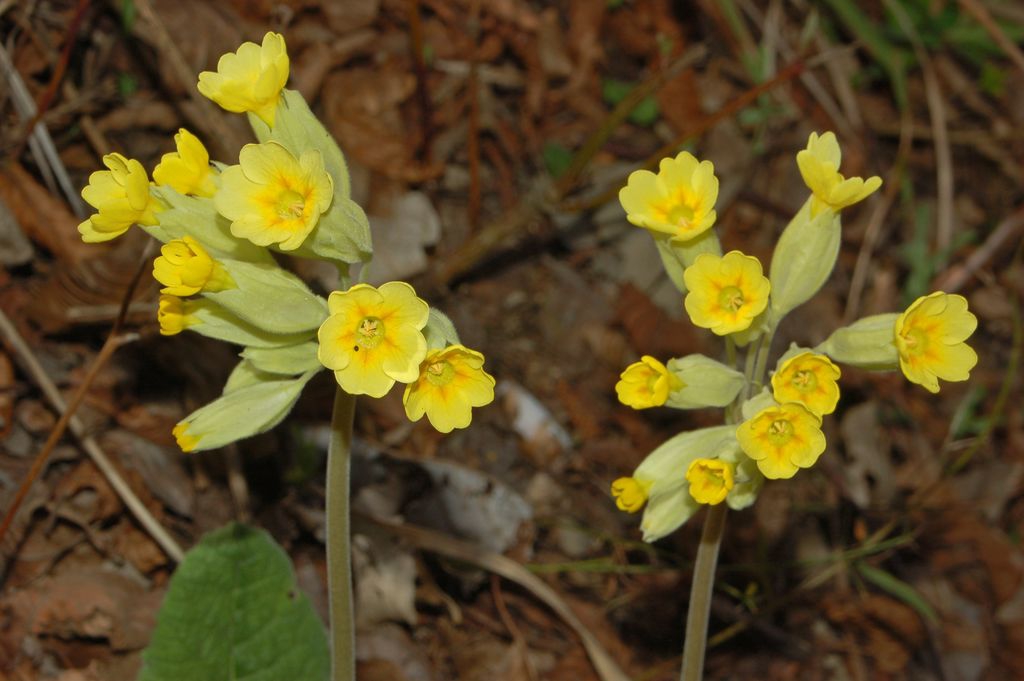
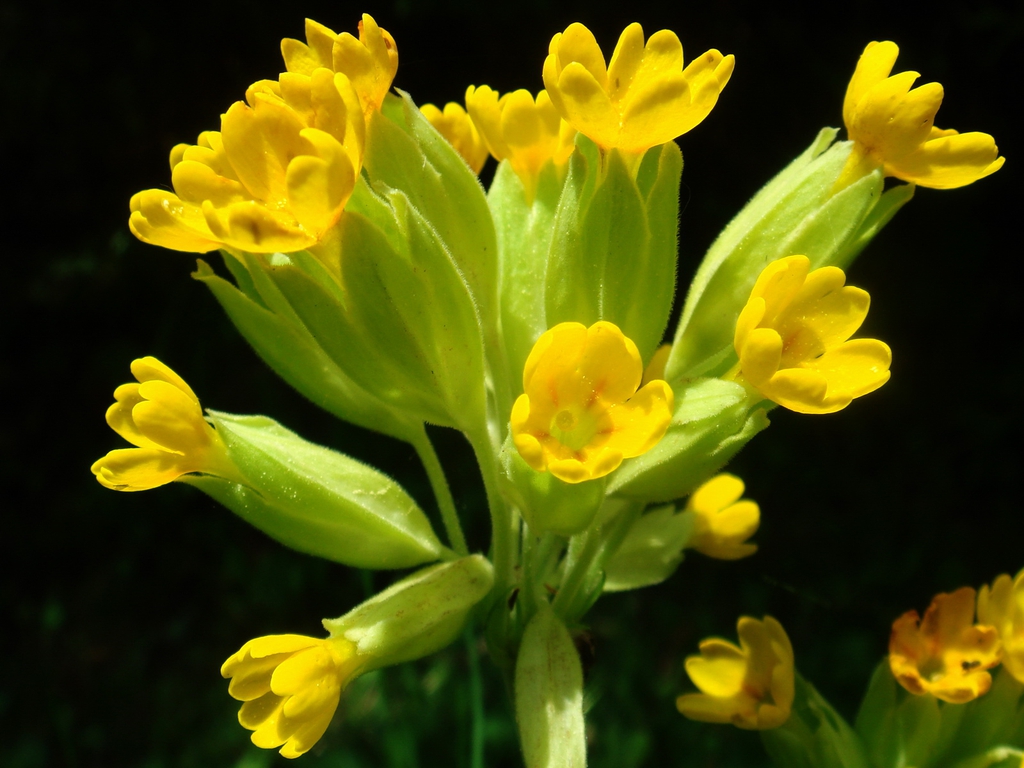
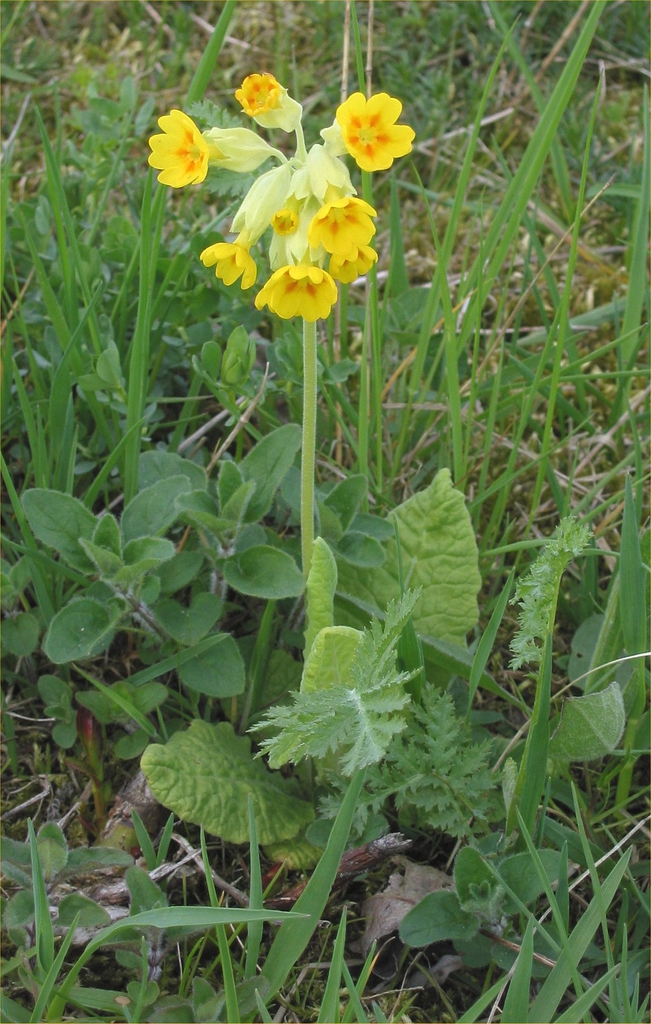
Cowslip primrose is a small, flowering, herbaceous perennial in the primrose family. At maturity (2 to 5 years after planting), it will reach a height of about 9 inches. It produces a multitude of fragrant, yellow, tubular flowers in early to mid-spring that glow against the soft, green, crinkled leaves. The genus name is Latin for "little earliest one". The species name means spring flowering.
Cowslip primrose does best in moist, rich soils in part shade, but it has been known to tolerate full sun if the climate is cool and if soils are kept consistently moist. It does less well in hot summer climates, which can cause problems for the foliage. It also tolerates muddy soil, but not standing water. Propagate by division in spring or by seed in spring for flowers the following spring. Because it spreads by self-seeding, you can merely wait for it to form colonies.
Cowslip primrose is considered the best primrose for southern gardens because it is more tolerant of heat and humidity than other types of primroses. It looks beautiful lining a shady path, in rock gardens, cottage gardens, or under trees. It can also be grown in pots.
Diseases, Insect Pests, and Other Plant Problems:
May be susceptible to leaf spot or gray mold, aphids, slugs, or red spider mite. The plant will need protection from winter moisture.
- See this plant in the following landscape :
- Cultivars / Varieties:
-
- Tags:


- Cultivars / Varieties:
-
- Tags:
-
-
Attributes:
- Genus:
- Primula
- Species:
- veris
- Family:
- Primulaceae
- Life Cycle:
- Perennial
- Recommended Propagation Strategy:
- Division
- Seed
- Country Or Region Of Origin:
- Europe and Western Asia, Iran, and Algeria
- Distribution:
- Naturalized in eastern North America from Quebec south to Connecticut. Also found to the west in British Columbia.
- Wildlife Value:
- Attracts butterflies
- Dimensions:
- Height: 0 ft. 6 in. - 0 ft. 9 in.
- Width: 0 ft. 3 in. - 0 ft. 6 in.
-
-
Whole Plant Traits:
- Plant Type:
- Herbaceous Perennial
- Woody Plant Leaf Characteristics:
- Semi-evergreen
- Habit/Form:
- Clumping
- Maintenance:
- Low
-
-
Cultural Conditions:
- Light:
- Dappled Sunlight (Shade through upper canopy all day)
- Full sun (6 or more hours of direct sunlight a day)
- Partial Shade (Direct sunlight only part of the day, 2-6 hours)
- Soil Texture:
- Clay
- High Organic Matter
- Loam (Silt)
- Soil pH:
- Acid (<6.0)
- Alkaline (>8.0)
- Neutral (6.0-8.0)
- Soil Drainage:
- Good Drainage
- Moist
- NC Region:
- Coastal
- Mountains
- Piedmont
- USDA Plant Hardiness Zone:
- 3a, 3b, 4a, 4b, 5a, 5b, 6a, 6b, 7a, 7b, 8a, 8b
-
-
Fruit:
- Display/Harvest Time:
- Summer
-
-
Flowers:
- Flower Color:
- Gold/Yellow
- Flower Inflorescence:
- Umbel
- Flower Value To Gardener:
- Fragrant
- Showy
- Flower Bloom Time:
- Spring
- Flower Shape:
- Tubular
- Flower Size:
- < 1 inch
- Flower Description:
- Stems are topped by 10 to 30, drooping, small, fragrant, funnel-shaped, yellow flowers. Each flowers is 1/2 to 3/4 of an inch long.
-
-
Leaves:
- Woody Plant Leaf Characteristics:
- Semi-evergreen
- Leaf Color:
- Green
- Leaf Feel:
- Soft
- Leaf Type:
- Simple
- Leaf Shape:
- Lanceolate
- Ovate
- Leaf Margin:
- Dentate
- Hairs Present:
- Yes
- Leaf Length:
- 3-6 inches
- Leaf Description:
- Soft, green, fuzzy, irregularly-toothed, basal leaves with soft-hairy undersides form a rosette 4 inches tall.
-
-
Stem:
- Stem Is Aromatic:
- No
- Stem Form:
- Straight
- Stem Description:
- Naked, upright flowering stems rise in above the foliage 6 to 8 inches tall,
-
-
Landscape:
- Landscape Location:
- Container
- Meadow
- Rock Wall
- Walkways
- Woodland
- Landscape Theme:
- Cottage Garden
- Rock Garden
- Shade Garden
- Design Feature:
- Border
- Small groups
- Attracts:
- Bees
- Butterflies
- Resistance To Challenges:
- Heat
- Humidity