



Polystichum polyblepharum
Common Name(s):
Previously known as:
- Polystichum setosum
- Phonetic Spelling
- pol-IS-tick-um pol-ee-BLEF-ar-um
- Description
-
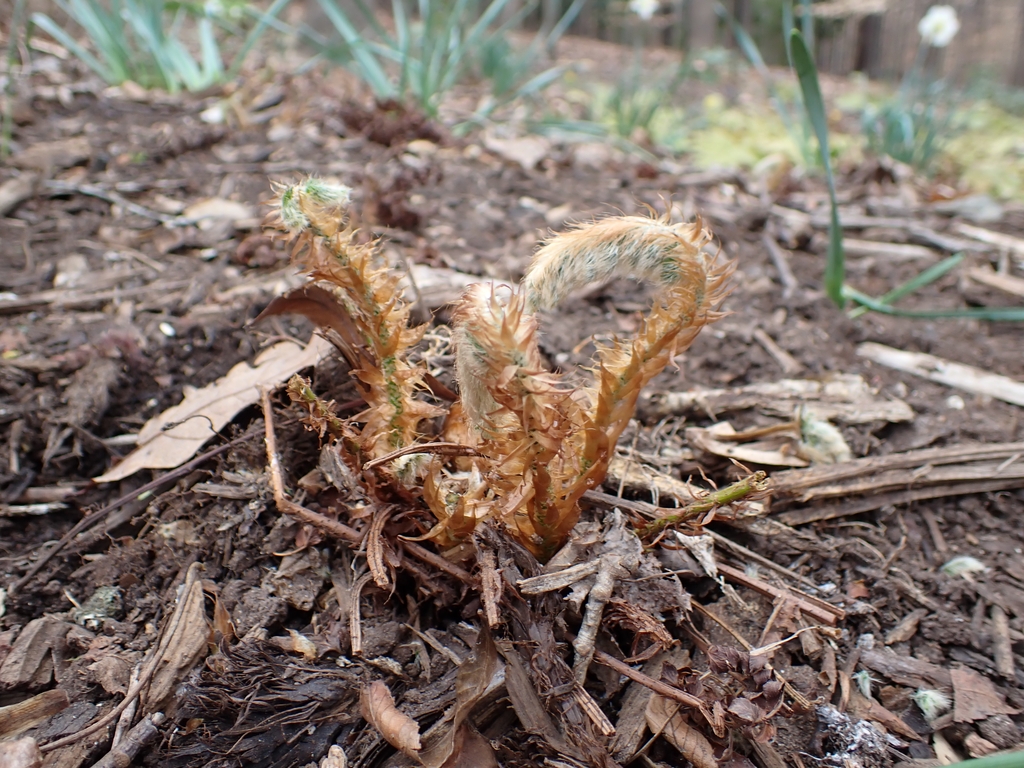
The tassel fern is an herbaceous perennial named for the distinctive behavior of its emerging fiddleheads. As they unfurl, the young fronds briefly arch backward, creating the appearance of a decorative tassel before gradually straightening into mature, glossy evergreen fronds. The species epithet, polyblepharum, is Greek for many eyelashes, referring to the bristly scales on the stipe and rachis. The tassel fern is native to southeast China, Japan and Korea. It is a member of the polypody family (Polypodiaceae).
The tassel fern thrives in a shaded environment, if planted in organically rich, moist, well-drained soil in zones 5-8. It can tolerate short periods of drought but not standing water.
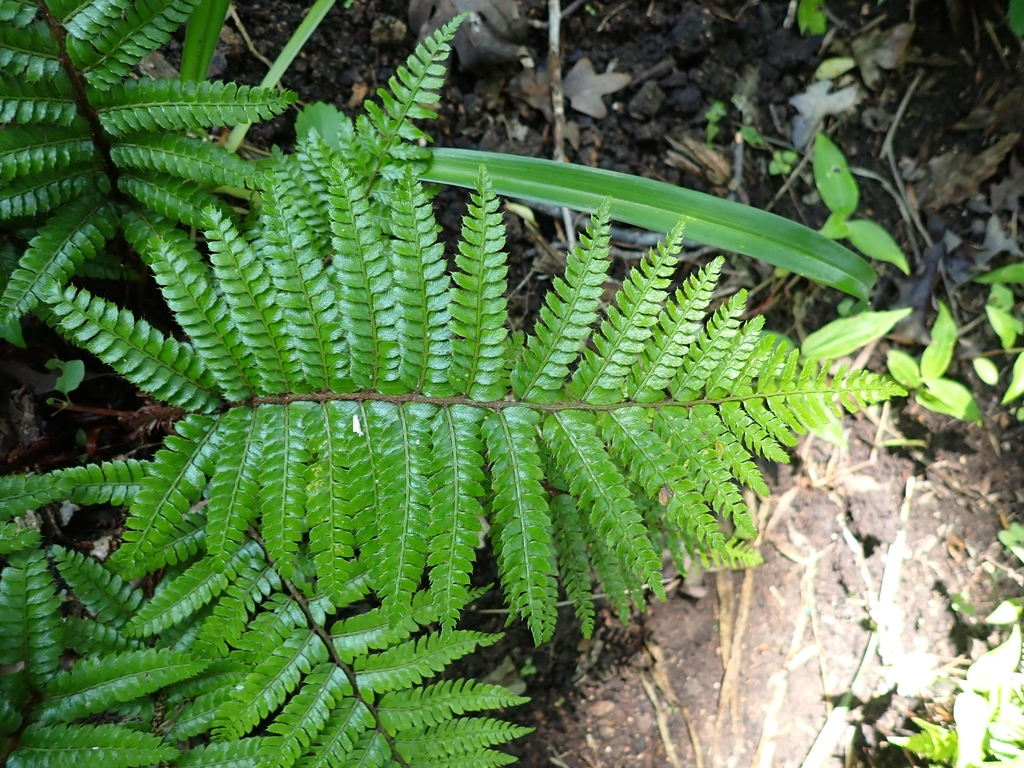
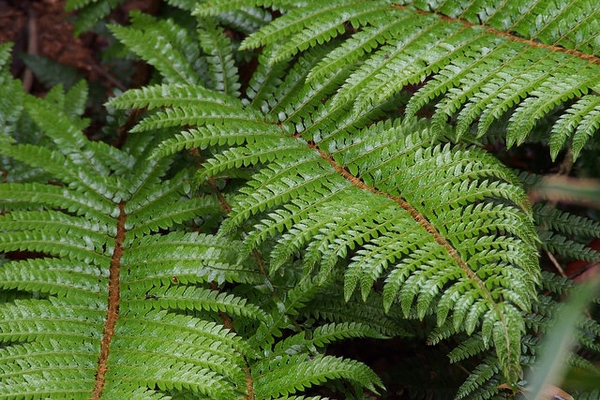
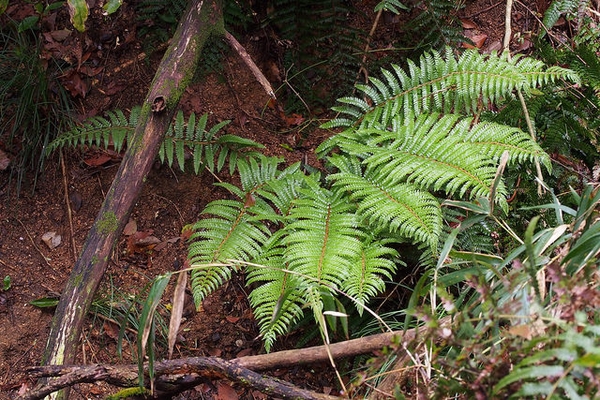
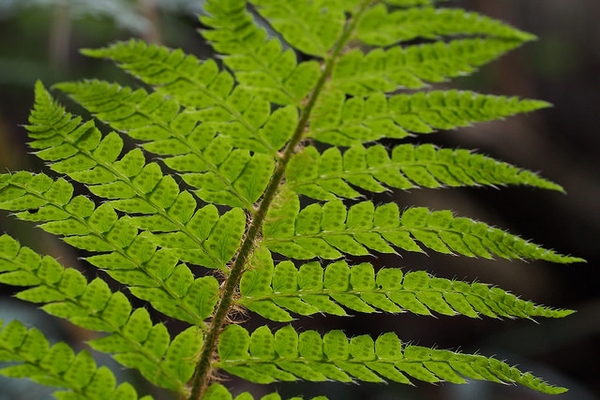
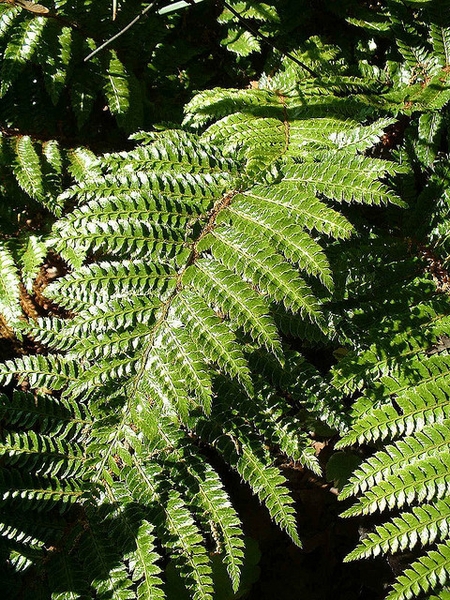
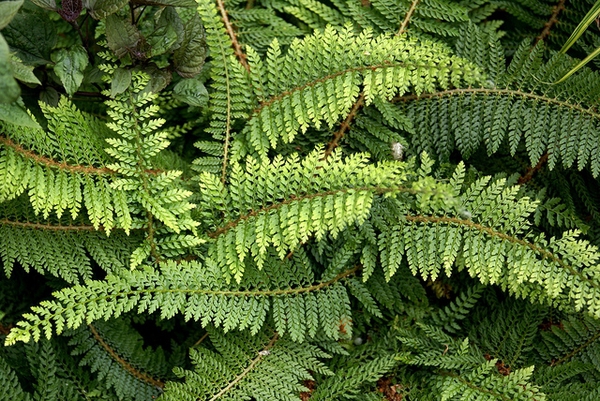
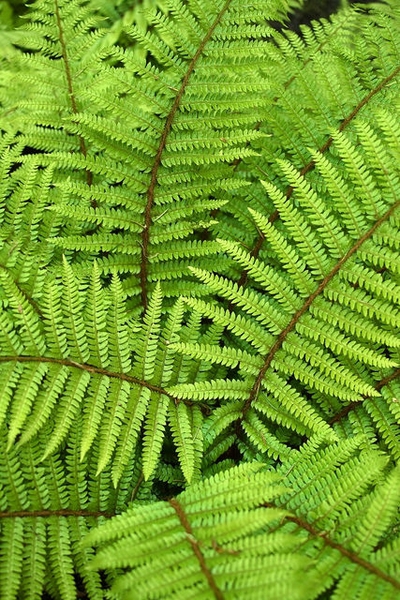
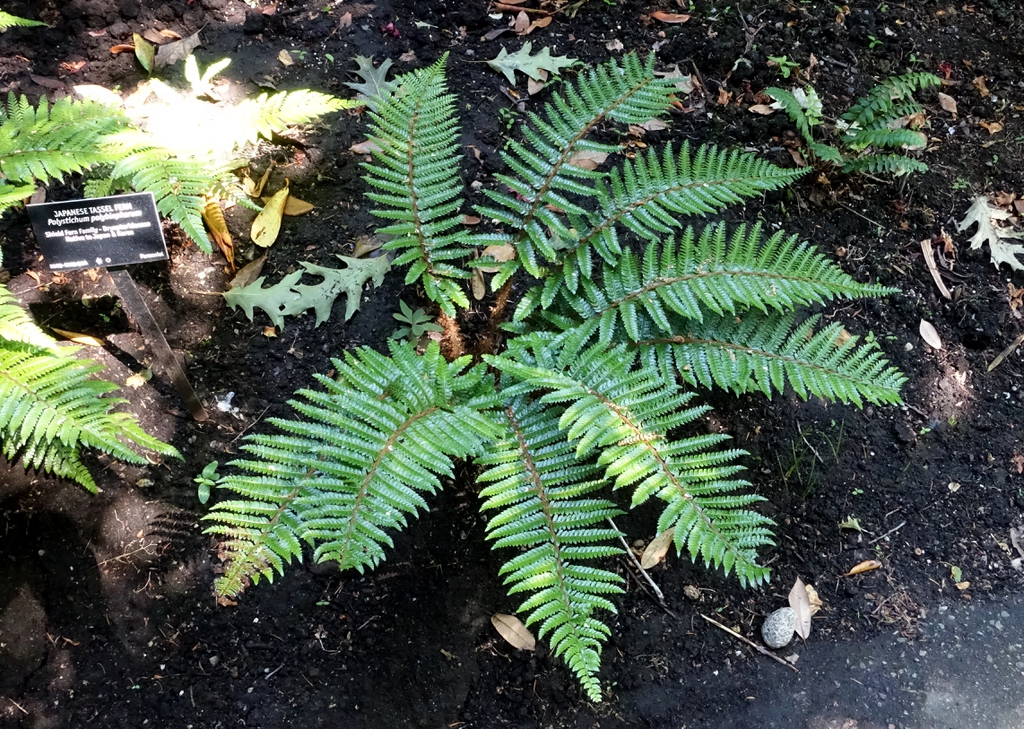
The fronds are dark green, glossy, bipinnate and are described as resembling and erect shuttlecock-like shape. The fronds with overlapping pinnae are showy and are excellent companions in flower arrangements. The stems are coated with bristly scales.
This versatile fern is an excellent choice for partial shade to shade areas in the garden including borders, foundations, or naturalized areas. As an Asian evergreen, it serves well in winter, woodland, cottage and Asian gardens.
Quick ID hints
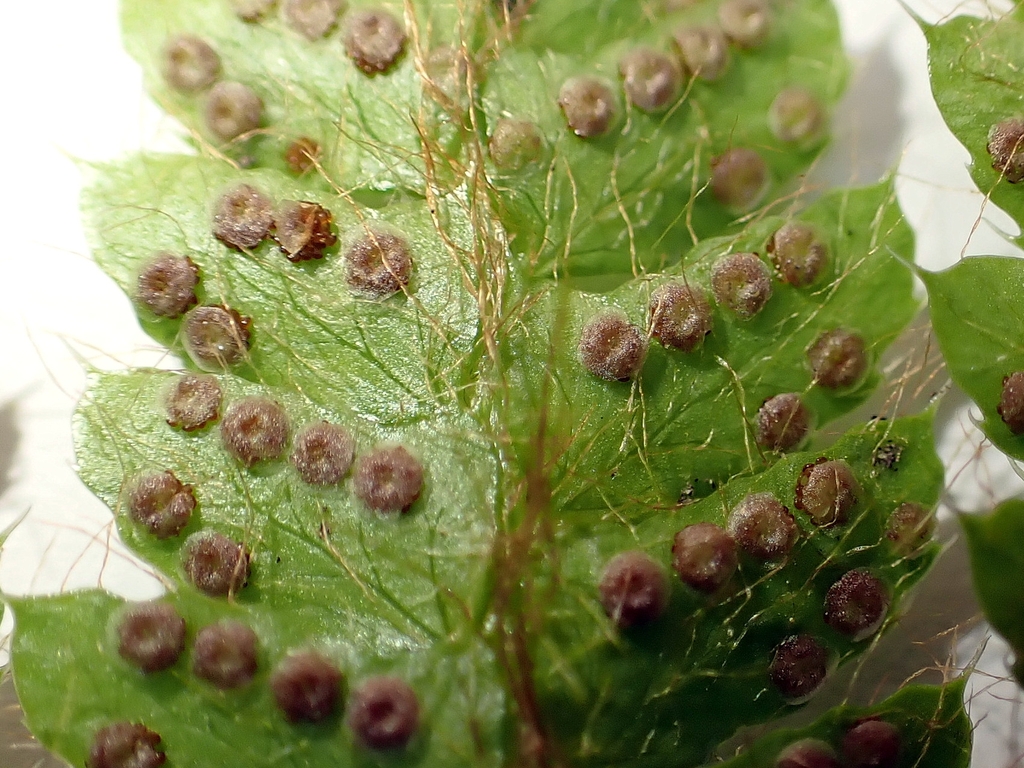
- The stipe is covered with silver scales.
- The fronds are glossy, dark green, evergreen, lance-shaped,
- Young fronds have long golden hairs
- The pinnae are alternate, overlapping and bipinnate
Insects, Diseases, and Other Plant Problems: Crown rot in poorly drained soil particularly in winter.
VIDEO Created by NC State Extension's Homegrown series featuring Mark Weathington, Director of JC Raulston Arboretum.
- Profile Video:
- See this plant in the following landscape :
- Shade Garden at the New Hanover County Arboretum
- Cultivars / Varieties:
-
- Tags:


- Cultivars / Varieties:
-
- Tags:
-
-
Attributes:
- Genus:
- Polystichum
- Species:
- polyblepharum
- Family:
- Polypodiaceae
- Life Cycle:
- Perennial
- Recommended Propagation Strategy:
- Division
- Country Or Region Of Origin:
- China , South Korea and Japan
- Distribution:
- Southeast Asia
- Particularly Resistant To (Insects/Diseases/Other Problems):
- Heavy shade, This plant is seldom damaged by deer or rabbits.
- Dimensions:
- Height: 1 ft. 0 in. - 2 ft. 0 in.
- Width: 1 ft. 0 in. - 2 ft. 0 in.
-
-
Whole Plant Traits:
- Plant Type:
- Fern
- Woody Plant Leaf Characteristics:
- Broadleaf Evergreen
- Habit/Form:
- Vase
- Growth Rate:
- Medium
- Maintenance:
- Low
- Texture:
- Fine
-
-
Cultural Conditions:
- Light:
- Dappled Sunlight (Shade through upper canopy all day)
- Deep shade (Less than 2 hours to no direct sunlight)
- Partial Shade (Direct sunlight only part of the day, 2-6 hours)
- Soil Texture:
- High Organic Matter
- Loam (Silt)
- Soil Drainage:
- Good Drainage
- Available Space To Plant:
- 12 inches-3 feet
- USDA Plant Hardiness Zone:
- 5a, 5b, 6a, 6b, 7a, 7b, 8a, 8b
-
-
Fruit:
- Fruit Description:
- No fruits. This plants reproduces via spores.
-
-
Flowers:
- Flower Description:
- No flowers.
-
-
Leaves:
- Woody Plant Leaf Characteristics:
- Broadleaf Evergreen
- Leaf Color:
- Gold/Yellow
- Green
- Leaf Type:
- Compound (Pinnately , Bipinnately, Palmately)
- Fronds
- Leaf Arrangement:
- Rosulate
- Leaf Shape:
- Lanceolate
- Hairs Present:
- Yes
- Leaf Length:
- > 6 inches
- Leaf Description:
- Lance-shaped, shiny, bipinnate, dark green fronds (to 1-2’ long) come out from a central crown. They are finely divided with golden hairs and have overlapping pinnae. As fronds unfurl, crosiers flip over backward to form lax tassels, hence the common name. Tassles disappear as fronds mature and flatten. Bristly scales are found on the stipe and rachis.
-
-
Stem:
- Stem Is Aromatic:
- No
-
-
Landscape:
- Landscape Location:
- Naturalized Area
- Small Space
- Woodland
- Landscape Theme:
- Asian Garden
- Cottage Garden
- Cutting Garden
- Shade Garden
- Winter Garden
- Design Feature:
- Border
- Foundation Planting
- Resistance To Challenges:
- Deer
- Heavy Shade
- Rabbits



