


Parthenium integrifolium
Common Name(s):
- Phonetic Spelling
- par-THEN-ee-um in-teg-ree-FOH-lee-um
- Description
-
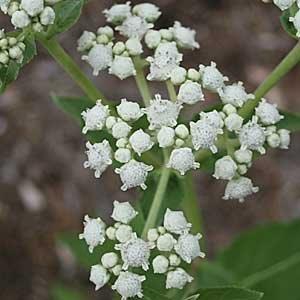
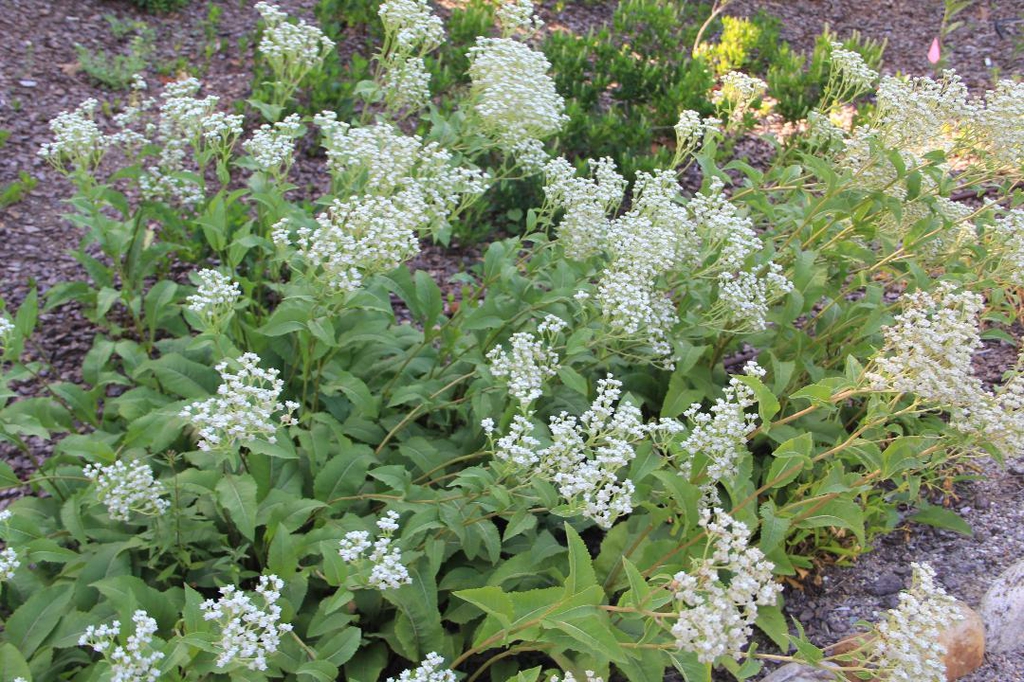
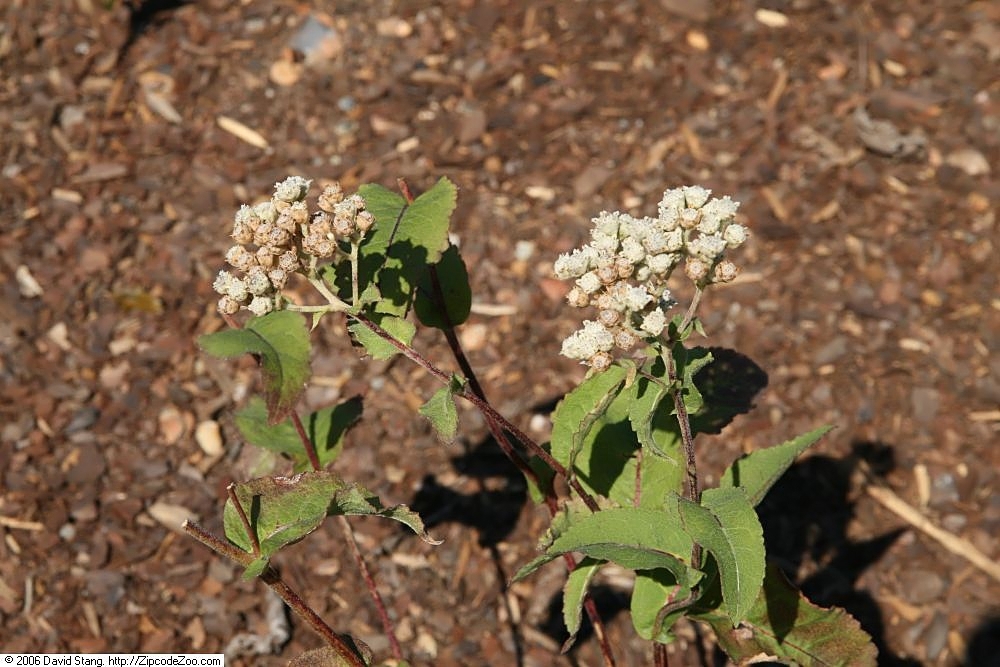
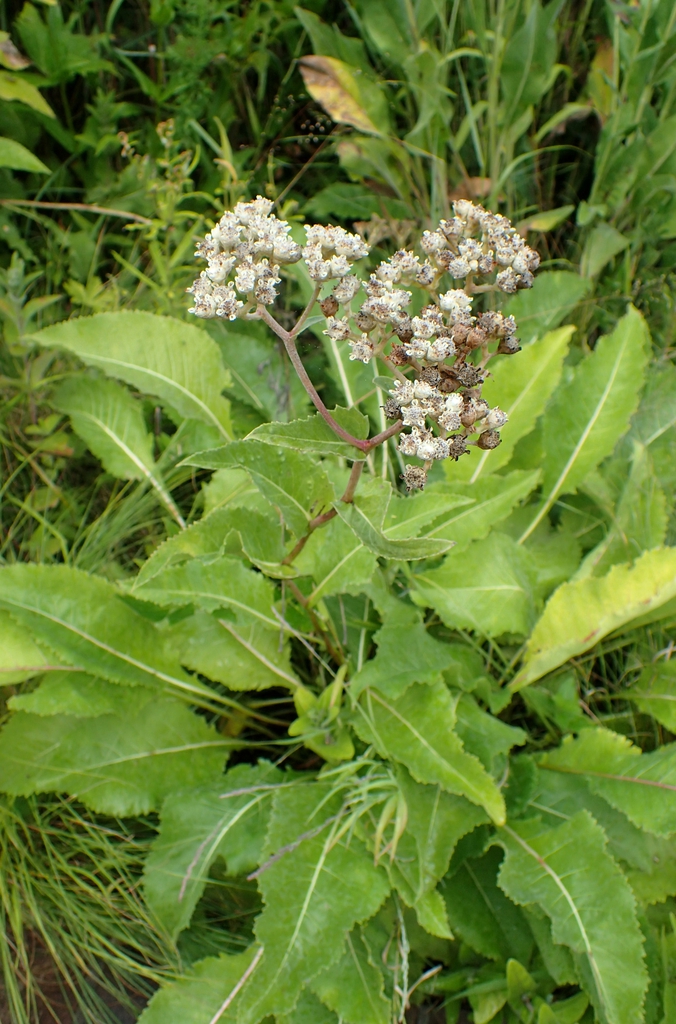
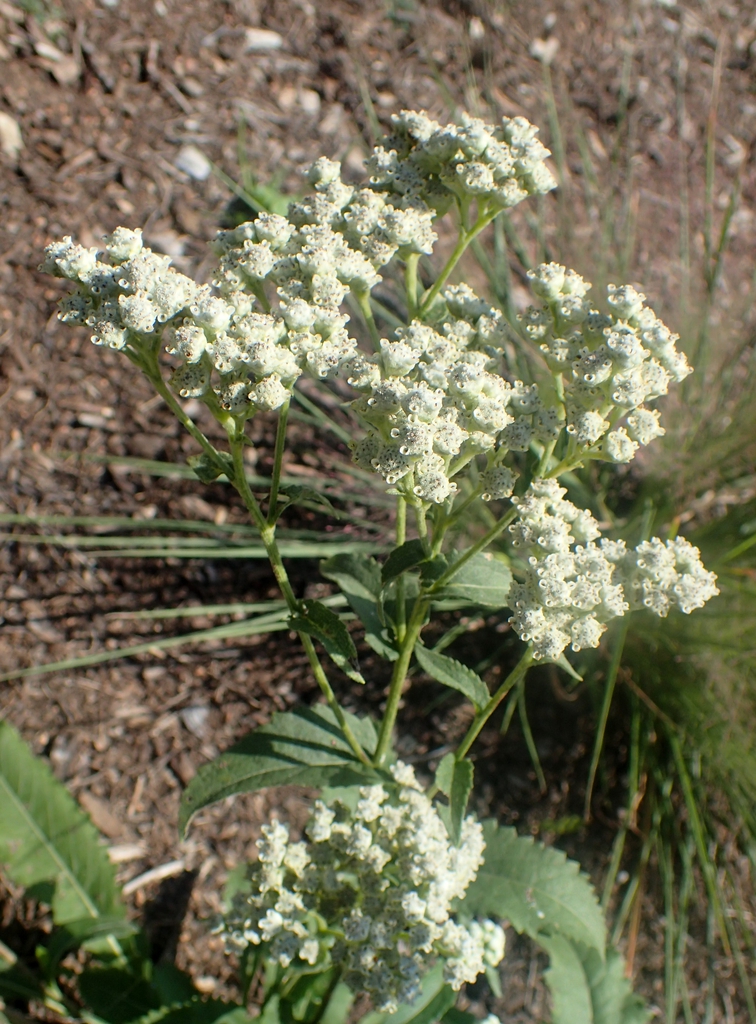
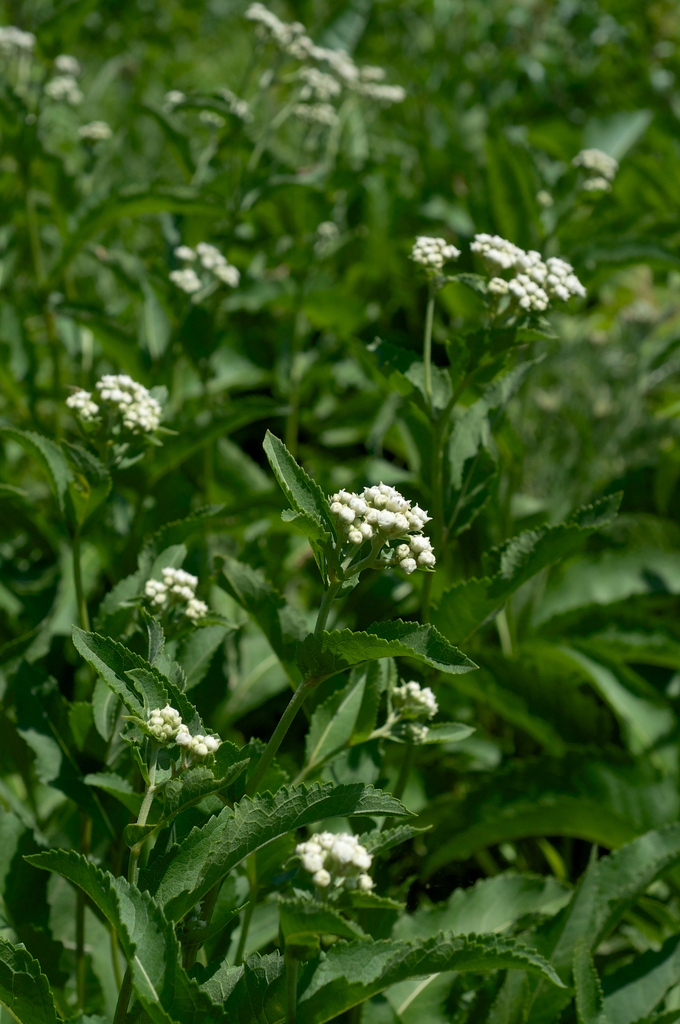
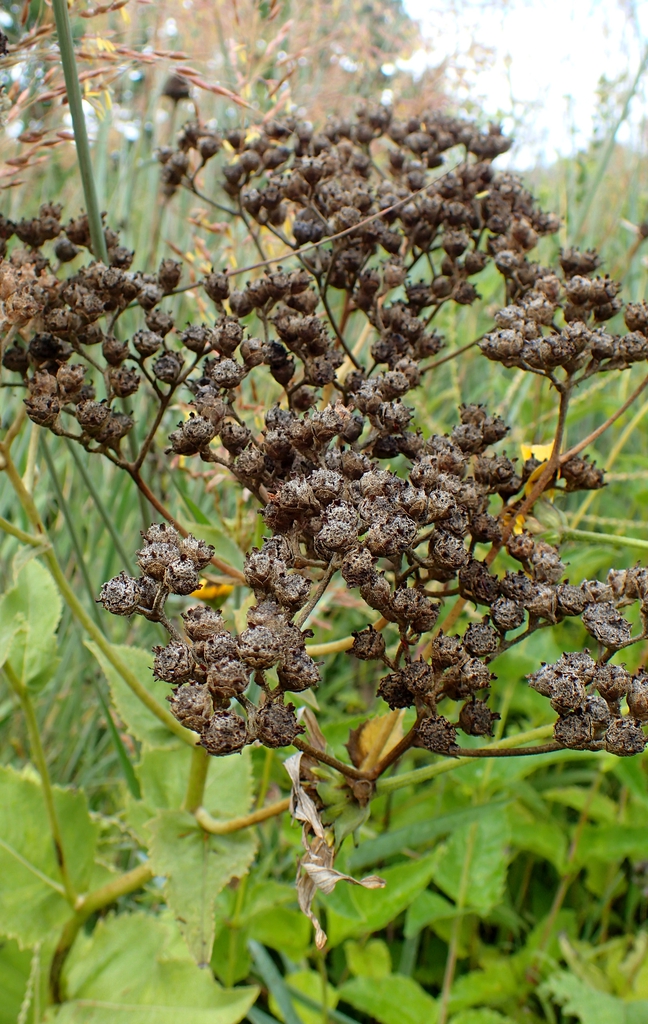
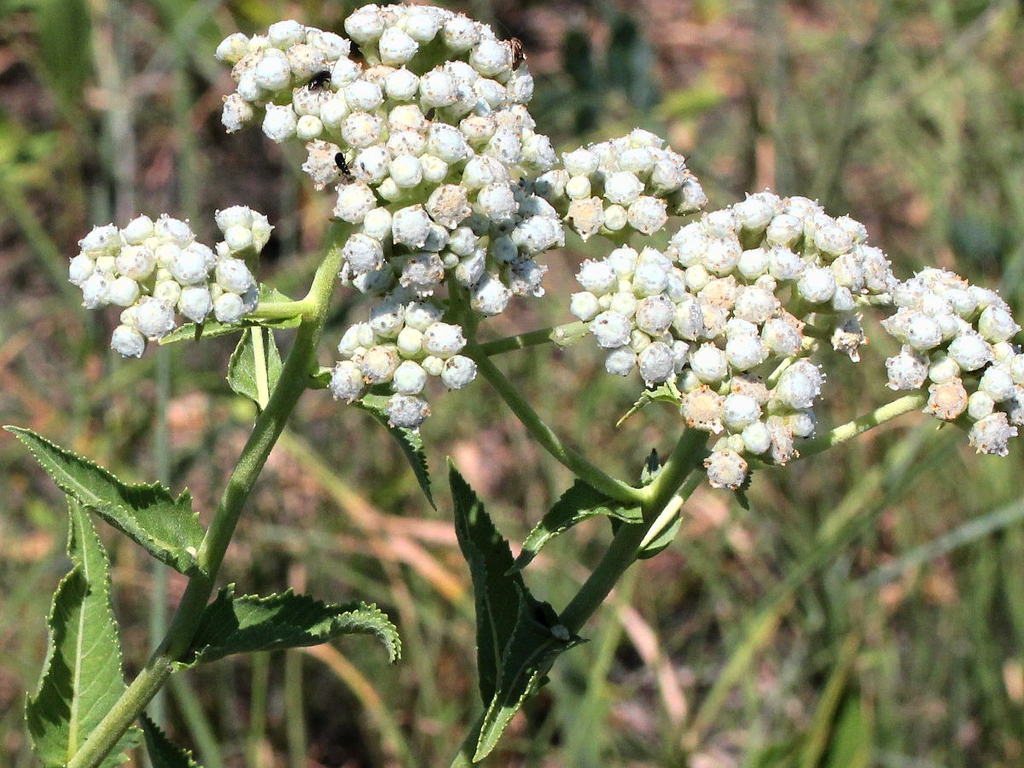
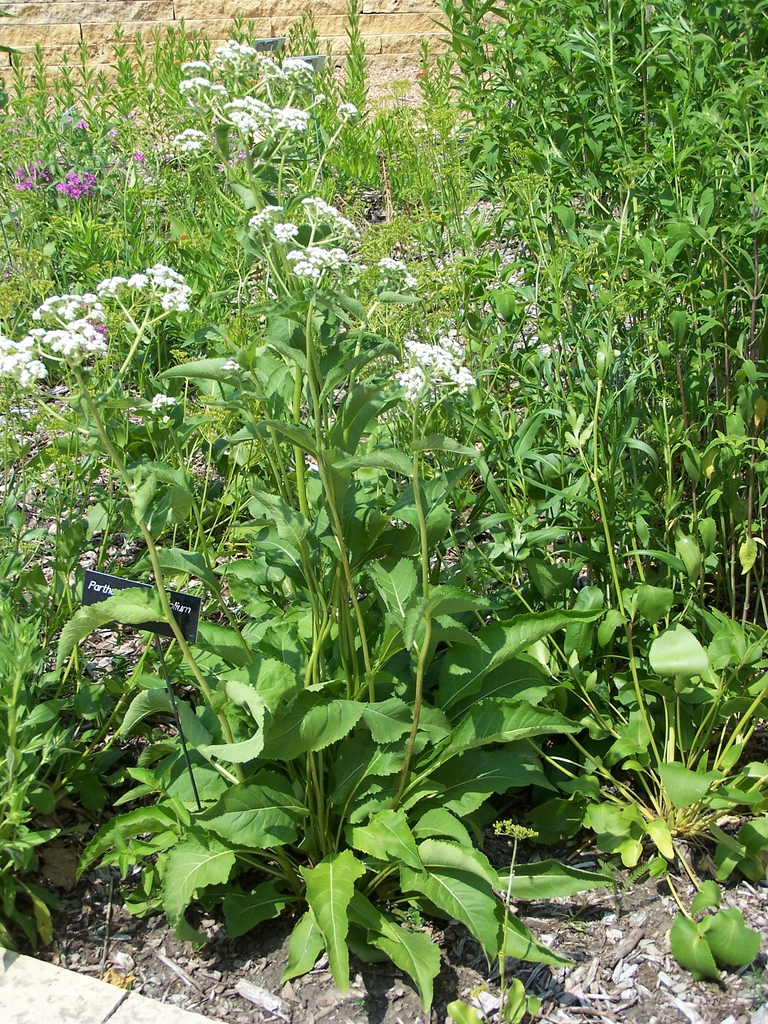
Wild Quinine is a flowering herbaceous perennial native to the eastern United States in the daisy family. It is a relatively small plant reaching 4 inches high at maturity with a spread of about 2 inches. This plant has a long bloom cycle with clusters of white flowers, similar to a head of cauliflower, that last from May through September. The leaves are aromatic, rough with tiny hairs, and toothed. In nature, the plant can be found growing in prairies, the margins of deciduous woods, fields, and rocky woods.The genus name comes from the Greek for "virgin", refering to the fertile ray florets and infertile disk florets. The species name means "with entire or uncut leaves".
Wild Quinine does best in average, dry to medium, well-drained soil in full sun. It will tolerate some shade and poor soils, including clay and rocky sites. Established plants are easy to grow, but transplants can be problematic. Transplants can best succeed if put into the ground after hard frost ends, but before active growth begins in late spring. Wild Quinine is a hardy addition to the garden as it is tolerant of both hot and cold weather.
Wild Quinine is native to North Carolina and widespread in the state. The Catawba Indians and other tribes in the southeastern United States used wild quinine for medicinal and veterinary purposes. The leaves contain tannin, which is thought to be beneficial for treating burns. This plant can become weedy and may displace other vegetation if not properly managed.
Diseases, Insect Pests, and Other Plant Problems:
No known diseases or insect pests.
- See this plant in the following landscape :
- Cultivars / Varieties:
-
- Parthenium integrifolium var. integrifolium
Abundant in the Coastal Plain, Piedmont, and low Mountains. Scarce in Sandhills. - Parthenium integrifolium var. mabryanum
Most often encountered in the Sandhills.
- Parthenium integrifolium var. integrifolium
- Parthenium integrifolium var. integrifolium, Parthenium integrifolium var. mabryanum
- Tags:


- Cultivars / Varieties:
-
- Parthenium integrifolium var. integrifolium
Abundant in the Coastal Plain, Piedmont, and low Mountains. Scarce in Sandhills. - Parthenium integrifolium var. mabryanum
Most often encountered in the Sandhills.
- Parthenium integrifolium var. integrifolium
- Parthenium integrifolium var. integrifolium, Parthenium integrifolium var. mabryanum
- Tags:
-
-
Attributes:
- Genus:
- Parthenium
- Species:
- integrifolium
- Family:
- Asteraceae
- Life Cycle:
- Perennial
- Recommended Propagation Strategy:
- Seed
- Country Or Region Of Origin:
- Eastern and central United States.
- Distribution:
- New York south to Georgia, west to Texas and north to Great Lakes.
- Wildlife Value:
- Attracts bees, wasps, and beetles.
- Play Value:
- Wildlife Food Source
- Dimensions:
- Height: 2 ft. 0 in. - 4 ft. 0 in.
- Width: 1 ft. 0 in. - 2 ft. 0 in.
-
-
Whole Plant Traits:
- Plant Type:
- Herbaceous Perennial
- Native Plant
- Wildflower
- Habit/Form:
- Clumping
- Erect
- Growth Rate:
- Medium
- Maintenance:
- Low
- Texture:
- Coarse
-
-
Cultural Conditions:
- Light:
- Full sun (6 or more hours of direct sunlight a day)
- Soil Texture:
- Clay
- Loam (Silt)
- Sand
- Shallow Rocky
- Soil pH:
- Alkaline (>8.0)
- Neutral (6.0-8.0)
- Soil Drainage:
- Good Drainage
- Moist
- Occasionally Dry
- Available Space To Plant:
- Less than 12 inches
- NC Region:
- Coastal
- Mountains
- Piedmont
- USDA Plant Hardiness Zone:
- 4a, 4b, 5a, 5b, 6a, 6b, 7a, 7b, 8a, 8b
-
-
Flowers:
- Flower Color:
- White
- Flower Inflorescence:
- Corymb
- Head
- Flower Value To Gardener:
- Good Cut
- Good Dried
- Long Bloom Season
- Flower Bloom Time:
- Fall
- Summer
- Flower Petals:
- 4-5 petals/rays
- Flower Size:
- < 1 inch
- Flower Description:
- White flowers in compact heads clustered at the top of tall stems. Each flower head has five tiny ray flowers (1/12 of an inch) in broad, flat-topped, terminal corymbs from late spring to late summer. Only the ray flowers are fertile.
-
-
Leaves:
- Leaf Color:
- Green
- Leaf Feel:
- Leathery
- Rough
- Leaf Value To Gardener:
- Fragrant
- Leaf Type:
- Simple
- Leaf Arrangement:
- Alternate
- Leaf Shape:
- Cordate
- Lanceolate
- Ovate
- Leaf Margin:
- Entire
- Lobed
- Hairs Present:
- Yes
- Leaf Length:
- 3-6 inches
- Leaf Width:
- 3-6 inches
- Leaf Description:
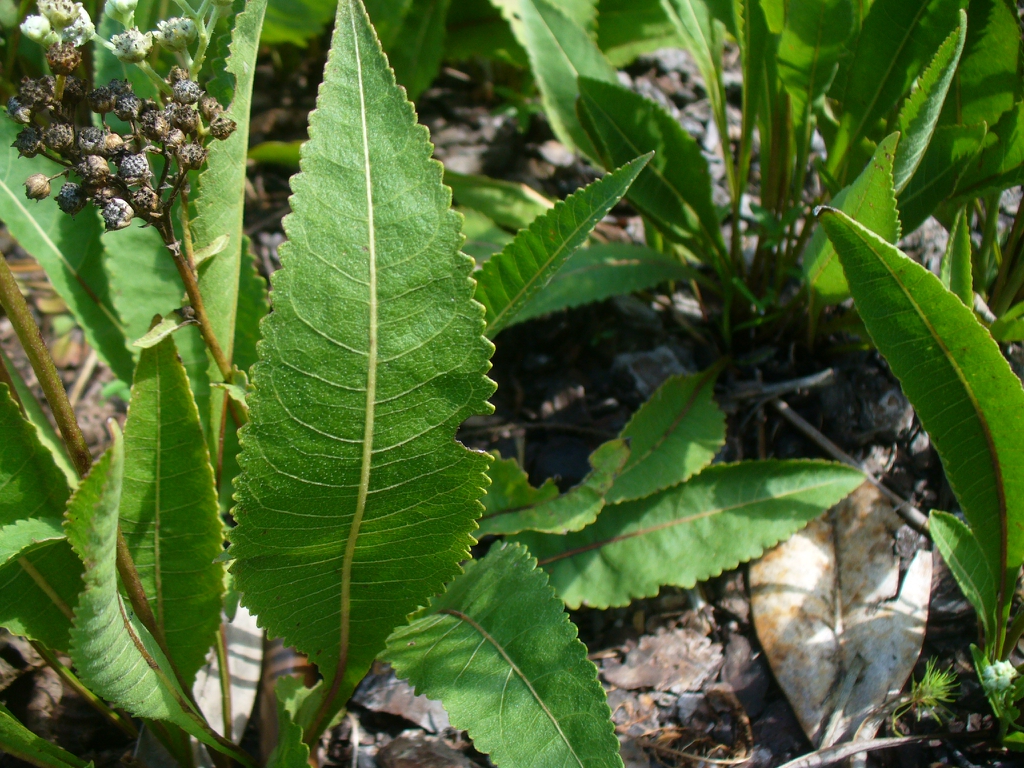
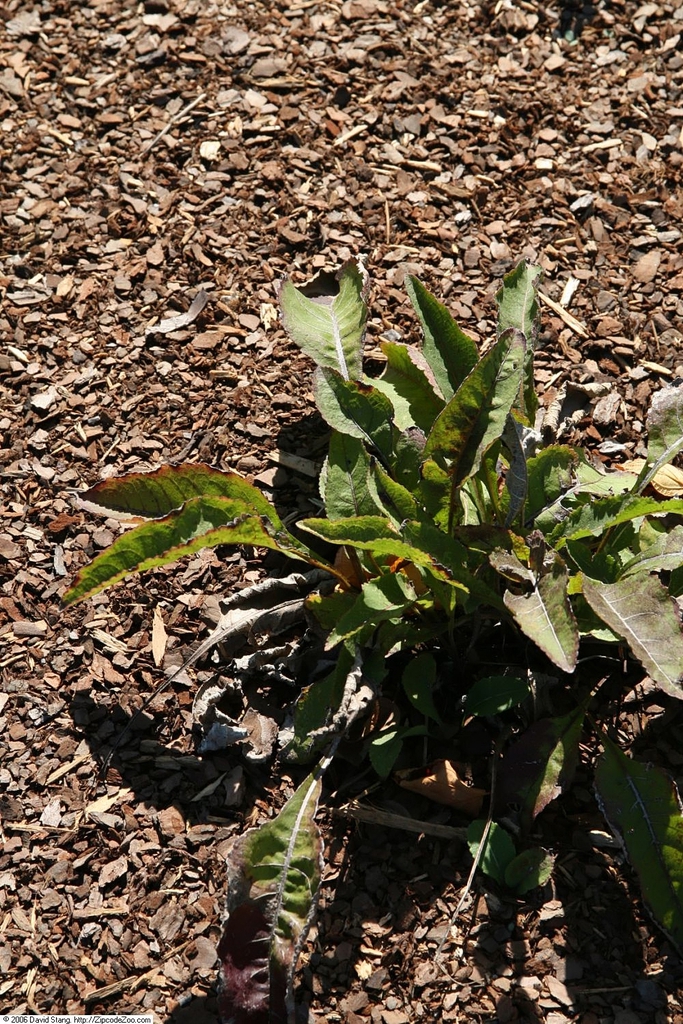
- Rough, thick leaves. Basal leaves (6 inches long, 4 inches wide) have long stalks. Upper stem alternate leaves are sessile. Stems and leaves have short, appressed hairs. Leaves are glandular and aromatic with a rough texture to both surfaces. The leaf margins are toothed and mostly entire, although some may exhibit coarse lobes at the base. Long-petioled basal leaves are much larger than cauline leaves (leaves on the stem).
-
-
Stem:
- Stem Is Aromatic:
- No
-
-
Landscape:
- Landscape Location:
- Meadow
- Naturalized Area
- Landscape Theme:
- Butterfly Garden
- Cottage Garden
- Native Garden
- Pollinator Garden
- Design Feature:
- Border
- Attracts:
- Bees
- Pollinators
- Resistance To Challenges:
- Drought
- Dry Soil
- Erosion
- Poor Soil