



Origanum majorana
Common Name(s):
Previously known as:
- Majorana hortensis
- Phonetic Spelling
- oh-rih-GAY-num may-jor-AY-nah
- Description
-
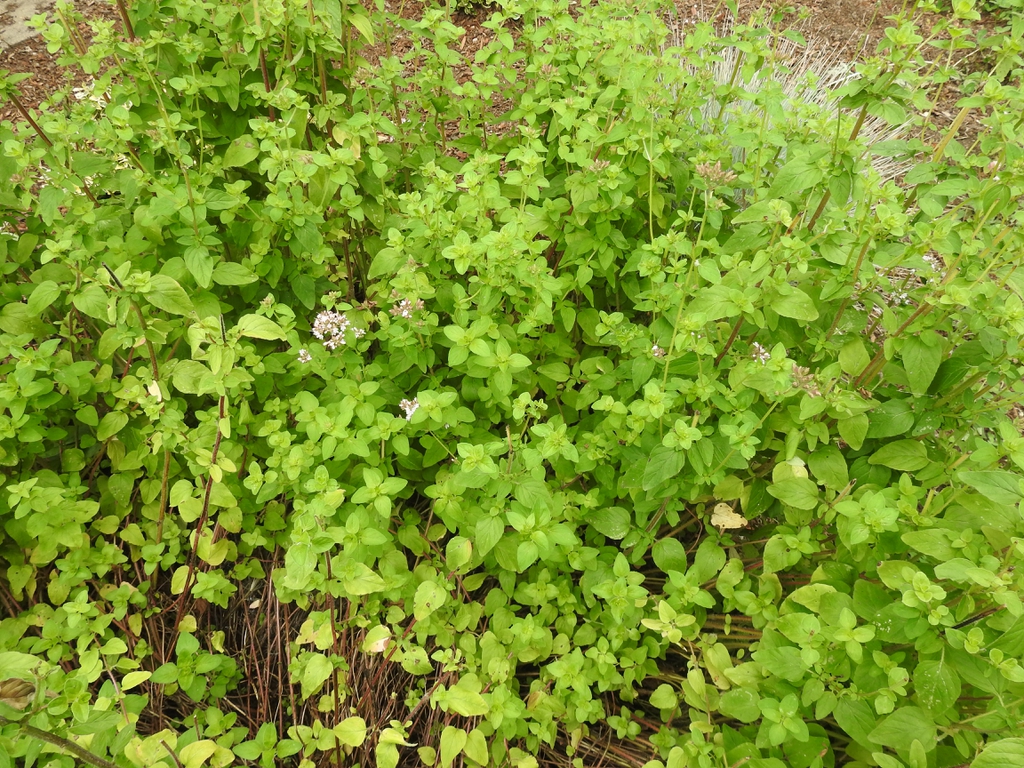
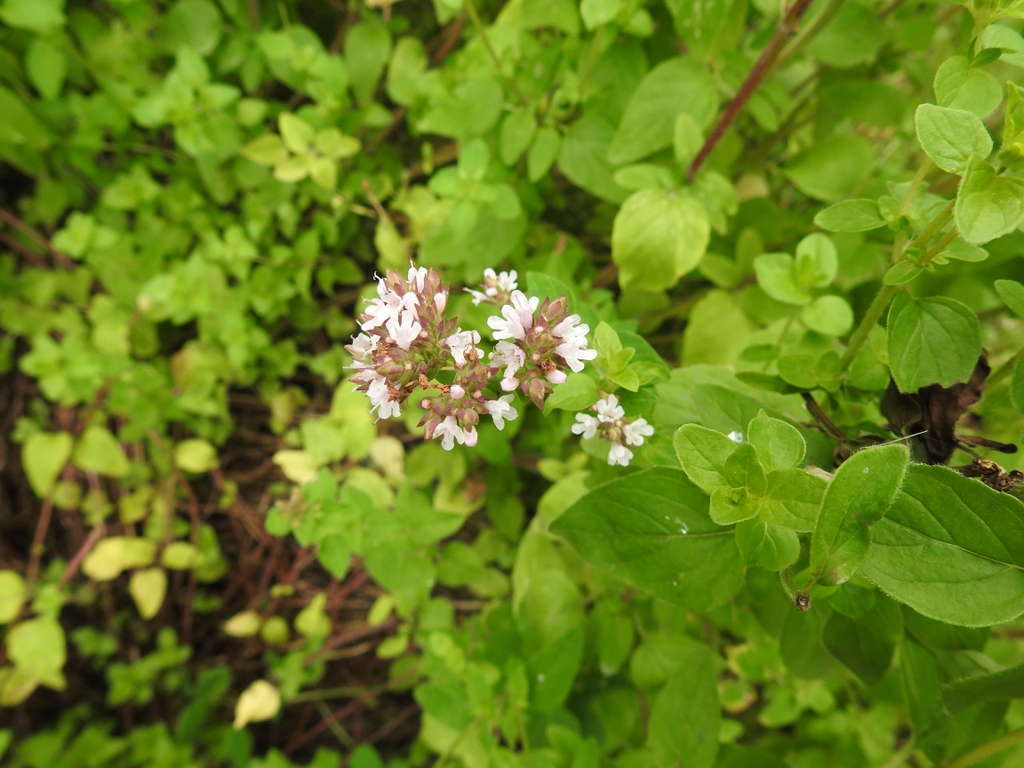
Sweet Marjoram is an edible, herbaceous perennial sub-shrub in the mint family native to Turkey and the countries surrounding the Mediterranean. It is relatively small, reaching 2 feet high and wide at maturity. The aromatic leaves are edible with their best flavor before the small white flowers bloom in summer. Marjorum leaves are a popular seasoning for soups, sauces, salads, stuffings, stews, roasts, vegetables and meats. The genus name derives from the Greek words oros meaning "mountain" and gamos meaning "beauty" in reference to the physical appearance of this plant.
Plant Sweet Marjoram in average, dry to medium moisture, well-drained soil in the full sun. It prefers sandy loam and requires good drainage to thrive. It has excellent drought and heat tolerance once established, making it a good choice for hot southern summers. To plant from seed, start seeds indoors about 6 to 8 weeks prior to the last spring frost date. Seed can also be sown directly outdoors about two weeks prior to last spring frost date. Container plants may be brought indoors in fall before frost, but they usually do not overwinter well.
Sweet Marjoram is a tender perennial and may not survive a winter north of USDA zone 9 where it is typically grown as an annual. Cut back stems before flowers appear to encourage bushy growth. Under ideal conditions, the plant can spread. Sweet Marjoram can be toxic for pets.
Insects, Diseases, and Other Plant Problems:
No serious insect or disease problems, but the plant will rot in poorly-drained, saturated soils.
- See this plant in the following landscape :
- Cultivars / Varieties:
-
- 'Compactum'
- 'Compactum'
- 'Compactum'
- Tags:


- Cultivars / Varieties:
-
- 'Compactum'
- 'Compactum'
- 'Compactum'
- Tags:
-
-
Attributes:
- Genus:
- Origanum
- Species:
- majorana
- Family:
- Lamiaceae
- Uses (Ethnobotany):
- It is widely cultivated as an annual culinary herb. Plant tops can be used to make a yellow dye.
- Life Cycle:
- Annual
- Perennial
- Recommended Propagation Strategy:
- Division
- Leaf Cutting
- Seed
- Country Or Region Of Origin:
- Cyprus and Turkey
- Distribution:
- Spain, Italy, Algeria, Greece and other Mediterranean countries; Britain and India.
- Wildlife Value:
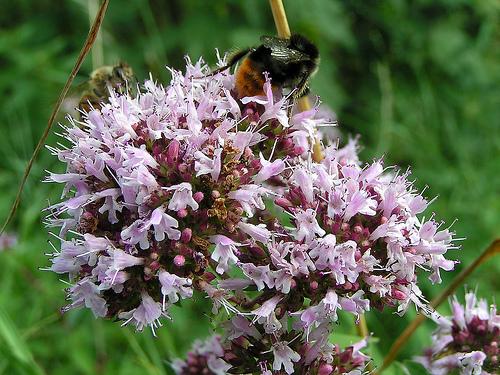
- Provides late-season nectar for bees.
- Edibility:
- Leaves and flowers in tea, flavoring. Sweet spicy flavor. Used for soups, stews, dressings and sauce. Harvest leaves before flowers bloom and use fresh or dried.
- Dimensions:
- Height: 1 ft. 0 in. - 2 ft. 0 in.
- Width: 1 ft. 0 in. - 2 ft. 0 in.
-
-
Whole Plant Traits:
- Plant Type:
- Herb
- Herbaceous Perennial
- Habit/Form:
- Dense
- Mounding
- Multi-stemmed
- Spreading
- Growth Rate:
- Medium
- Maintenance:
- Low
-
-
Cultural Conditions:
- Light:
- Full sun (6 or more hours of direct sunlight a day)
- Soil Texture:
- Loam (Silt)
- Sand
- Shallow Rocky
- Soil pH:
- Alkaline (>8.0)
- Neutral (6.0-8.0)
- Soil Drainage:
- Good Drainage
- Occasionally Dry
- Available Space To Plant:
- 12 inches-3 feet
- NC Region:
- Coastal
- Mountains
- Piedmont
- USDA Plant Hardiness Zone:
- 9a, 9b, 10a, 10b
-
-
Flowers:
- Flower Color:
- Pink
- White
- Flower Inflorescence:
- Spike
- Flower Value To Gardener:
- Edible
- Fragrant
- Flower Bloom Time:
- Summer
- Flower Shape:
- Lipped
- Tubular
- Flower Petals:
- Bracts
- fused petals
- Flower Size:
- < 1 inch
- Flower Description:
- Tiny white or pale pink two-lipped tubular flowers with bracts at the base appear on spikes in late summer July through August.
-
-
Leaves:
- Leaf Color:
- Gray/Silver
- Green
- Leaf Value To Gardener:
- Edible
- Fragrant
- Good Dried
- Leaf Type:
- Simple
- Leaf Arrangement:
- Opposite
- Leaf Shape:
- Ovate
- Leaf Margin:
- Entire
- Hairs Present:
- Yes
- Leaf Length:
- 1-3 inches
- Leaf Description:
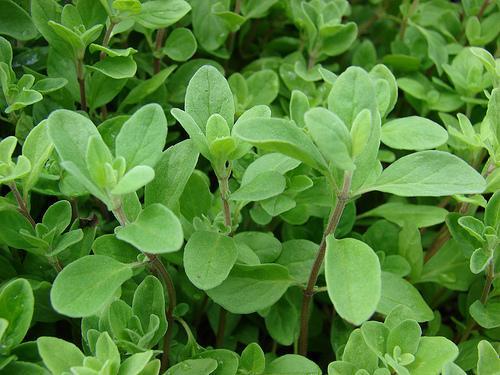
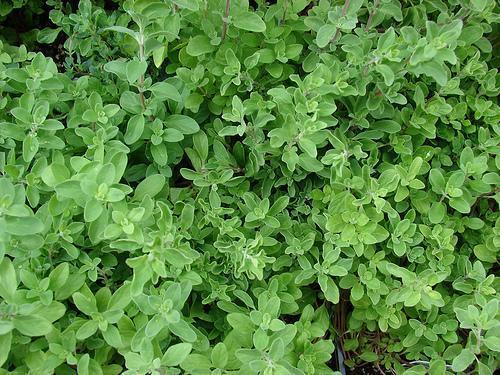
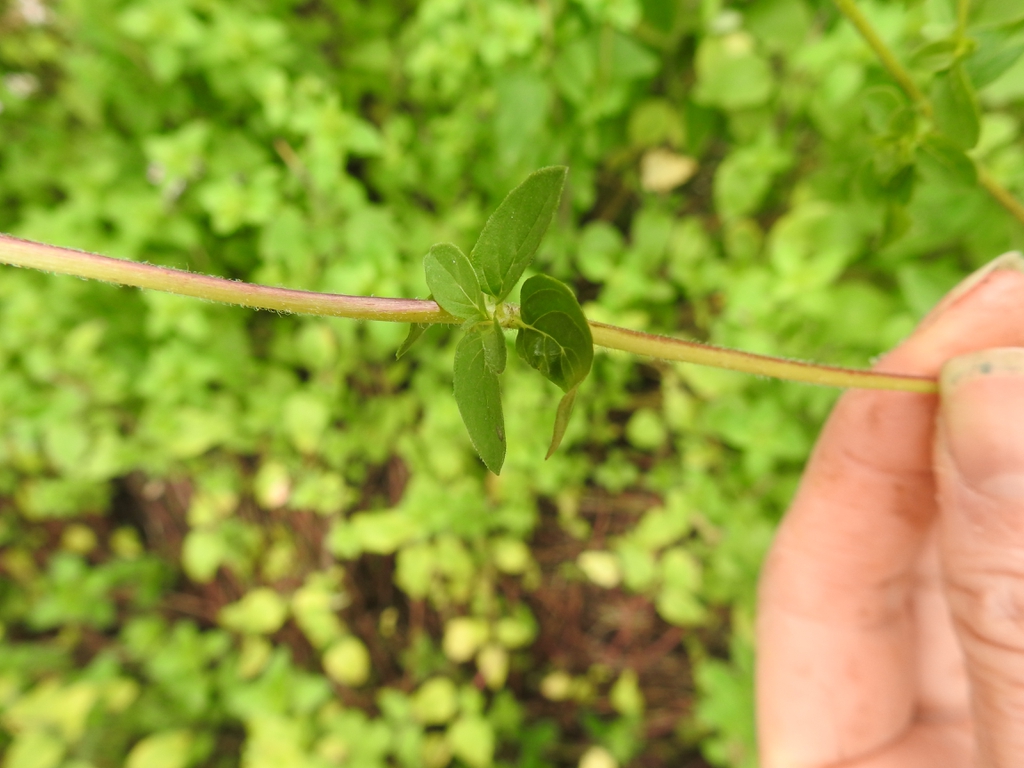
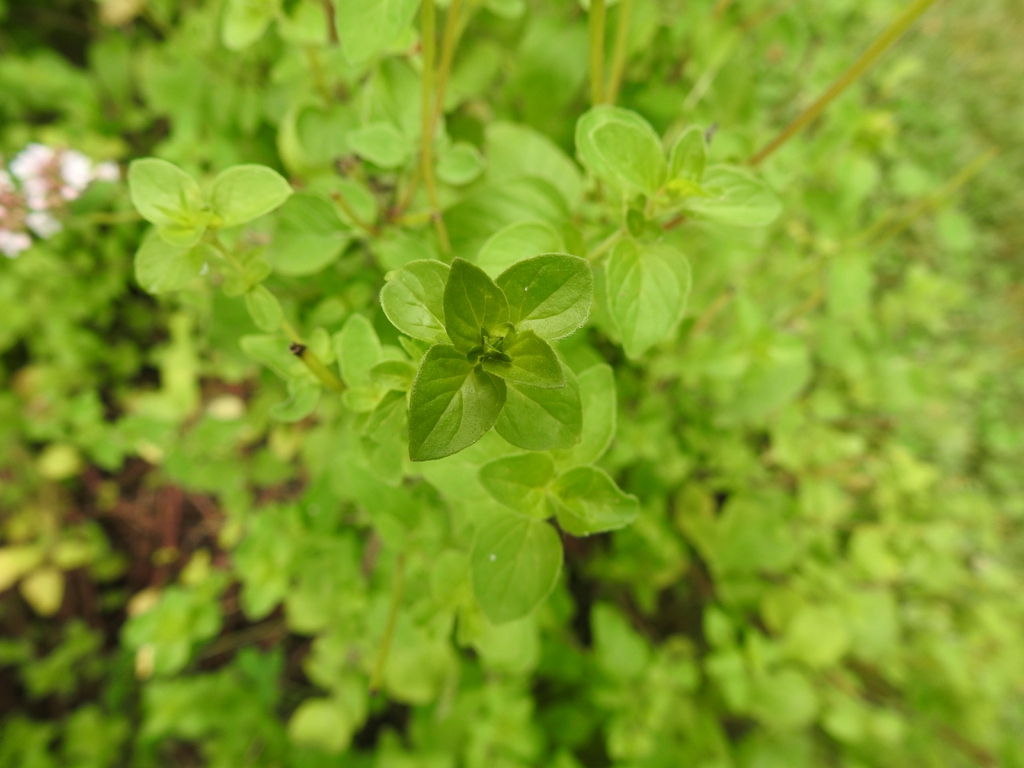
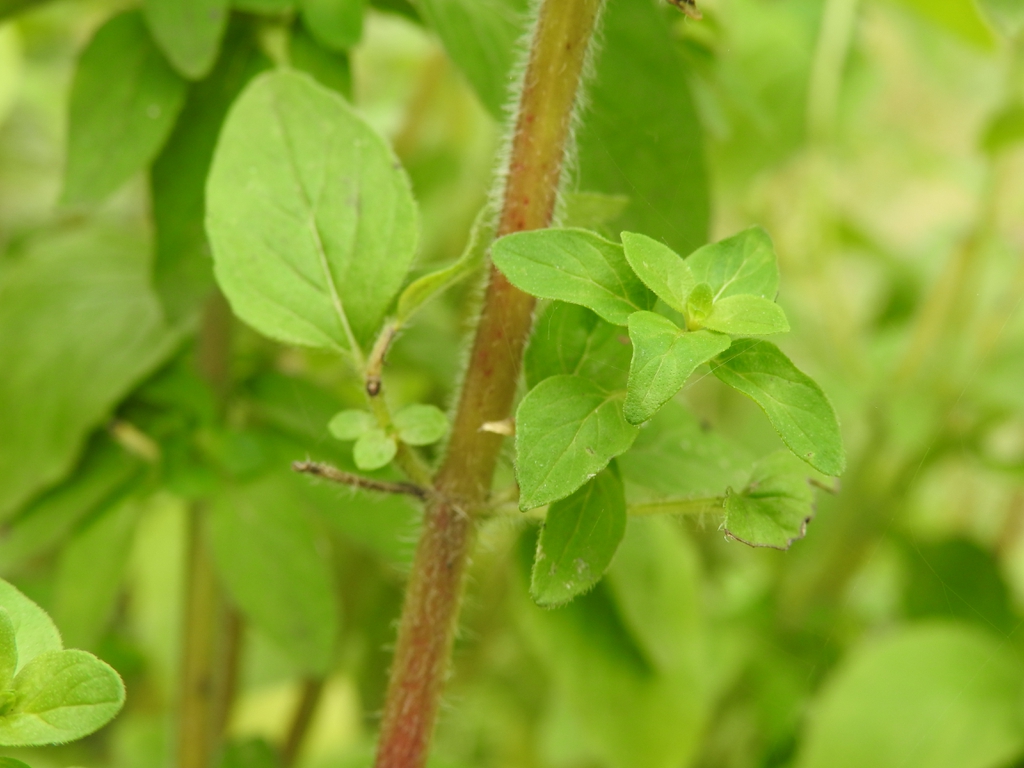
- Ovate, opposite, hairy, highly fragrant 1 1/4 inch long leaves typically grow in an upright mound 1 to 2 feet tall. Leaf flavor is milder with a more delicate flavor than those of perennial oregano (Origanum vulgare).
-
-
Stem:
- Stem Color:
- Green
- Red/Burgundy
- Stem Is Aromatic:
- No
- Stem Cross Section:
- Square
- Stem Form:
- Straight
- Stem Surface:
- Hairy (pubescent)
- Stem Description:
- Hairy square stems with burgundy streaks, branching, reddish, and densely clad with leaves.
-
-
Landscape:
- Landscape Location:
- Container
- Hanging Baskets
- Patio
- Pool/Hardscape
- Rock Wall
- Slope/Bank
- Small Space
- Landscape Theme:
- Edible Garden
- Pollinator Garden
- Design Feature:
- Border
- Mass Planting
- Attracts:
- Bees
- Resistance To Challenges:
- Deer
- Diseases
- Drought
- Dry Soil
- Heat
- Insect Pests
- Poor Soil
- Rabbits
- Problems:
- Problem for Cats
- Problem for Dogs



