



Lobelia spicata
Common Name(s):
- Phonetic Spelling
- loh-BEE-lee-a spih-KAH-tah
- This plant has low severity poison characteristics.
- See below
- Description
-
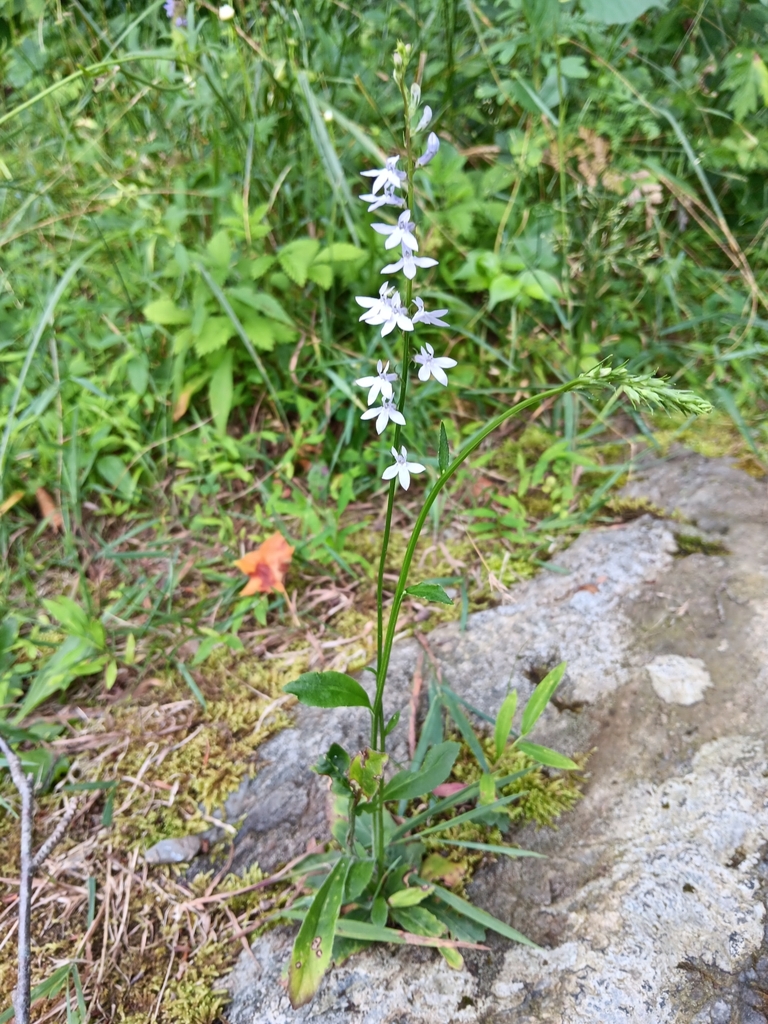
Pale Spiked Lobelia is an erect, flowering, perennial herb in the bell flower family that is usually short lived. At maturity, it can reach a height of more than 2 feet. It has long, narrow leaves at the base of the plant and a single, slender stem that rises 3 1/2 inches high and supports a spike of small, light blue or white flowers that bloom in summer. In nature, the plant is found throughout southeastern Canada and the eastern United States in meadows, fields, thickets, and in dry sandy soil.
Pale Spiked Lobelia does best in full or partial sun and moist to slightly dry, rich and loamy soil. It does tolerate full shade as well as somewhat rocky conditions. Before the plant matures, you must keep the soil consistently moist in order to keep the small seedlings alive.
The leaves and stems contain a watery white latex that is toxic to small mammals.
Diseases, Insect Pests, and Other Plant Problems:
No known diseases or insect pests. Lower leaves may turn yellow and fall off the stem during a drought. Over watering or too much fertilizer can cause this plant to flop over.
- See this plant in the following landscape :
- Cultivars / Varieties:
-
- Tags:


- Cultivars / Varieties:
-
- Tags:
-
-
Attributes:
- Genus:
- Lobelia
- Species:
- spicata
- Family:
- Campanulaceae
- Life Cycle:
- Perennial
- Recommended Propagation Strategy:
- Seed
- Country Or Region Of Origin:
- Central and eastern Canada and United States
- Wildlife Value:
- Attracts hummingbirds.
-
-
Whole Plant Traits:
- Plant Type:
- Herbaceous Perennial
- Native Plant
- Poisonous
- Wildflower
- Woody Plant Leaf Characteristics:
- Deciduous
- Habit/Form:
- Ascending
- Erect
- Maintenance:
- Low
-
-
Cultural Conditions:
- Light:
- Deep shade (Less than 2 hours to no direct sunlight)
- Full sun (6 or more hours of direct sunlight a day)
- Partial Shade (Direct sunlight only part of the day, 2-6 hours)
- Soil Texture:
- High Organic Matter
- Loam (Silt)
- Shallow Rocky
- Soil Drainage:
- Good Drainage
- Moist
- Occasionally Dry
- Available Space To Plant:
- Less than 12 inches
- NC Region:
- Coastal
- Mountains
- Piedmont
- USDA Plant Hardiness Zone:
- 3a, 3b, 4a, 4b, 5a, 5b, 6a, 6b, 7a, 7b, 8a, 8b
-
-
Fruit:
- Display/Harvest Time:
- Fall
- Fruit Type:
- Capsule
- Fruit Description:
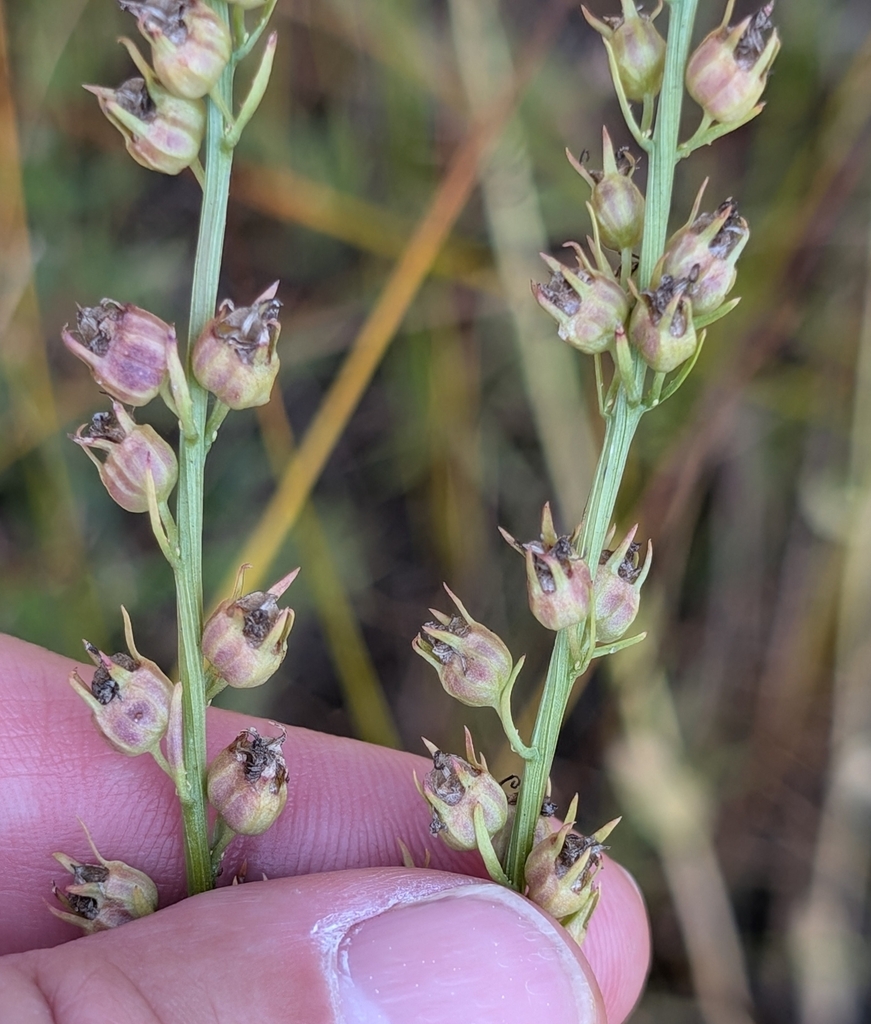
- The flowers are replaced by seedpods that split open, exposing tiny seeds to the wind.
-
-
Flowers:
- Flower Color:
- Blue
- Purple/Lavender
- White
- Flower Inflorescence:
- Raceme
- Spike
- Flower Value To Gardener:
- Showy
- Flower Bloom Time:
- Summer
- Flower Shape:
- Tubular
- Flower Petals:
- 4-5 petals/rays
- Flower Size:
- < 1 inch
- Flower Description:
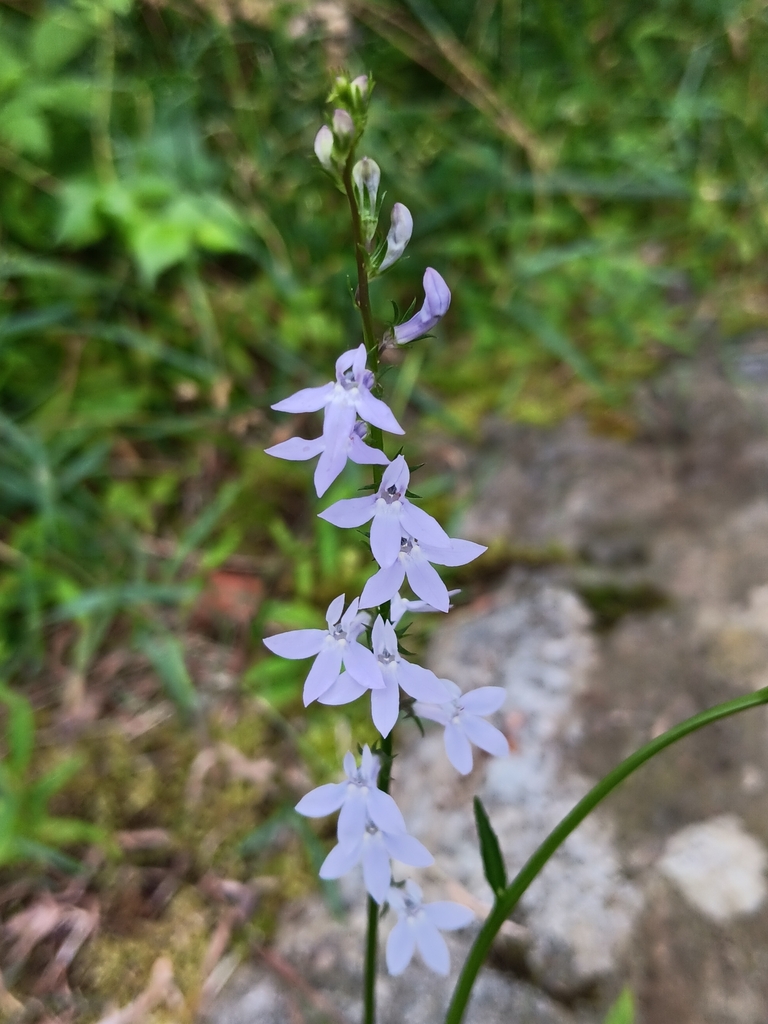
- Flowers can be white, scarlet, or blue, 5-parted and tubular with upper and lower lips on a long spike of flowers about 3-12 inches long. The individual flowers are about 1/3 of an inch across. The small upper lip is divided into 2 lobes; the larger lower lip is divided into 3 lobes. A purple or dark blue stigma from the upper part of the corolla tube bends downward at its tip. The base of the flower consists of a tubular calyx with 5 teeth.
-
-
Leaves:
- Woody Plant Leaf Characteristics:
- Deciduous
- Leaf Color:
- Green
- Leaf Type:
- Simple
- Leaf Arrangement:
- Alternate
- Leaf Shape:
- Lanceolate
- Ovate
- Leaf Margin:
- Entire
- Hairs Present:
- No
- Leaf Length:
- 3-6 inches
- Leaf Width:
- 1-3 inches
- Leaf Description:
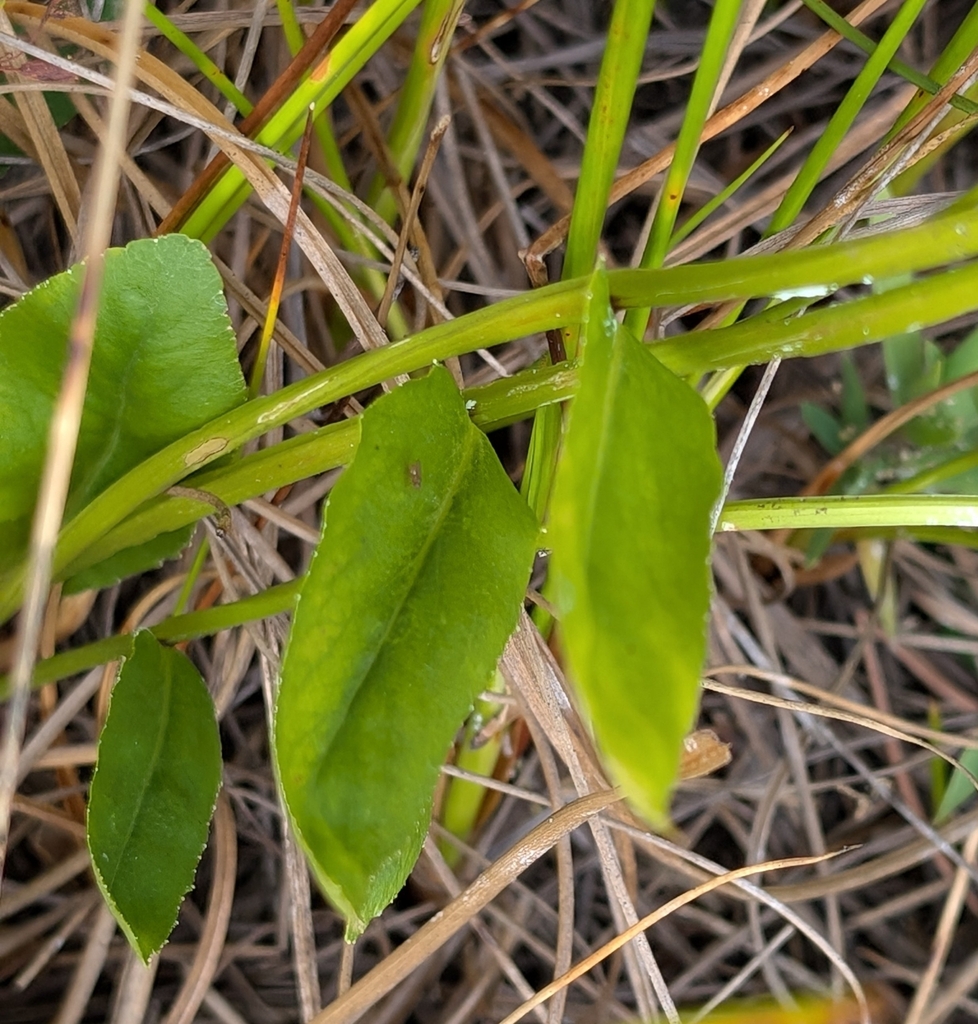
- Leaves occur along the lower half of the stem, and are up to 3½ inches long and 1 inch across. Lanceolate or narrowly ovate, but wider at the tip than the base. Margins often have widely spaced teeth, but are usually smooth.
-
-
Stem:
- Stem Color:
- Green
- Stem Is Aromatic:
- No
- Stem Cross Section:
- Angular
- Stem Surface:
- Hairy (pubescent)
- Stem Description:
- Single, simple stem is densely downy toward the base but smooth above and often ridged or angular near the inflorescence.
-
-
Landscape:
- Landscape Location:
- Meadow
- Naturalized Area
- Slope/Bank
- Landscape Theme:
- Native Garden
- Design Feature:
- Small groups
- Attracts:
- Hummingbirds
-
-
Poisonous to Humans:
- Poison Severity:
- Low
- Poison Symptoms:
- Nausea, vomiting, diarrhea, salivation, exhaustion and weakness, dilation of pupils, convulsions, and coma
- Poison Toxic Principle:
- Alkaloids lobelamine, lobeline, and others, plus a volatile oil
- Causes Contact Dermatitis:
- No
- Poison Part:
- Flowers
- Fruits
- Leaves
- Sap/Juice
- Seeds
- Stems



